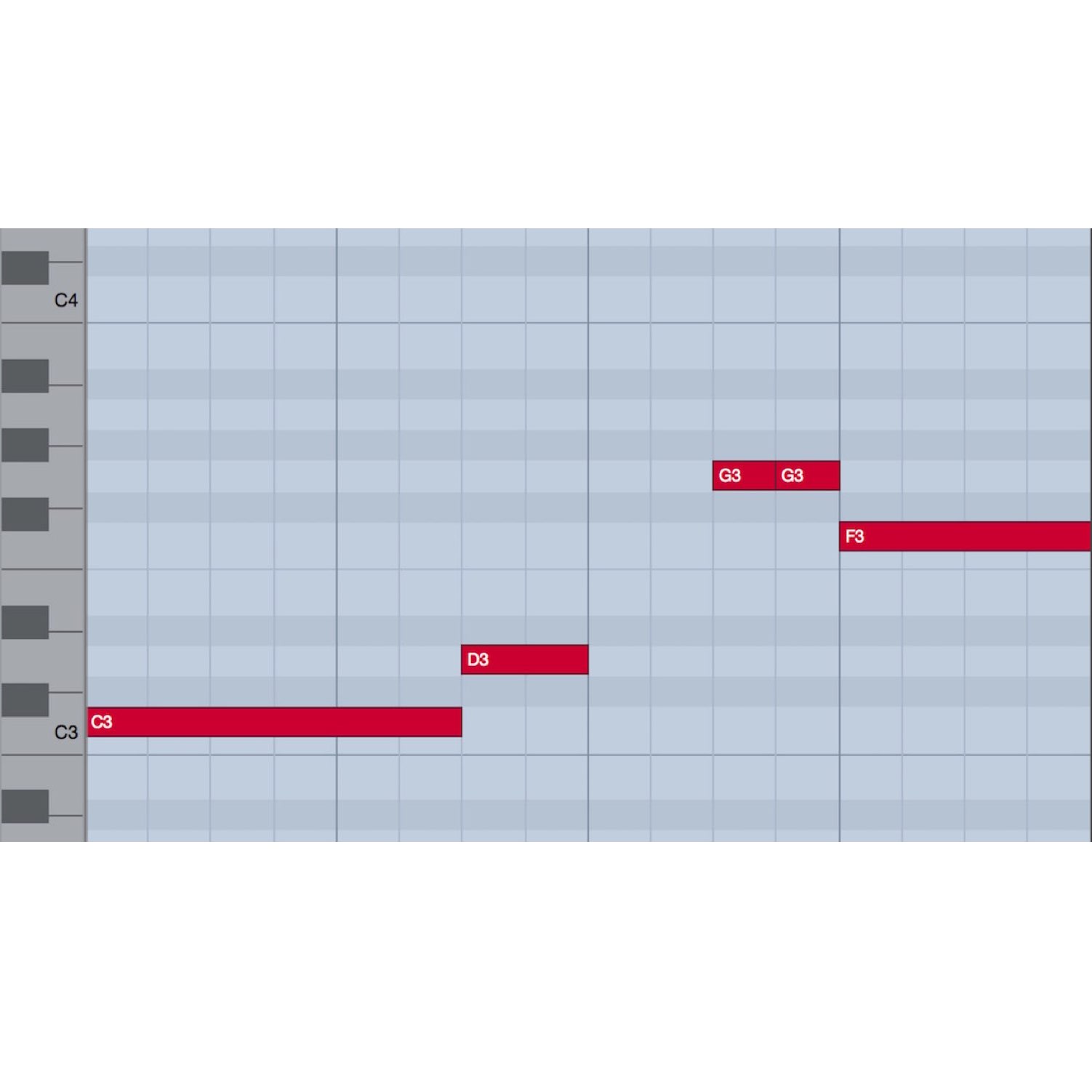
Managing a song’s chord progression efficiently can help maintain both workflow and motivation in music production. This article introduces a simple, practical approach: create a dedicated track in your DAW, such as Cubase, and label empty regions with chord names. This hands-on method lets you see the structure of the whole song at a glance and check the current chord as you work. Although it takes some initial effort, it can make later editing and arranging much more efficient, improving the quality and speed of production.
See Your Chords at a Glance and Work More Efficiently
While producing a track,
“Wait, what was the chord here again?” is a question that often comes up.
Checking the chord each time can interrupt your momentum and slow you down.
One way to solve this is shown below.

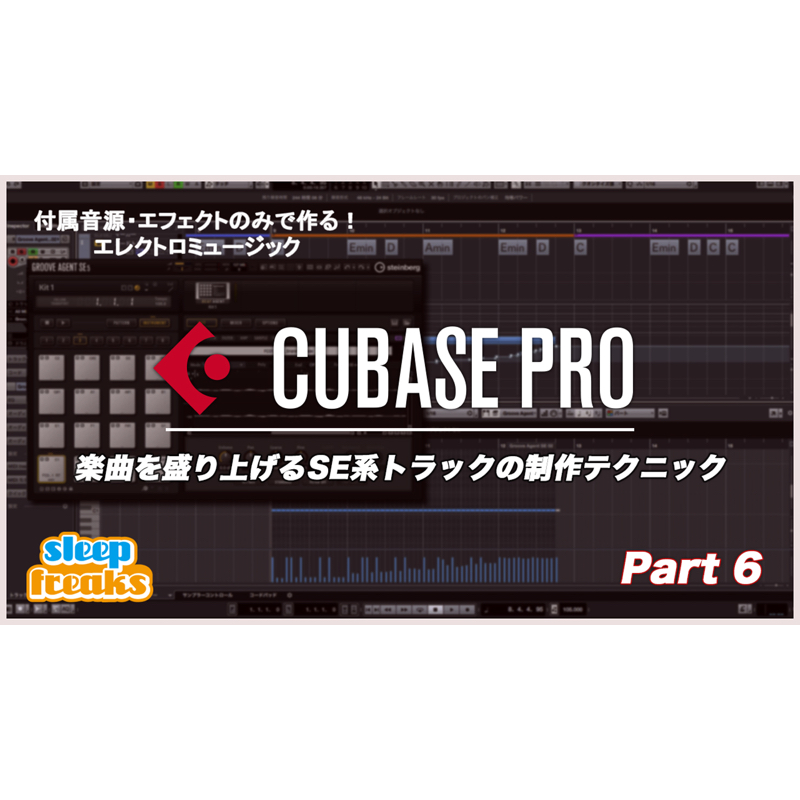
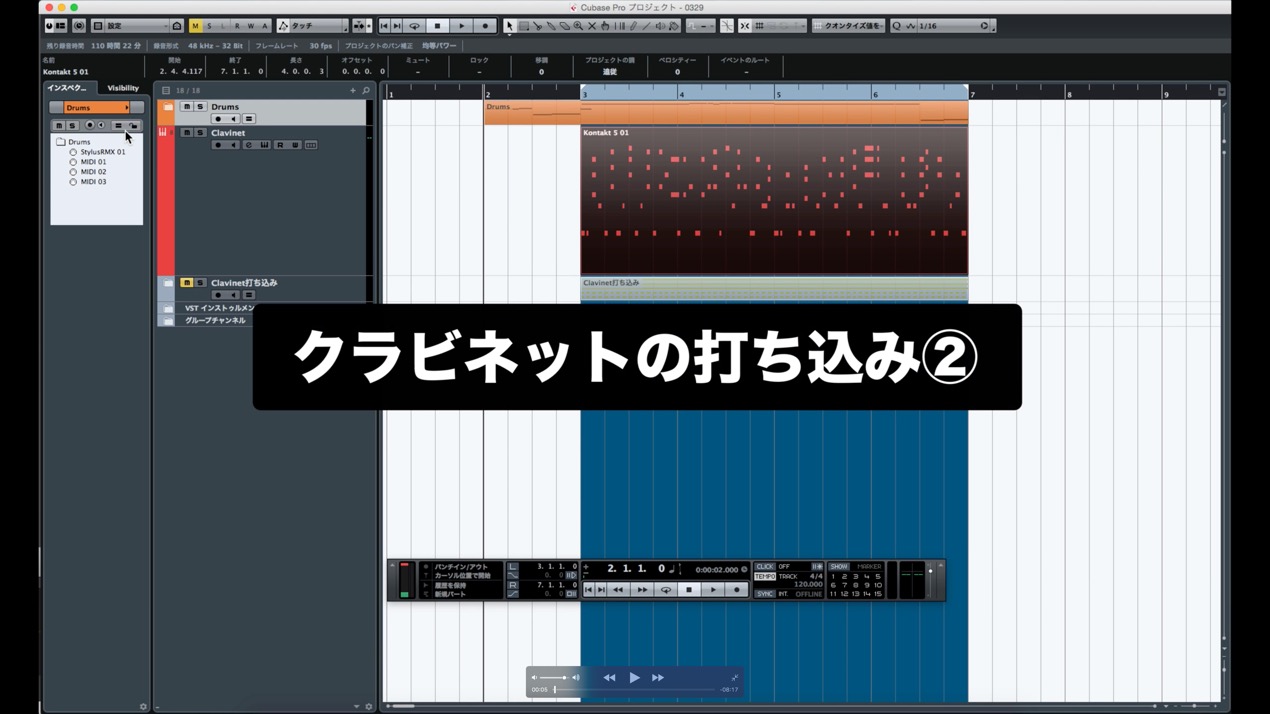
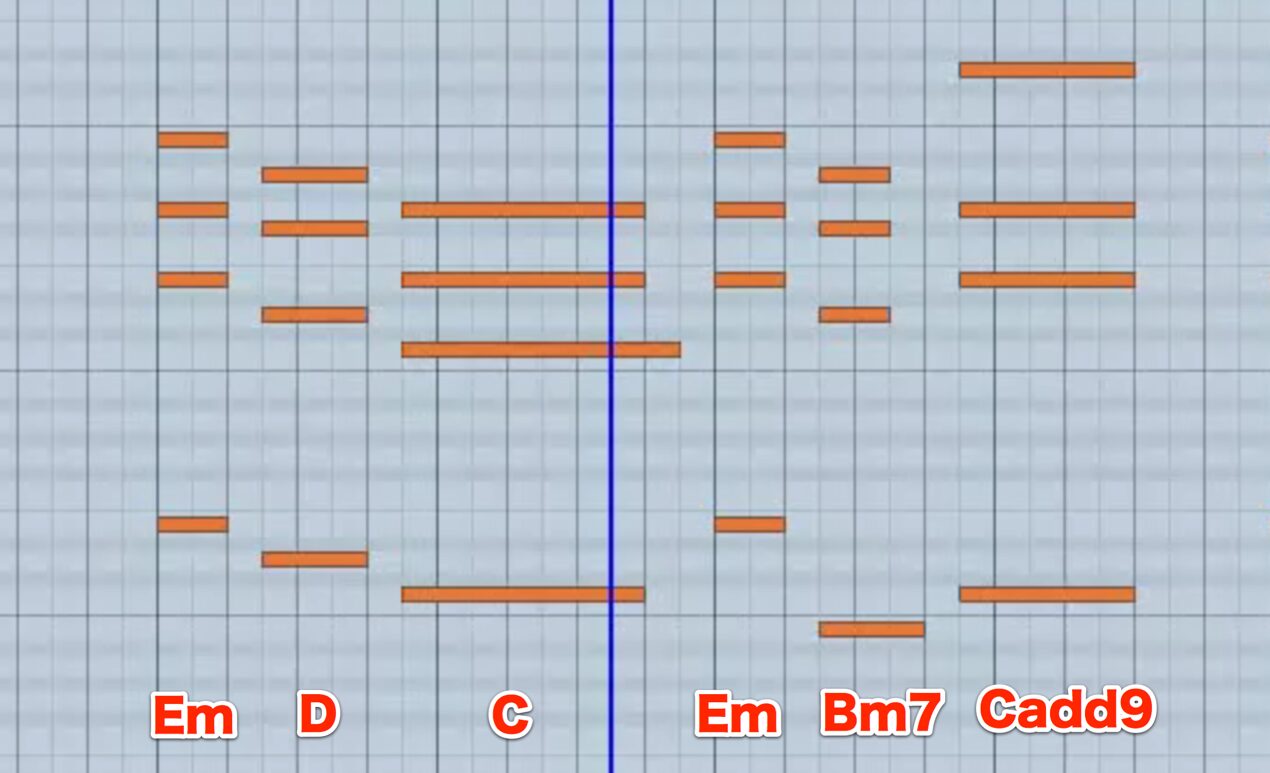
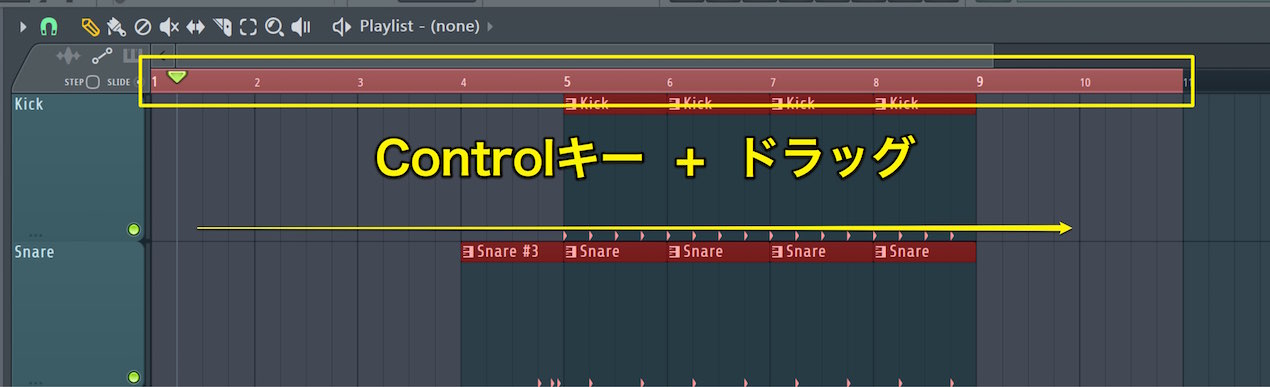
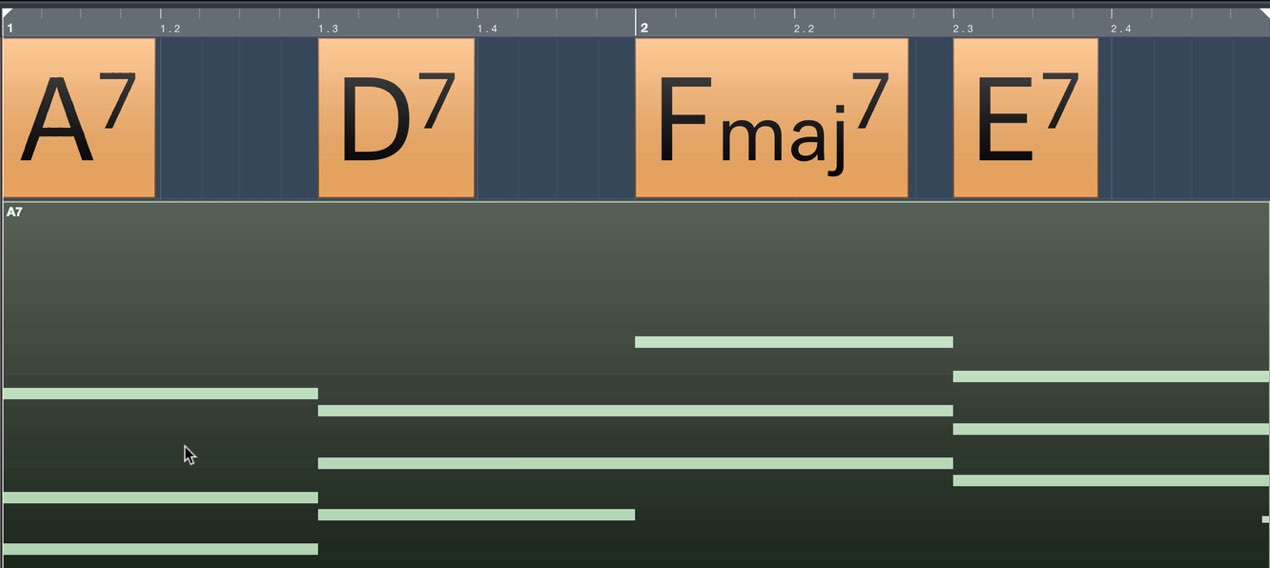
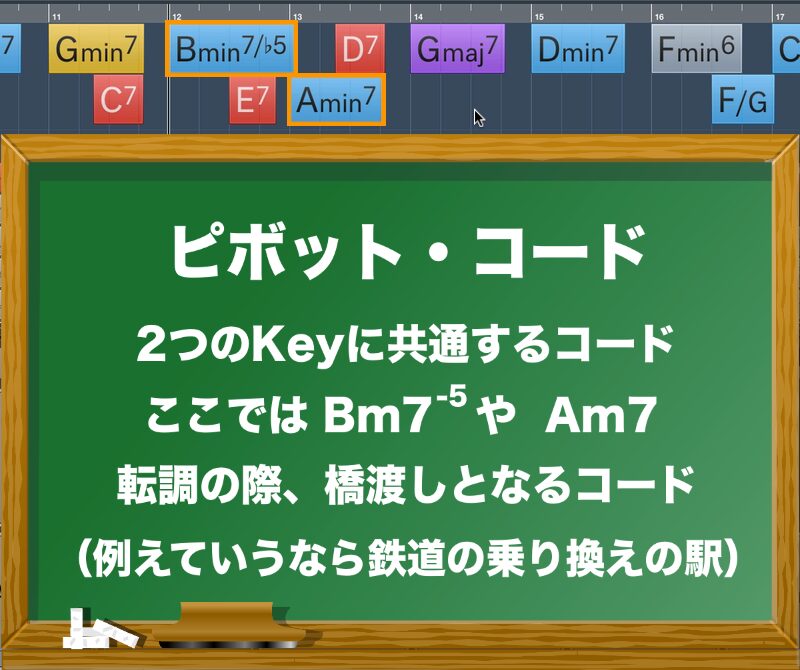
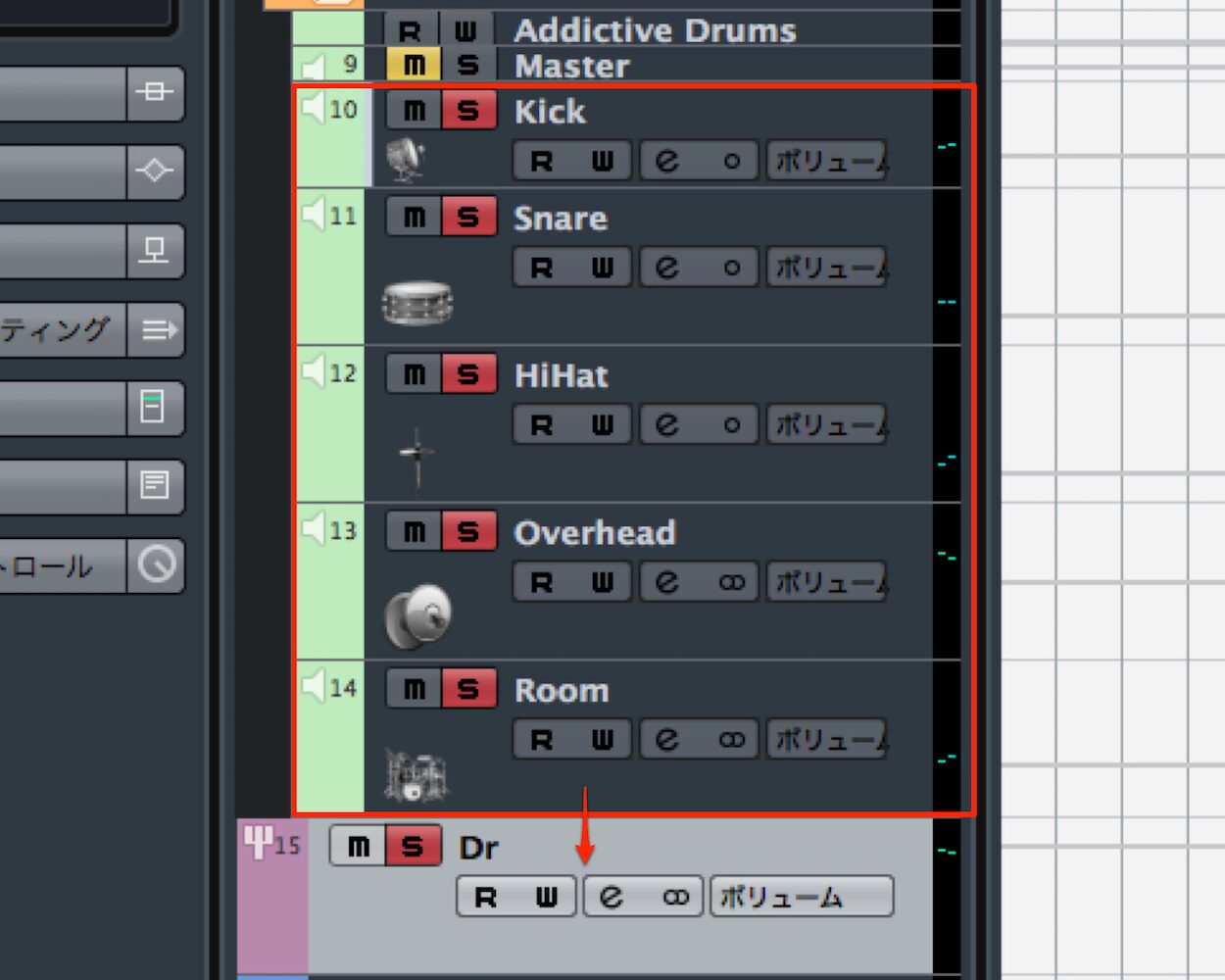
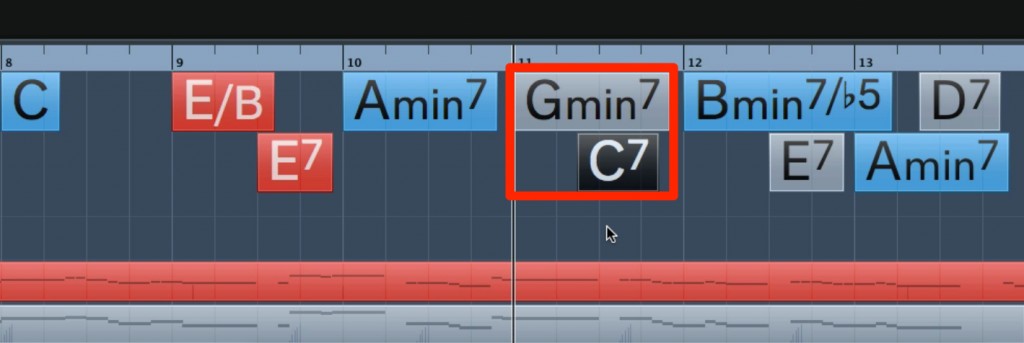
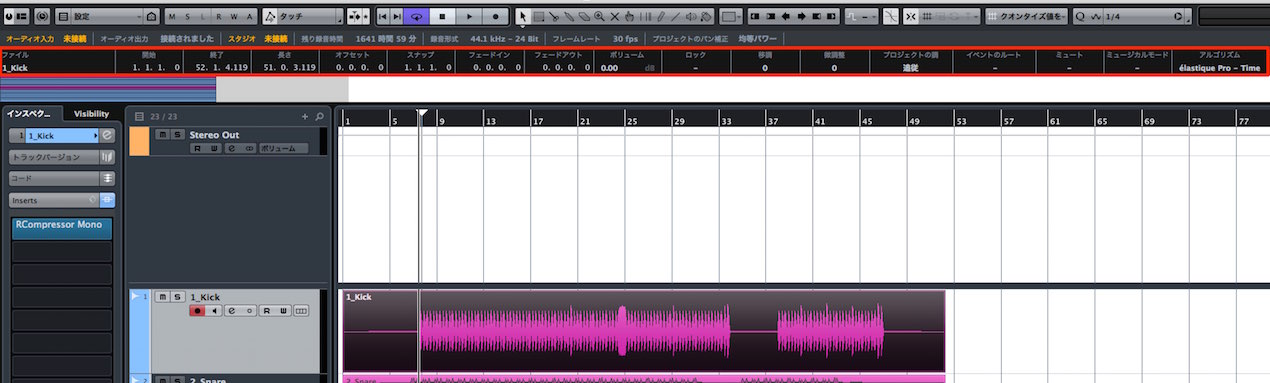
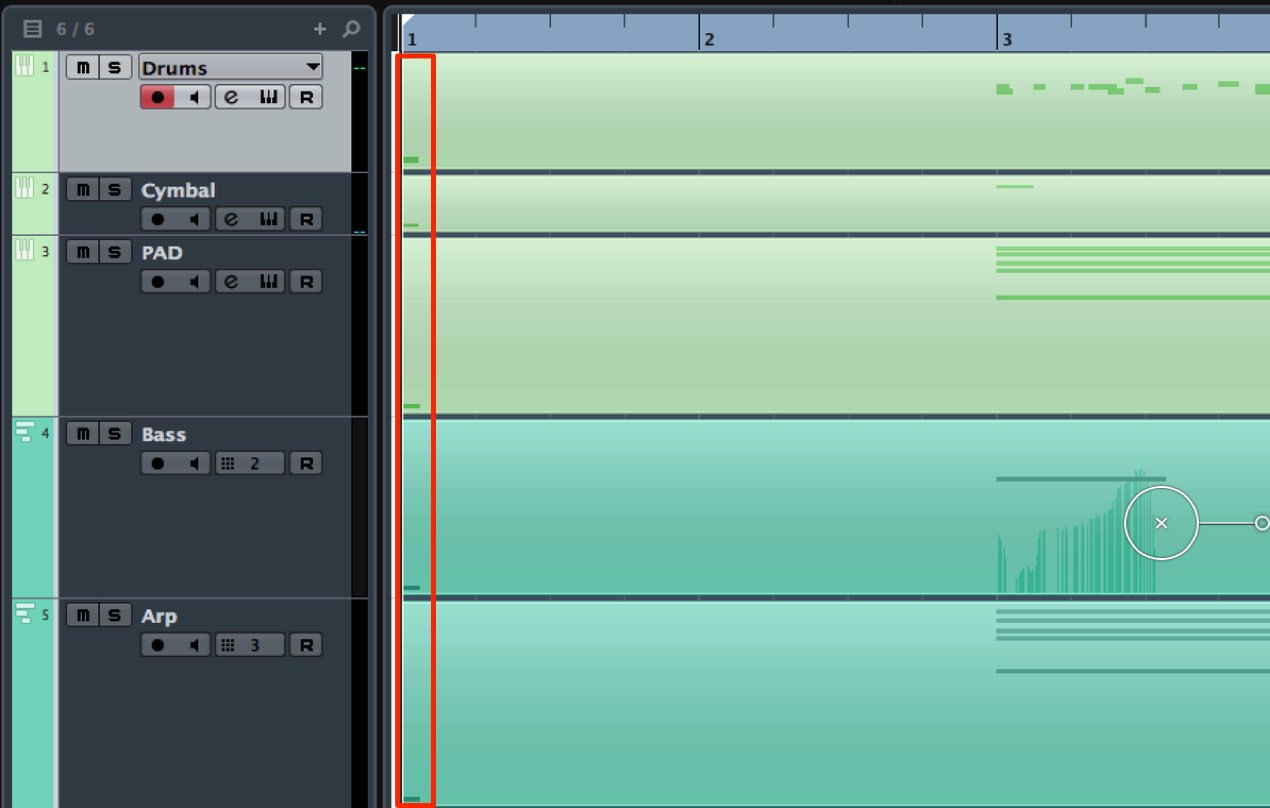
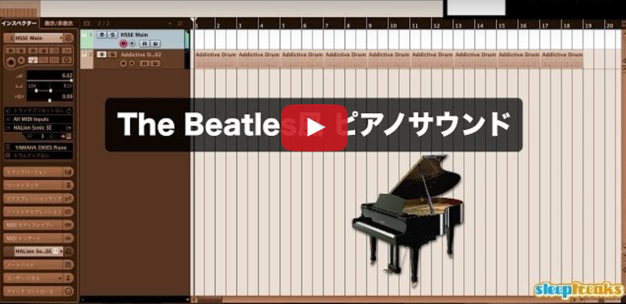
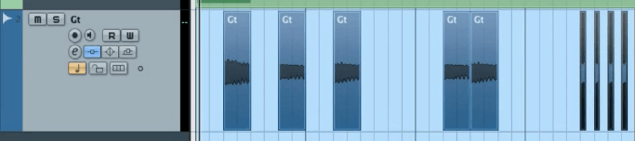
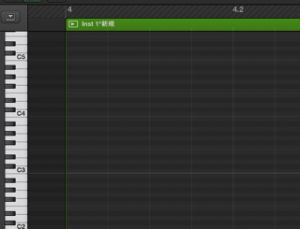
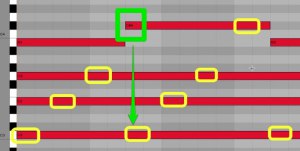
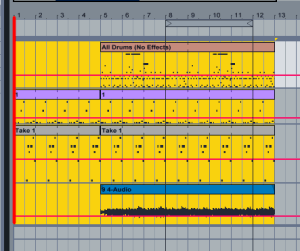
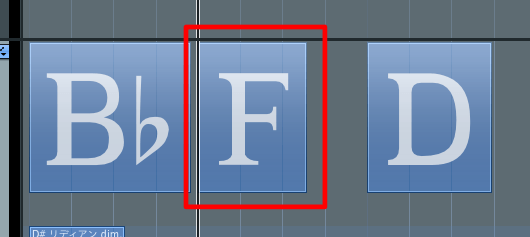
↑ As shown above,
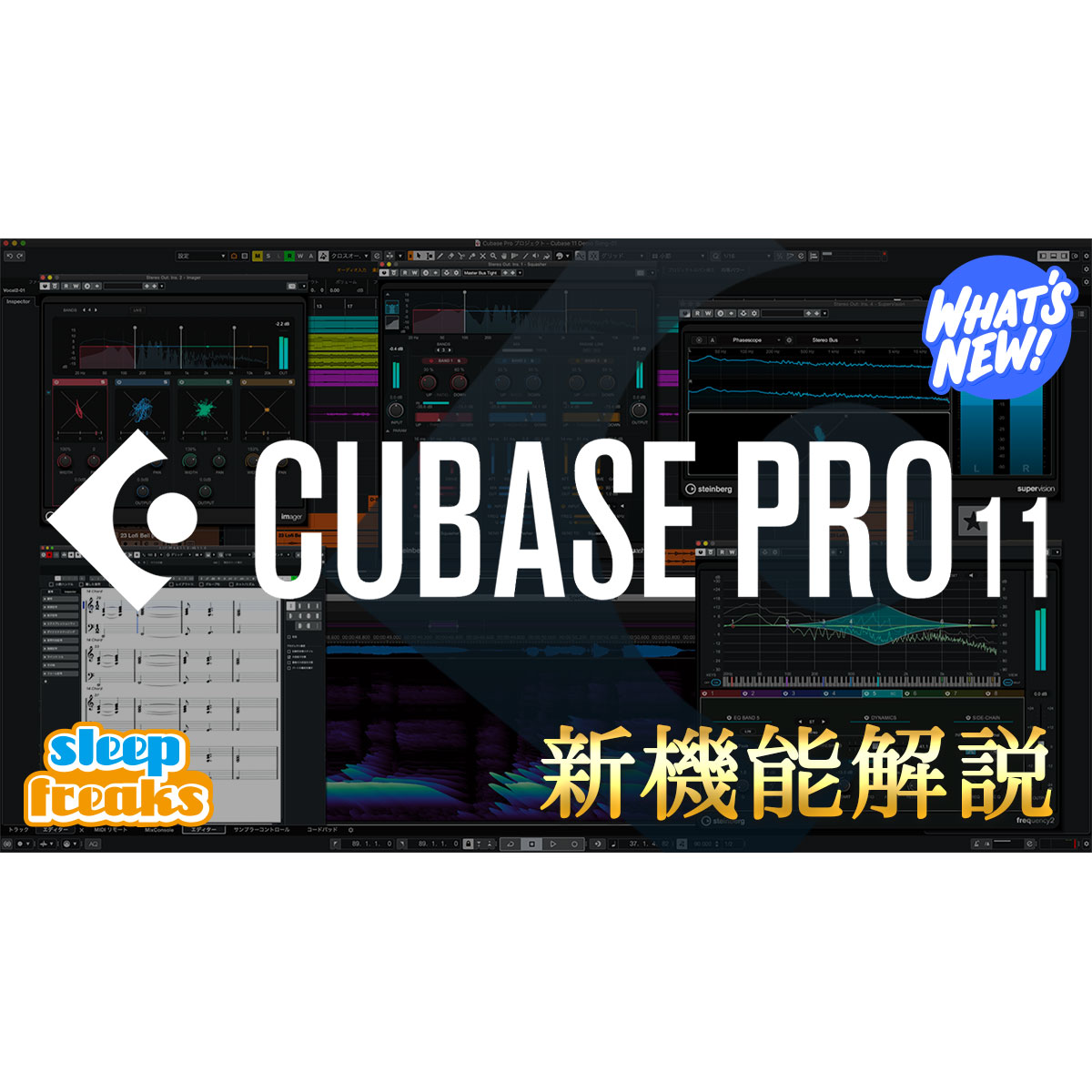
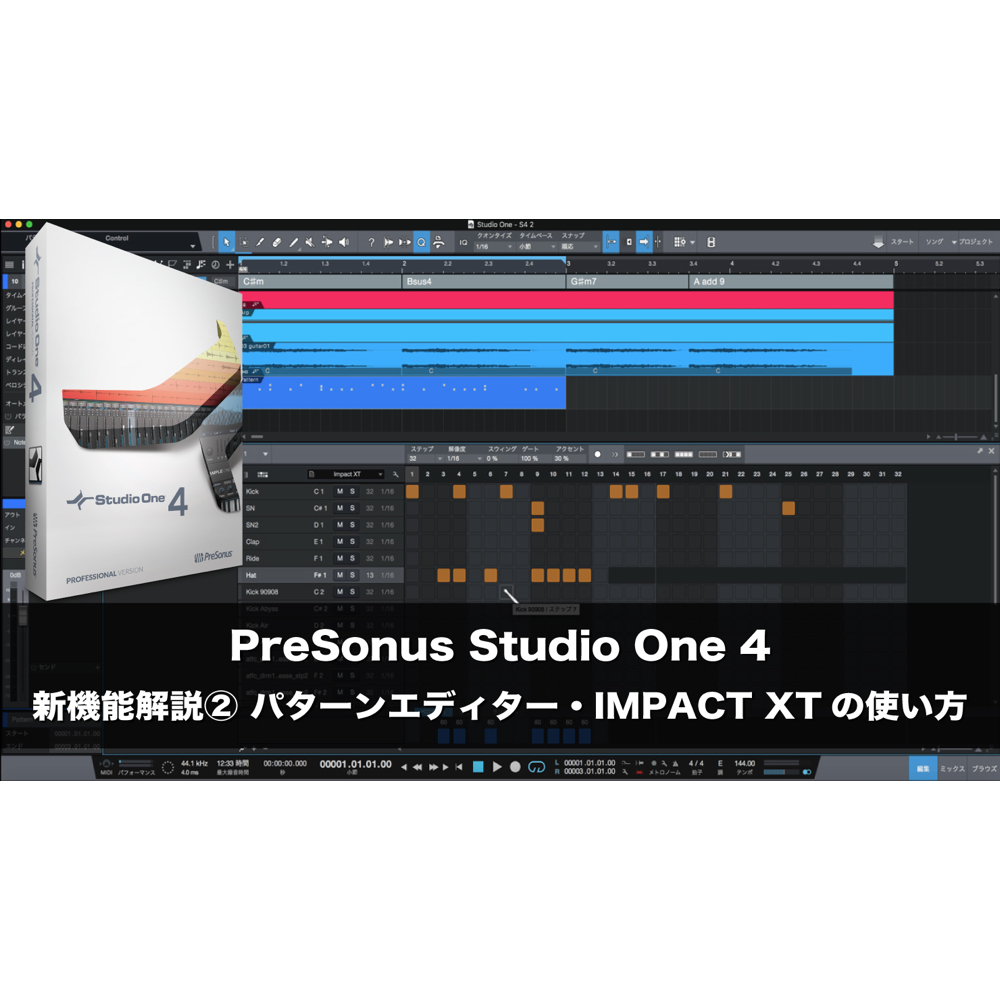
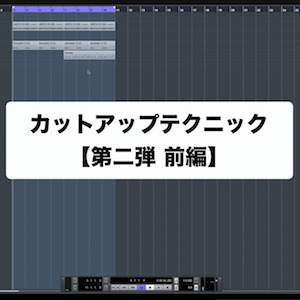
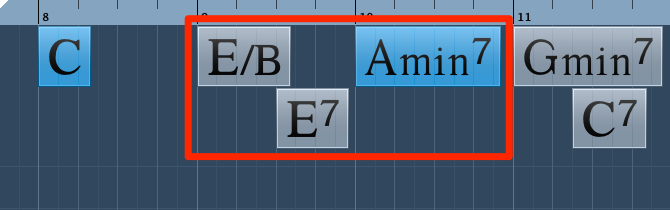
create a track for chords and give each empty region a chord name.
It may seem like a very manual approach, but
you can see the chords for the entire song and identify the chord in the section you are listening to in real time, which makes it very convenient.
Typing in the chord names can be a little tedious,
but a few hours later you will probably be thinking, “Thank you, past me!” (laughs).
Give it a try!
A Handy Way to Display Chords in Cubase
Purchase the Product
Frequently Asked Questions
Q1. Why can managing chords become complicated in music production?
With multiple tracks or a long song, it can be hard to see which chord progression belongs to each section. Checking during production takes time and slows the workflow, so organizing chords in advance is useful.
Q2. What are the benefits of creating a chord track?
You can visualize the chord progression across the entire song and see the current chord in real time. It can also help you make faster decisions when reharmonizing or changing chords, speeding up production.
Q3. Are there automatic generation tools besides Cubase’s chord features?
Cubase’s Chord Pads and Chord Track can suggest chord progressions suited to a song. They can help you choose suitable chords even without prior chord knowledge.
NEW ARTICLES
Latest English Articles