This article examines the chord progression in “Arigatou” by Ikimonogakari. It introduces the seven diatonic chords built from a key’s scale and contrasts them with non-diatonic chords. The analysis groups the 11 distinct chords found among 14 chord changes in the first eight bars of the chorus, exploring how diatonic stability and non-diatonic tension shape the progression.
What Are Diatonic Chords?
Once you identify a song’s key, combinations of the seven notes in its scale
produce seven chords that fit the key most naturally.
These are called diatonic chords.
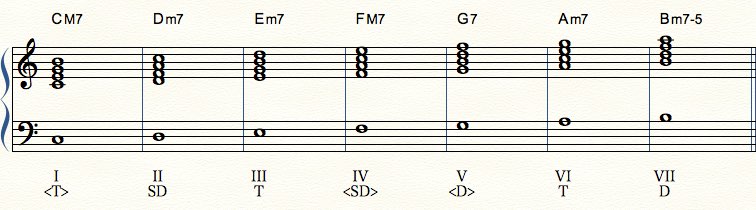
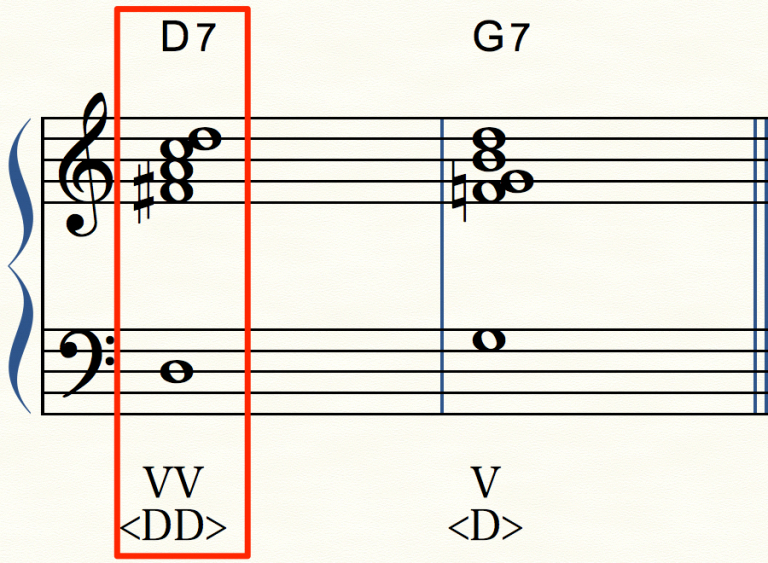
In pop music, seventh chords, built by stacking four notes, are often used.

Incidentally, chord names in Cubase’s Chord Pads
differ slightly from the notation commonly used in Japan.
For a more detailed explanation of diatonic chords,
see the reharmonization tutorial.
Song Used in This Analysis
Tutorial Videos
1. Identifying the Key
2. Chord Progression (this article)
3. Non-Diatonic Chords
4. ii–V Progressions
5. Pivot Chords
6. Secondary Dominants and Minor Subdominants
7. Slash Chords
Grouping Chords by Their Relationships
The chord lookup site Gakki.me is useful when you want to find the chord names in a song.

Gakki.me: http://gakufu.gakki.me

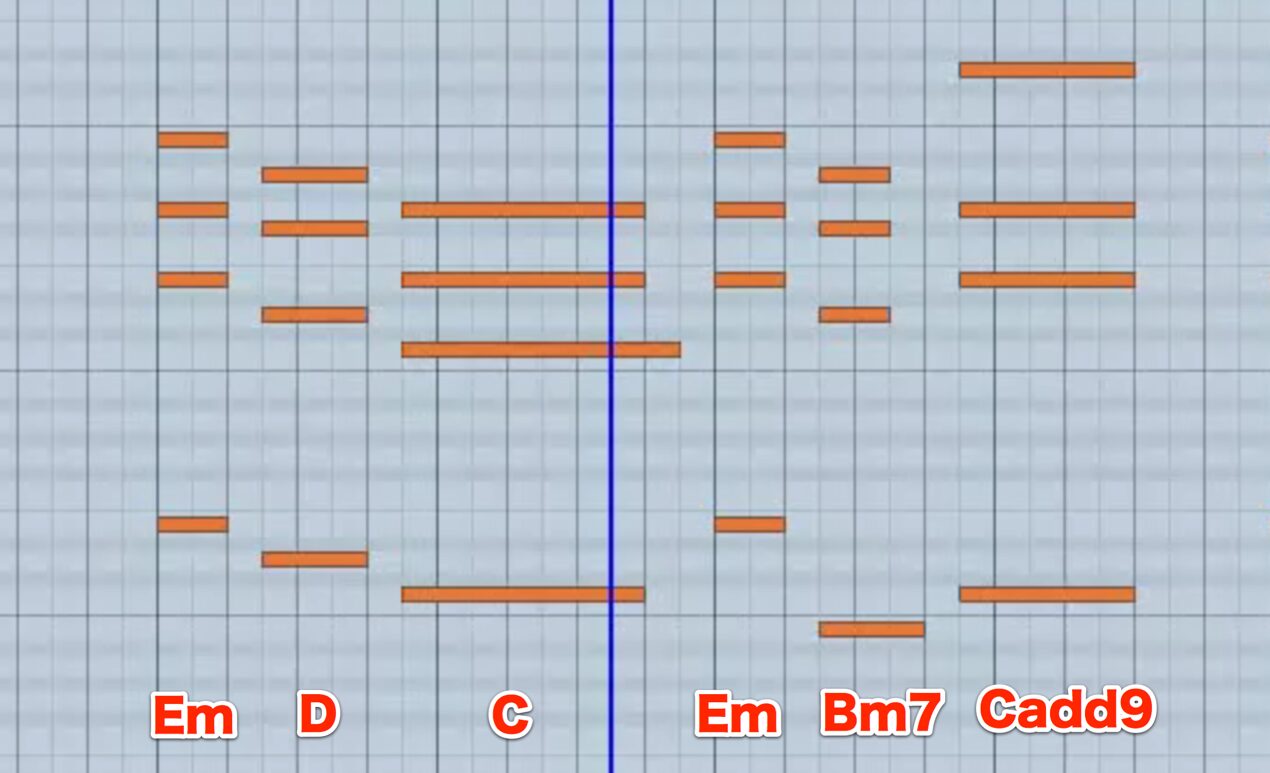
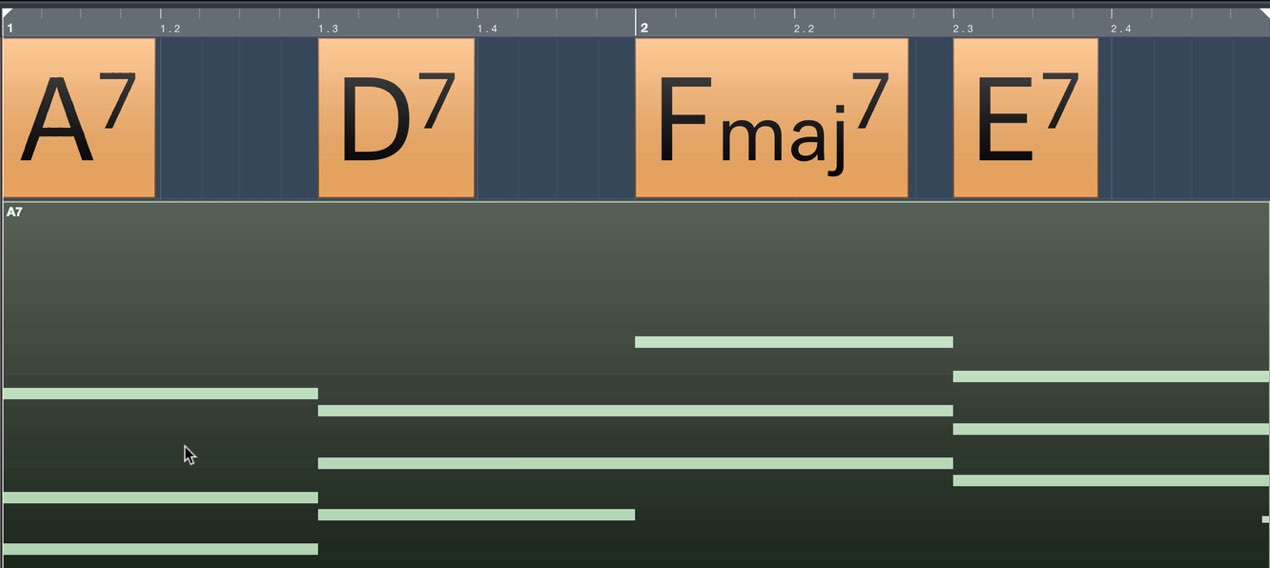
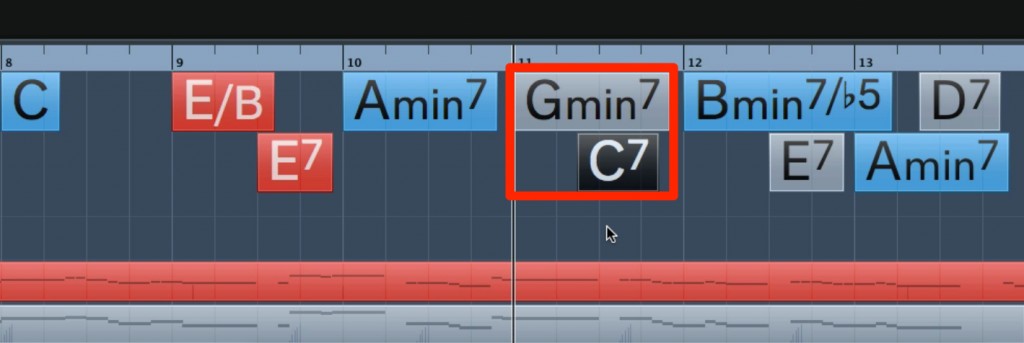
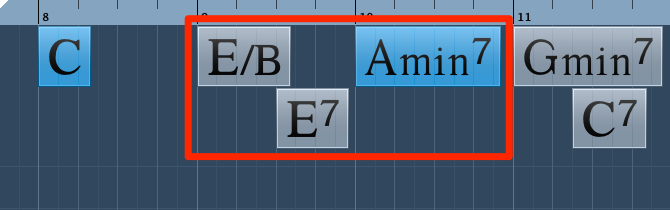
We have entered the chord progression from the first eight bars of the chorus of Ikimonogakari’s “Arigatou”
into Cubase’s Chord Track.
There are 14 chord changes, which give 11 distinct chords when repeated chords are excluded.
Let’s divide these 11 chords into two groups.
One group is “in-key chords,” or diatonic chords.
The other is “borrowed chords,” or, more broadly, non-diatonic chords. The latter term includes chords from outside the key, not only chords borrowed from a parallel key.

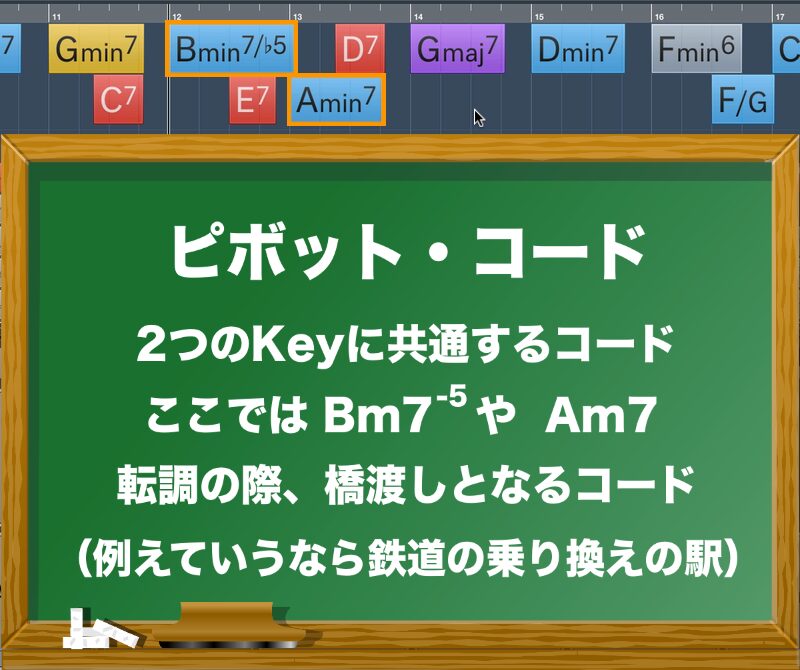
The chords marked in blue are diatonic chords in this example.
Listen for the stability of the diatonic chords and the tension of the non-diatonic chords.

Strictly speaking, Bm7♭5 is a diatonic chord.
Chords built on the seventh degree often have somewhat specialized, limited uses in a progression;
here, the key point is its relationship to the E7 that follows.
We will explain this in more detail in a later installment.
Frequently Asked Questions
Q1. What is the difference between diatonic and non-diatonic chords?
Diatonic chords are built from the seven notes of the key’s scale and tend to sound stable. Non-diatonic chords use notes outside the key and can add tension or a fresh color. Pop songs often combine both types for greater expression.
Q2. How many different chords are used in the chorus of “Arigatou”?
The first eight bars of the chorus contain 14 chord changes. Excluding repeated chords, there are 11 different chords, which can be grouped as diatonic and non-diatonic.
Q3. Why do chord names look different in Cubase’s Chord Pads?
Cubase’s Chord Pads use notation that can differ slightly from chord symbols commonly used in Japan. Comparing them with a chord lookup site such as Japan’s Gakki.me can help you interpret the names.
NEW ARTICLES
Latest English Articles