This guide explores using noise to build energy in EDM. Because noise can last longer than a cymbal, it can help tie transitions between sections together. Combine a noise oscillator, filter, automation and LFO to animate cutoff and volume and create a pulsing, sidechain-like sound. The guide also links to automation tutorials for DAWs including Pro Tools, Logic, Cubase and Ableton Live.
A Classic EDM Noise Sound
We previously covered noise sound effects, and here we will introduce
a variation with a little more movement.
Noise can play for longer than a cymbal,
so try using it across transitions between sections to tie them together.
How to Create the Sound
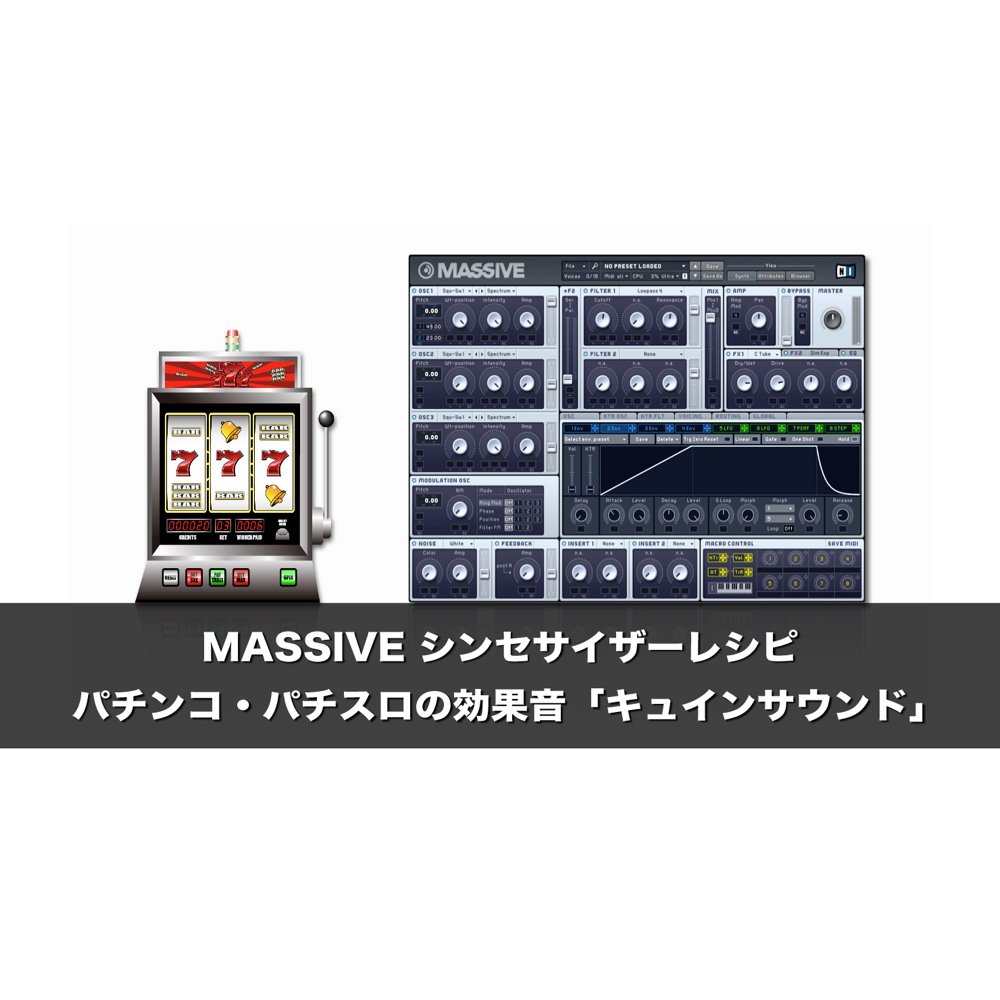
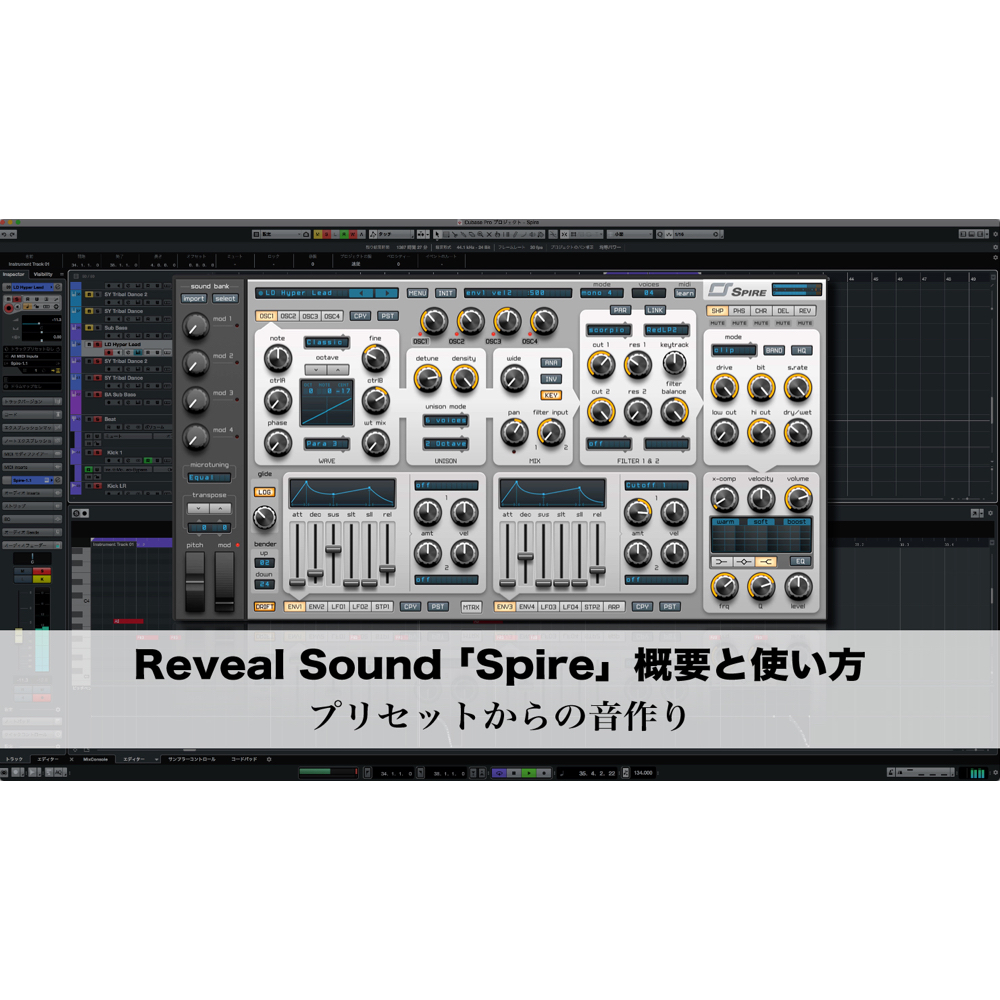
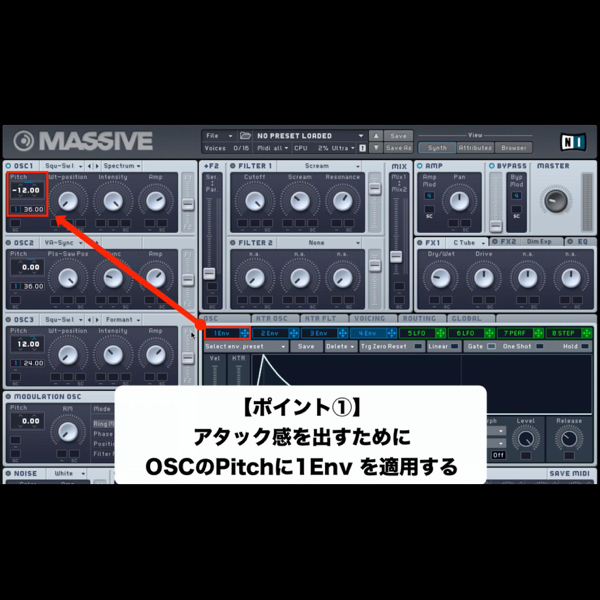
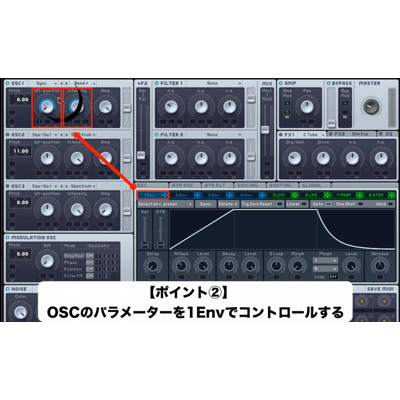
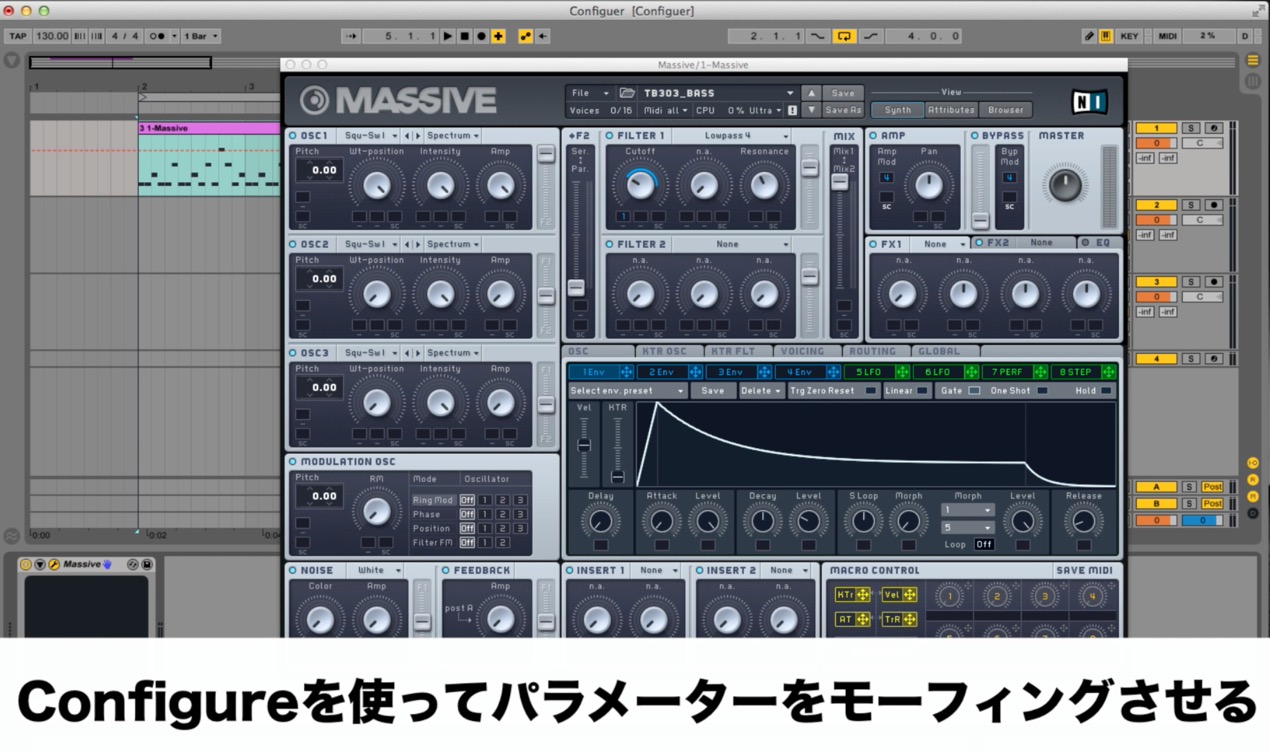
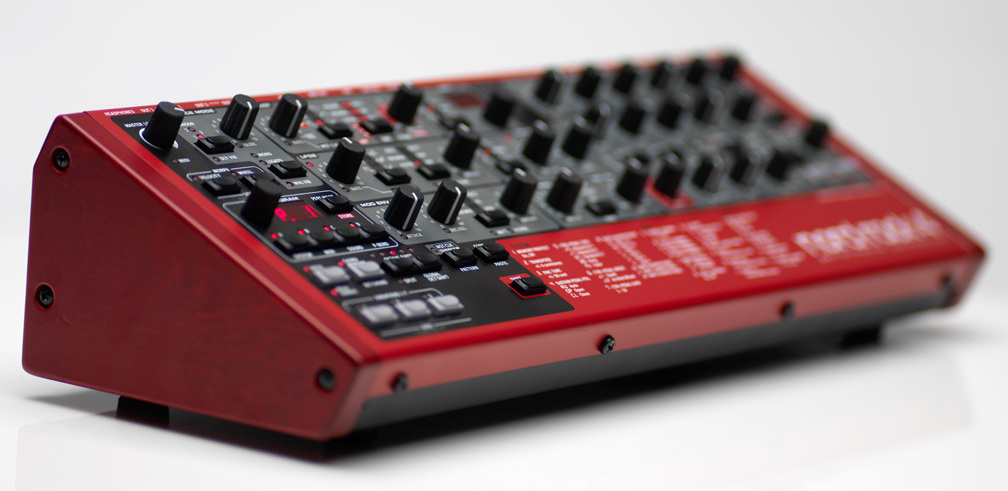
Setting the Noise Oscillator

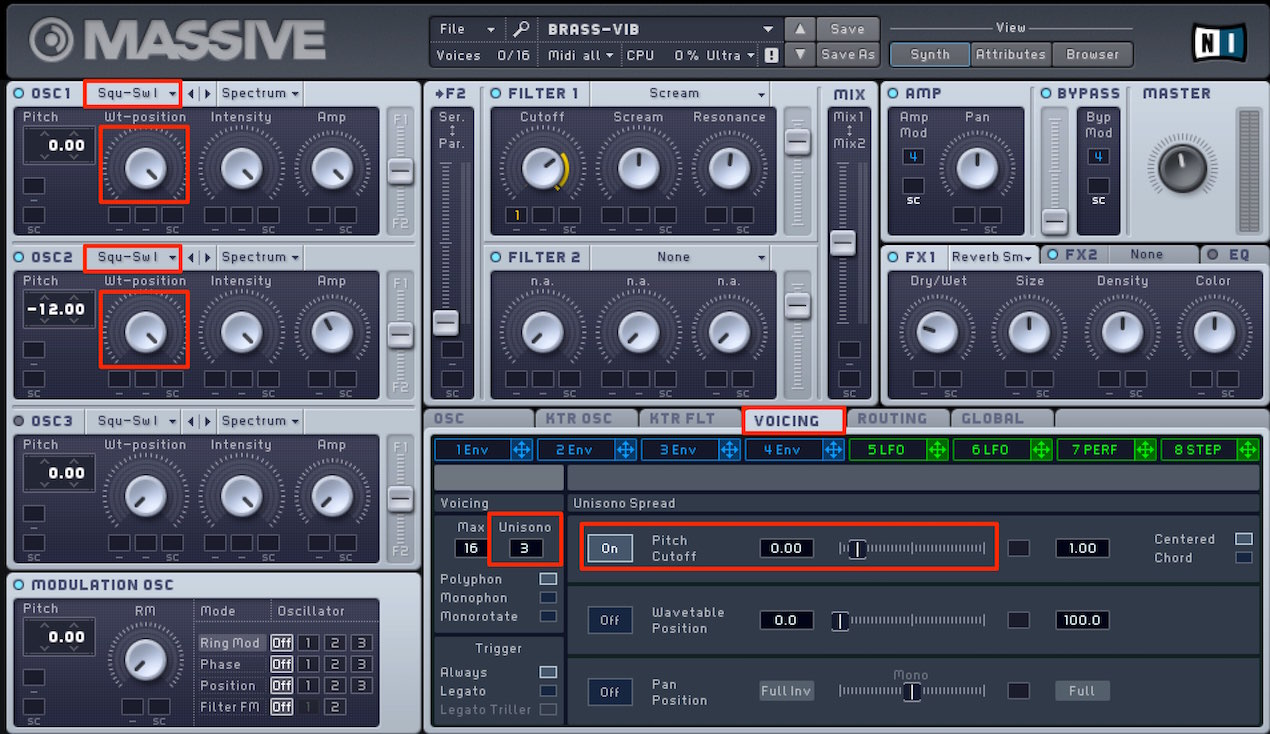
First, activate the noise oscillator.
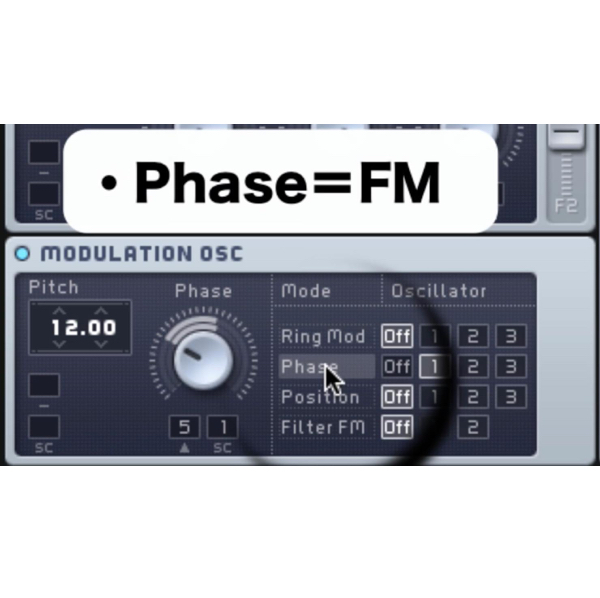
Raise Amp and turn Color to the right.
This brightens the noise.
Turn OSC 1, 2 and 3 off at this point, or they will add pitched sound.
Setting the Filter

Use the filter to change the tone of the noise.
The key is to vary the cutoff.

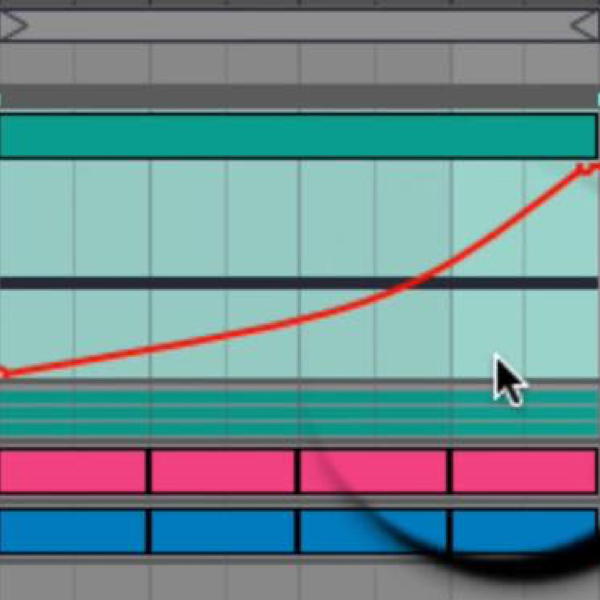
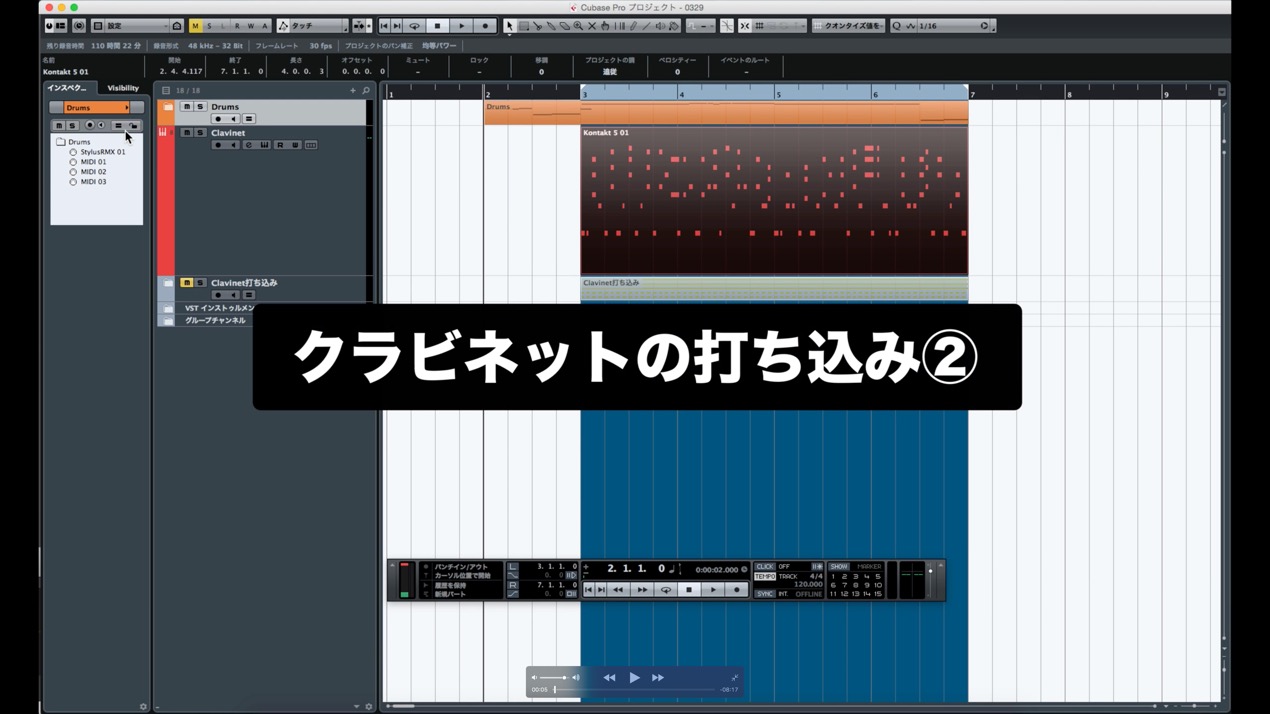
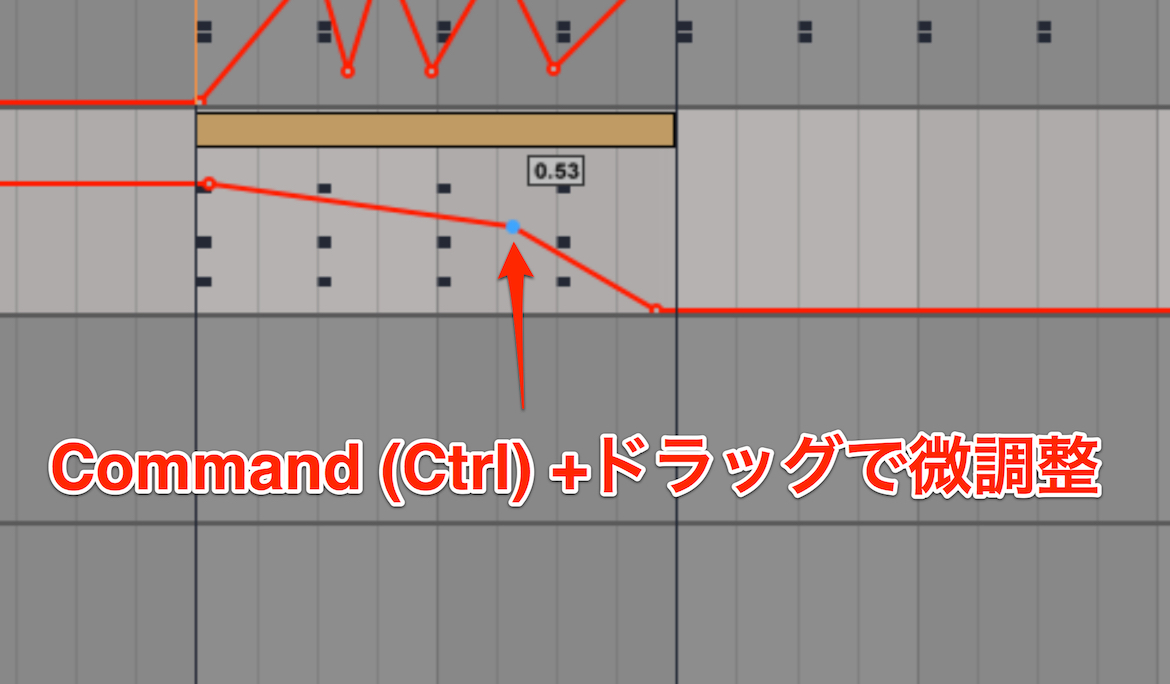
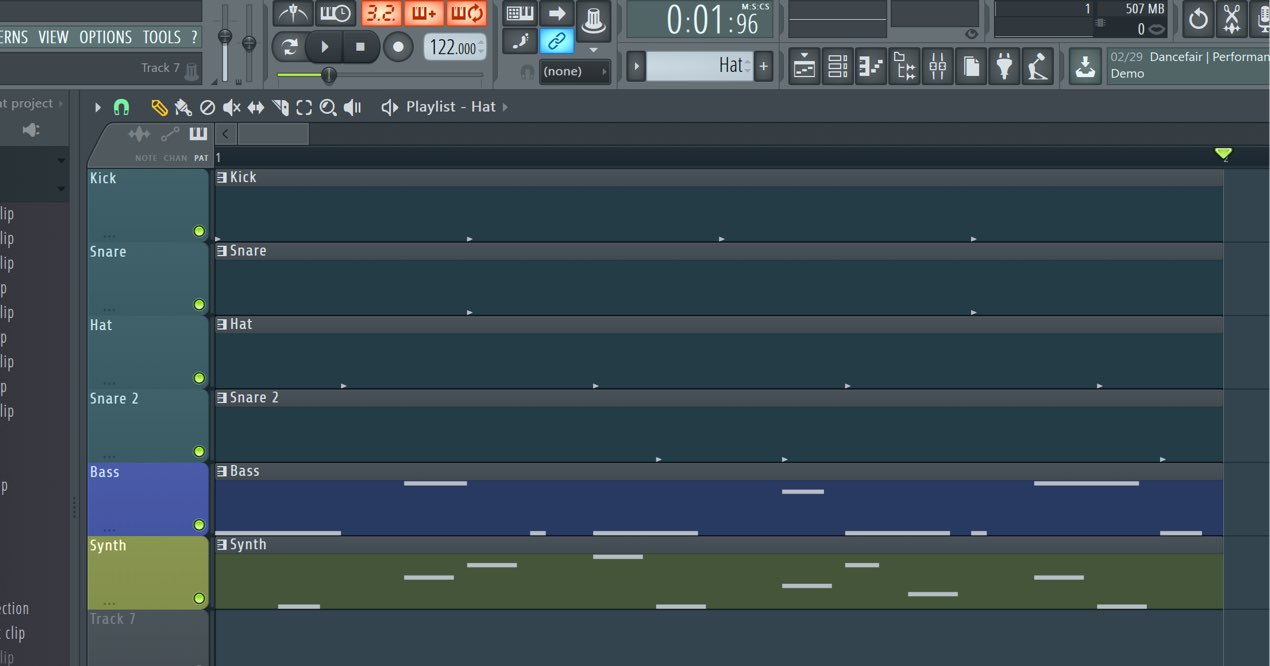
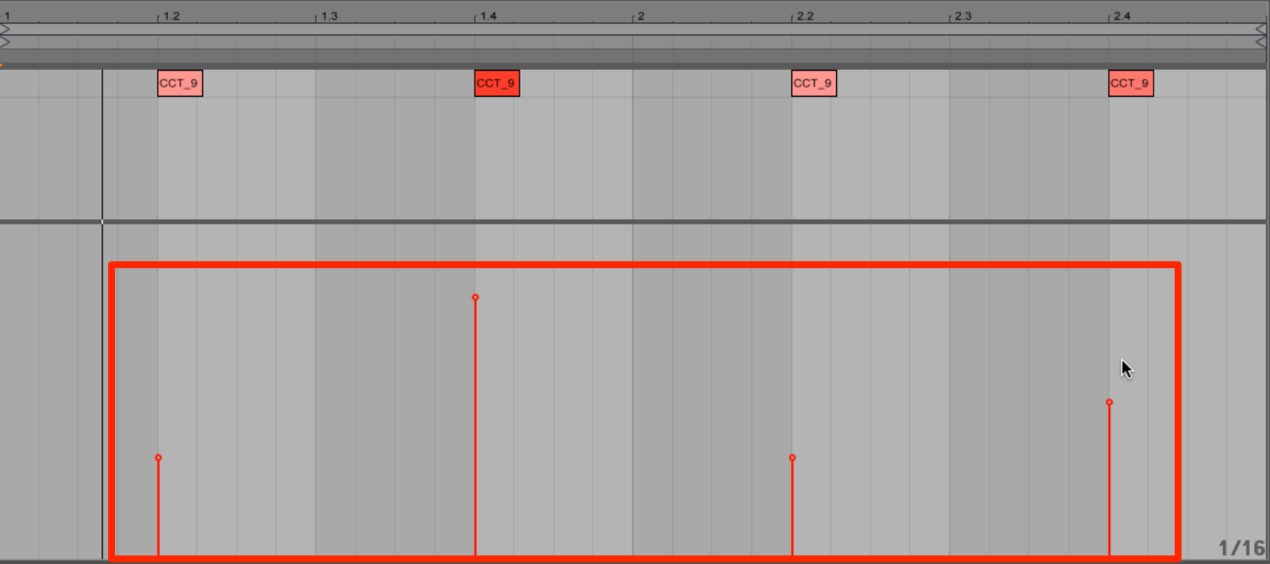
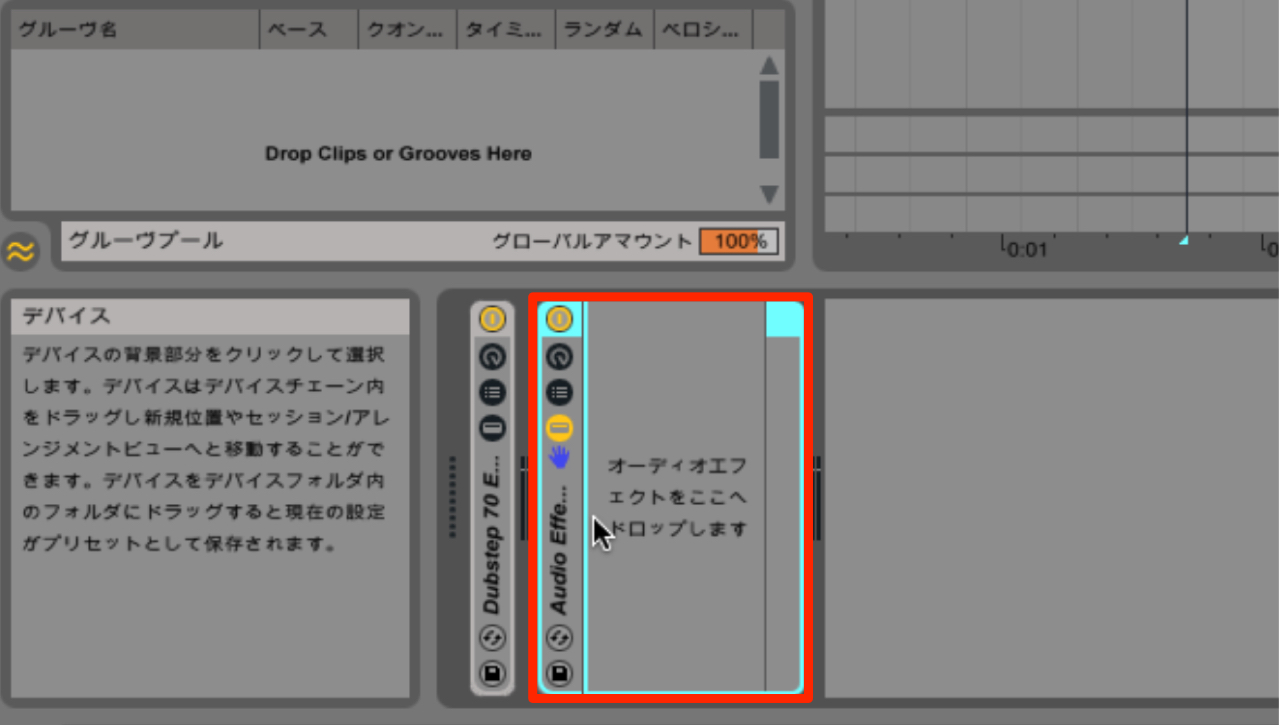
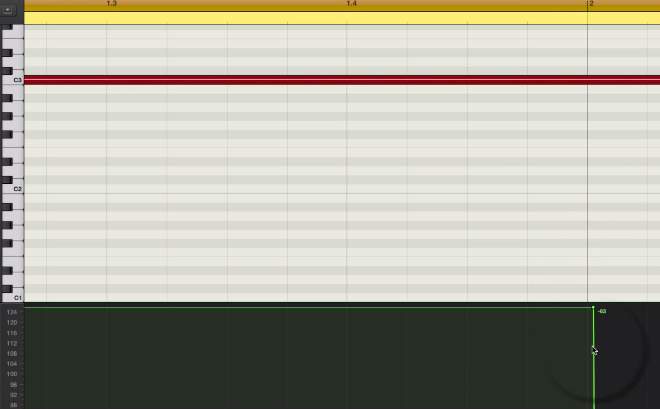
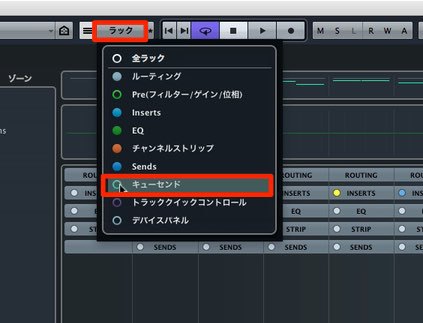
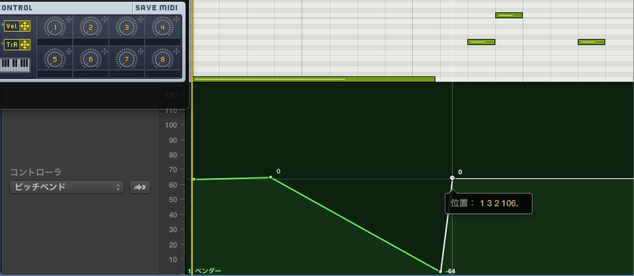
Write cutoff automation in your DAW.
This lets you adjust the value freely to follow the song.

You can automate Volume in the same way.
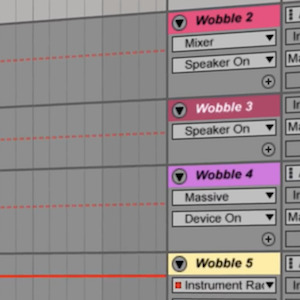
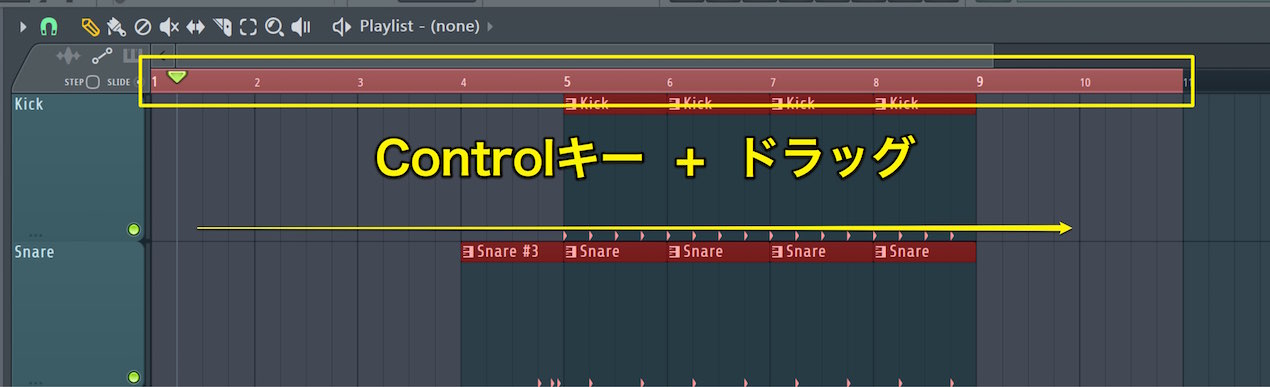
Using Automation

 Logic
 GarageBand
 Cubase
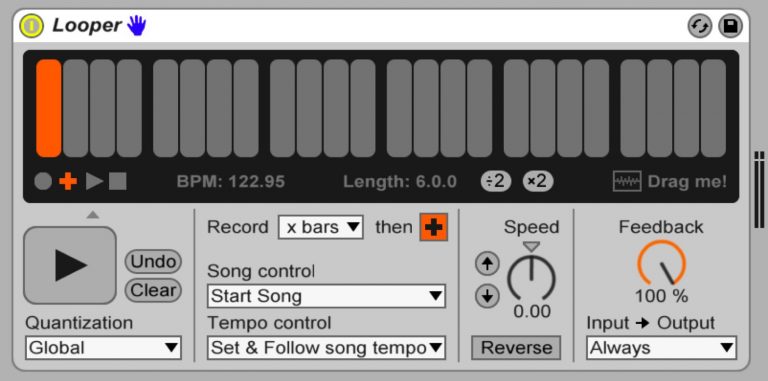
 Ableton Live
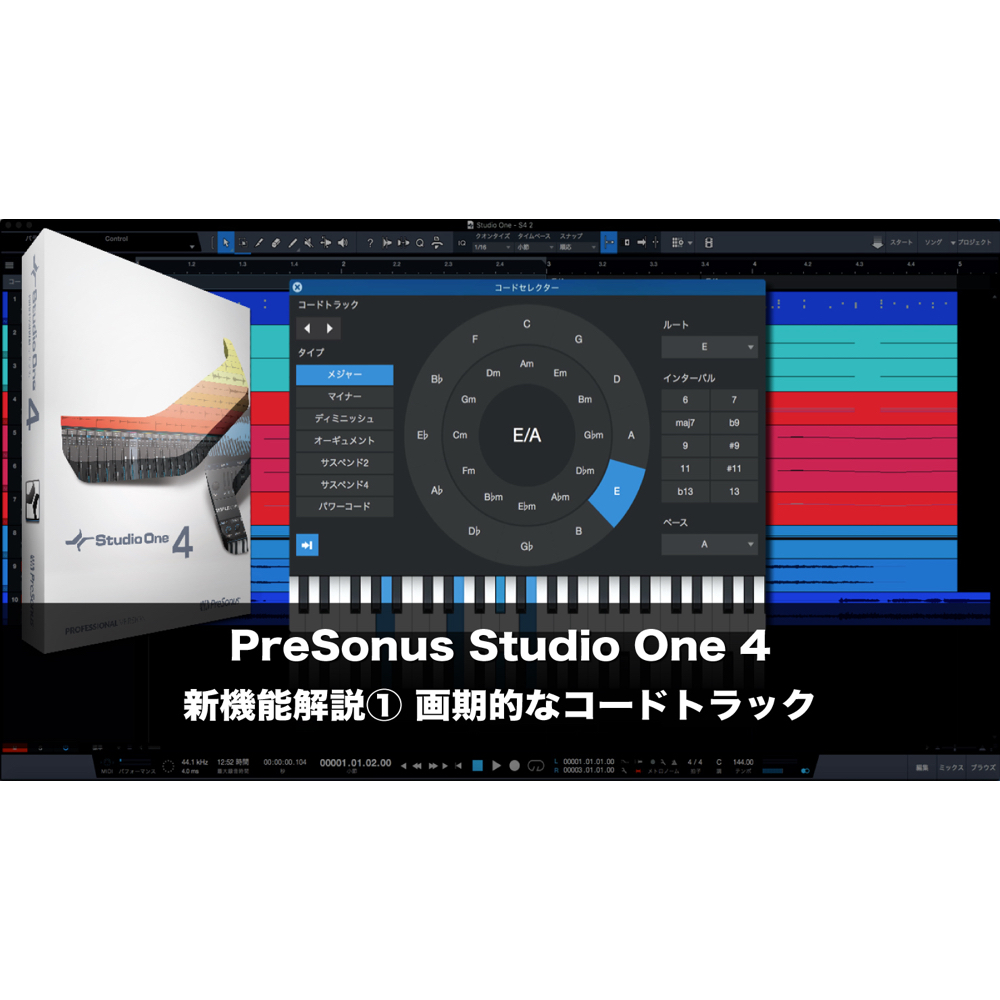
 Studio One
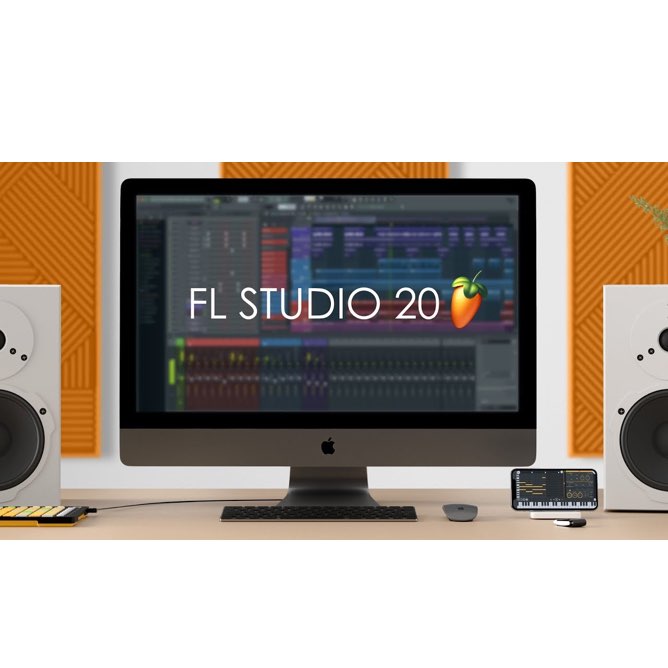
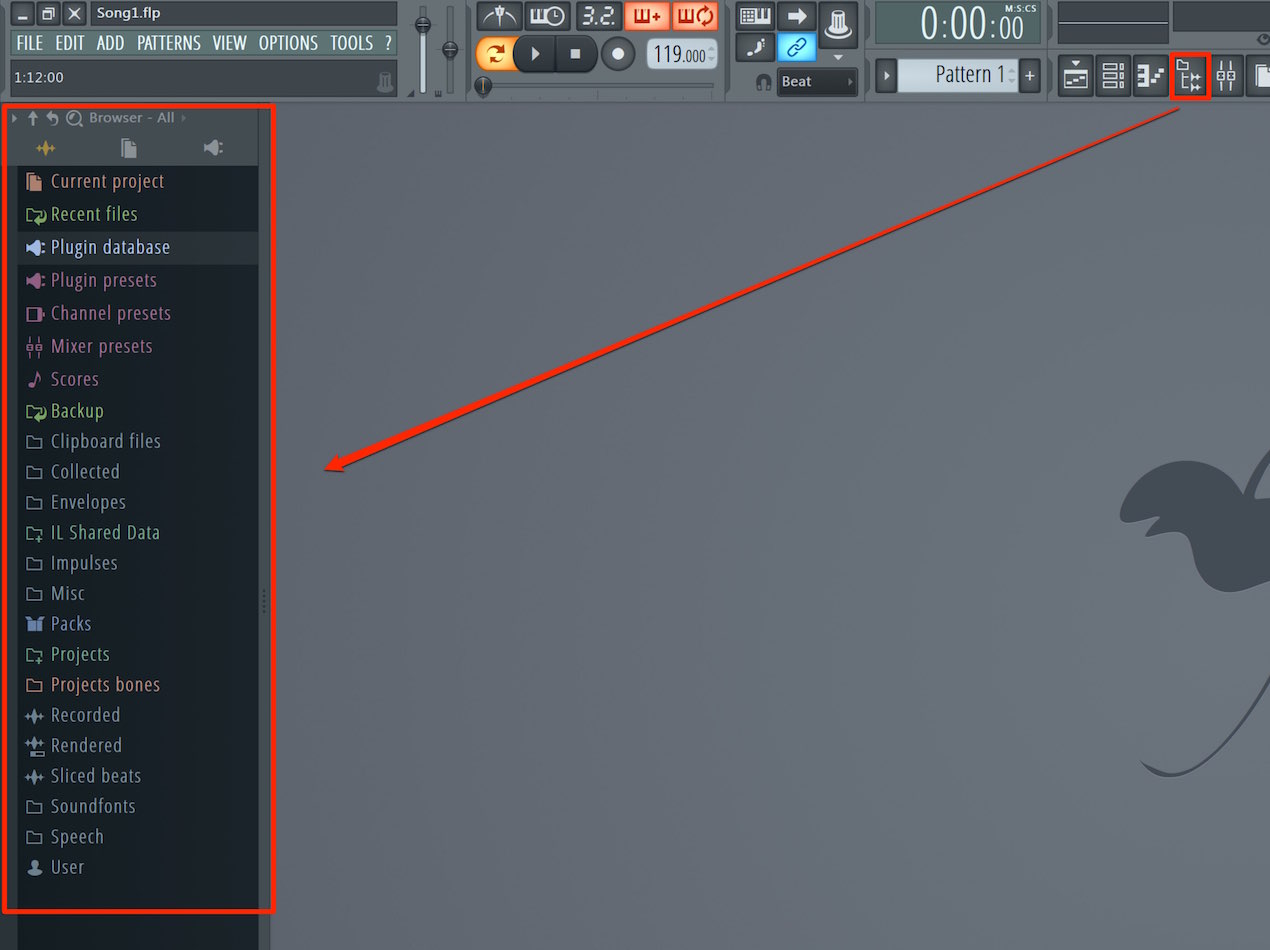
 FL Studio
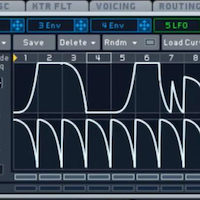
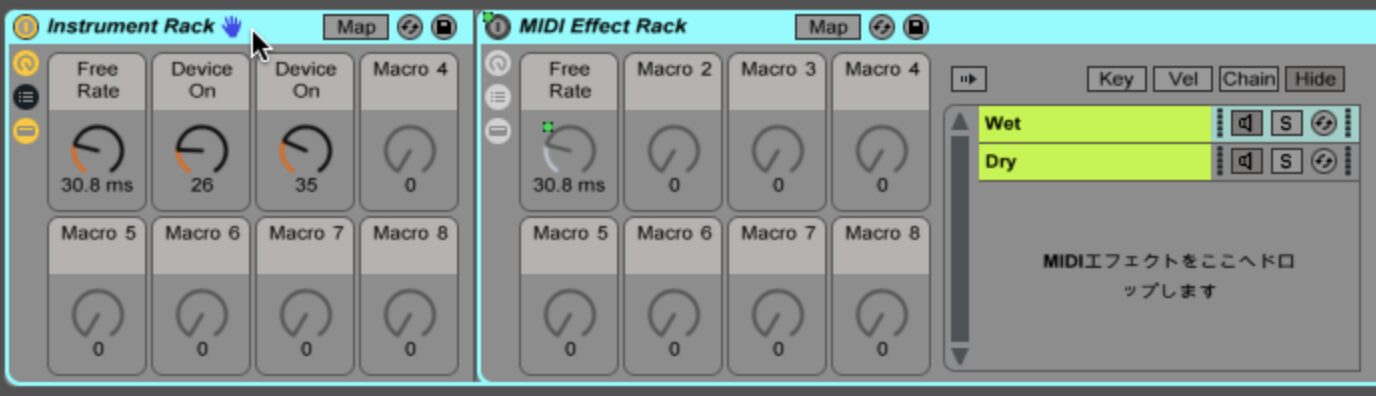
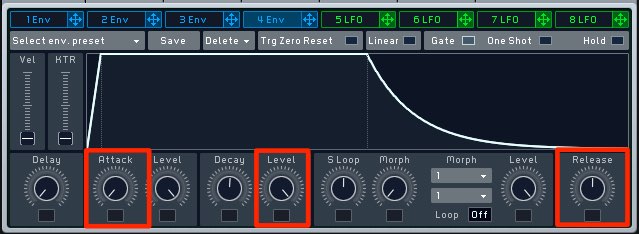
Setting the LFO

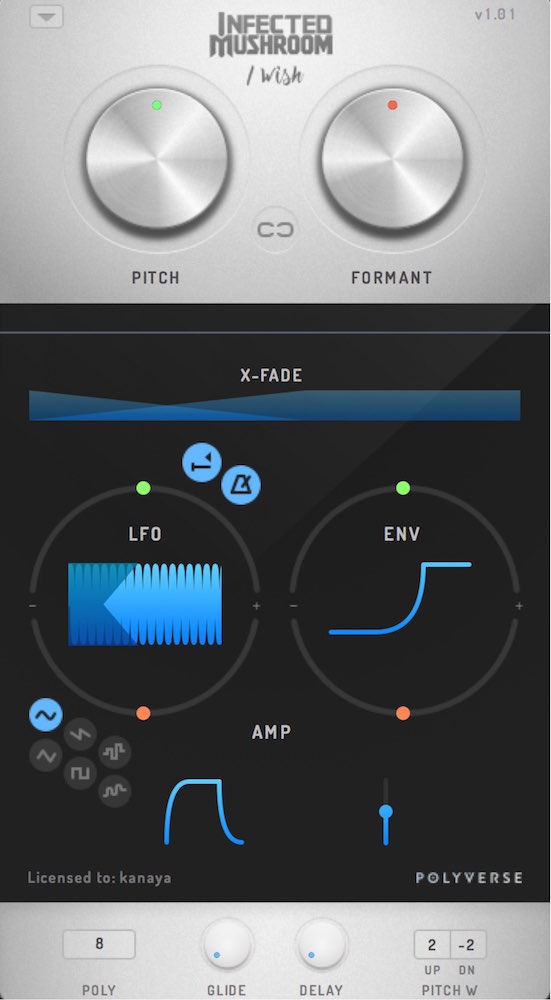
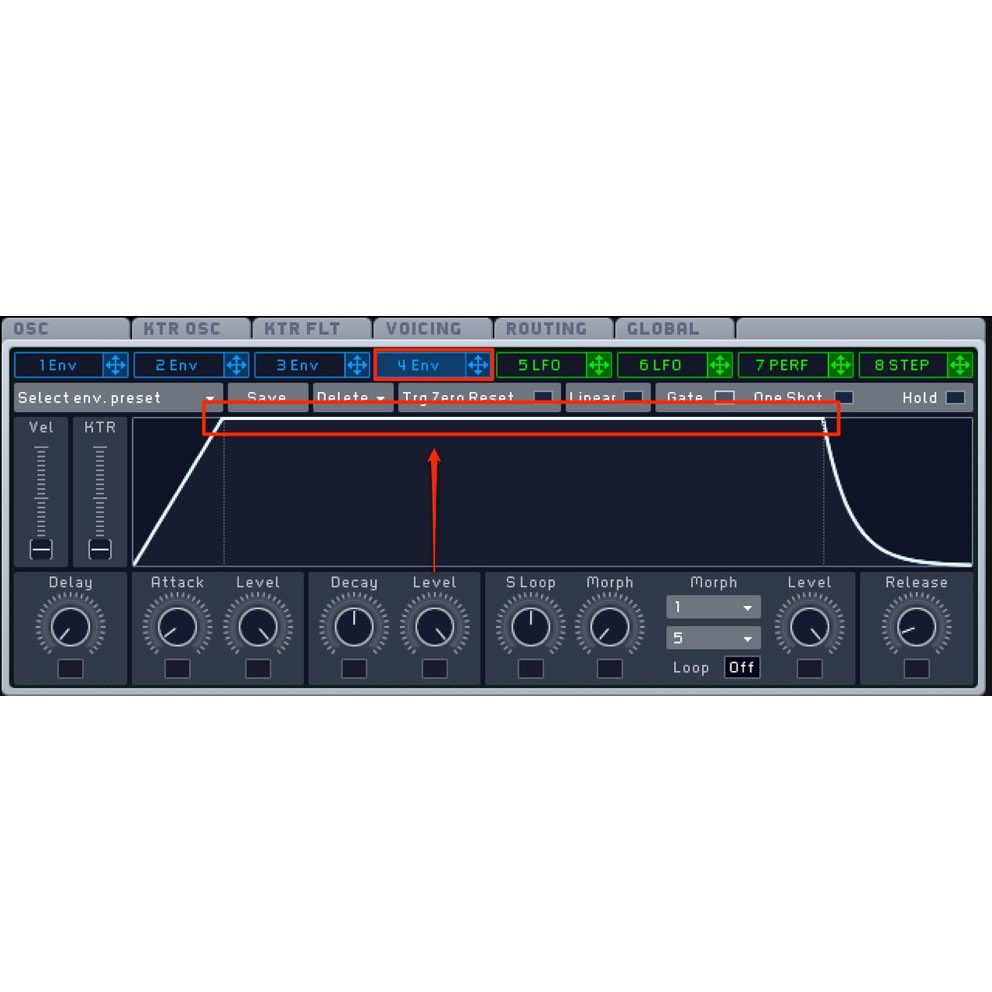
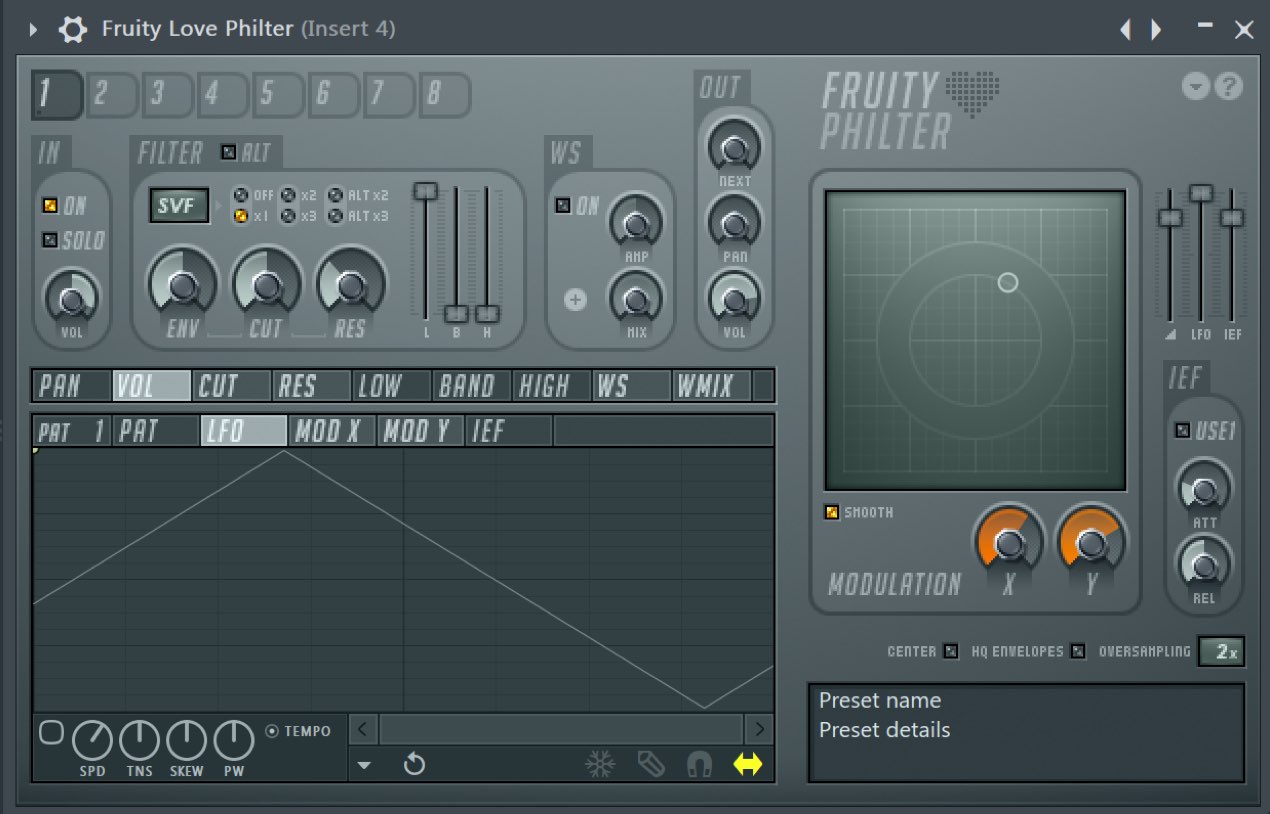
Use an LFO to add movement to the volume.
This can create a sidechain-like rhythmic feel.
Frequently Asked Questions
Q1. What is the main advantage of using noise in EDM?
Noise can last longer than a cymbal, so it can connect transitions between sections and give the track a sense of unity. Combining automation and an LFO also makes it easy to create an animated sound.
Q2. What should I watch for when setting the noise oscillator?
Turn off OSC 1, 2 and 3 when using the noise oscillator. Otherwise, their pitched sound will be added and change the intended tone. Raise Amp and turn Color to the right to brighten the noise.
Q3. Why automate the filter cutoff?
Cutoff automation lets you change the tone as the song progresses. It can create gradual buildups and contrasts in intensity for a more polished EDM sound.
Q4. Why apply an LFO to volume?
An LFO can create a rhythmic, sidechain-like movement in volume. This can strengthen the track’s groove and add the forward motion associated with dance music.
NEW ARTICLES
Latest English Articles