This sound-design technique gradually builds up a backing sound by extending its amp release time. Create a chord with the oscillators, tame the high frequencies with a low-pass filter, then use a macro control and DAW automation to shape the build in time with the music. The technique can be applied to EDM and pop productions.
Build Tension with a Restrained Sound
This recipe creates a backing sound that gradually grows longer.
It is a way to build tension while keeping something in reserve.
The key is the amp’s release time.
Gradually lengthening it creates the build.
How to Create the Sound
Excerpt from a YouTube Question and Answer

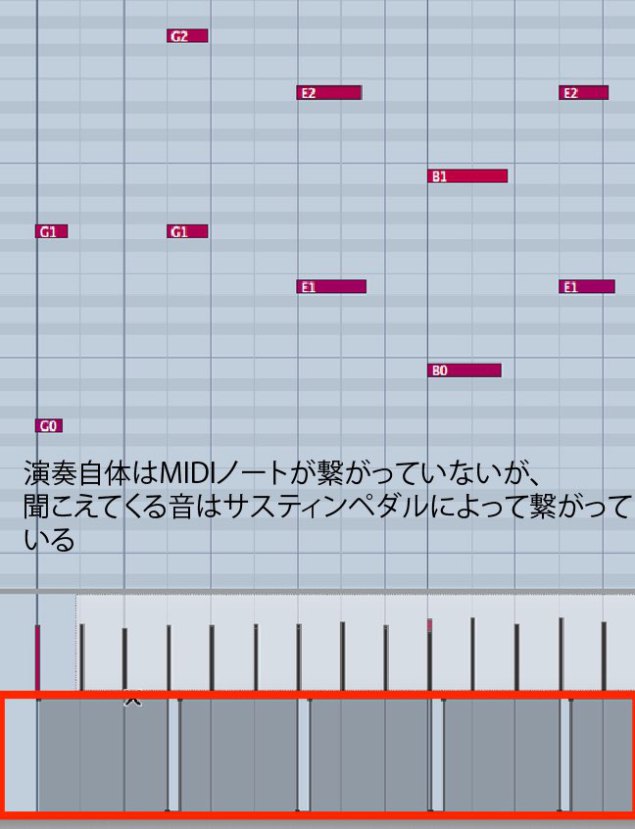
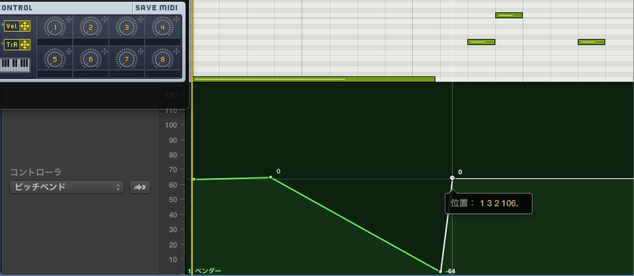
How can I record movements using a macro control?

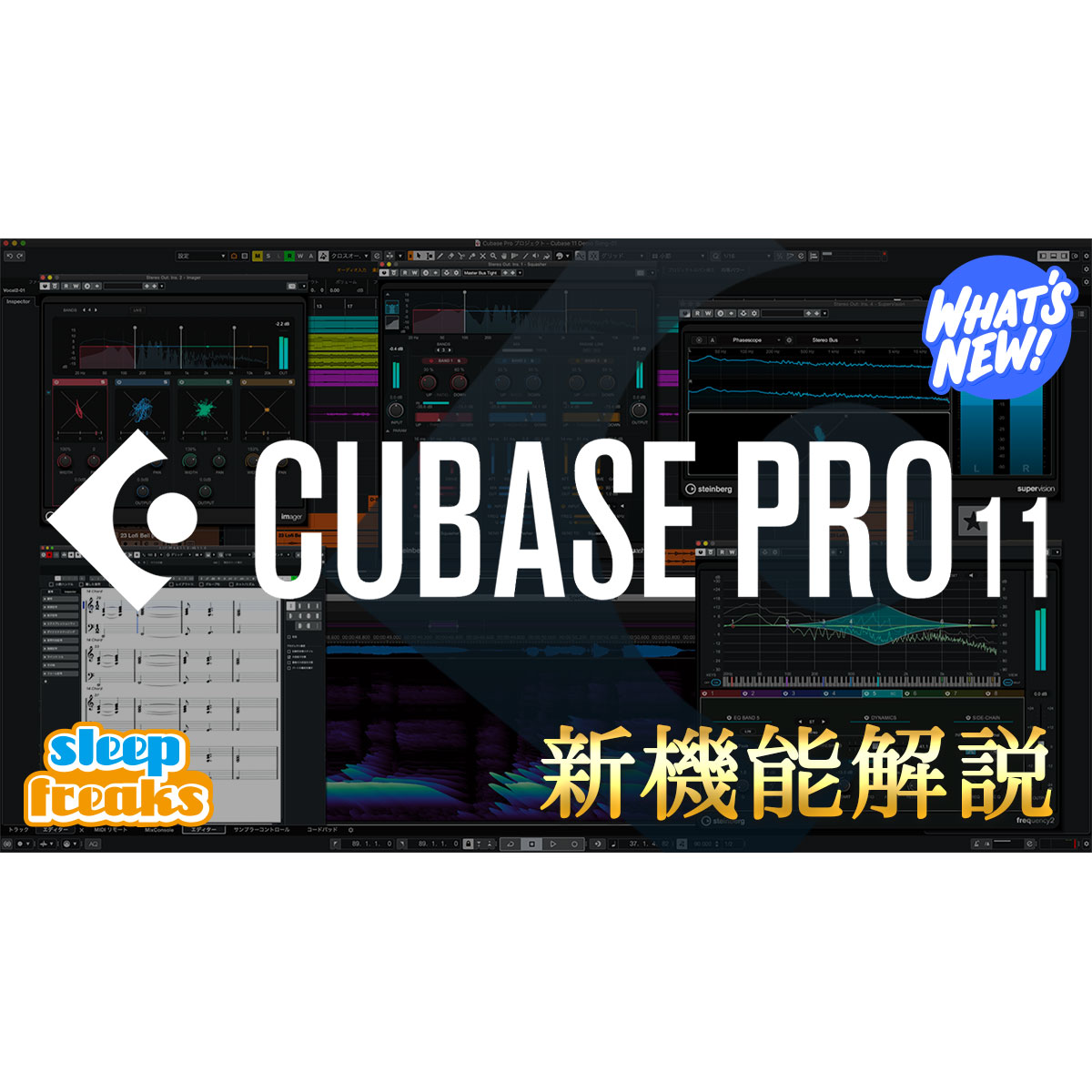
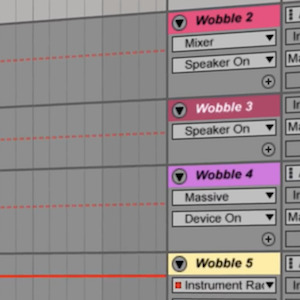
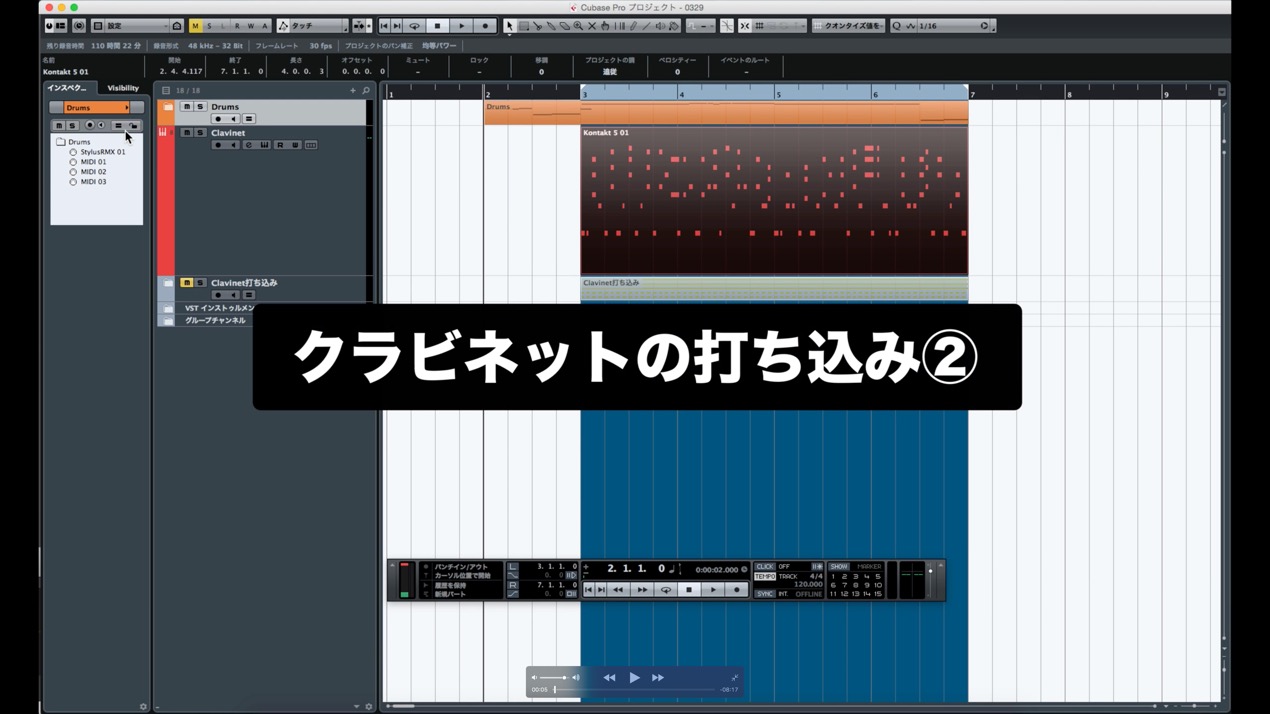
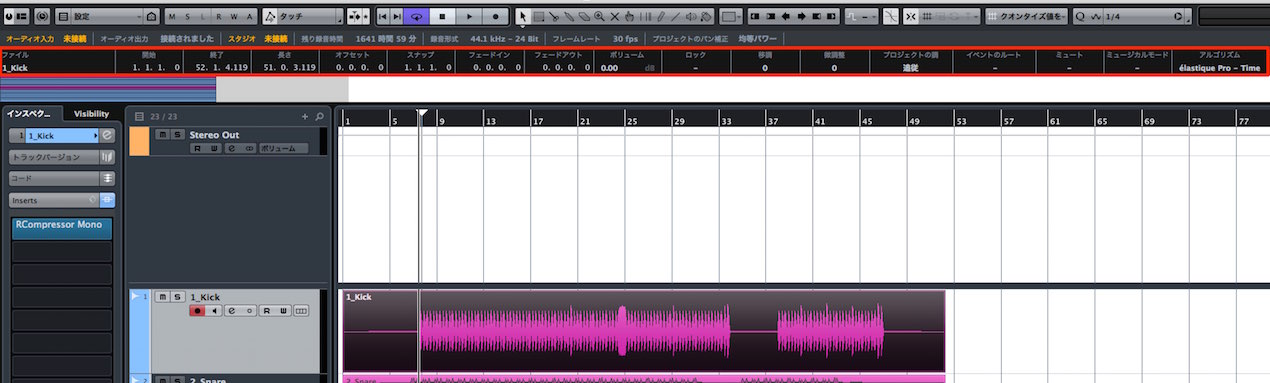
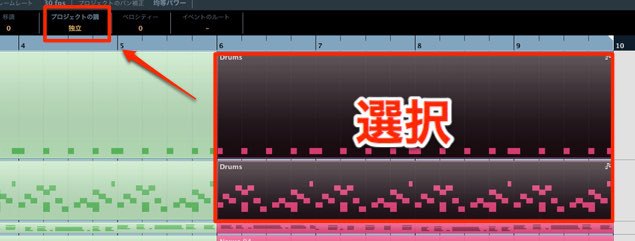
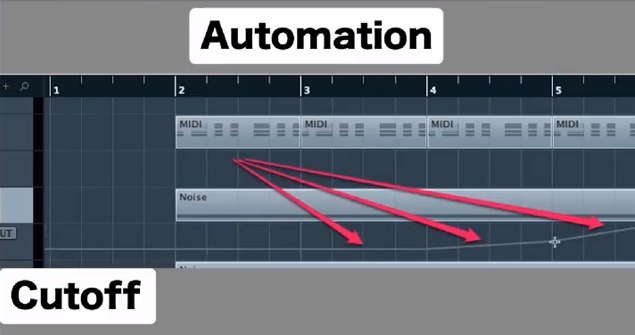
The steps depend on the DAW. In Cubase, enable automation write as usual, then move the macro control during playback to record its movements.
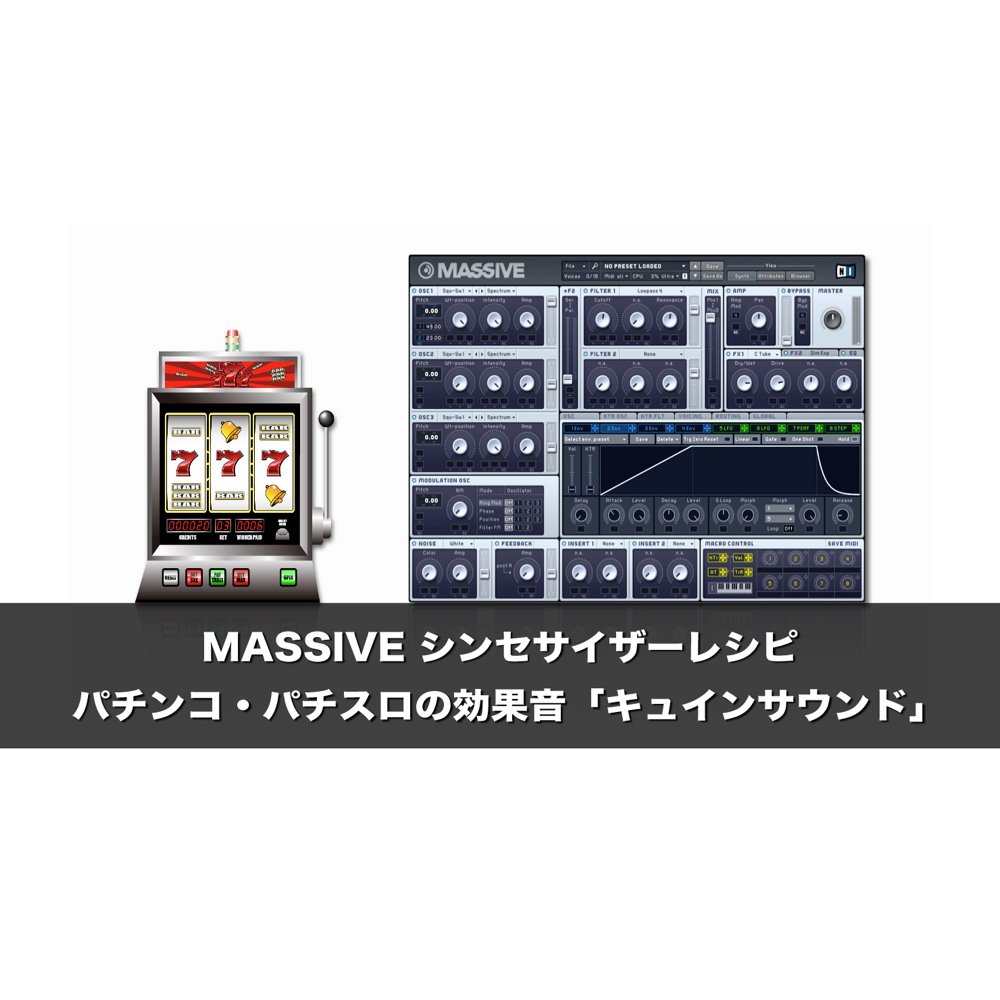
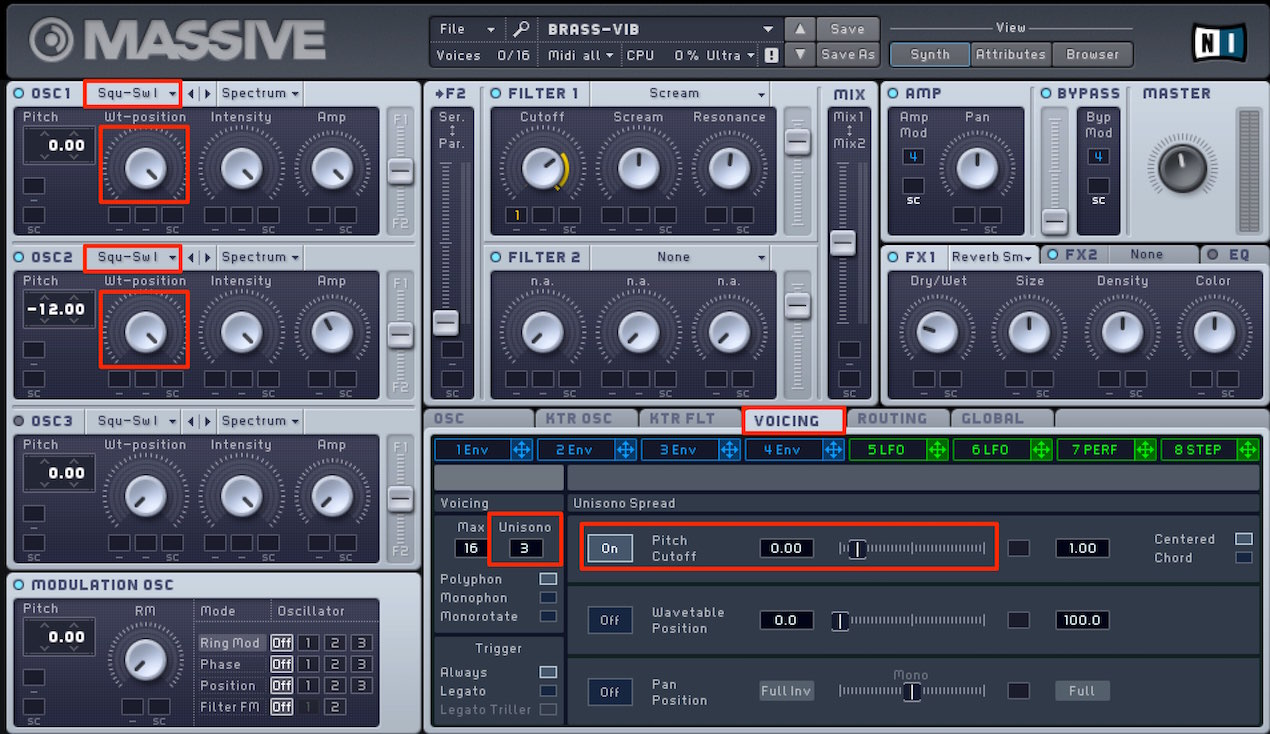
Oscillator Settings

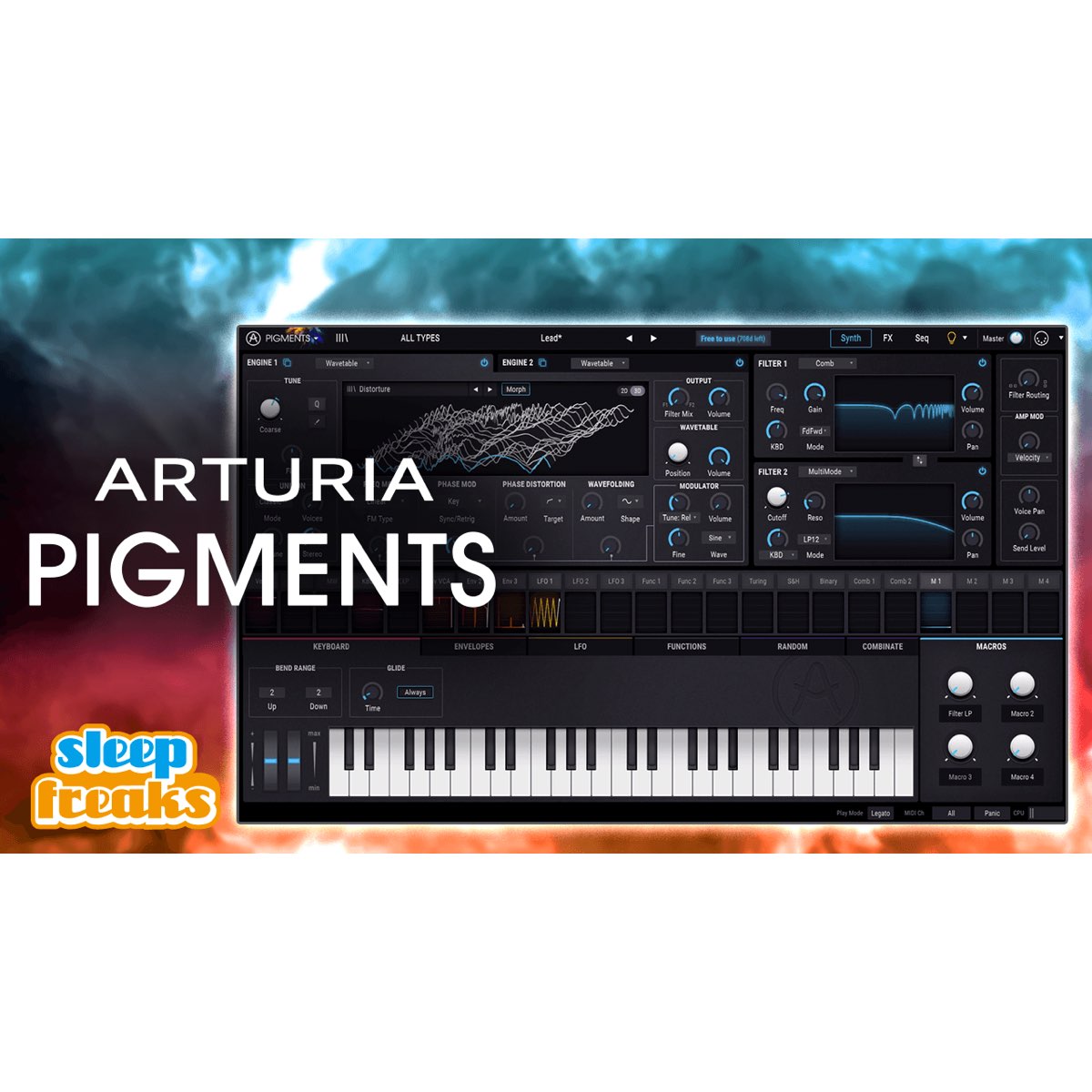
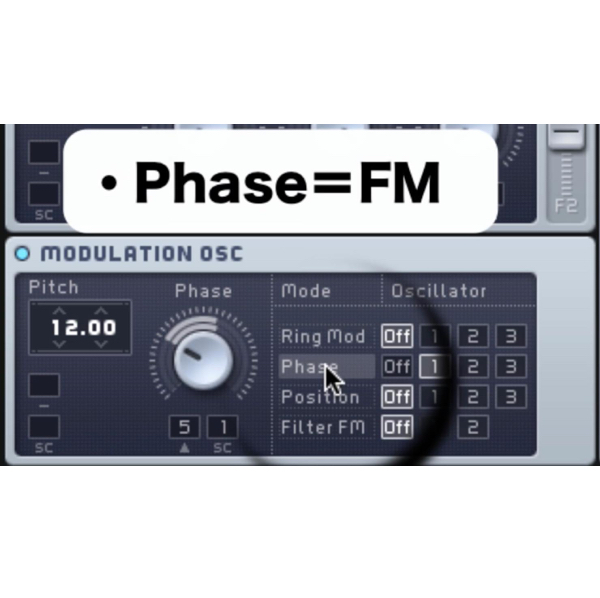
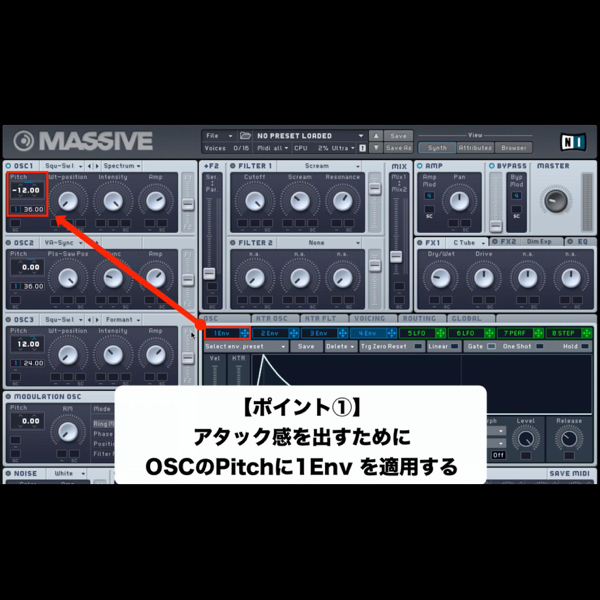
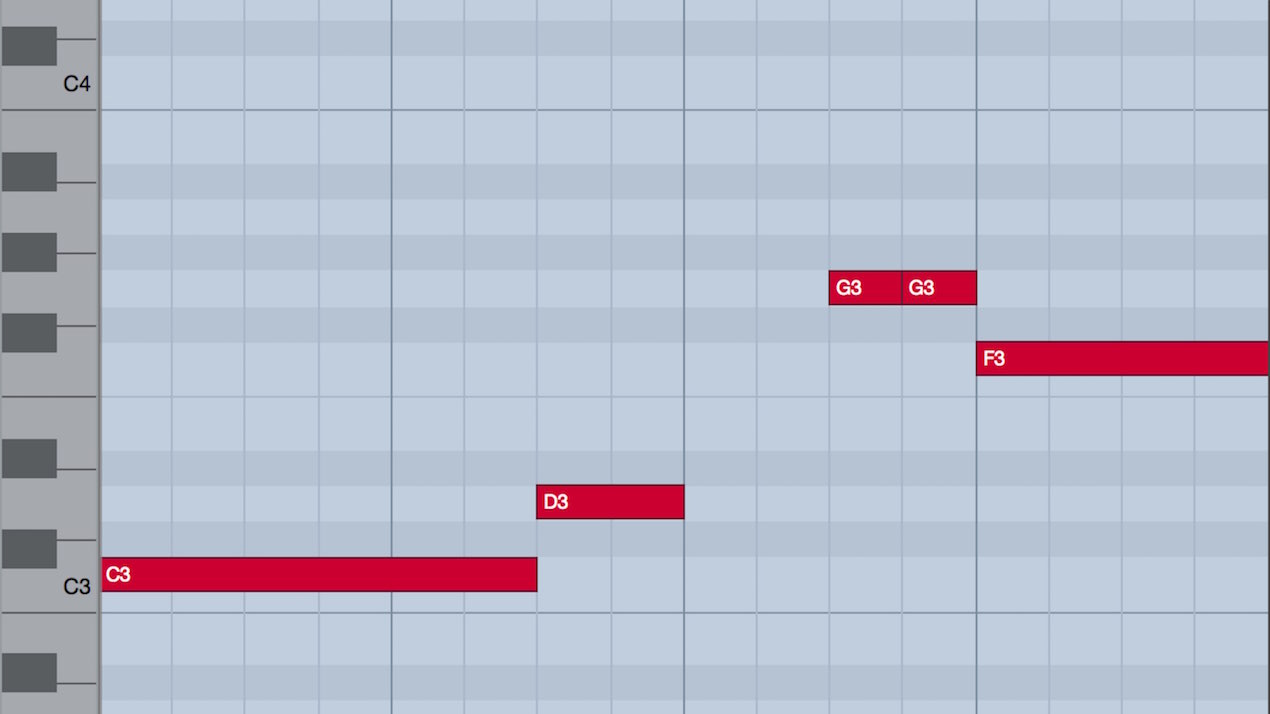
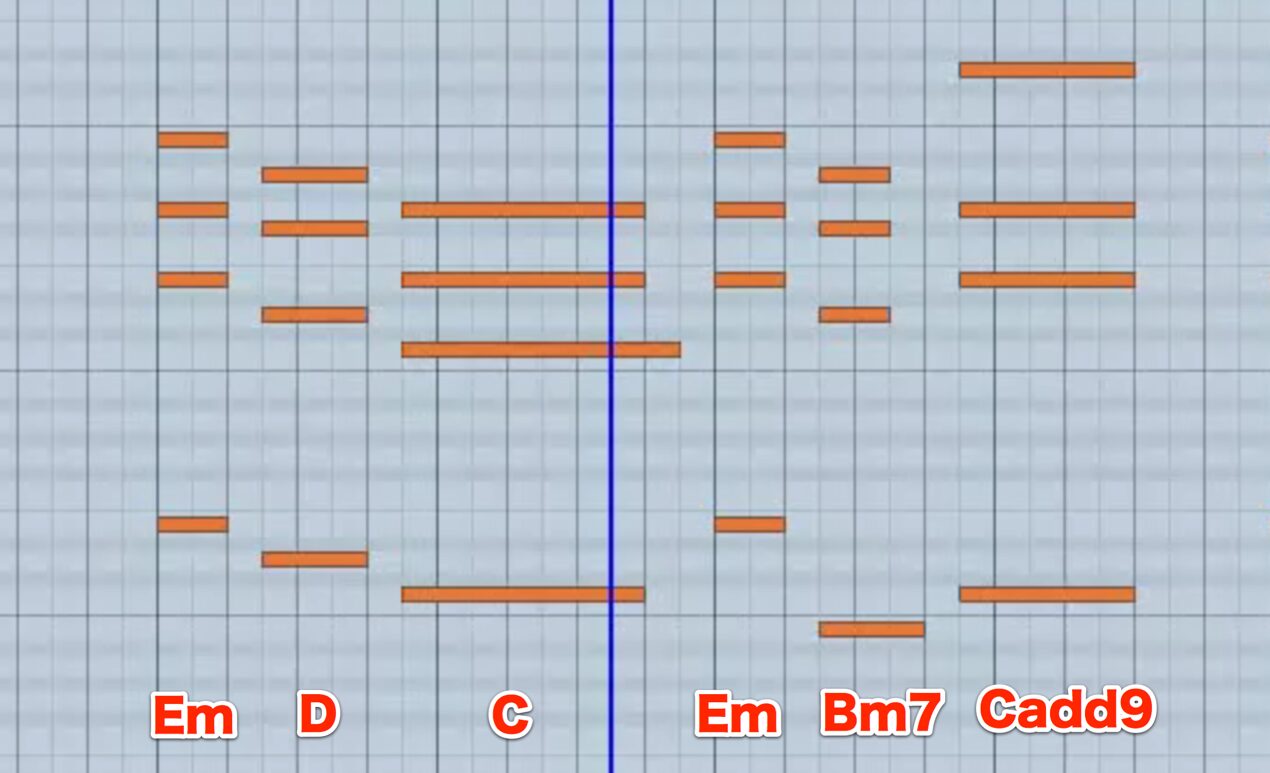
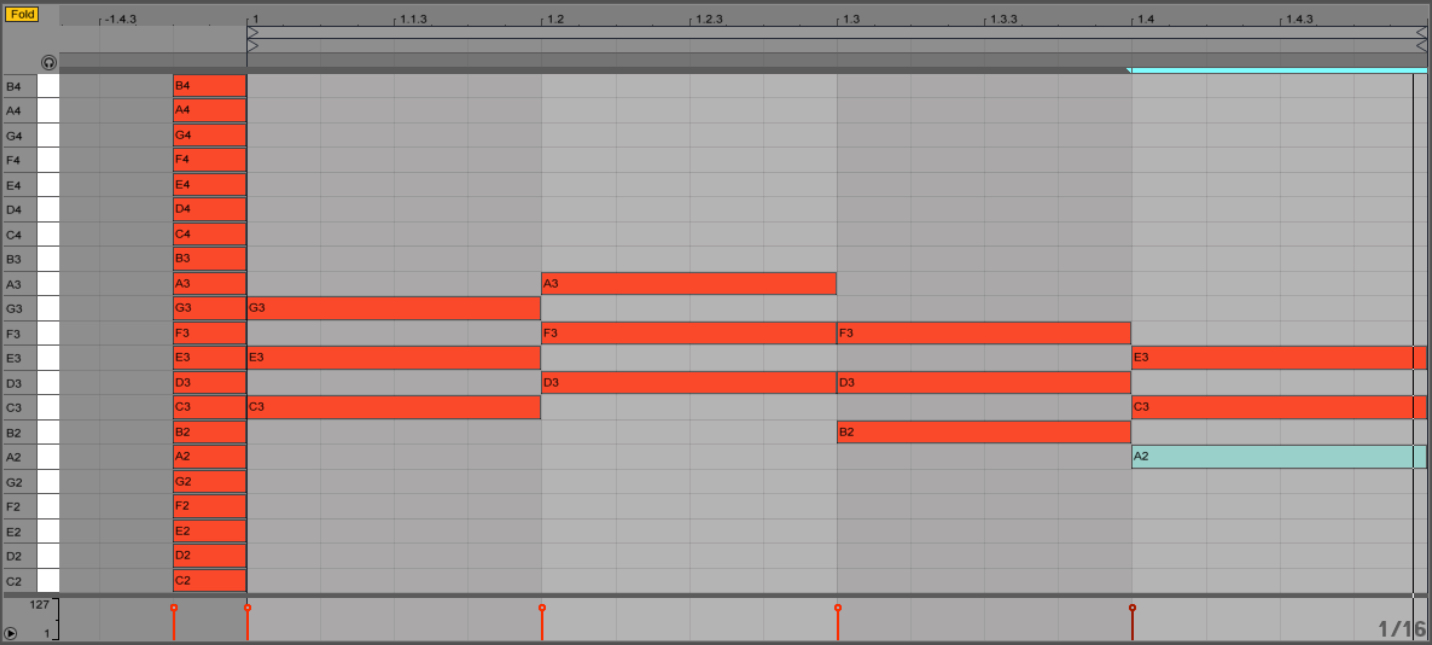
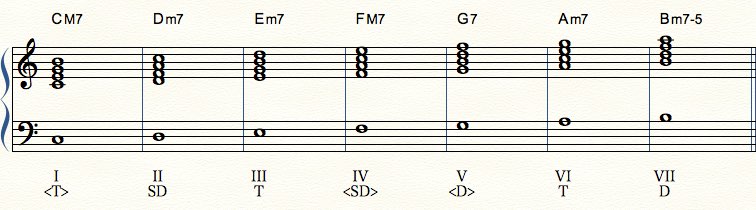
For this backing sound, let’s add pitches using the oscillators.
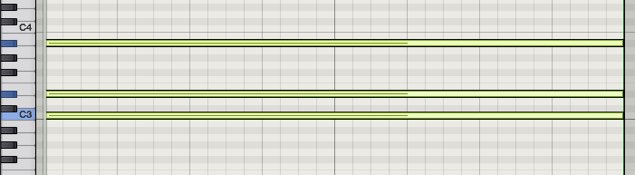
Assigning each oscillator a different pitch lets you play a chord.
Filter Settings

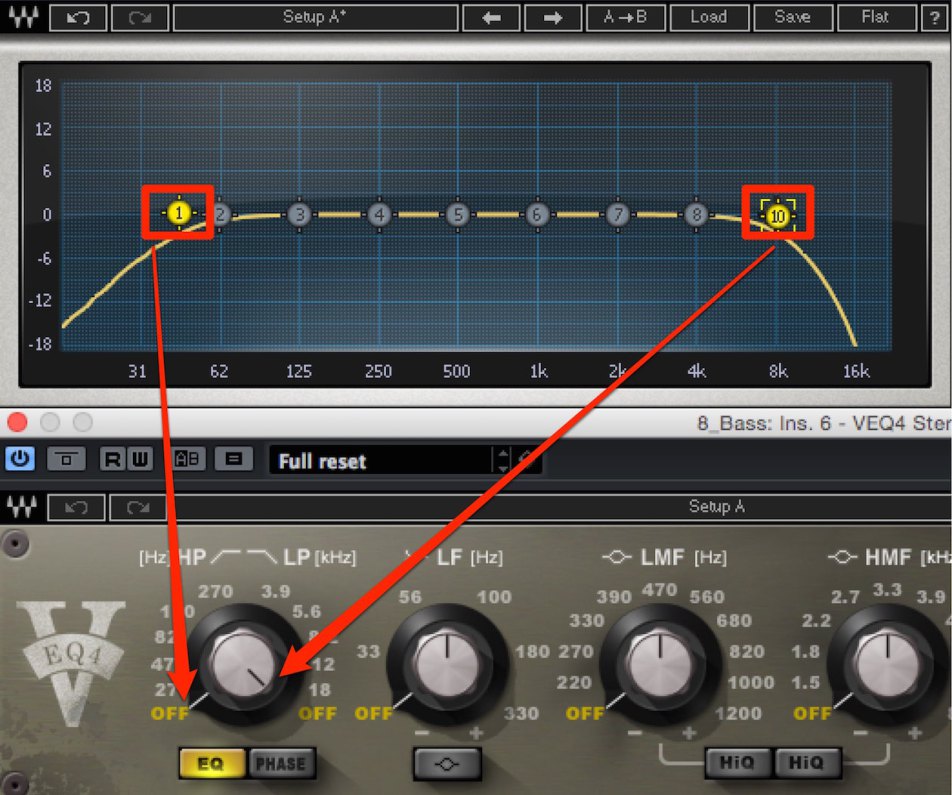
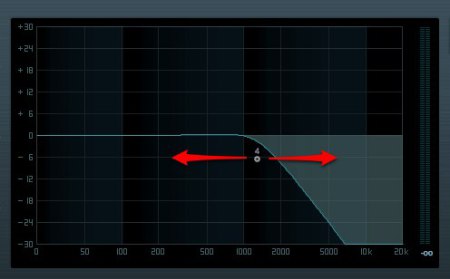
To reduce harshness in the high frequencies,
use a standard low-pass filter.
This cuts the high frequencies and softens the sound.
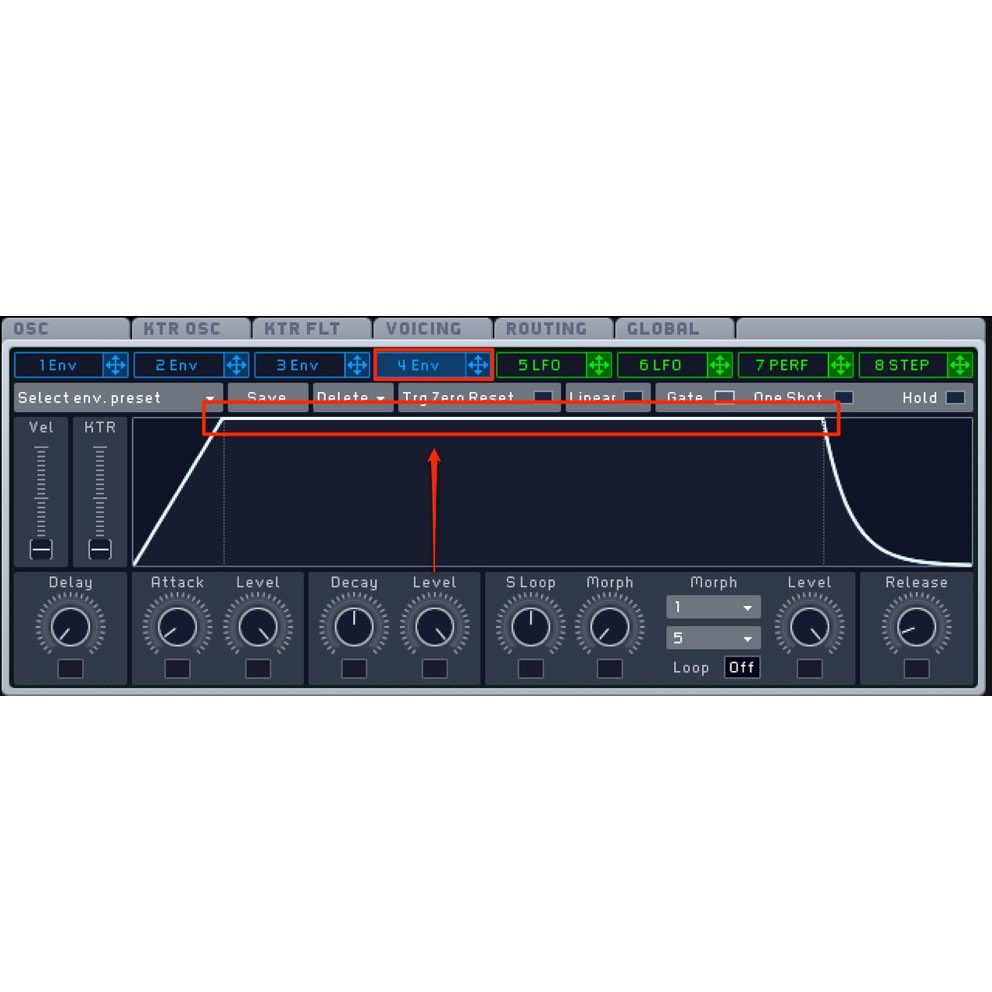
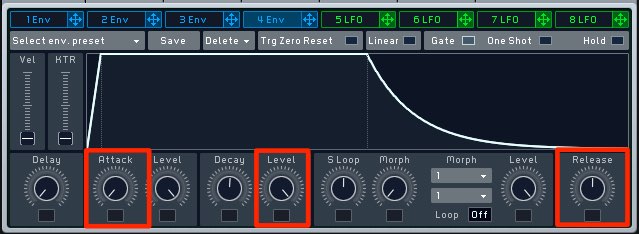
Volume Settings

This is the key step.
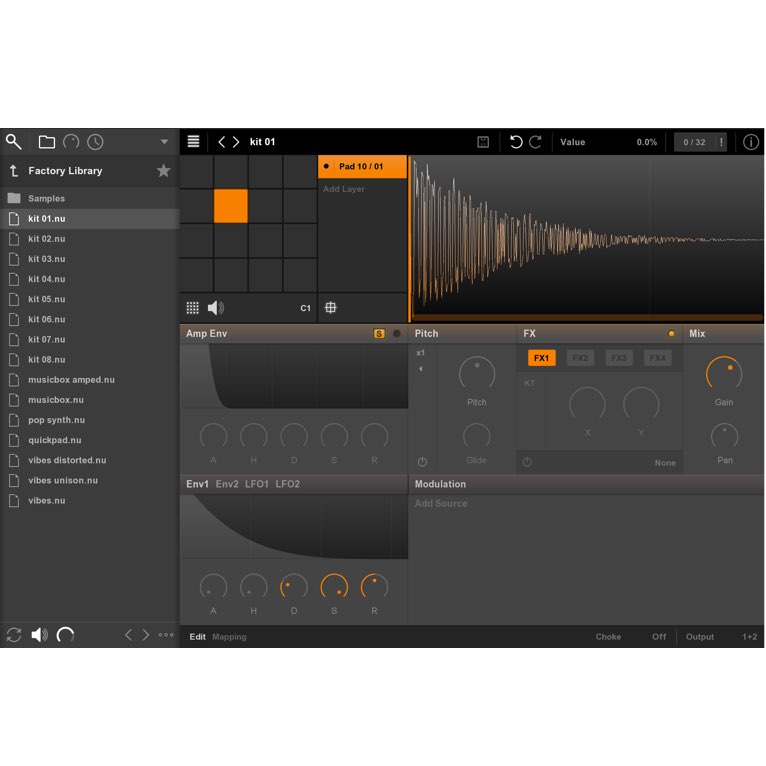
Set Decay, Level (sustain), and Release
so the sound is relatively short in preparation for step 4.
Control the Release

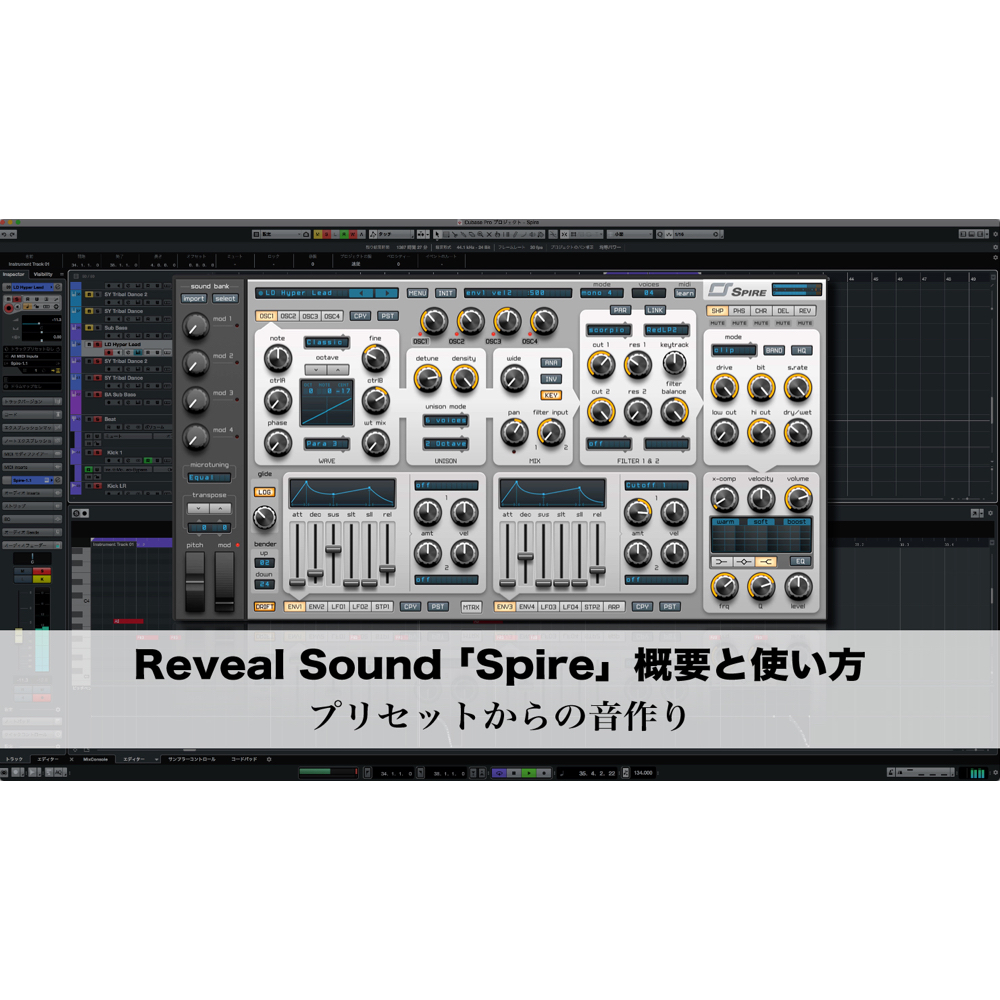
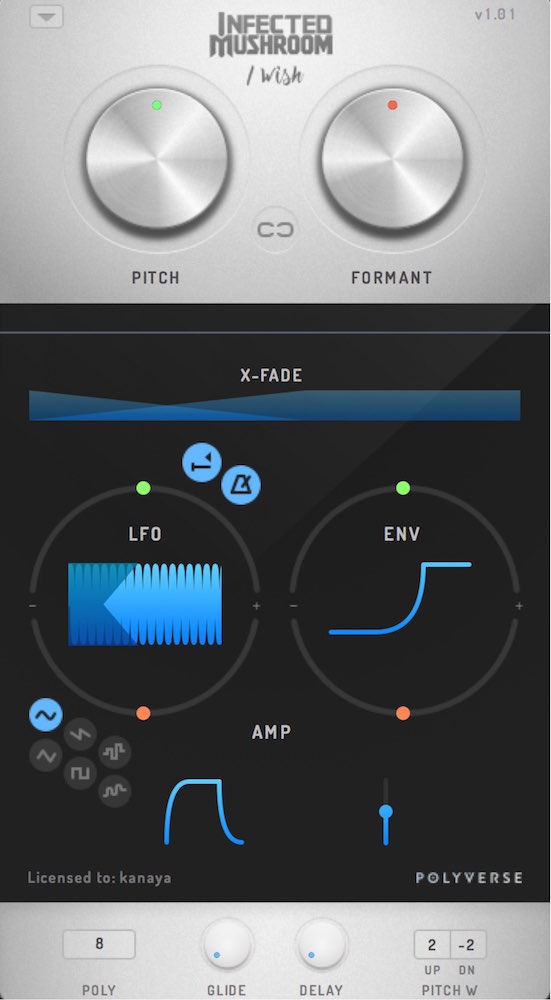
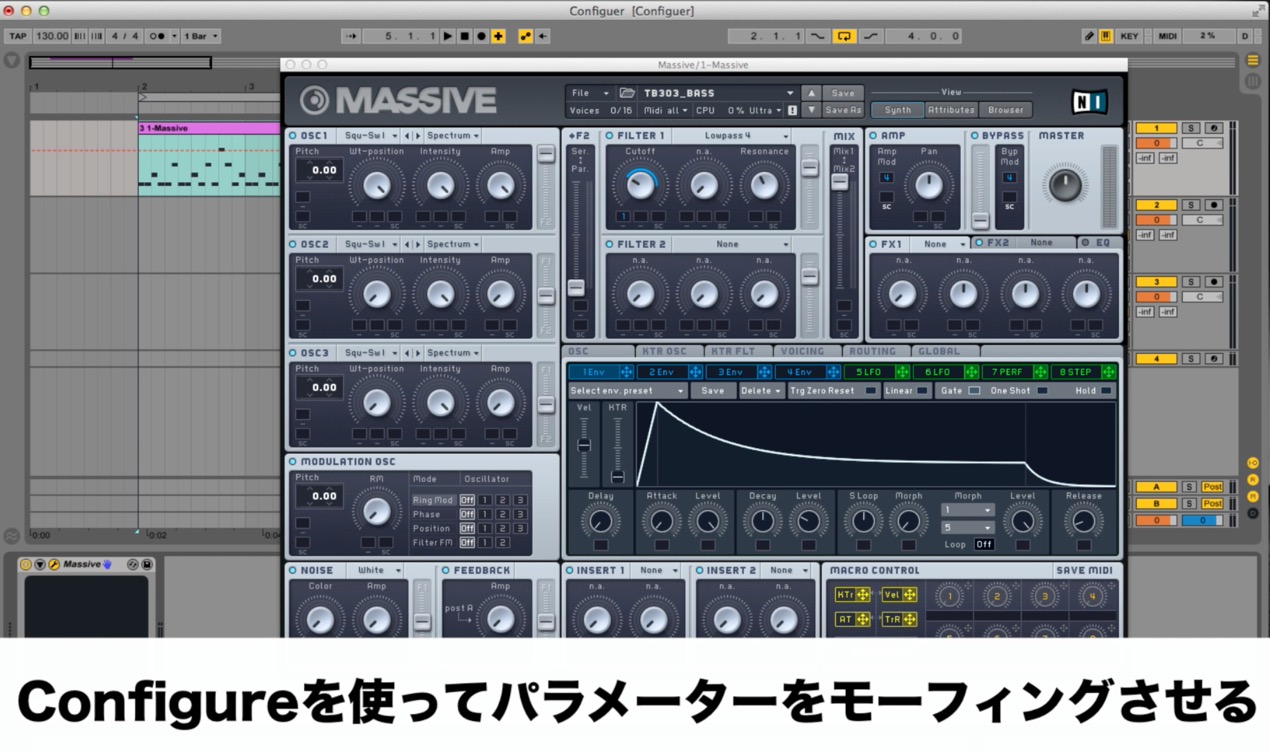
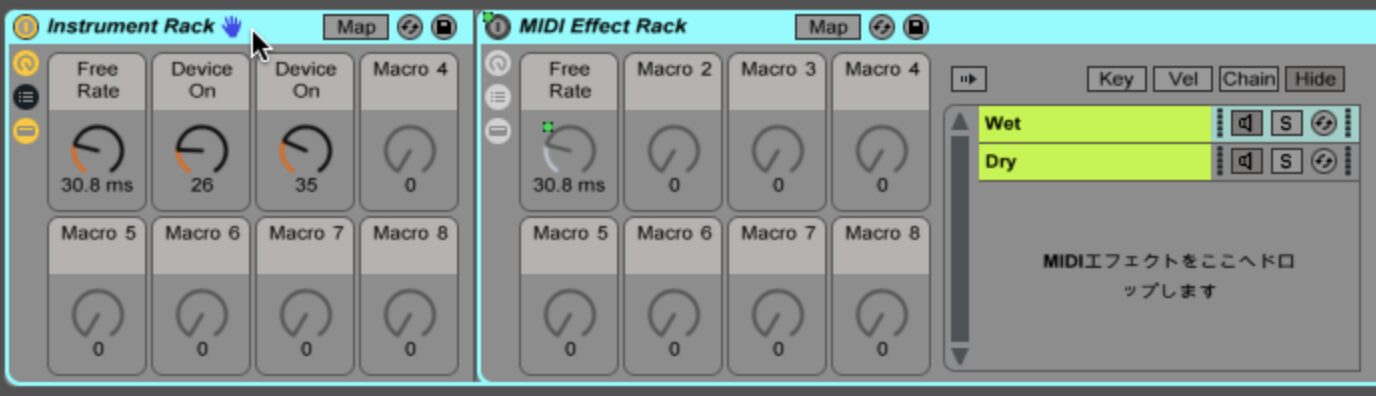
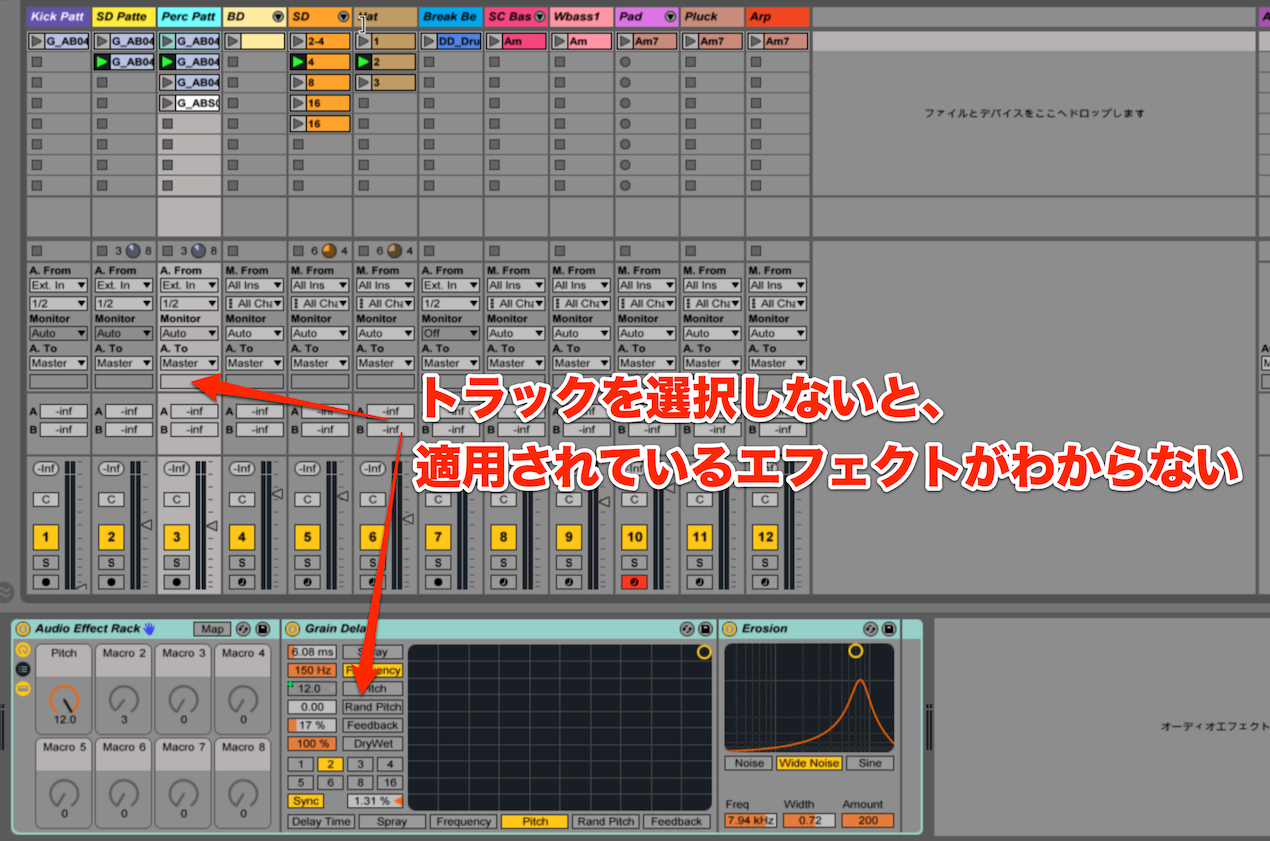
Assign a macro control to the amp Release.
Using the filter Cutoff alongside it
can create further changes in tone.
That completes the sound!
Next, in time with the song,
raise Macro Control 2 to create the build as desired.
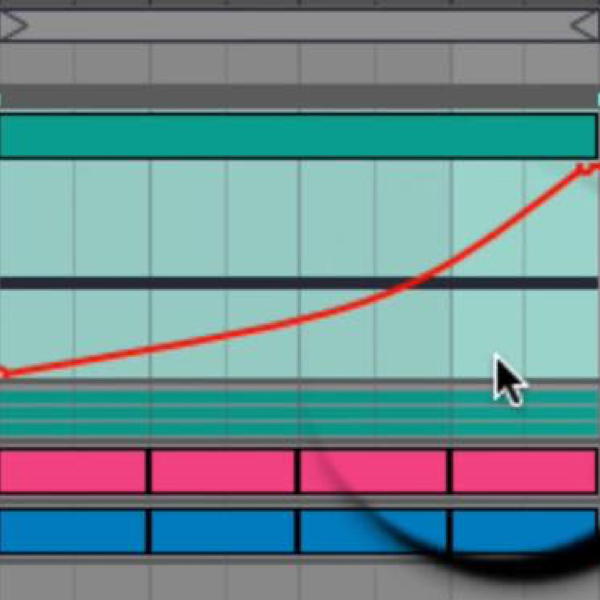
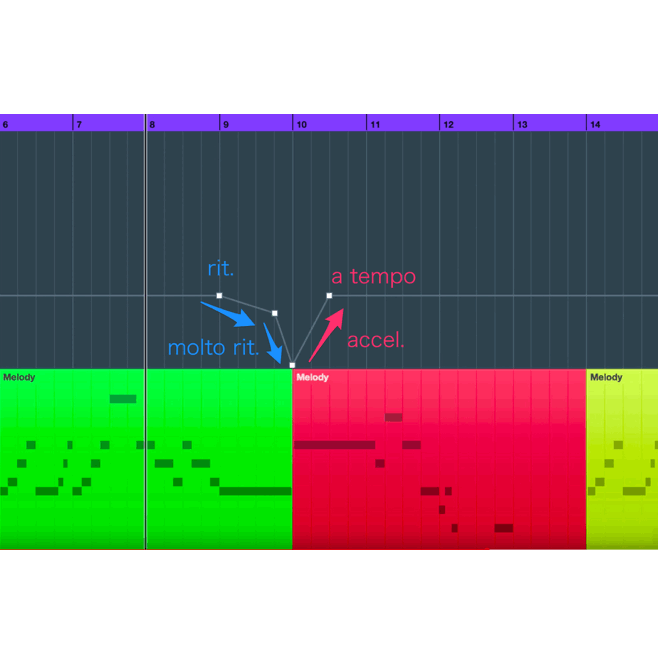
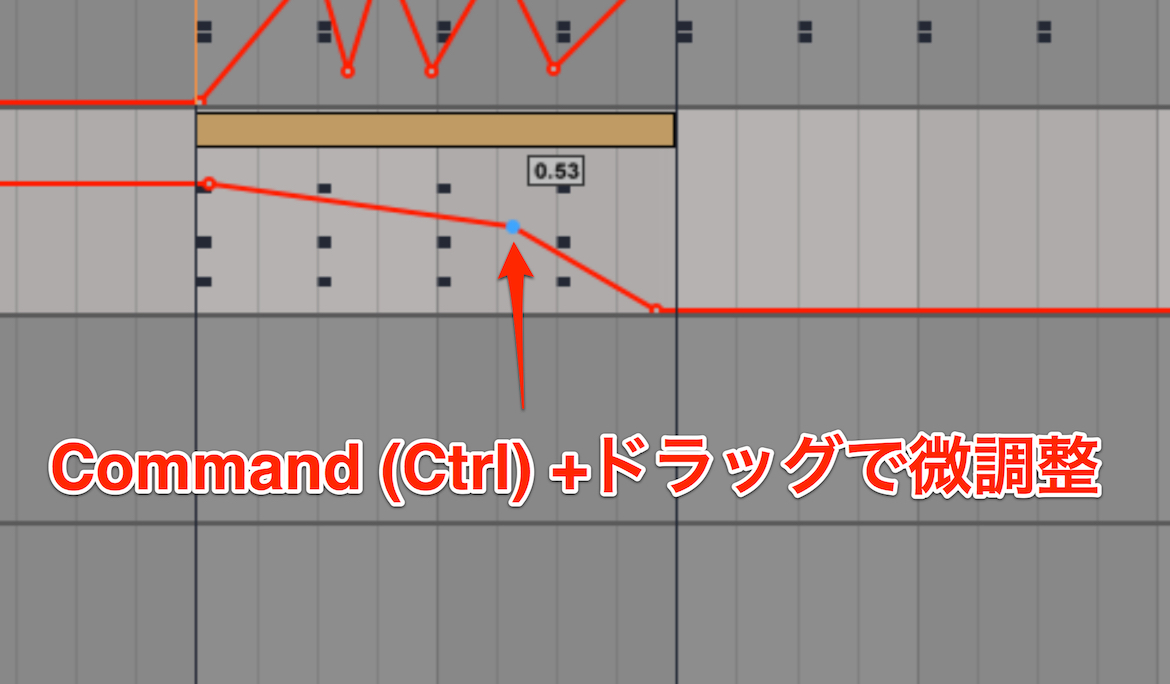
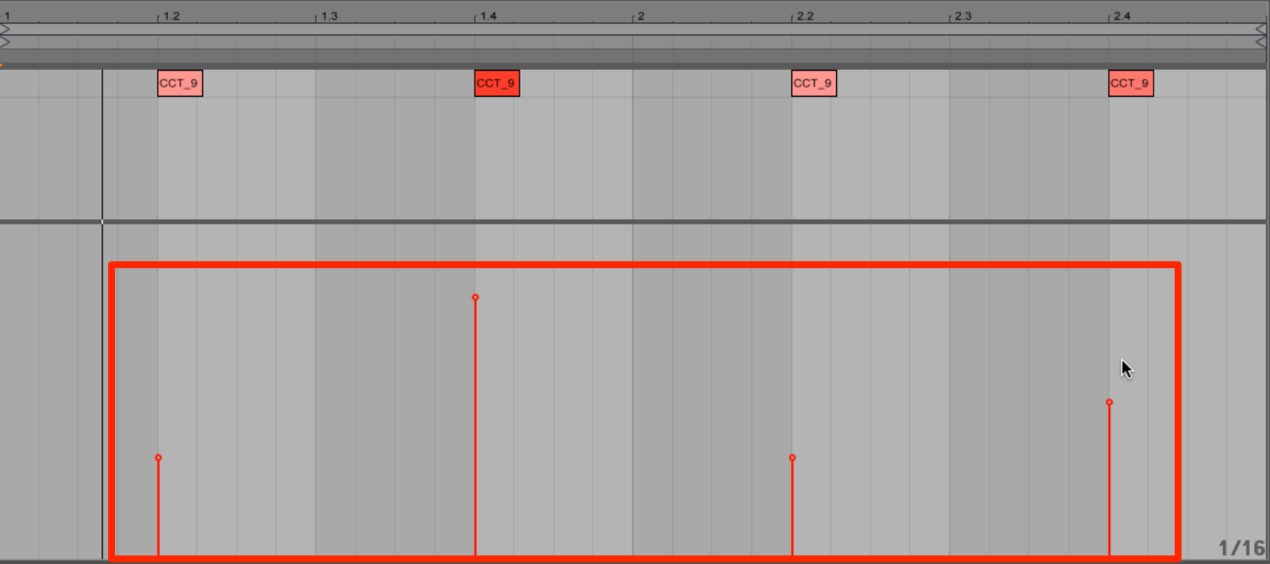
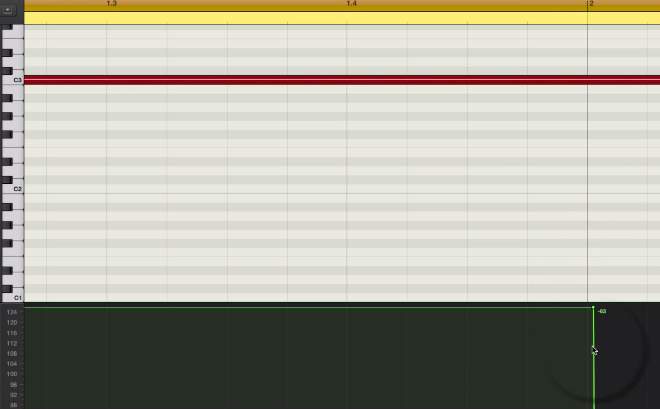
Record the macro control’s movement in your DAW using automation.
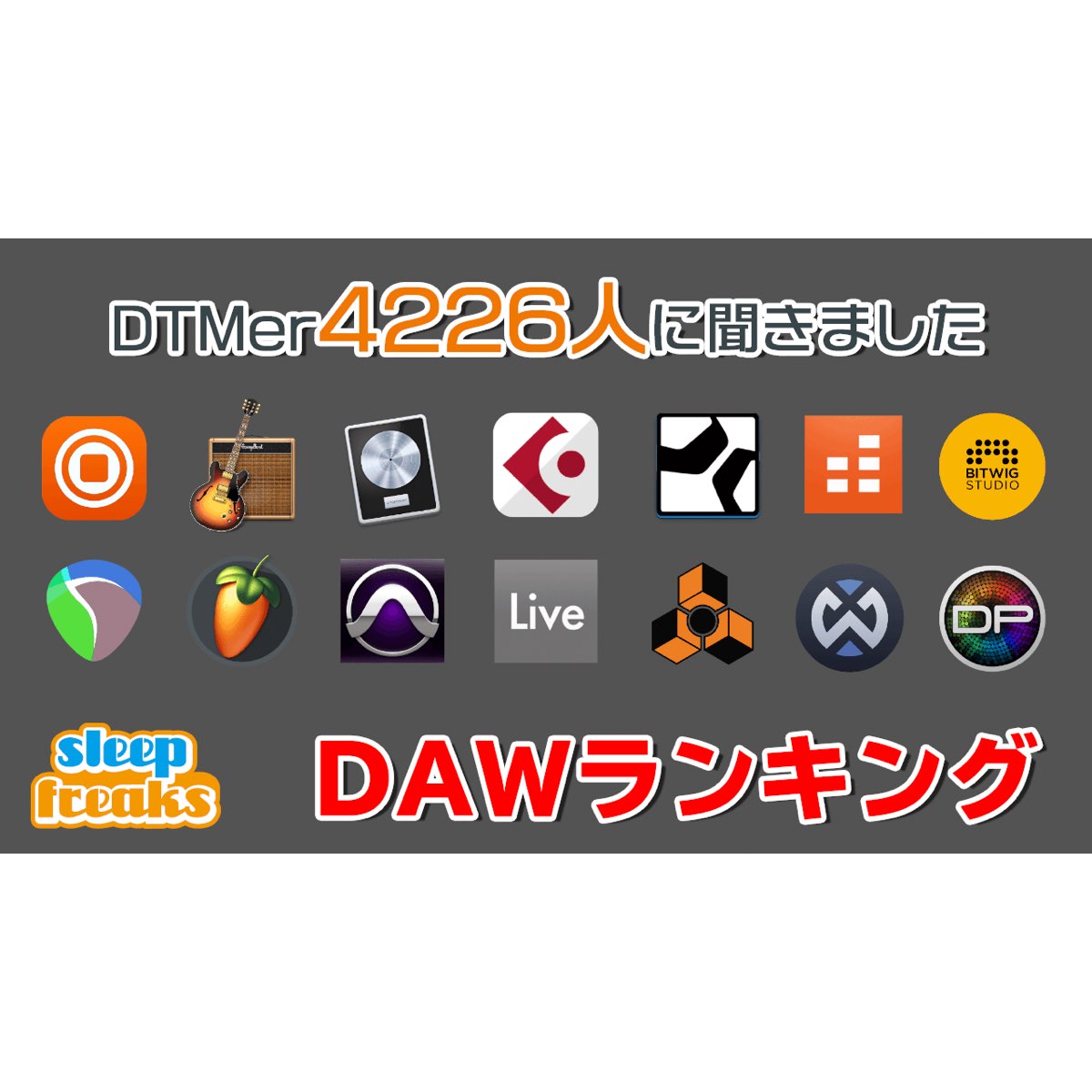
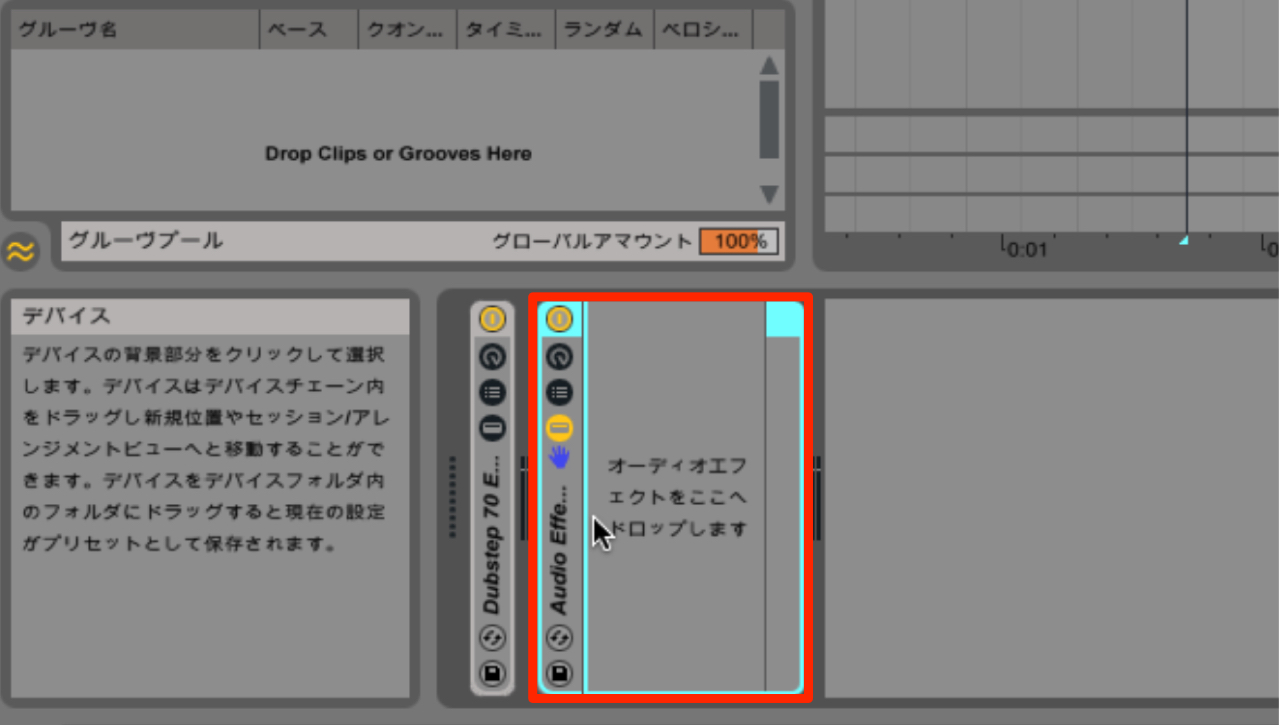
Automation in Different DAWs
 Logic
 GarageBand
 Cubase
 Ableton Live
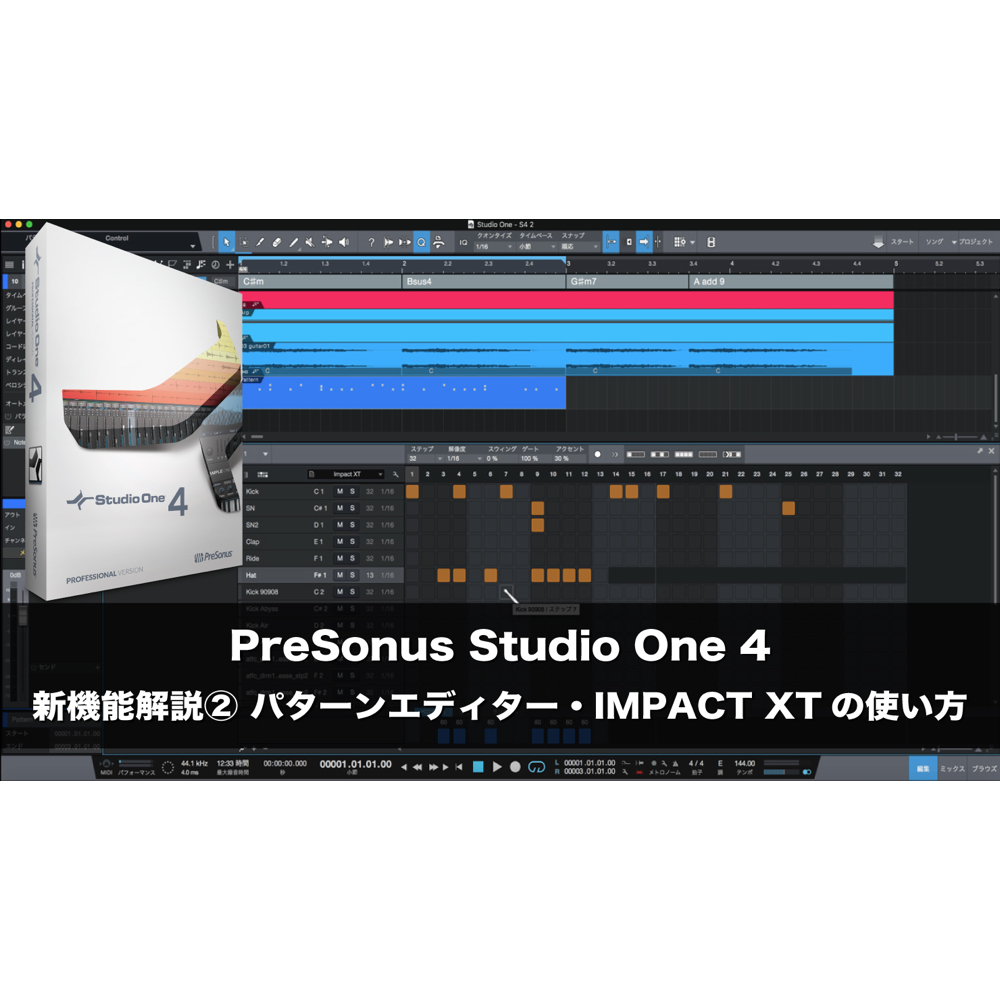
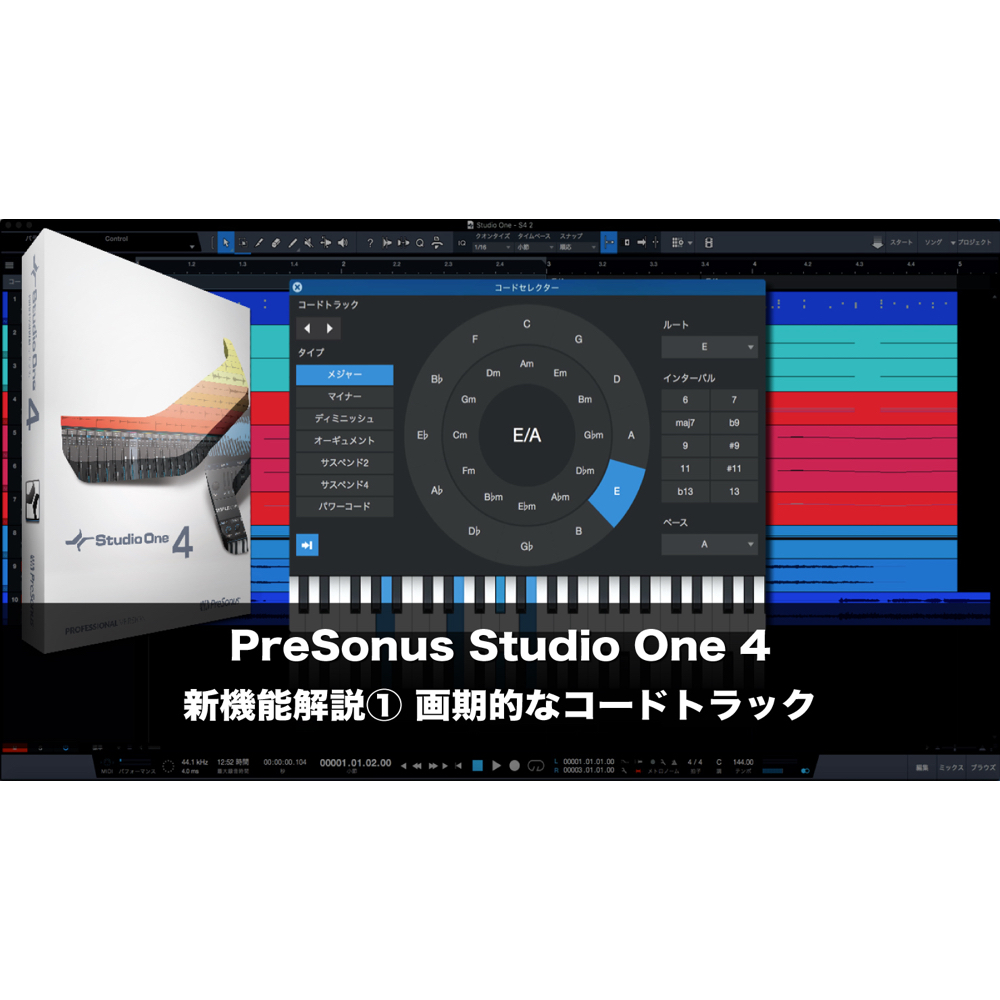
 Studio One
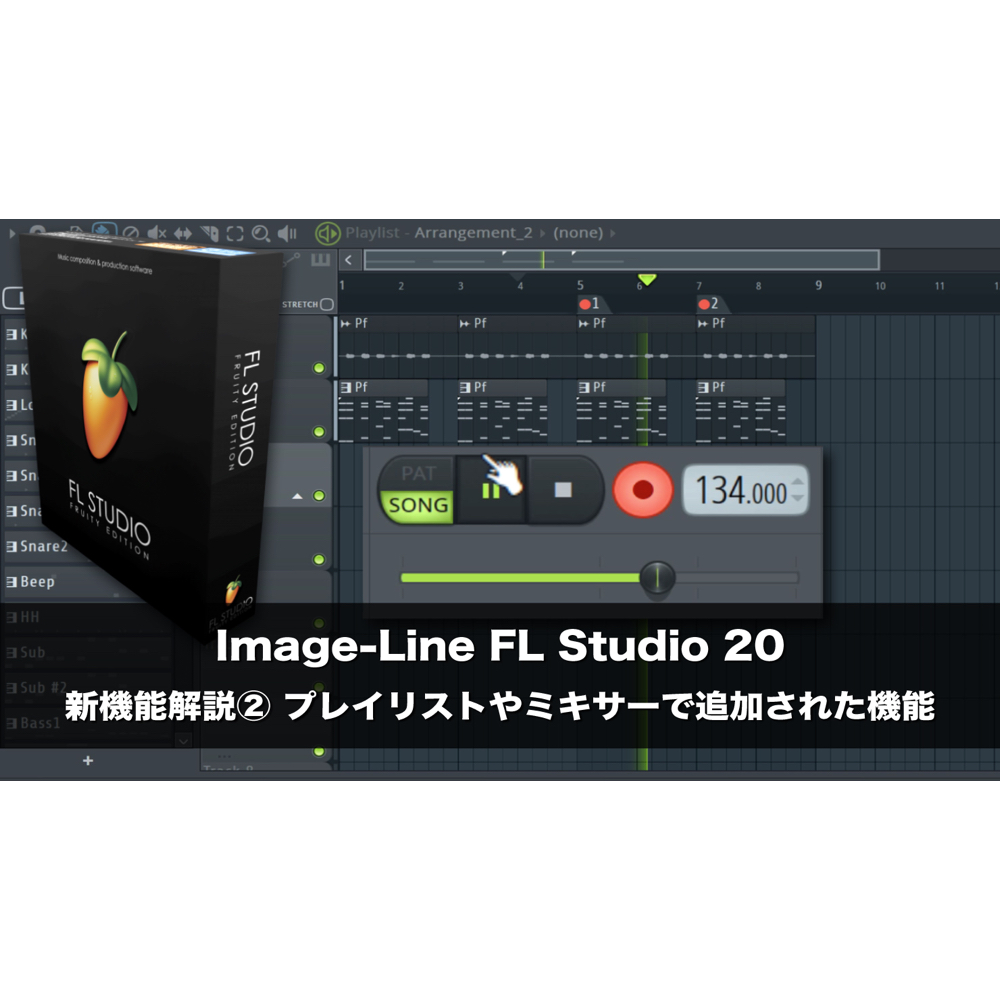
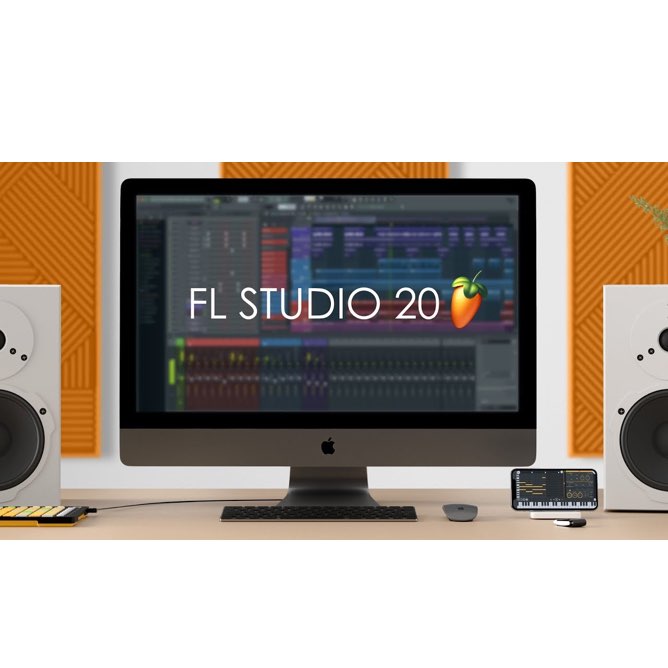
 FL Studio
Frequently Asked Questions
Q1. What is a backing sound?
It is an accompaniment sound that supports a song’s melody and drums. Here, it is built from multiple pitches and changed gradually to create a build.
Q2. What changes when release time is lengthened?
The sound takes longer to fade after the note is released. Increasing it gradually gives the sound a longer tail and can create rising tension.
Q3. Can macro controls be used in any DAW?
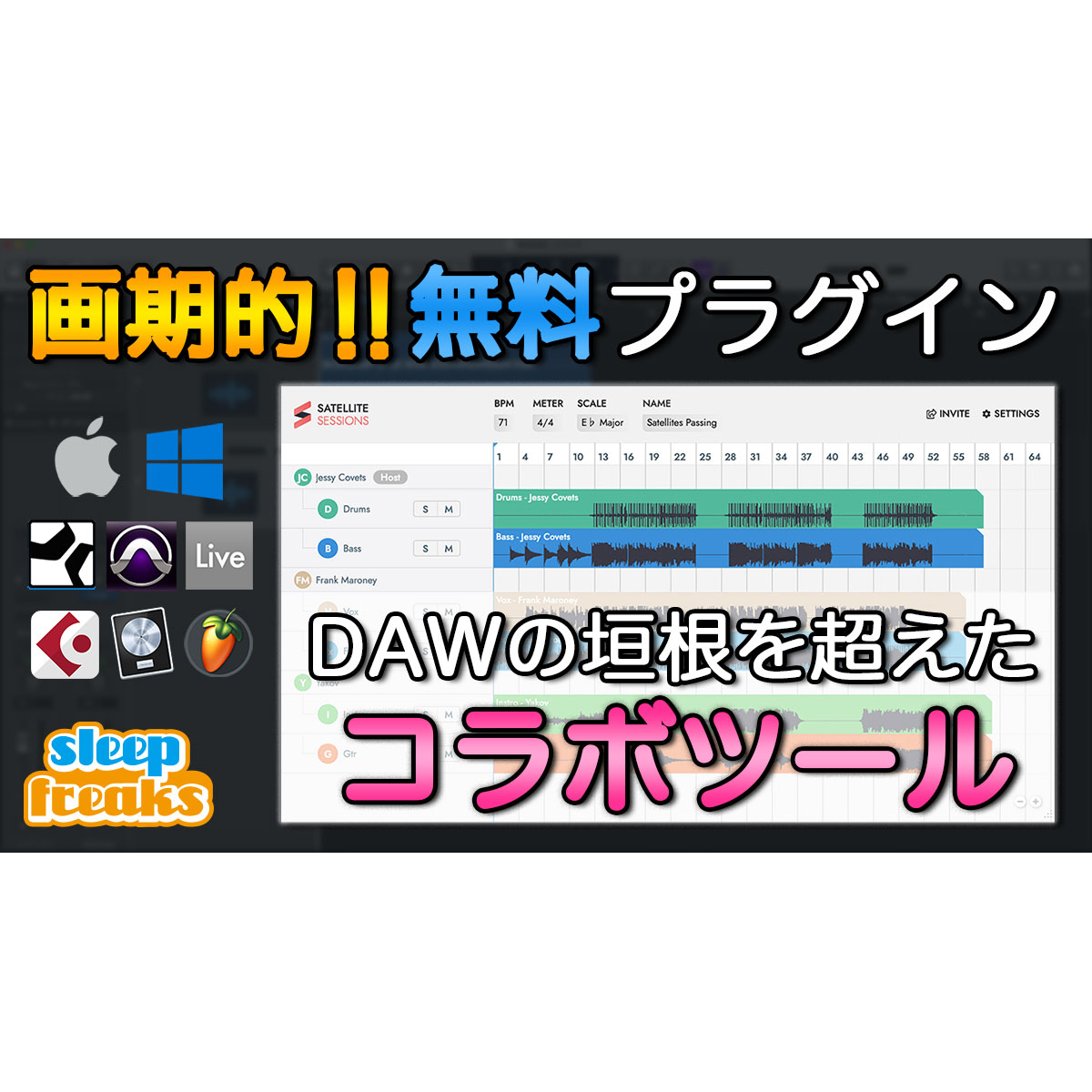
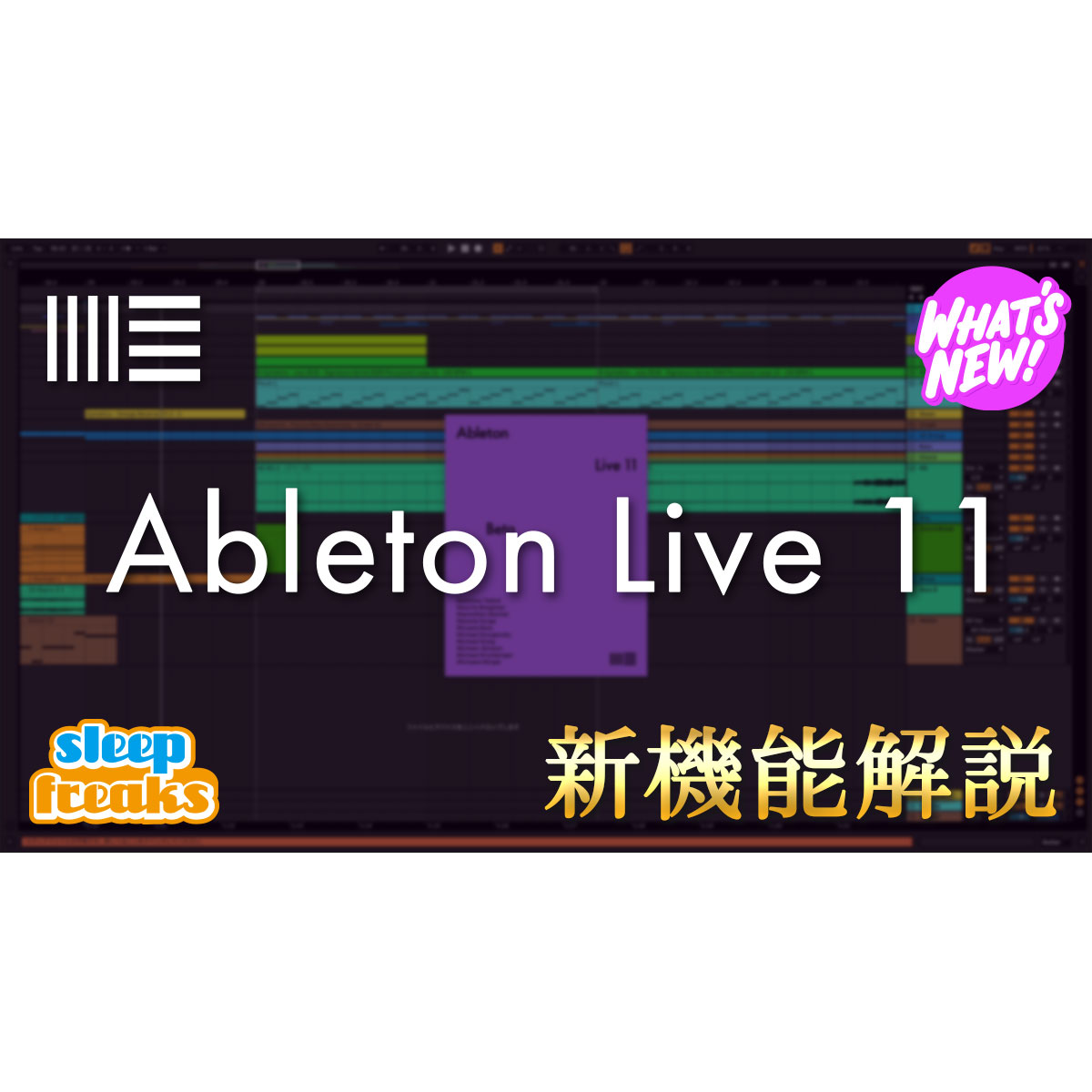
The major DAWs mentioned here, including Pro Tools, Logic, Cubase and Ableton Live, can record automation for compatible macro controls. The procedure depends on the software.
Q4. Which genres suit this technique?
It is especially useful in EDM, pop and dance music, where a gradual build can be effective.
NEW ARTICLES
Latest English Articles