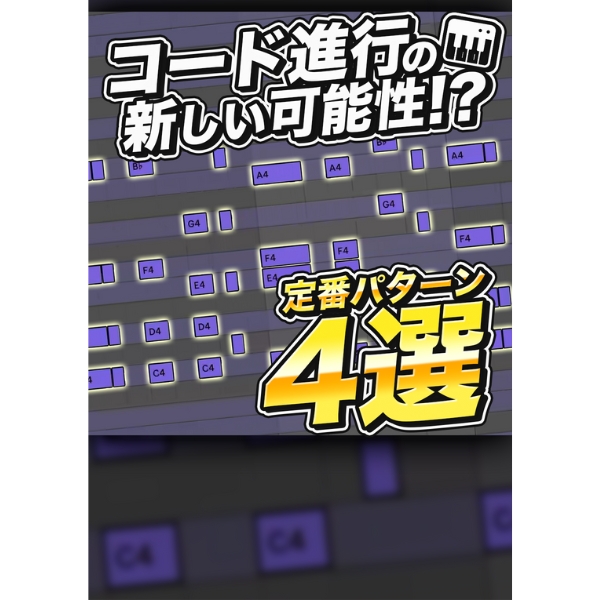
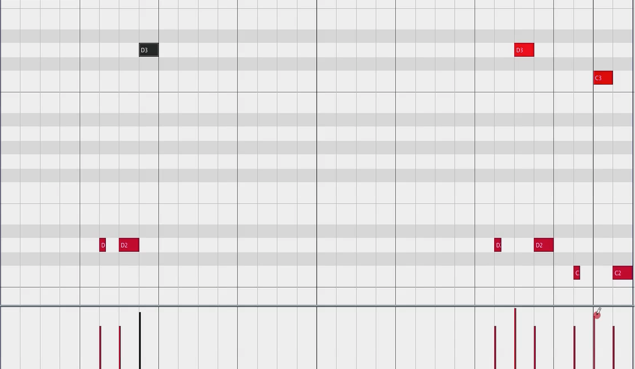
In music production, diatonic chords are an important element that forms the foundation of melody. This article explains the three distinct functions of the diatonic chords available within a key. Understanding how chords are classified by function makes song structure clearer and helps you create natural, convincing chord progressions. Whether you are new to music production or experienced, this is essential music theory knowledge for taking your composition skills to the next level.
Understanding the Functions of Diatonic Chords

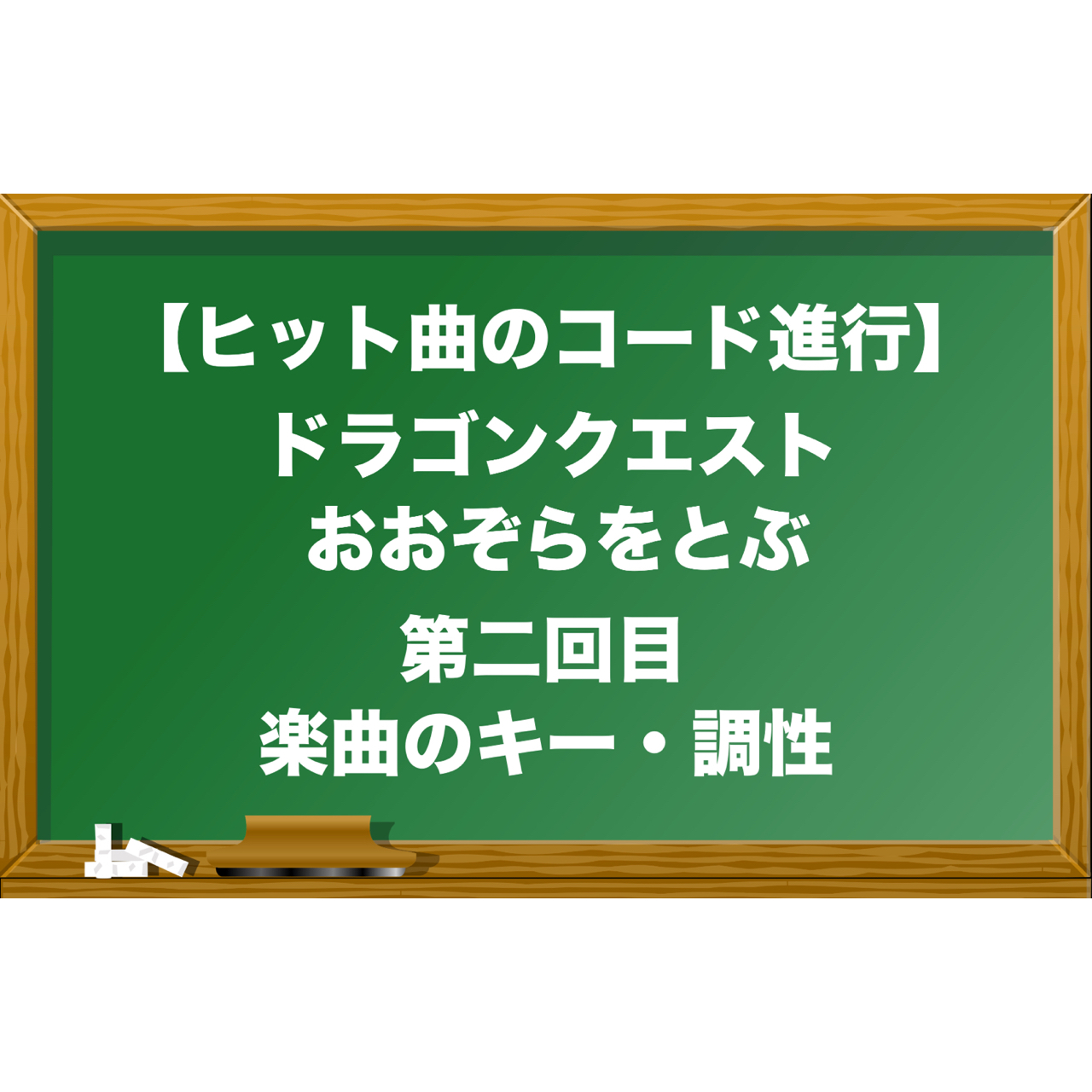
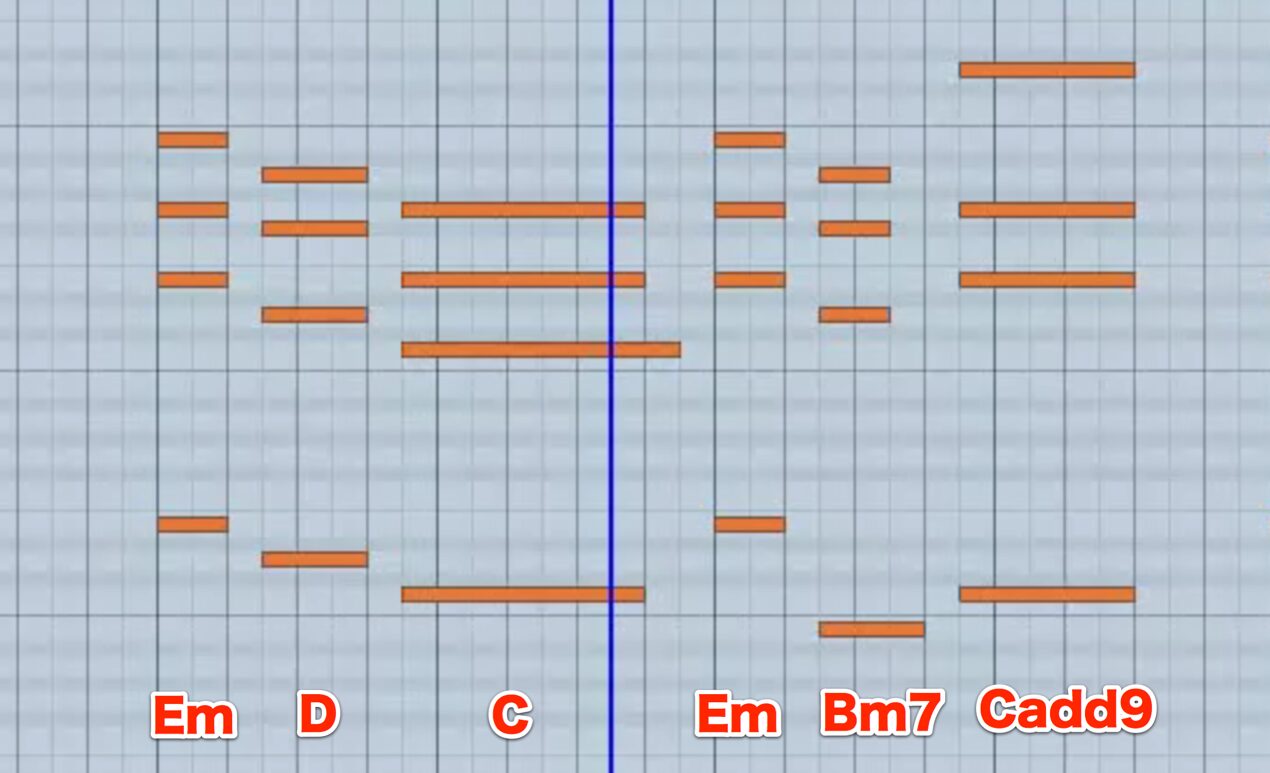
In the previous section, we focused on building diatonic chords.
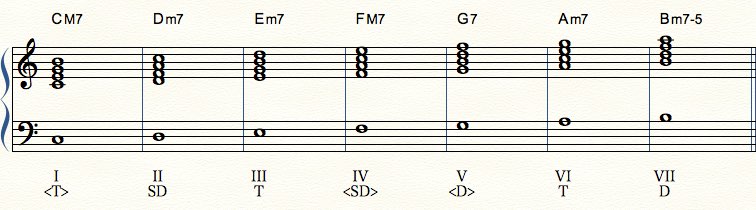
These chords have three types of functions within a song.
Here we explain those functions and their names.
Video Tutorial
Frequently Asked Questions
Q1. What are the three functions of diatonic chords?
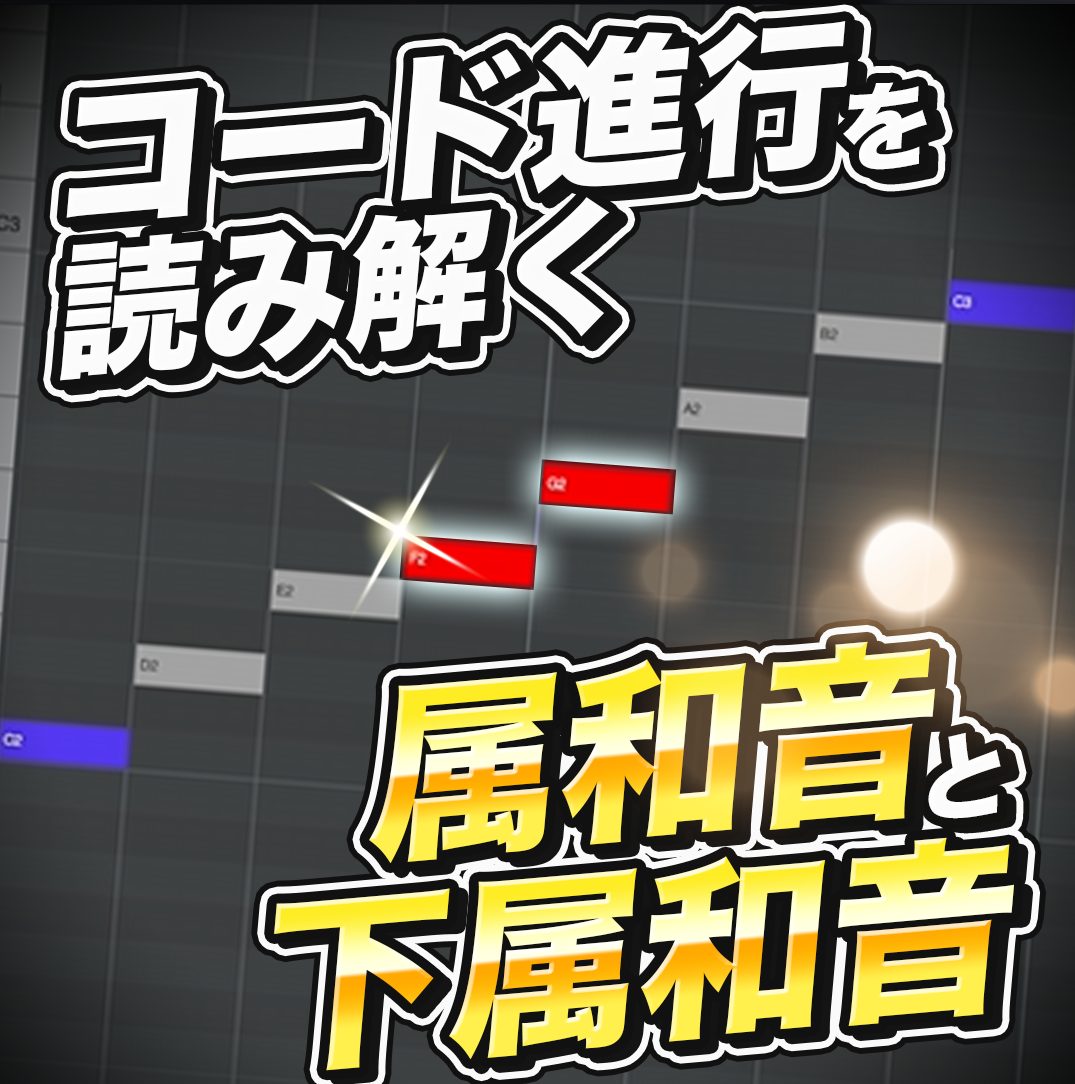
Diatonic chords are classified into three functions: tonic, subdominant, and dominant. Each function gives a chord progression a different color and direction, shaping the structure of a song. Understanding these classifications is key to creating natural chord progressions.
Q2. What should beginners understand first when learning diatonic chords?
Start by understanding the types and construction of chords found within a major or minor scale. Then, learning the function of each chord will help you put chords together effectively in your own compositions.
Q3. What genres can diatonic chord theory be applied to?
It can be applied to tonal music in general, including pop, rock, jazz, and classical music. In particular, if you want to produce music across a wide range of genres, understanding chord functions can greatly expand your creative freedom and improve the quality of your work.
NEW ARTICLES
Latest English Articles