This guide explains how to create an obbligato sound often heard in R&B and pop using a sine wave and glide. Choose a sine wave in the oscillator and use monophonic legato voicing so that only one note sounds even when multiple keys are played. Adjust the glide time to make the pitch move smoothly between notes, creating a wistful obbligato sound. Follow these steps to recreate the tone, even if you're new to sound design.
A Wistful Sound for an Obbligato
This obbligato sound is often heard in R&B and pop.
The keys are a soft sine wave and glide between pitches.
How to Create the Sound
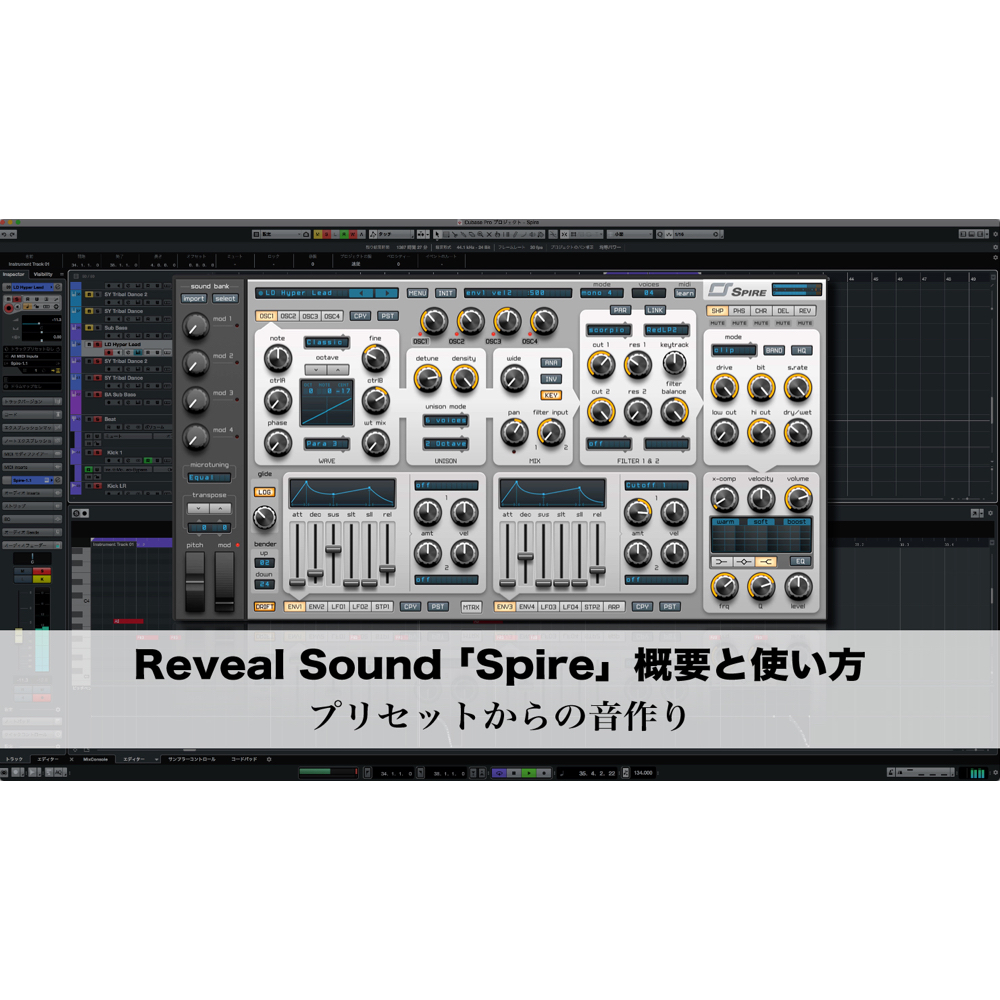
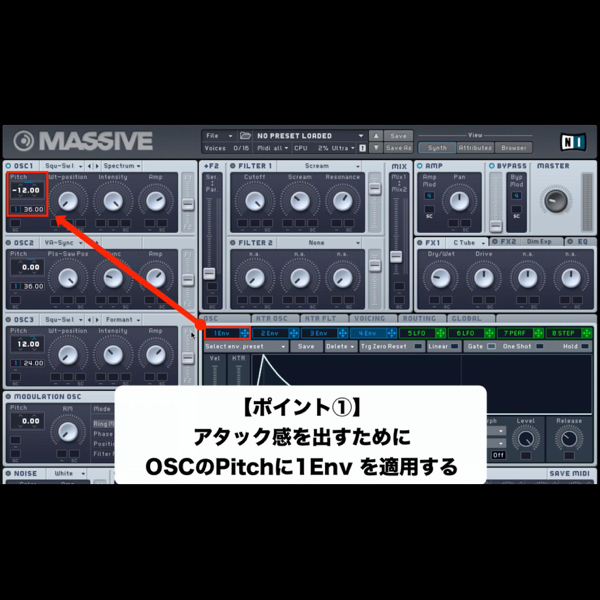
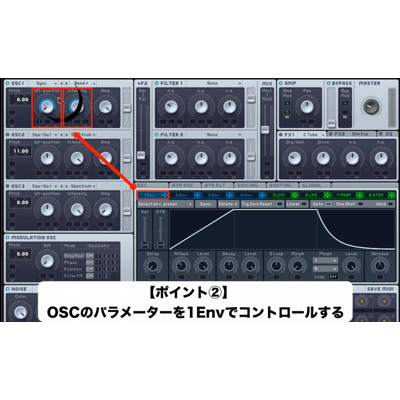
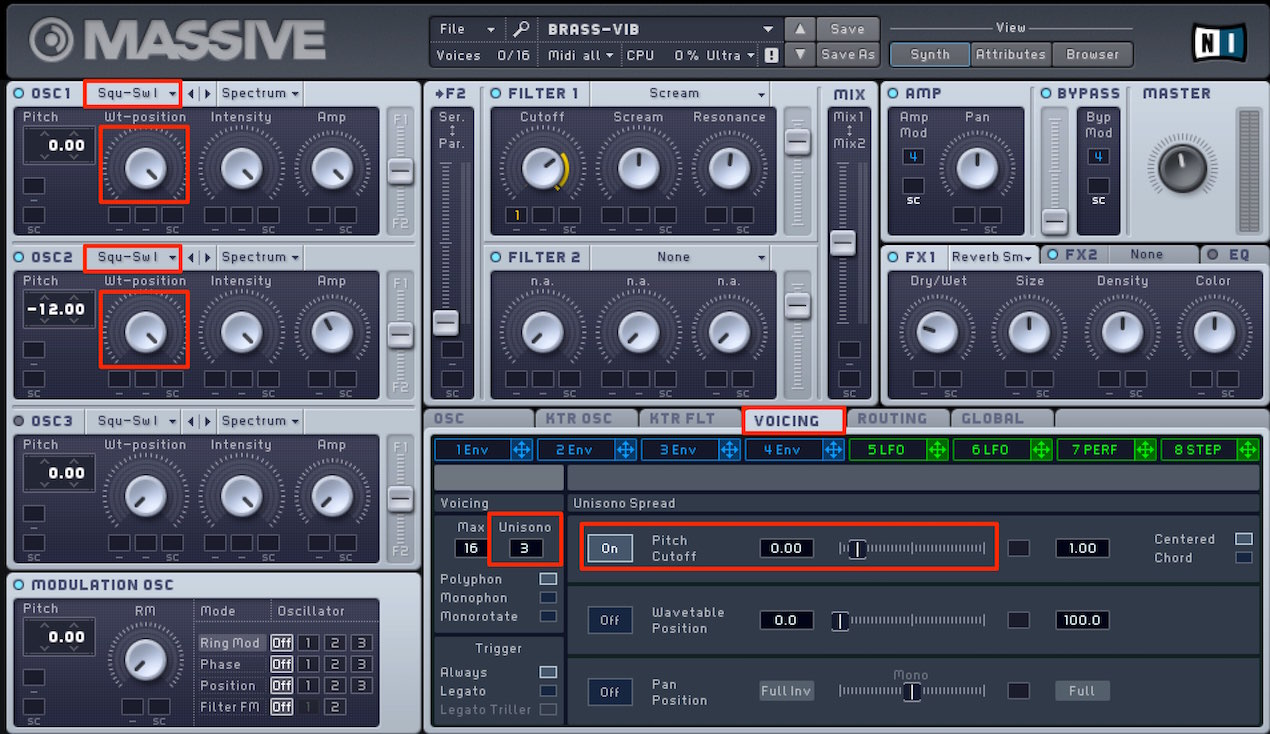
Select a Sine Wave

Open the oscillator's waveform selection menu.

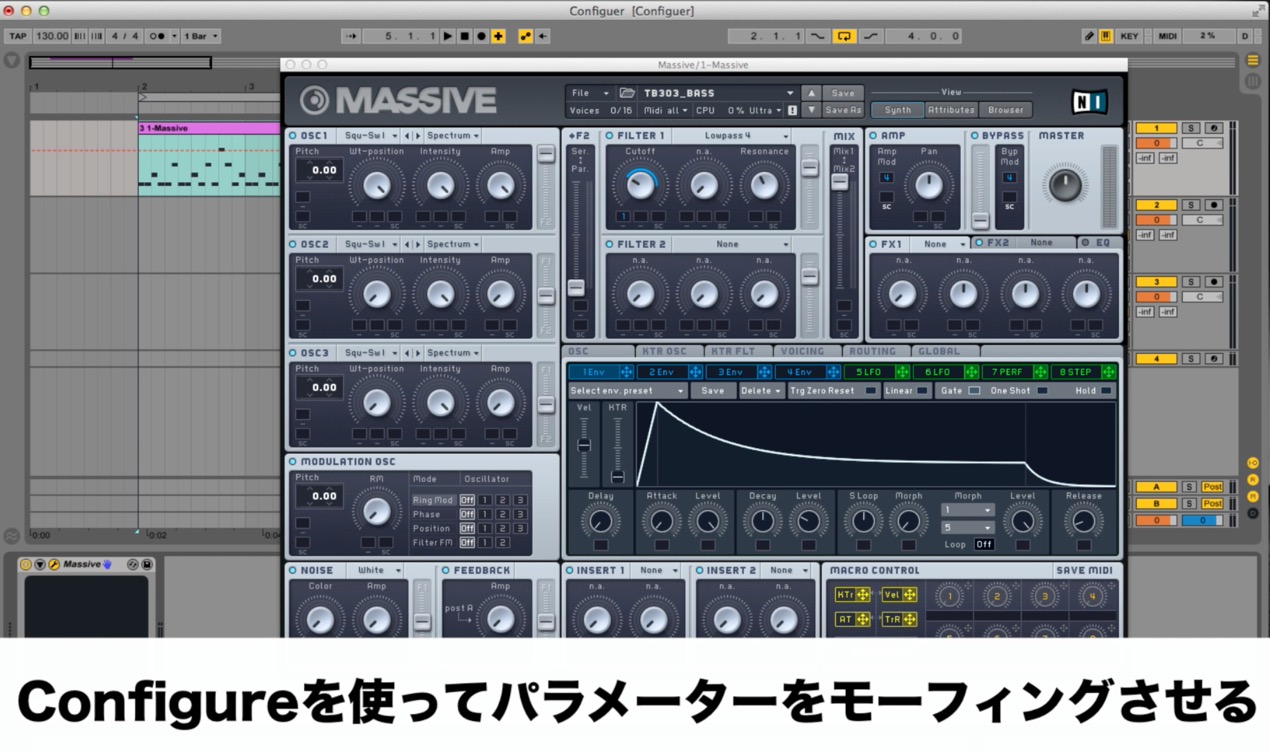
Select a sine wave and turn WT-position all the way to the left
so that only the sine wave is output.
Set the Voice Mode and Volume

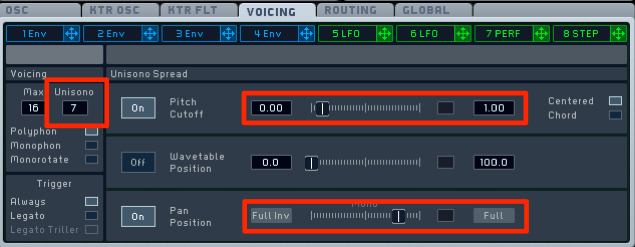
Select the VOICING tab, then choose monorotate and Legato Triller.
This ensures that only one note sounds even when you play multiple keys.

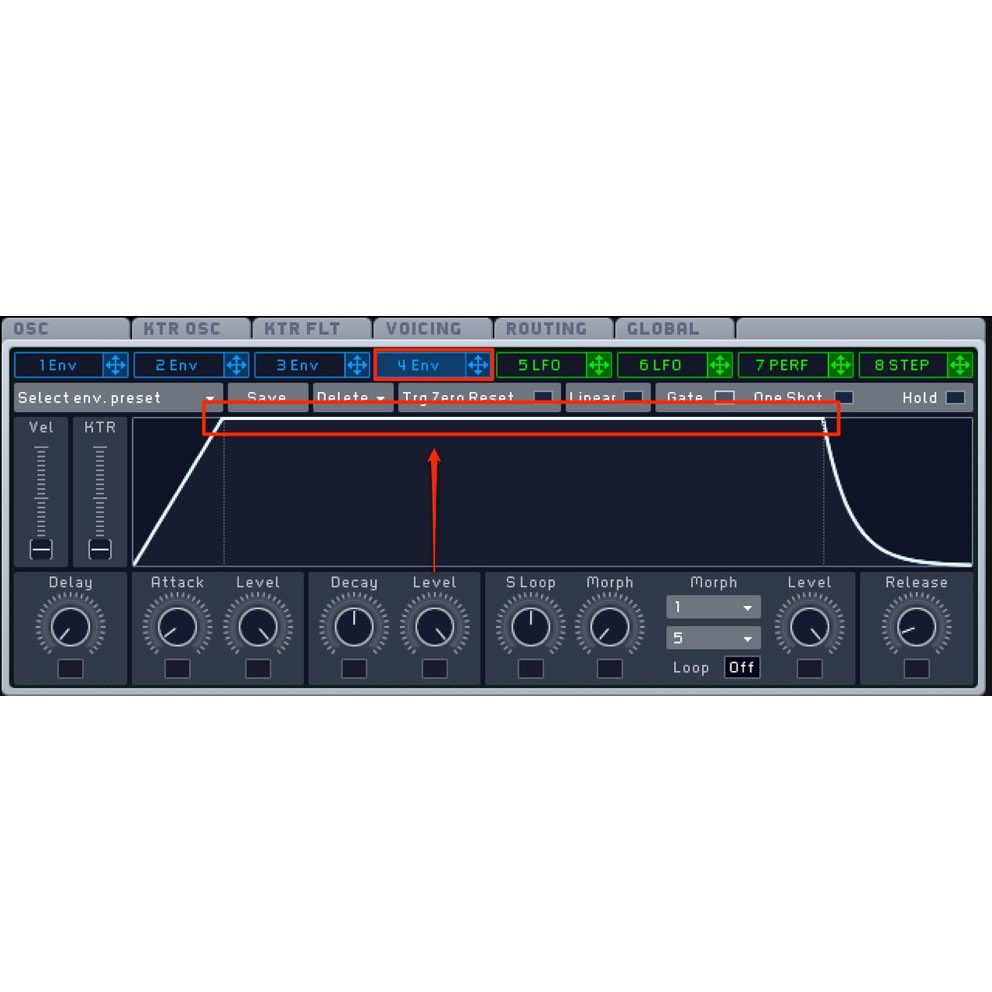
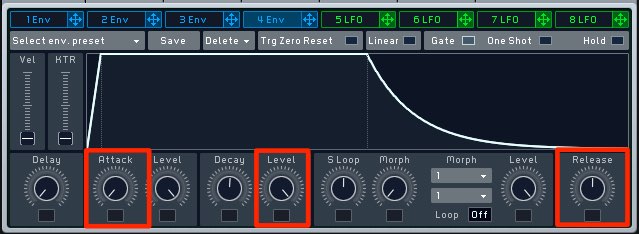
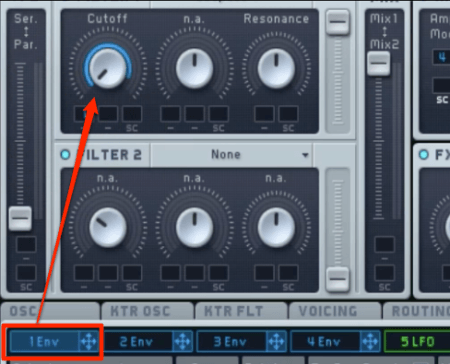
Select the 4 Env tab and set Level to maximum.
The volume will then remain at its maximum without decaying.
Adjust Glide for Smooth Pitch Transitions

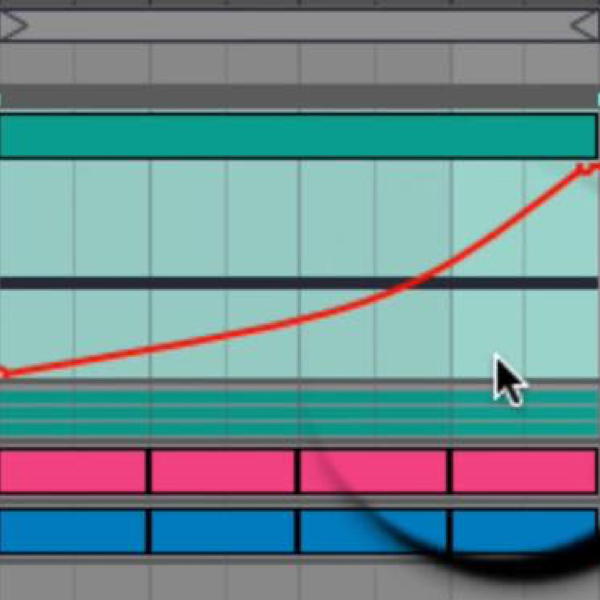
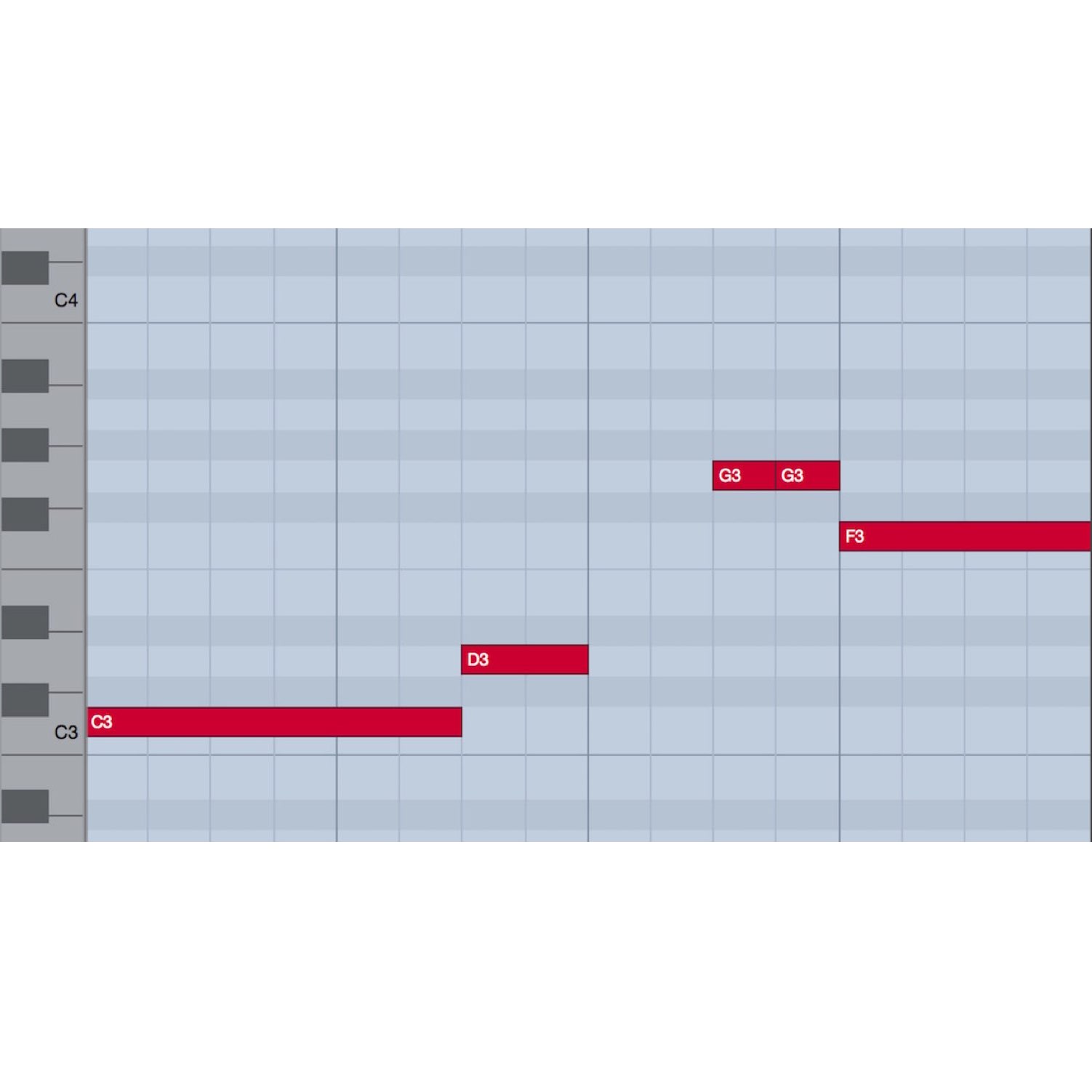
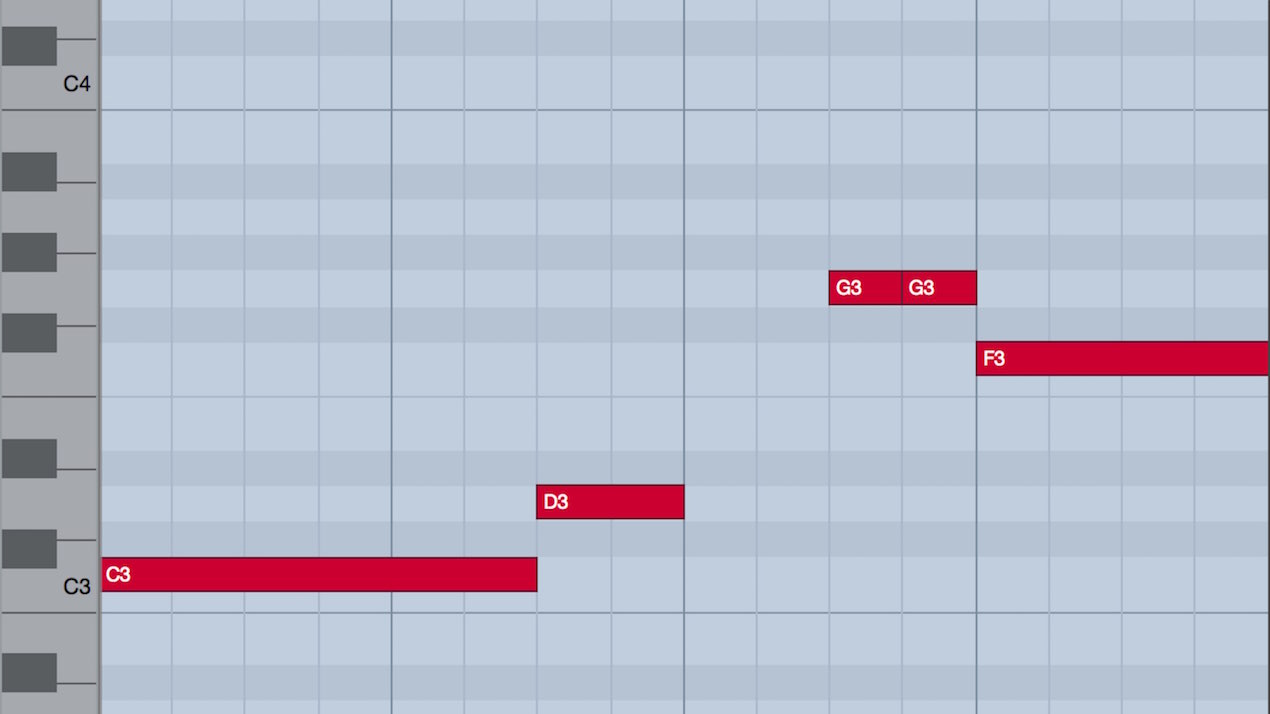
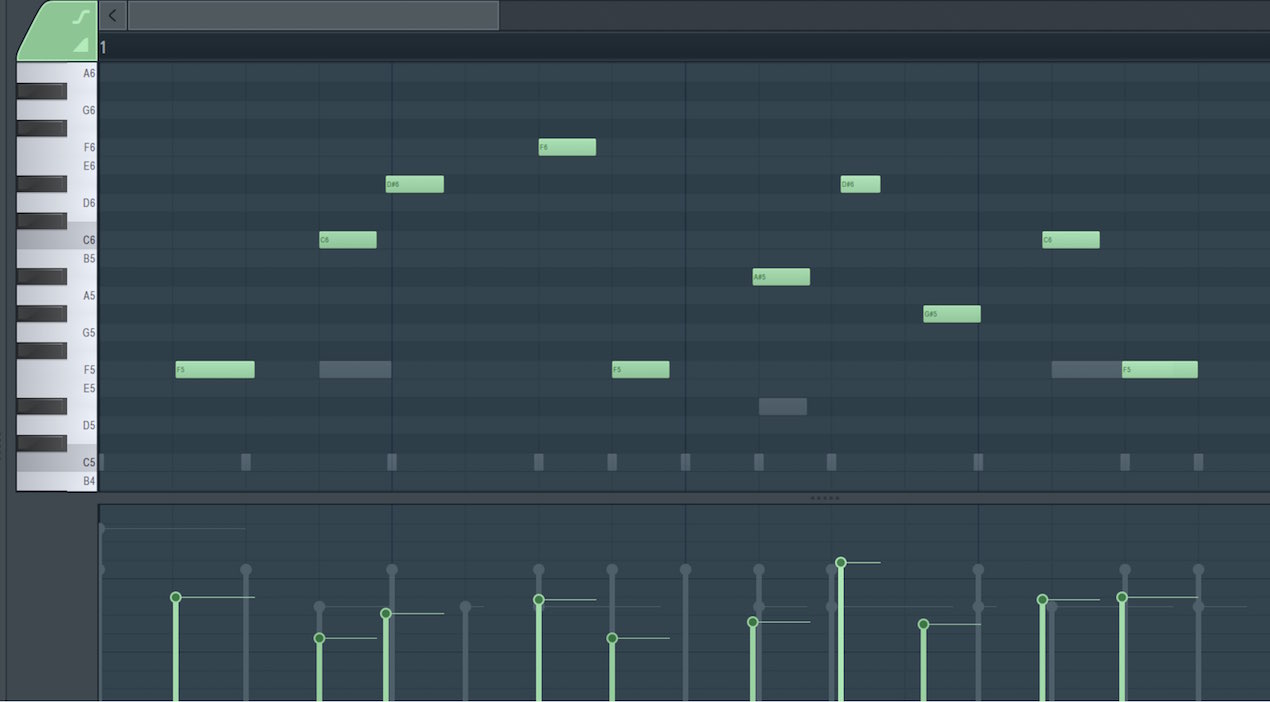
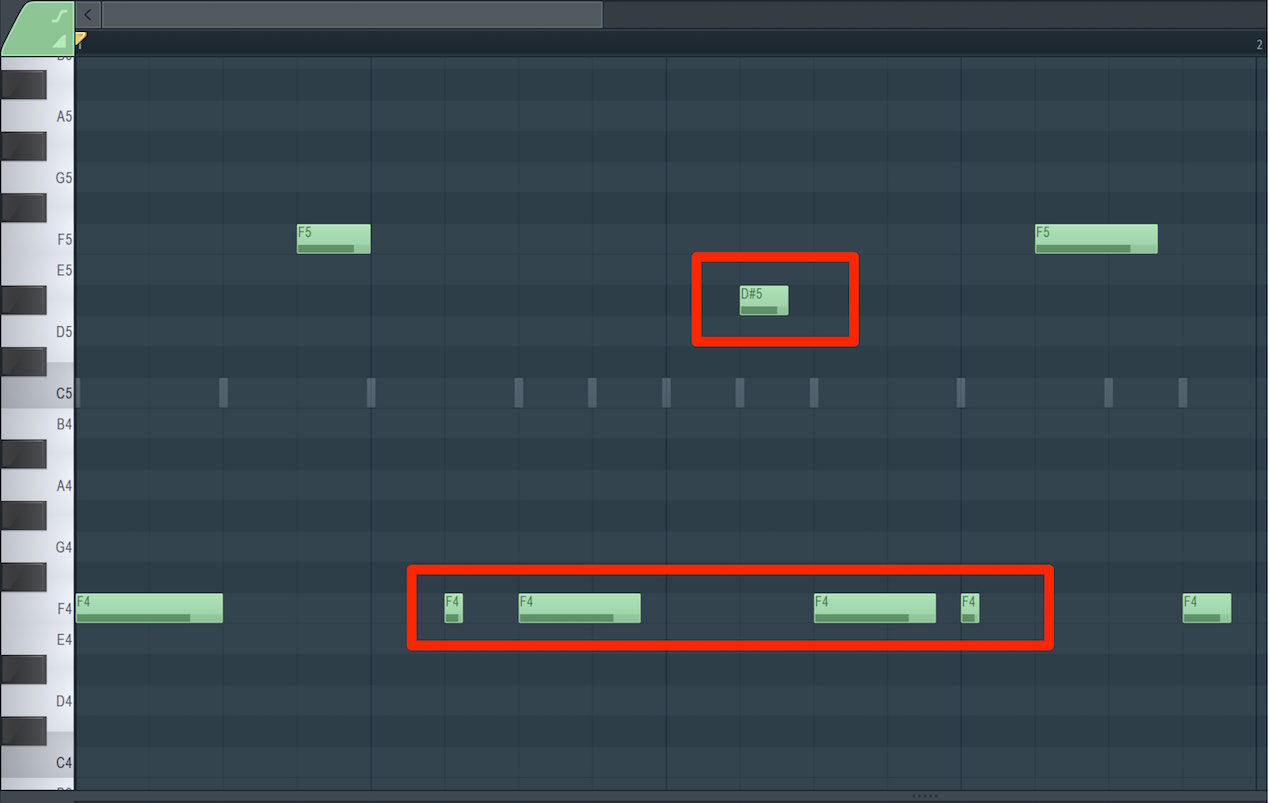
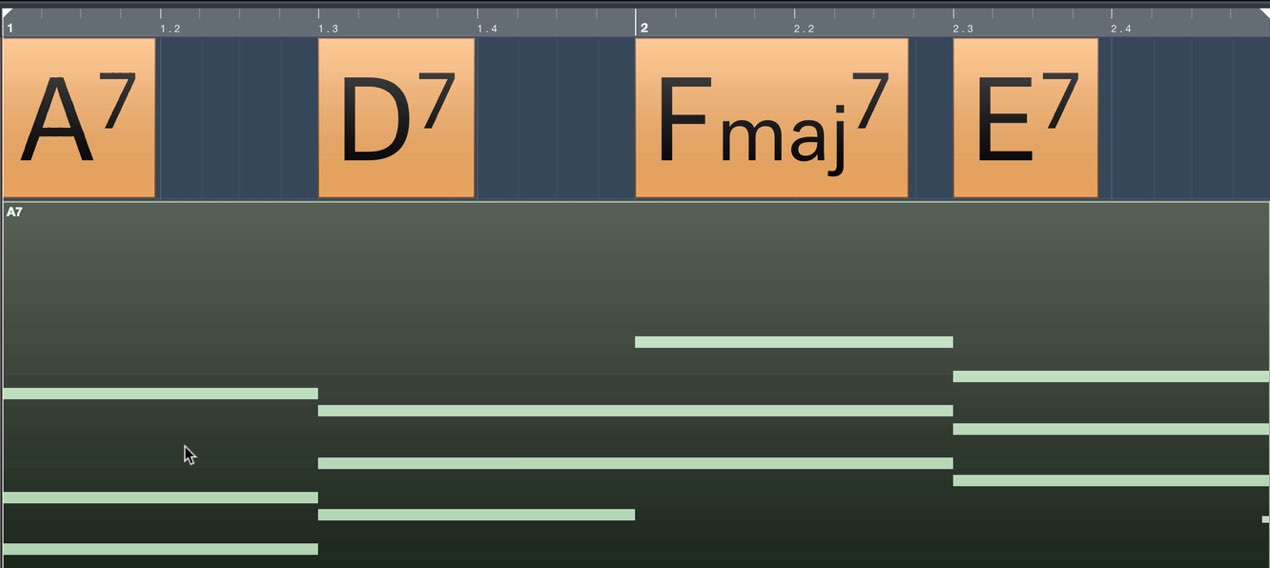
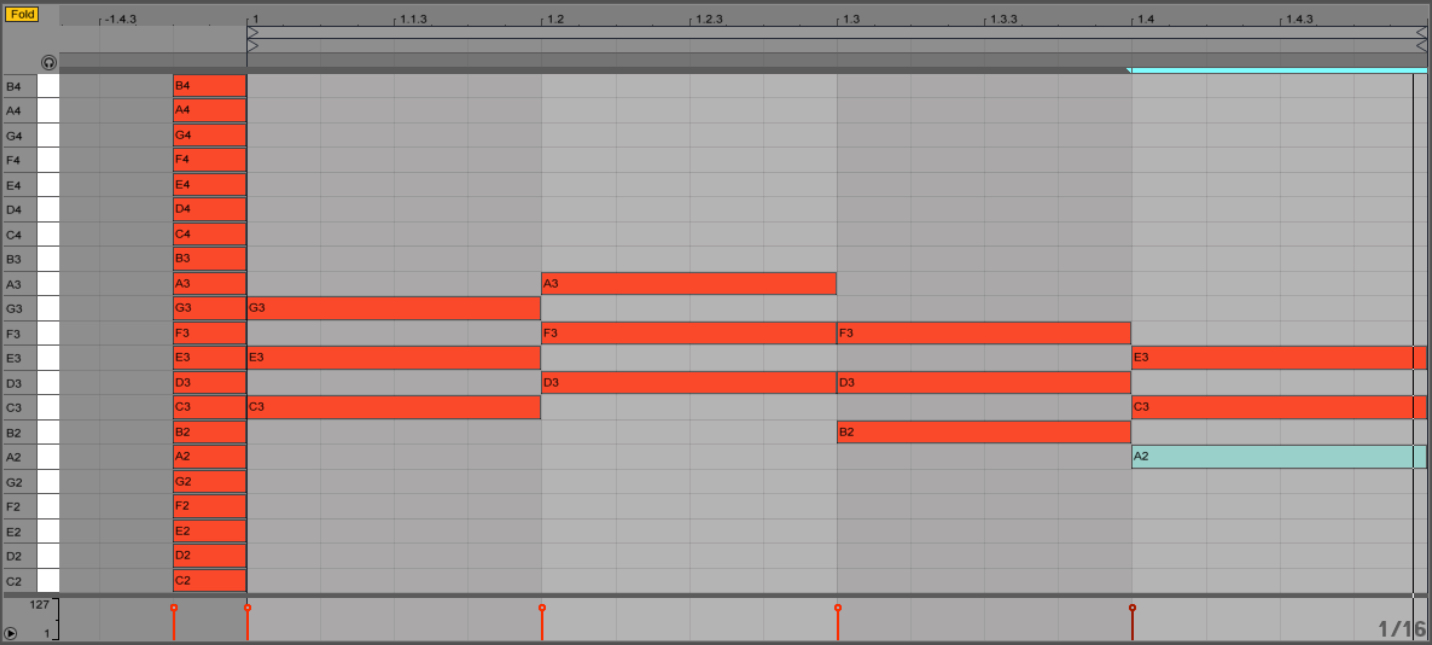
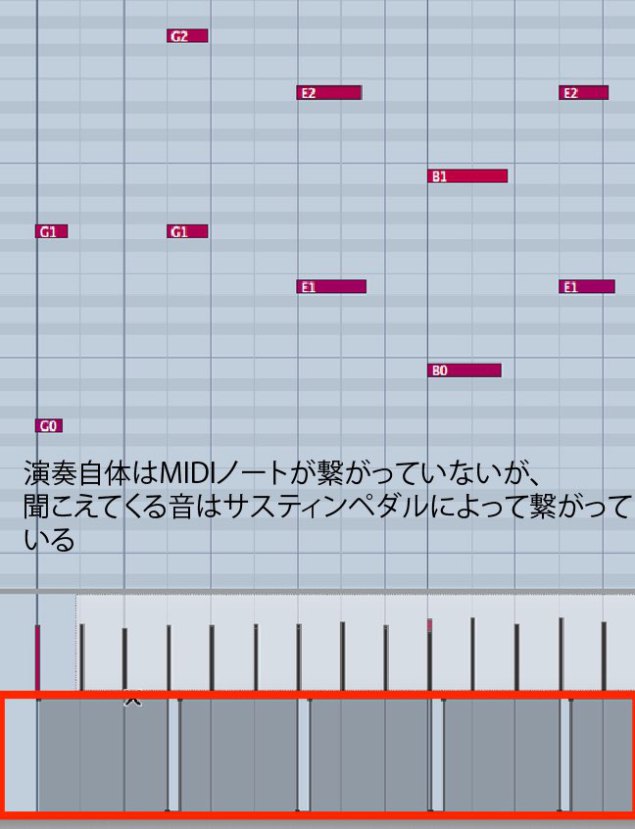
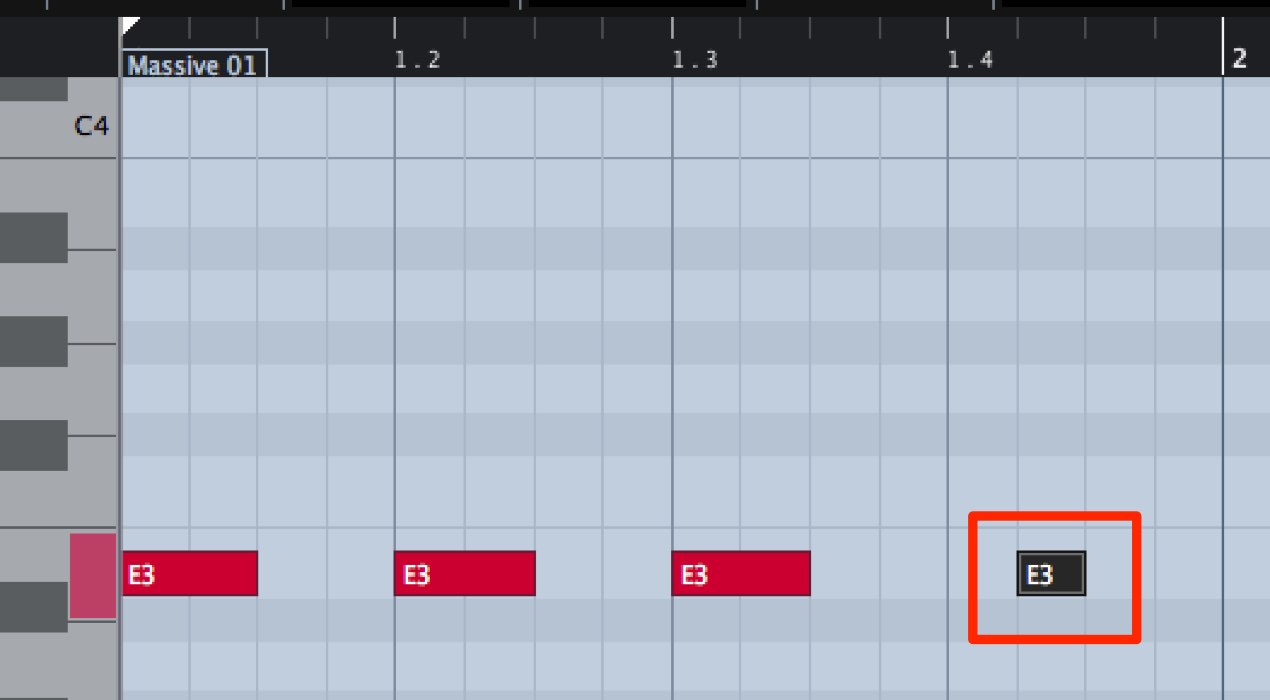
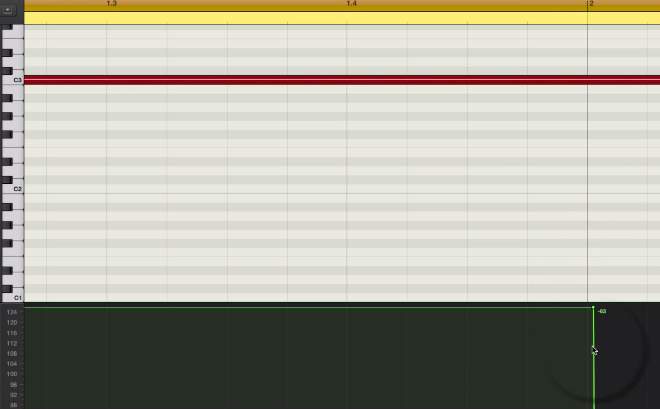
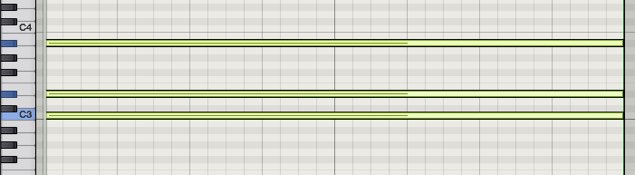
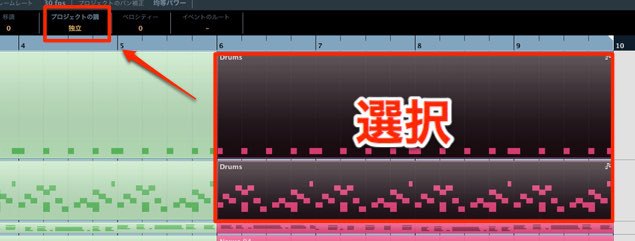
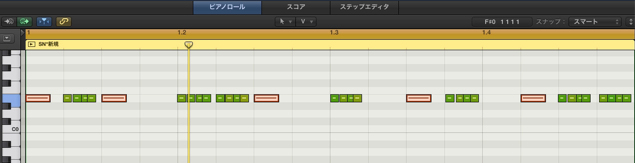
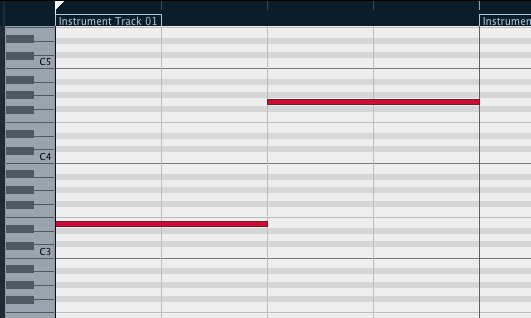
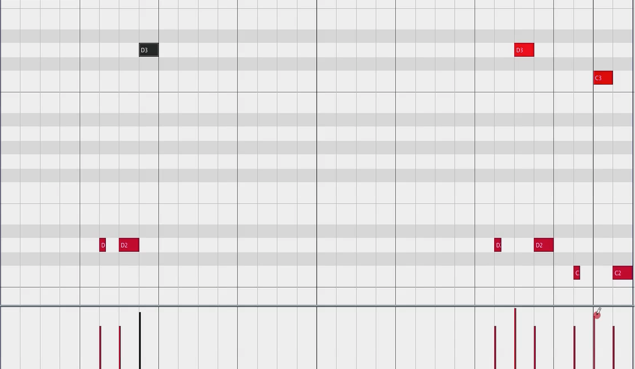
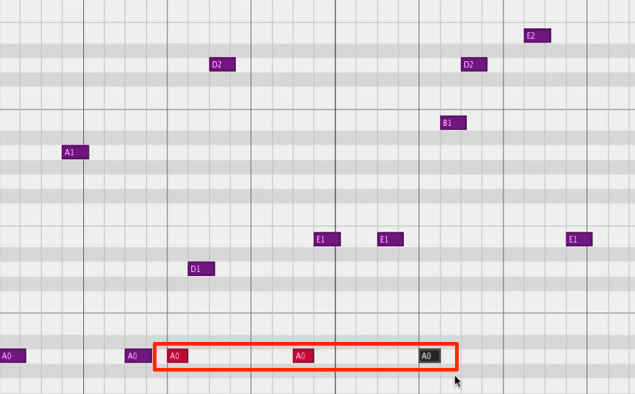
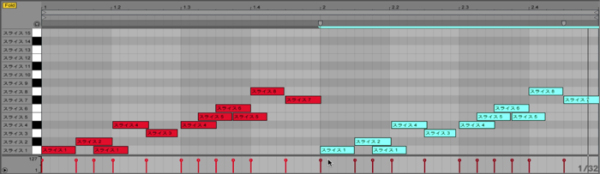
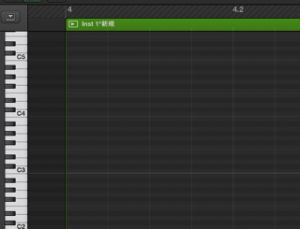
Program the phrase so that each note deliberately overlaps the next.

Use Time on the OSC tab to adjust the duration of the transition between pitches.
This makes the pitches move smoothly from one to the next.
Listen to the sound and adjust it to taste.
Your sound is complete!
Frequently Asked Questions
Q1. What is an obbligato?
An obbligato is a supporting melody or phrase played alongside the main melody. A typical example in R&B or pop is a distinctive line behind the lead vocal or melody, adding depth and expression to the song.
Q2. Why choose a sine wave?
A sine wave is a fundamental, pure waveform with few overtones, producing a soft, clear sound. This makes the glide easy to hear and suits a smooth, wistful obbligato sound.
Q3. How should I set the glide Time?
Adjust the glide time to suit the song's tempo and the effect you want. If it is too short, the effect may be weak; if it is too long, notes may run together too much. The article recommends experimenting around 0.1–1.0 seconds while listening.
NEW ARTICLES
Latest English Articles