This article introduces a basic approach to choosing chords for a piano melody. Starting with the key, it builds a simple progression from major-key diatonic triads and explores the movement from dominant to tonic and the use of a deceptive cadence.
Choosing Chords for a Melody
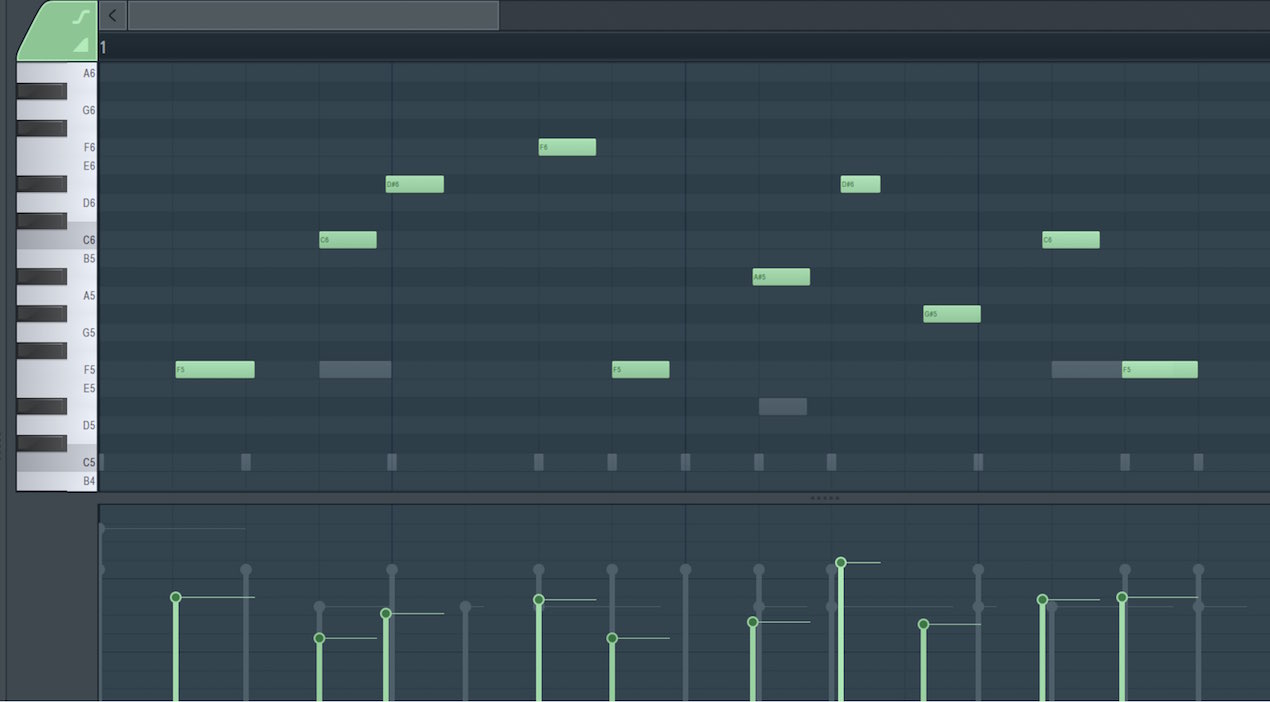
In the previous installments, we programmed a piano melody.
This time, we will add chords to it.
We will touch on some music theory along the way,
and after choosing the chords, move on to arranging the left-hand part.
If you are unsure about music theory, please also refer to our theory articles.
Read the article on diatonic chords →
Video Navigation
- 11. Piano Arrangement: Programming the Melody
- 22. Piano Arrangement: Choosing Velocity
- 33. Piano Arrangement: Adding Chords
- 44. Piano Arrangement: Note Length and Velocity in Practice
- 55. Piano Arrangement: Left-Hand Approaches to Chords
- 66. Piano Arrangement: Left-Hand Approaches 2 and Right-Hand Arrangement
Questions and Answers from the YouTube Video

“I’m having trouble understanding the dominant and tonic. It’s difficult! Why does the progression move that way? I’ll watch it a few more times!”

Thank you for watching! In addition to this video, we have music theory categories available. Music Theory for Beginners: https://sleepfreaks-dtm.com/category/music-theory-beginner/ Music Theory for Music Production: https://sleepfreaks-dtm.com/category/music-theory/ We hope you find them useful. Thank you!
First, Identify the Key
For this example, we use the major-key diatonic chords to harmonize the melody.
Using diatonic chords gives the song a unified sound within that key.
To keep the explanation simple, we use triads.
Each chord contains three notes, making its character easier to hear.
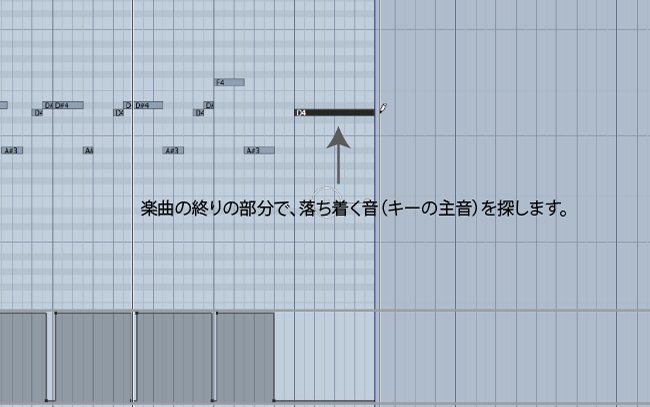
Before choosing those diatonic chords,
we need to identify the key of the piece.
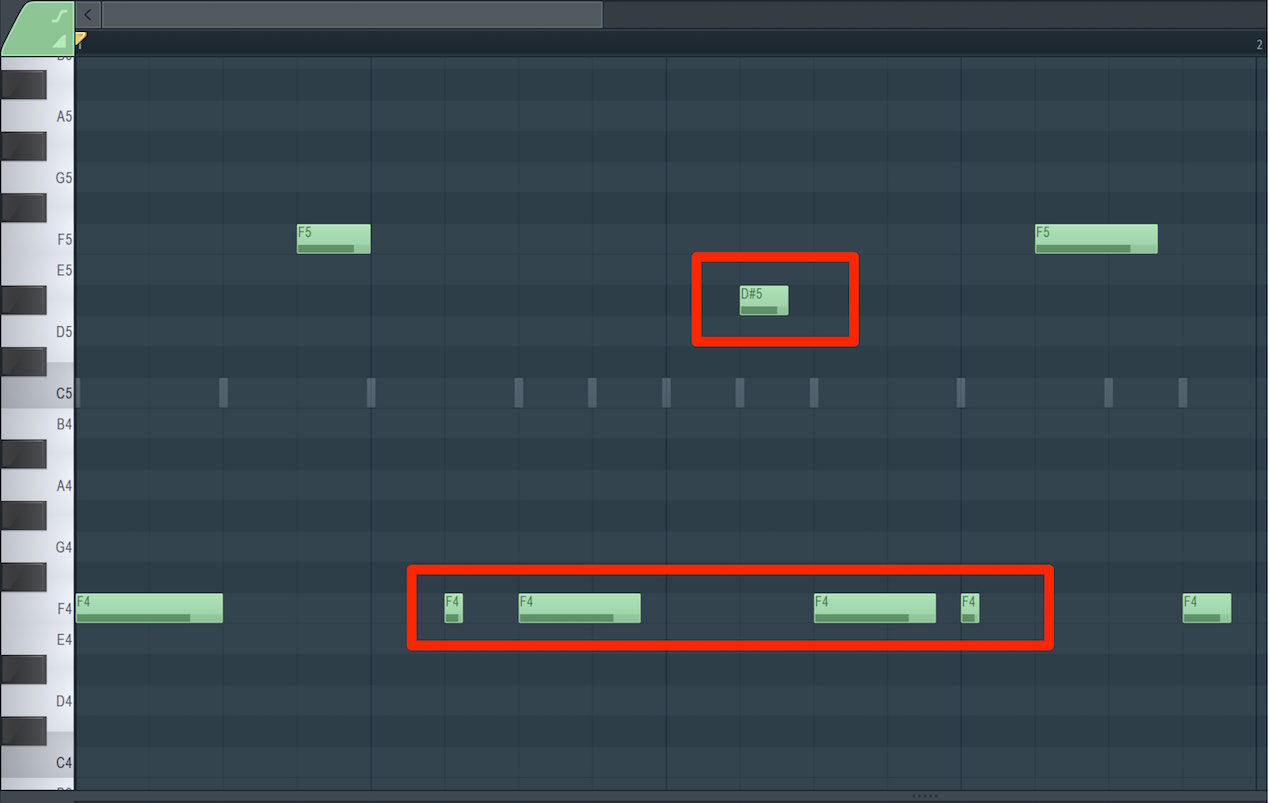
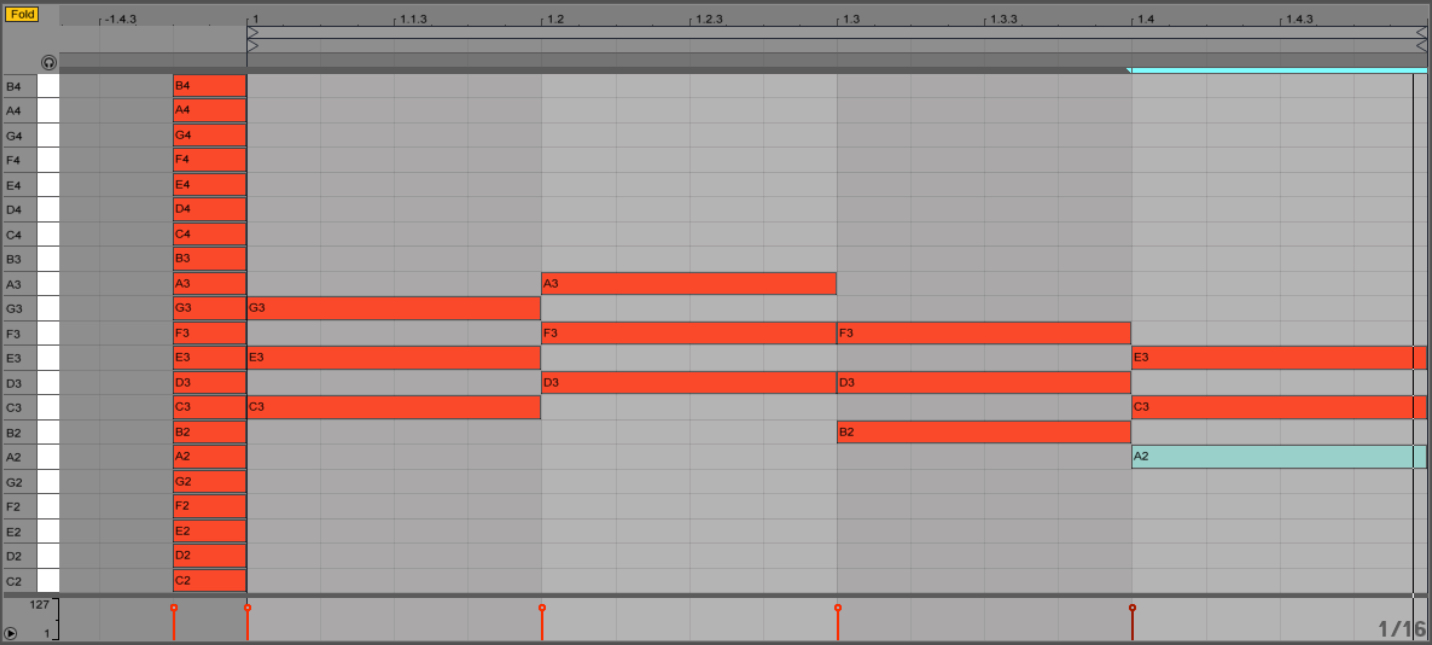
In this example, we try adding a note at the end of the melody
and listen for the note that gives a sense of resolution.
This is one way to find a possible tonic.
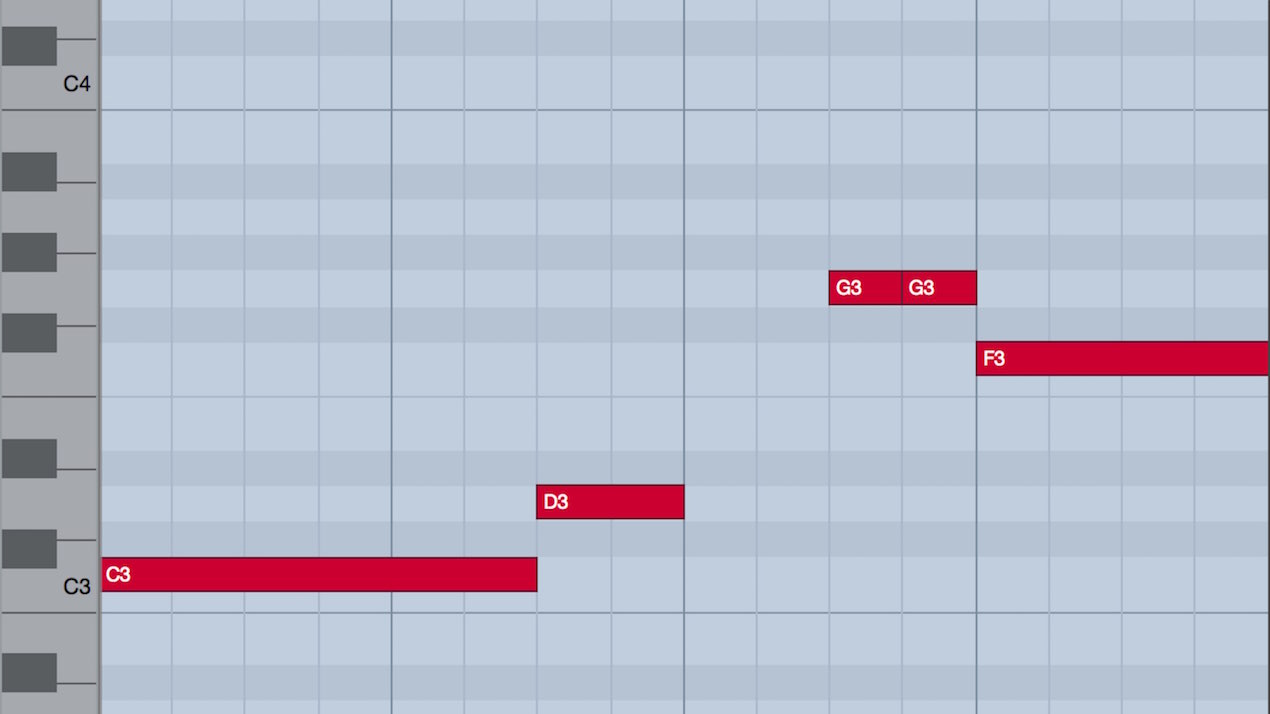
We find that the piece is in E♭ major. Its scale is shown below.
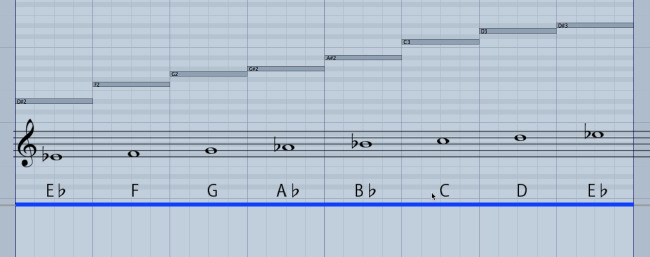

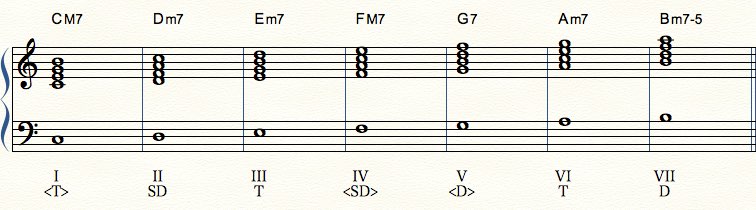
Take each of the seven notes in this scale—E♭, F, G, A♭, B♭, C and D—
and stack notes in thirds above it to form the E♭ major diatonic triads.
Focus on the Movement from Dominant to Tonic
A chord progression can be thought of as a force that moves a song forward.
The sound of the dominant chord is one source of that desire to move onward.
Because this introduction focuses on simple chords, we use triads as described above.
Adding a fourth note to make seventh chords may create an even stronger sense of movement.
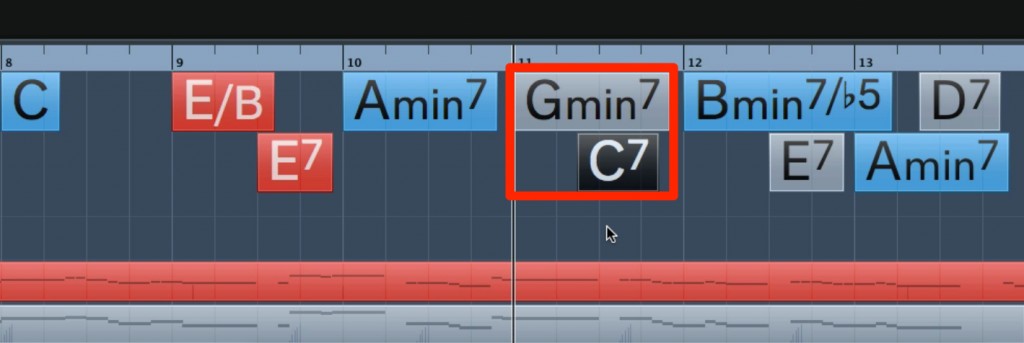
We build the progression while paying attention to the connection between the dominant V chord, B♭, and the settled sound of the I chord, E♭.
Where we want to change the mood, we follow V with the vi chord, Cm, which can act as a substitute for I.
This is called a deceptive cadence.
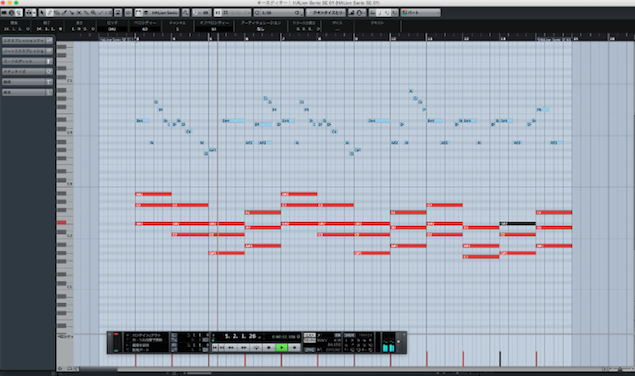
The progression I chose for this example uses the key’s diatonic chords
to create a conventional progression that sounds as natural as possible to the listener.
You could also choose more sophisticated
or striking chords to change the atmosphere of the song.
Although some chord progressions are familiar to the ear, no single progression is the only correct answer.
Frequently Asked Questions
Q1. What are diatonic chords?
Diatonic chords are built from the notes of a particular key’s scale. In this example, a triad is built on each of the seven scale degrees by stacking notes in thirds. These chords can give a song a unified sound.
Q2. How can I find the key of a song?
One approach is to try adding notes at the end of the melody and listen for one that gives a sense of resolution. This can suggest a tonic; the melody and harmony can then help confirm the key.
Q3. What is the difference between a triad and a four-note chord?
A triad has three chord tones and a relatively simple sound that makes its character easy to hear. Adding a fourth note can give a richer, more complex sound and, in some cases, a stronger sense of movement.
Q4. What is a deceptive cadence?
In this example, a deceptive cadence follows the dominant V with vi instead of the expected tonic I. It can change the mood and create an unexpected turn in the progression.
NEW ARTICLES
Latest English Articles