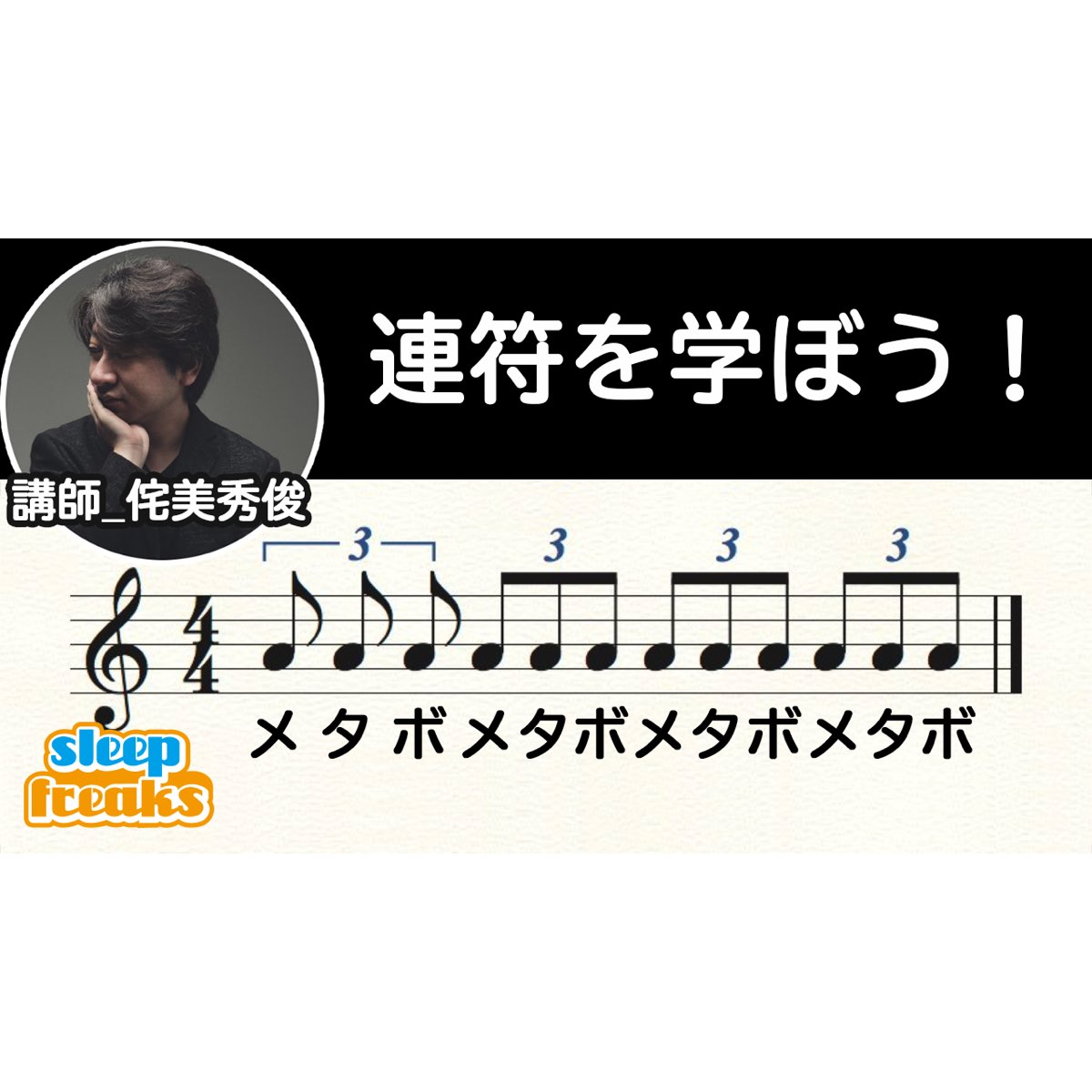
This article explains the basics of reading rhythm in the piano roll for music production beginners. Starting with quarter notes, we will look at shorter eighth and sixteenth notes as well as longer half and whole notes. Understanding how these notes fit within a bar will help you enter rhythms accurately in your DAW and prepare you for dotted notes and triplets in the next installment. The examples below use a 4/4 bar.
Understanding note values beyond quarter notes
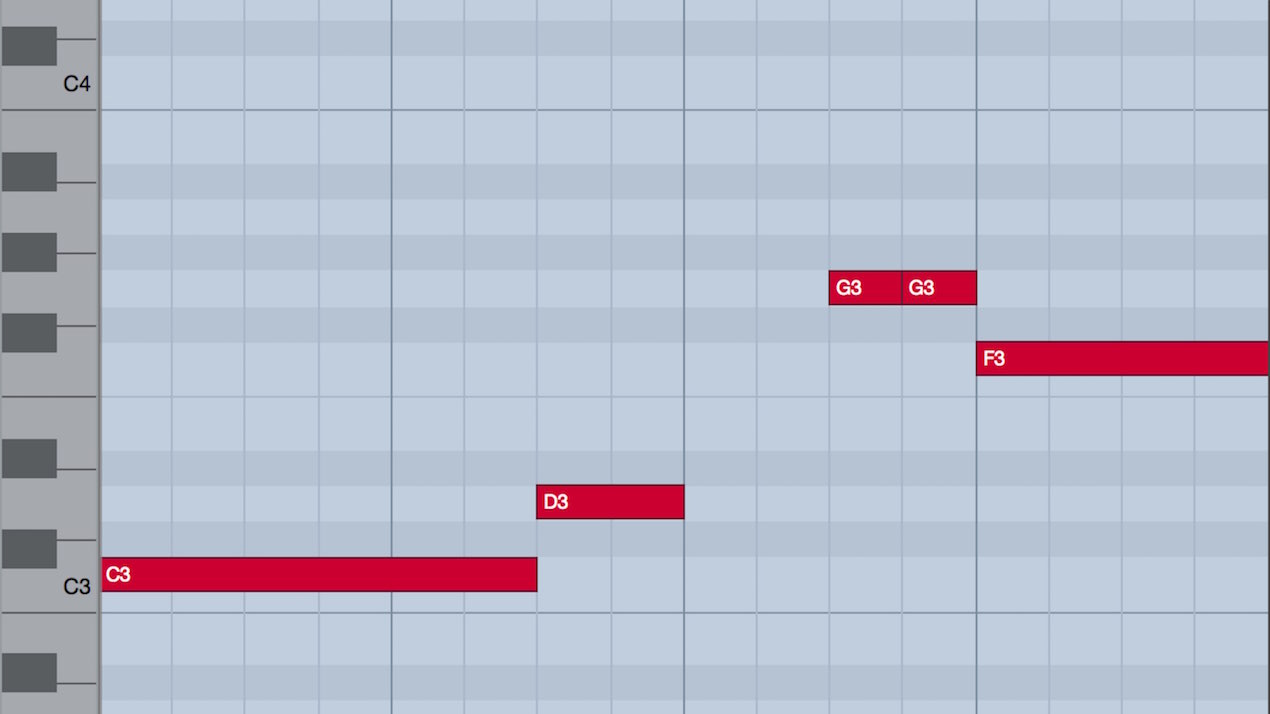
Let’s continue exploring the relationship between the piano roll and rhythm.
This time we’ll look at note values beyond quarter notes. If you read
the previous article and understood its contents, this should be easy to follow.
Tutorial video
- 1MIDI Basics
- 2MIDI Parameters and Values
- 3Software Synths and Plug-ins: DAW Format Compatibility
- 4What to Consider When Choosing an Audio Interface
- 5Samplers 1: Sample Material to Make Rhythm Instruments
- 6Samplers 2: Make Pitched Instruments from Samples
- 7Reading the Piano Roll and Rhythm, Part 1
- 8Reading the Piano Roll and Rhythm, Part 2
- 9Reading the Piano Roll and Rhythm, Part 3
- 10Basic Tuning: A Shared Pitch Reference for Your Music
- 11Understanding Tuplets
Eighth and Sixteenth Notes

A quarter note is a note length that fits four times evenly into a 4/4 bar.
Therefore, an eighth note fits eight times and a sixteenth note fits sixteen times evenly into the same bar.
It’s quite simple, isn’t it?
Half and Whole Notes

There are also note values longer than a quarter note.
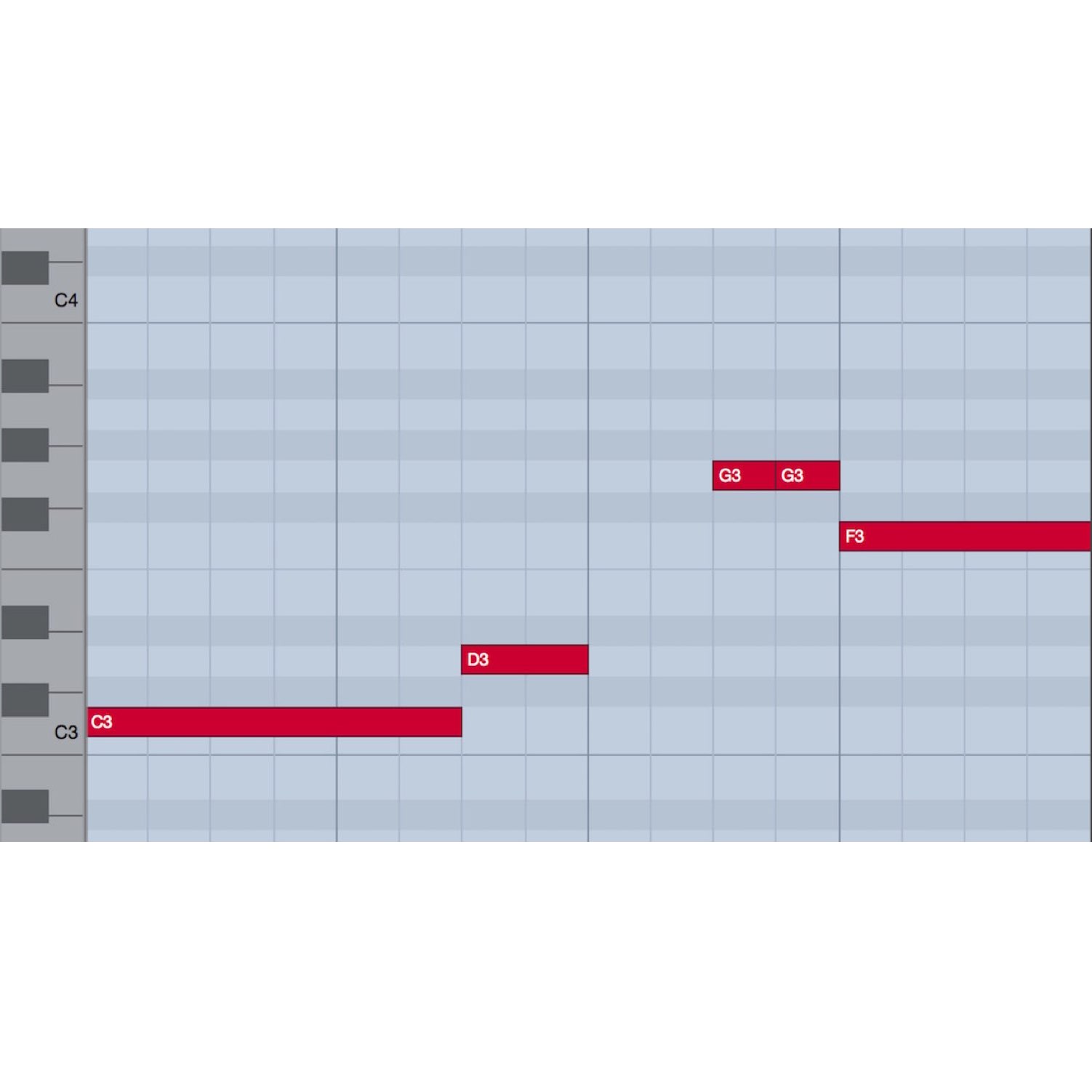
A half note is a length that fits twice evenly into a 4/4 bar, while
a whole note (shown as 1/1 in a DAW) has the same length as that bar.
(In these rhythm examples, gaps between notes represent rests.)
That’s all for this installment.
Next time, in the final installment on rhythm, we’ll cover dotted notes and triplets.
Frequently Asked Questions
Q1. How can I tell eighth notes and sixteenth notes apart in the piano roll?
Compare how many fit evenly in a 4/4 bar: eight eighth notes or sixteen sixteenth notes. Sixteenth notes are shorter and divide the beat more finely.
Q2. How is a whole note shown in a DAW?
A whole note is shown as 1/1 in a DAW. In 4/4, it spans a full bar and is the longest note value covered here.
Q3. What do gaps in the piano roll mean?
In these rhythm examples, gaps between notes represent rests: periods when no note is sounding. This lets you see note lengths and silent intervals.
NEW ARTICLES
Latest English Articles