
This article explores three practical ways to improve an orchestral piece through a real song critique. The ending, a rhythmic section in changing meters and a woodwind ensemble illustrate techniques including reverb decisions, velocity adjustments and independent part writing. Before-and-after audio examples help explain how to reduce clutter in a large arrangement and give the music more life.
Reviewing a piece from scoring and performers' perspectives

For the second installment of Song Critiques, we selected an orchestral piece.
We will examine this highly original music from several perspectives.
Explore three ideas you can also apply to your own music.
Three ways to develop an orchestral piece
- 1Electro-pop with vocals: three ways to refine the track
- 2An orchestral piece: three points for improvement
- 3Pop ballad: three ways to create contrast in the arrangement
Introducing the submitted piece
The composer is Hiyo Cream, a student at Osaka College of Music at the time of the original article.
YouTube: Hiyo Cream's channel
X: @Hiyo_cream
- The concept
A musical-theater-style piece performed by children.
What adults might see as a short outing becomes an epic adventure for a hero and princess in children's eyes. That is the idea. - What I focused on
I used the orchestra to depict the vast world seen through children's eyes, while successive changes of tempo, meter and key create a fantastical atmosphere.
If you are confident in your aural and theory skills, try analyzing the chords and meters.
Let me know if you manage it—I would be seriously impressed. - What I am struggling with
When I write for a large ensemble, there can be so much information that it feels a little noisy and cluttered.
Once I am happy with a piece I have written, I find it difficult to identify anything to improve.
Explaining the revisions
Here are the points we addressed.
Orchestrating the ending
First, let's look at the ending that brings the piece to a close.
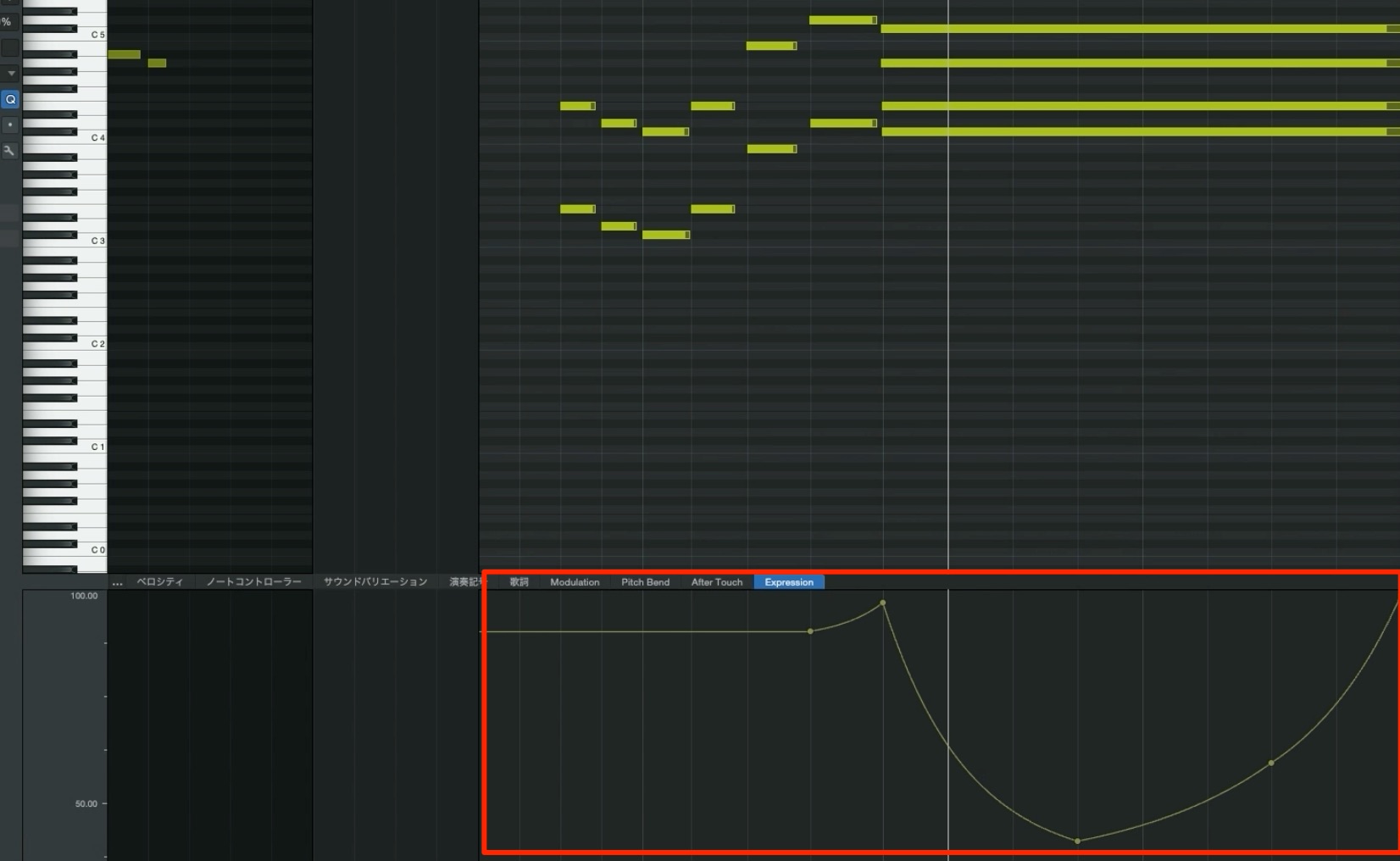
In the final sustained passage,
we vary the volume with expression, mainly in the brass.
Notice how this adds life and movement to the performance.
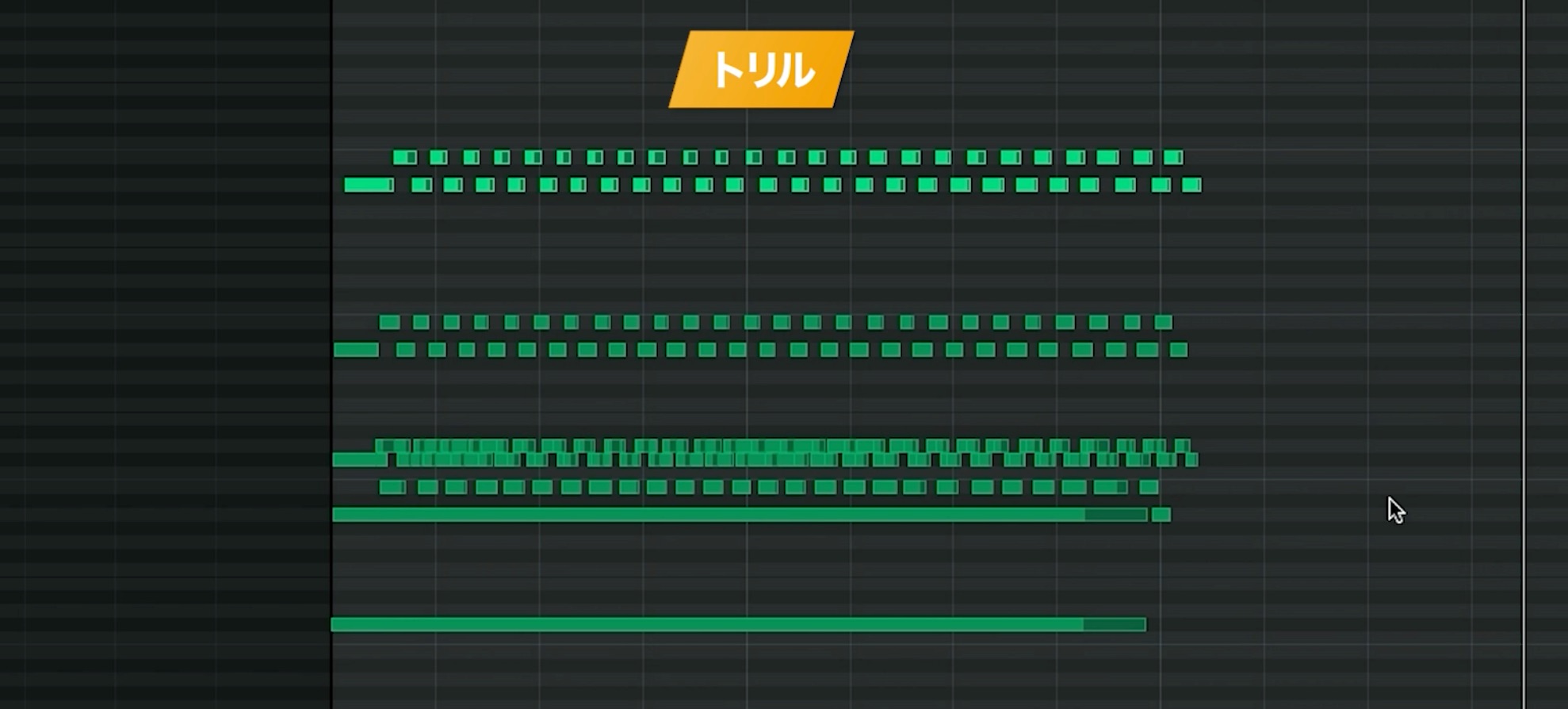
The woodwinds switch to trills to build excitement.
We also adjust the voicing to add more presence in the high register.
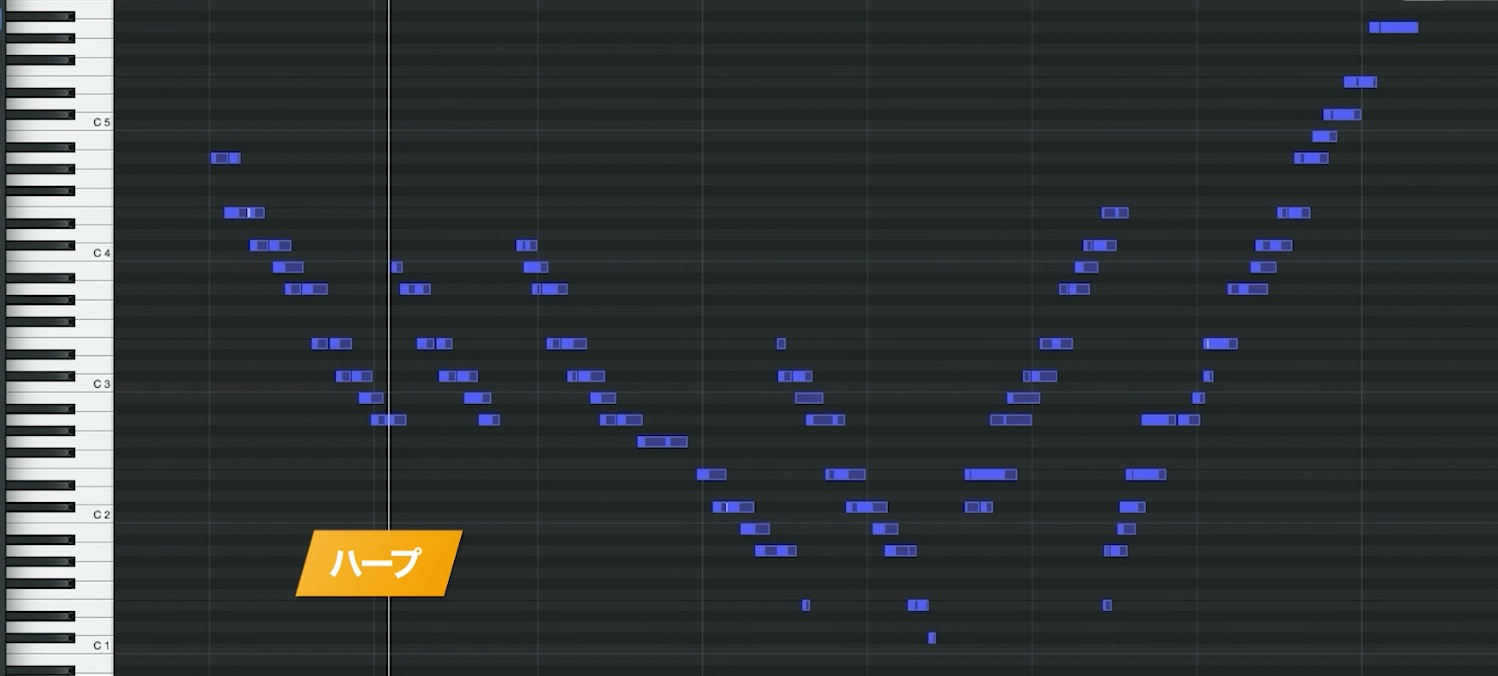
A harp glissando—a familiar harp technique—adds further sparkle.
Before the revisions
Ending — Before the revisions
After the revisions
Ending — After the revisions
The rhythmic section in changing meters
Next, we revise a section where making the rhythm stand out is particularly important.
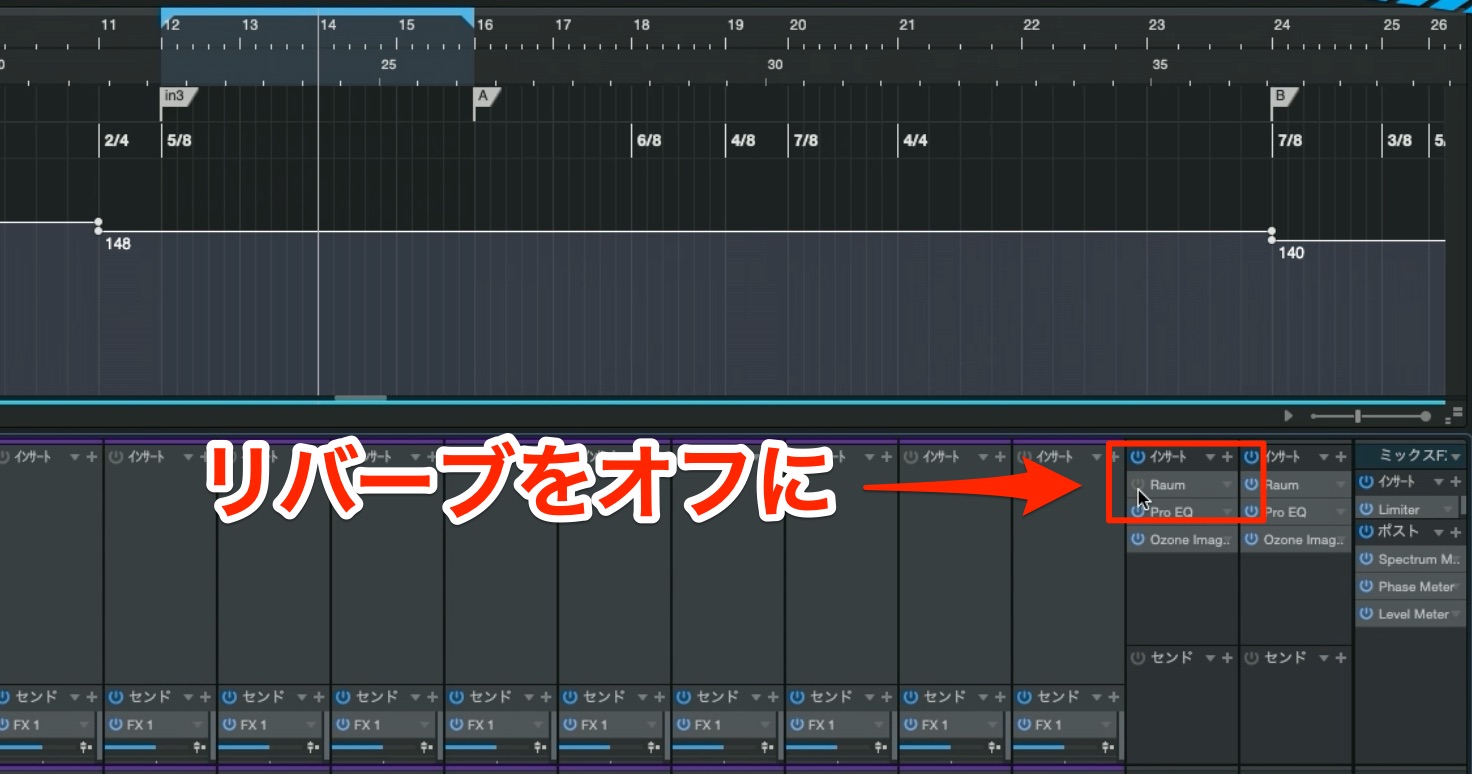
The first thing that stood out was the amount of reverb.
It is easy to assume an orchestra needs hall reverb, but many sampled instruments already include room ambience or reverb. Be careful about how much you add.
For this section, we deliberately chose not to add reverb.
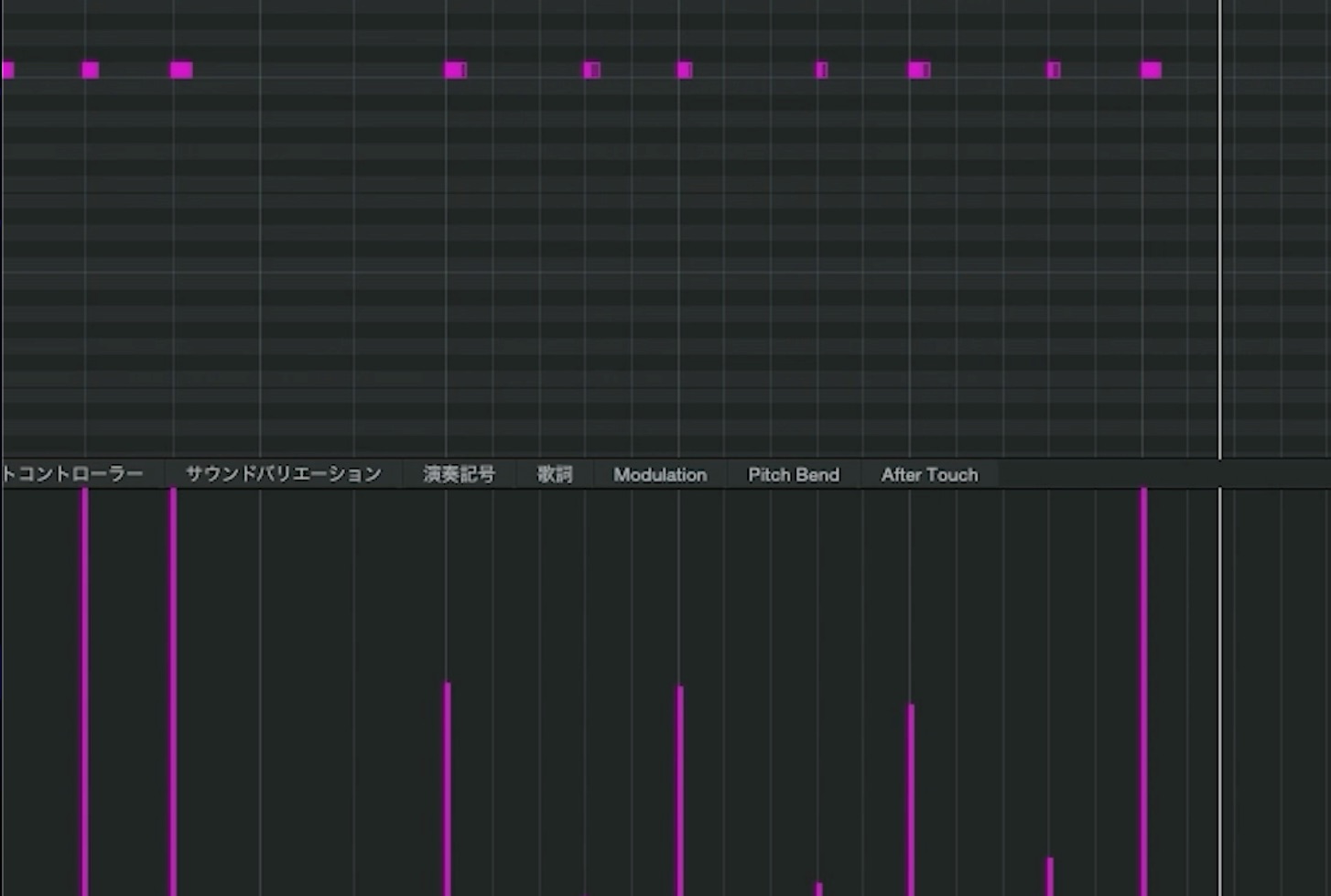
To bring out the character of changing meters, slightly exaggerated accents can work well.
We use MIDI velocity to add accents to the percussion and bass.
Listen for a more cohesive sound and a livelier rhythmic feel.
Before the revisions
Changing-meter section — Before the revisions
After the revisions
Changing-meter section — After the revisions
An expressive woodwind ensemble
Finally, we look at the woodwind ensemble, which also plays an important role in the piece's transitions.

The individual lines are beautiful, with excellent ideas in the inner parts. However, their movements sometimes get in one another's way and make the texture feel cluttered.
Alongside listening, get into the habit of checking the movement in the piano roll: you may notice more details.
Rather than moving every note at once, consider holding some parts steady while another moves. Pay attention to how the lines interact.
This is a fundamental technique and one of the key principles of orchestration.
Before the revisions
Woodwind ensemble — Before the revisions
After the revisions
Woodwind ensemble — After the revisions
Frequently asked questions
Q1. Why can an orchestral arrangement sound muddy?
One common cause is several instruments moving at the same time in the same register. Instead of having every part move constantly, hold some parts steady while another moves. Deliberately controlling the movement can help clarify the arrangement.
Q2. Does orchestral music always need a lot of reverb?
Hall reverb is not essential in every case. Sampled instruments may already contain ambience or reverb, so judge any additional processing carefully. Reducing added reverb can also help bring out the rhythmic character of changing meters.
Q3. What can velocity adjustments achieve?
Accenting the percussion and bass can make the sound more cohesive and give the piece more life. This is particularly useful in a rhythmic section with changing meters.
NEW ARTICLES
Latest English Articles



















































































