Delay is an important music production effect that adds depth and width to a mix by repeating audio as echoes. Understanding its four basic parameters—Delay, Feedback, Lo-Hi and Mix—opens up a range of possibilities, from adding thickness with a short delay to using ping-pong delay for a stereo effect. By choosing between tempo sync and time settings in milliseconds, you can shape a polished sonic space. Delay is a versatile tool for beginners and advanced producers alike.
Using Delay to Add Depth to a Track
An effect that repeats a track to create echoes: delay
- Blend a track into the mix
- Add depth to a sound
- Create a wider sound
Delay is a versatile effect that can be used on many different tracks for purposes like these.


Selected Questions and Answers from the YouTube Video

Is the vocal delay used as an insert?

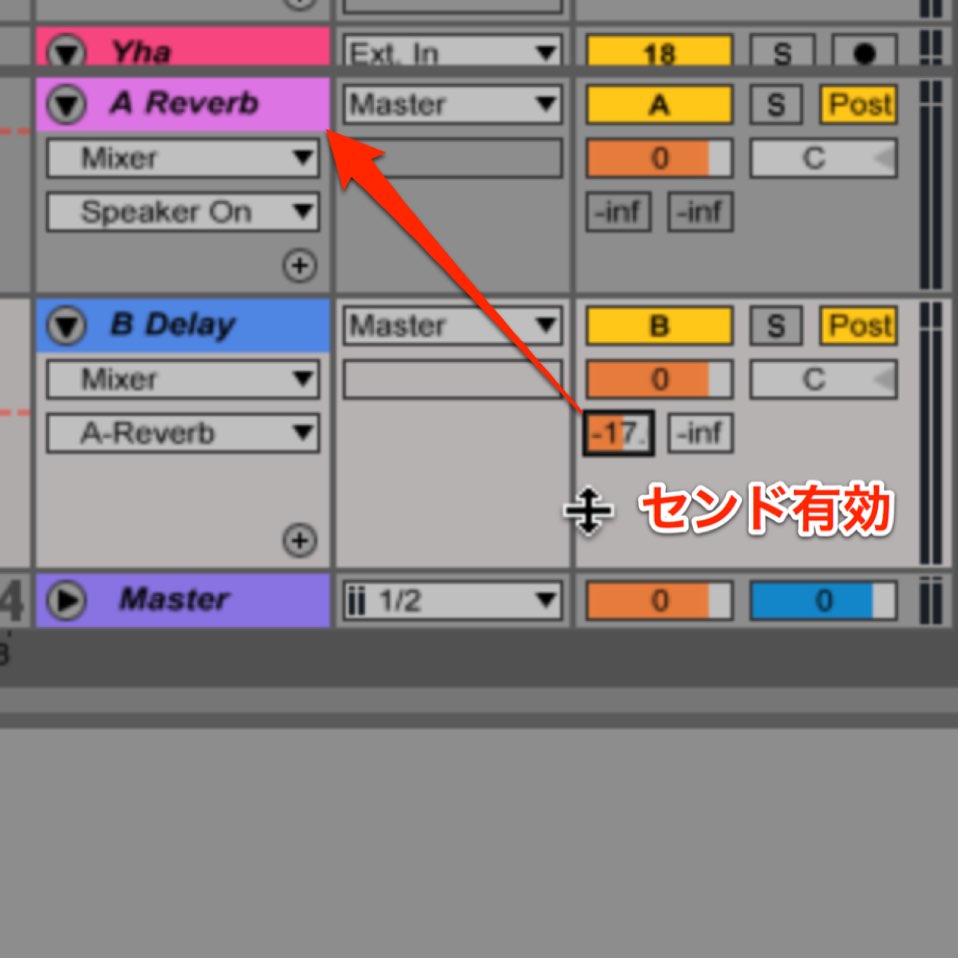
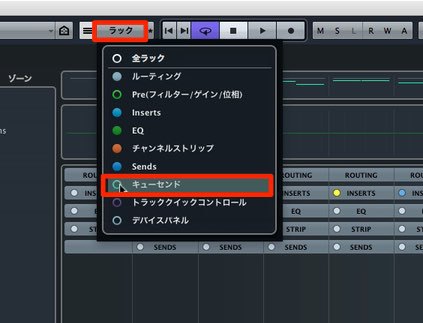
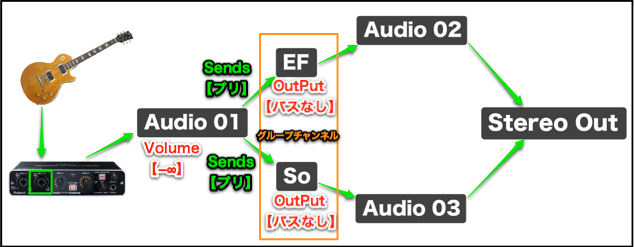
You can achieve the same effect with an insert or a send. A send has the advantage of letting multiple tracks share the same delay, and lets you apply EQ, compression or special effects to the delayed sound alone.
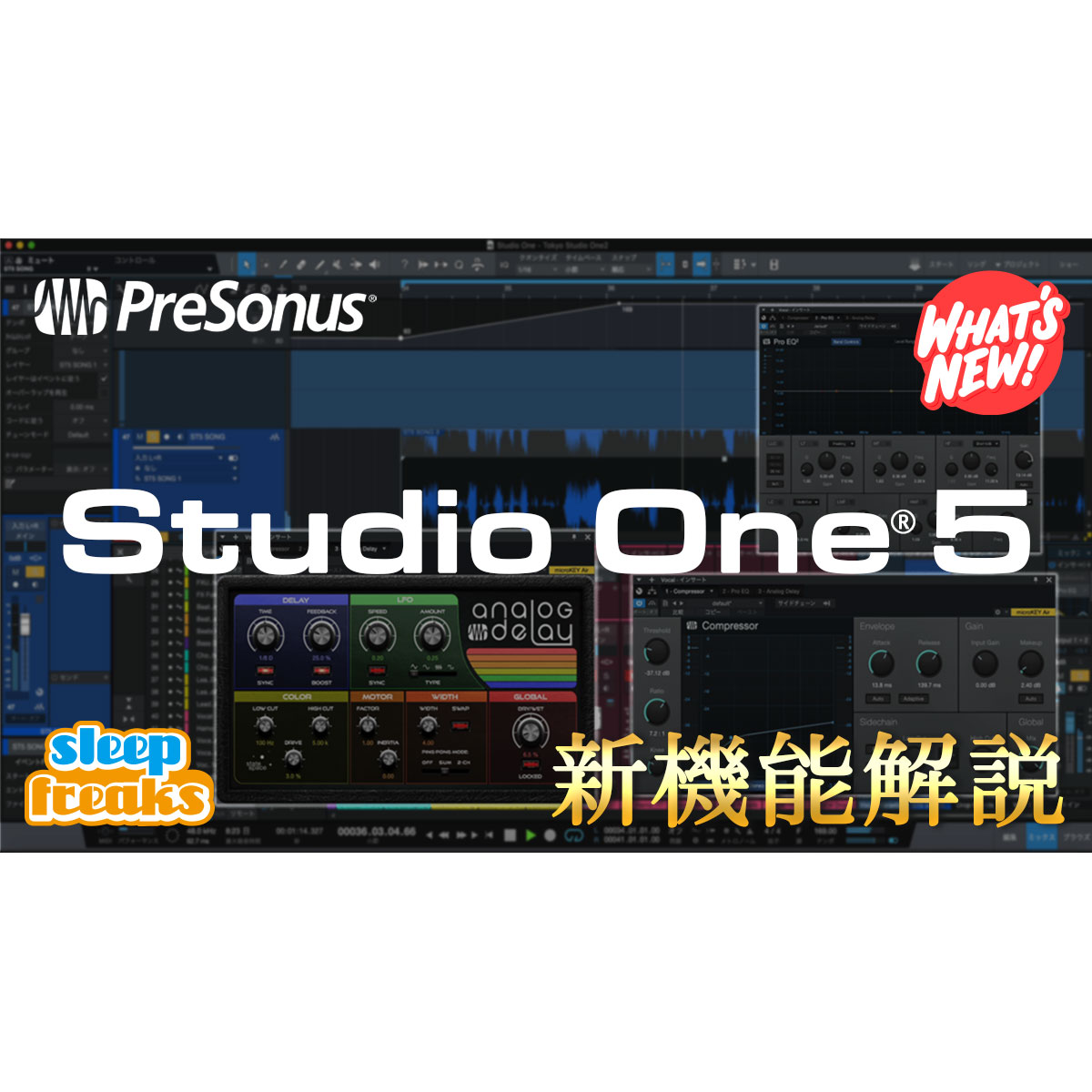
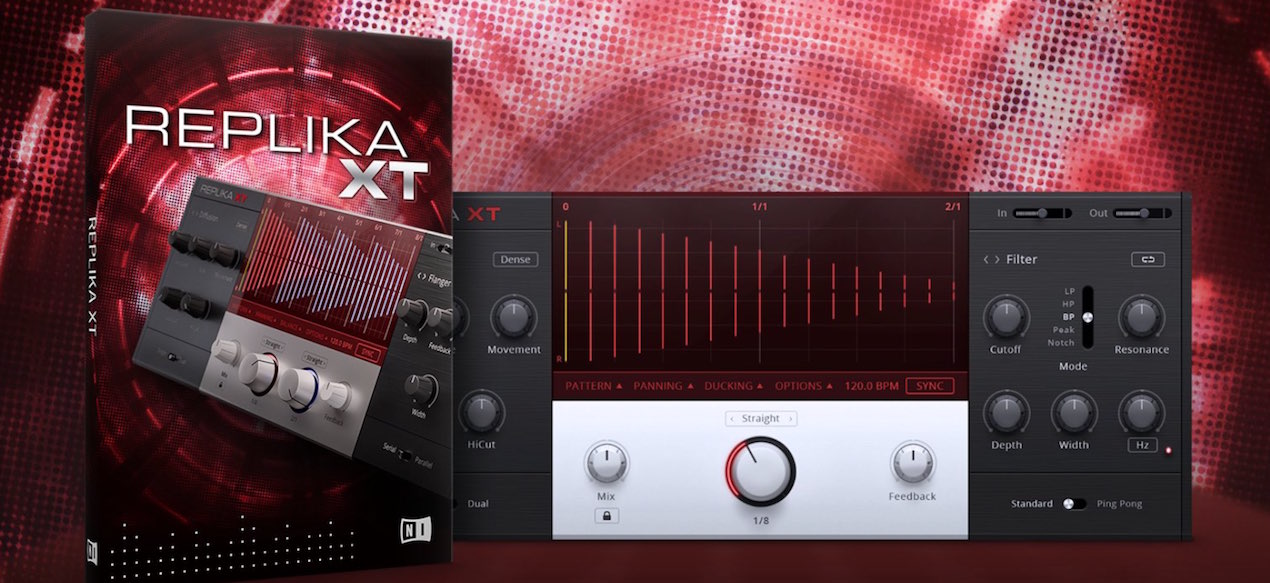
Delay Basics

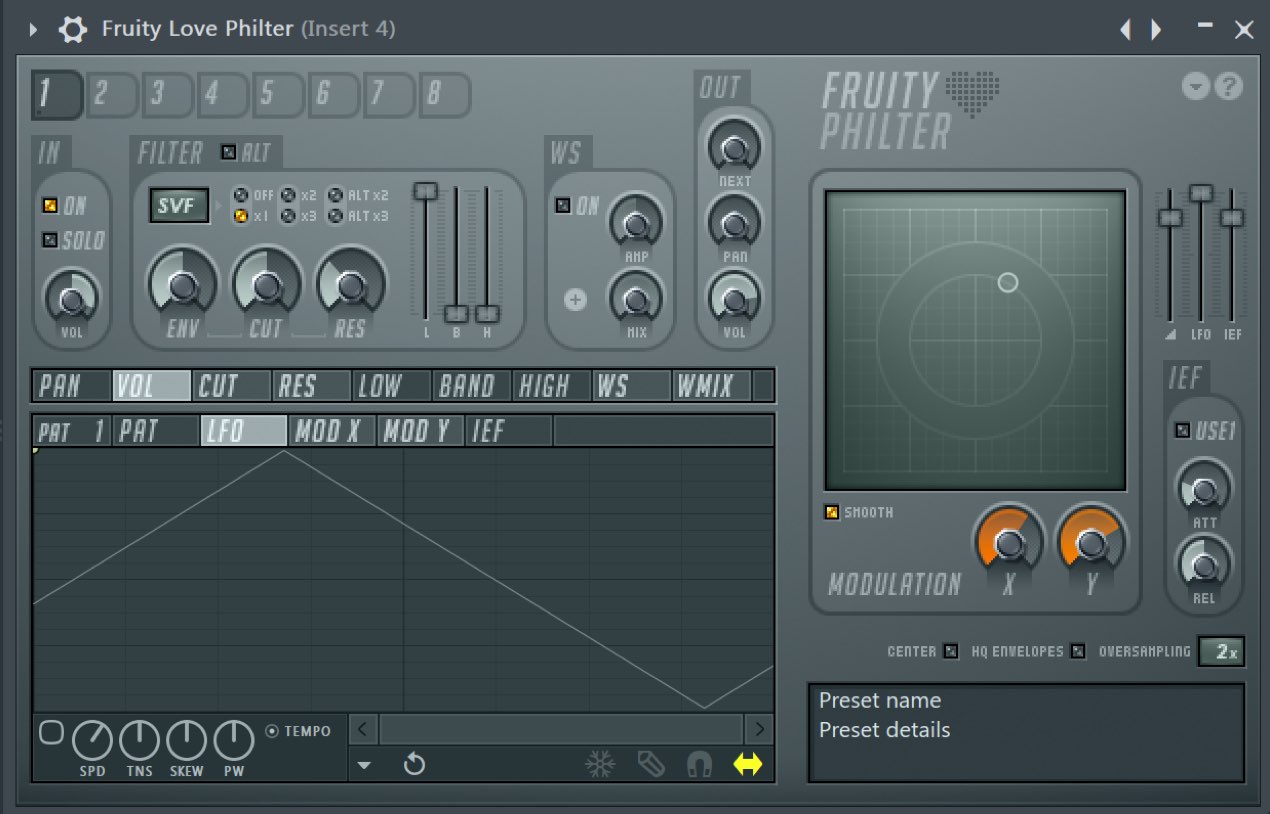
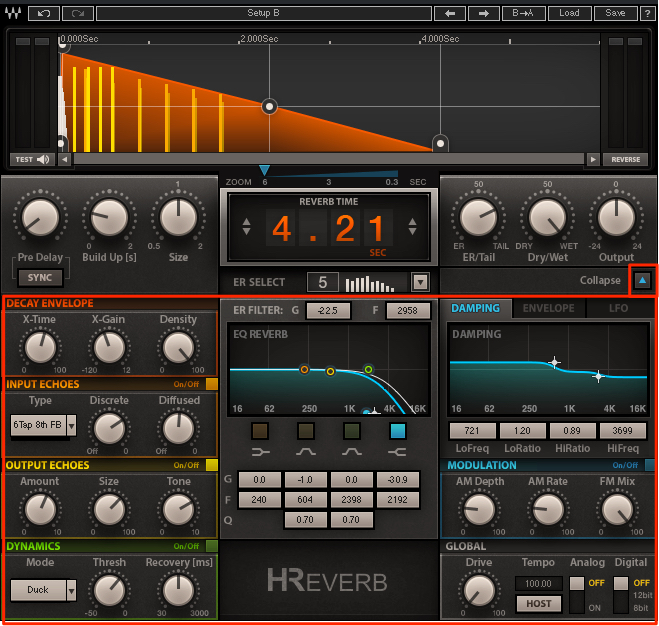
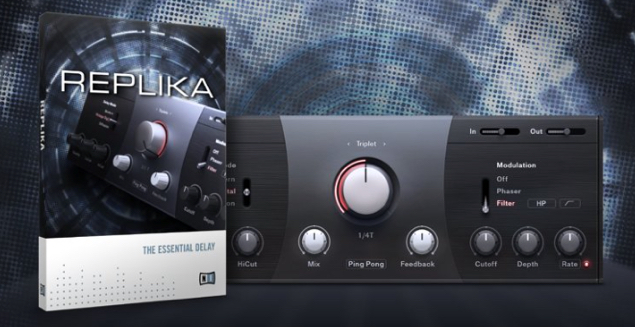
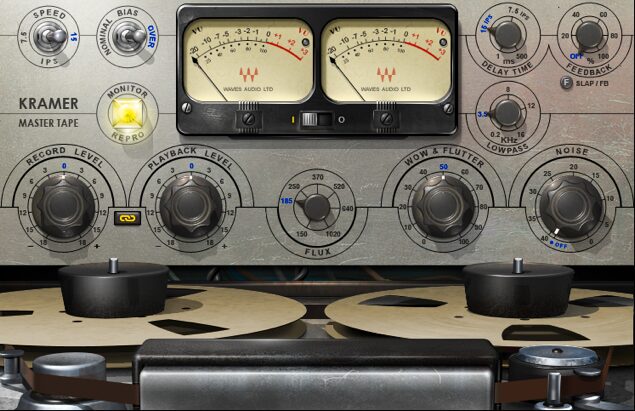
- Delay: Determines the interval between repeats.
In many cases, this is synchronized to the song’s tempo. - Feedback: Determines how many times the track repeats.
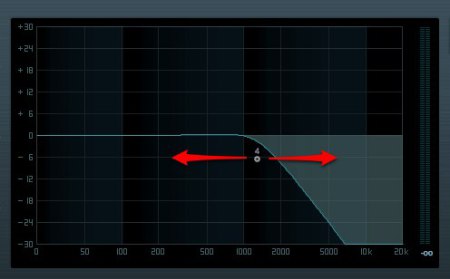
- Lo-Hi: Cuts frequencies from the echoes to make the sound more natural.
- Mix: Controls the amount of delay effect.
Short Delay

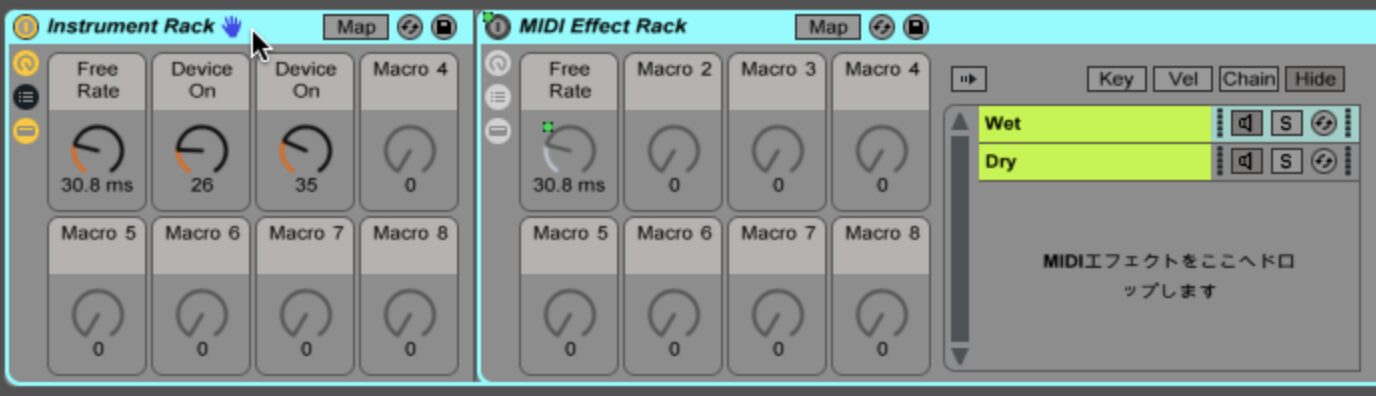
Turn off Sync
to set the repeat interval as an absolute time in milliseconds.
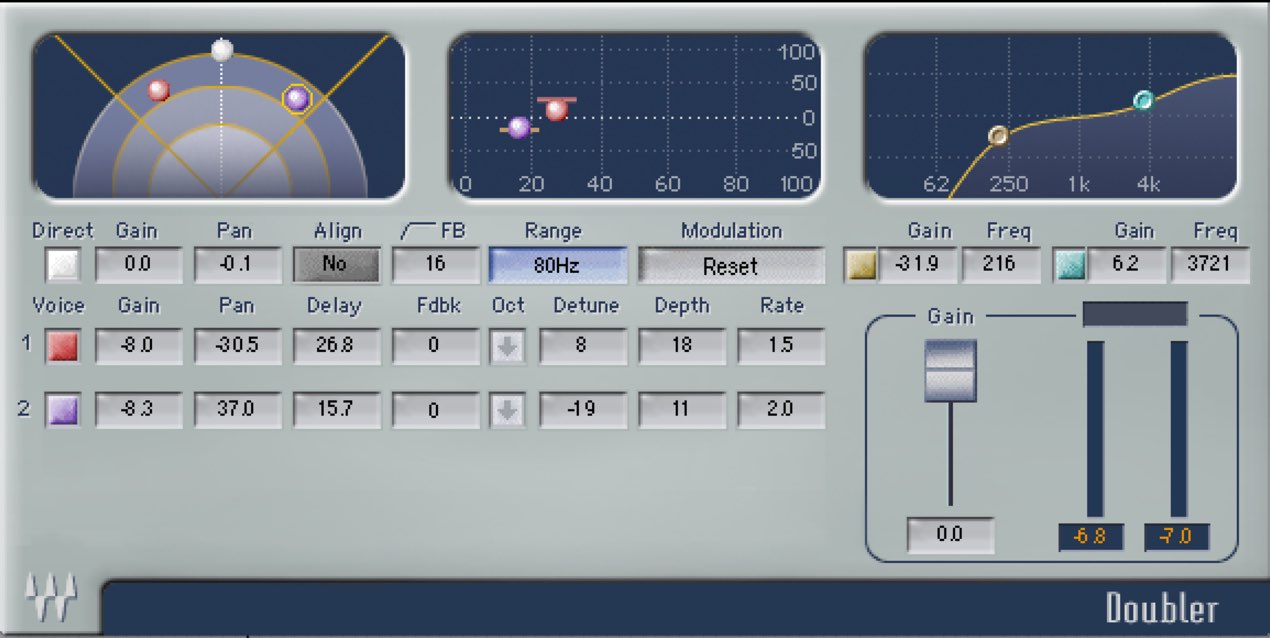
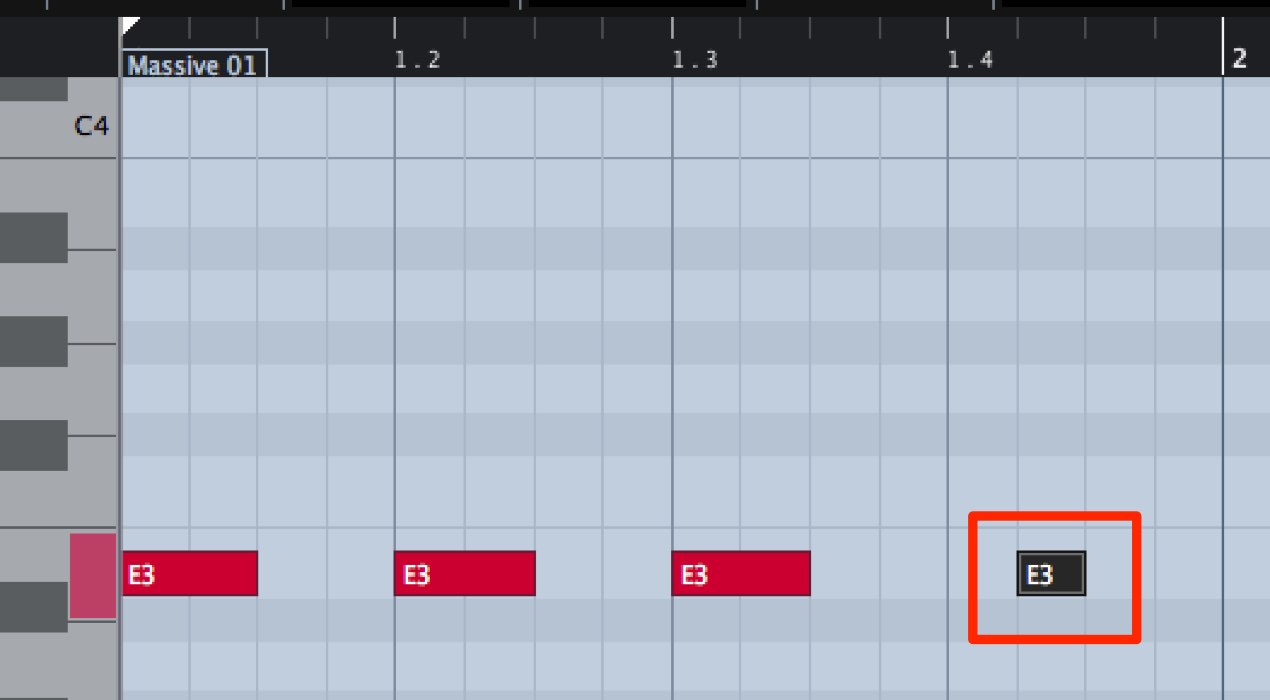
Setting a short interval of 10–70 milliseconds makes the reflections arrive quickly,
adding thickness rather than a distinct echo.
Ping-Pong Delay

As the name suggests, the echoes move back and forth between left and right.
This can add width to a track.
The basic settings are the same as those explained above.
Frequently Asked Questions
Q1. What is the main purpose of delay in music production?
Delay helps a track blend into a song, adds depth and widens the stereo image. Its echoes can give audio a more three-dimensional and spacious sound.
Q2. What is the difference between short delay and ping-pong delay?
Short delay uses a brief repeat interval (10–70 milliseconds) to create thickness. Ping-pong delay moves the echoes between left and right, giving a track a wider sound.
Q3. What does the Feedback parameter do?
Feedback controls how many times the track repeats. Higher settings can create special-effect sounds and expand your arrangement possibilities.
Q4. What is the benefit of syncing delay to the tempo?
Tempo sync aligns the delay repeats with the song’s beat, creating a more natural, cohesive sound and a polished finish.
NEW ARTICLES
Latest English Articles