This article explores how samplers can turn everyday sounds, such as a can opening, into pitched instruments played from a keyboard. In Native Instruments Kontakt, you can drag and drop a sample and use Time Machine to change pitch while retaining its playback speed. Sampling a chord performance also lets you play chord progressions with single MIDI notes, opening up creative possibilities.
Turn Samples into Pitched Instruments
previous article introduced sampling for rhythm instruments. Here we continue our guide to samplers.
This time we focus on using a sample as a pitched instrument.
A sampler offers such flexible control that
you might even make an entire track from sampled sounds.
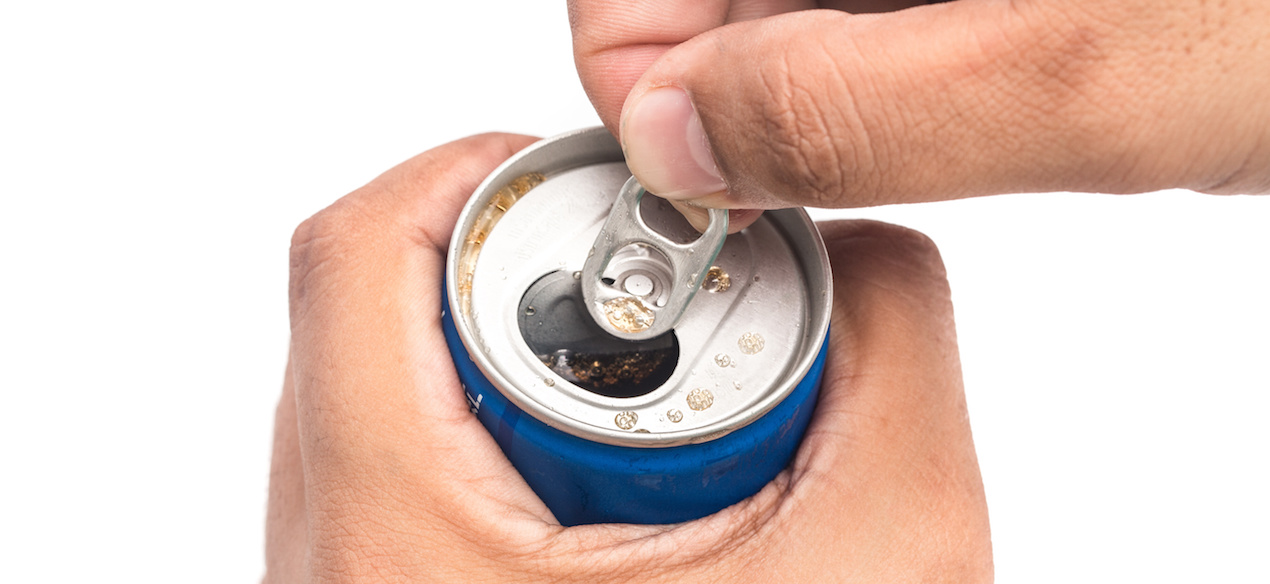
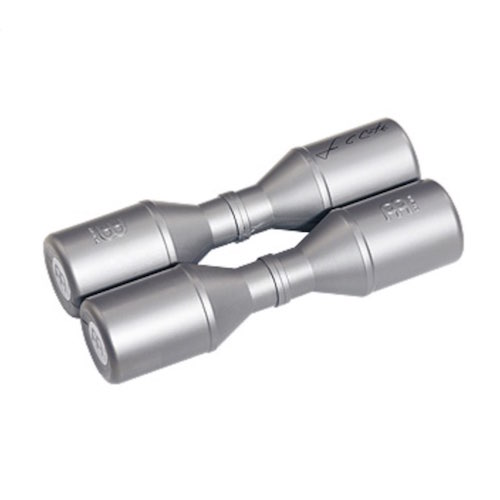
We will load a recording of a can opening into a sampler
and assign pitches to it.
This should give you a sense of the possibilities.
Sampling Tutorial Video
- 1MIDI Basics
- 2MIDI Parameters and Values
- 3Software Synth and Plug-in Formats: DAW Compatibility
- 4Choosing an Audio Interface
- 5Samplers 1: Create Rhythm Instruments from Samples
- 6Samplers 2: Create Pitched Instruments from Samples
- 7Reading the Piano Roll and Rhythm, Part 1
- 8Reading the Piano Roll and Rhythm, Part 2
- 9Reading the Piano Roll and Rhythm, Part 3
- 10The Importance of a Common Tuning Reference
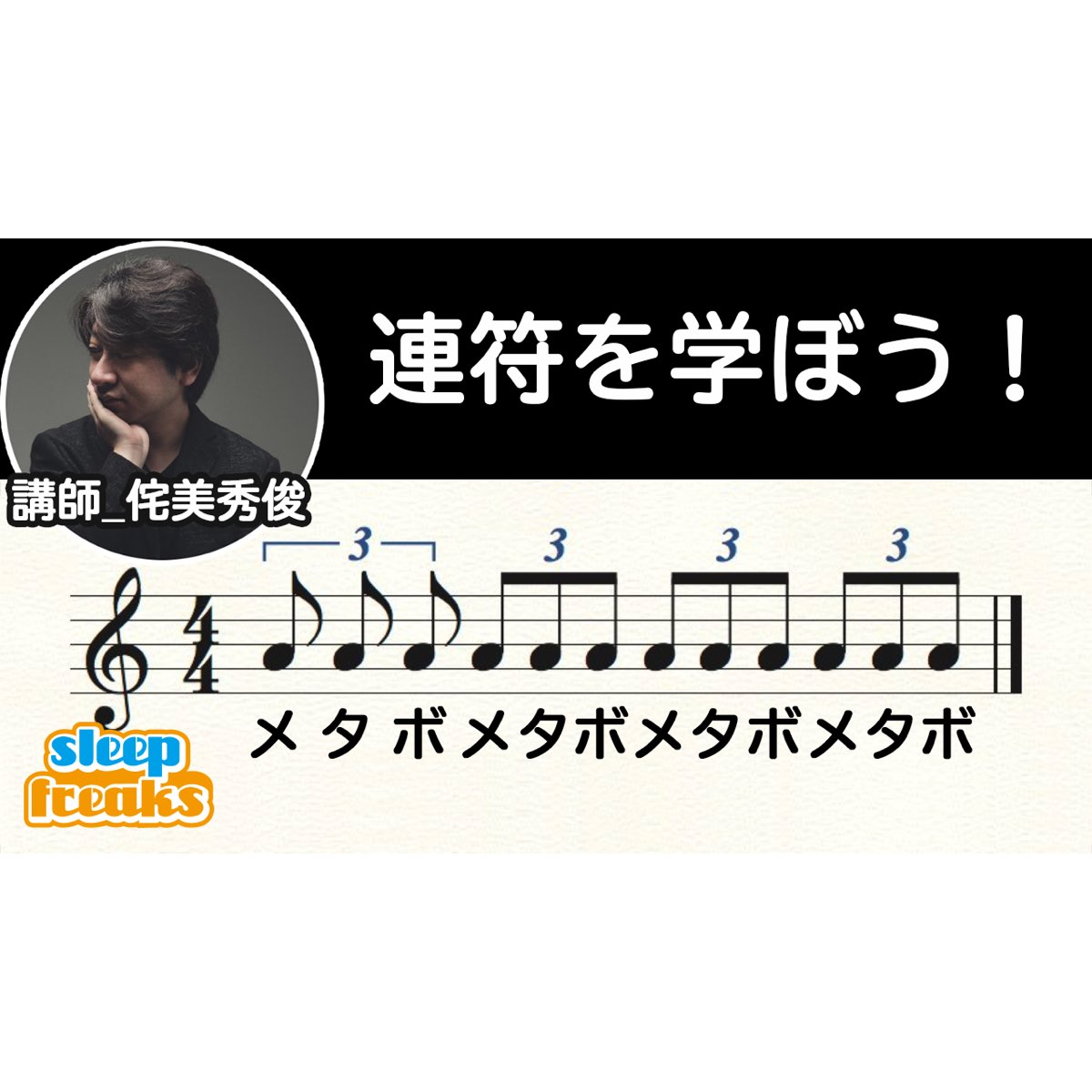
- 11Tuplets
Selected Questions and Answers from the YouTube Video

Excuse the comment. I would like to use a sample I recorded as a pitched instrument with a tone machine function, as shown in this video. I do not need to buy a software instrument library, so I am hesitant to purchase the expensive KONTAKT. Do you know of a free plug-in, or one costing around ¥10,000, with a tone machine function? 😂

Many DAWs include a sampler capable of this kind of operation. Would the one included with your DAW work?
Sorry to comment on a four-year-old video. I recently started making music in Studio One. How can I use game character voices or sound effects, such as Kirby or Mario, as samples in a song? Do people find free sounds online? Would recording and using voices from a game such as Smash Bros. infringe copyright? I want to make kawaii future bass and use voices or effects like those heard in existing songs. Thank you.
The original reply said the author had not heard of problems with short sound effects and suggested using free or purchased sound libraries, or creating sounds with a synthesizer. Short duration alone does not establish permission: check the applicable rights and license before using any sound.
Thank you for the videos. Is there a way to assign pitches using the tools included with Cubase Pro 8?
Thank you for watching. How about trying this method? https://sleepfreaks-dtm.com/for-advance-cubase/pitchcorrect-2/ Give it a try.
A Sampler for Playing Pitched Samples
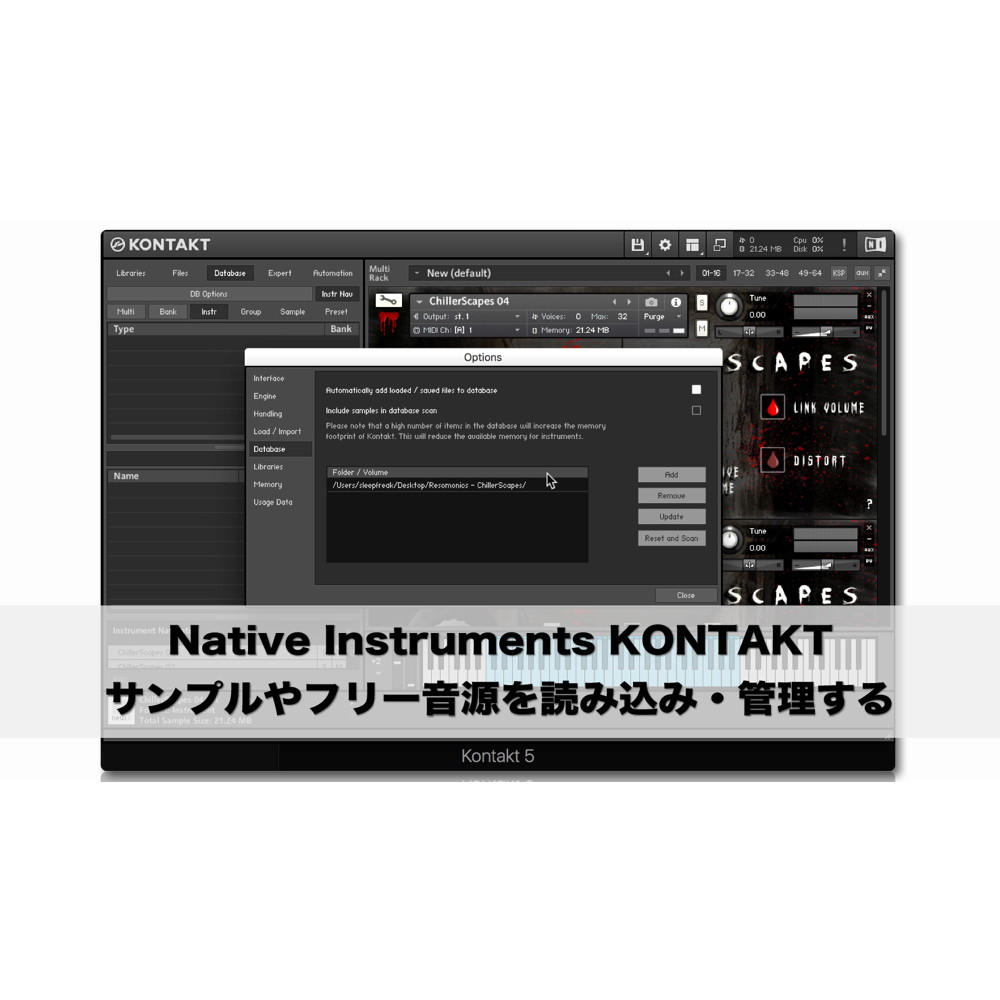
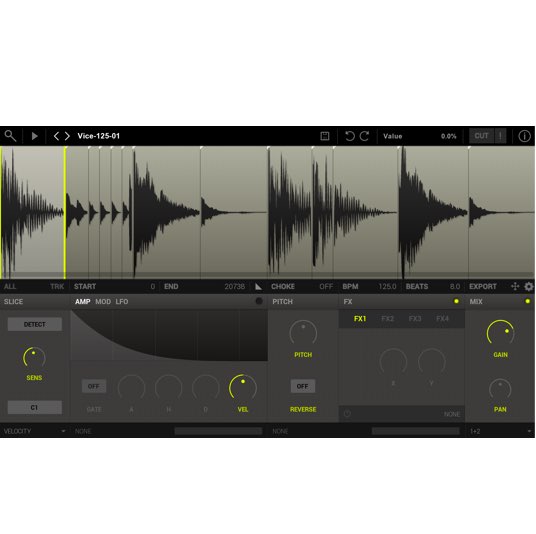
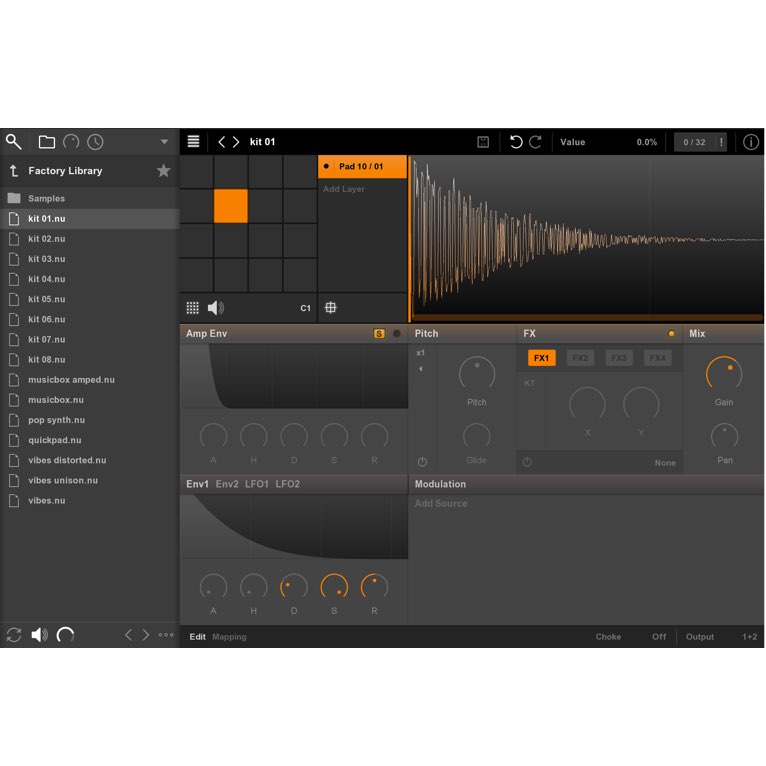
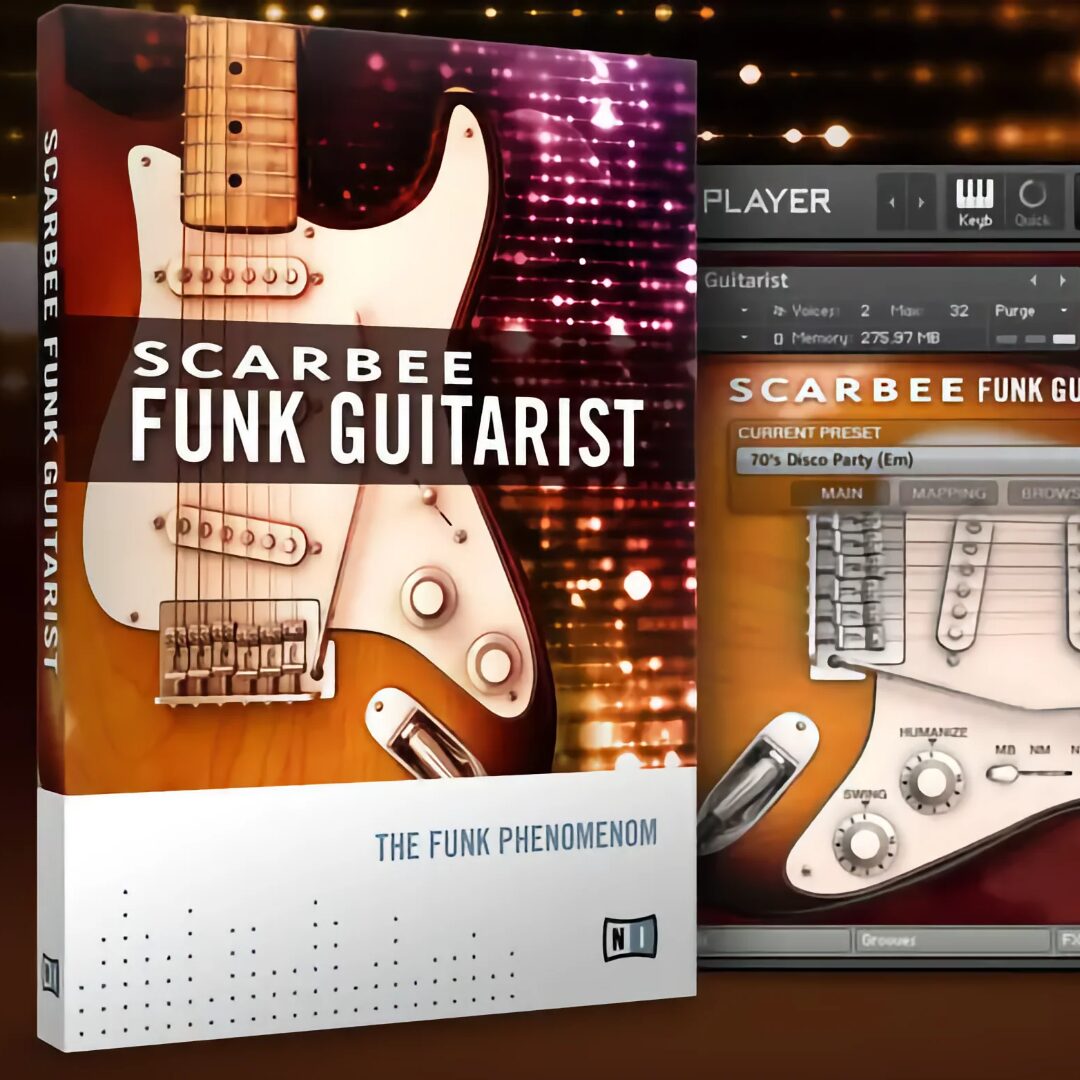
For this tutorial we use Native Instruments Kontakt.

As with Battery in the previous article,
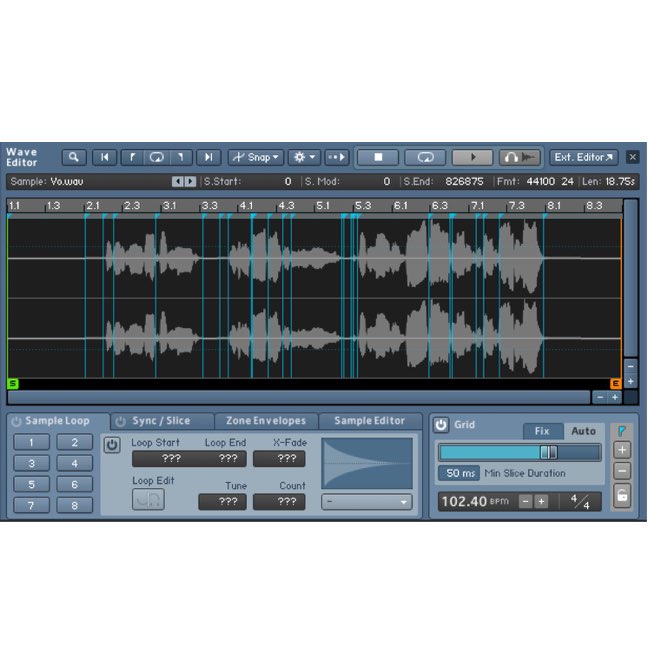
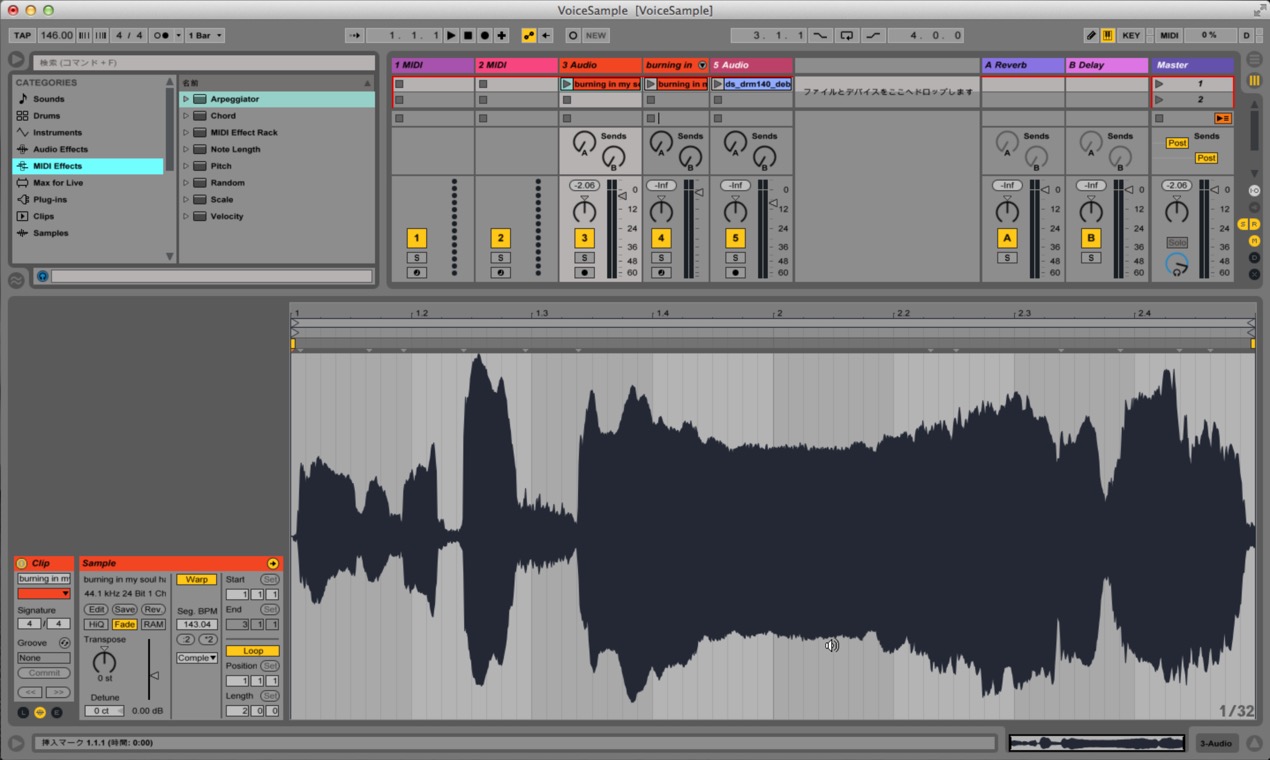
drag and drop the sample file into the Kontakt window.
The sample is mapped to the keyboard so it can be played at different pitches.
Playback Modes
A conventional sampler plays samples as follows:
- Lower pitches play more slowly
- Higher pitches play faster
This can make it difficult to keep the sample in time with the song.
Settings vary by software; in Kontakt,

select Time Machine in edit mode
to play the sample at different pitches without changing playback speed.
Load a Chord Performance into a Sampler

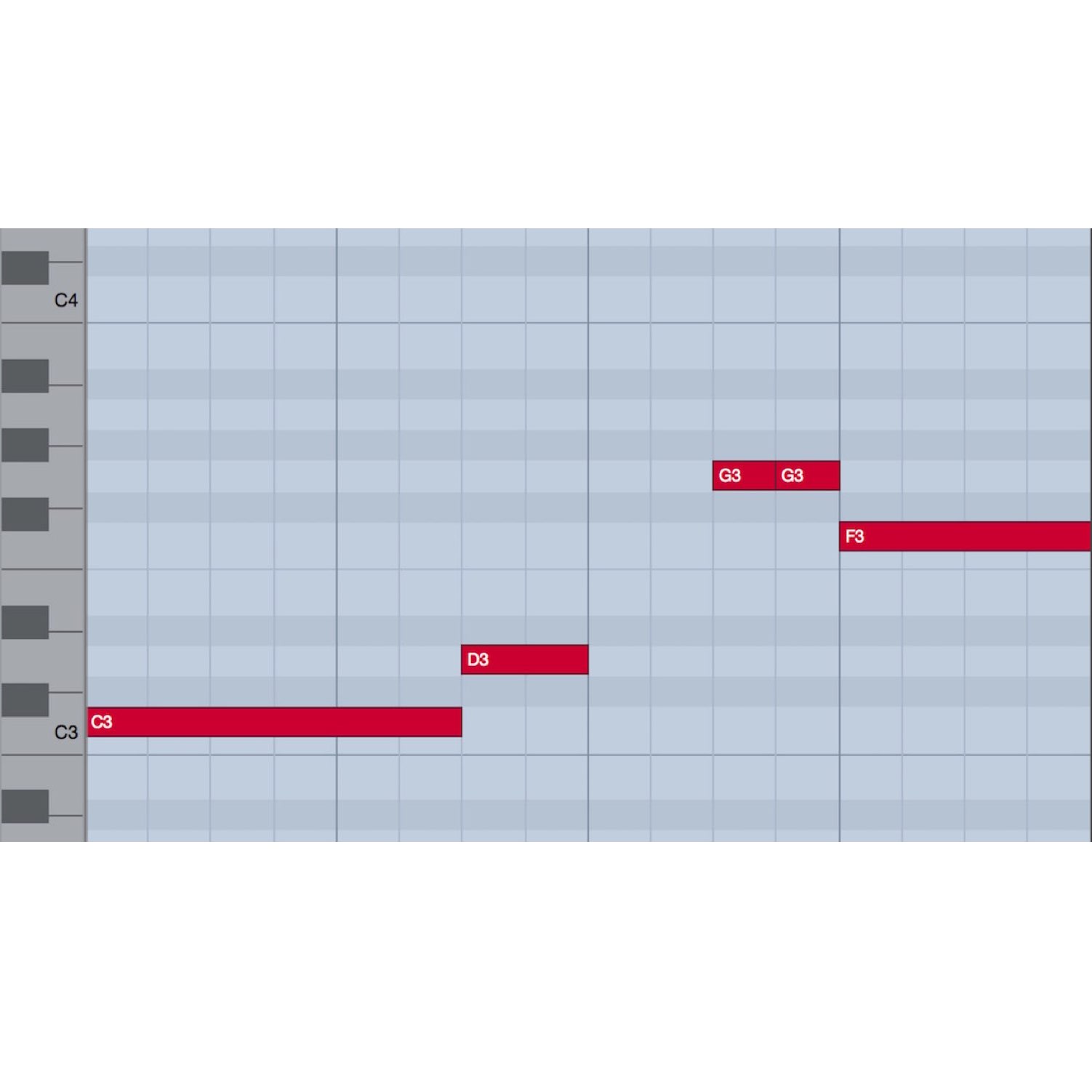
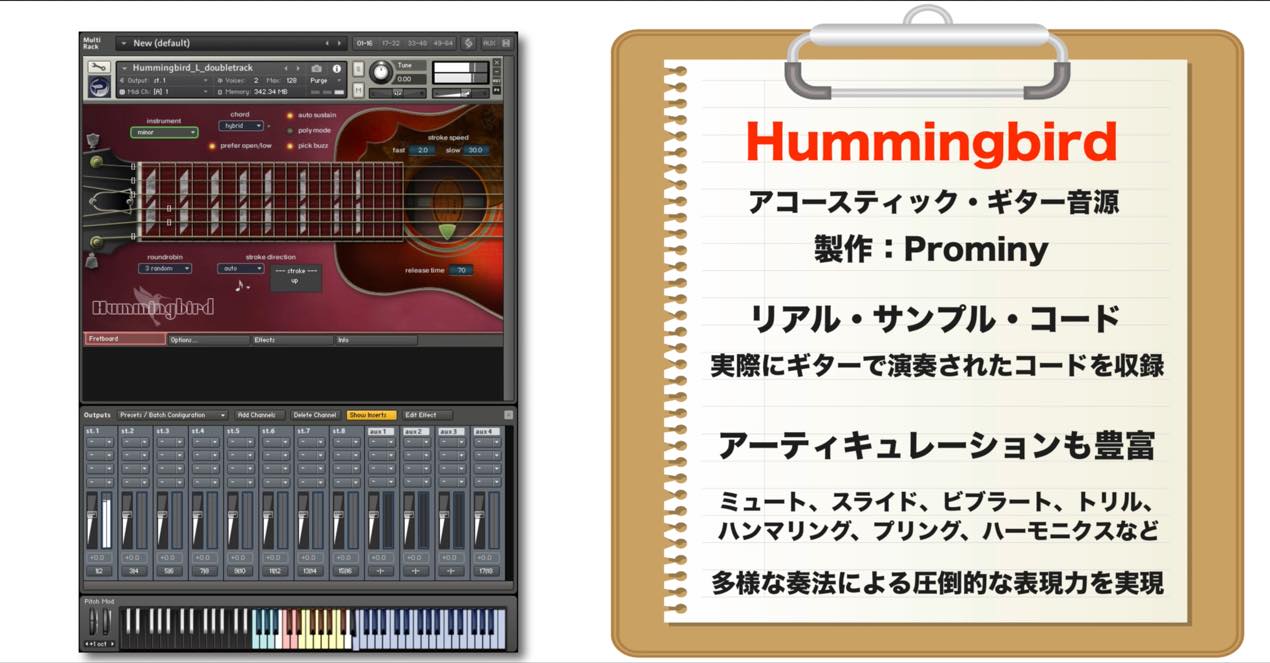
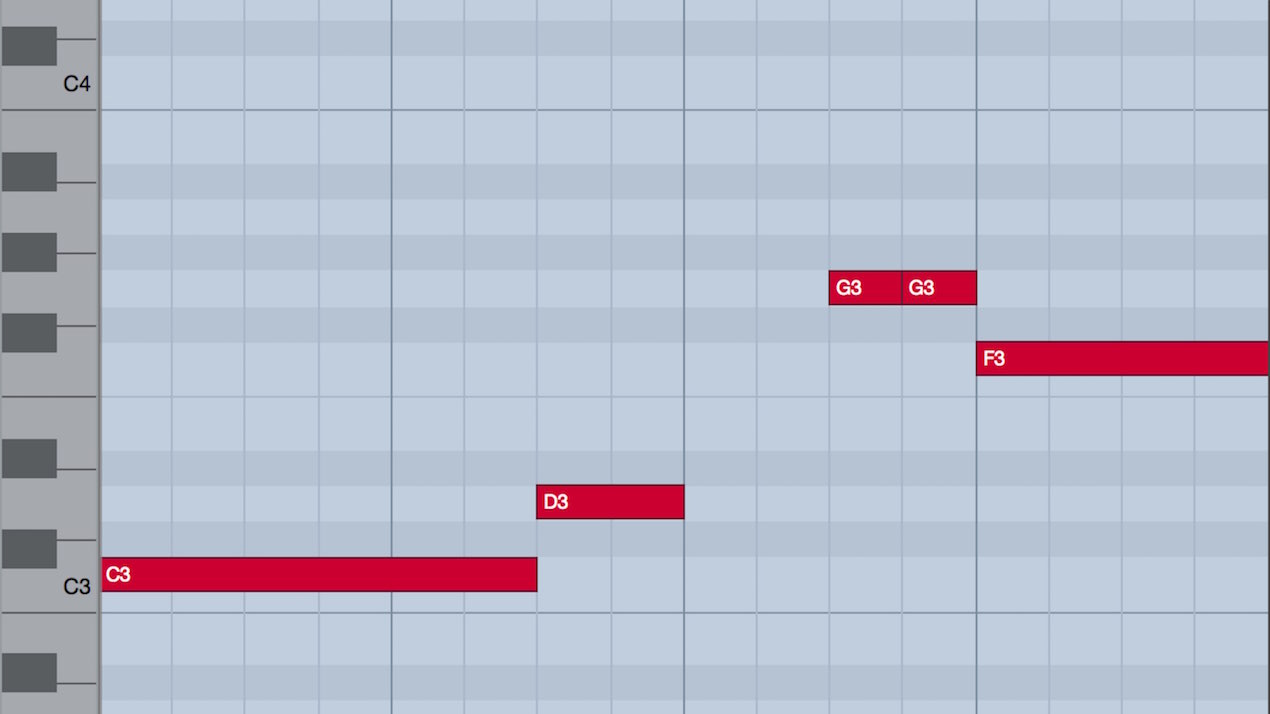
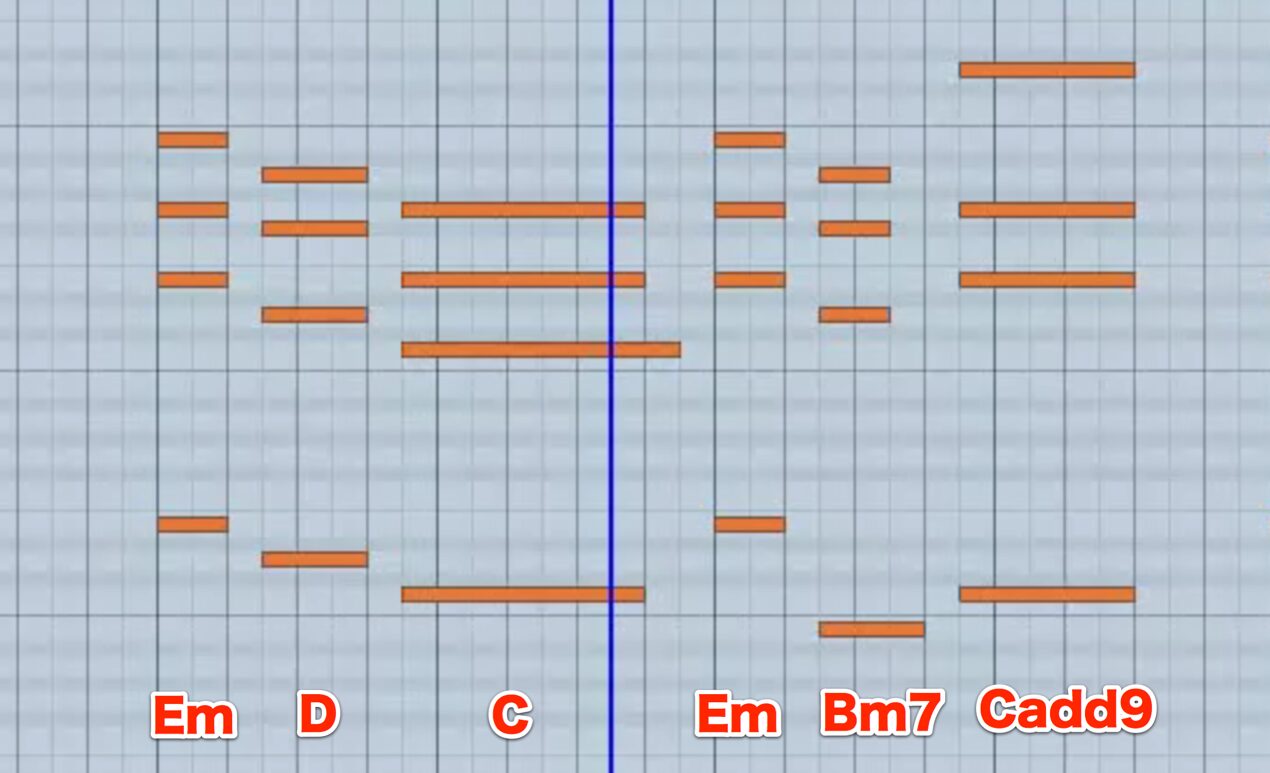
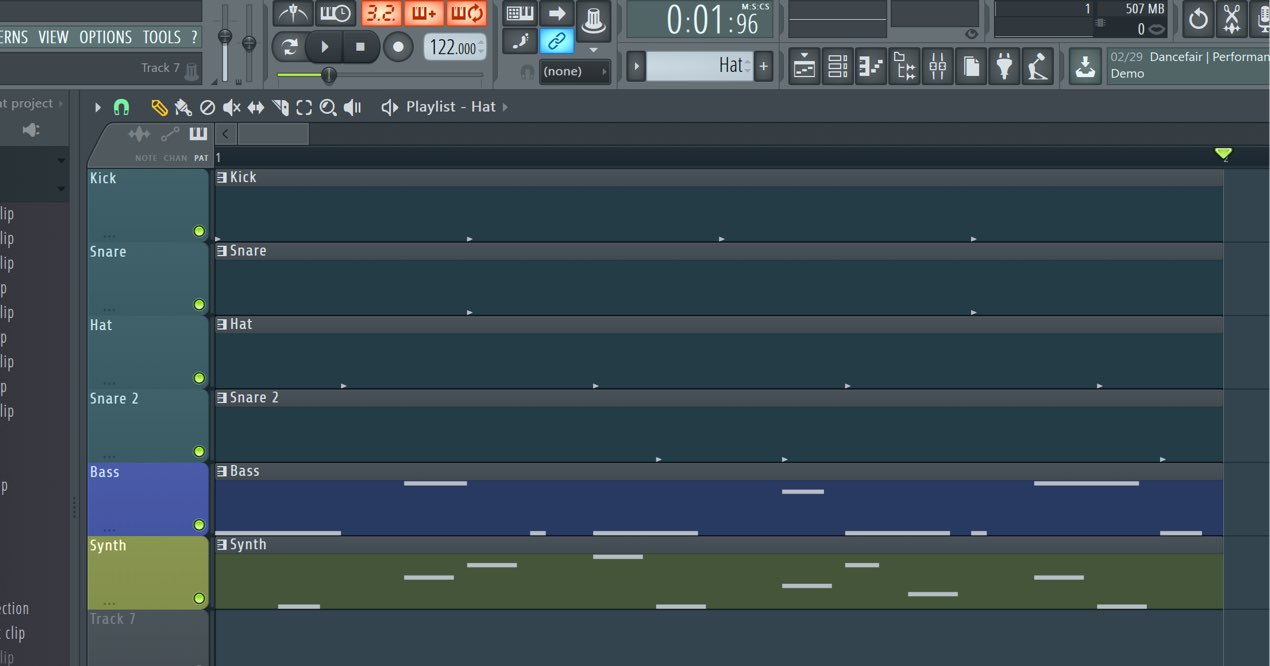
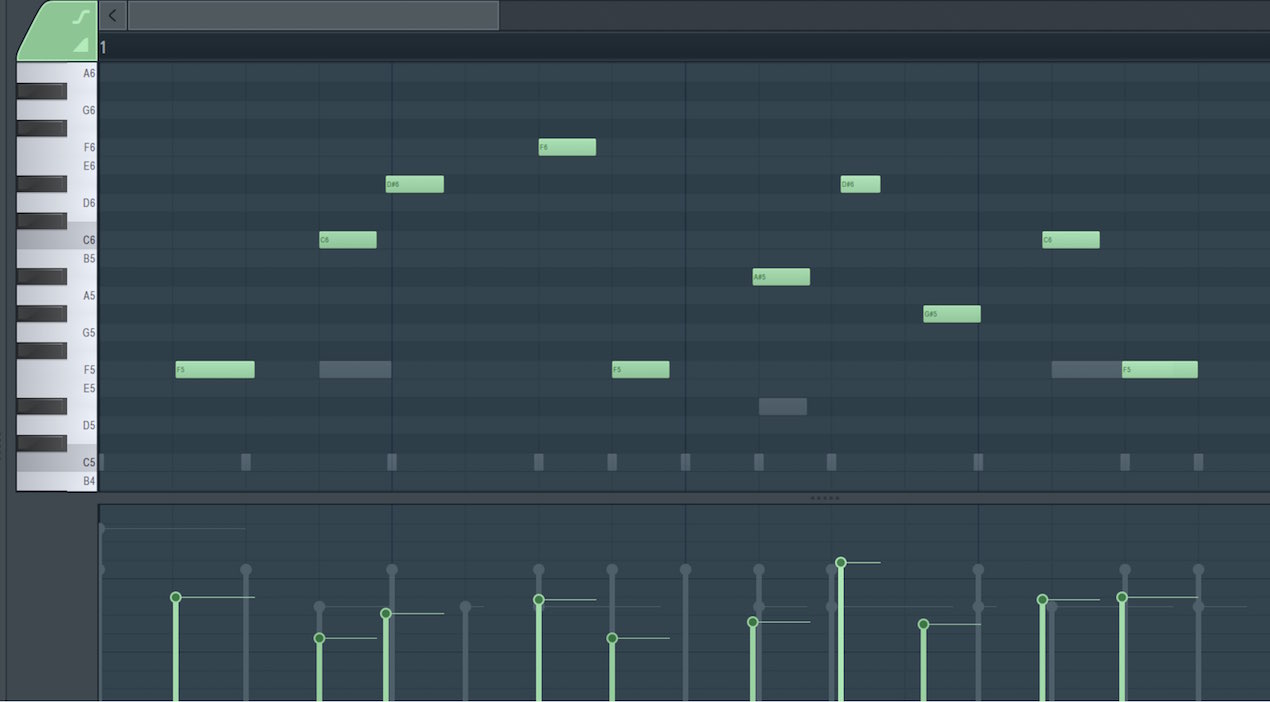
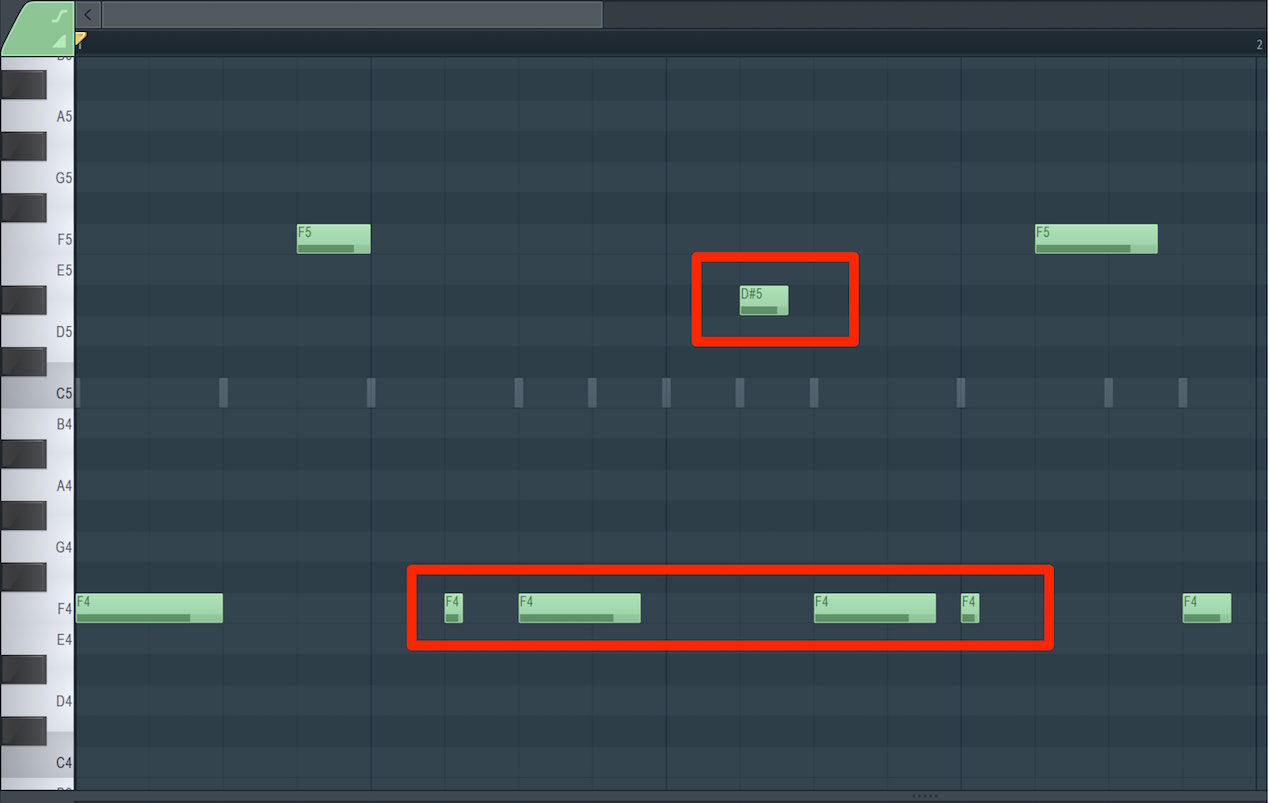
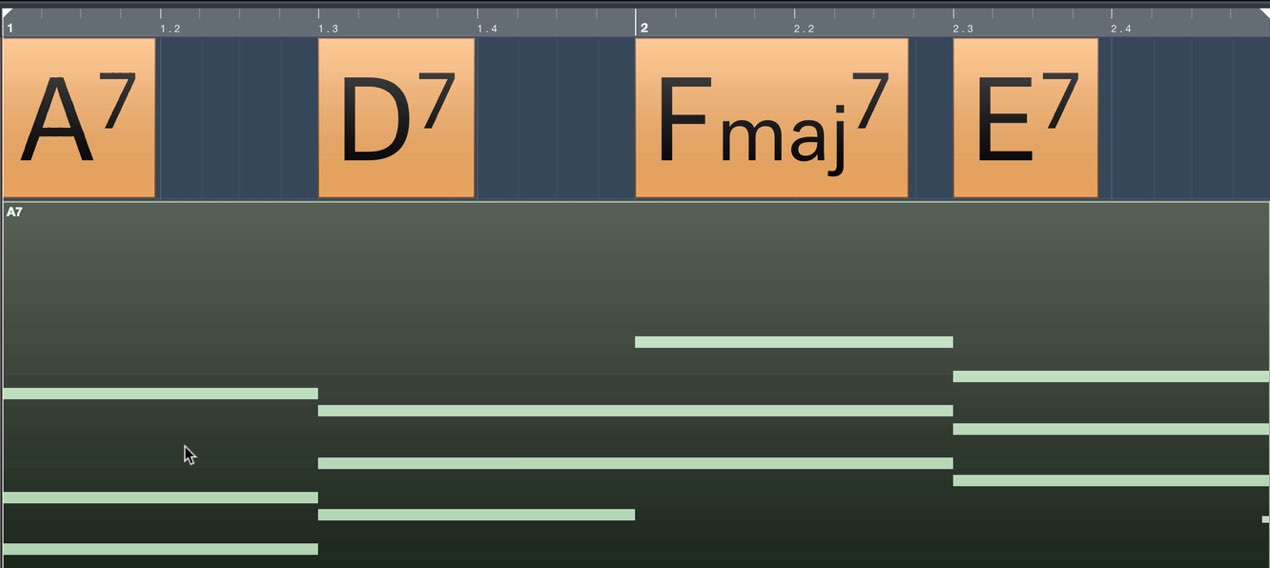
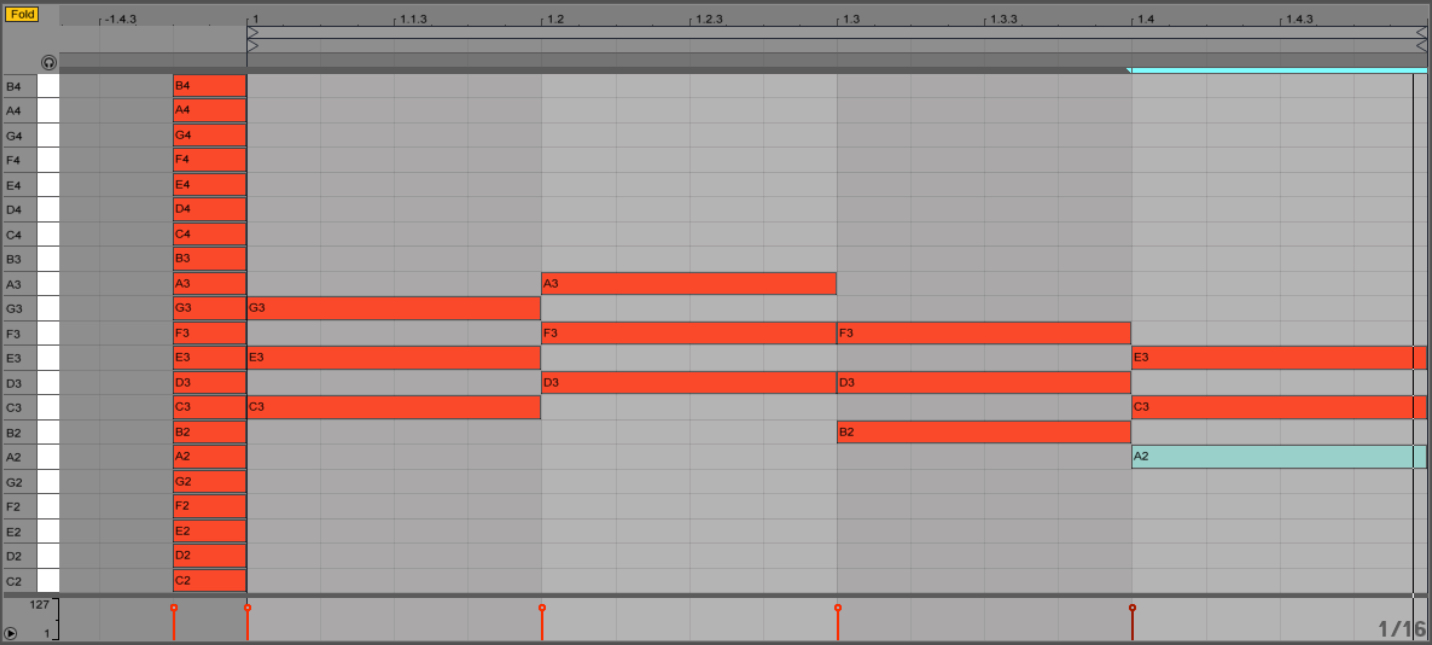
Render a chord performance like this to audio and load it into the sampler in the same way.

You can then trigger the chord by programming a single note.
Changing the pitch transposes the entire chord in parallel.
Frequently Asked Questions
Q1. Why does playback speed change when I change a sample’s pitch?
A conventional sampler plays a sample more slowly at lower pitches and faster at higher pitches. Kontakt’s Time Machine can maintain playback speed across pitches.
Q2. Can everyday sounds, such as sound effects, really become instruments?
Yes. Record a sound such as a can opening, load it into Kontakt and map it across the keyboard to play it at different pitches.
Q3. Can I change the key of a chord performance in a sampler?
Yes. Render the chord performance to audio and load it into a sampler; changing pitch transposes the entire chord in parallel.
Related Articles

Sampling Rate
The rate used when converting an analog audio signal to digital for a computer.
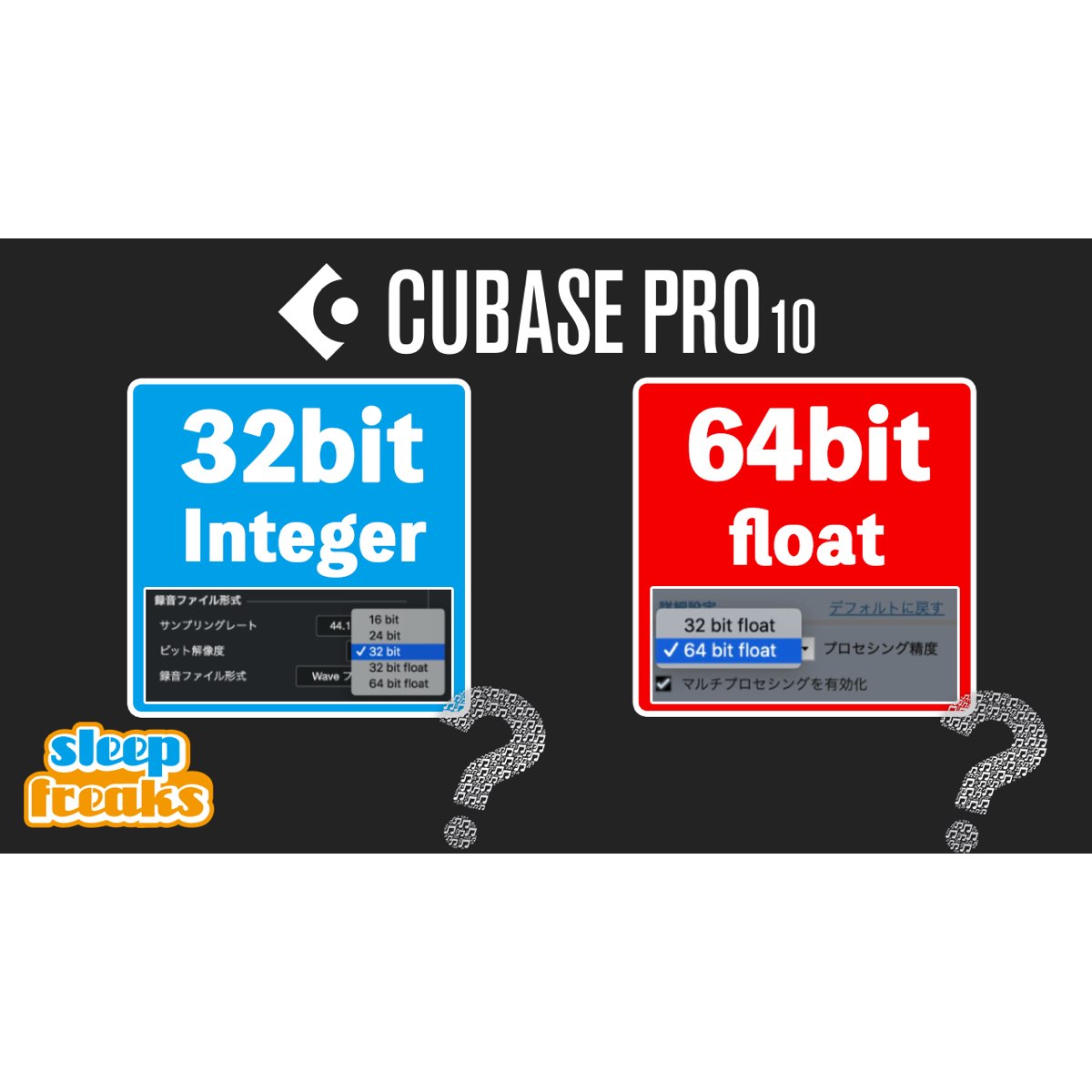
Bit Depth
The number of bits used to represent audio amplitude: a higher bit depth allows finer level resolution.
Latency
Check your settings if what you play on a MIDI keyboard or record is heard with a delay.
Signal-to-Noise Ratio
The ratio of the sound being recorded to noise, including ambient noise.
NEW ARTICLES
Latest English Articles