This article explains a vocal extraction technique for remixing and arranging: align a song with vocals and its instrumental version, then invert the polarity of one. Matching the timing precisely is essential, and the instrumental must also match the backing in the vocal mix closely for cancellation to work. The method can be used in major DAWs such as Pro Tools, Logic and Cubase to isolate a vocal for use as source material.
Extract Vocals for a Remix or Arrangement
There are times when you want to use the vocal from an existing song as source material.
This is especially relevant if you make remixes.
Here we explain a way to extract the vocal from an existing track.
The method below uses the original mix and a matching instrumental.
Extracting a Vocal
Selected Questions and Answers from the YouTube Video

I use Cubase on an iPad Pro. I would also like to know how to extract vocals in Cubase on iPad.

At the time of this reply, Cubasis on iPad did not have a polarity-inversion function, so this seemed difficult. The following product was described as capable of doing it: Hayaemon on the Japanese App Store
Can this be done in Logic Pro X?
Yes, by using invert as shown in this article: https://sleepfreaks-dtm.com/for-advance-logic/invert-4/
I play bass. Is the procedure the same for bass?
You can use the same procedure if you have an isolated bass source. Depending on the material, the result may not be what you expect, so give it a try.
Is there free or inexpensive software that can do this?
Studio One Prime was available for free: https://sleepfreaks-dtm.com/for-beginner-studioone/studioone-prime/ I had not used it at the time, but it had a very good reputation. http://blog.sonicwire.com/2015/08/dff7da4.html
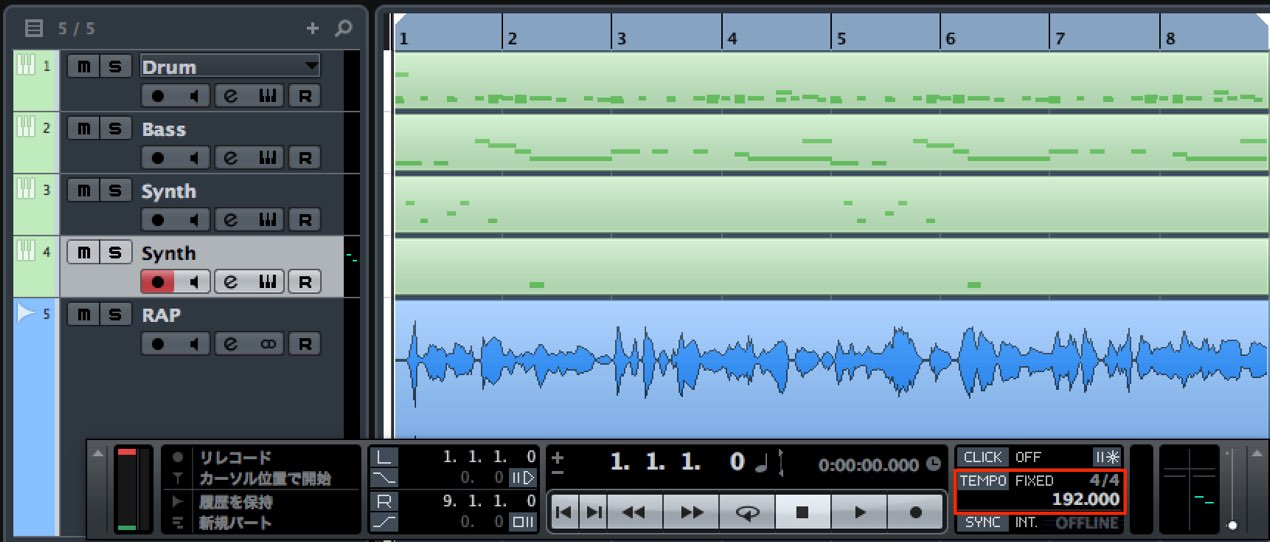
When remixing, how can I find the original song’s BPM if I do not know it?
One way to estimate BPM is tap tempo. In the version of Cubase shown, choose Project → Calculate Tempo. For details, see: https://steinberg.help/cubase_pro_artist/v9/ja/cubase_nuendo/topics/editing_tempo_and_signature/editing_tempo_beat_calculator_r.html
Do you know an iPhone app that can extract vocals like this?
This app appeared to be popular at the time: http://www.danshihack.com/2014/08/07/junp/iphoneapp-singulaa.html
What if I have the original track but no instrumental?
Unfortunately, this method cannot be used without an instrumental. Mid-side processing or EQ takes more work and may not produce a very good result. For reference, this iOS app was also available; it can export WAV for import into a DAW: http://www.danshihack.com/2014/08/07/junp/iphoneapp-singulaa.html
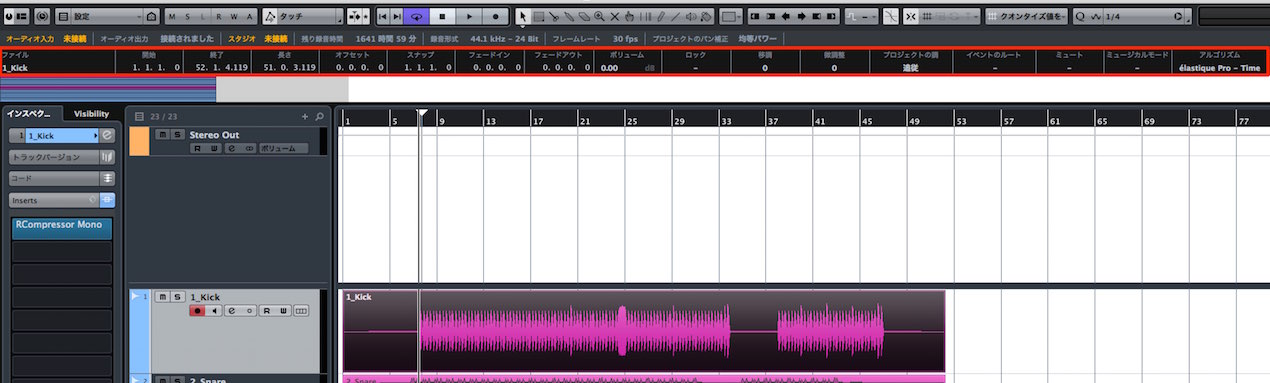
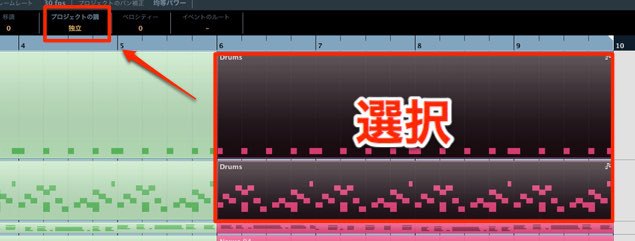
I tried fine-tuning at a 1/128 quantize setting, but the tracks are still slightly out of sync and nothing cancels. Is there a finer adjustment?
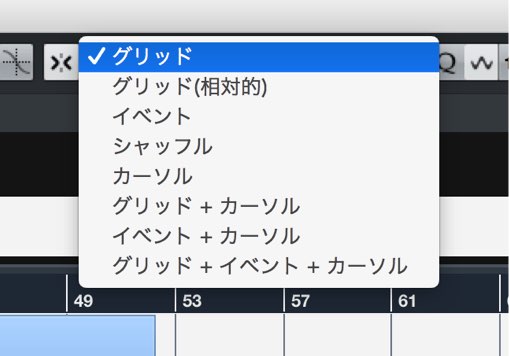
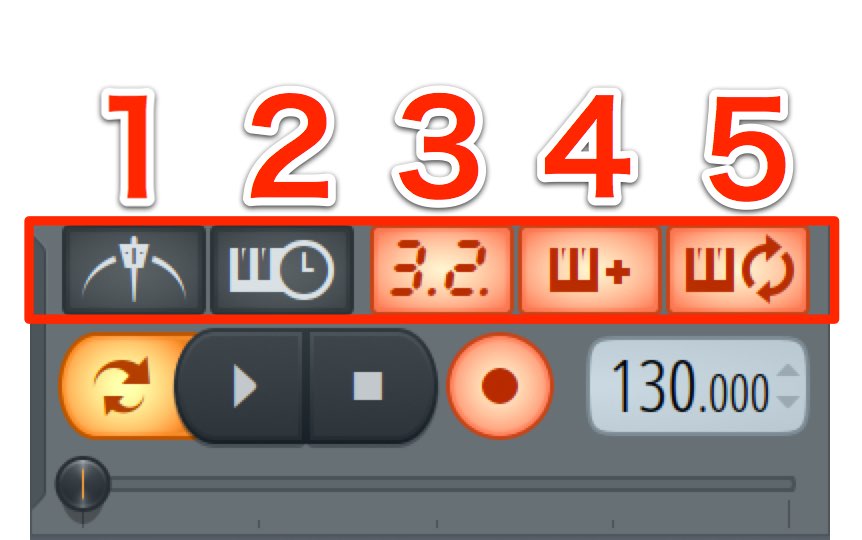
As explained around 2:16 in the video, click the note icon on the transport panel and change the time display to samples. This allows finer adjustment.
The snare tends to remain. Can it be removed?
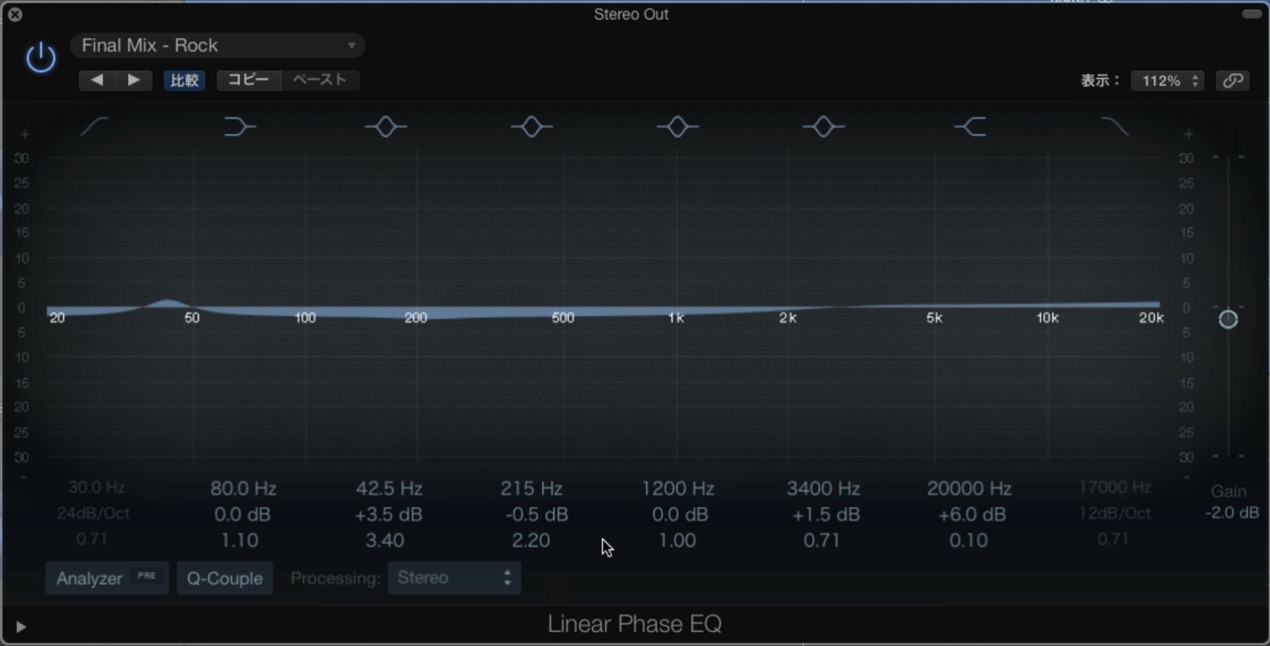
Because the sounds are already combined, it is difficult to remove it completely. Sounds such as snare that occupy a similar position or frequency range are especially likely to remain. You can try making it less noticeable with EQ or working around it in the mix you add afterward.
I followed the same steps but nothing changed. What might be wrong?
The instrumental and the original may be out of alignment. Zoom in horizontally as far as possible and align the two sources precisely.
Interesting. Does the snare tend to remain because polarity inversion was used in the mix?
We think it may be caused by bleed between the individual kit microphones and the overheads. Thanks for watching.
Prepare the Song and Instrumental
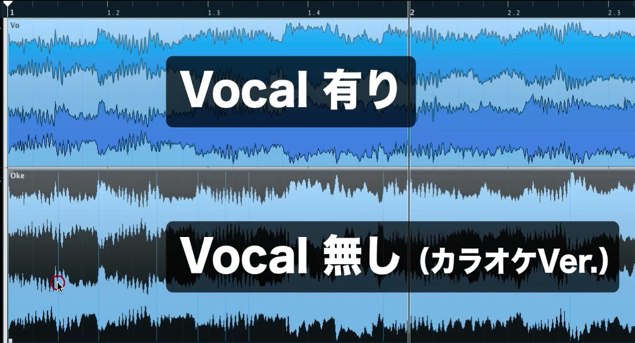
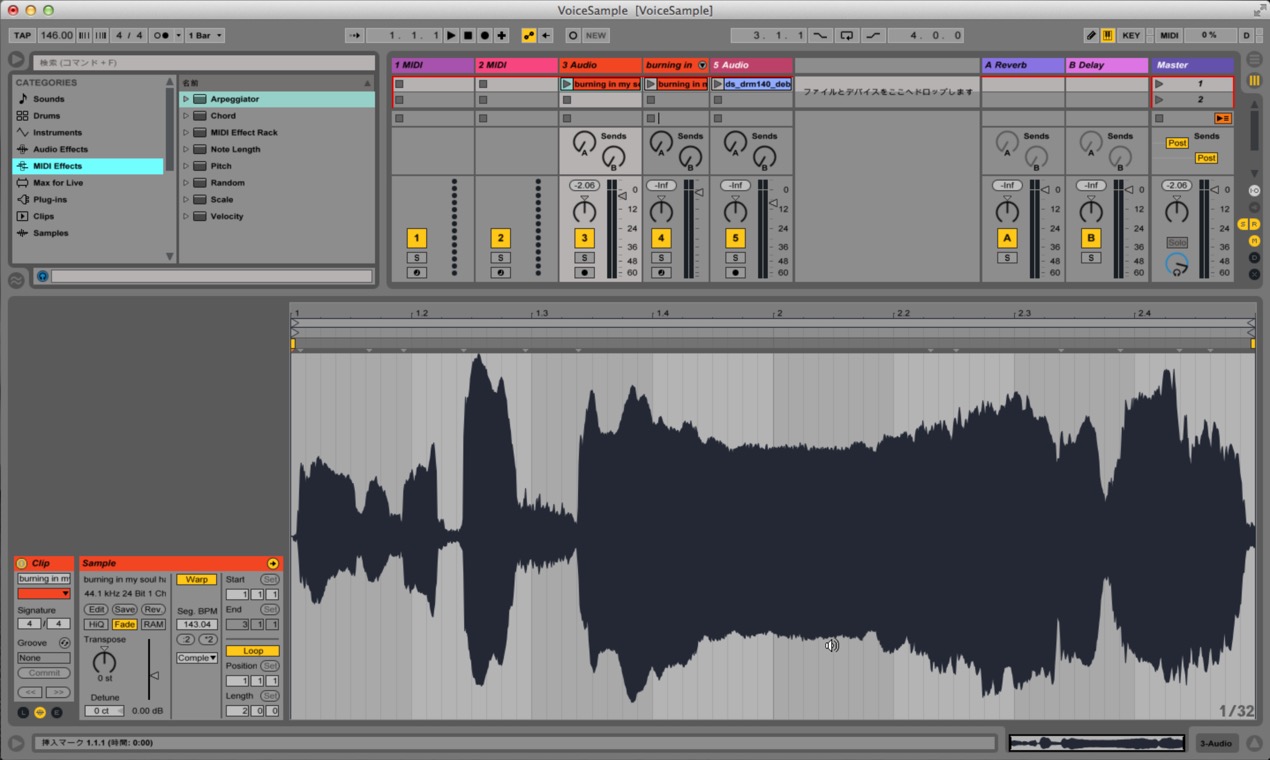
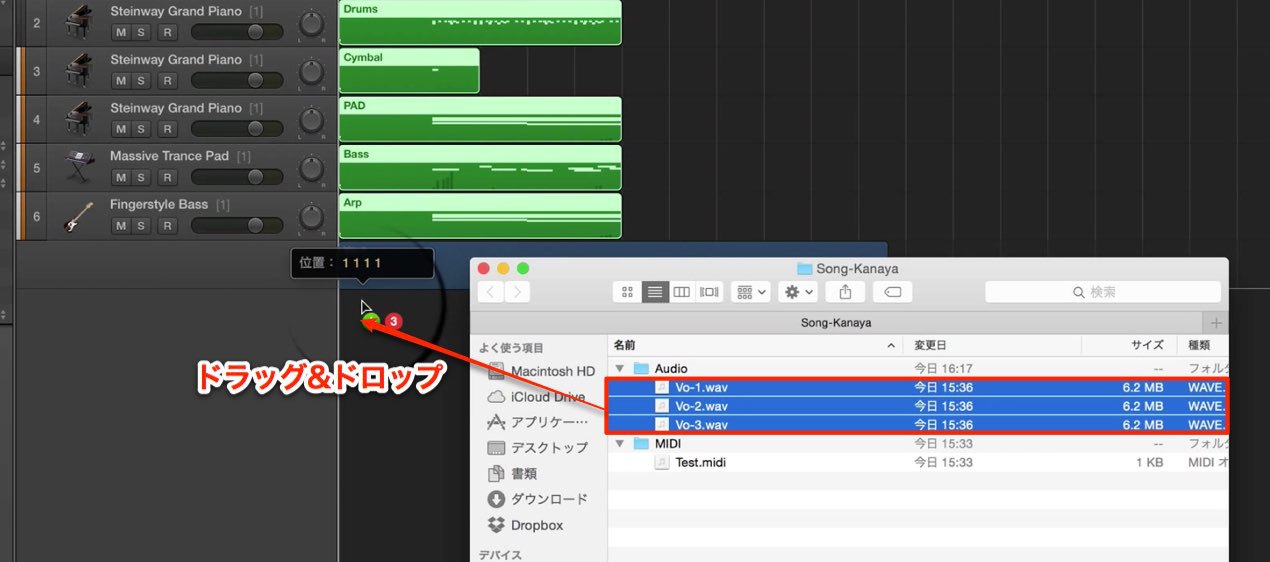
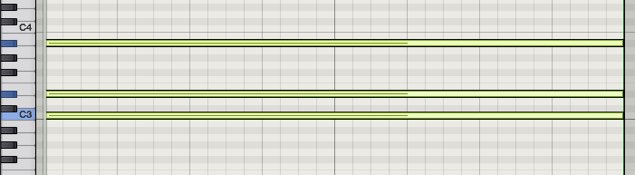
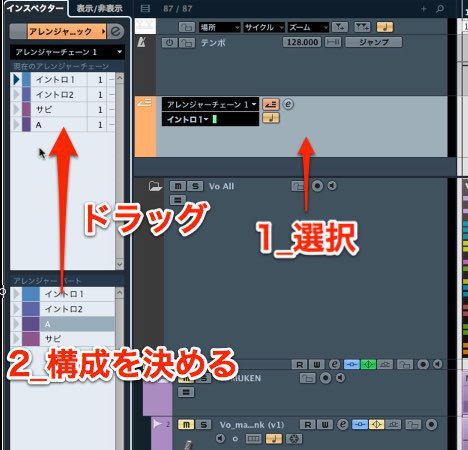
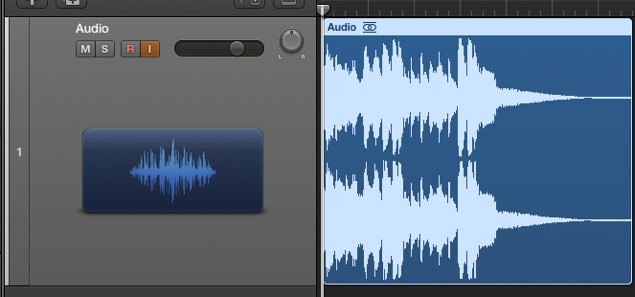
Place the vocal mix and its instrumental version side by side on the timeline.
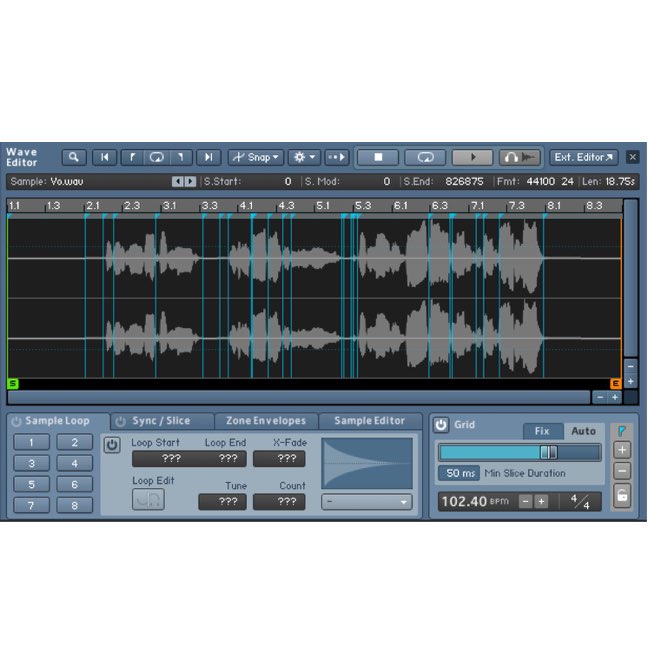
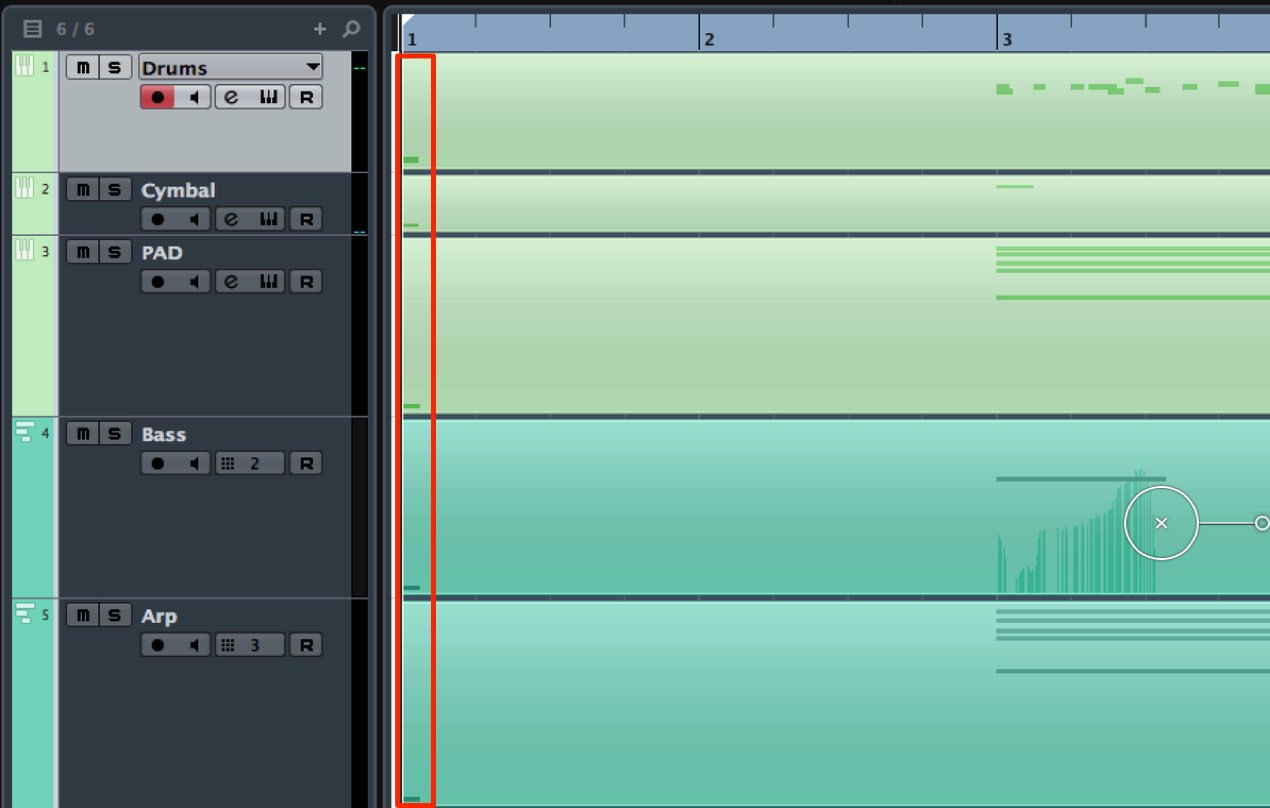
Even a small timing difference can prevent cancellation: align the two precisely.
Invert the Polarity

Invert the polarity of either track.
The matching backing components cancel, leaving the differences, including the vocal. Any differences in the instrumental mix or processing may also remain.
This is a straightforward way to extract a clean vocal when the backing tracks match closely.
Polarity Inversion by DAW

 Logic
 Cubase
 Ableton Live
 Studio One
 FL Studio
Frequently Asked Questions
Q1. Why use polarity inversion to extract vocals?
Inverting one track causes matching waveform components in the vocal mix and instrumental to cancel when summed. The differences, including the vocal, remain. Exact cancellation depends on the backing matching in timing, level and processing.
Q2. Can I extract vocals without an instrumental?
The conventional polarity-inversion method requires an instrumental. AI vocal-separation tools also exist, but complete separation can be difficult and their sound quality may differ from polarity cancellation.
Q3. Why can polarity-based vocal extraction fail?
Timing differences are a major reason: even a small delay or tempo mismatch prevents complete cancellation. Align the tracks precisely; differences in the backing mix, level or processing can also leave residual sound.
NEW ARTICLES
Latest English Articles