This pop-ballad arrangement critique explores three ways to make the final chorus more effective: adding movement with string countermelodies, giving the rhythm greater definition, and using samples to add atmosphere and a fuller sound. These techniques create contrast across the arrangement and help a simple accompaniment grow into an emotionally uplifting track.
Bringing a delicate, beautiful song to its climax

This is the final installment of our song-critique collaboration with Osaka College of Music.
A pop ballad with a delicate beauty provides a fitting atmosphere for this closing installment.
How will we develop its arrangement?
Watch and read on, then try these techniques in your own music.
Three Ways to Create Contrast in a Pop Arrangement: Video Critique
- 1 Electro-Pop Song Critique: Three Ways to Refine the Arrangement (Japanese)
- 2 Orchestral Song Critique: Three Ways to Develop the Arrangement (Japanese)
- 3 Pop Ballad Critique: Three Ways to Create Contrast in the Arrangement
Introducing the song
The songwriter is Chikinkosu, a student at Osaka College of Music.
The original article introduces her as a female student and highlights the delicate character of her music.

YouTube: Chikinkosu's channel
X: @tdags_CS
- The idea behind the song
“I wanted to express the sadness of knowing someone dear to you is in danger far away, while all you can do is look up at the night sky and pray for their safety.” - A detail I focused on
“I reversed guitar harmonics to suggest a ringing in the ears.
The music builds afterward, but I imagined a situation where everything around you is so quiet that your ears ring, while inside you feel deeply unsettled.” - What I am struggling with
“Most of the accompaniment serves a chordal or rhythmic role. Very few instruments add movement that could be described as a countermelody.
Apart from the violin solo in the second verse, it feels as though the piano is doing most of that work.
I am unsure whether to add instruments or give the existing instruments more movement.”
Explaining the arrangement changes
Let's look at the critique.
The song conveys its wistful mood very well, and the piano and string arrangement is beautiful.
One area that could be developed further is the build into the final chorus.
Here, we focus on the final chorus and make changes that create greater contrast in the song's development. These are the before-and-after examples.
Adding movement with string countermelodies
The songwriter felt that the accompaniment was too simple. Using string countermelodies effectively can help the arrangement build in intensity.
There are three main approaches to countermelodies:
- Fill the gaps in the main melody.
- Follow the movement of the main melody.
- Give the main melody space.
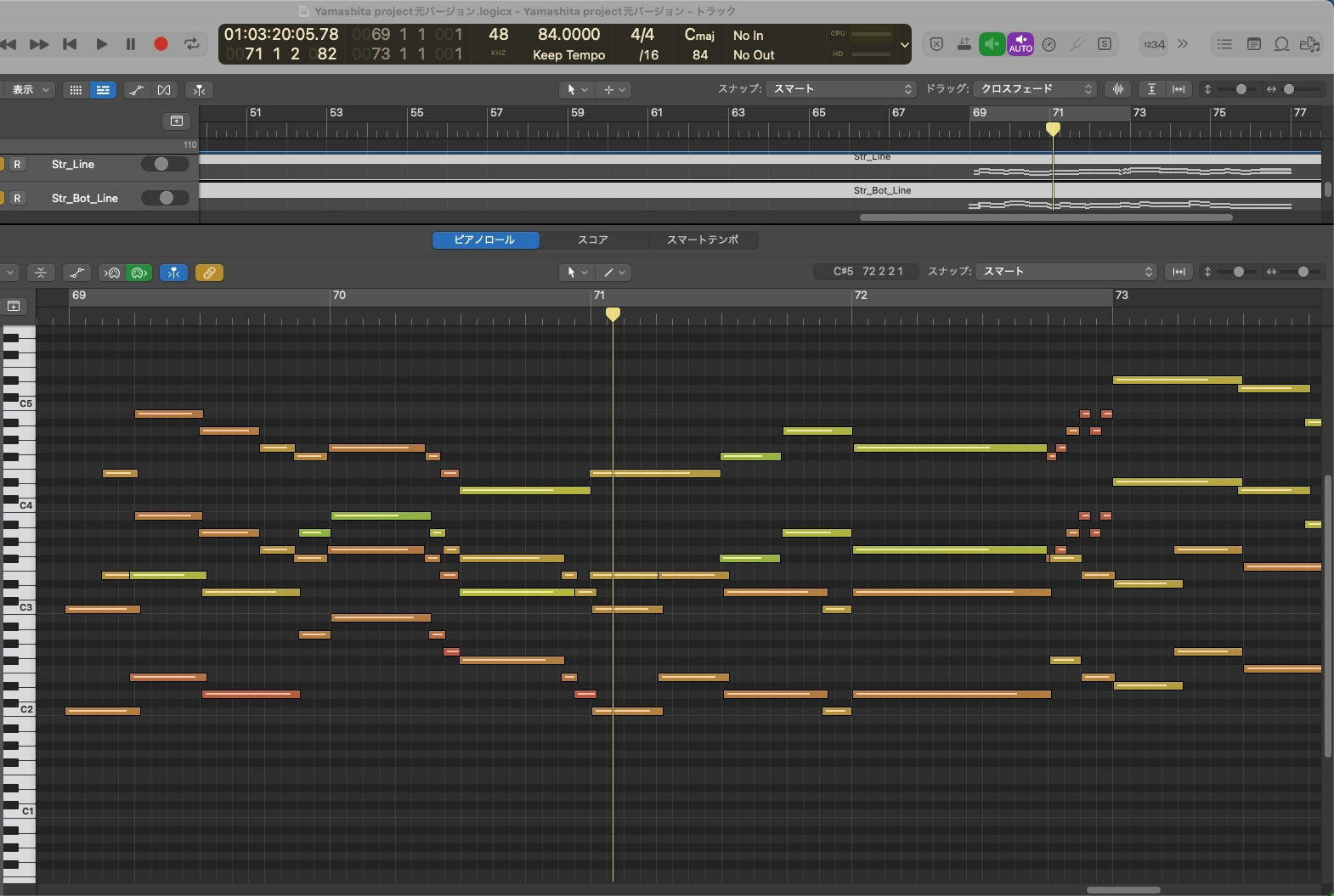
In this example, we combine phrases that fill the gaps with phrases that follow similar movement to the main melody. Both approaches are used in the arrangement.
Against the vocal line, we add countermelodies and obbligato phrases to create a stronger sense of musical lift. This helps the final chorus feel more uplifting.
Here are the revised strings.
Revised string arrangement
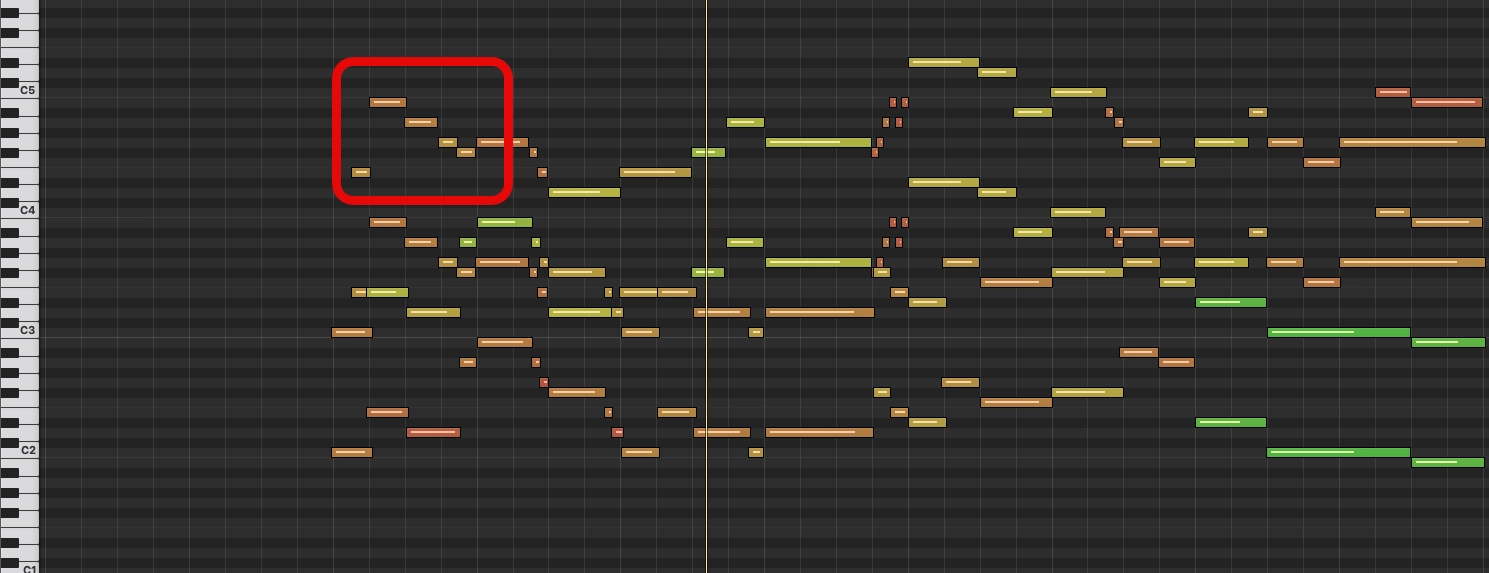
The string line starts in a high register and develops toward the ending.
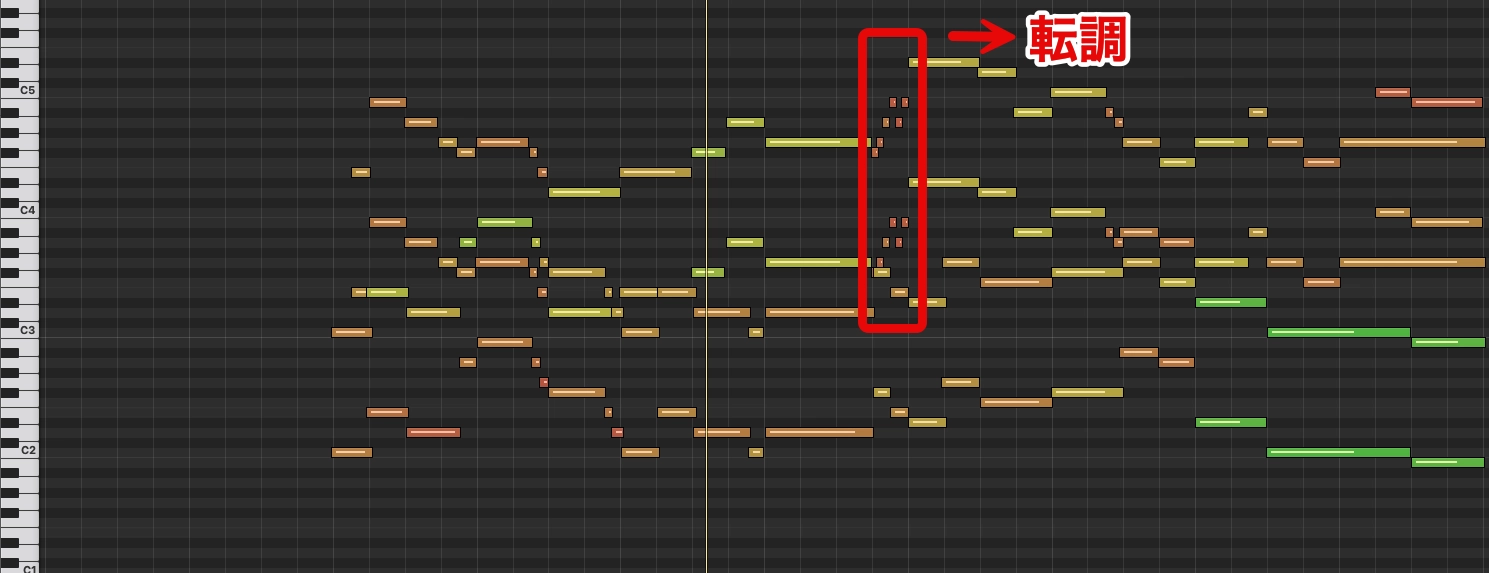
At the key change, an ascending run adds excitement.
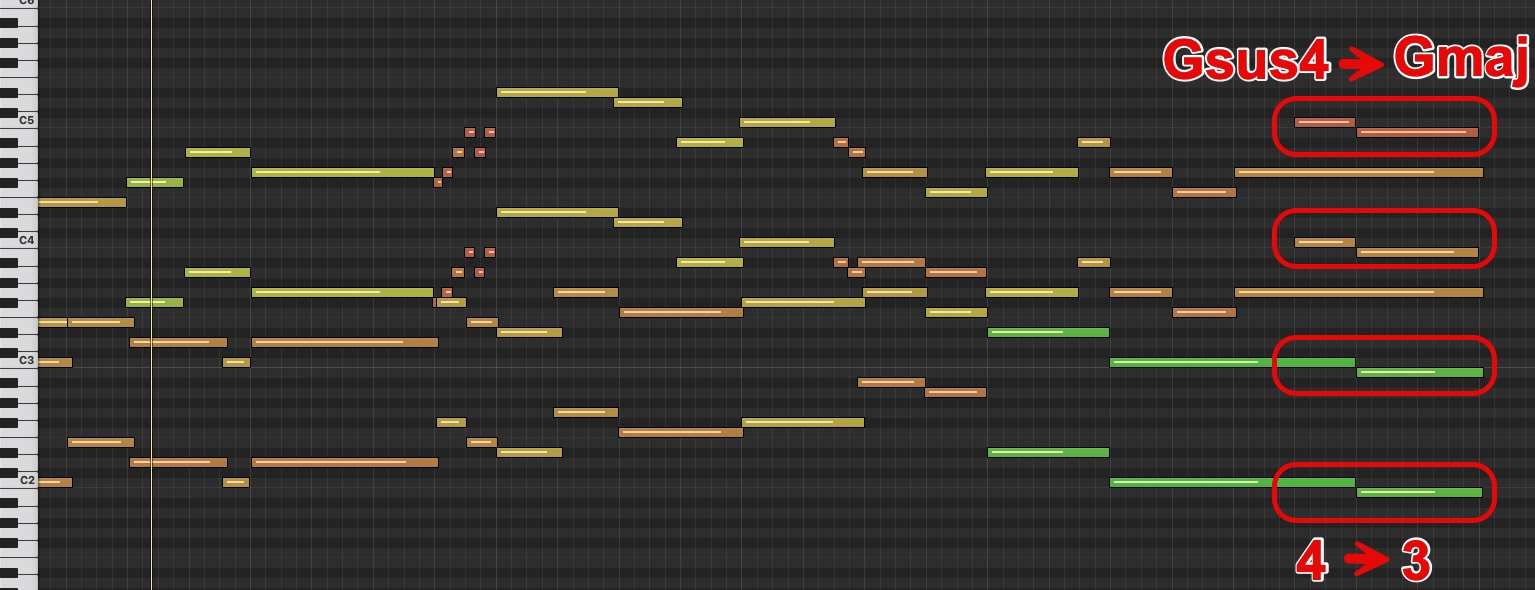
For a distinctive chord movement such as sus4 resolving to major, emphasizing the fourth and third helps bring out the changing harmony. This makes the chord movement clearer.
The interaction between the vocal and strings is especially important.
By following the vocal's movement and adding well-placed leaps without obstructing the lead melody, you can give the arrangement a more expansive character.
These string-countermelody techniques can also be applied to synthesizer pads. The same arranging ideas work with those sounds.
When doing so, reduce low frequencies or choose a faster-attack sound to avoid a blurred texture. Balancing the pad this way can make its contribution more effective.
Adding definition and depth with rhythm instruments
Rhythm instruments also play an important role in creating contrast within a song.
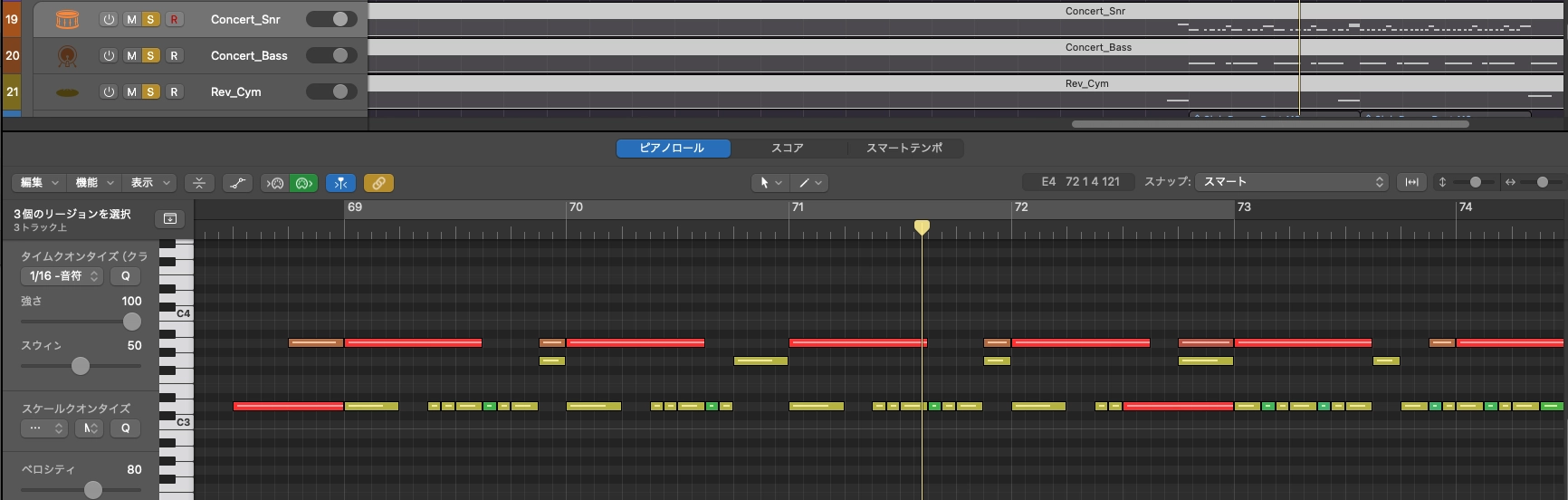
In the original arrangement, the alignment of the rhythmic accents was not very clear. To address this, we add bass drum, snare and reverse cymbal to make the rhythm more distinct and give the arrangement greater depth.
Specifically, we use concert bass drum and concert snare to introduce an orchestral character that blends naturally with the song.
Added rhythm instruments
We choose a softer concert bass-drum sound to avoid clashing with the snare and maintain the overall balance.
Snare rolls add subdivisions to the rhythm and create musical tension.
For the reverse cymbal, you can also reverse a conventional drum or cymbal sound, although the result has a different character from a normally struck cymbal.
Keep that difference in mind and choose the approach that best suits the world of the song and the sound you imagine.
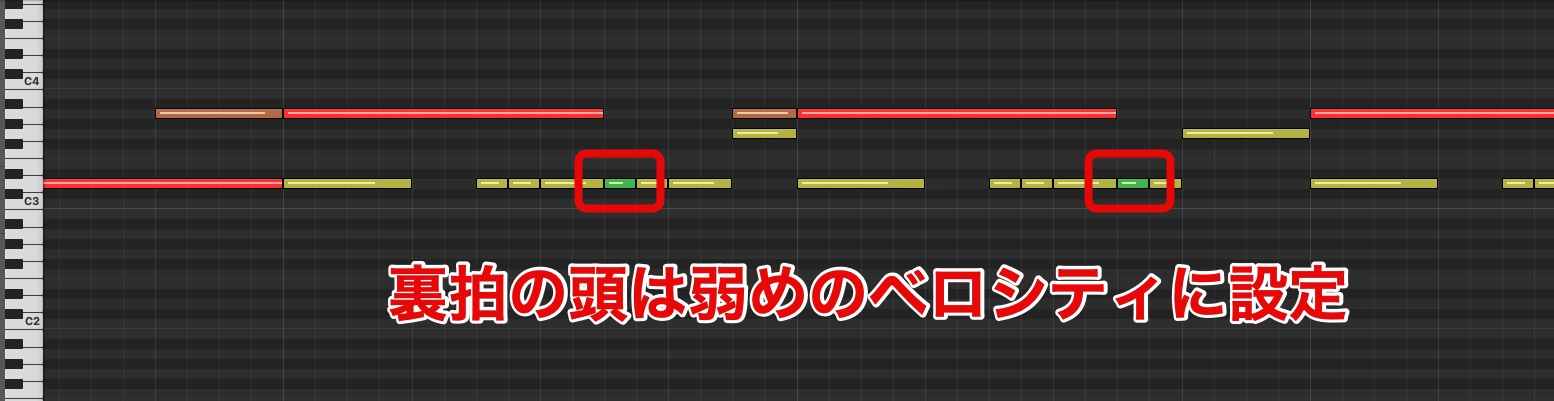
As the MIDI data illustrates, the offbeat notes start with lower velocities. That choice shapes their accents.
Fine adjustments like this are one way to give the rhythm a sense of groove.
The original arrangement had a flowing character, but adding percussion and adjusting velocities establishes clearer rhythmic accents and gives the track a firmer sense of structure.
Using samples for atmosphere and a fuller sound
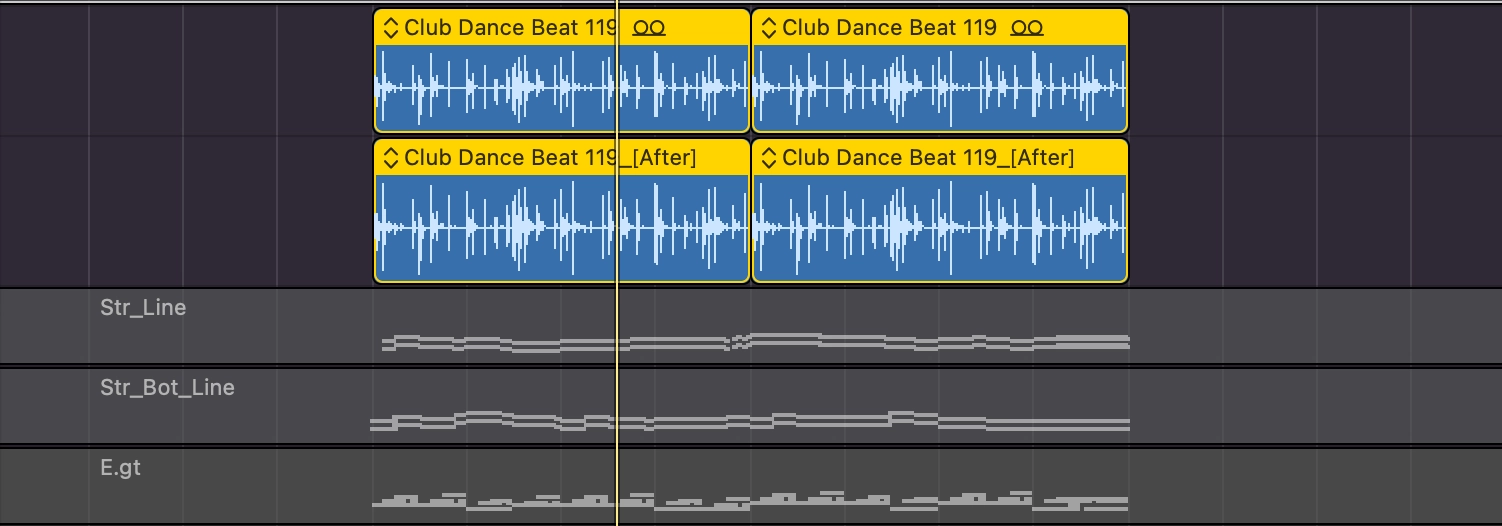
If the track feels short of atmosphere or impact, a rhythmic sequence can effectively fill the gaps between sounds. This adds a subtle layer of activity.
Loop sample
Using the sample unchanged would make it too prominent in this song, so we process it as follows.
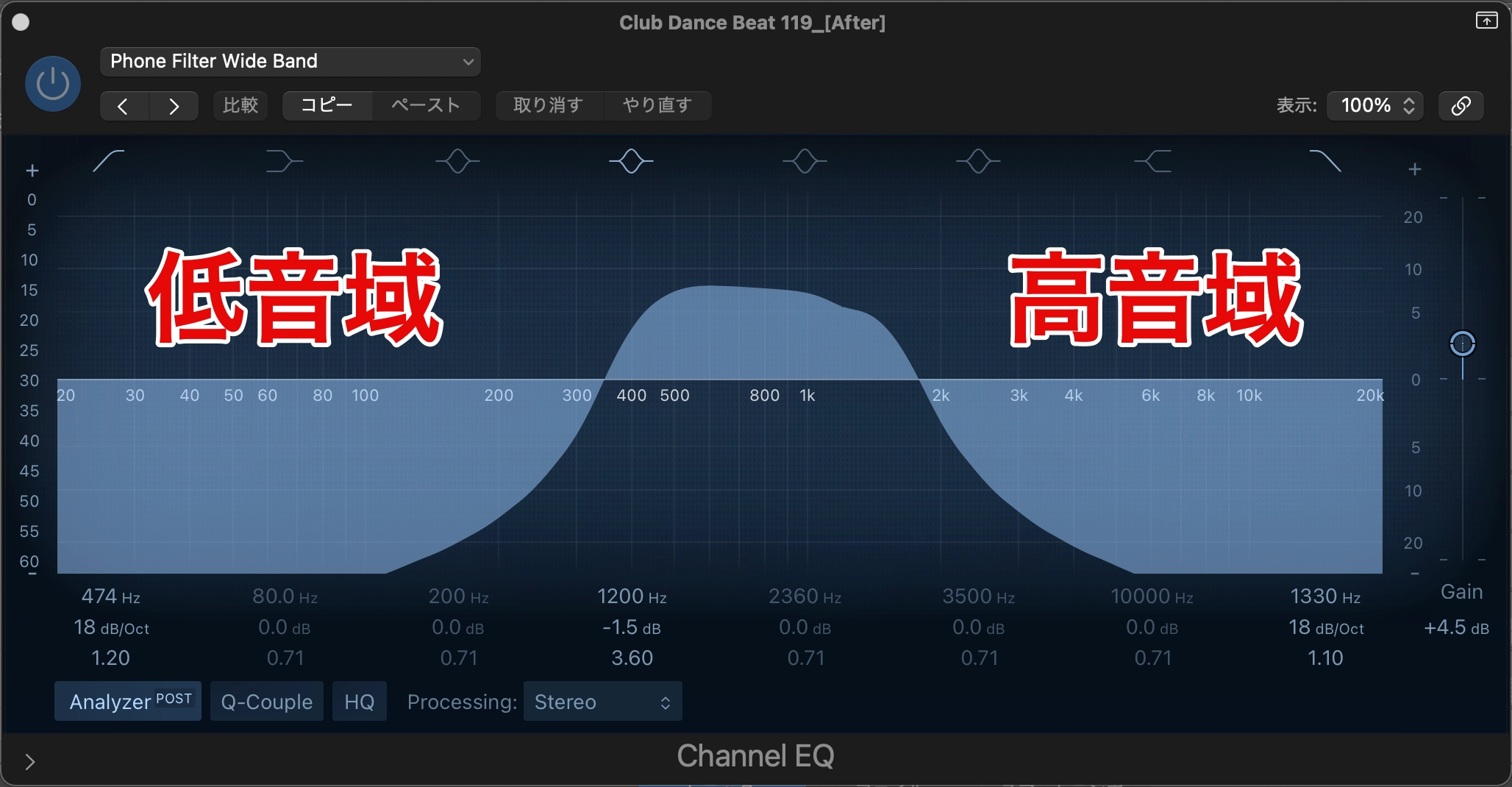
First, with EQ, cut the low and high frequencies to leave the midrange and help it blend with the other sounds.
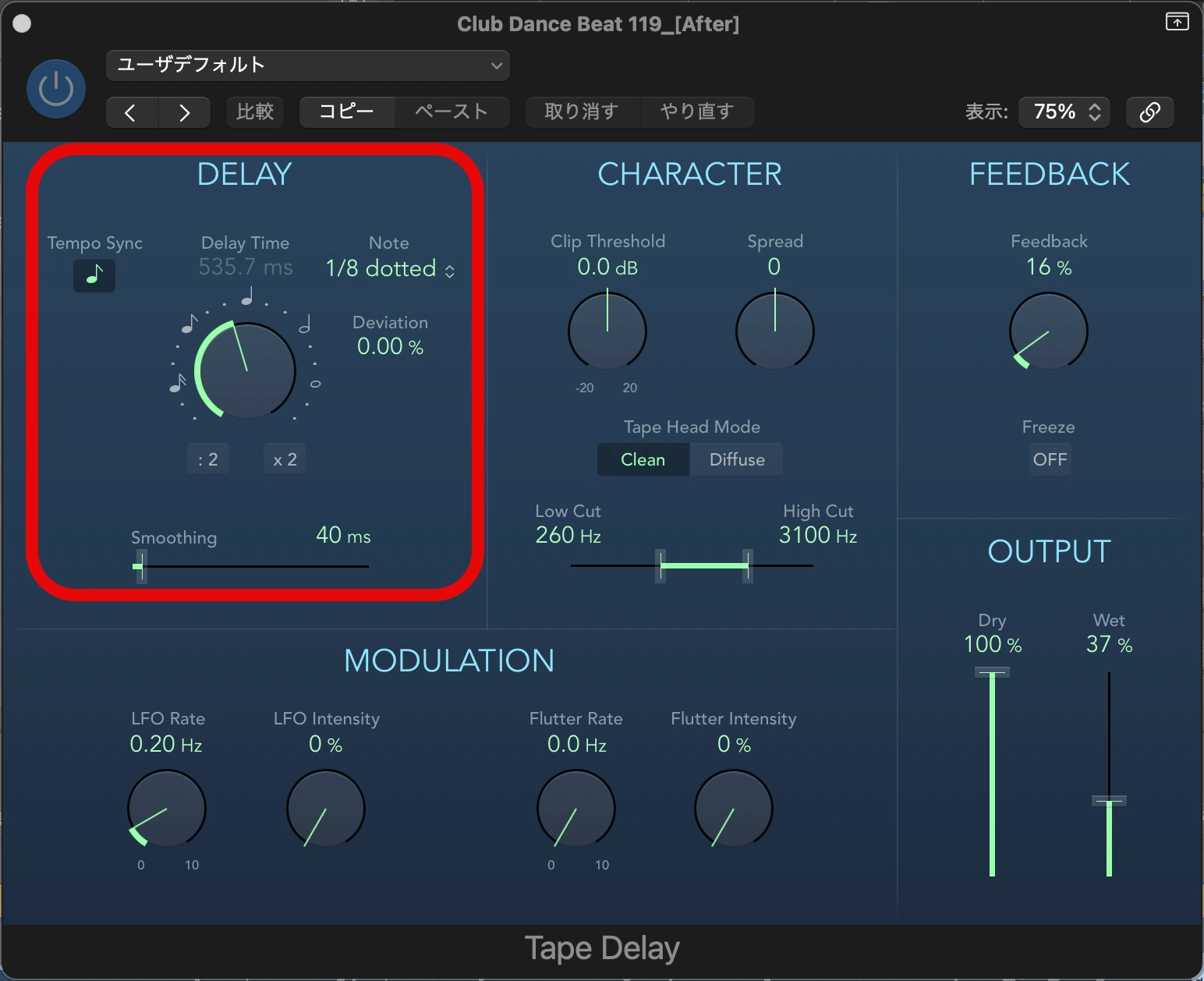
Next, add a dotted-eighth-note delay to create more rhythmic activity and fill the spaces.
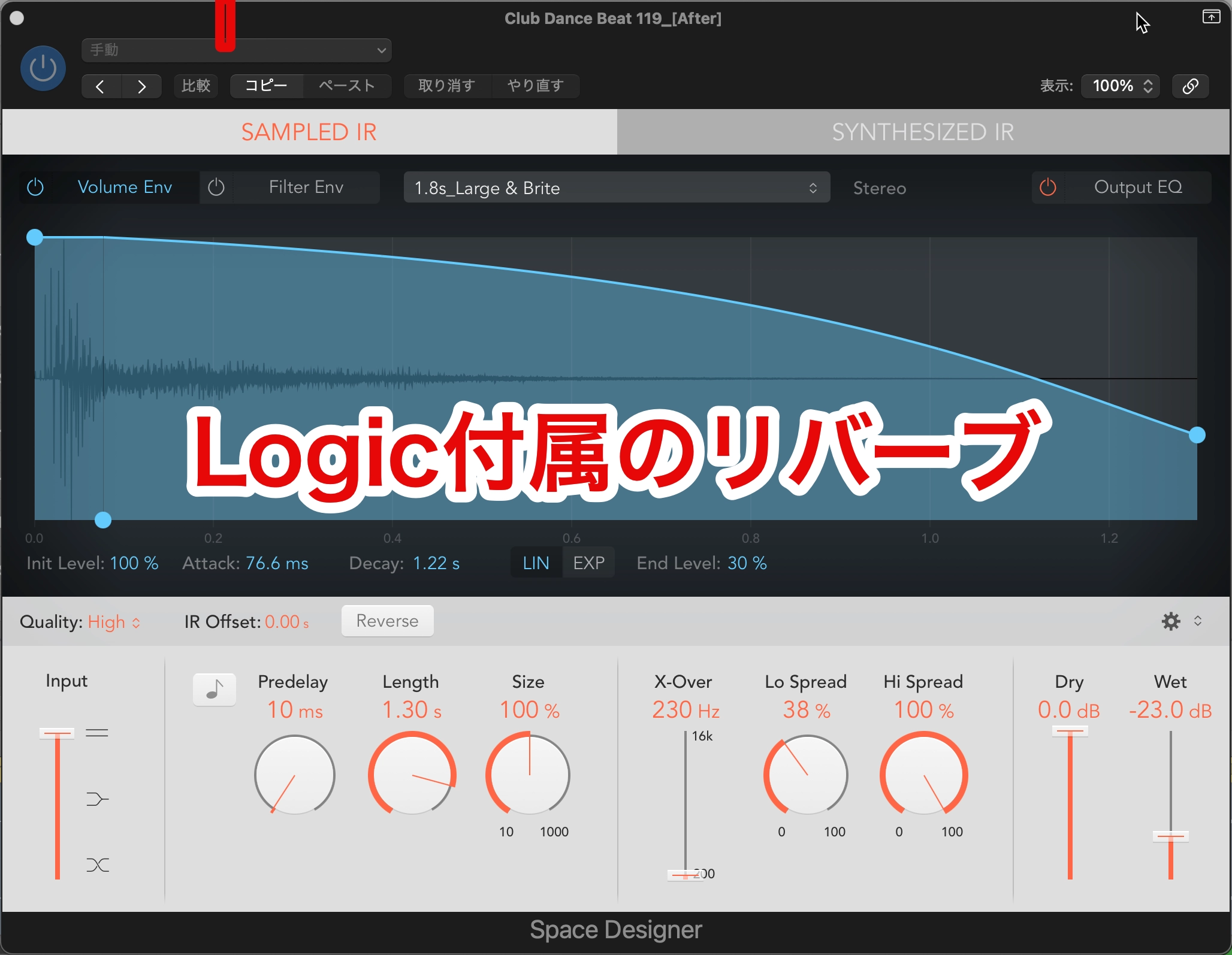
Then use reverb to create depth and soften its edges so that it seems to sit farther back. This keeps it behind the main parts.
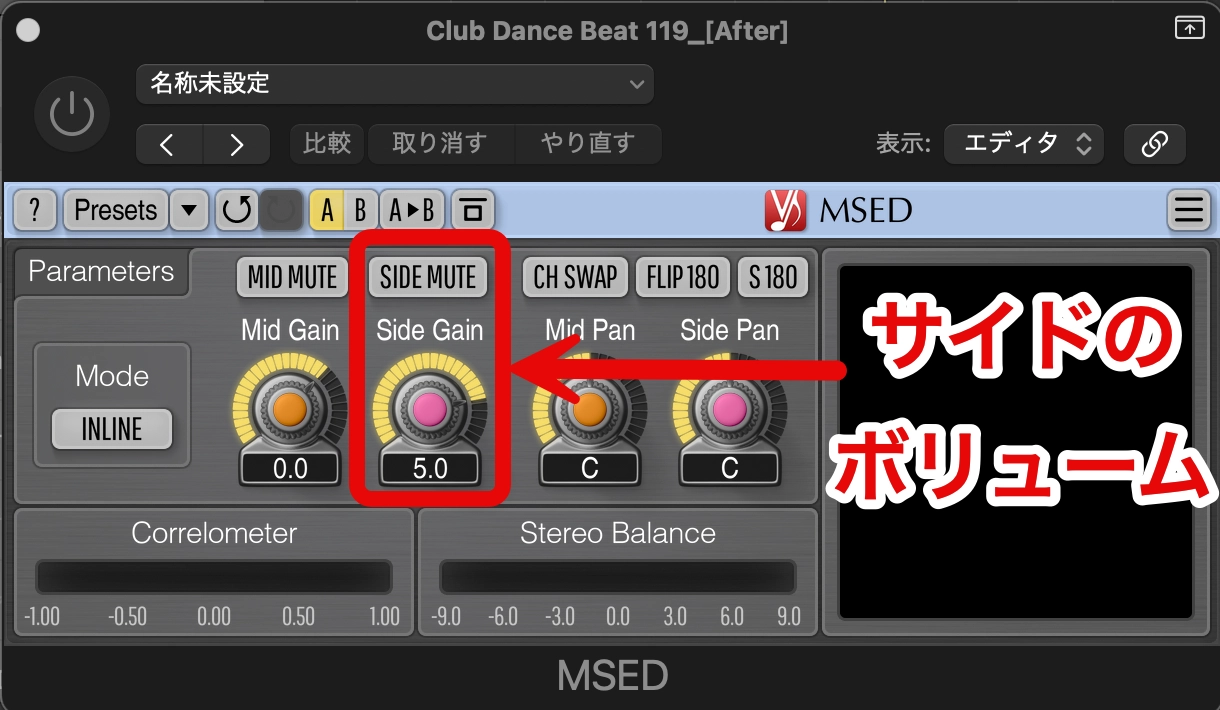
Finally, use mid/side processing to raise the side level and create a wider, more enveloping impression. This spreads the layer around the arrangement.
This approach to processing loop samples works not only with rhythmic samples, but also with synthesizer samples and similar material.
The key is to keep the layer from coming too far forward, allowing just a subtle sense of its presence. It should support the arrangement rather than dominate it.
In this third song-critique installment, we focused on the final chorus and explored ways to create contrast and definition in an arrangement.
Try adapting these techniques to your own music.
Frequently asked questions
Q1. What can I do if a pop-ballad accompaniment feels too simple?
Use string countermelodies effectively. Filling gaps, following the main melody's movement and giving it space can all add motion with the instruments you already have, without necessarily adding new ones.
Q2. How can I give a rhythm part more groove?
Pay attention to small velocity adjustments. In this example, softer offbeat notes help create a natural groove and give the track a more controlled rhythmic feel.
Q3. How can I make loop samples blend into a track?
Try cutting lows and highs with EQ, filling gaps with delay, adding depth with reverb and widening the sound with mid/side processing. Together, these can reduce a sample's prominence while leaving a subtle sense of its presence.
NEW ARTICLES
Latest English Articles