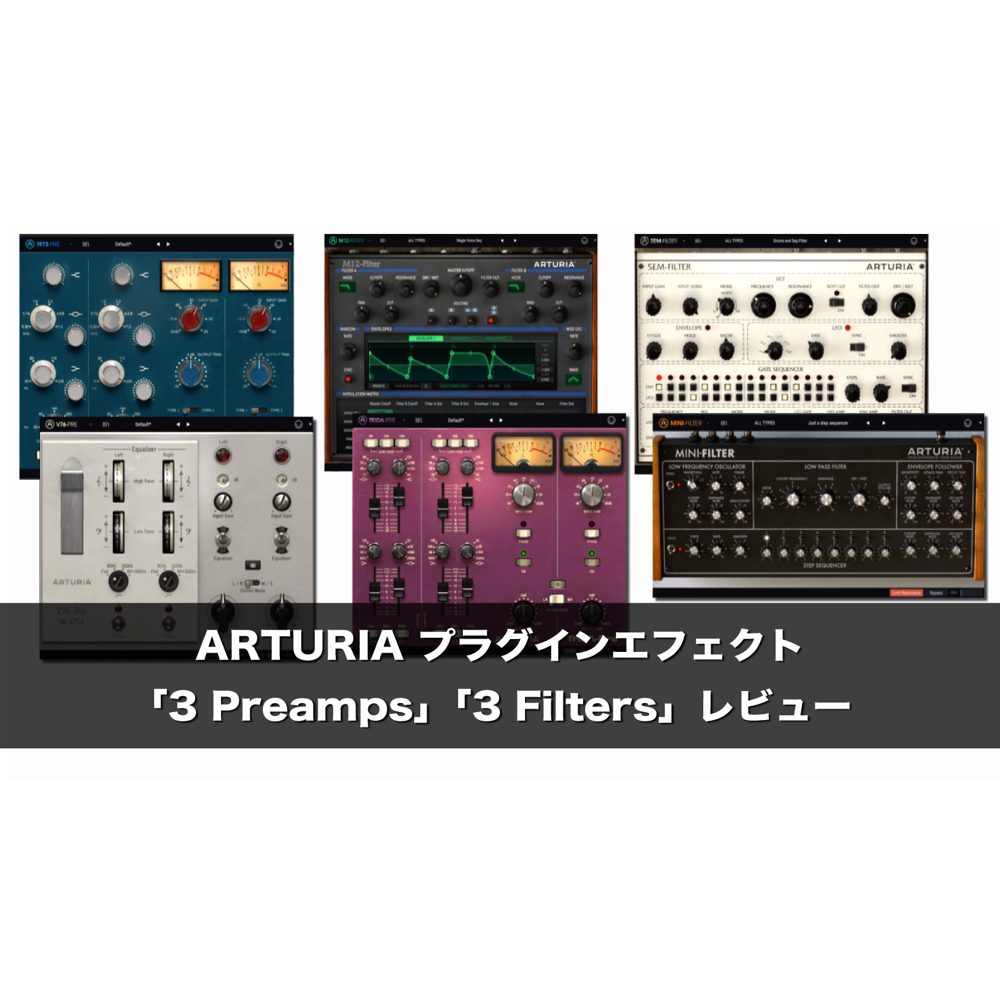
Filters are essential effects for shaping a sound to fit a track by cutting frequencies. This article explains how three basic synthesizer filters work and when to use them: low-pass filters cut high frequencies, high-pass filters cut low frequencies, and band-pass filters cut both ends of the spectrum. Adjust the cutoff to set which frequencies are attenuated, and use resonance to add character—from subtle tonal adjustments to bold sound design. Understanding these principles helps you create the sounds you have in mind.
Shape Sounds by Cutting Frequencies
A filter is an effect that cuts frequencies in a sound,
letting you shape it to suit your track.
You can use it subtly, for example to reduce the high end,
or create more distinctive, conceptual sounds.


Selected Questions and Answers from YouTube
What is the “shoo” sound at around 0:20?

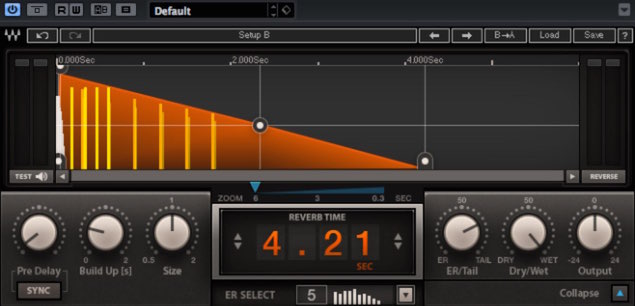
That is a reverse cymbal: the cymbal sound has been reversed. You can make one using the following method: https://sleepfreaks-dtm.com/for-advance-cubase/revers-5/
How Filters Work
The following is adapted from our Synthesizer Tutorials.
After selecting and adjusting a waveform with the oscillator (OSC), use the filter to shape its tonal character.
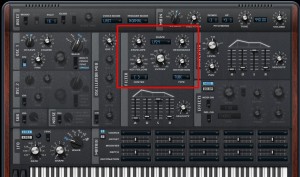
A filter cuts a selected portion of the waveform’s frequency range.
This is an essential stage, because cutting frequencies shapes the sound’s timbre and character.
Filters tend to produce more noticeable tonal changes on waveforms rich in harmonics.
They are frequently used on the harmonically rich sawtooth wave.
Types of Filters
Synthesizers offer a variety of filters,
but here we will focus on three basic types.
These are common filter types in synthesizers, although the available options vary by instrument.
Low-Pass Filter (LPF)
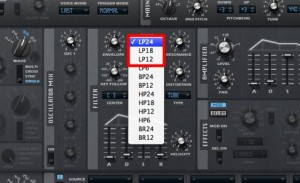
As the name suggests, it passes low frequencies and cuts high frequencies.
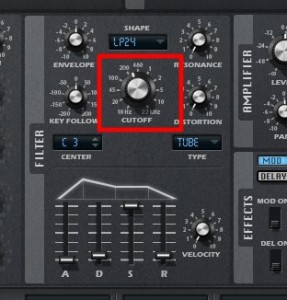
↑ Use the cutoff to decide how much high-frequency content to remove.
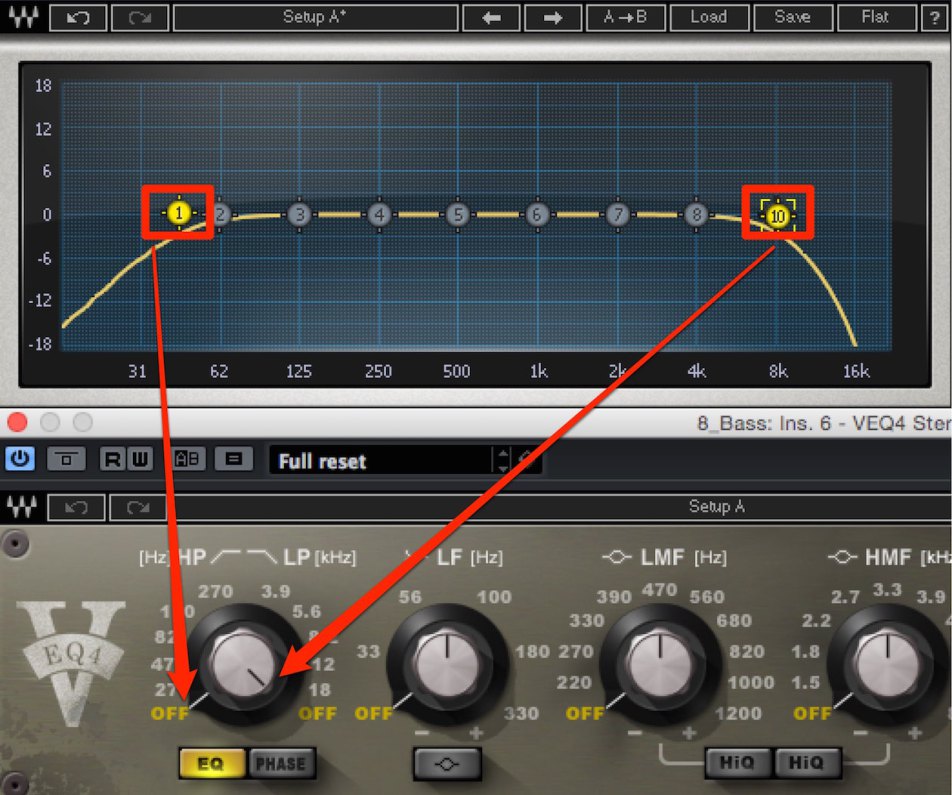
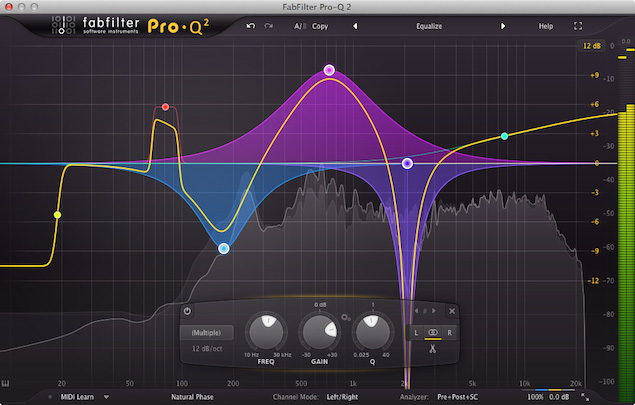
Here is the equivalent idea shown with an EQ. ↓
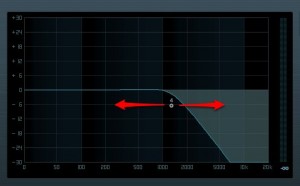
The example below plays a phrase while moving the cutoff. ↓
This is a familiar, classic sound.
The low-pass filter is one of the most frequently used filters in synthesizers.
Another control to learn is resonance.
It adds character and can give the sound a distinctly synthetic quality.
Here is the idea shown with an EQ. ↓
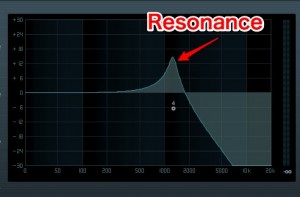
It deliberately boosts frequencies near the cutoff.
The knob controls how strongly that region is emphasized.
Moving the cutoff with resonance applied emphasizes the movement, as in the example below. ↓
Of course, simply increasing resonance can also change the tone substantially.
High-Pass Filter (HPF)
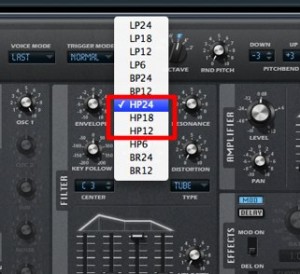
This is the opposite of the low-pass filter described above: it passes high frequencies and cuts low frequencies.
↑ Use the cutoff to decide how much low-frequency content to remove.
Here is the equivalent idea shown with an EQ. ↓
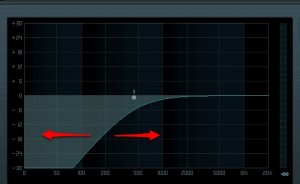
The example below plays a phrase while moving the cutoff. ↓
This is another familiar sound.
Notice how the sound becomes thinner.
Resonance works on the same principle. ↓
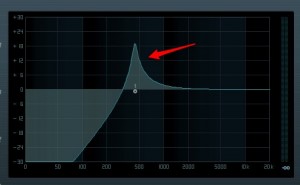
Again, moving the cutoff with resonance applied can emphasize the movement in the sound.
Band-Pass Filter (BPF)
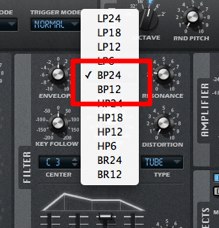
Think of this as combining low-pass and high-pass filtering.
It leaves a band of frequencies between the attenuated low and high ends.
↑ Use the cutoff to determine how much of the low and high frequencies to remove.
Here is the equivalent idea shown with an EQ. ↓
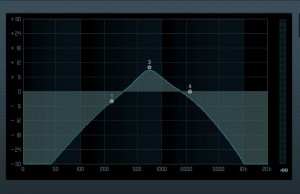
The example below plays a phrase while moving the cutoff.
As the shape suggests, the result has a distinctive character.
It is often used as an accent sound in a track.
Adding resonance gives it even more character. ↓
Summary
Filters may seem complicated,
but once you understand their principles they become valuable sound-design tools.
First, learn to recognize these three filter types by ear.
Then, when you imagine a sound, you will be better able to choose the appropriate filter.
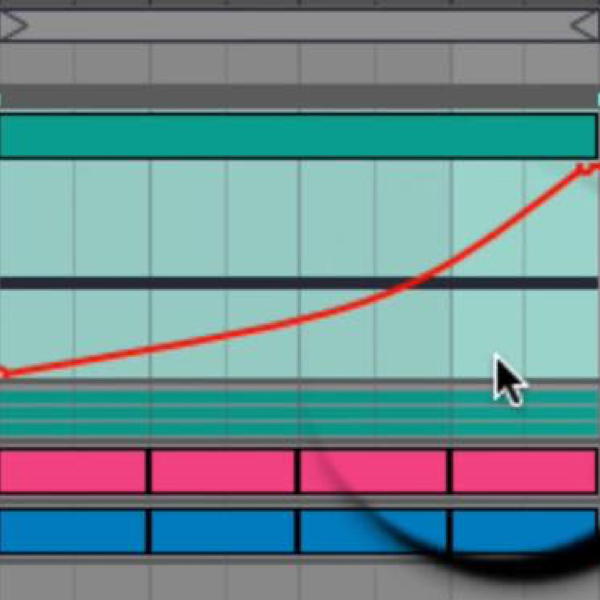
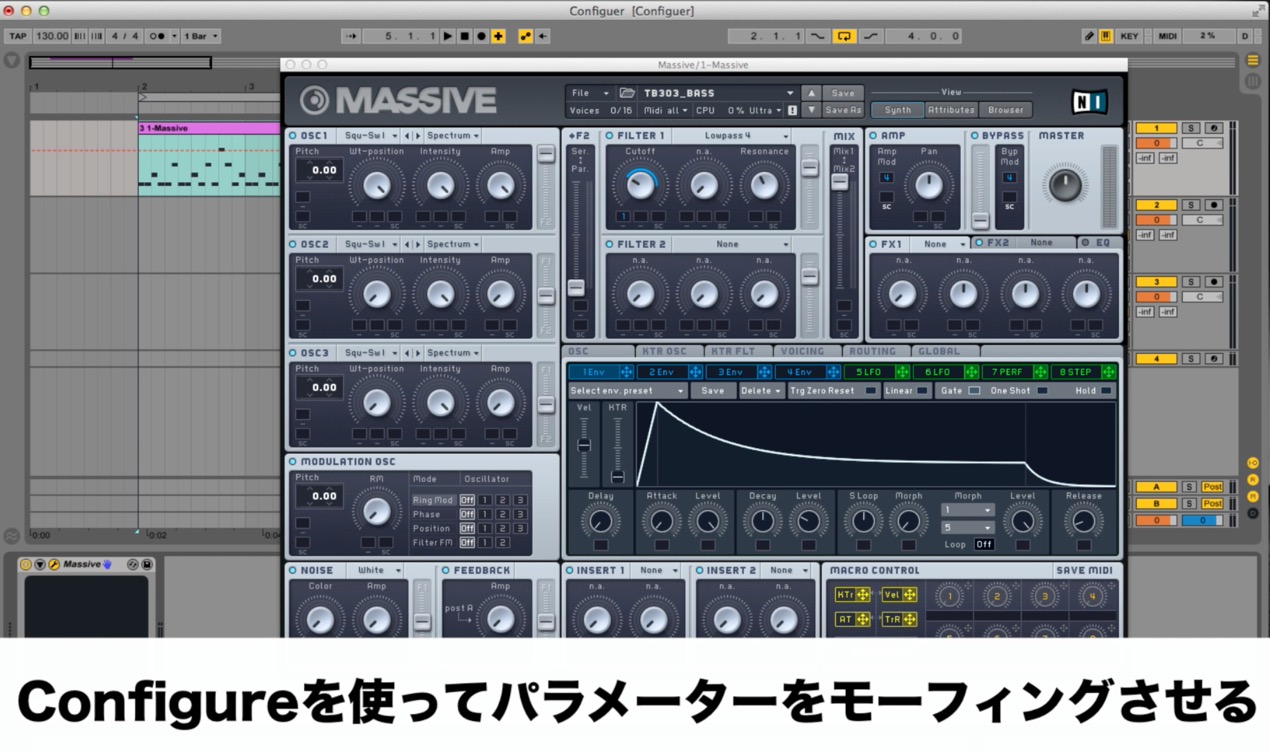
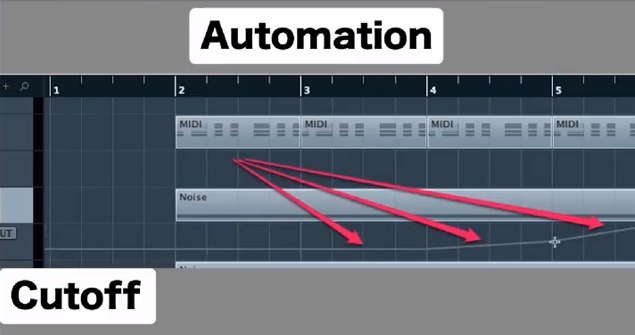
In a later article we will also explain how to automate filter cutoff, as shown in the video above.
Frequently Asked Questions
Q1. Which filter should a beginner learn first?
The low-pass filter (LPF) is a good place to start. It is widely used in synthesizers, and cutting high frequencies offers an intuitive way to adjust tone and learn the basics of filtering.
Q2. What is the resonance parameter used for?
Resonance boosts the region around the cutoff, giving the sound a distinctive synthesizer character. It emphasizes the change as the cutoff moves, opening up creative sound-design possibilities.
Q3. When is a band-pass filter useful?
A band-pass filter leaves a band of frequencies while attenuating frequencies above and below it, creating a distinctive sound. It is often used for accents and can be especially effective in club and electronic music.
NEW ARTICLES
Latest English Articles