When layering rhythm loops in music production, how you handle the low frequencies can make a major difference to the track. This article explains how to reduce the low end of a secondary rhythm with EQ to clear up muddiness when it is combined with the main rhythm. This makes room for a bass track and helps create a clean, light rhythm pattern. The technique can be useful to producers at any level.
Clean Up Layered Rhythms
One essential element of a track is rhythm.
How do you make that rhythm sound great?
That is a key part of improving the quality of your track.
When the rhythm needs more impact, layering loops is a common technique,
but it is important to pay attention to the low end.
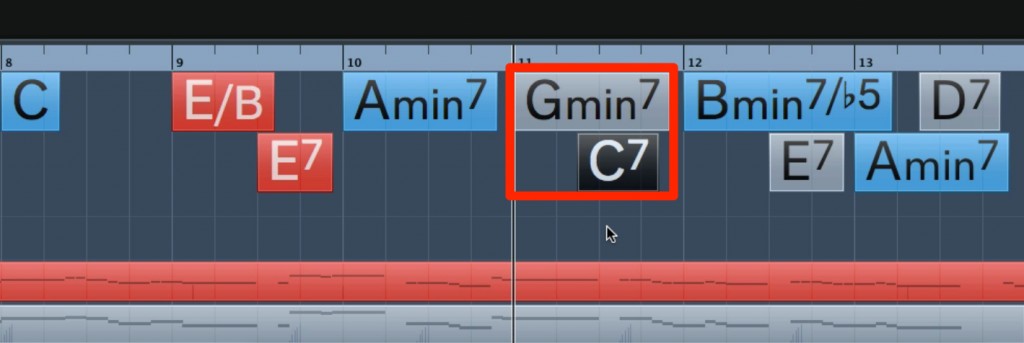
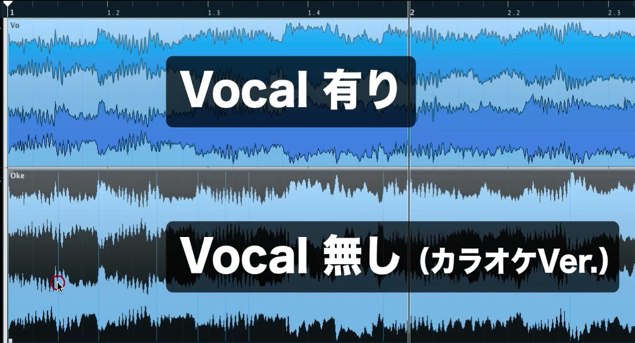
- Before applying the technique
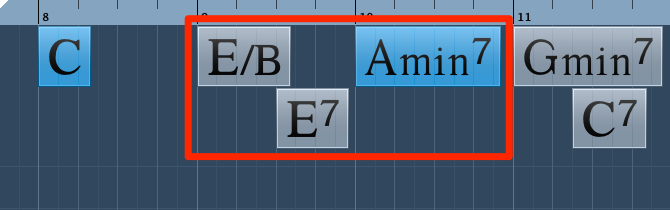
- After applying the technique
Let’s focus on how to handle this in the following recipe.
Creating the sound
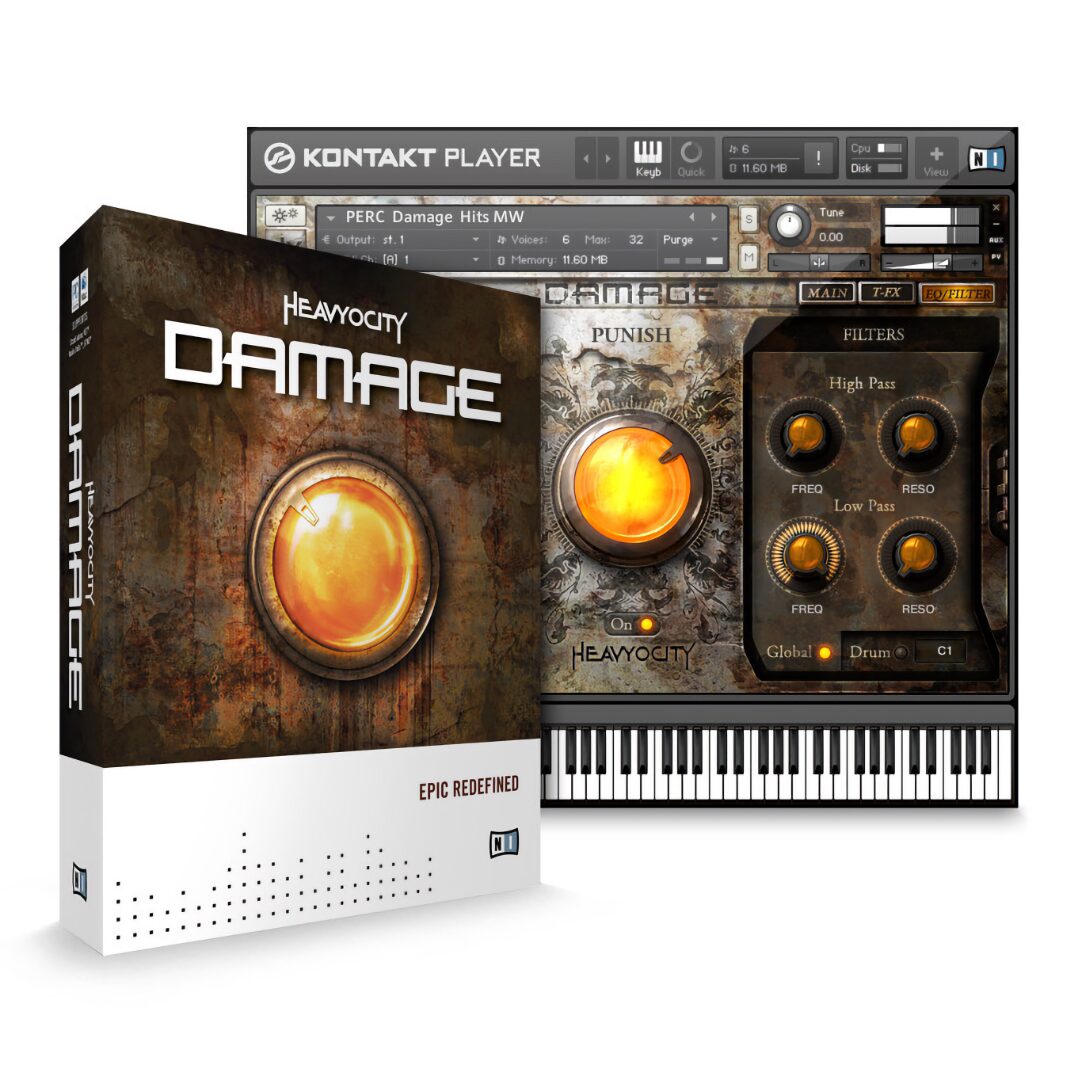
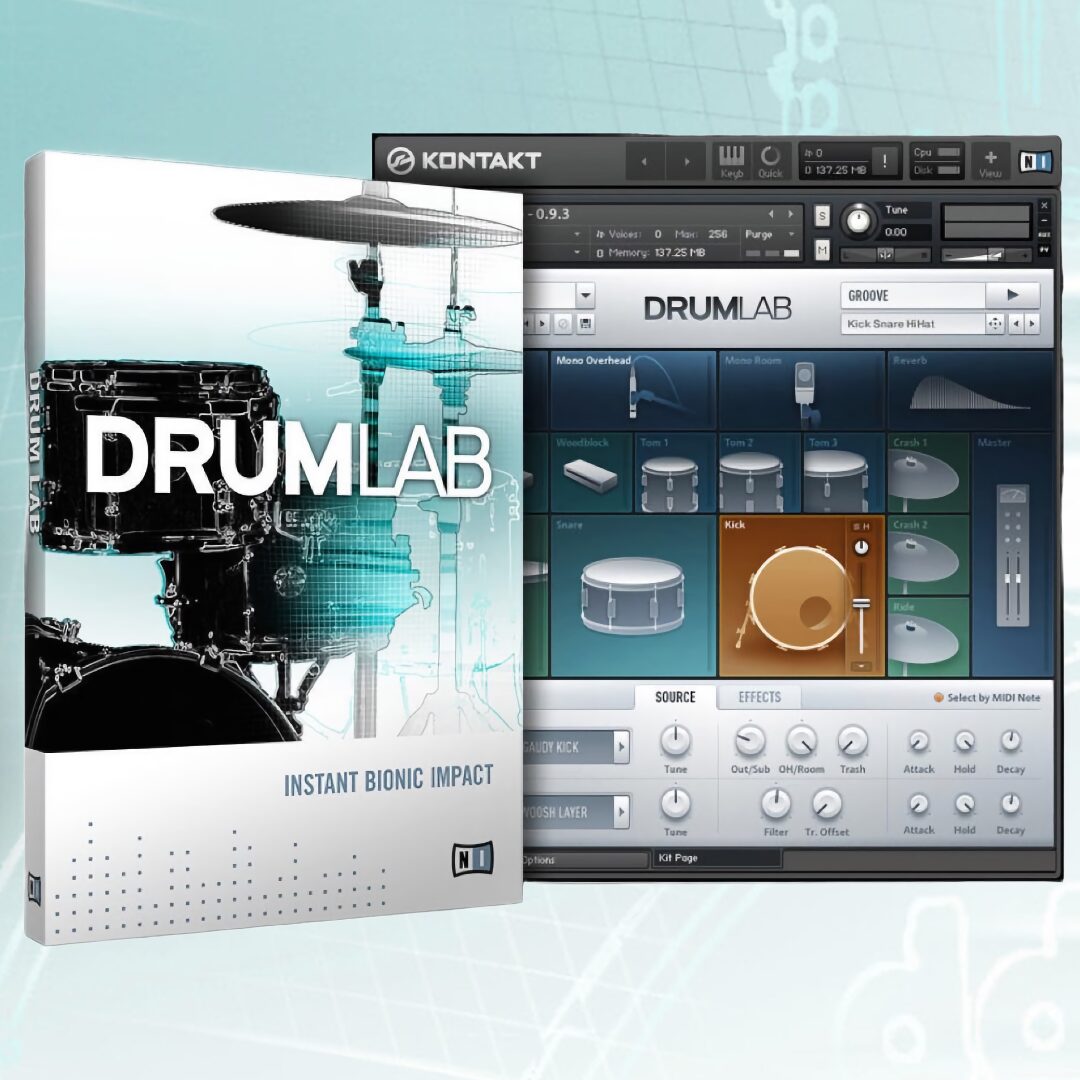
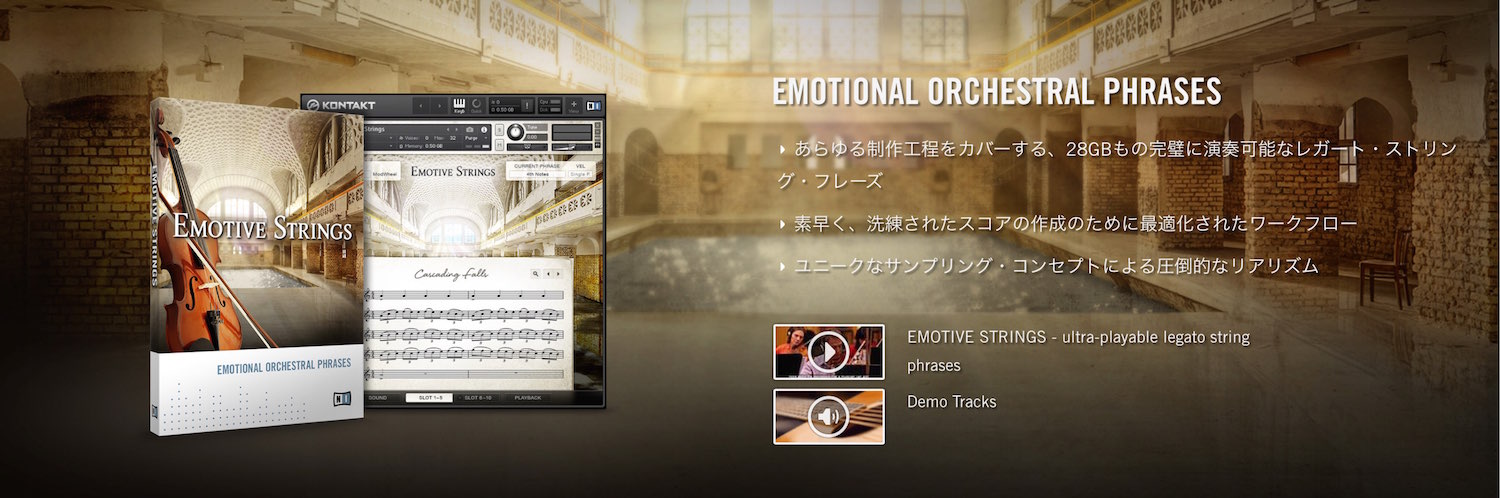
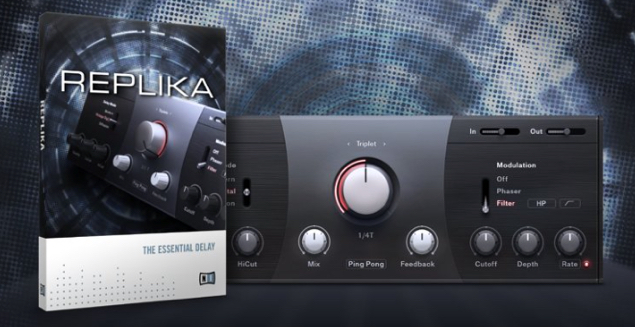
Purchase the product: https://bit.ly/3bailUg
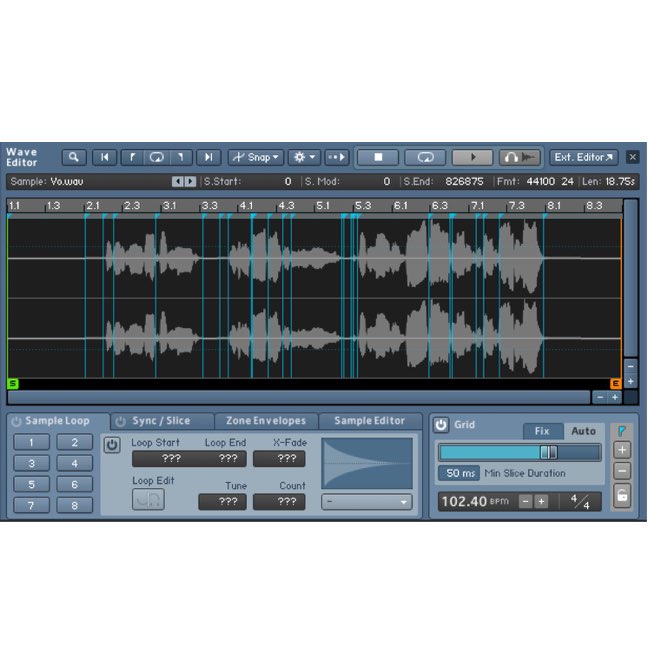
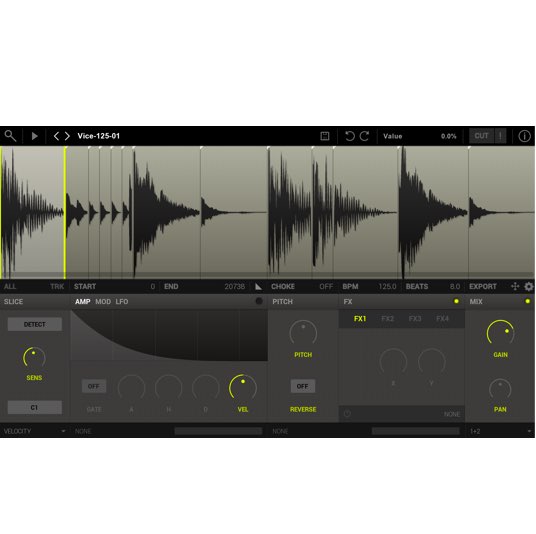
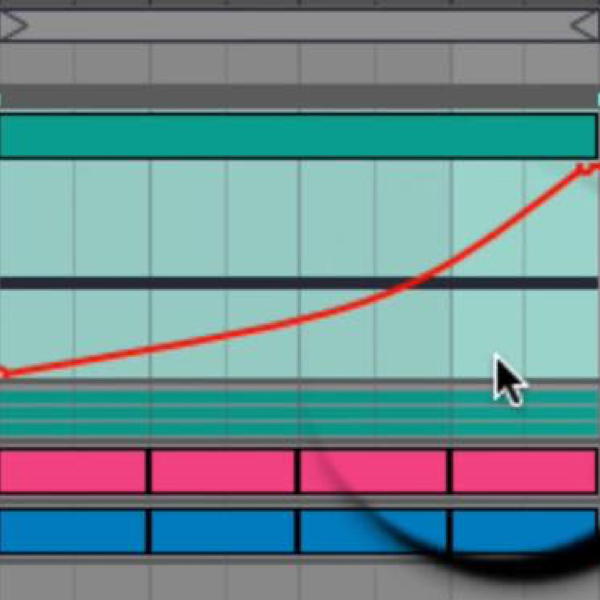
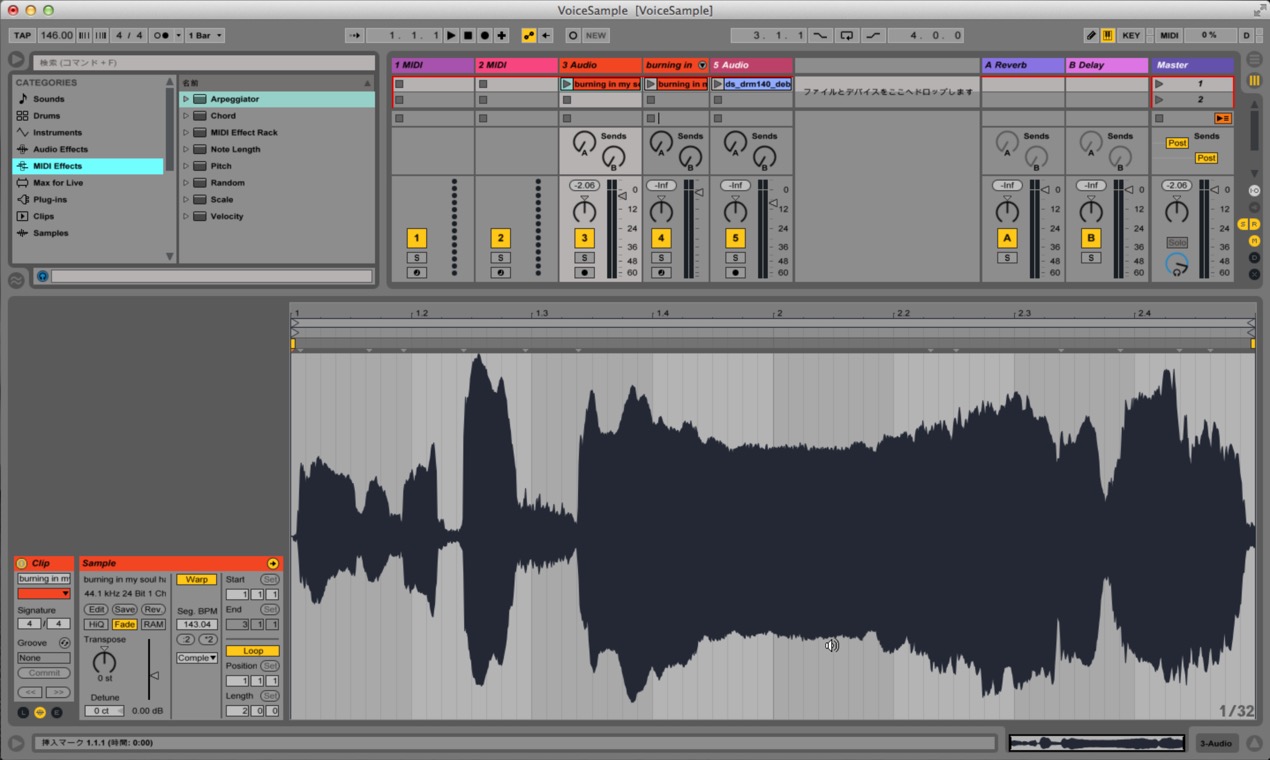
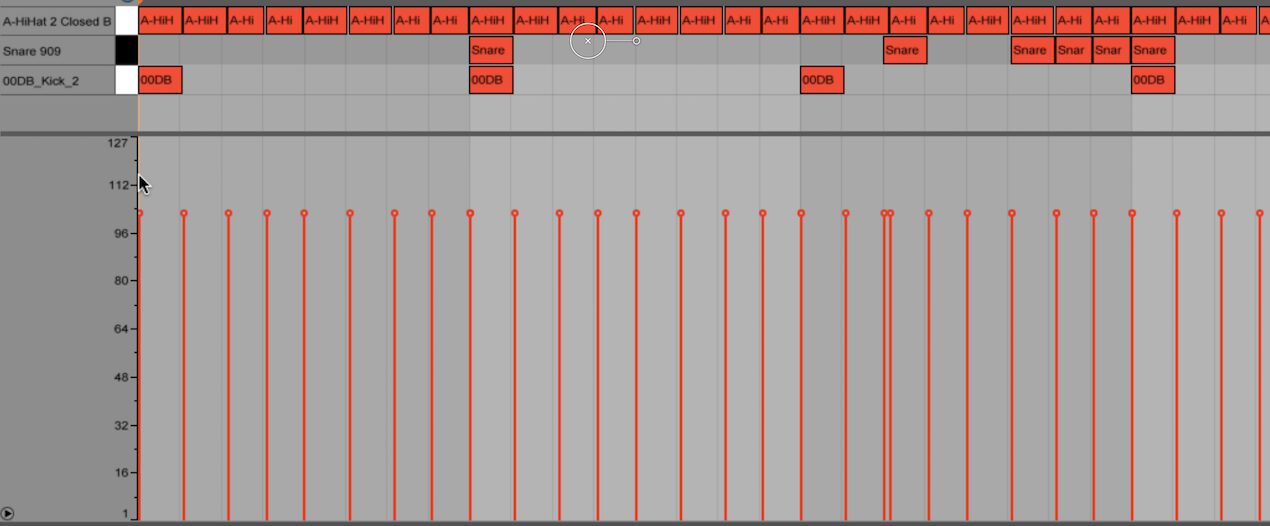
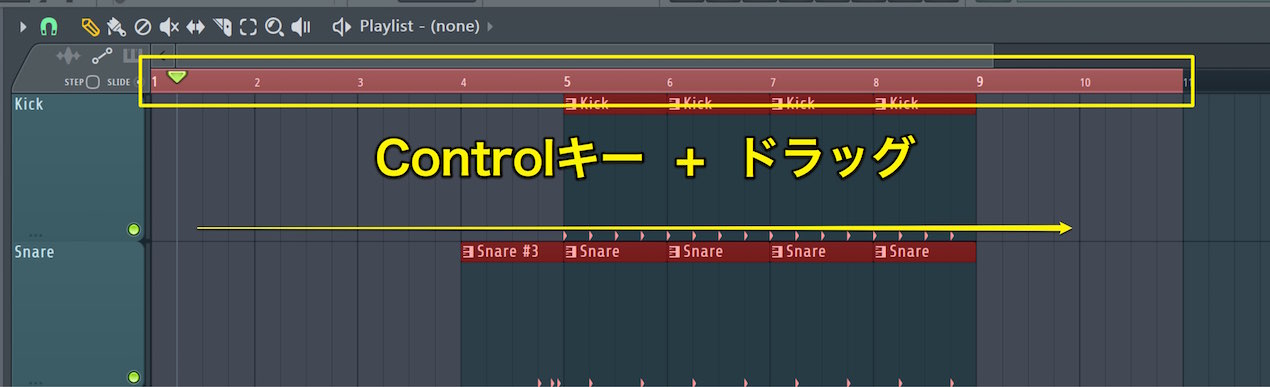
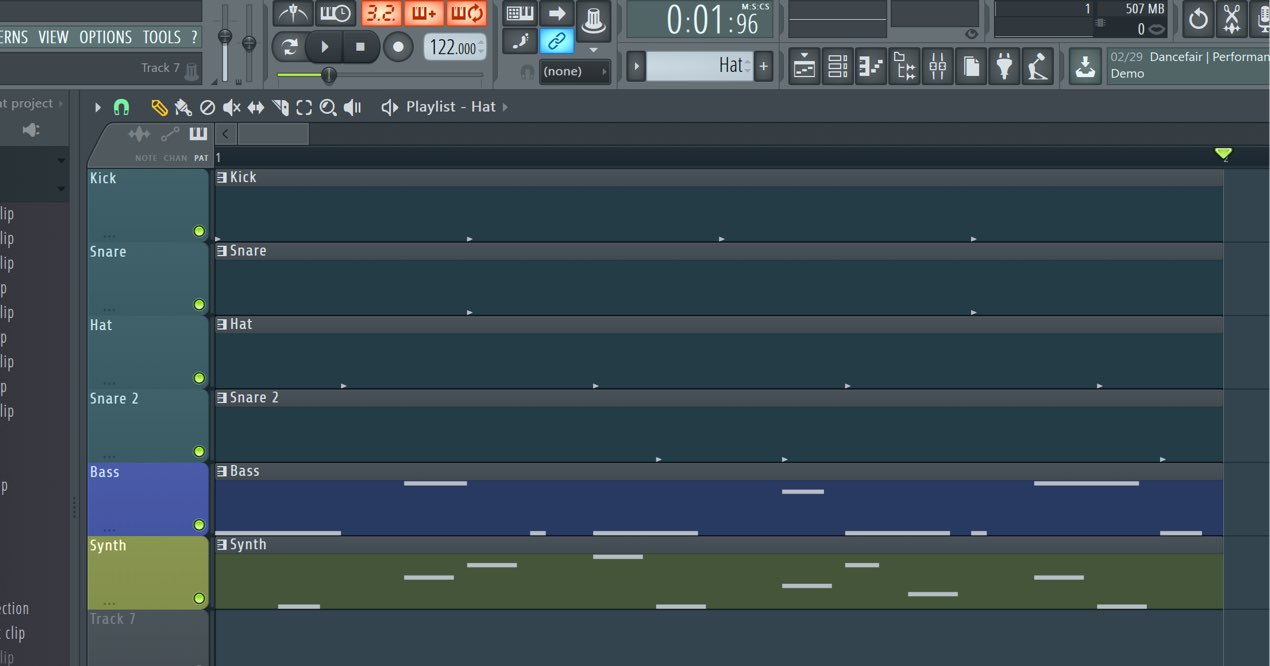
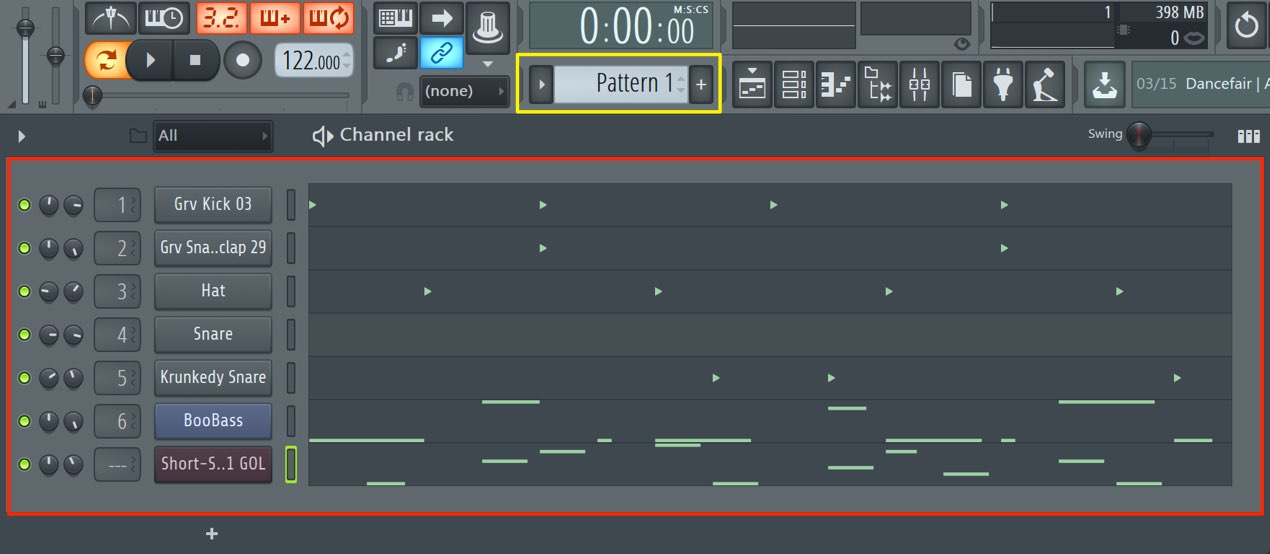
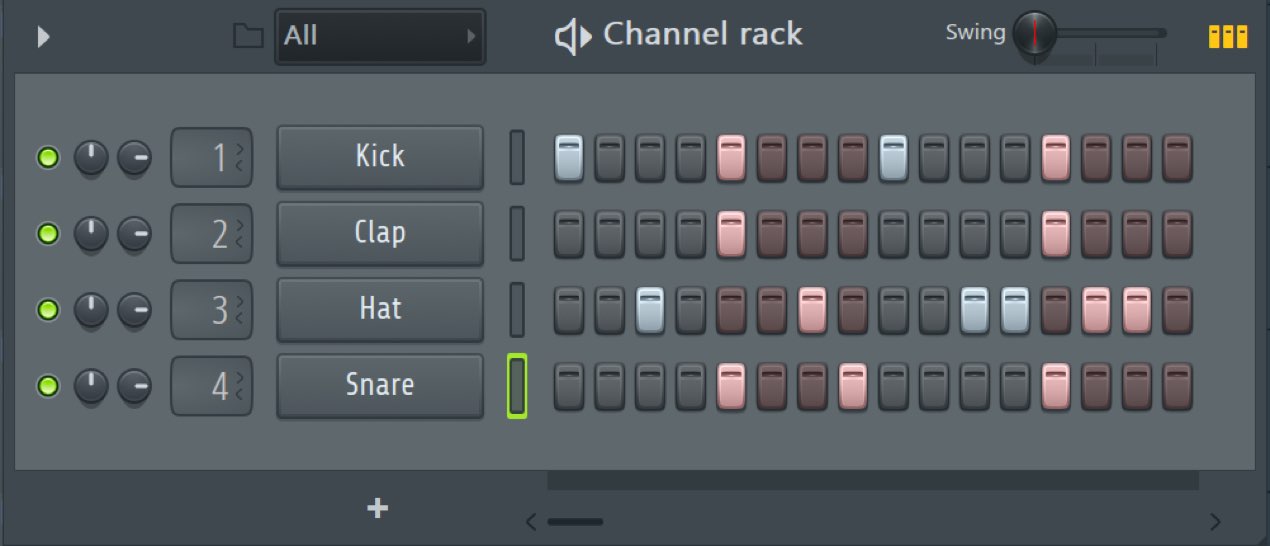
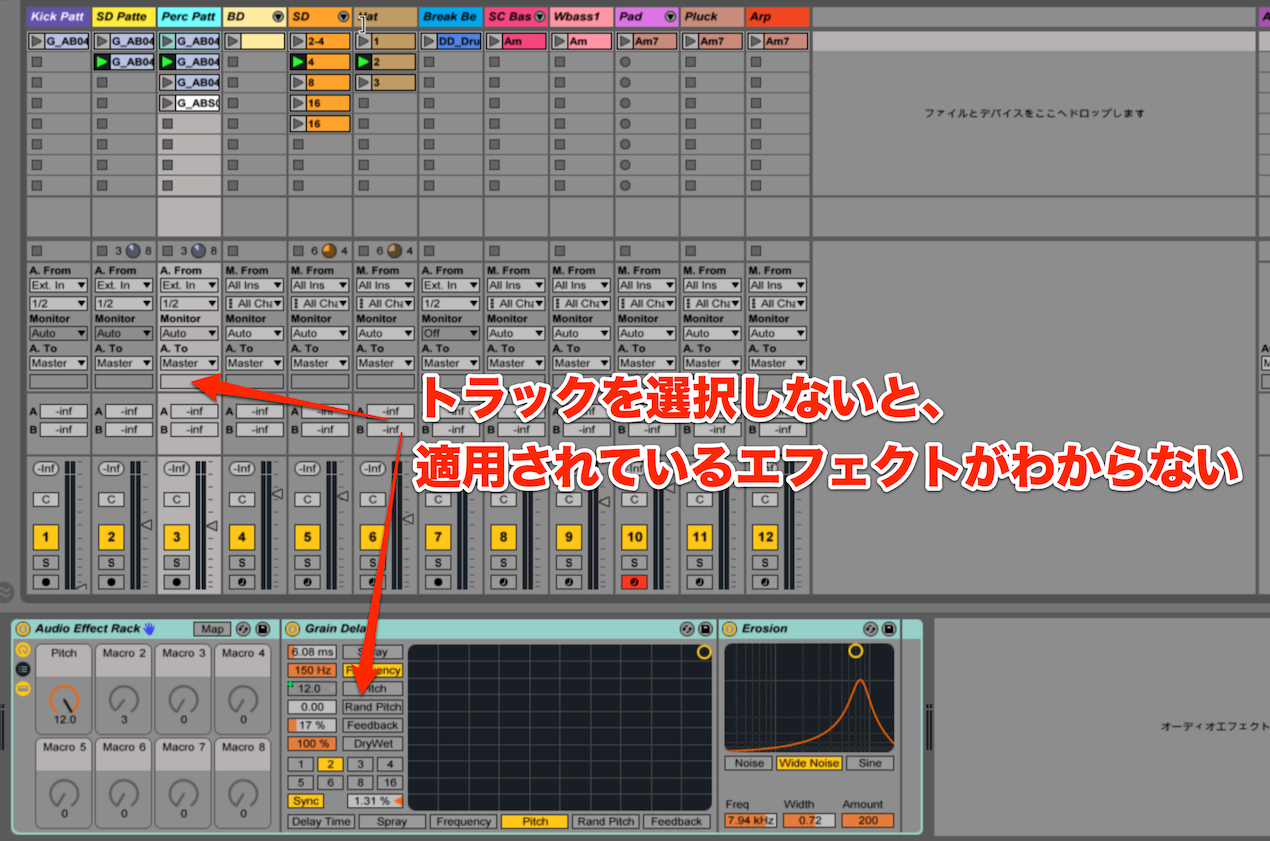
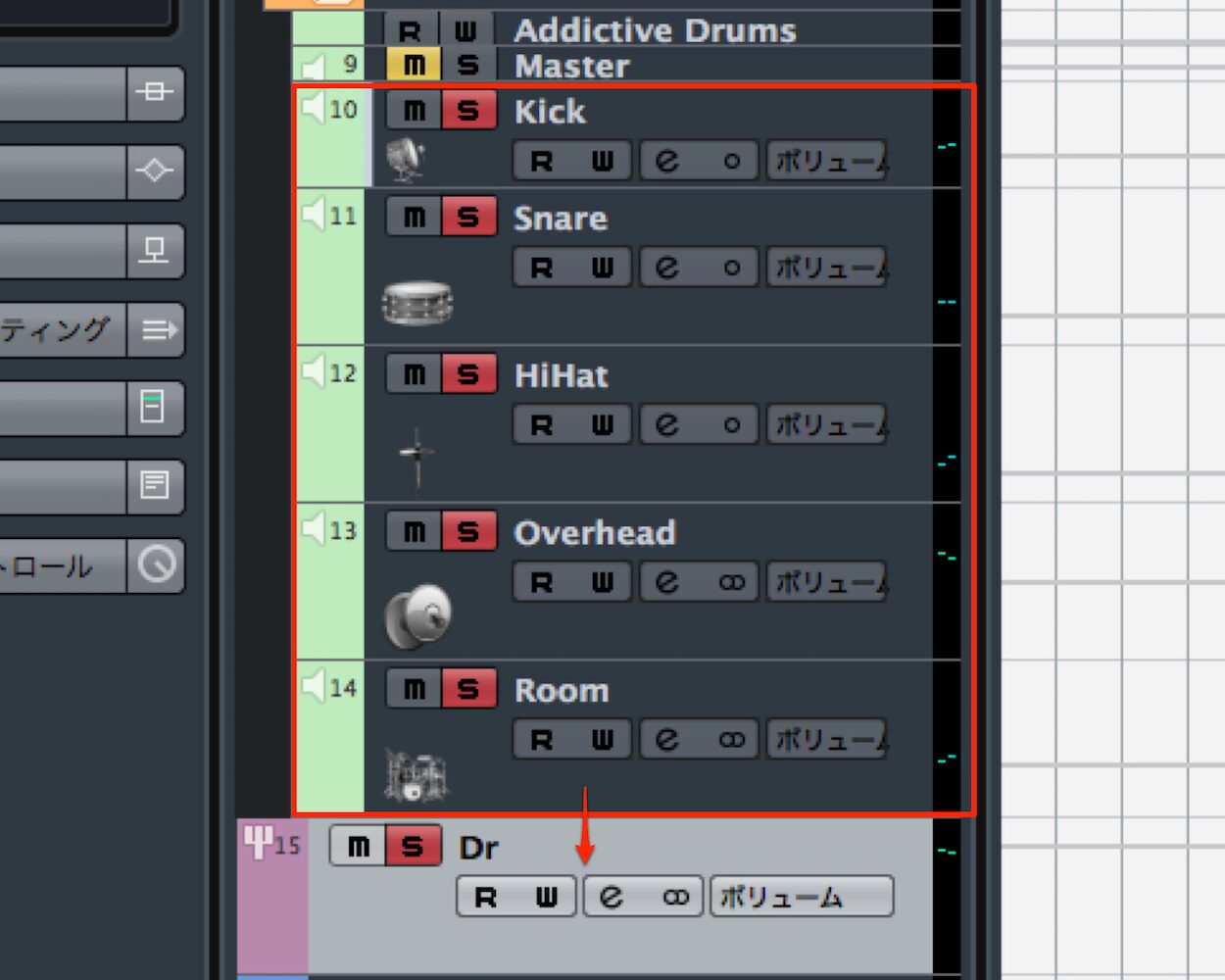
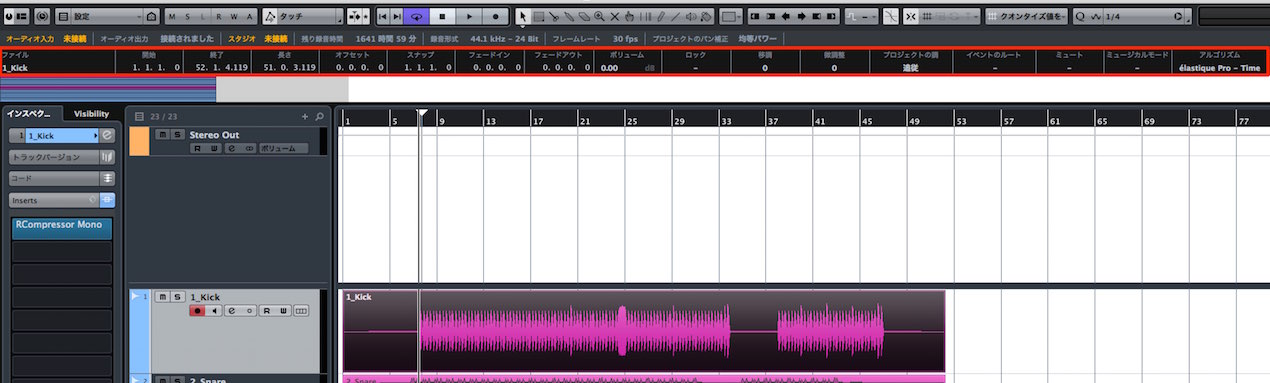
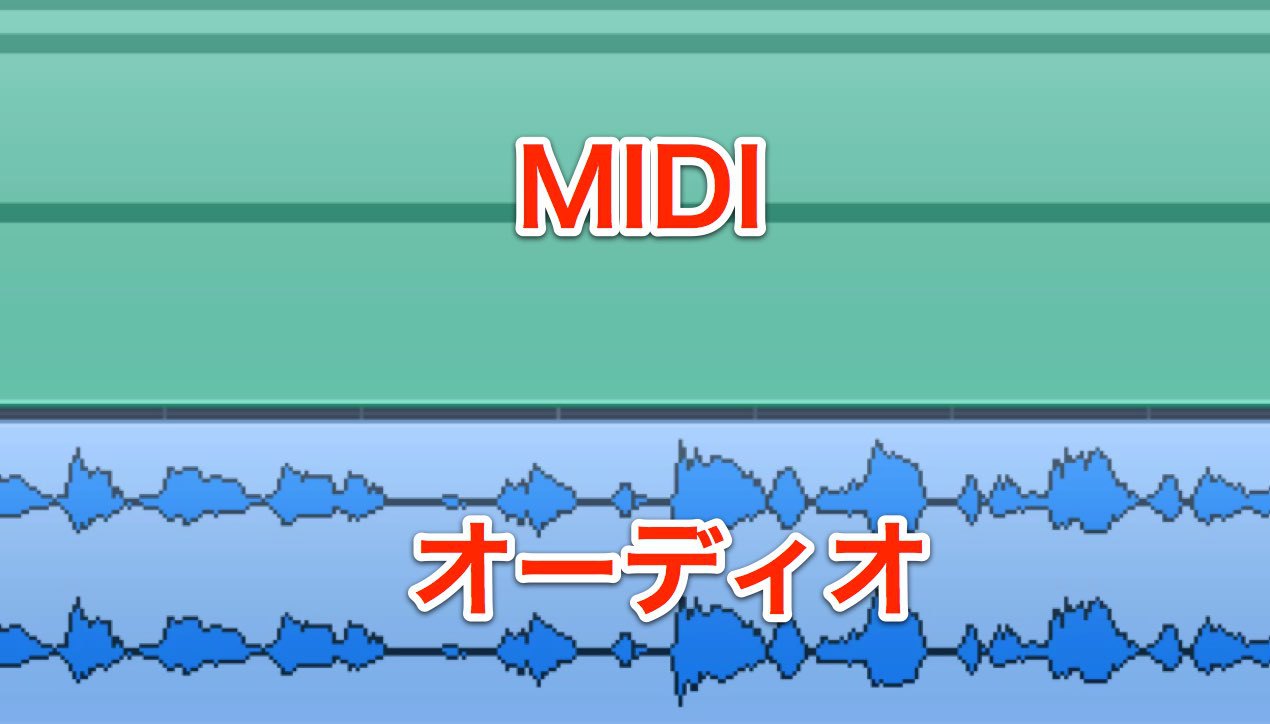
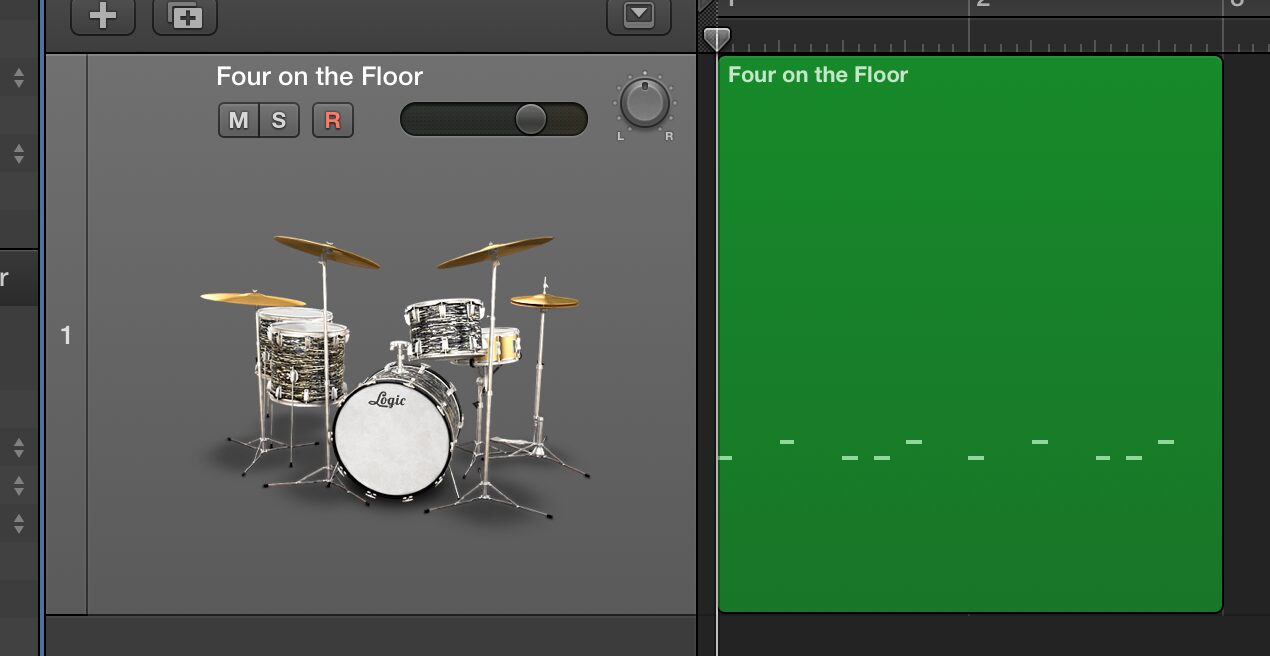
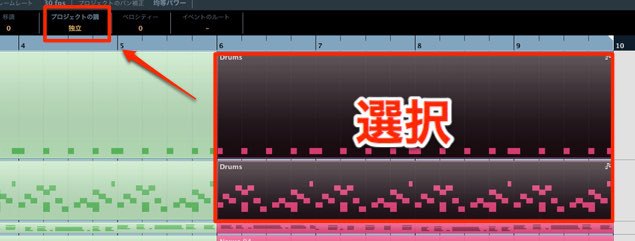
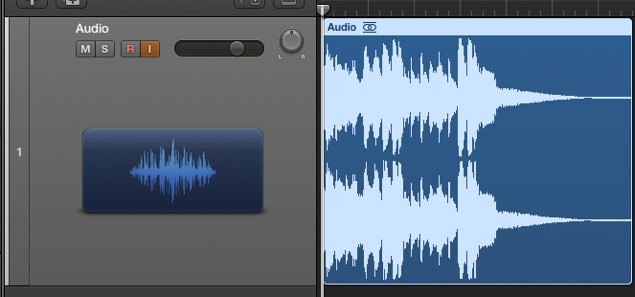
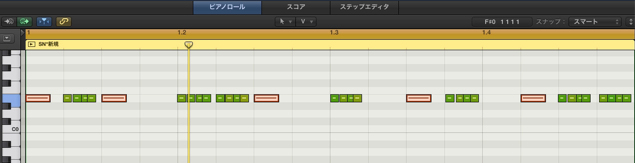
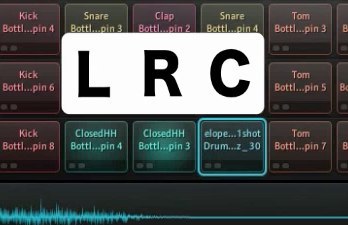
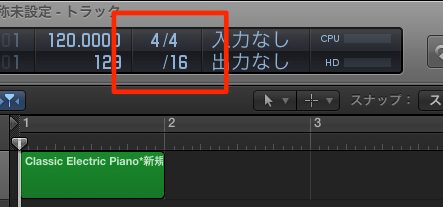
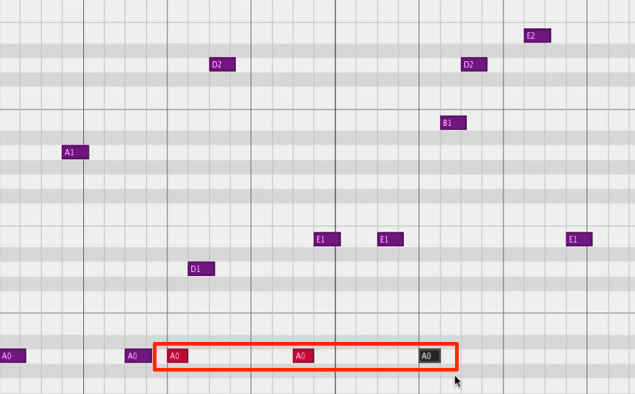
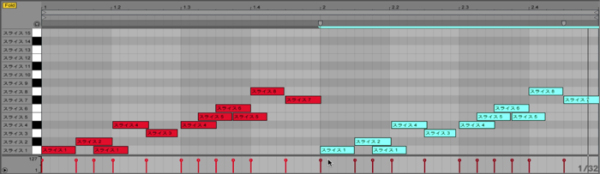
Layer the rhythms

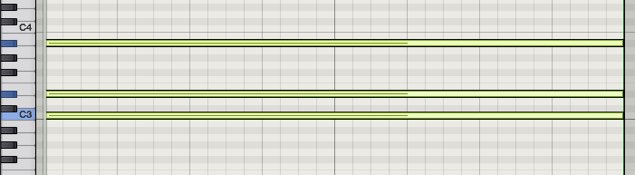
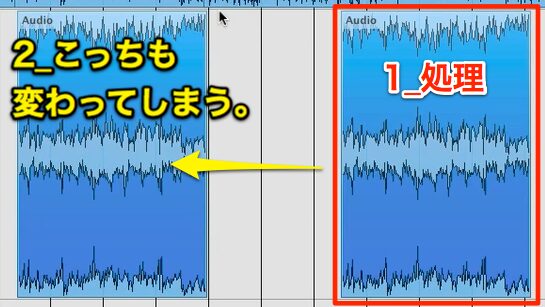
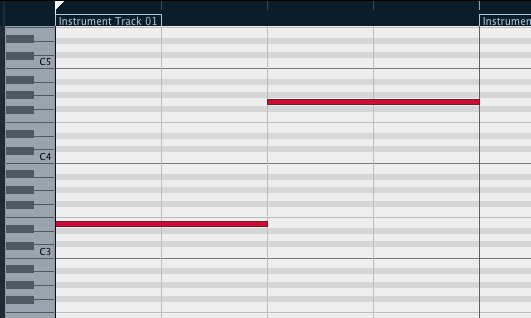
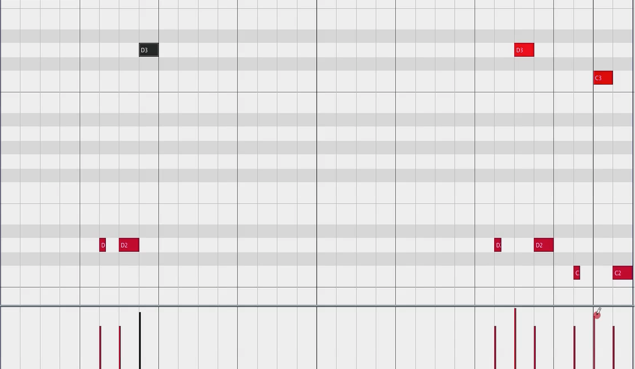
In a production, as shown above,
you might combine two or more loops.
When you do, the low end can become muddy,
leaving little room for a bass part.
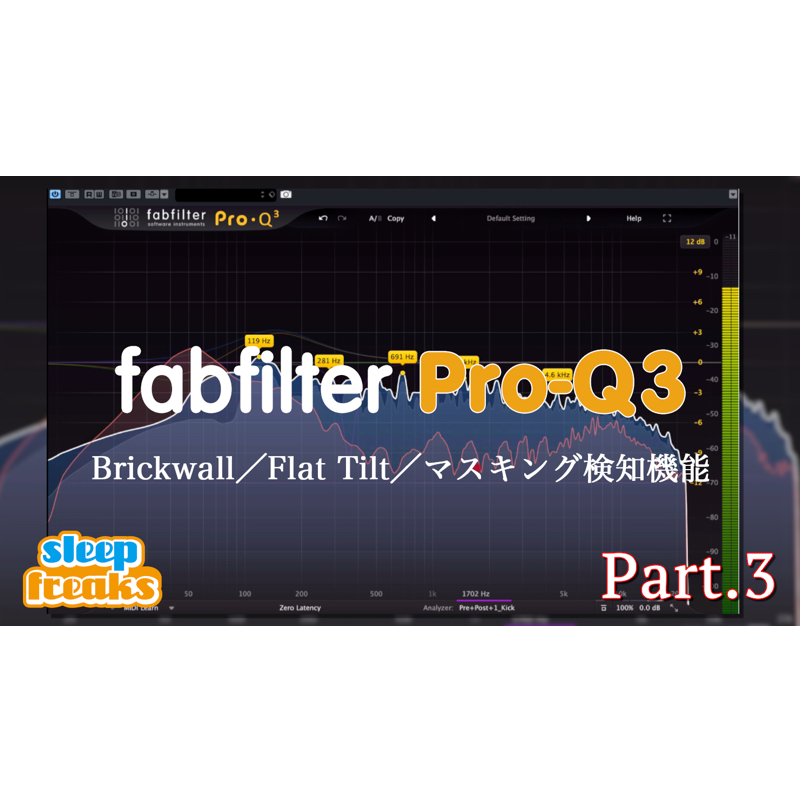
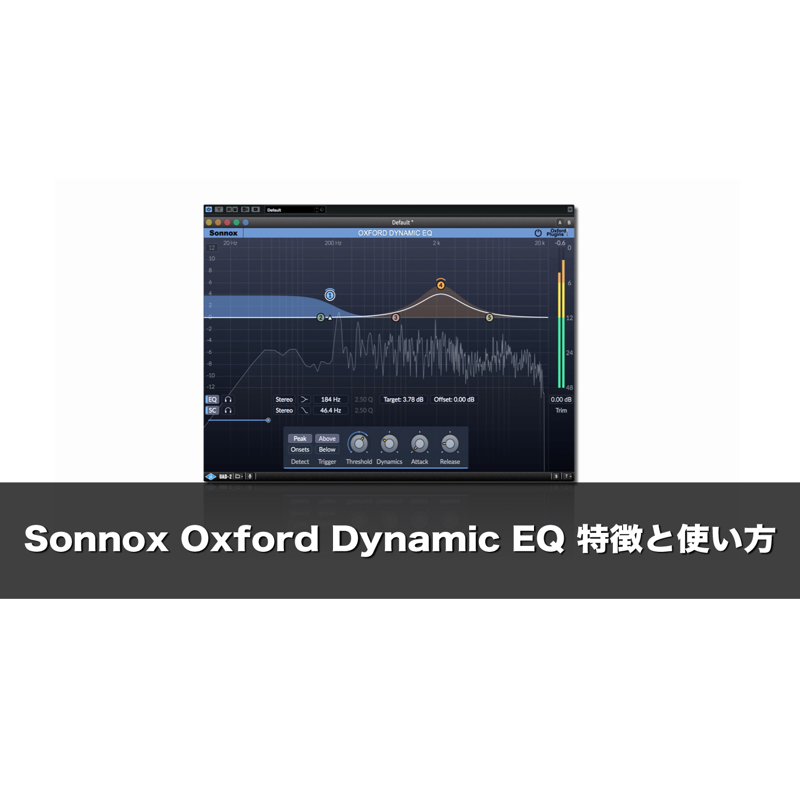
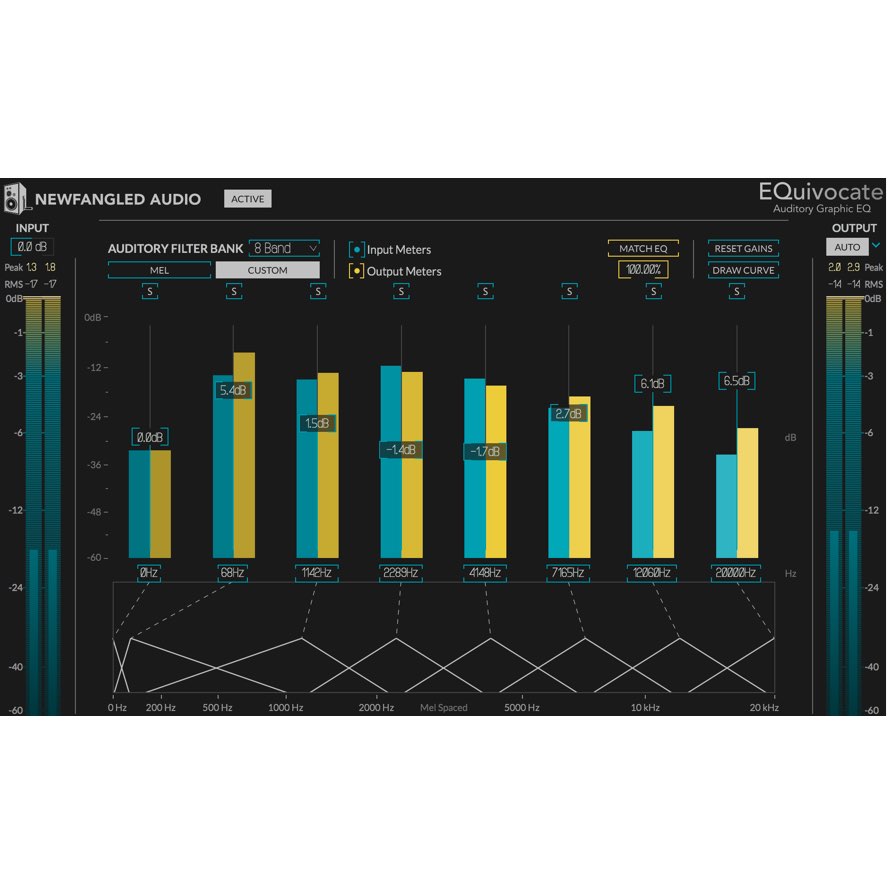
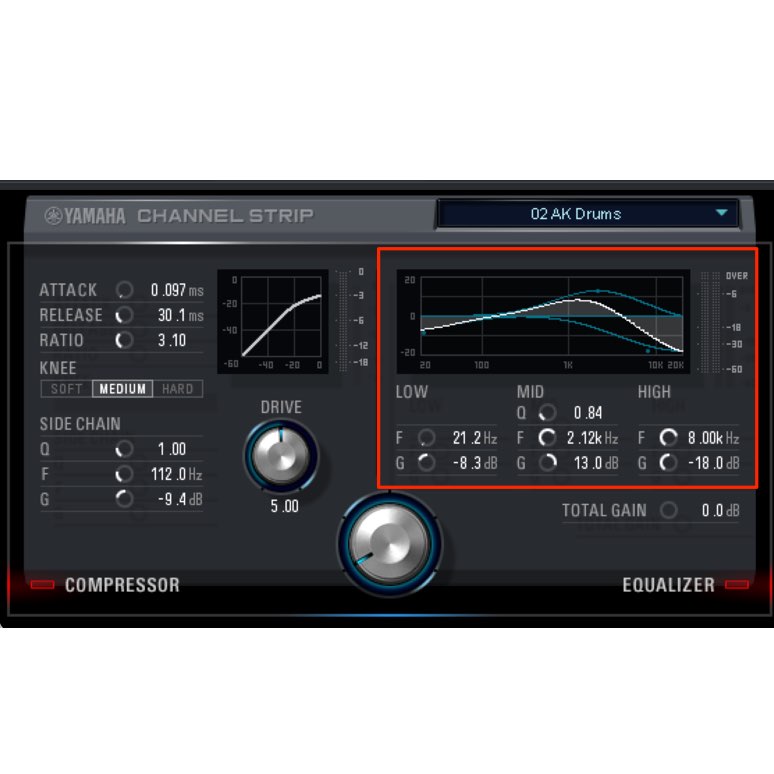
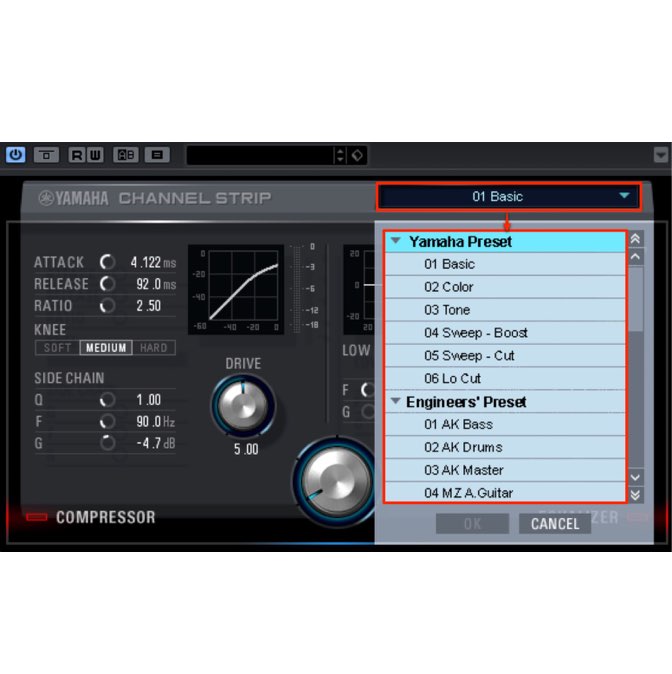
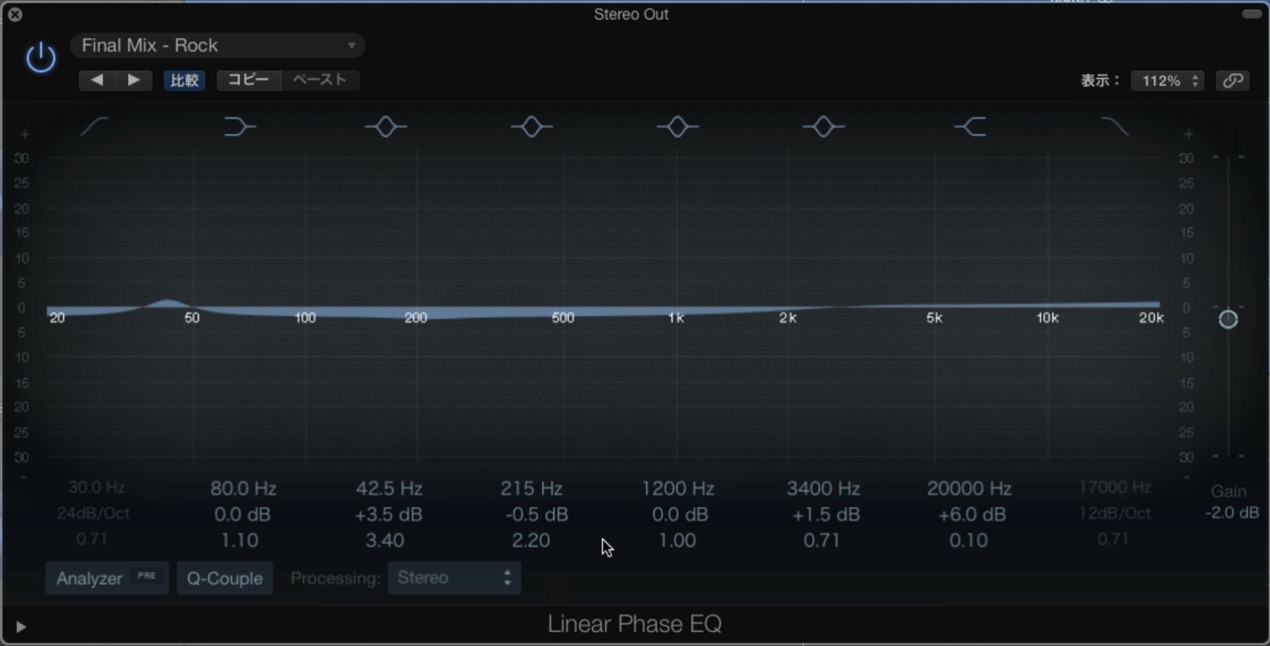
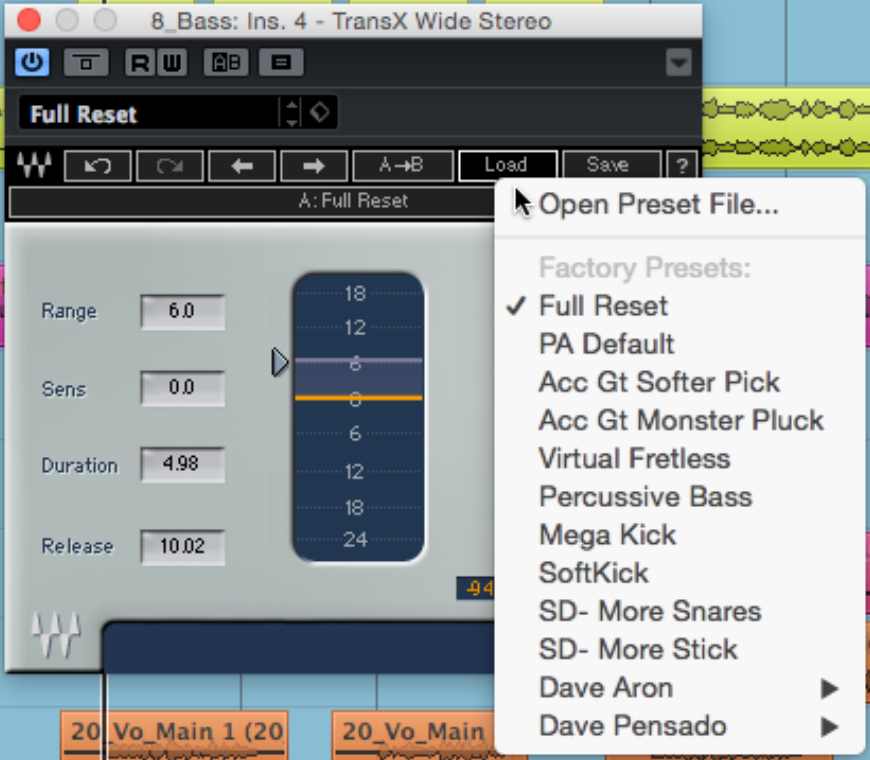
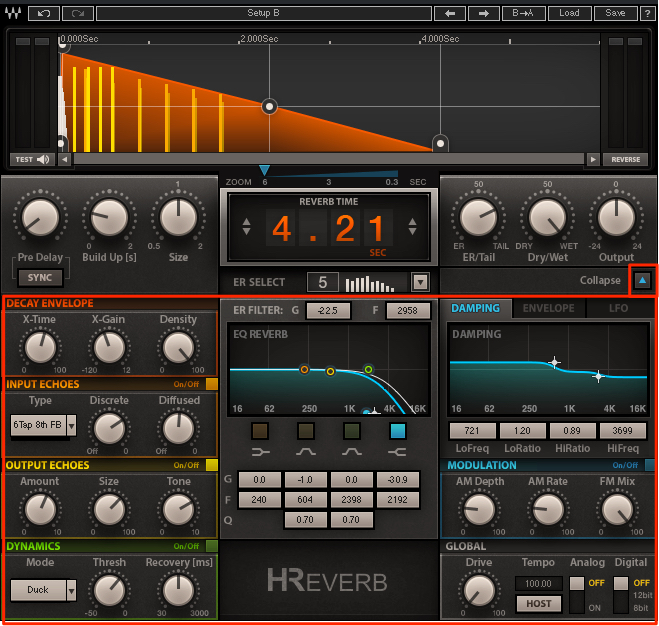
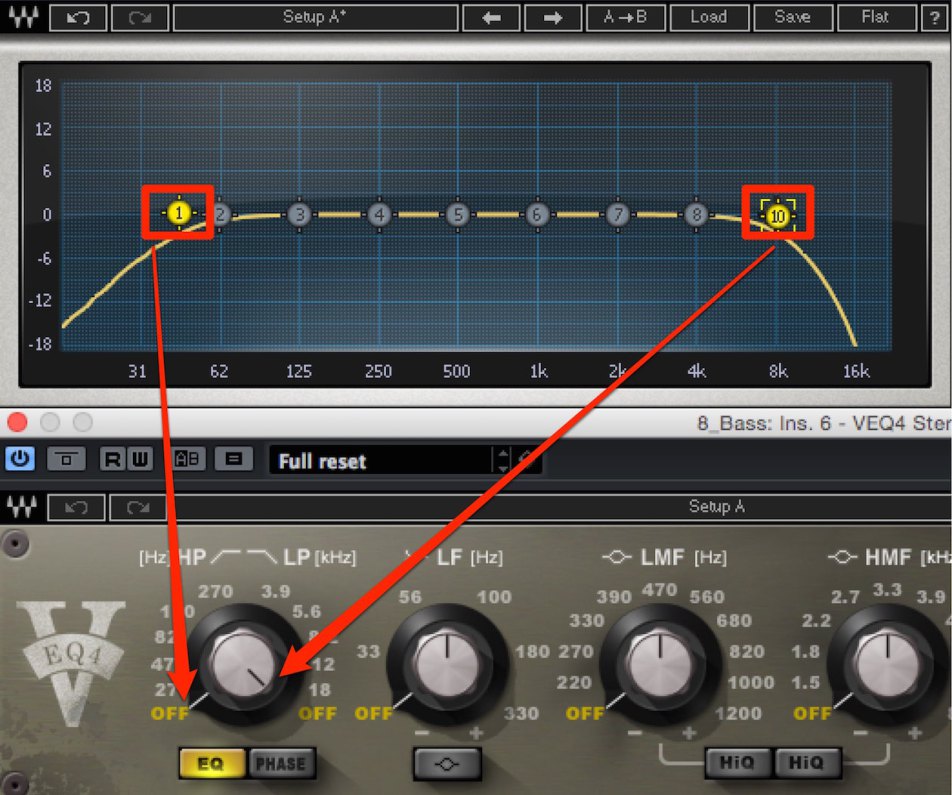
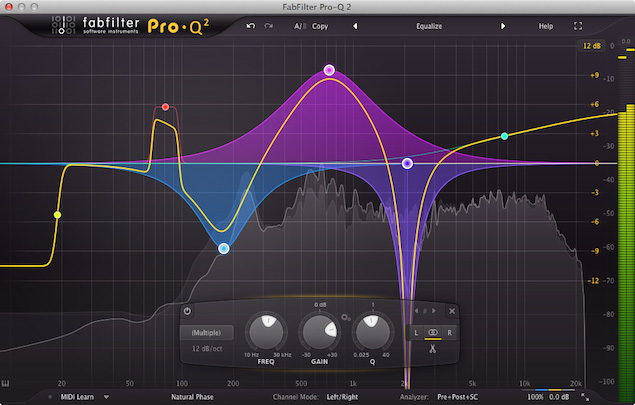
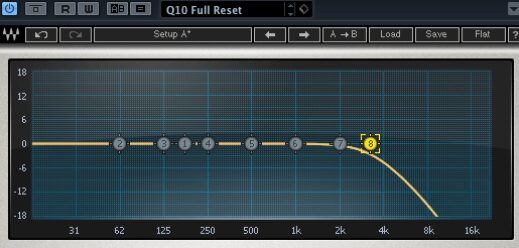
Cut the secondary rhythm with EQ

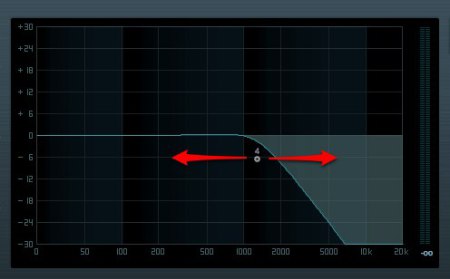
Apply EQ to the secondary rhythm and
cut a significant amount of low end.
This keeps it from getting in the way of the main rhythm
and allows you to create a lighter rhythm pattern.
Frequently Asked Questions
Q1. Why does the low end become muddy when layering rhythm loops?
When multiple loops are combined, their low-frequency content can overlap and compete, creating a muddy sound. Cutting the lows in the less prominent secondary rhythm with EQ helps leave space for the low end of the main rhythm.
Q2. Which frequencies should I cut when EQing the secondary rhythm?
In general, cutting from the sub-bass below 100 Hz up into the low mids around 200–400 Hz can help clean up the low end while retaining the rhythm’s presence. Adjust the range to suit the samples and genre.
Q3. What if the rhythm still lacks impact after EQ?
Check the frequency balance of the main rhythm itself and consider boosting the highs or upper mids to add presence. You can also try approaches beyond EQ, such as adding a rhythm loop with a different character.
NEW ARTICLES
Latest English Articles