FabFilter Pro-Q 2 introduced several powerful features for music production. This article covers adjustable interface sizes, new EQ types including Band Pass and Tilt Shelf, automatic gain compensation, and a piano keyboard that helps visualize the relationship between frequency and pitch. These features make detailed editing easier and help users assess sound while mixing.
A New Version of Pro-Q with Powerful Features
We recently introduced a high-performance equalizer
that is easy to see, understand and use: FabFilter Pro-Q.
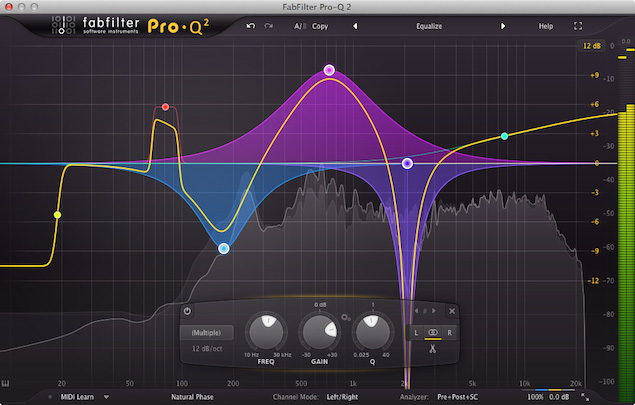
Now its successor, FabFilter Pro-Q 2, has been released.
It adds many useful features and represents a significant evolution.
We will cover the new features in two parts.
FabFilter Pro-Q 2 Tutorial Videos
Customize the Interface Size
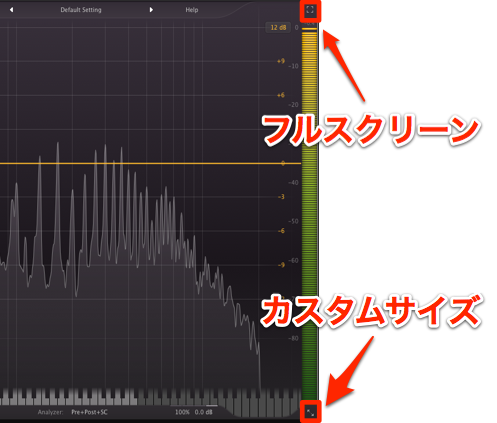
FabFilter Pro-Q 2 lets you adjust the size of its interface.
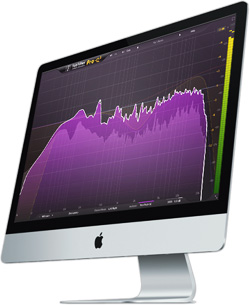
This makes detailed editing easier.
Additional EQ Types
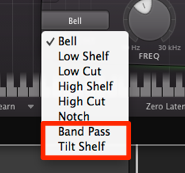
New EQ types have been added.
Band Pass
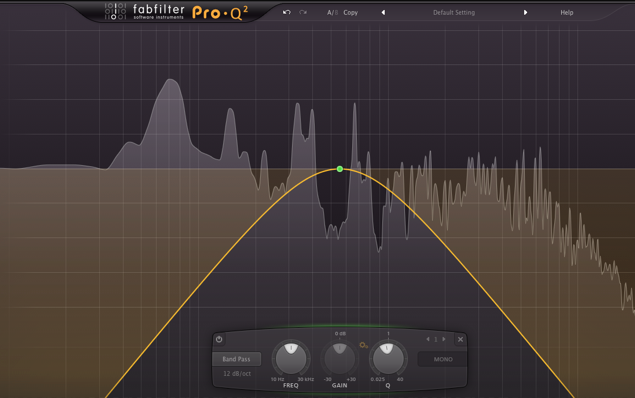
This familiar filter type cuts the low and high frequencies.
It gives the sound a distinctive radio-like character.
Tilt Shelf
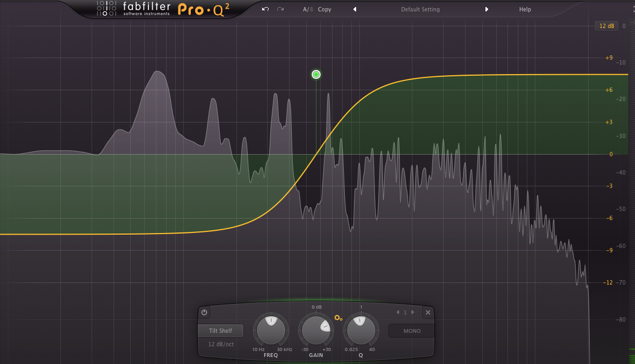
Choose a pivot point, and the filter boosts one side while cutting the other.
This is a relatively unusual EQ type.
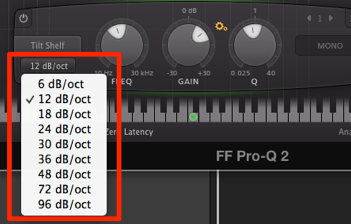
More EQ slope options are available as well.
Auto Gain
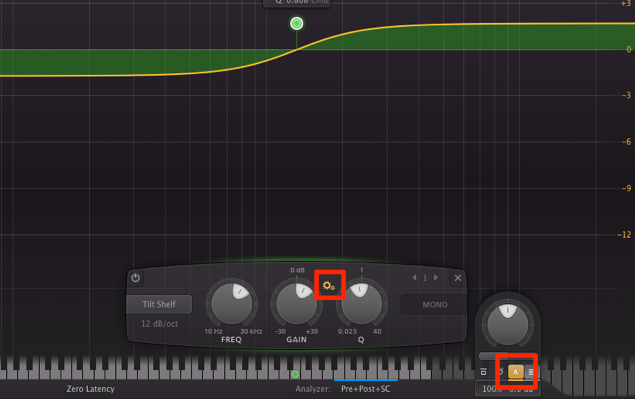
- Left red box: Gain and Q are linked to prevent extreme volume changes.
- Right red box: The level is adjusted automatically when an EQ point is boosted or cut.
This makes it easier to judge sound quality without being swayed by changes in volume.
Piano Keyboard
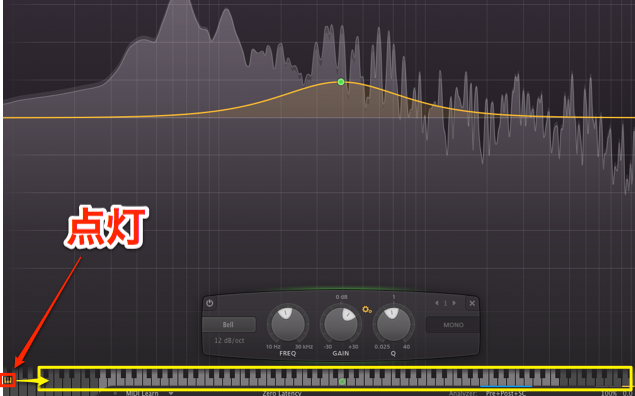
Enable the piano button to display a keyboard along the bottom.
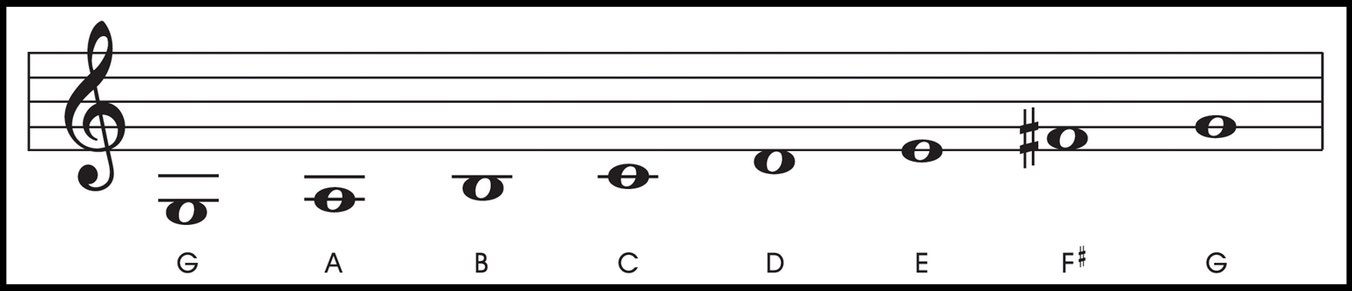
This helps you identify the approximate pitch corresponding to a frequency
and learn the relationship between frequencies and keyboard notes.
Frequently Asked Questions
Q1. What does Auto Gain do in FabFilter Pro-Q 2?
Auto Gain compensates for level changes when you boost or cut with EQ, helping you judge tonal changes without being swayed by volume differences. This makes it easier to evaluate EQ more objectively.
Q2. How is the new Tilt Shelf EQ type used?
Tilt Shelf uses a pivot point to boost one side of the spectrum while cutting the other. It can be used for tonal adjustments and creative sound design.
Q3. What can I learn from the piano keyboard feature?
The piano keyboard helps you see which pitches correspond to the frequencies you are working on, making the relationship between frequency and musical notes easier to understand.
NEW ARTICLES
Latest English Articles