In progressive house and trance, noise can do more than provide a simple white-noise layer. This article covers MIDI programming and sound shaping with EQ, distortion and sidechain compression to fill gaps and add thickness to a track. It uses examples of synthesizers from Logic, Cubase, Ableton Live and Native Instruments.
Noise Techniques

For those looking to produce progressive house or trance,
here are some MIDI programming tips for commonly used sounds.
Following the previous article on bass, this time we will look at noise.
Video Navigation
Role and Sound Selection
Noise is versatile: combined with effects, it can be used as a sound effect, for example.
Here, its role is to fill gaps in the track and add thickness.
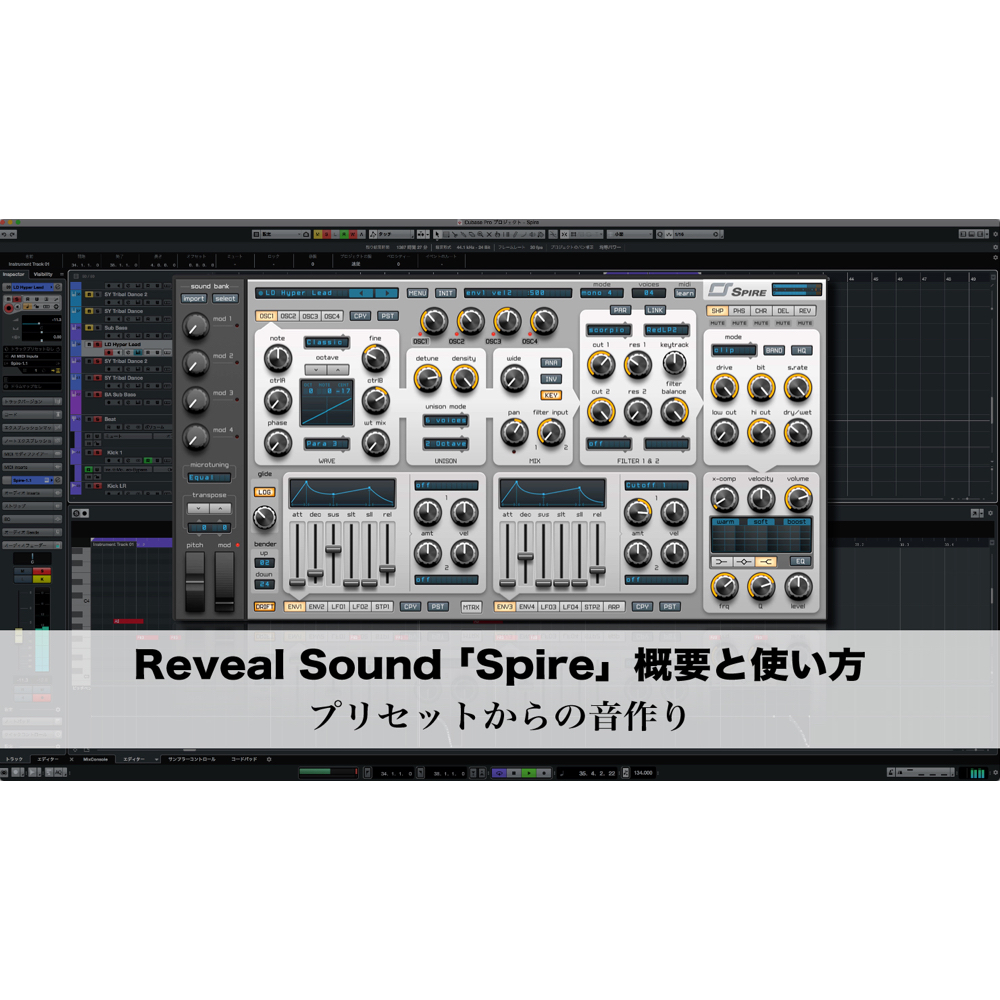
Use white noise or a similar source, available in synthesizers included with many DAWs.
Logic: ES2

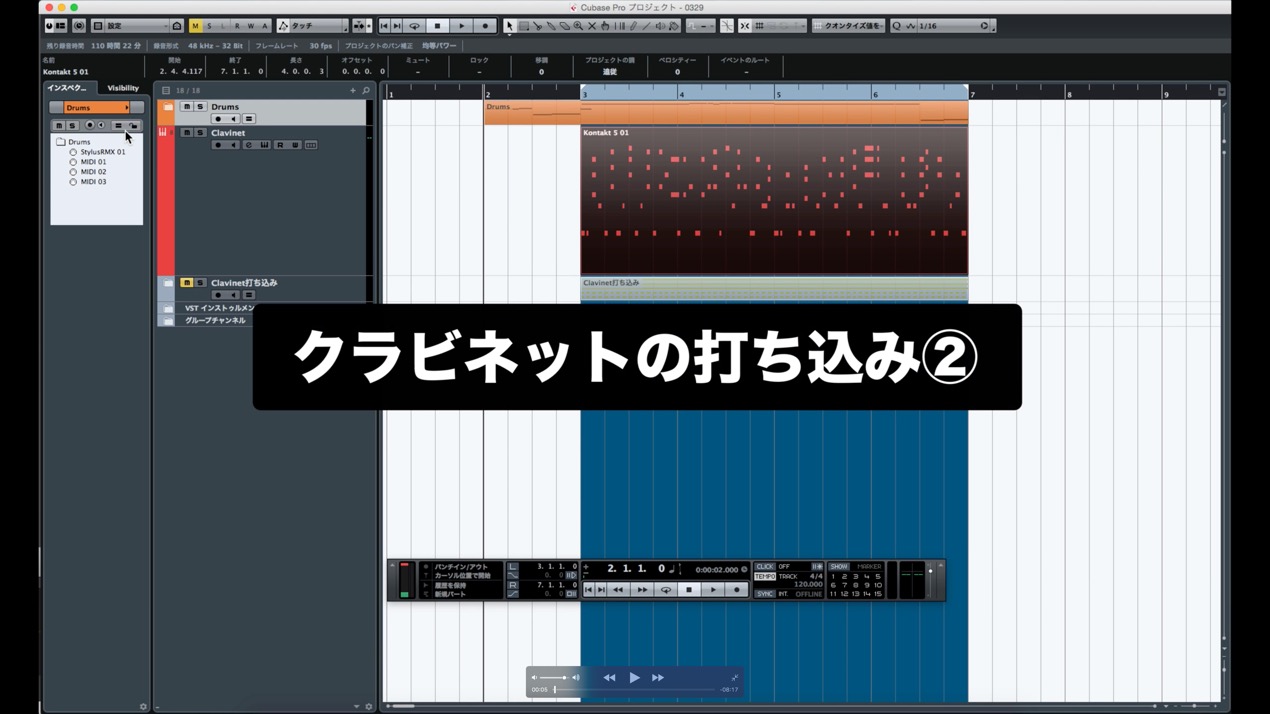
Cubase: Retrologue

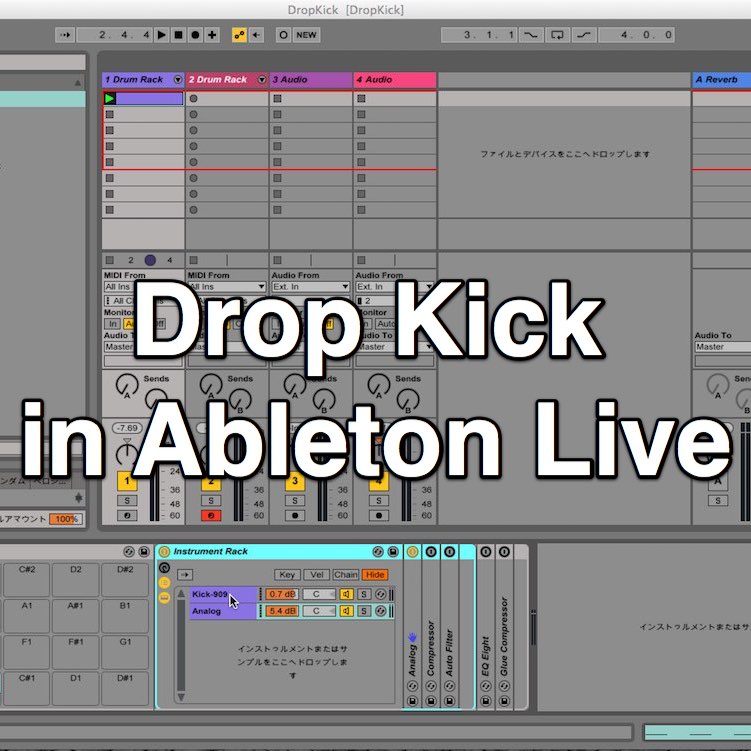
Ableton Live: Operator

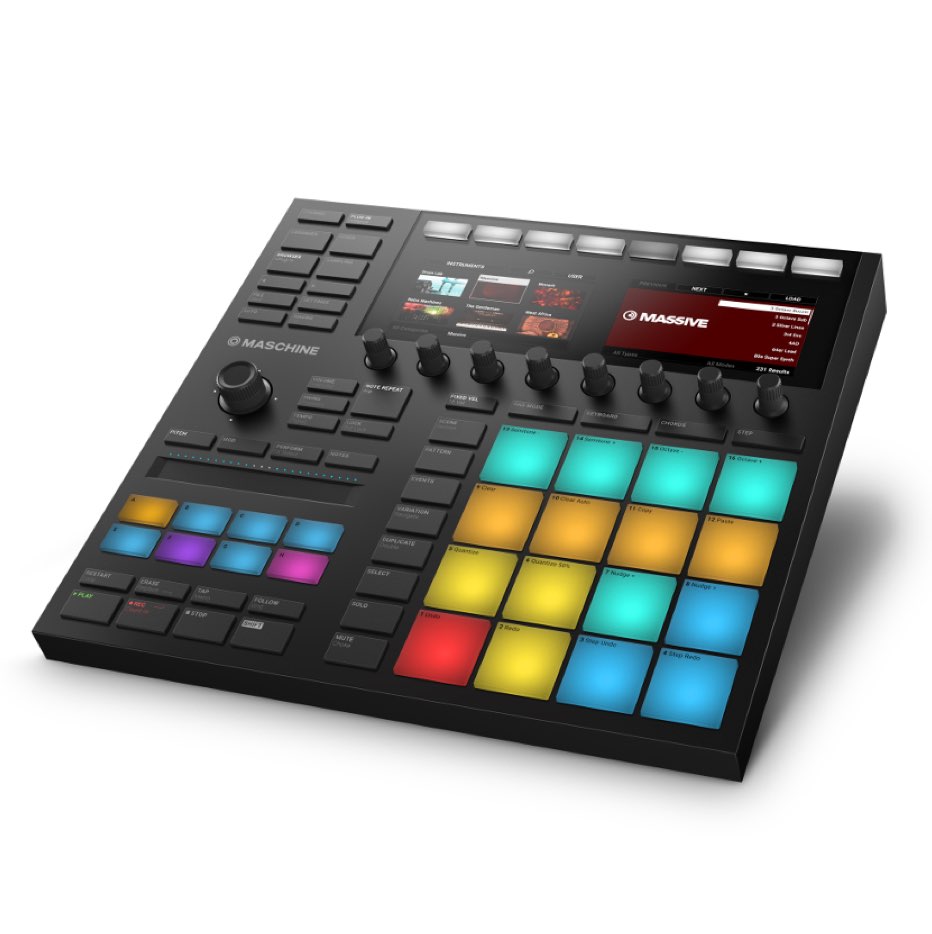
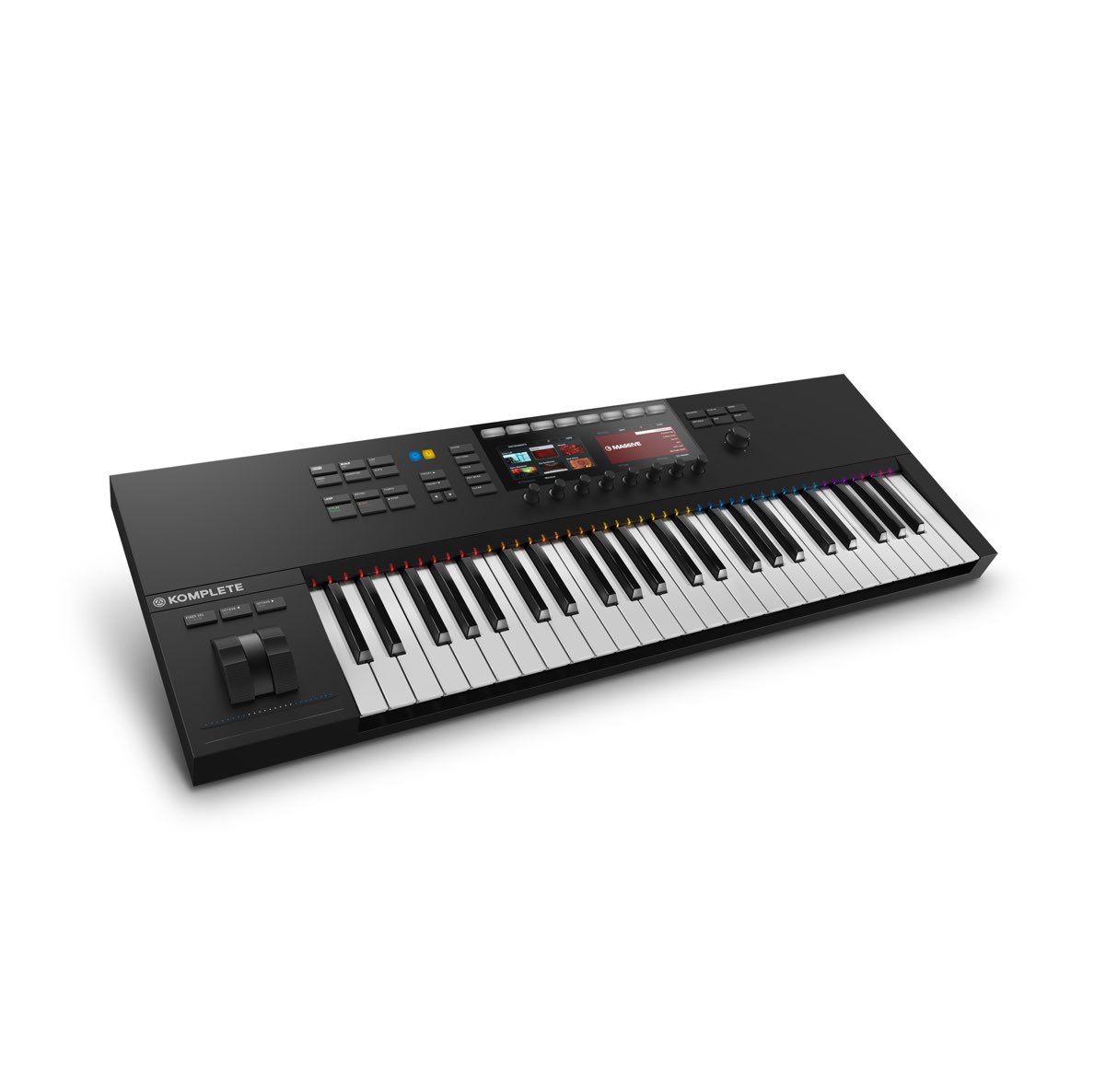
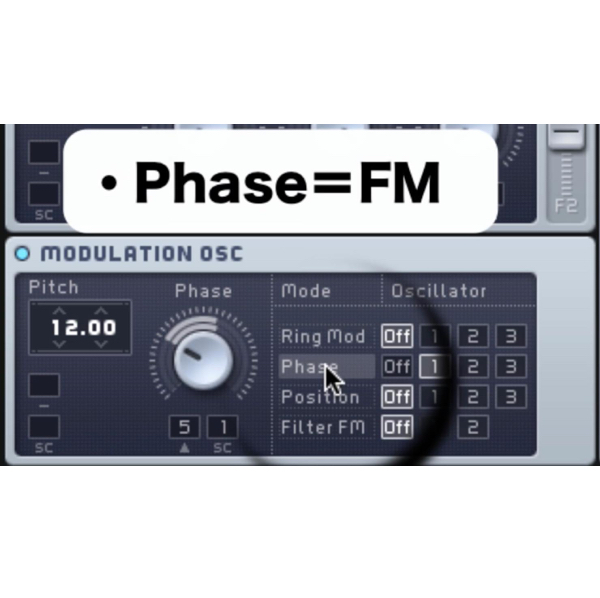
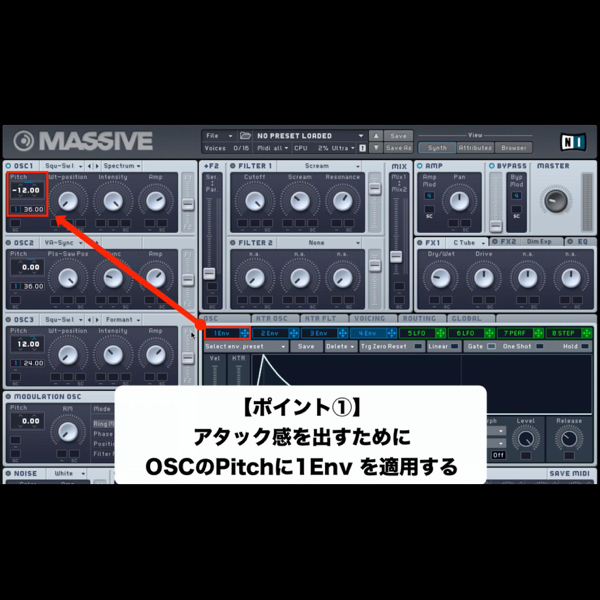
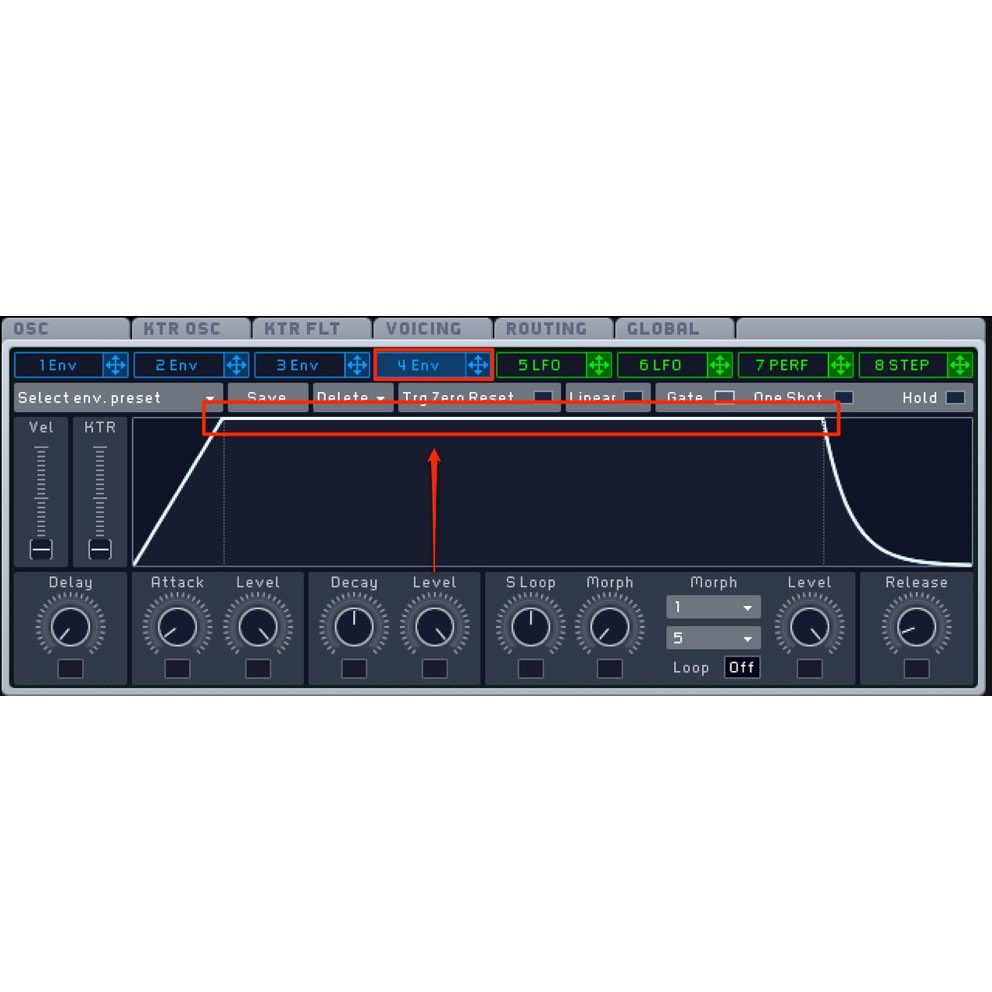
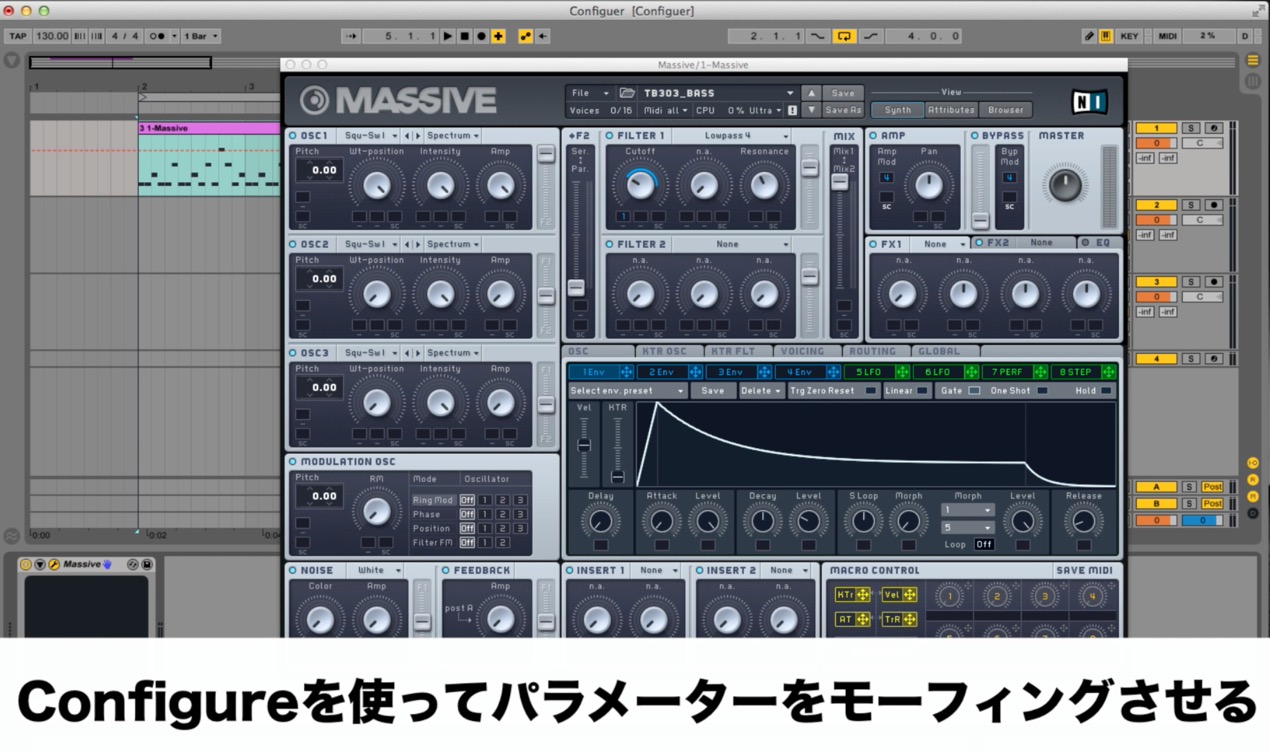
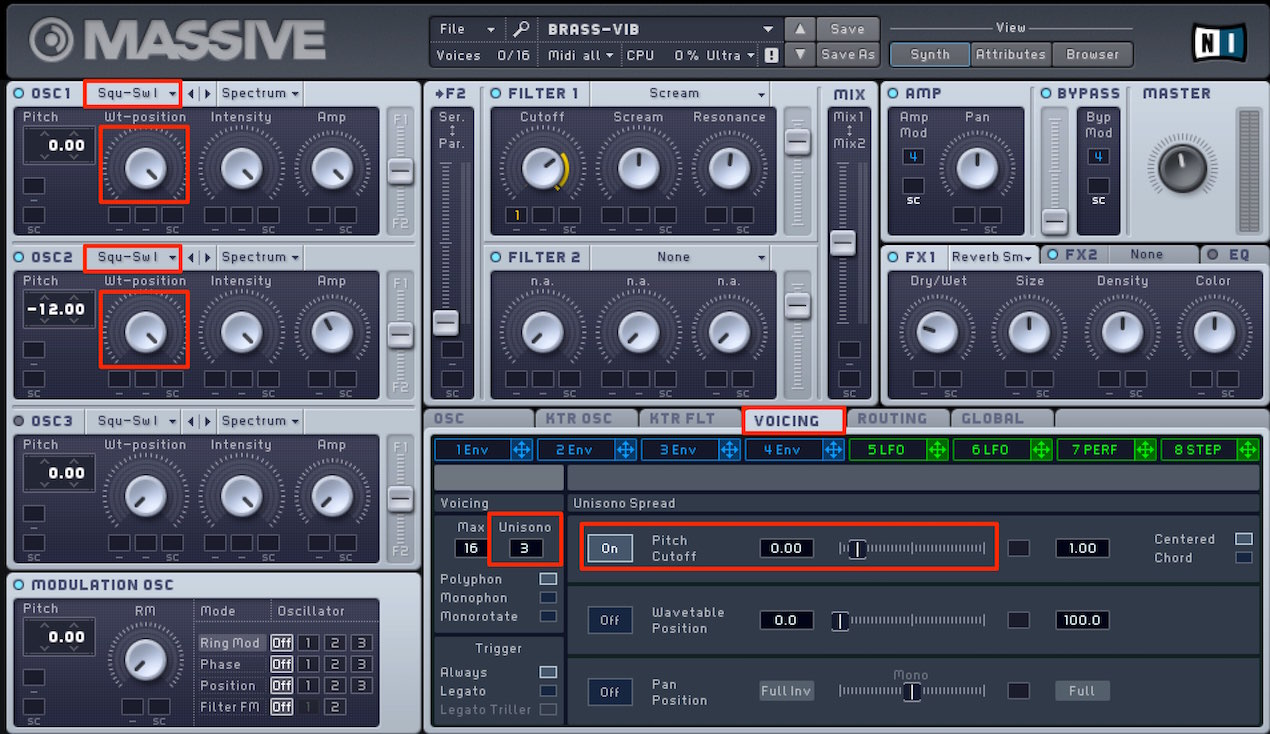
Native Instruments: Massive

MIDI Programming

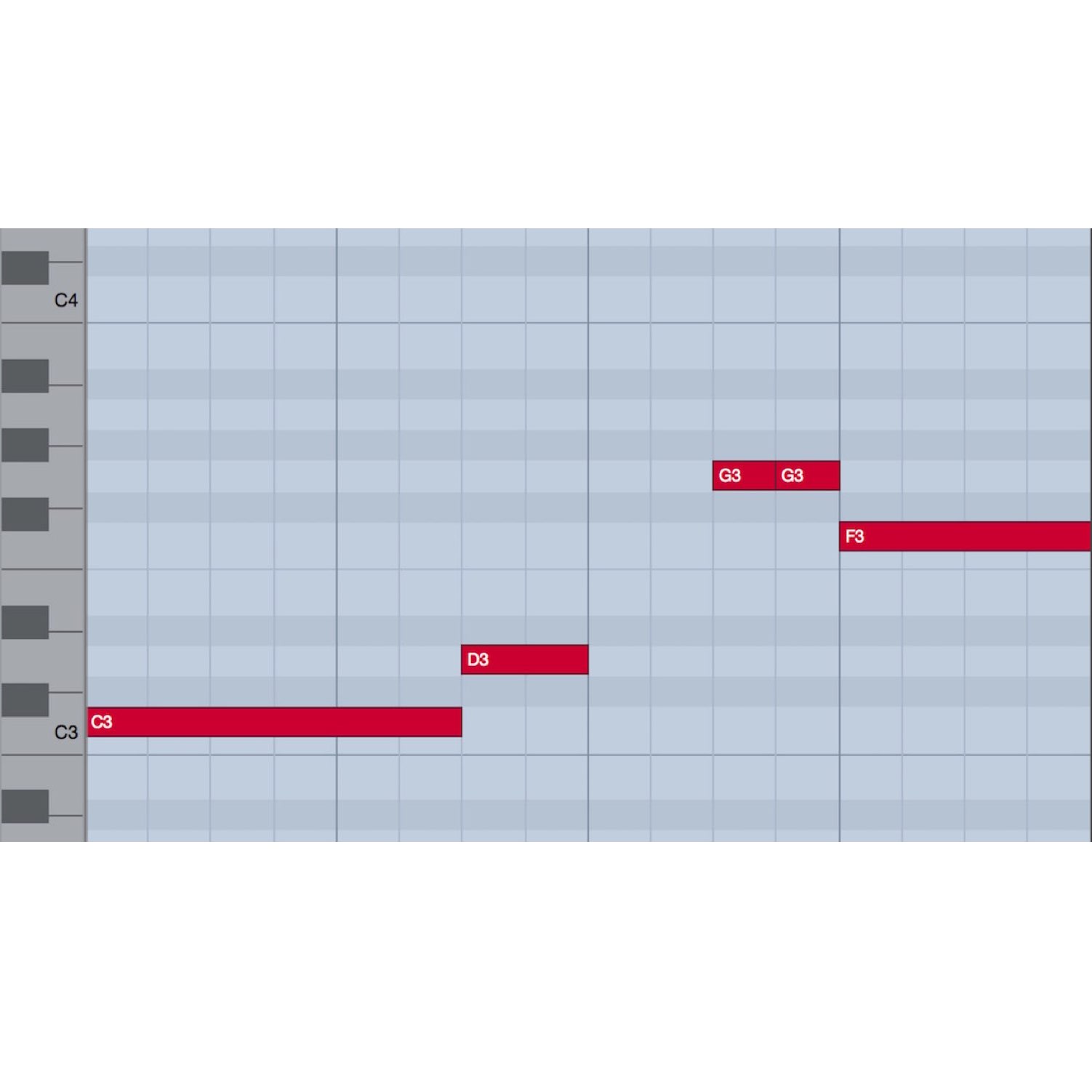
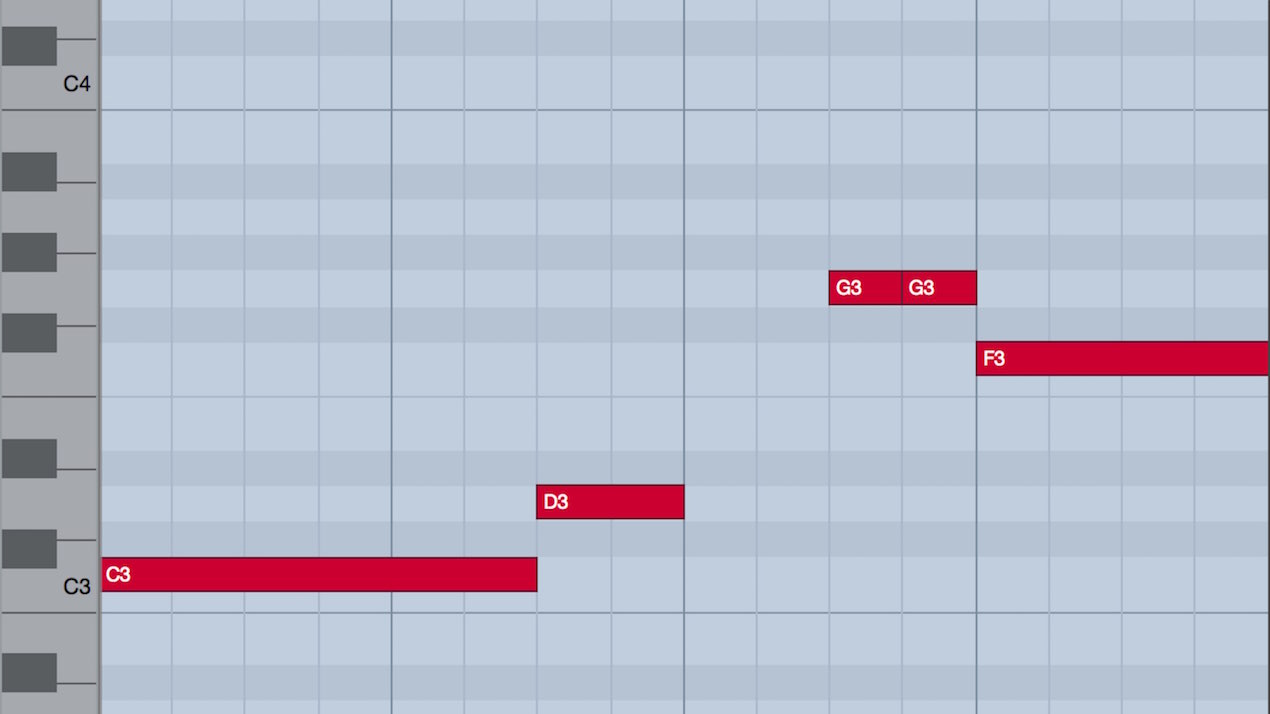
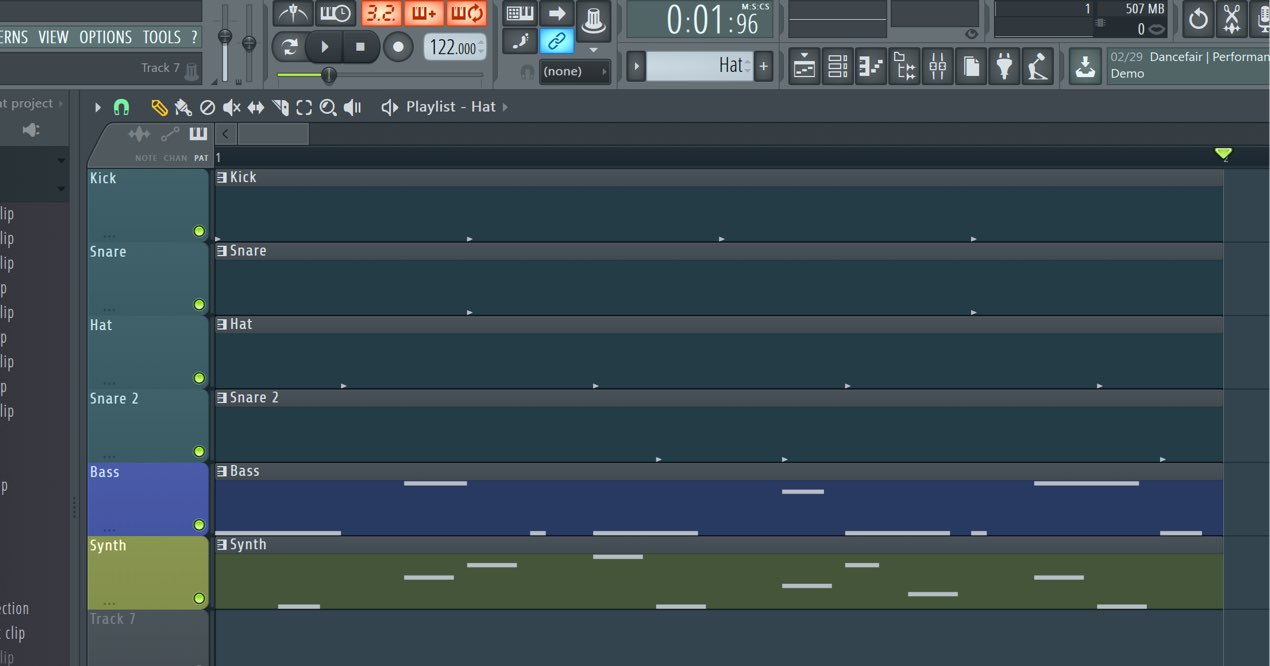
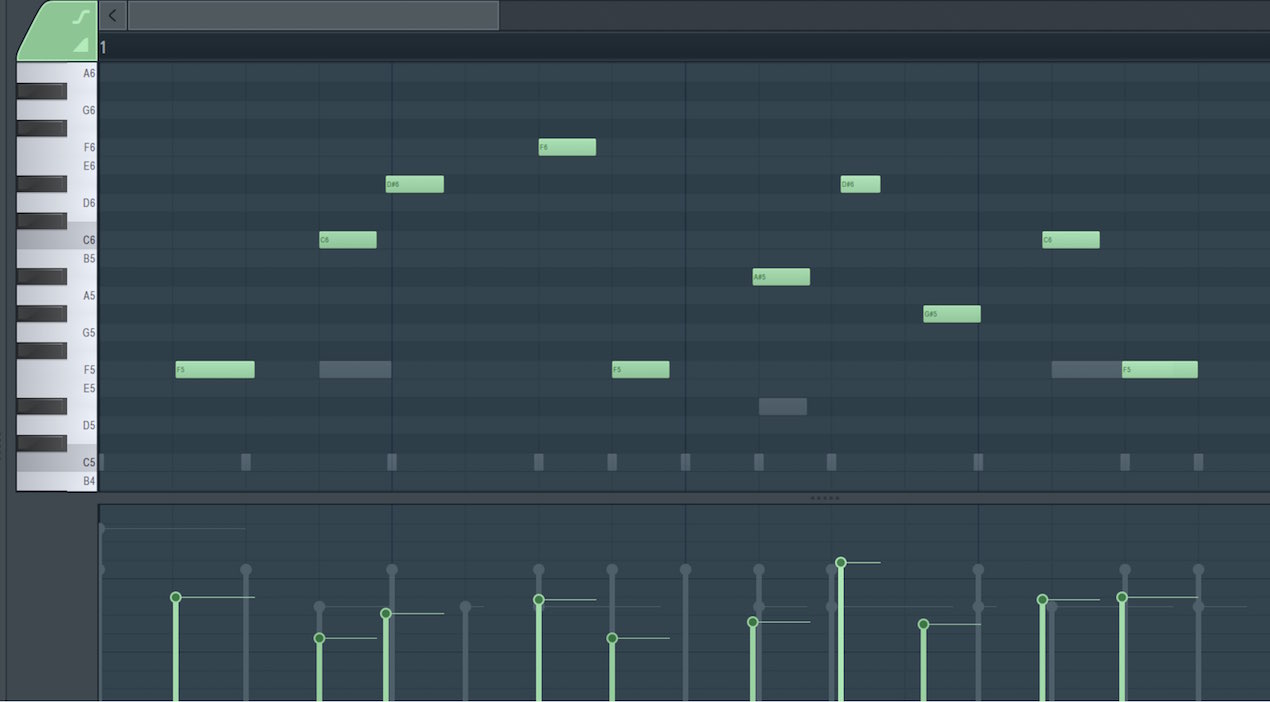
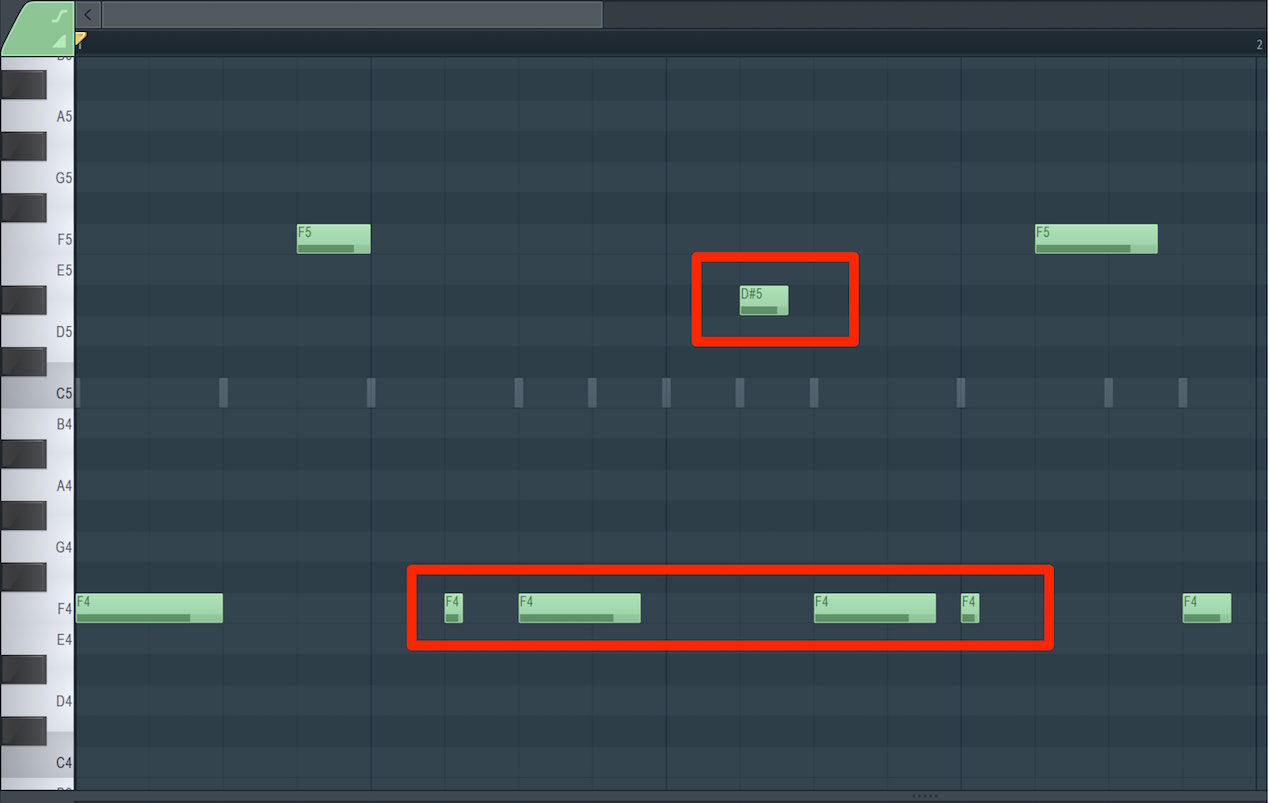
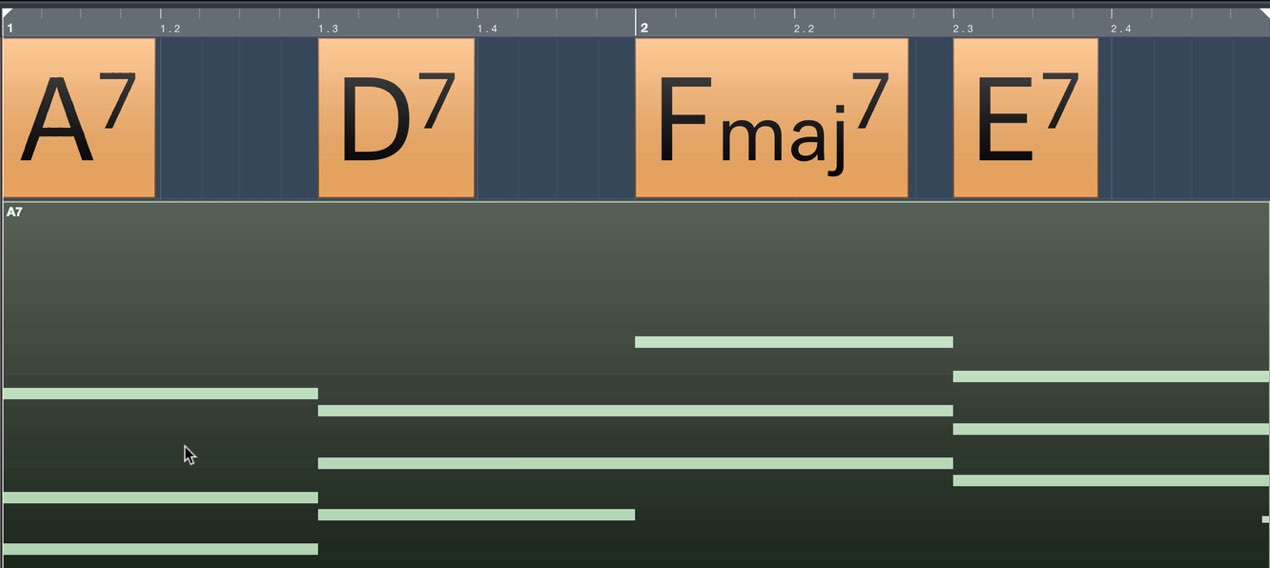
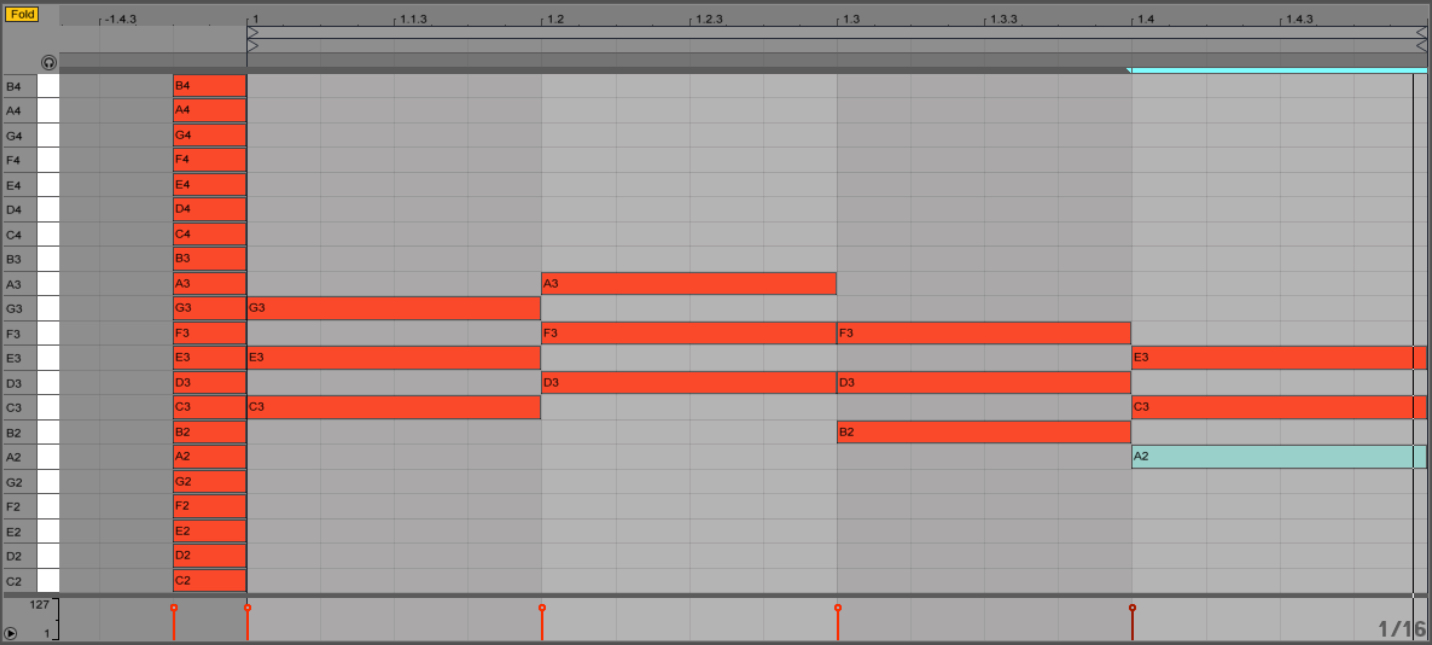
Noise has no definite pitch, so the pitch of the MIDI note can be chosen freely.
Enter a note long enough to fill the space you want, then shape the sound with effects.
In the reference track, the part lasts eight bars; you can bring it in and out to suit the arrangement.
Shaping the Sound with Plug-ins

You can use the noise as it is, but because it spans the frequency spectrum, let’s give it some character.
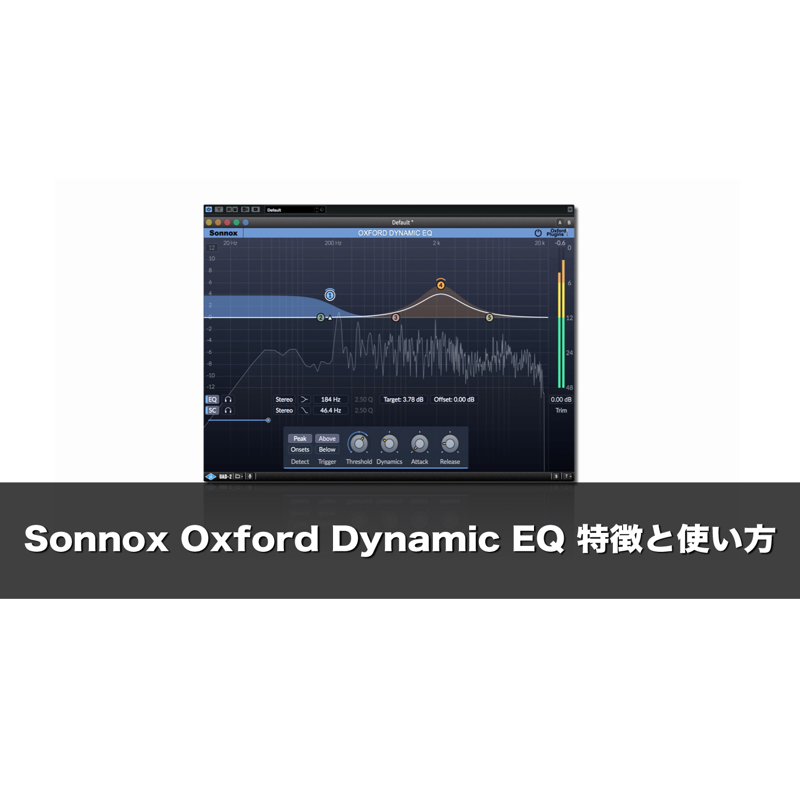
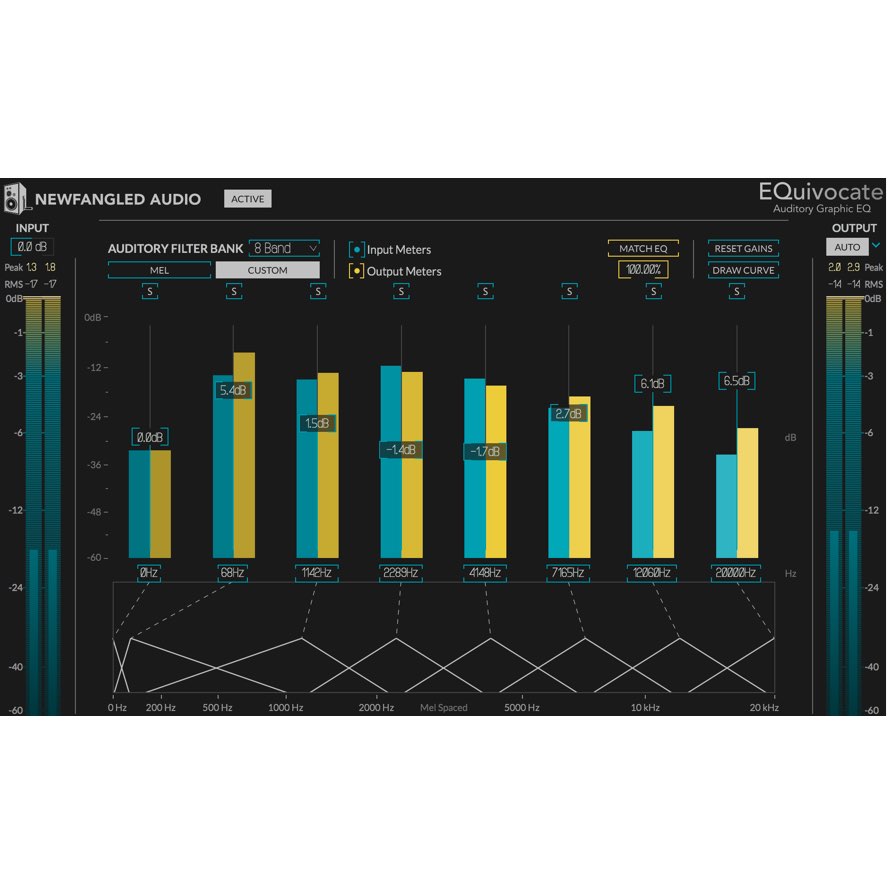
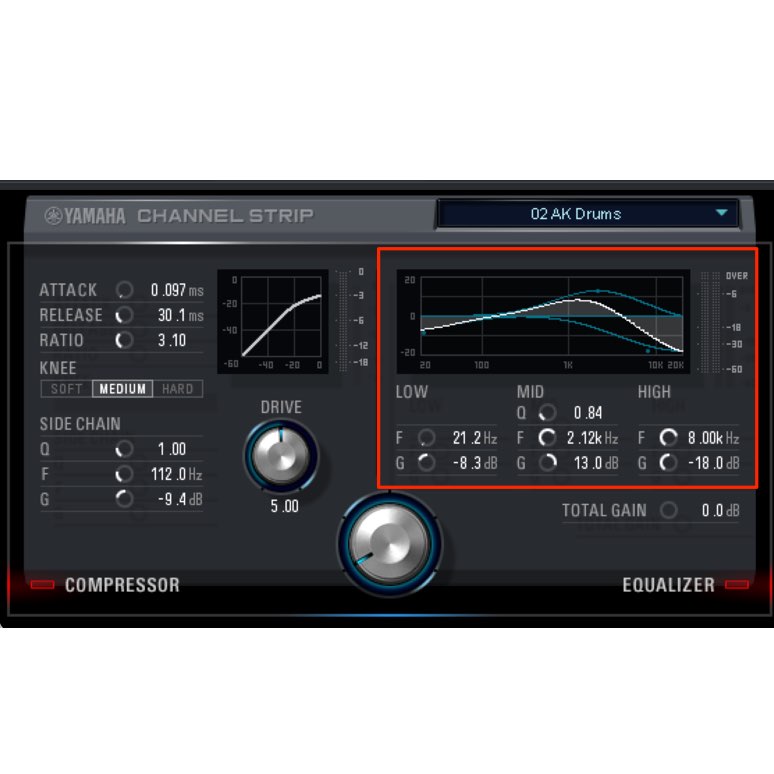
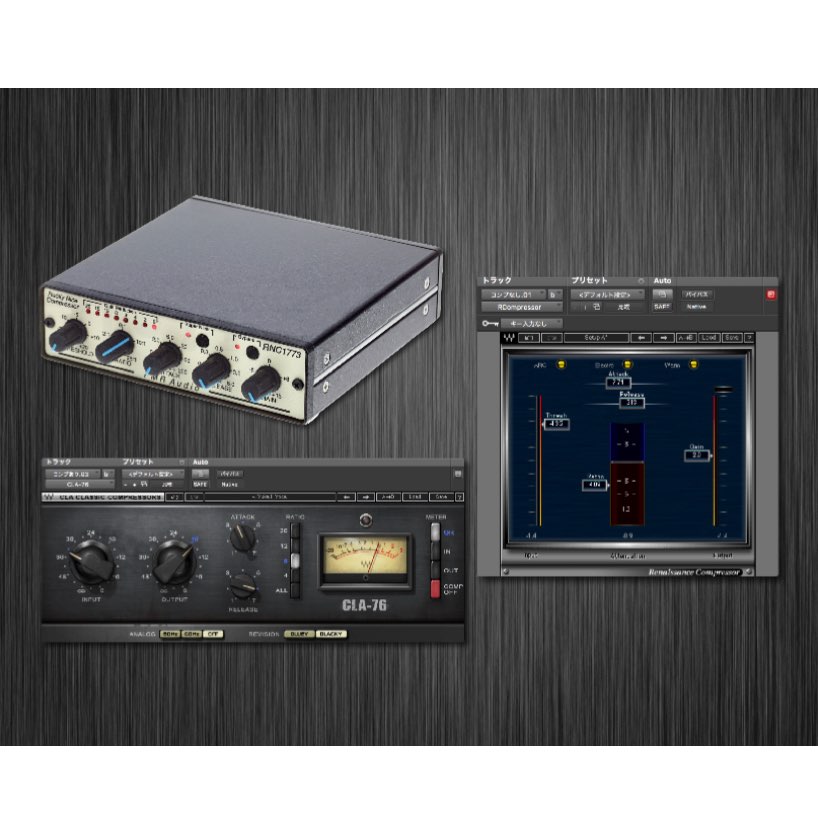
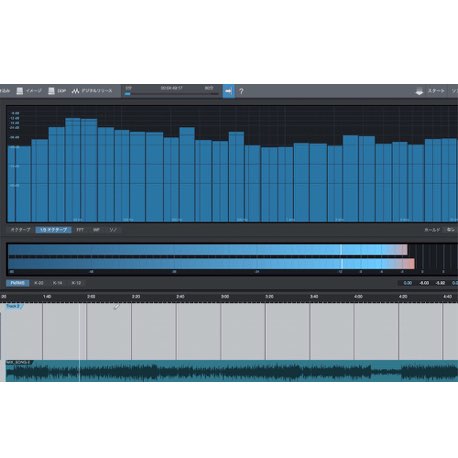
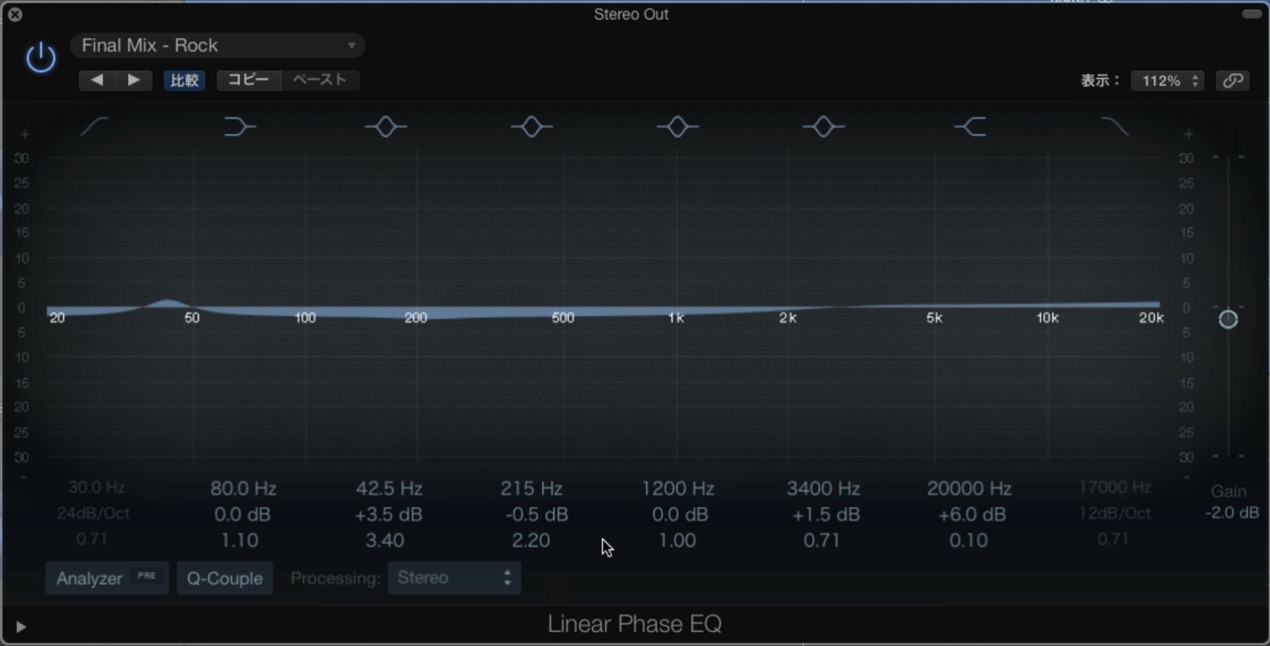
First, cut unwanted low frequencies with EQ to make the sound lighter.
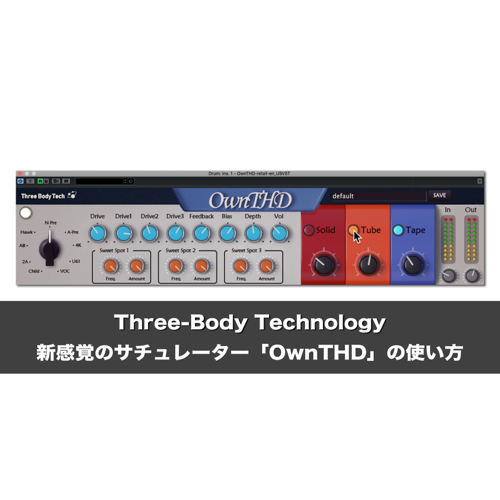
Next, if the synth’s amp section uses saturation or distortion,
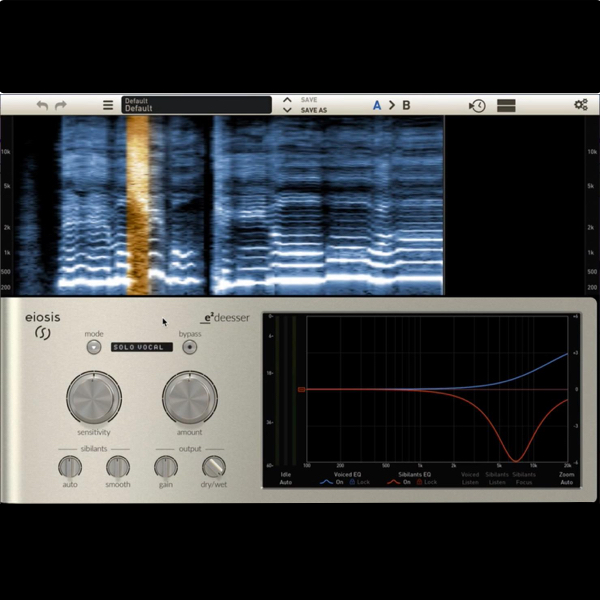
the high frequencies can often sound harsh, so tame them as well. A de-esser can also be effective.
Then boost several frequency points to suit the key of the track.
Even these steps can make it sound different from plain noise.
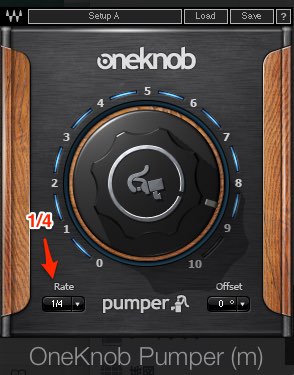
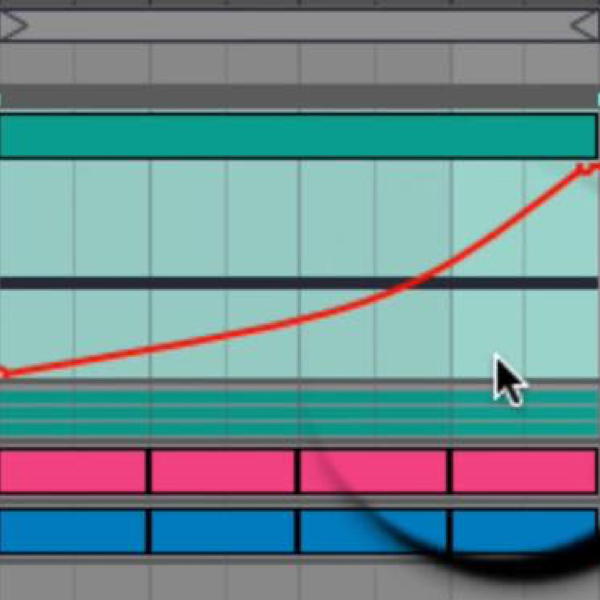
Finally, sidechain compression timed to quarter notes can add movement.
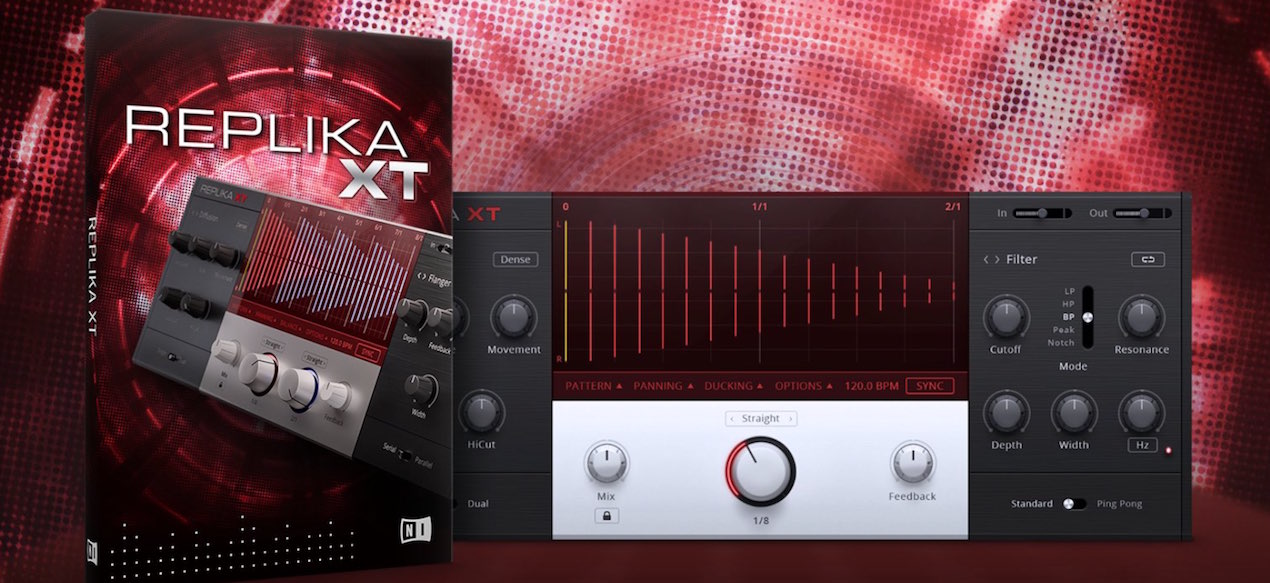
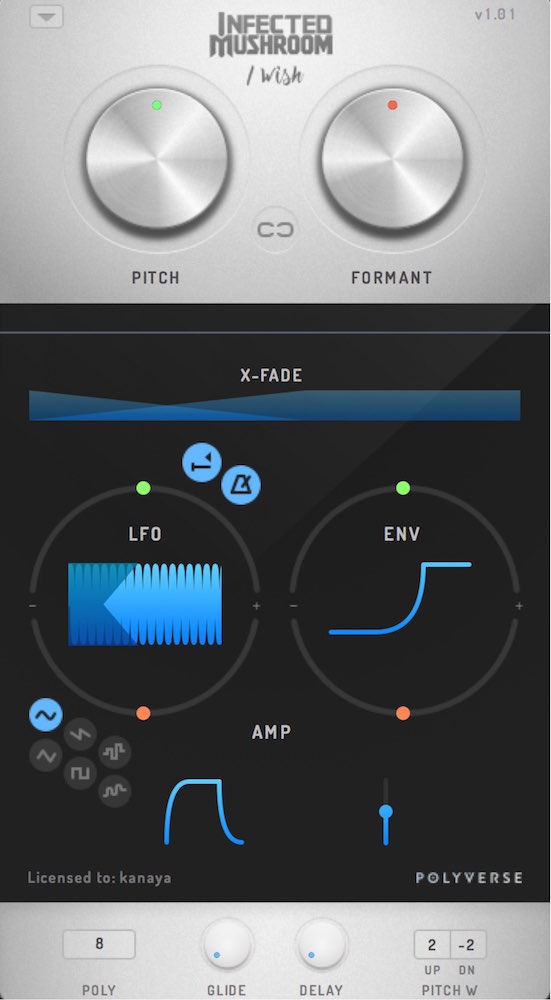
The reference track uses Waves OneKnob Pumper to achieve a similar effect.
For a way to apply sidechain without using a plug-in, see the following:
https://sleepfreaks-dtm.com/dtm_word/side_chain/
Frequently Asked Questions
Q1. What should I keep in mind when programming noise for progressive house or trance?
Noise has no definite pitch, so the MIDI note can be placed at any pitch. Enter a note long enough to fill the desired gap, then shape it with EQ and effects. Bringing the layer in and out with the arrangement can be effective.
Q2. What happens if I use noise without shaping it?
Because noise is spread across the frequency spectrum, it can lack a distinct character on its own. Try cutting lows with EQ, controlling highs with a de-esser and emphasizing frequencies that suit the track’s key.
Q3. Why use sidechain compression to add movement to noise?
Timing the sidechain to quarter notes can make the noise move with the groove and sit more cohesively with drums and bass. Waves OneKnob Pumper is one way to create a similar effect.
NEW ARTICLES
Latest English Articles