Electri6ity is an innovative software instrument that lets you program high-quality electric guitar sounds without playing guitar. This article explains trigger keys using keyswitches and how to program power chords. Trigger keys assigned to notes such as F5 and G5 make it easy to reproduce techniques including downstrokes, upstrokes, muting and brushing. The Fretboard view lets you check guitar voicings as you work, helping even beginners create authentic guitar sounds with accurate chord layouts.
Electri6ity: Remarkable Guitar Realism
Electri6ity is a software instrument that makes it possible to program electric guitar parts at high quality,
a task often considered difficult and time-consuming.
We will explain how to use Electri6ity over several articles.
In this first part, we will cover guitar techniques using keyswitches.
It makes it easy to reproduce complex techniques that normally require a lot of work,
making it a potential lifesaver for those who cannot play guitar.
Electri6ity Video Tutorials
Questions and Answers from the YouTube Video

Thank you for your help. There is something I do not understand and I would appreciate your advice. I recently installed Electri6ity, but it does not appear as an instrument in Cubase, perhaps because I put it on an external hard drive. Could you tell me how to resolve this? 😭

Electri6ity runs in Kontakt Player. If you have not installed Kontakt Player, you can download it from the following page: https://www.native-instruments.com/jp/products/komplete/samplers/kontakt-6-player/
Can this software also be used in Logic? I do not have Kontakt either; do I need to purchase that too?
Electri6ity supports Logic via Audio Units, and Kontakt Player 5 is included with the product. Please note that there have been reports of keyswitches not functioning properly unless the software is updated to the latest version.
Thank you for the clear and detailed videos. I have another question: I often hear that Electri6ity is demanding. What PC specifications are needed to run it comfortably? Would a 2.2 GHz quad-core i7 and 16 GB of memory be insufficient?
It depends on what other software you use alongside Electri6ity, but the specifications you gave should be sufficient in our opinion. Please understand that we cannot guarantee performance. Thank you for your continued support.
Thank you for your help. The F5 and F#5 trigger keys respond, but the keys after F#5 do not. Others seem to have solved this by choosing a different option from the video, but I would like to program it as shown. Is there a solution?
We have received similar inquiries, and users who had not updated Electri6ity appear to have resolved the issue by updating it. To update: Electri6ity runs inside Kontakt 5 Player, and products are managed and registered using Native Access. Some older software is managed with the previous Service Center. If yours is managed in Native Access, look for the latest update under “Available updates”. In the older Service Center, open the update tab after launching it and download the product update. For details, see our “Native Access Overview and How to Use It” article or Native Instruments’ help pages.
Thank you for the useful tutorials. May I ask a question? As shown in the video, playing E, G# and B automatically produces an E major guitar voicing of E–B–E–G#–B–E. I only want to play the three notes E, G# and B together, but it automatically plays the E major voicing. How can I disable that?
Automatic chord recognition is triggered when you enter a triad such as 1, 3 and 5. If you enter 1, 5 and 1, for example, a power chord, the notes will be voiced as entered.
How many keys should I get on a keyboard?
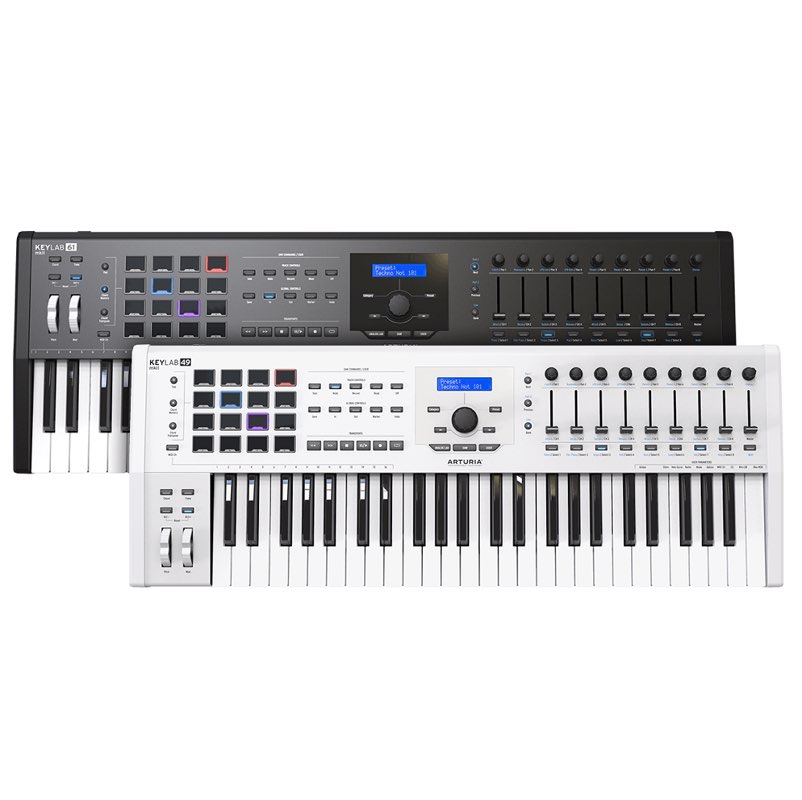
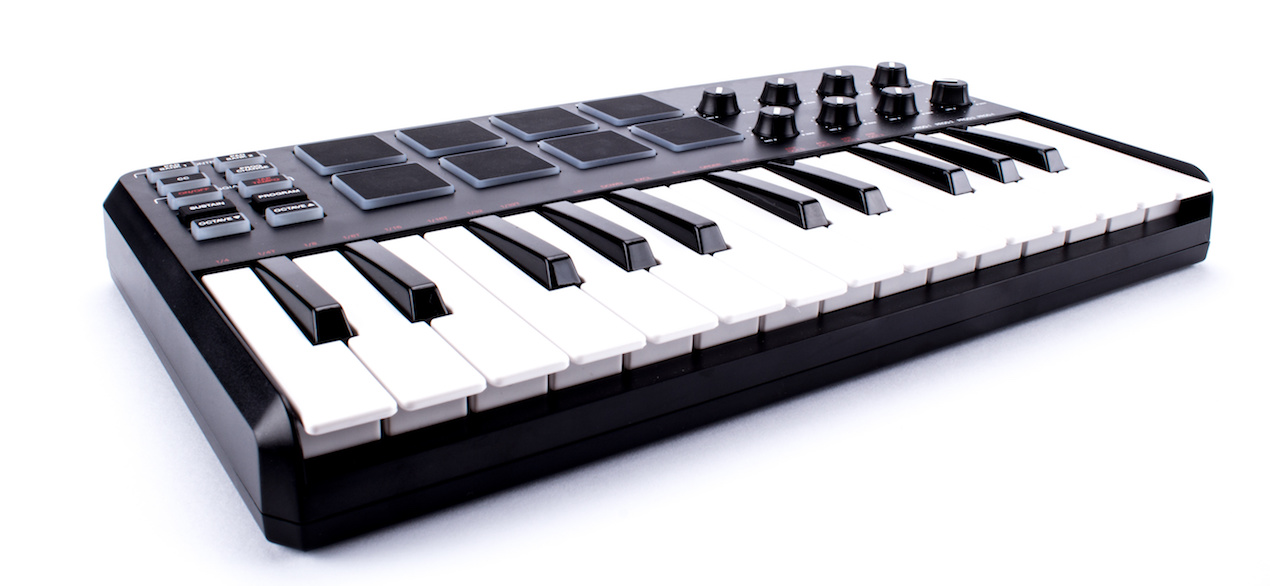
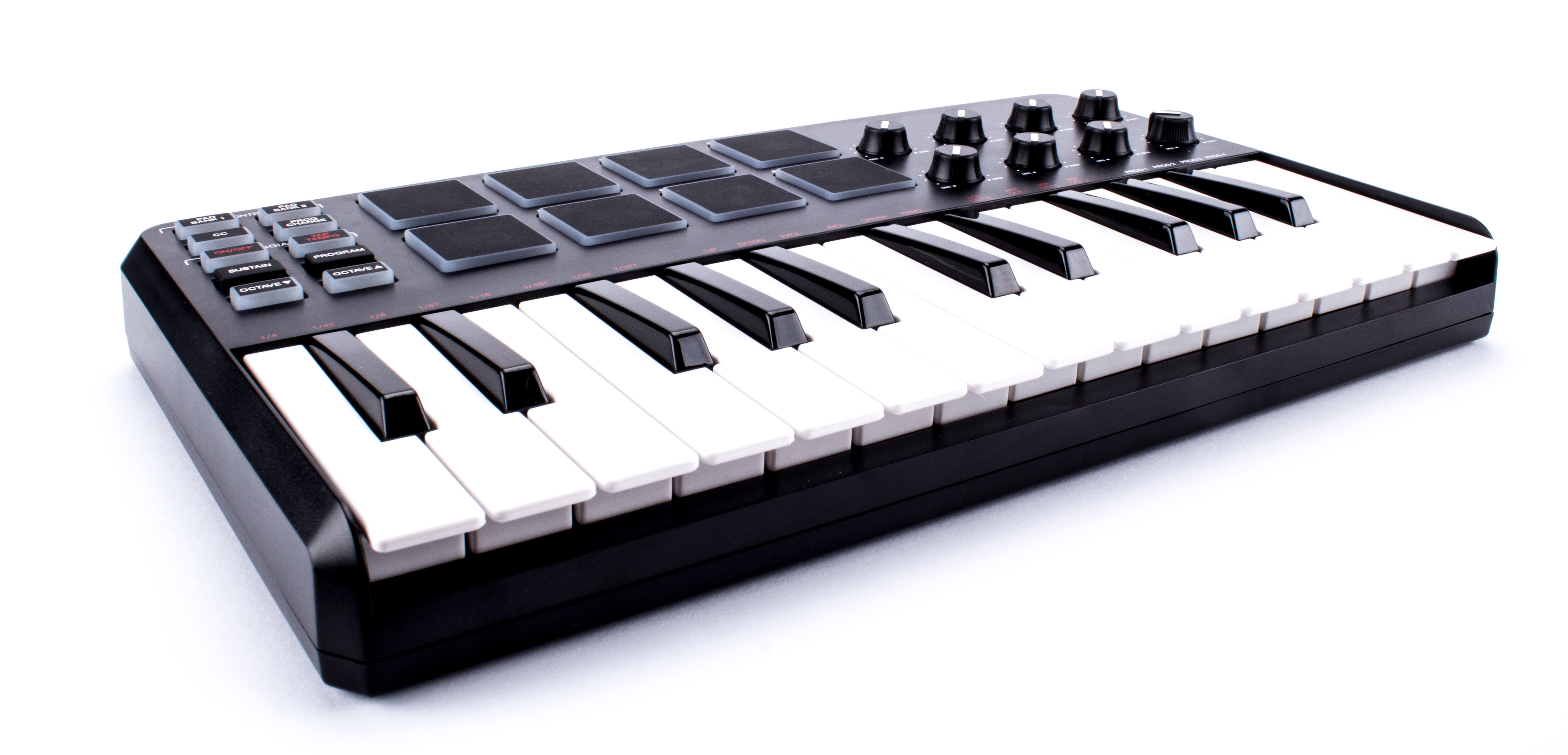
The keyswitches cover a wide range, so we recommend an 88-key MIDI keyboard if you want to try them while playing.
Can Electri6ity be used in Kontakt 4 instead of Kontakt 5?
Some patches appear not to support Kontakt 4. Kontakt 5 Player can be downloaded free, so using it should work. http://www.native-instruments.com/jp/products/komplete/samplers/kontakt-5-player/
This is very helpful. I am using an 88-key keyboard, but F5 and F#5 respond while G5 and higher trigger keys do not. Could there be a problem with the settings?
What happens if you program the notes in your DAW? If they respond normally there, the keyboard hardware may be the cause. If they do not respond in the software either, choose “Keyswitches” from the “Settings” menu at the upper left and check that the triggers are configured correctly.
This is helpful. What are Instruments and Multis?
Multis are presets that load multiple instances of Electri6ity, while Instruments are presets consisting of one Electri6ity instance.
I always find these tutorials useful. How can I create a glissando in Electri6ity?
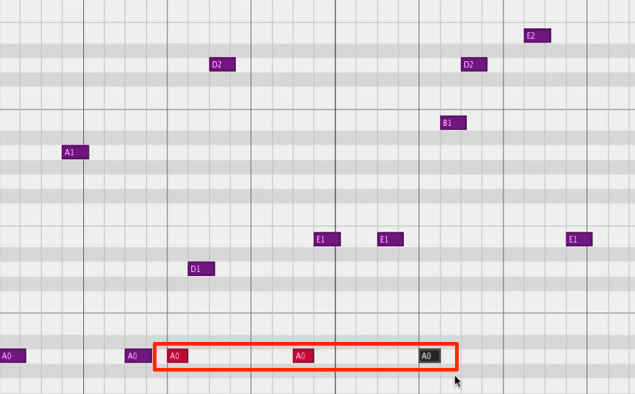
Try the following: play while holding the A0 keyswitch to slide into a note from below. If you play two notes in succession while holding it, the sound slides between them. This works only if the engine detects that the two notes are on the same string and can be played.
Is this used in the same way as Real LPC 3?
The concept is slightly different from Real LPC 3. The following tutorial is closer in operation: RealGuitar 3 Lesson: Chords & Articulation — How to Use / Tutorial (DTM School, Beginner to Advanced).
- 1Trigger Keys and Power Chords — this article
- 2Sound Design and Programming Strums
- 3Programming Guitar Solos: Part 1
- 4Programming Guitar Solos: Part 2
Purchase the product
Video Highlight: Guitar Voicing
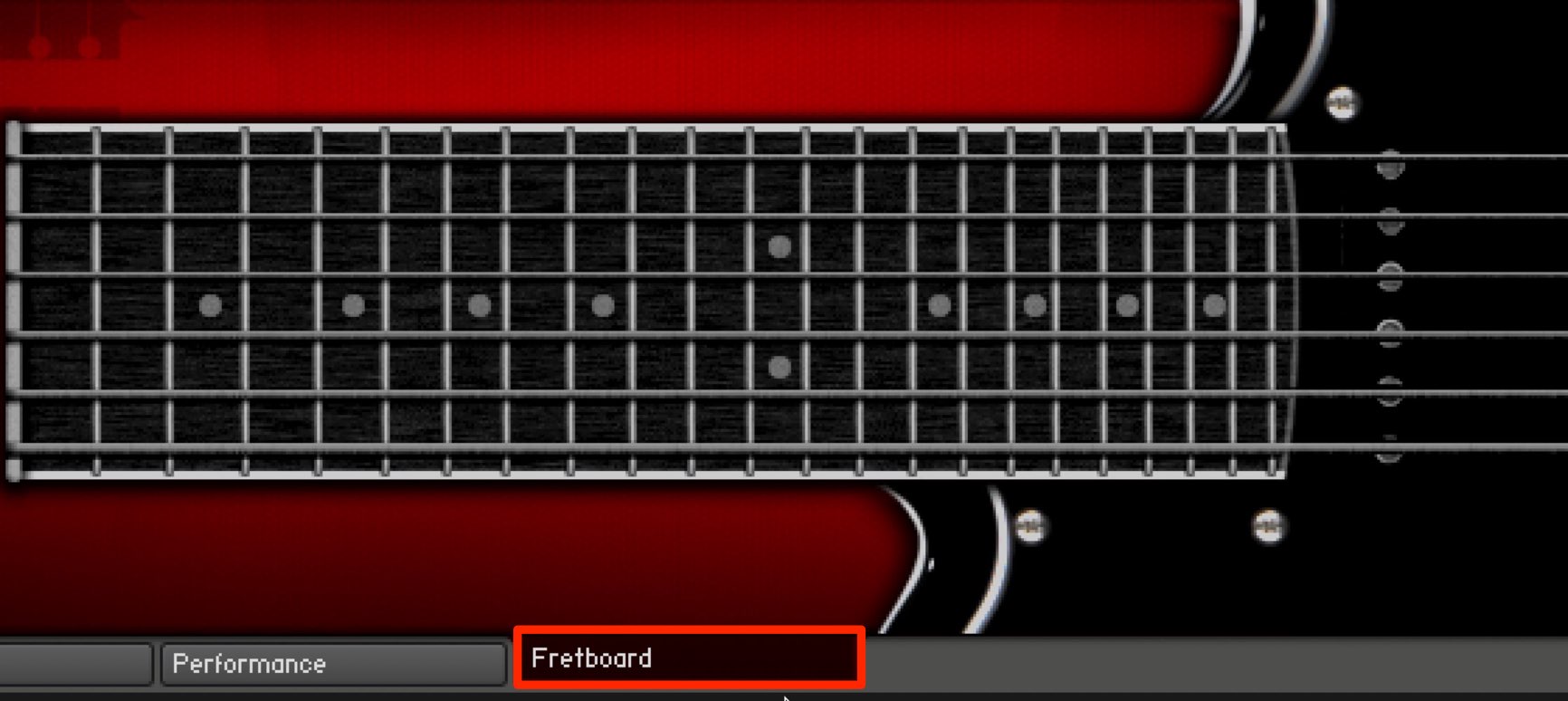
Switch to “Fretboard” to check the guitar voicing (chord).
The voicing is converted to a guitar-optimized arrangement.
Video Highlight: Using Trigger Keys
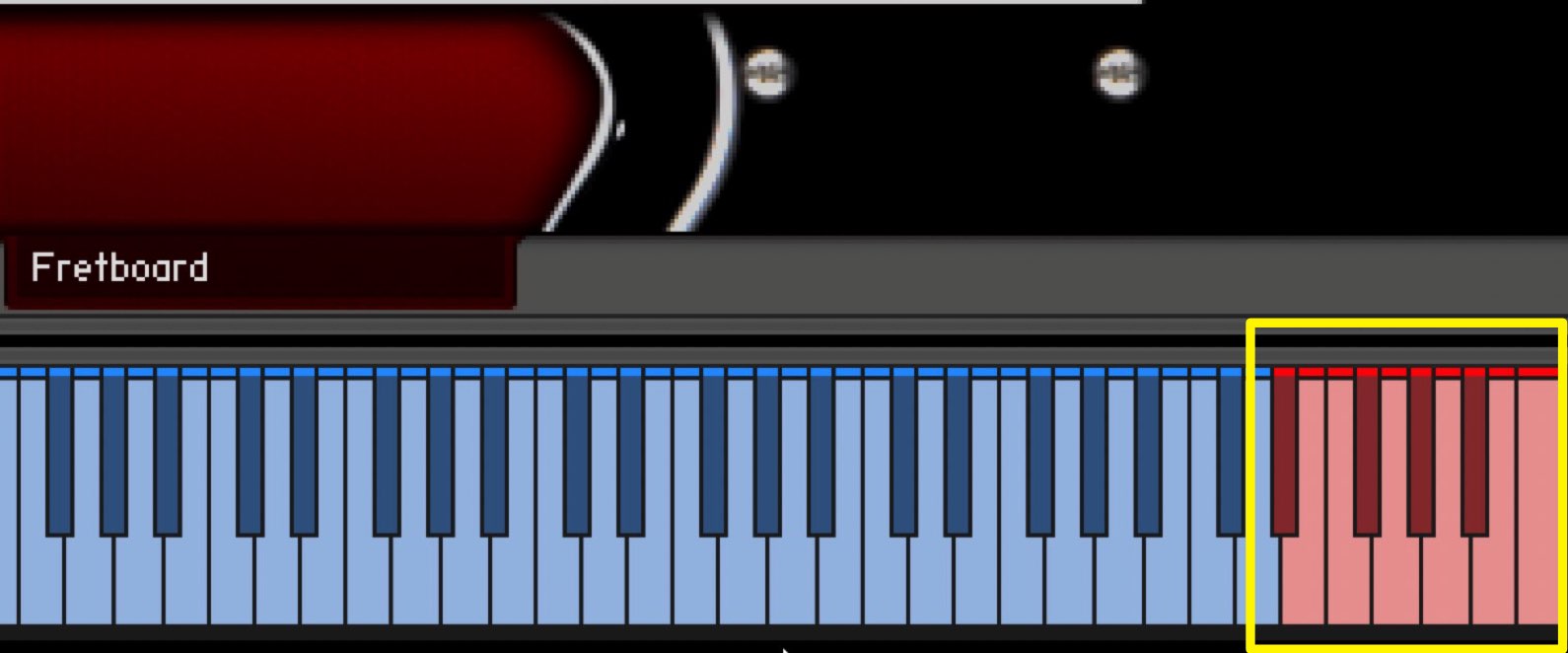
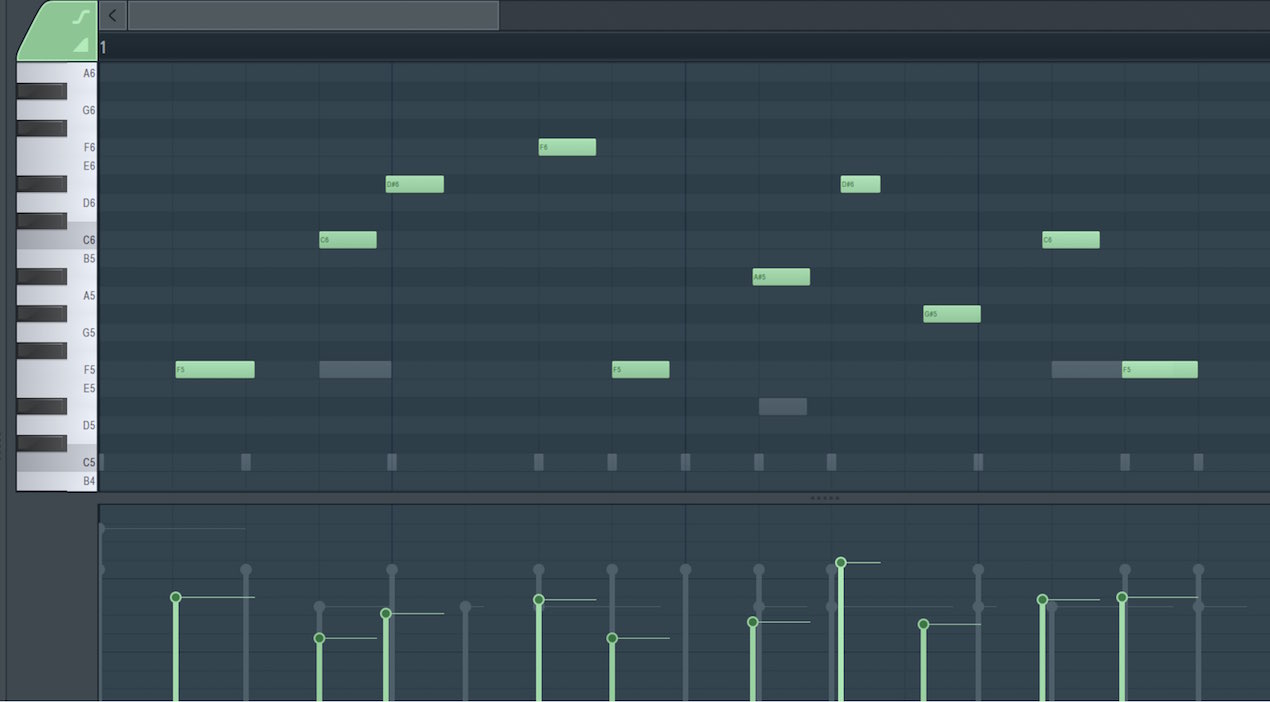
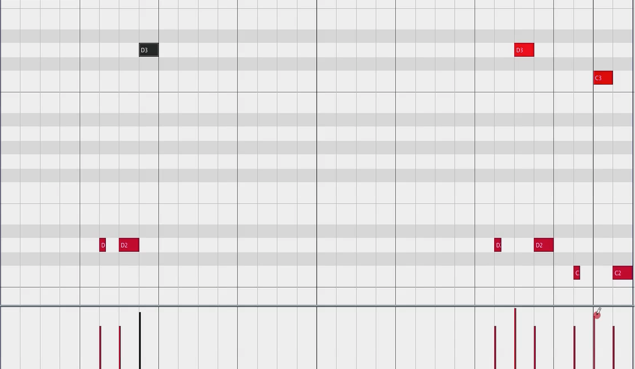
Use the trigger keys in the red section
to reproduce guitar techniques easily.
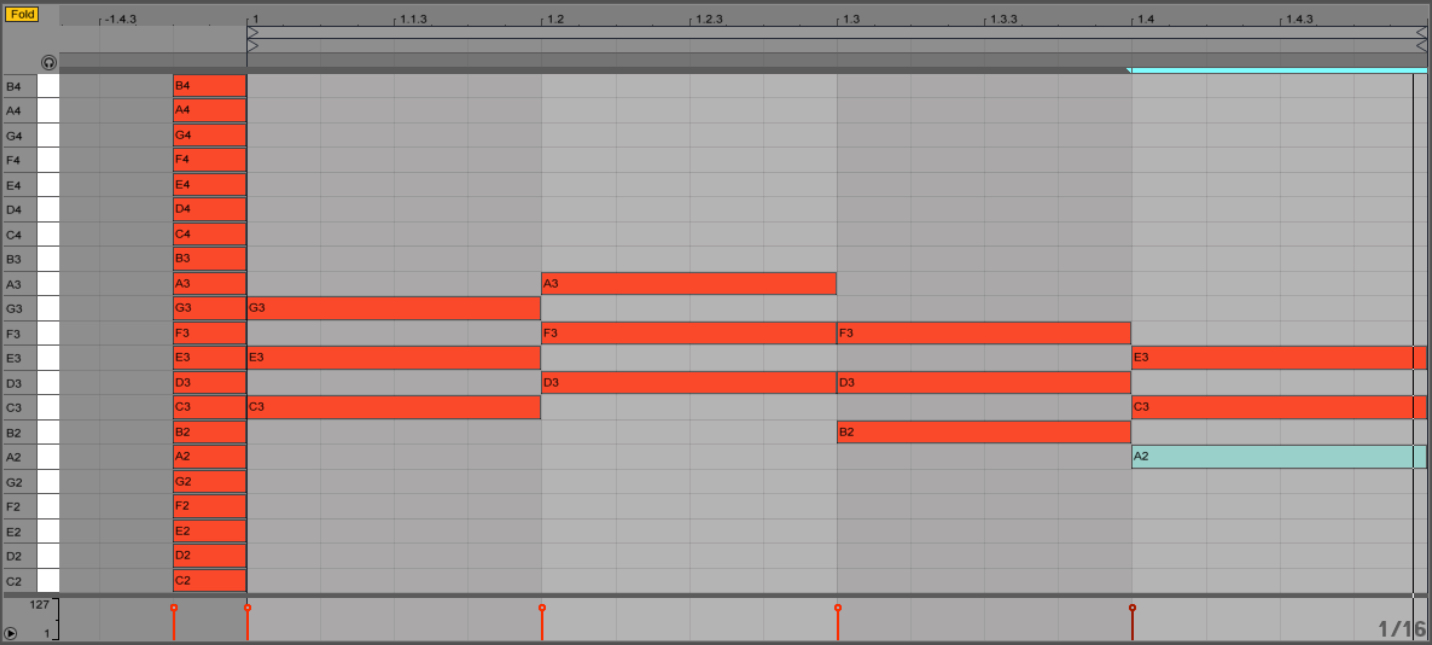
Enter the chord you want to play on the blue keys,
then use the trigger keys.
- F5: downstroke; F#5: upstroke
- G5: half mute (down); G#5: half mute (up)
- C6: mute (down); C#6: mute (up)
- D6: brushing (down); D#6: brushing (up)
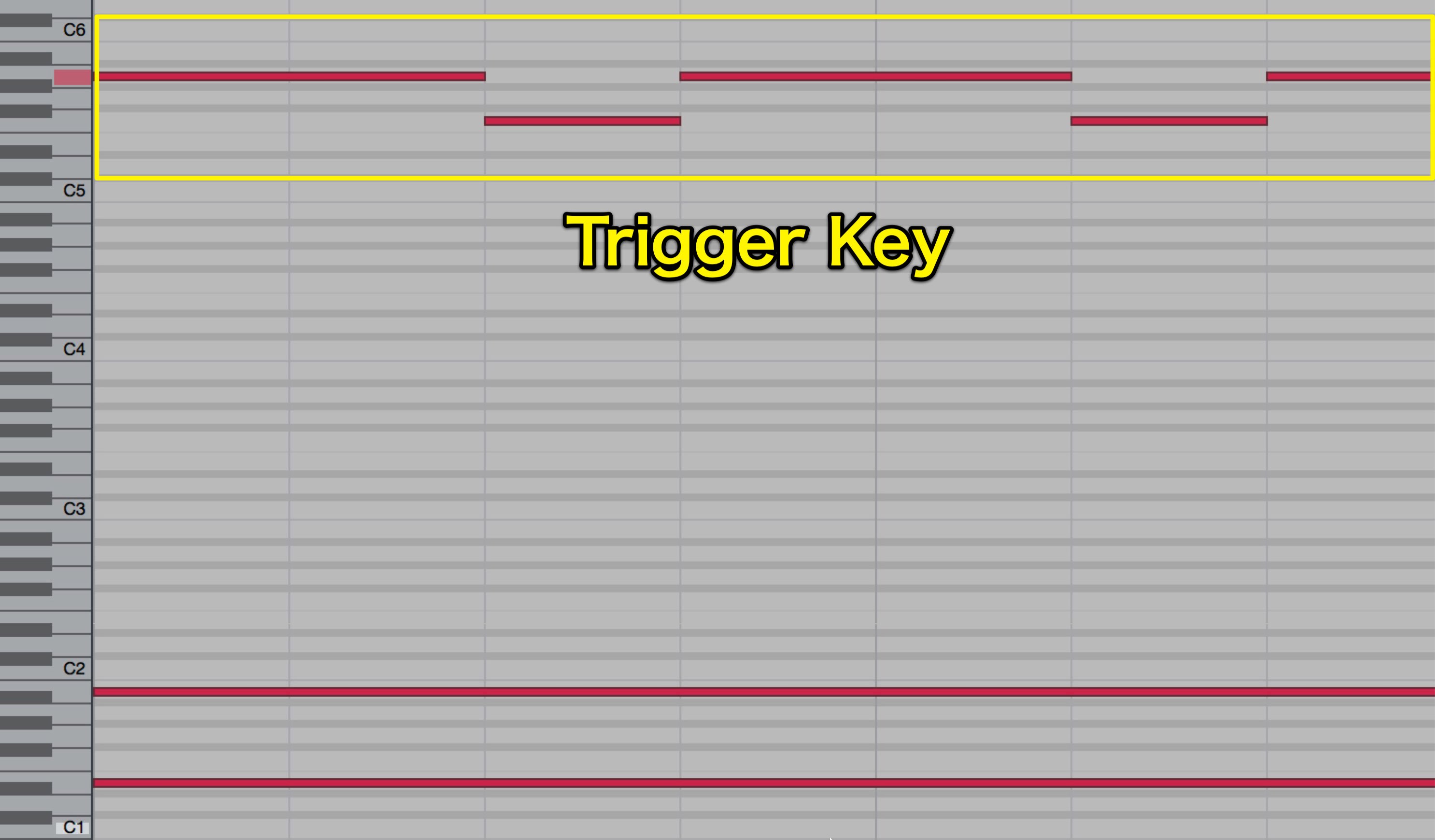
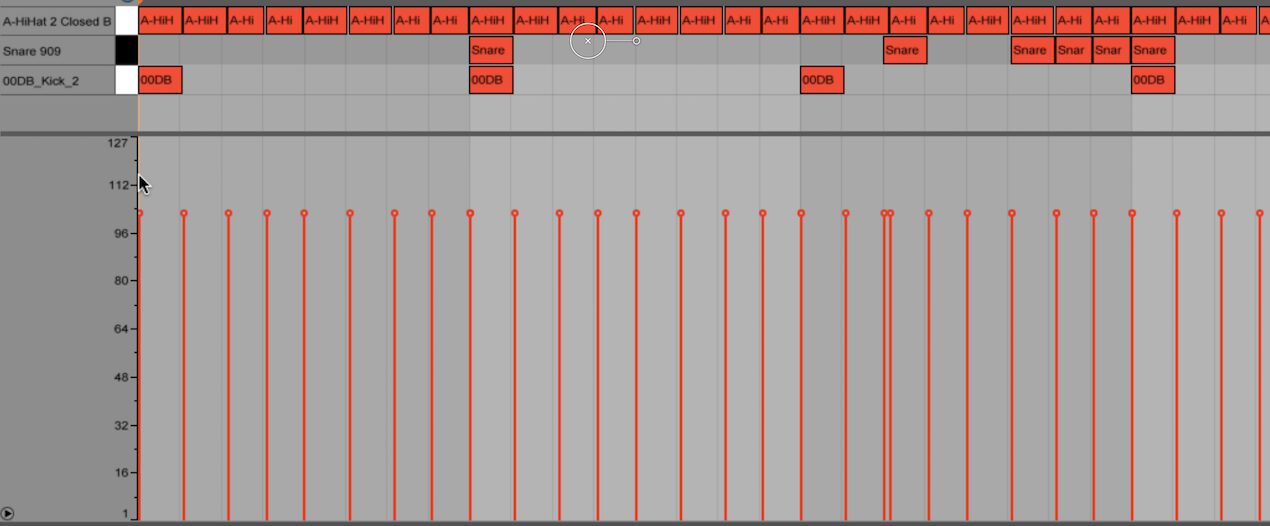
Enter notes in this way as you program the part.
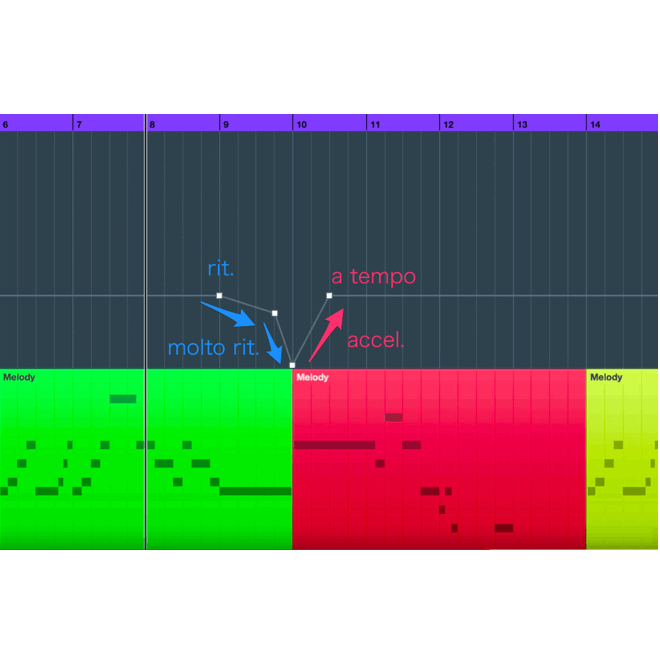
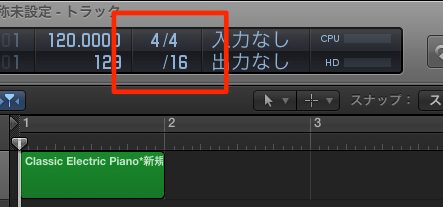
For relatively fast songs,
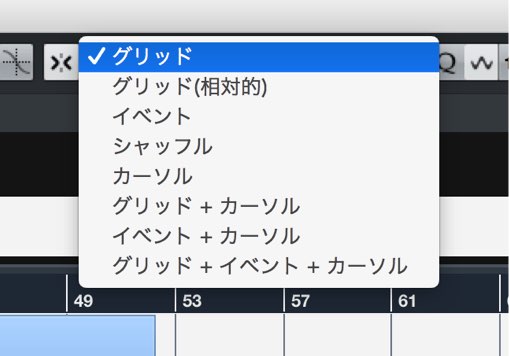
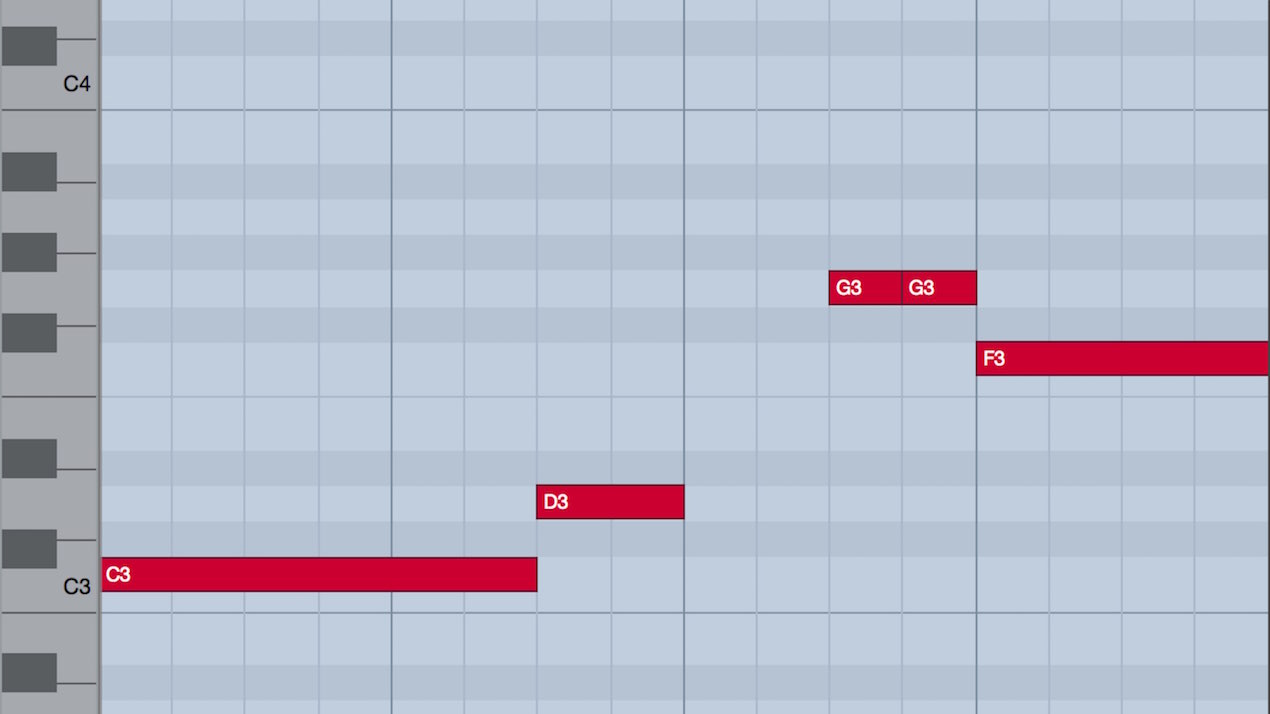
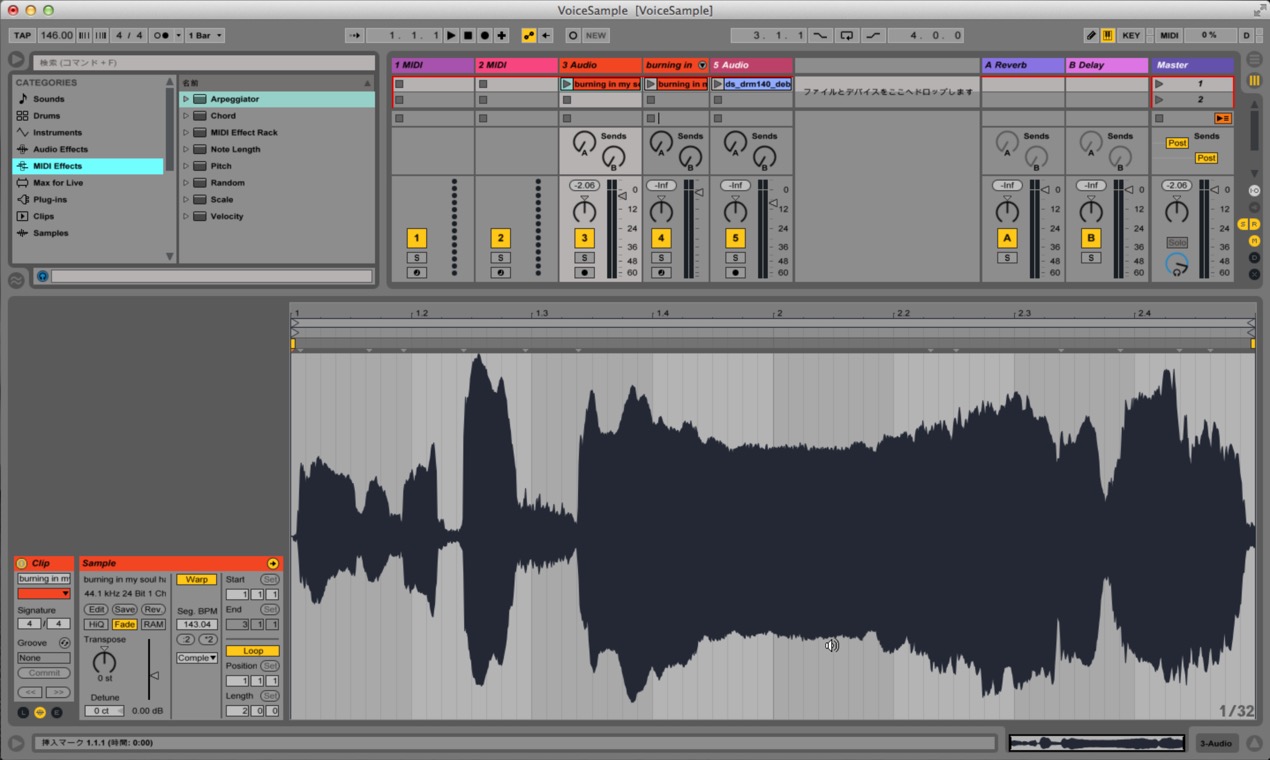
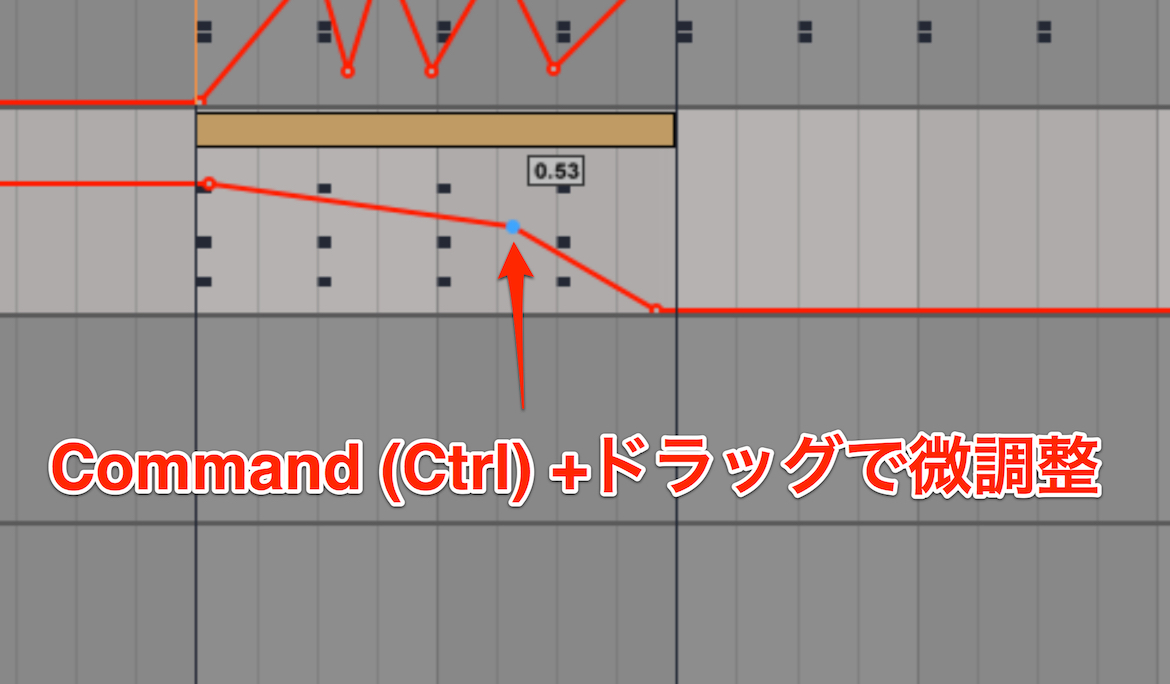
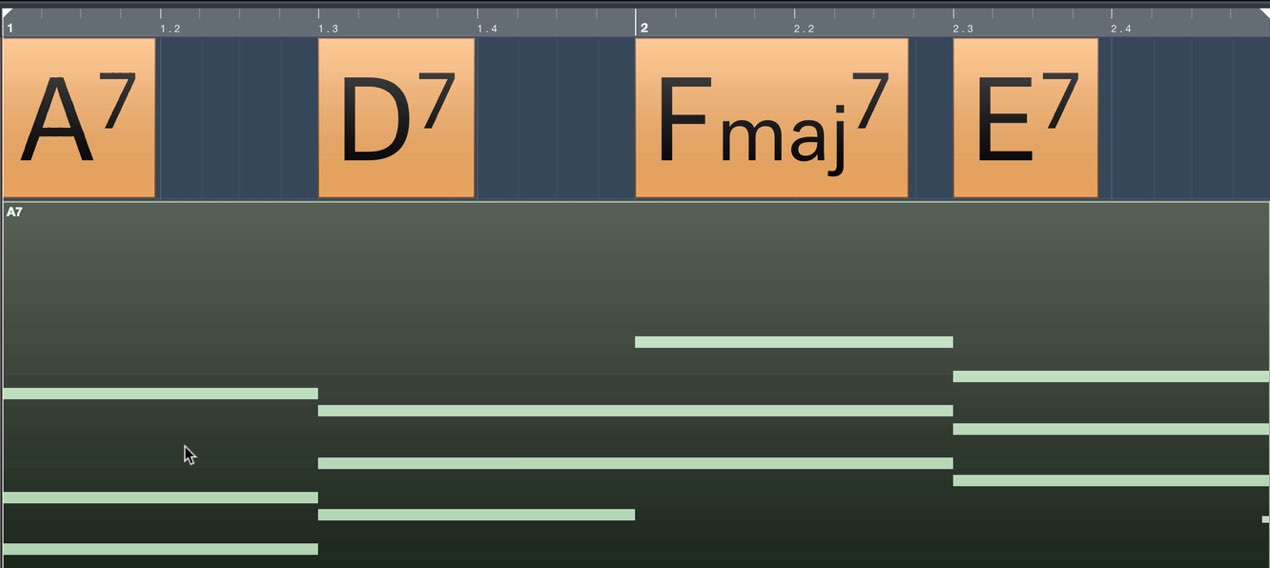
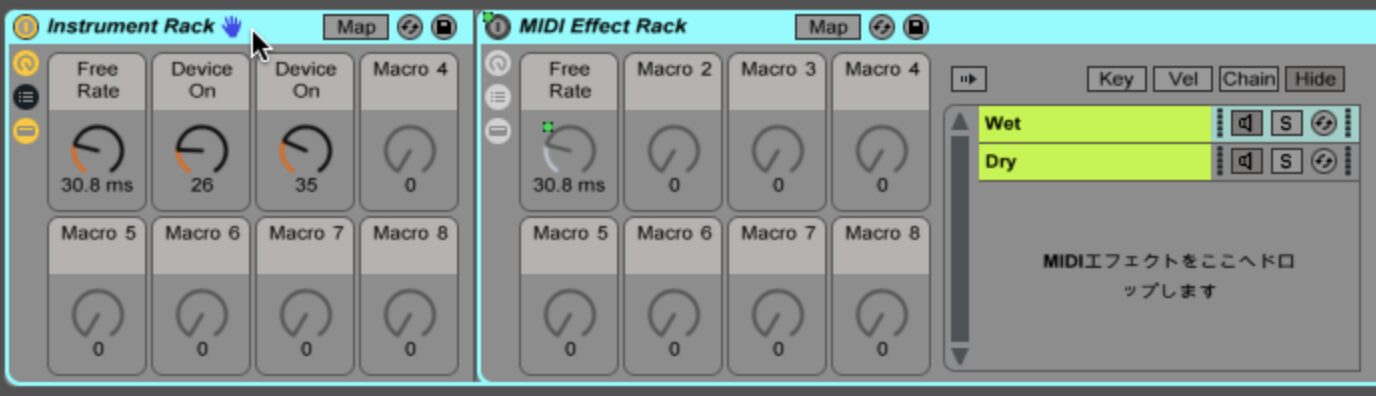
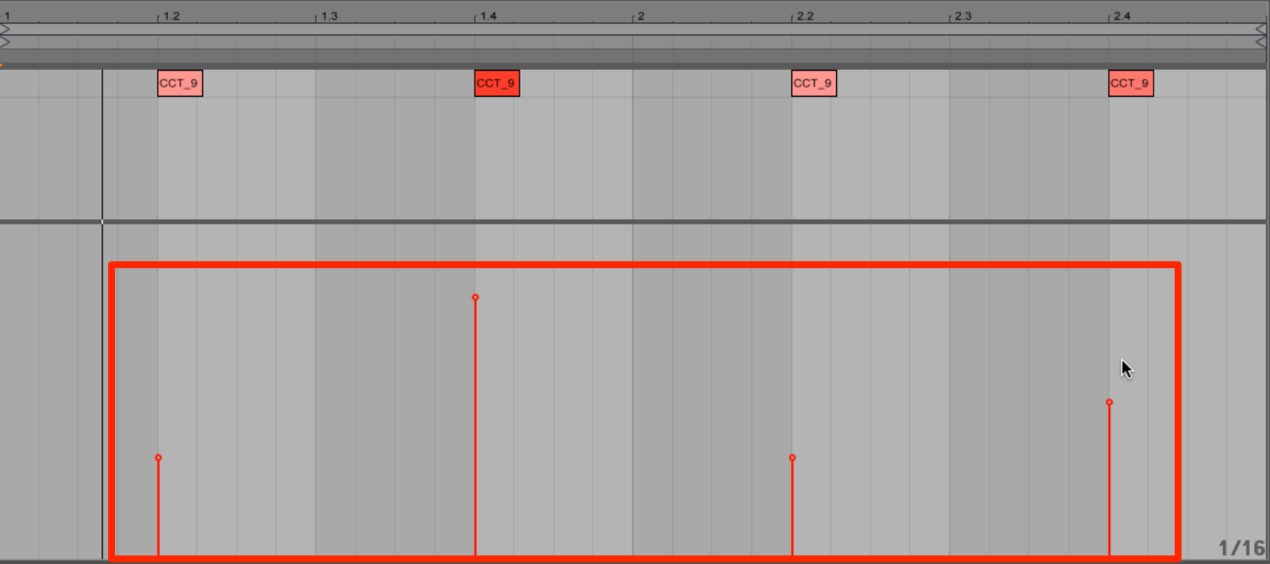
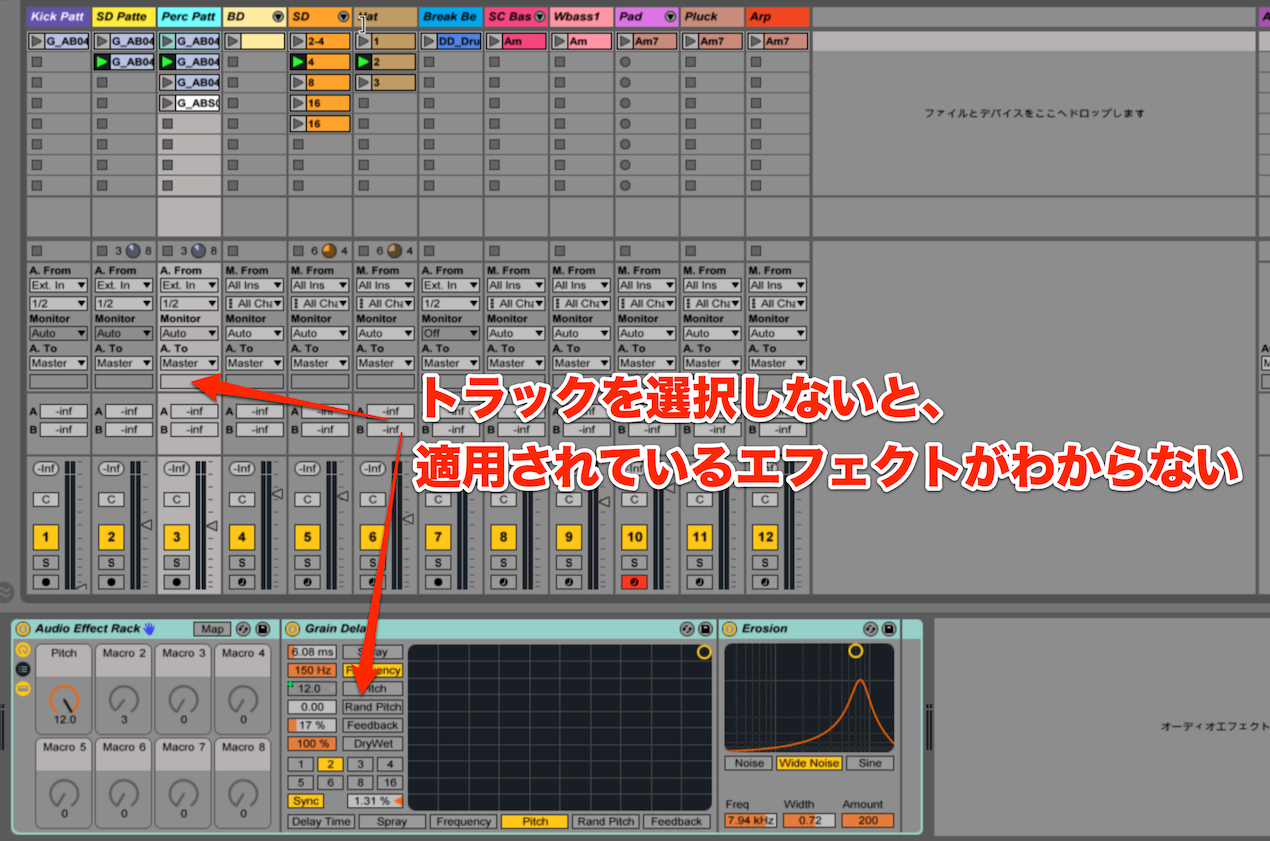
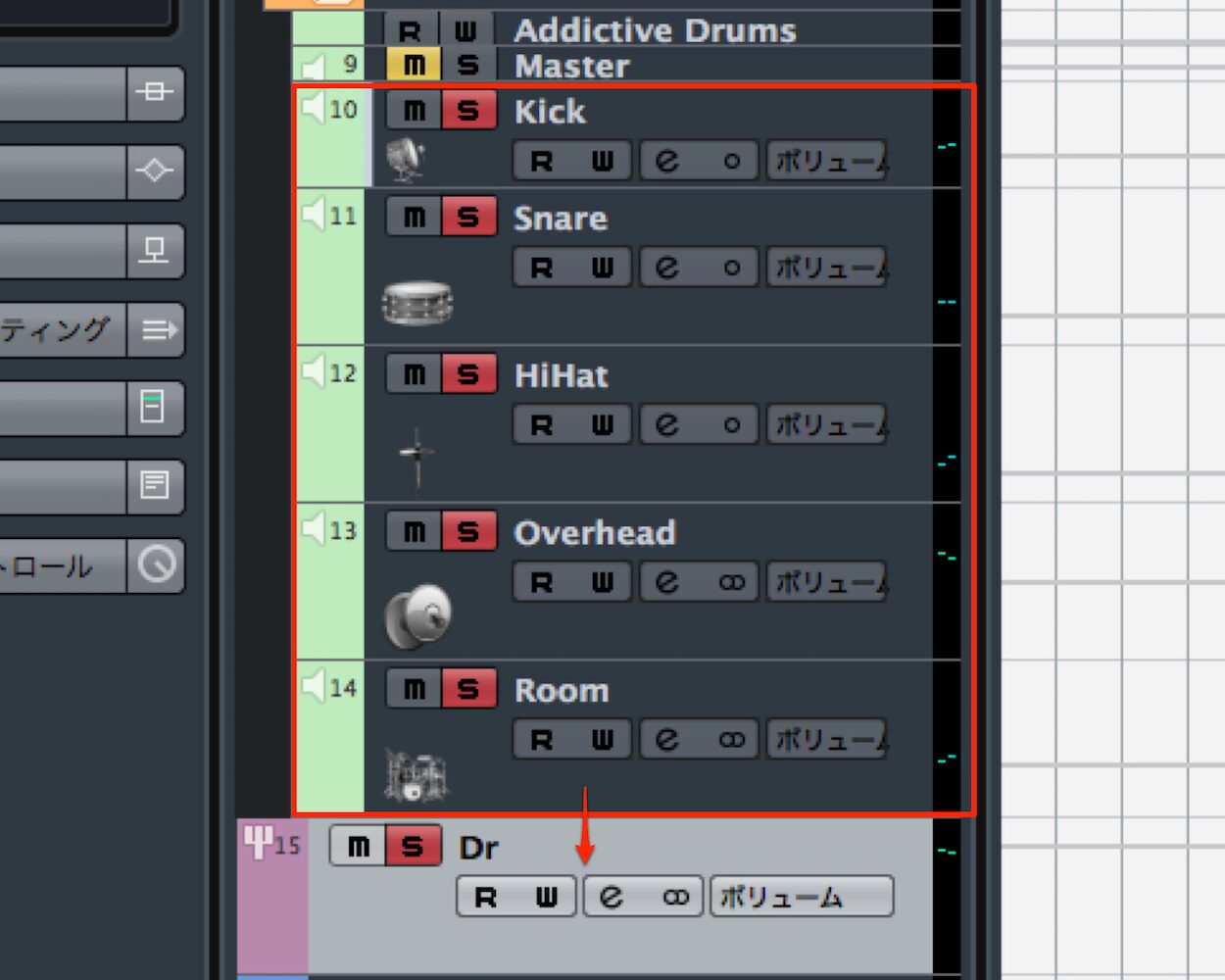
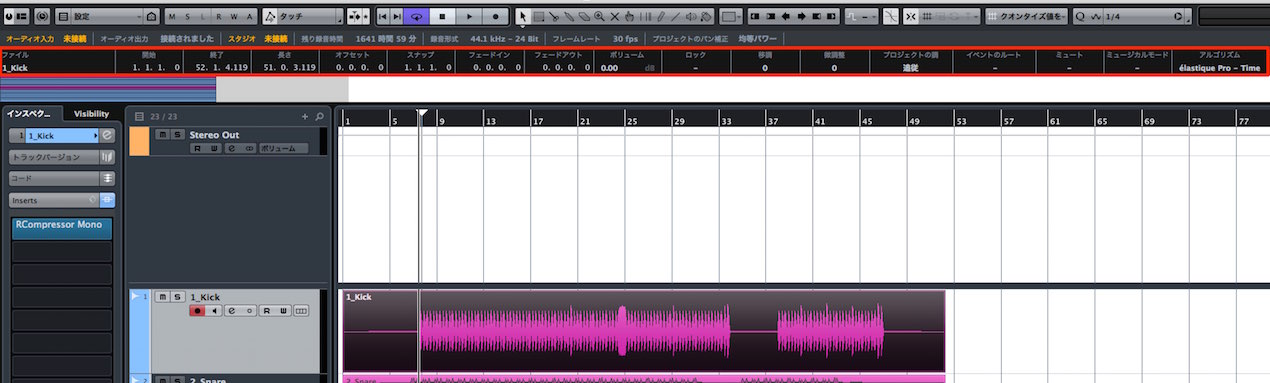
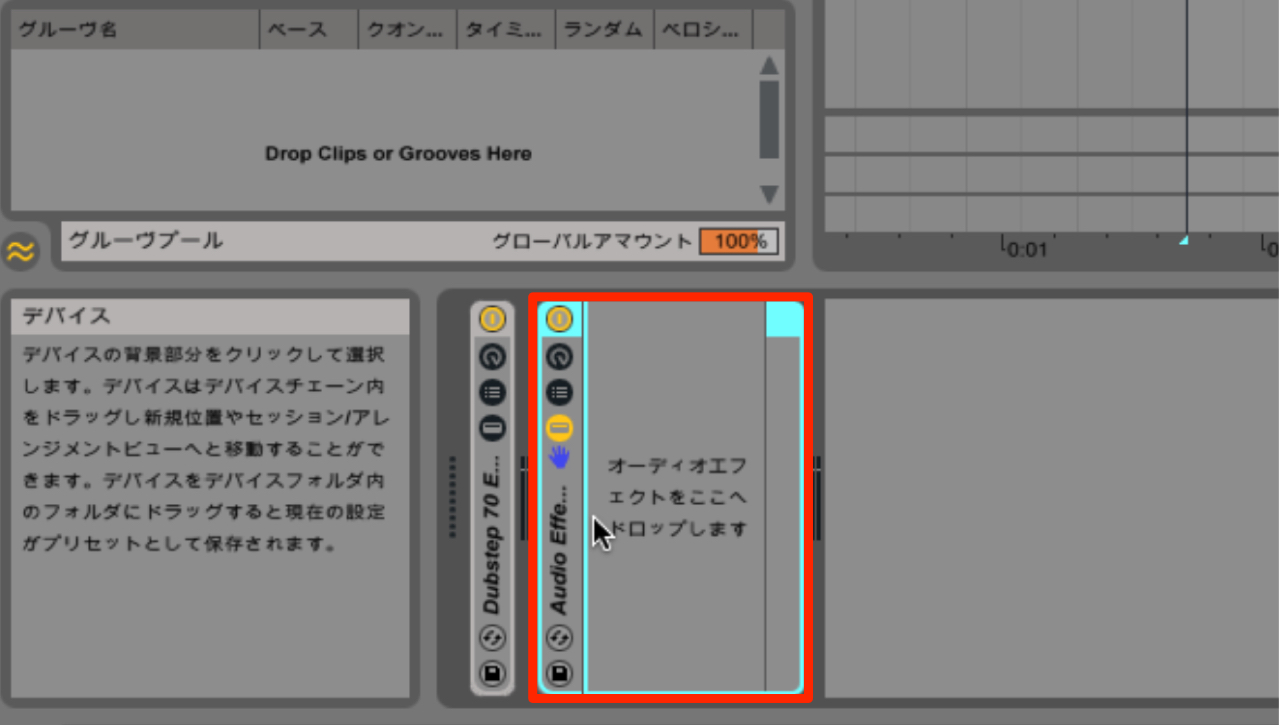
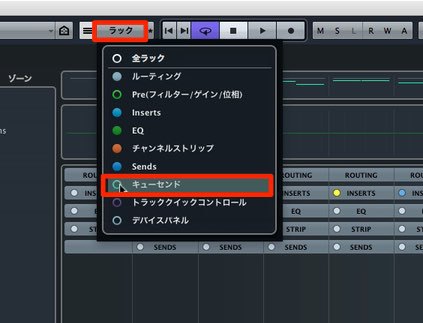
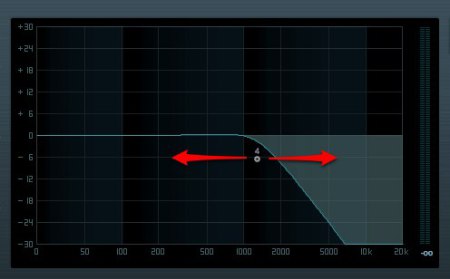
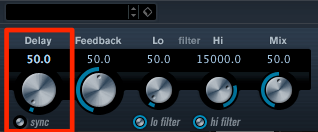
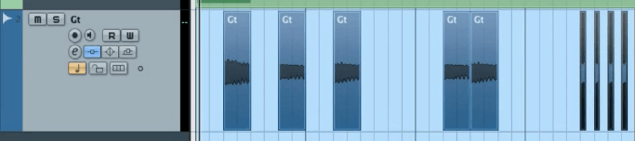
moving MIDI notes slightly earlier using track delay can help produce better performance results.
Track Delay by DAW

 Logic
 Cubase
 Ableton Live
 Studio One
Purchase the product
Frequently Asked Questions
Q1. Can I use Electri6ity if I cannot play guitar?
Yes. Electri6ity is designed so that even people without guitar knowledge can recreate authentic guitar performances through straightforward programming with trigger keys.
Q2. Which techniques are assigned to the trigger keys?
F5 and F#5 trigger downstrokes and upstrokes; G5 and G#5 trigger half mutes; C6 and C#6 trigger mutes; and D6 and D#6 trigger brushing. Each technique can be applied to a chord.
Q3. What is the Fretboard view for?
Fretboard view shows guitar chord voicings on the fretboard. The guitar-optimized chord layouts help you create more accurate expressions.
Q4. How can I get good performance results in fast songs?
Using your DAW’s track delay to move MIDI notes slightly earlier can help make the programmed guitar performance sound more natural.
Q5. How many parts are in the Electri6ity tutorial series?
The series has four parts. After this article on trigger keys and power chords, the following parts cover sound design, strumming and programming guitar solos.
NEW ARTICLES
Latest English Articles