
Released in December 2020, Arturia V Collection 8 brought together 28 software instruments inspired by vintage keyboards, including synthesizers, samplers, organs, and pianos. This overview focuses on four additions: Jun-6 V, Emulator II V, OB-Xa V, and Vocoder V. Vocoder V combines a sampler with vocoder processing, allowing sampled phrases or incoming audio to shape the sound. The examples below explore the character and practical use of these instruments in the context of the original 2020 release.
A Collection of 28 Legendary Instruments
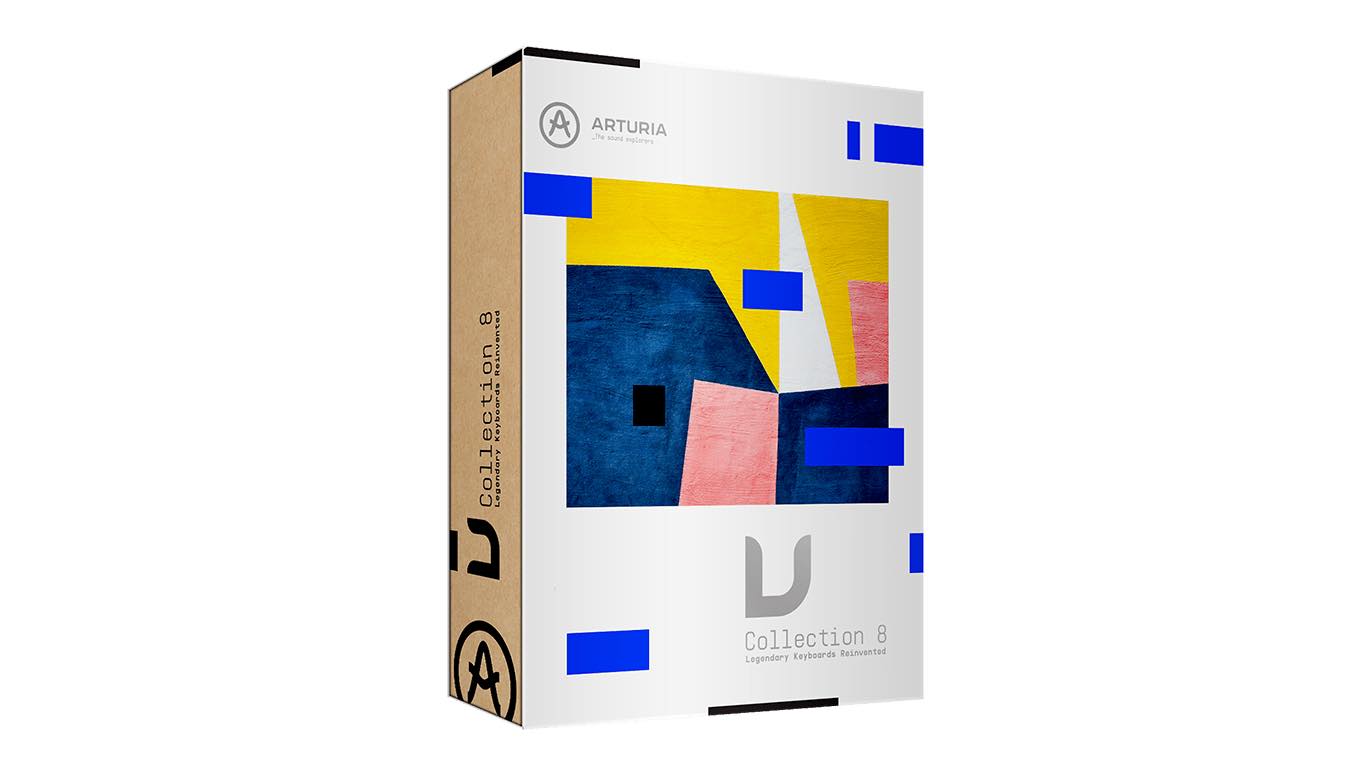
In December 2020, Arturia released V Collection 8.
Four additions—Jun-6 V, Emulator II V, OB-Xa V, and Vocoder V—brought the bundle to a total of 28 software instruments.
The collection was already known for its value, and this release makes the package even more substantial.
Stage-73 V and Jup-8 V were also updated, with various improvements including changes to their sound.
For this release, Analog Lab was redesigned as Analog Lab V, making it more intuitive to find the sounds you wanted.
This article looks at the four newly added instruments.
We take a closer look at Vocoder V, so read on to the end.
Arturia V Collection 8 Video
Product page: https://bit.ly/2J7BPjU
Buy it here
Japan distributor contact listed in the original 2020 article: Korg / KID Customer Service Tel: 0570-666-569
- 1 V Collection 6: Analog Lab 3
- 2 V Collection 6: DX7 V Overview and Operators
- 3 V Collection 6: Controlling DX7 V Parameters
- 4 V Collection 6: DX7 V Modulation and Effects Sections
- 5 V Collection 7 Overview: Mellotron V and CZ V
- 6 V Collection 7: Synthi V, B-3 V2, and Analog Lab 4
- 7 V Collection 8: New Instruments and the Featured Vocoder V
Four Newly Added Instruments
The lineup adds several classic instruments that defined the sound of the 1980s.
At the time of the original 2020 article, renewed interest in synthwave and synth-pop made these classic sounds particularly relevant.
Jun-6 V
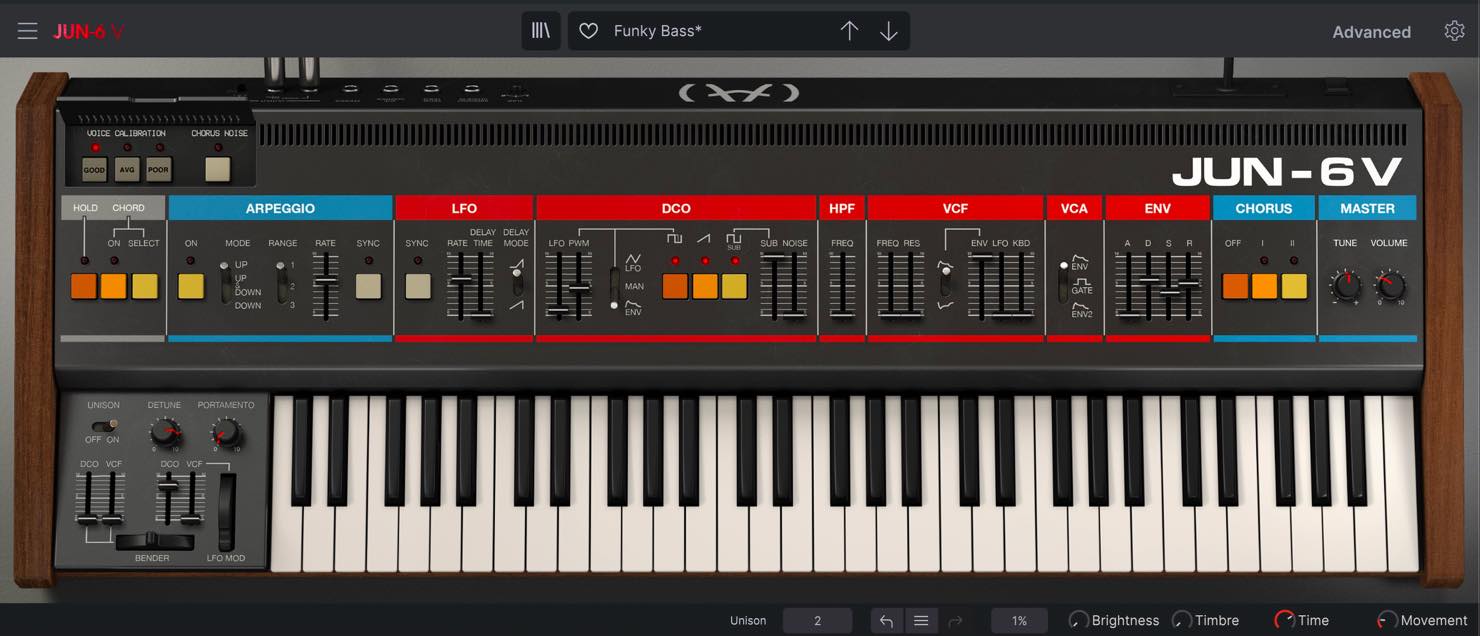
The original instrument behind Jun-6 V is the Roland Juno-6, released in 1982.
It drew attention for bringing polyphonic synthesis to a price below $2,000.
At the time, VCO-based polyphonic synthesizers could suffer from tuning instability. The Juno-6 addressed this by using DCO oscillators, which kept its pitch stable while playing.
Its sound is full and rich, covering a wide range of tones from basses to pads. It also features the built-in chorus Roland is known for.
Here are a few presets.
Jun-6 V: bass
Jun-6 V: pad
Jun-6 V: lead
Emulator II V
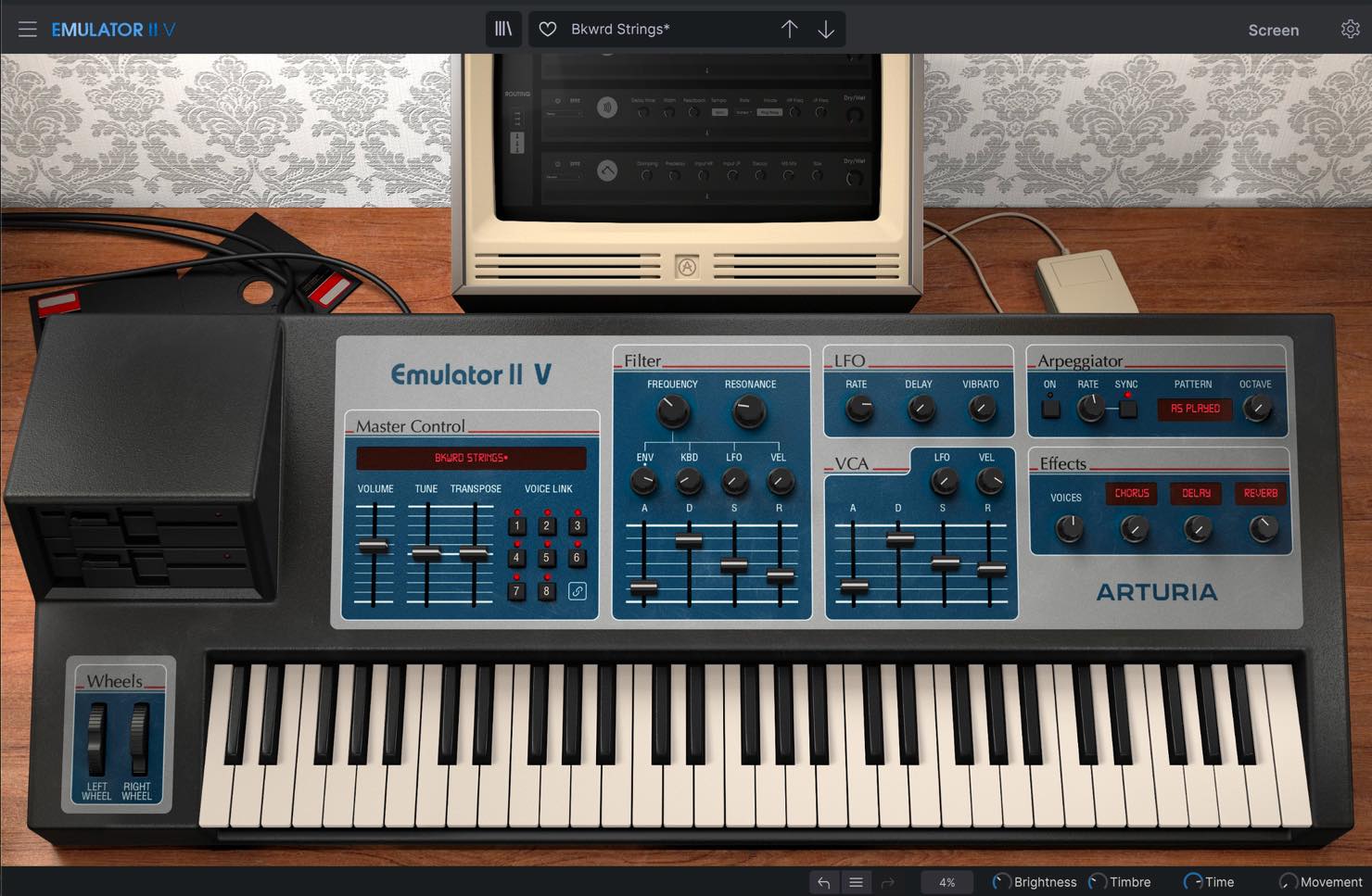
The original instrument behind this model is the E-mu Emulator II, released in 1984.
A pioneering sampler, it could record sampled sounds to floppy disks and play them from a keyboard—a groundbreaking concept at the time.
Its 8-bit, 27.7 kHz sampling was high quality for its day, and its distinctive lo-fi sound is now appreciated anew.
Here are a few presets.
Emulator II V: strings
Emulator II V: drums
Emulator II V: orchestral hit
OB-Xa V
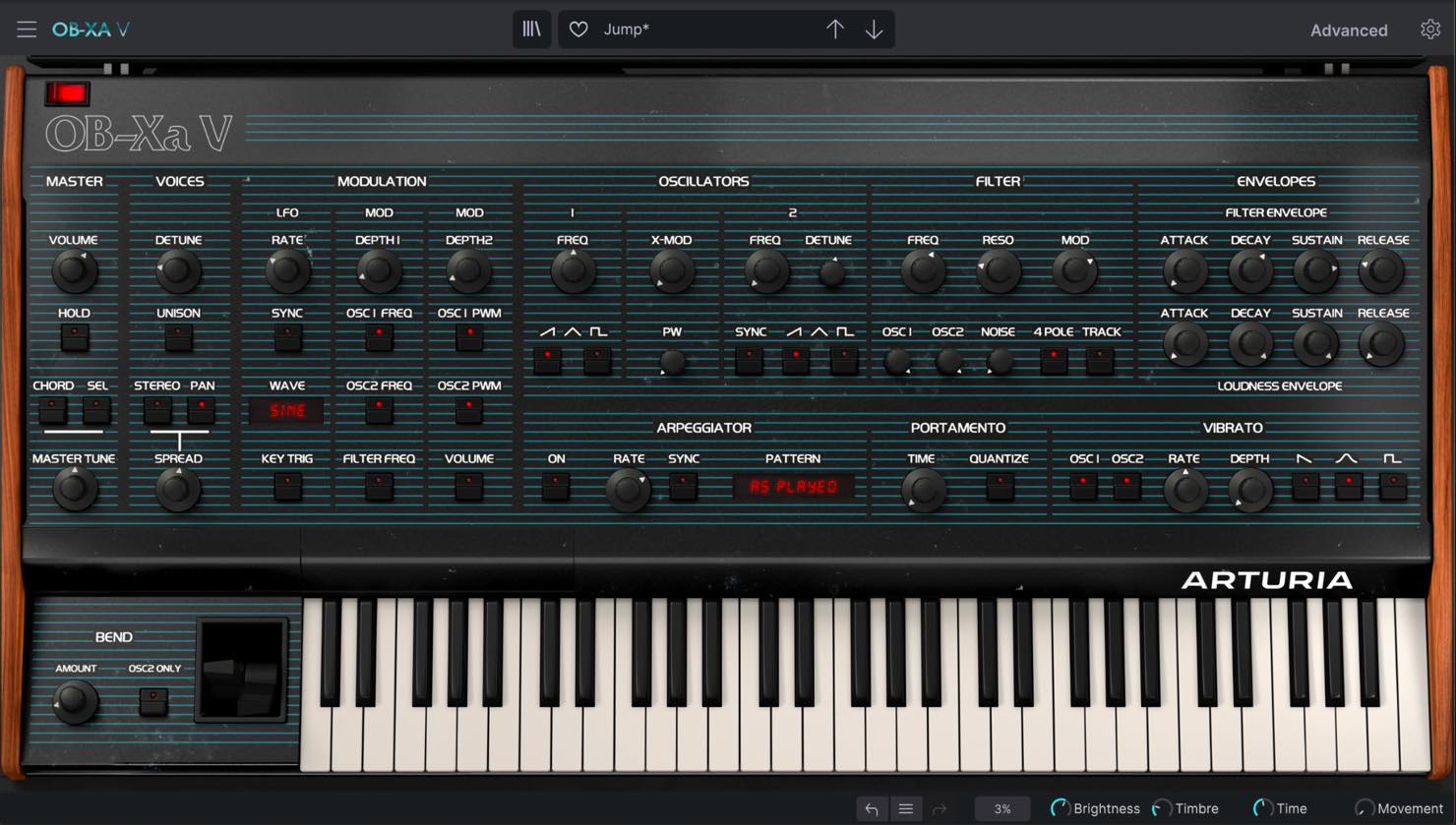
The original instrument behind this model is the Oberheim OB-Xa, introduced in 1980.
It featured two VCOs and was available in four-, six-, and eight-voice versions, with switchable 12 dB/octave and 24 dB/octave filter responses. Its signature sound is thick yet cutting, with polyphonic portamento. It was particularly well regarded for its brass sounds.
The default preset demonstrates the familiar brass sound of the intro to Van Halen’s “Jump.”
OB-Xa V: brass demo
Next, we tried polyphonic portamento with a pad sound.
OB-Xa V: pad with portamento
Vocoder V
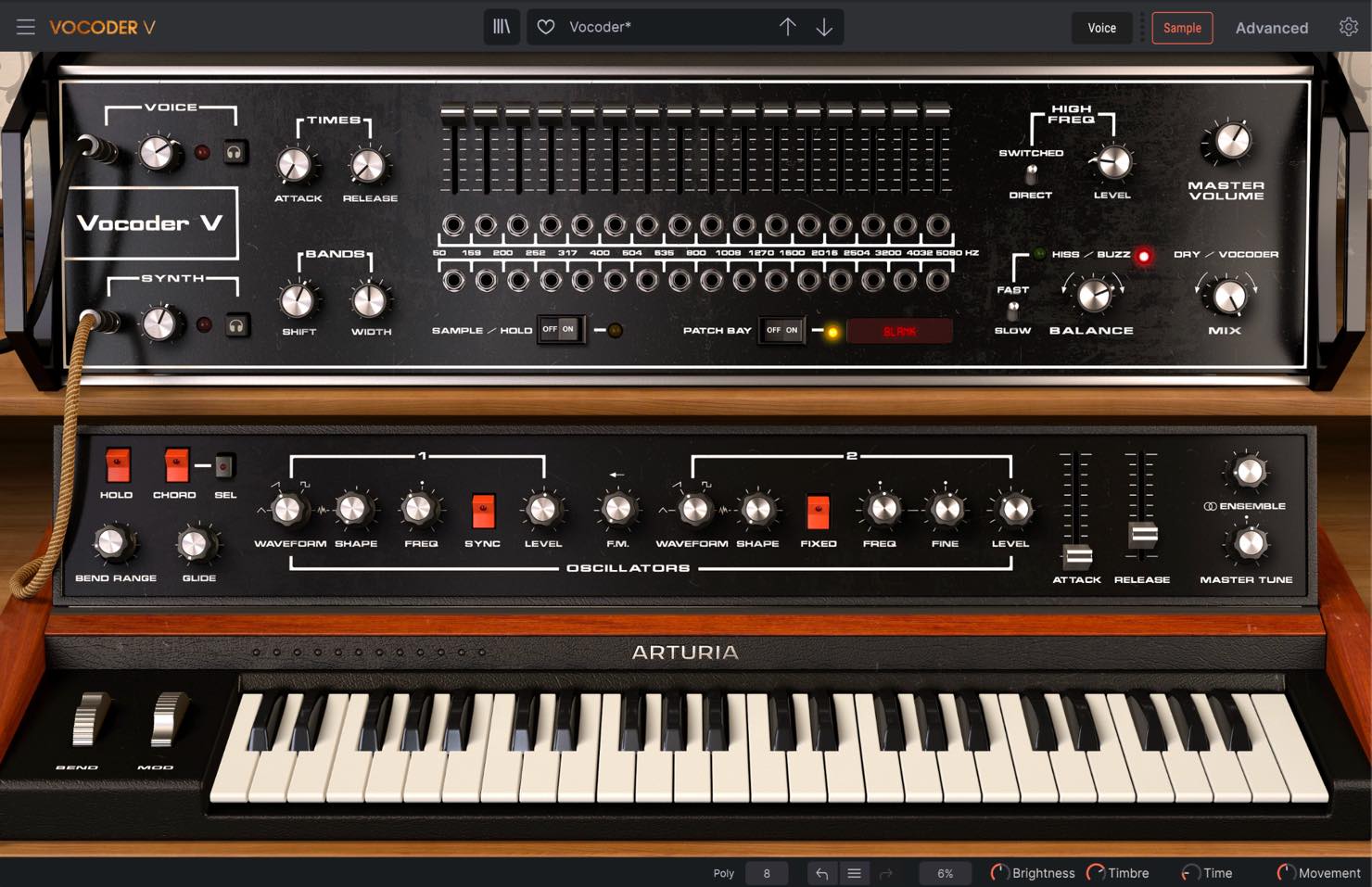
Vocoder V is inspired by the Moog 16 Channel Vocoder from the late 1970s, capturing the distinctive character of that era.
It also includes its own sampler, allowing you to play sound samples while processing them through the vocoder.
With the default preset, playing the keyboard triggers sampled words through the vocoder, as demonstrated here.
Vocoder V: internal sampler
To open the sampler settings, click Advanced in the upper-right corner.
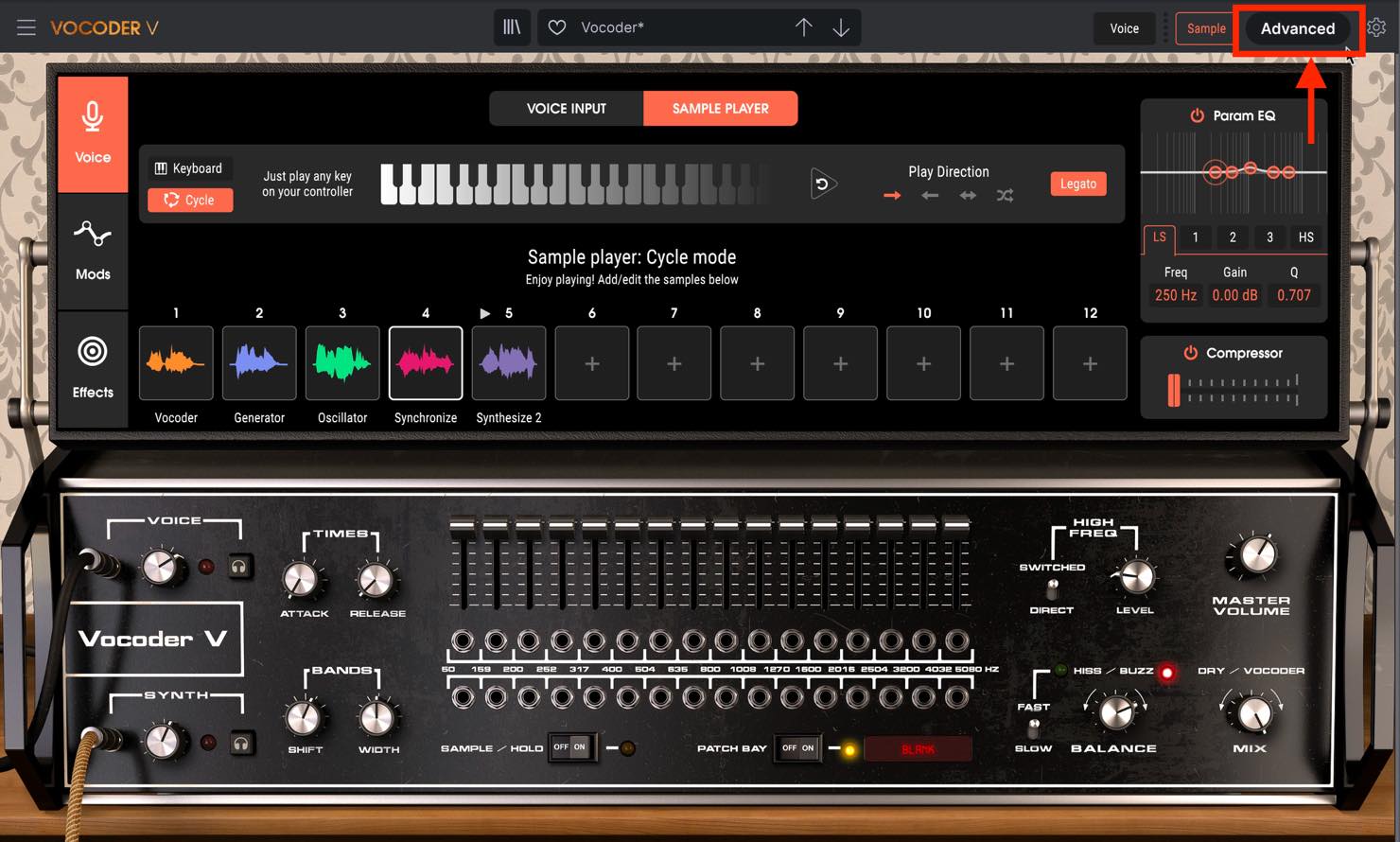
The detailed settings appear, with the samples arranged here. The spoken phrase is what gets fed into the vocoder.
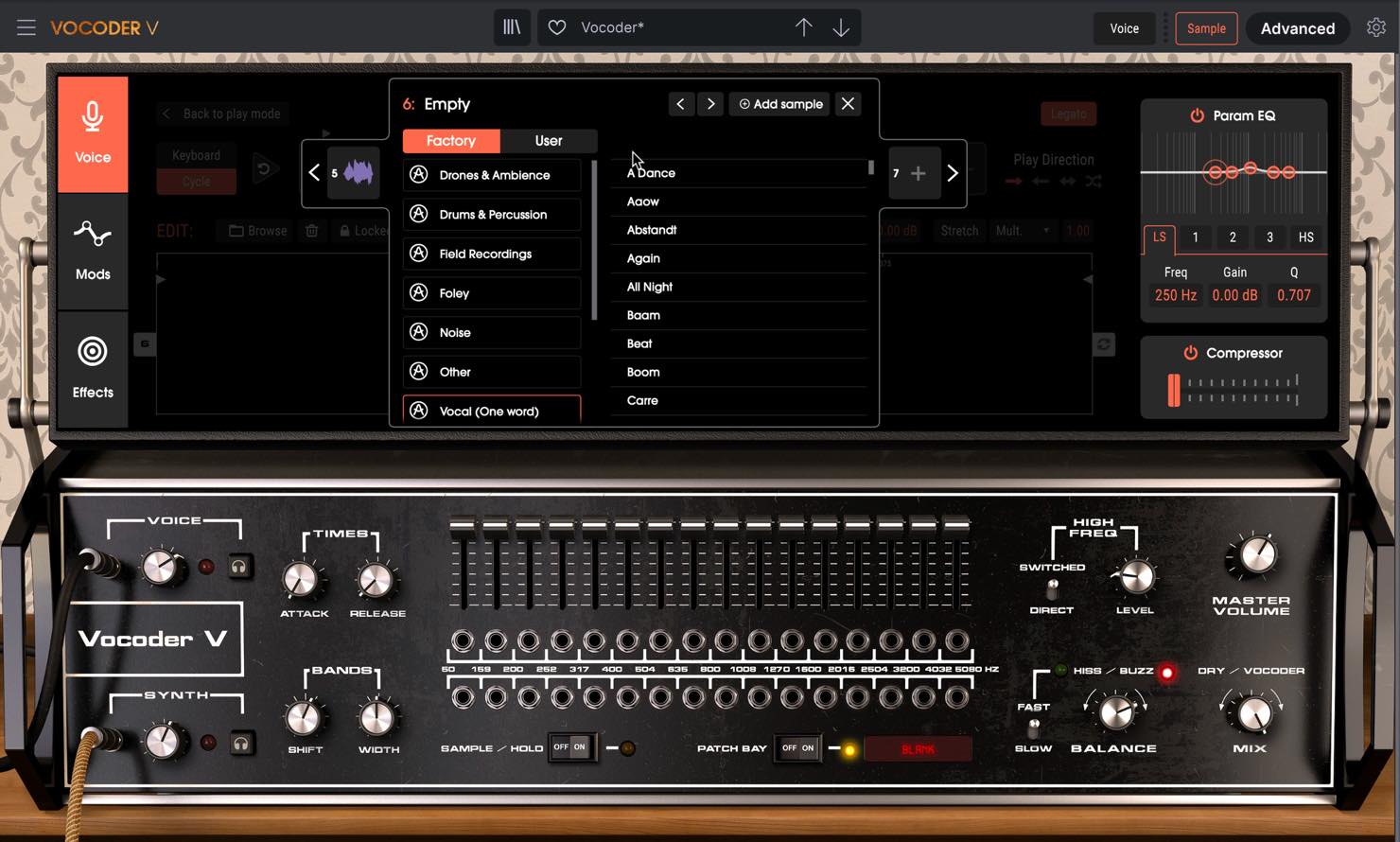
Click an empty slot to choose from various words in the Factory library or import your own samples.
You can also route live audio through the vocoder. Turn on the Vocoder V sidechain, then send audio from the track receiving the input.
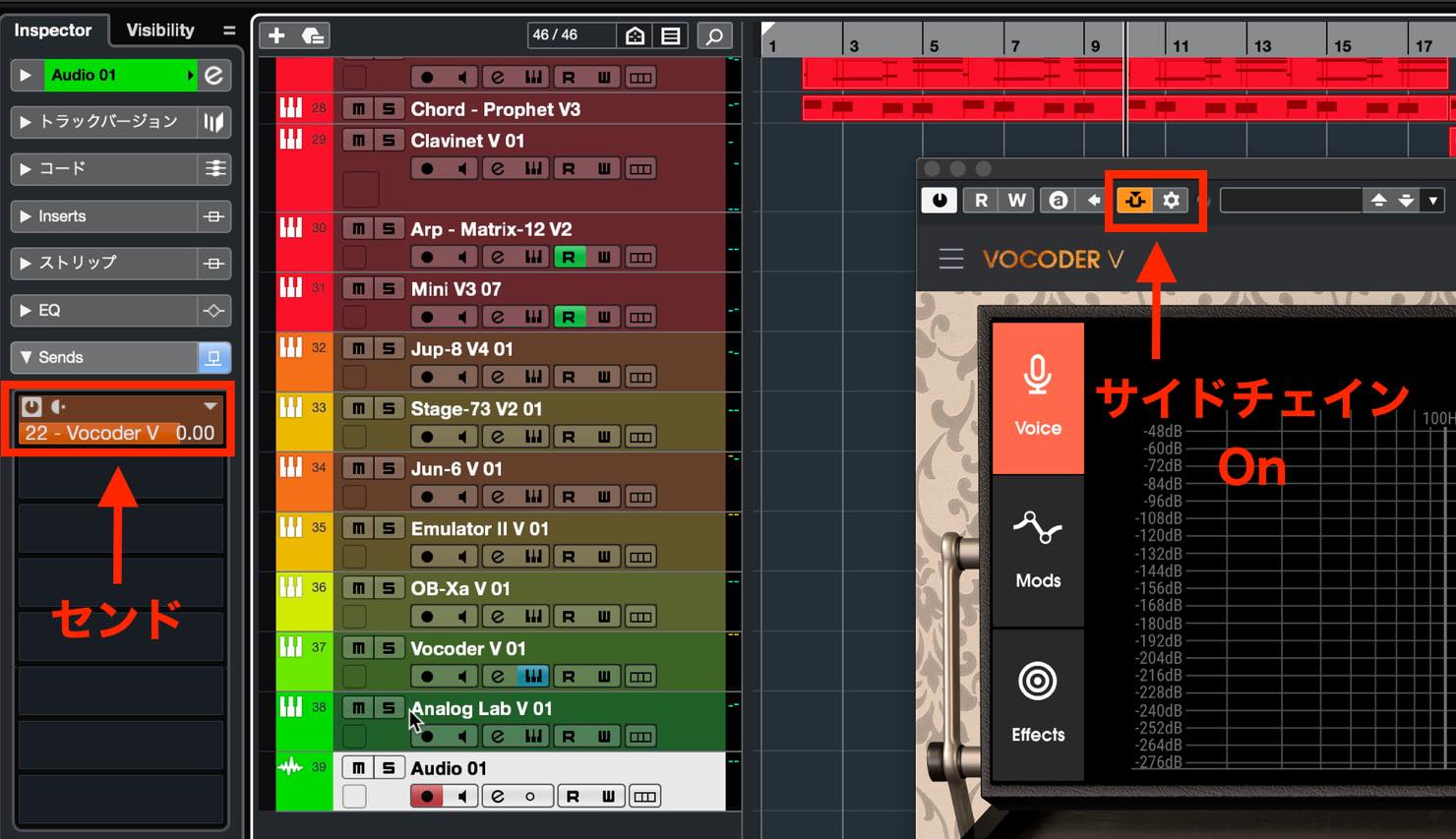
Enable monitoring on the audio track, speak into a microphone, and play Vocoder V from a MIDI keyboard.
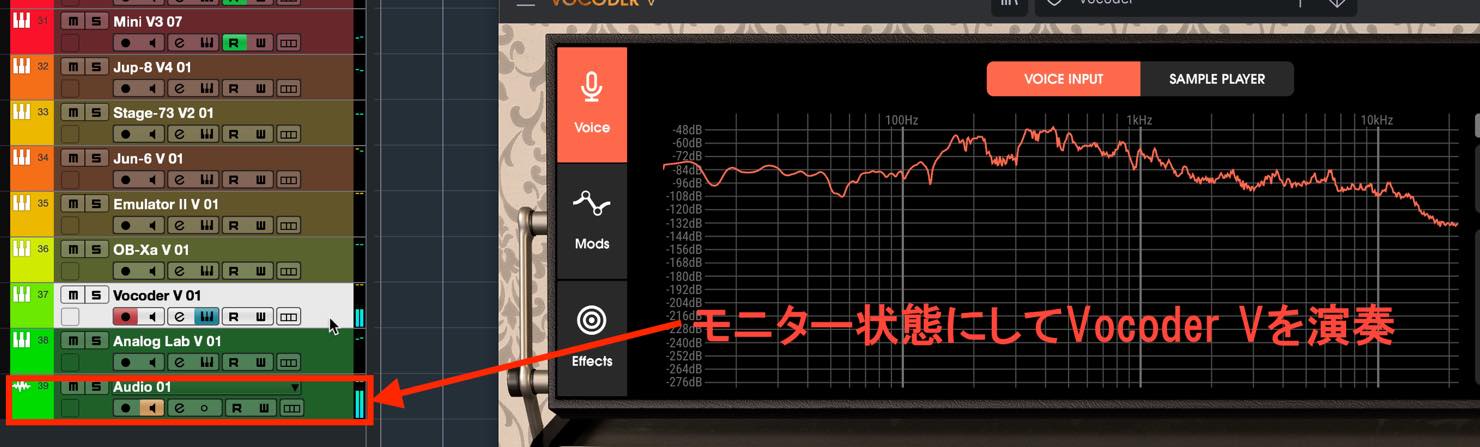
The incoming voice is processed by the vocoder and heard as you play.
Vocoder V: live sidechain input
You can also route prerecorded audio through the sidechain and play Vocoder V along with it.
Let’s try the sample below.
Original recorded vocal
Send the recorded vocal track to Vocoder V, then play the keyboard while the track plays back.
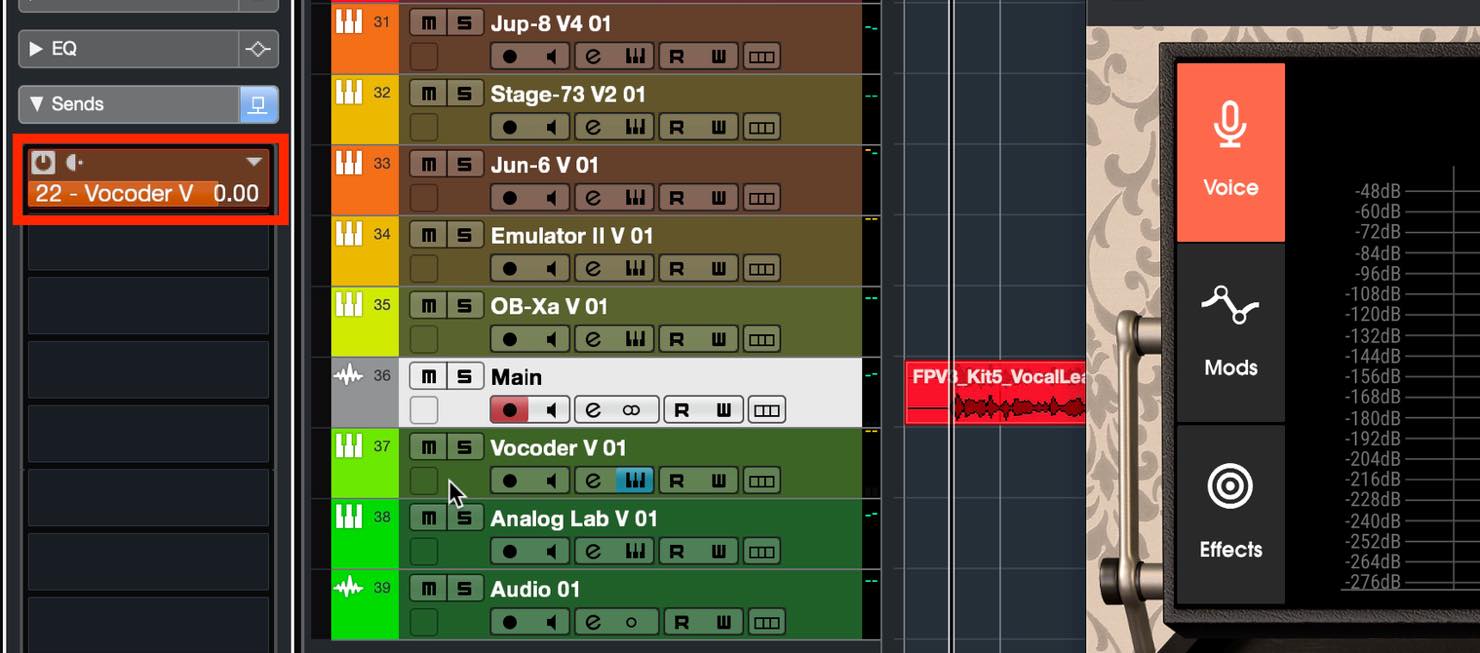
Recorded vocal with Vocoder V
This lets you add a vocoder voice to the vocal.
That was an overview of Arturia V Collection 8.
There is much more to explore, but we hope this has given you a quick sense of what the collection offers.
If it interests you, visit the product page for more details.
Product page: https://bit.ly/2J7BPjU
Buy it here
Japan distributor contact listed in the original 2020 article: Korg / KID Customer Service Tel: 0570-666-569
🆕 Packed with a host of legendary vintage synthesizers
Arturia V Collection 8: New Features ExplainedNew instruments
- Jun-6 V (modeled on the Roland Juno-6)
- Emulator II V (modeled on the E-mu Emulator II)
- OB-Xa V (modeled on the Oberheim OB-Xa)
- Vocoder V (modeled on the Moog 16 Channel Vocoder)Details: https://t.co/sCc06ZRhJN pic.twitter.com/AROEXEZ04R
— SLEEP FREAKS (@SLEEPFREAKS_DTM) December 24, 2020

Frequently Asked Questions
Q1. Which instruments were added to V Collection 8?
Four instruments were added: Jun-6 V (modeled on the Roland Juno-6), Emulator II V (E-mu Emulator II), OB-Xa V (Oberheim OB-Xa), and Vocoder V (Moog 16 Channel Vocoder).
Q2. What is a standout feature of Vocoder V?
Its built-in sampler lets you select existing samples or import your own, and it can process live audio from a microphone or an audio track through the vocoder.
Q3. What kinds of music production suit V Collection 8?
It is well suited to electronic music that calls for vintage synthesizer sounds, including ’80s synthwave and synth-pop. Its range spans brass tones to lo-fi sampling.
NEW ARTICLES
Latest English Articles






































































































































































