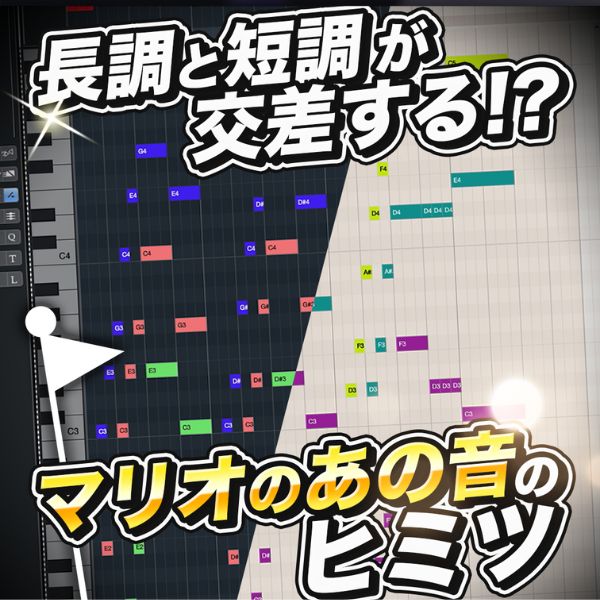
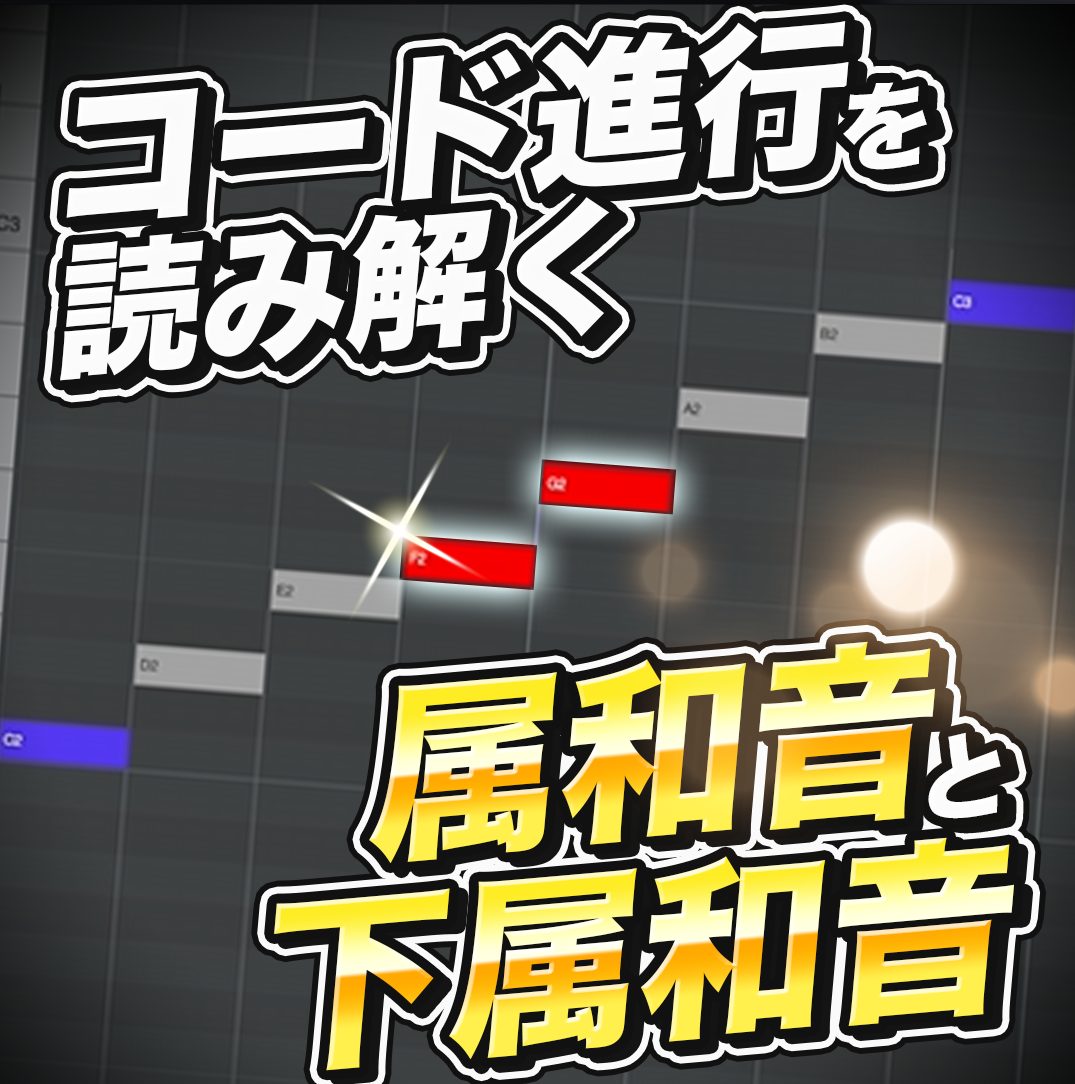
In the popular progression Fmaj7 → E7 → Am → C7, E7 lies outside the diatonic chords of C major and functions as a secondary dominant leading to Am. This article explores melodic choices over that non-diatonic chord. G♯ is a chord tone, while G natural can add the color of a sharp ninth or a blues-inflected minor third. The Japanese headline uses “iii7,” but the body and diagrams demonstrate E7, not the diatonic Em7; the diagrams voice the following Am as Am7. Here, “borrowed” is used broadly for a non-diatonic chord, rather than specifically for modal interchange.
Choosing Notes Over Non-Diatonic Chords
“Fmaj7 → E7 → Am → C7” is a much-loved progression heard in many hit songs. The accompanying diagrams use Am7 in the third position.


E7 contains G♯, so it falls outside the notes of C major. The original article describes it broadly as a borrowed chord.
More precisely, it is the dominant of A minor, used within C major as a secondary dominant: V7/vi.


Using G♯ in the melody therefore gives a direct phrase that fits the chord cleanly.
However, lowering that G♯ by a semitone to G natural can also produce a compelling sound.


Over E7, G natural is enharmonically equivalent to F double-sharp, the chord's sharp ninth: a colorful tension note.


It can also be heard as a blues-inflected lowered third against E7's major third, G♯. This describes a blues color rather than a note in every possible E7 chord scale.


In the illustrated phrases, descending toward a point of resolution helps the tension settle naturally.
A semitone clash between a chord and melody may initially sound like a mistake. In this context, though, deliberately shaping that dissonance can create a cool, expressive edge.
Frequently Asked Questions
Q1. What is a secondary dominant?
A secondary dominant temporarily emphasizes a chord other than the home tonic by approaching it with its own dominant. In C major, E7 acts as V7/vi, creating tension that leads toward Am. It is more specifically a secondary dominant than a modal-interchange chord.
Q2. What effect does a sharp ninth have?
It adds a striking dissonant color to a dominant chord. Over E7, the sharp ninth sounds like G natural while the chord contains G♯. This major-third/minor-third color is familiar in blues, jazz and pop, and can give a phrase an expressive edge.
Q3. Can my melody use notes outside the chord?
Yes. Tension notes and blues notes are ways to create color beyond the chord tones. Listen to their timing, duration and resolution: an intentional clash can be expressive, but theory alone does not guarantee that every non-chord tone will suit every phrase.
NEW ARTICLES
Latest English Articles