This music theory lesson introduces substitute chords as a way to add variety beyond the three primary chords C, F and G. A substitute can serve a similar harmonic function while bringing a different sound. The lesson builds on the basics to help you create more varied chord progressions and add depth and color to your music.
Go Beyond the Three Primary Chords with Substitutes

In the previous lesson and earlier lessons, we harmonized using the three chords C, F and G.
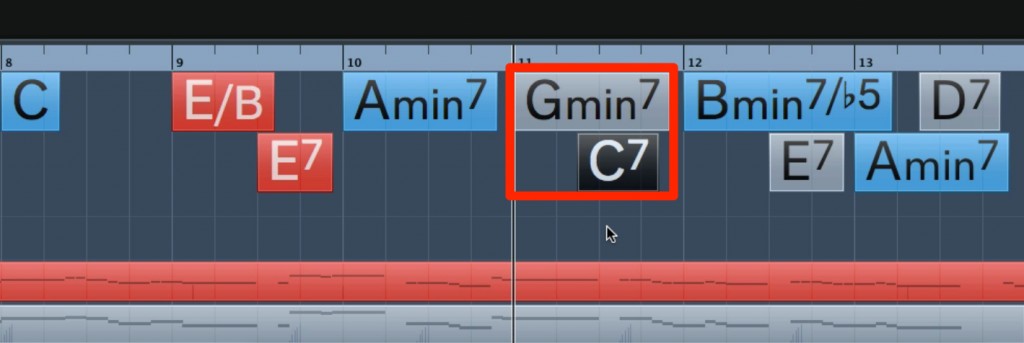
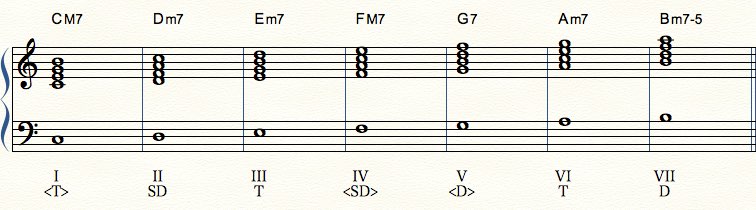
This time, we will use chords with similar functions to those three—substitute chords—
to add color to a song.
Video Tutorial
Frequently Asked Questions
Q1. What exactly is a substitute chord?
A substitute chord can have a similar harmonic role to the original while using different notes. For example, Am7 can sometimes take the place of C as a tonic substitute. The Japanese source also lists G7sus4 as a substitute for C; however, G7sus4 usually has a dominant function in C major, so its role depends on context.
Q2. What is wrong with using only C, F and G?
Three-chord progressions can become repetitive or give a song a simple, predictable feel. Substitute chords can add different colors and smoother movement while retaining a similar harmonic function.
Q3. Can beginners use substitute chords?
This series builds step by step from the basics of the three primary chords, so beginners can learn and put the ideas into practice. The video helps connect the theory to its application.
NEW ARTICLES
Latest English Articles