
This electro-pop song critique explores three practical improvements: creating contrast between sections so the chorus has greater impact, shaping a kick for a dance-oriented rhythm track, and using EQ to give instruments clearer roles across the frequency range. Before-and-after examples illustrate changes to balance, rhythm and frequency distribution in this particular track.
Reviewing listeners' music across different genres

In this category, our Song Critiques series reviews music submitted by viewers.
What kinds of songs are people making? How do they sound? What are their creators struggling with?These are some of the questions
we are curious about.
We introduce a listener's track and discuss ways to make it more engaging.
We hope the critique offers discoveries from several perspectives.
Try applying the individual ideas to develop your own production skills.
No. 1: An electro-pop song with vocals
- 1Electro-pop with vocals: three ways to refine the track
- 2An orchestral piece: three points for improvement
- 3Pop ballad: three ways to create contrast in the arrangement
Introducing the submitted track
This fresh, lively electro-pop song was made by Flauto, a Vocaloid producer and, at the time of the original article, a student at Osaka College of Music.
YouTube: https://www.youtube.com/@flauto0121
Niconico: https://www.nicovideo.jp/user/84652520
X: https://x.com/flauto0121
- The concept
A song for the character Kasane Teto, drawing on her history and personality.
Its story also refers to the character's origins and well-known songs associated with her. - What I focused on
First, the lyrics and title refer to Kasane Teto. Musically, I focused on a catchy chorus and its chord progression.
Particular highlights are IVM7 → IV/V → IIIm7 → VIm7 at the start of the chorus, and IVM7 → IV/V → III7 → ♯Vdim → VIm → IVM7 → IVm → I in the latter half. - What I am struggling with
Positioning the instruments in the mix. In particular, I was unsure where to place the strings for a balanced result.
Explaining the revisions
Let's look at the three points we addressed.
1. Create contrast between sections

In pop music, the arrival of the chorus often needs to feel satisfying.
Two important aspects of controlling that lift are:
- Making the chorus itself exciting
- Avoiding too much intensity immediately before the chorus
Both matter, and the second is often overlooked in production practice.
What elements help us control that sense of energy?
I use the following five as a guide.
- Melody
- Harmony
- Rhythm, including the beat and accompaniment patterns
- Frequency distribution and density
- Stereo positioning
Checking these elements individually helps identify useful revisions quickly.
Here, we will revise the contrasting section immediately before the chorus, called the C-melody section in the original article.
Before the revisions
Section contrast — before revisions
After the revisions
Section contrast — after revisions
We give the first half a half-time drum feel, then return to a four-on-the-floor beat in the second half to build toward the chorus.
The bass also gains contrast: sustained notes in the first half lead to a line with offbeat sixteenth-note accents in the latter half, distinct from the other sections.
Giving this section and the chorus clearly different grooves creates a stronger rise and fall across the song.
2. Shape the rhythm track for dance music
For music built around a four-on-the-floor dance beat, aim for a lively, propulsive sound that makes the listener want to move.
In this track, we felt the kick did not stand out enough.
We will give it a stronger attack and a more distinct sound.
Two common, effective approaches are:
- Replacing the kick sample itself
- Using dynamics processing
Here, we use effects to make the kick more prominent.
Before the revisions
Kick processing — before revisions
After the revisions
Kick processing — after revisions
A transient shaper lets you adjust the attack and tail independently.
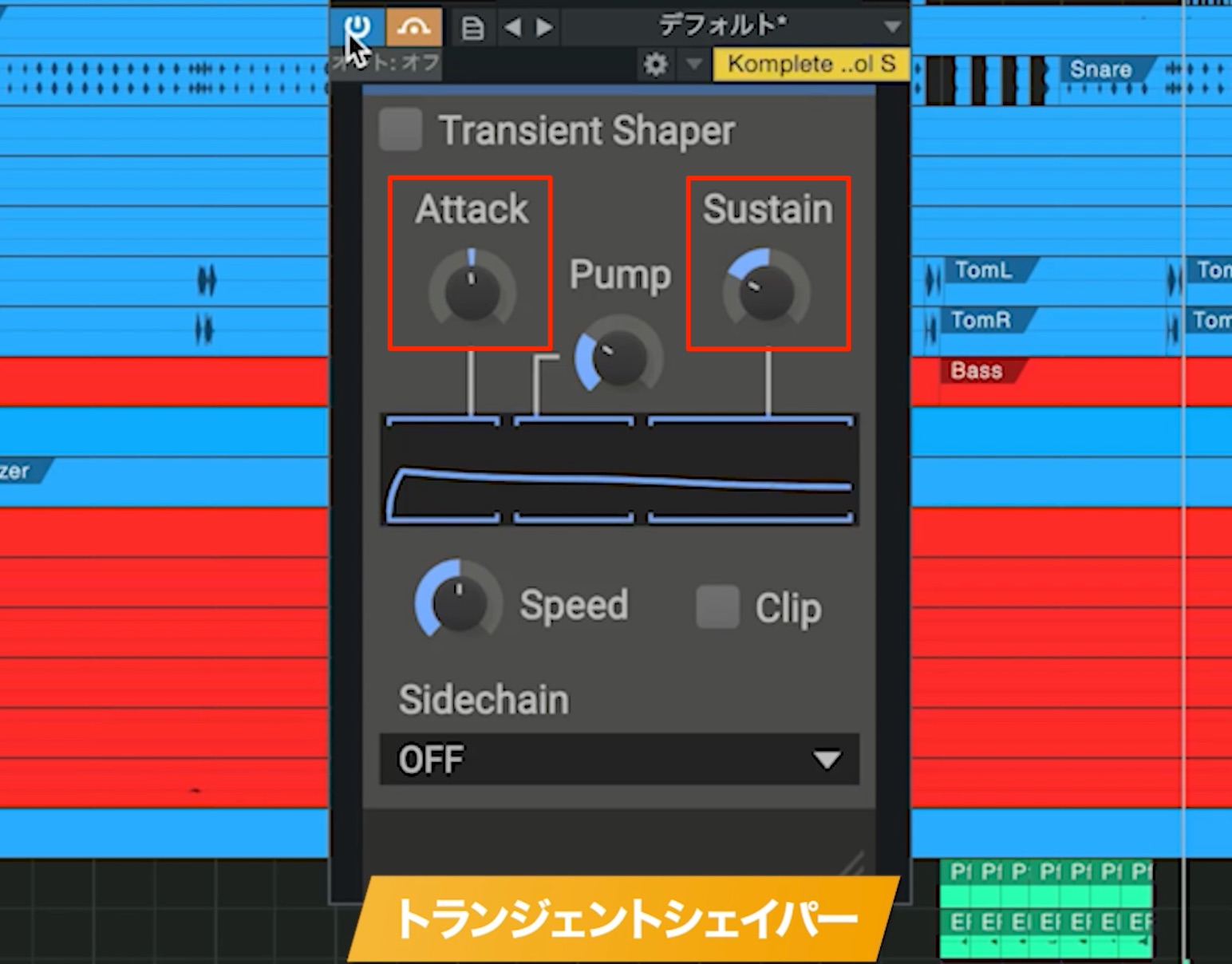
Alongside increasing the attack, shortening the tail can make the kick sound tighter.
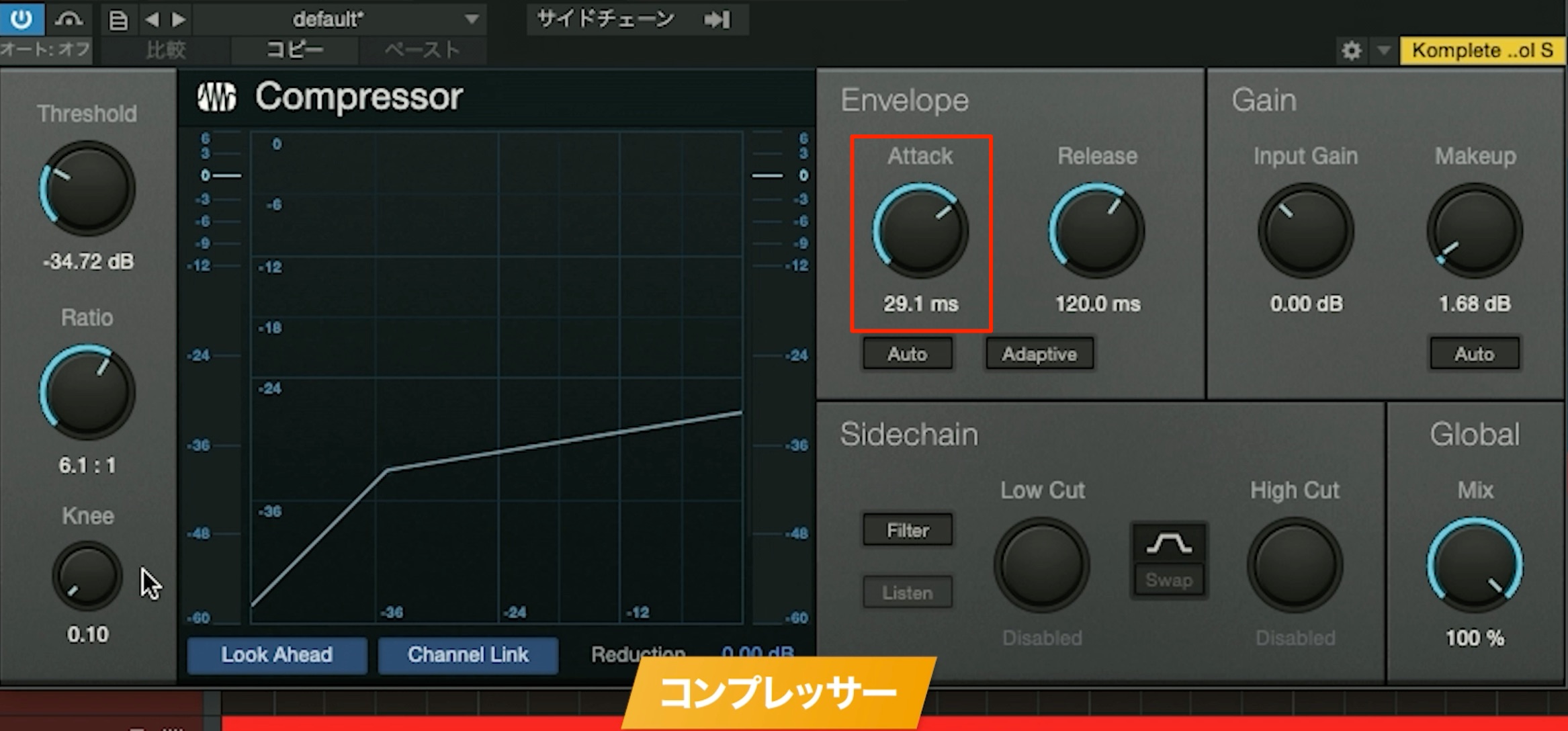
We also set the compressor to preserve the initial transient.
This emphasizes the onset and helps create a focused sound.
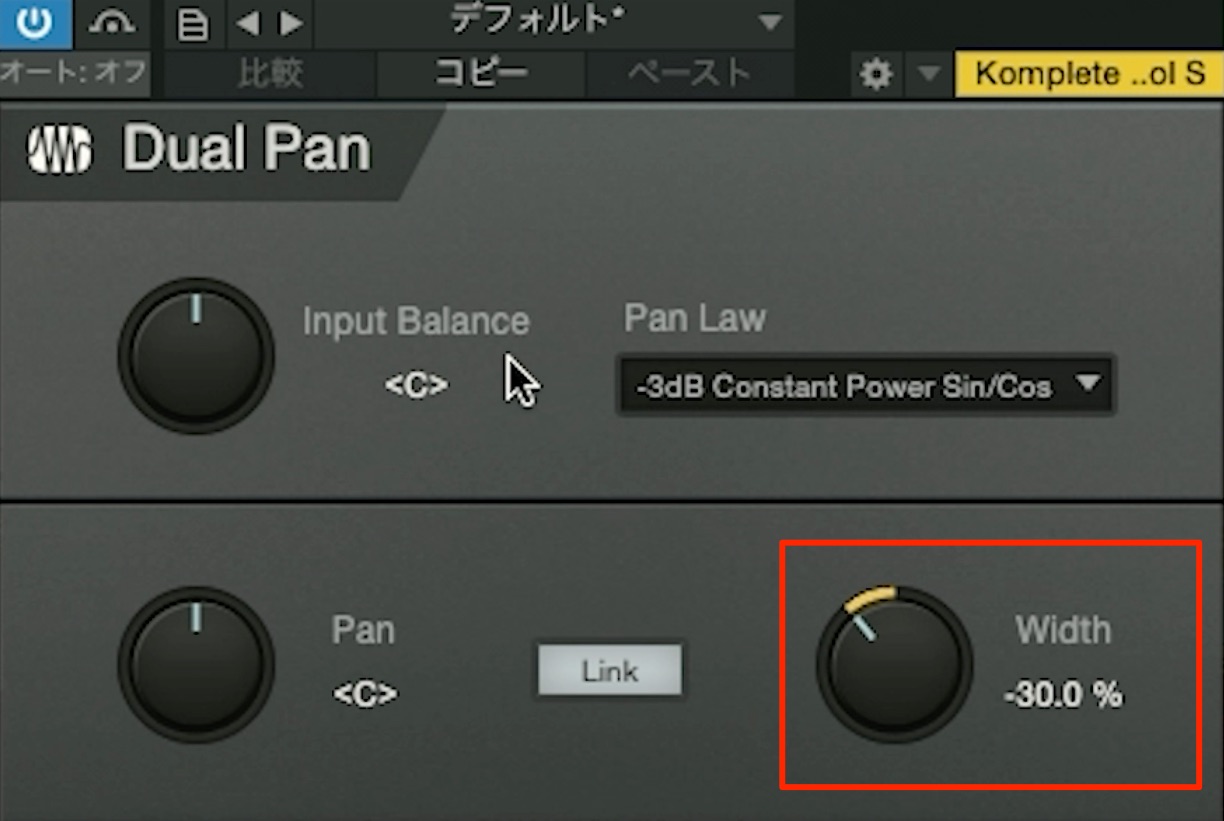
We move the kick slightly closer to the center of the stereo image to separate it from the wider bass in this mix.
This helps the kick stand out.
3. Give instruments distinct frequency roles
Although the strings, guitar and piano parts were thoughtfully arranged, their lines were difficult to hear clearly.
Overall, too much of the sound was concentrated in the midrange.
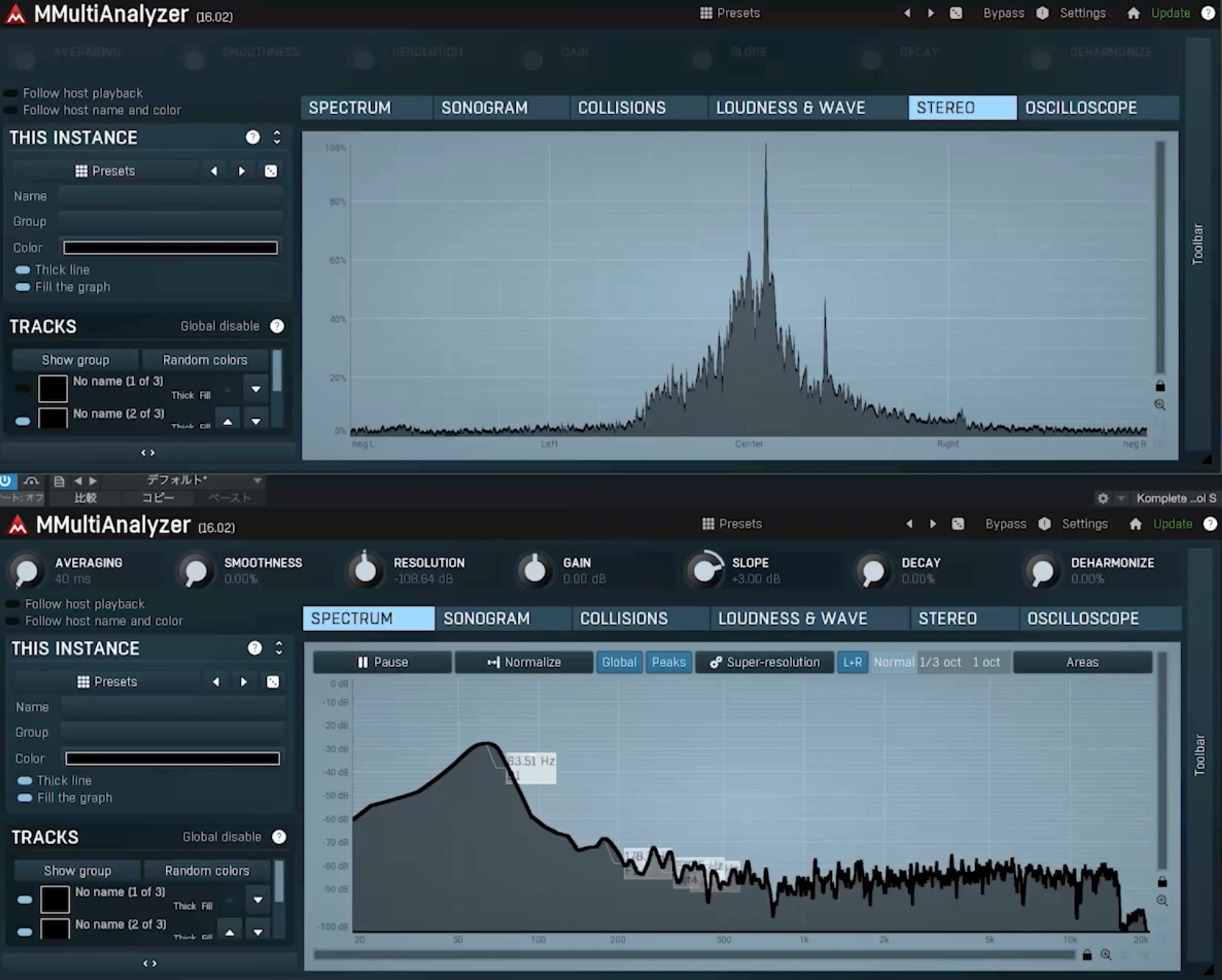
Before the revisions
Frequency balance — original before sample (also used in the kick example)
After the revisions
Frequency balance — original after sample (also used in the kick example)
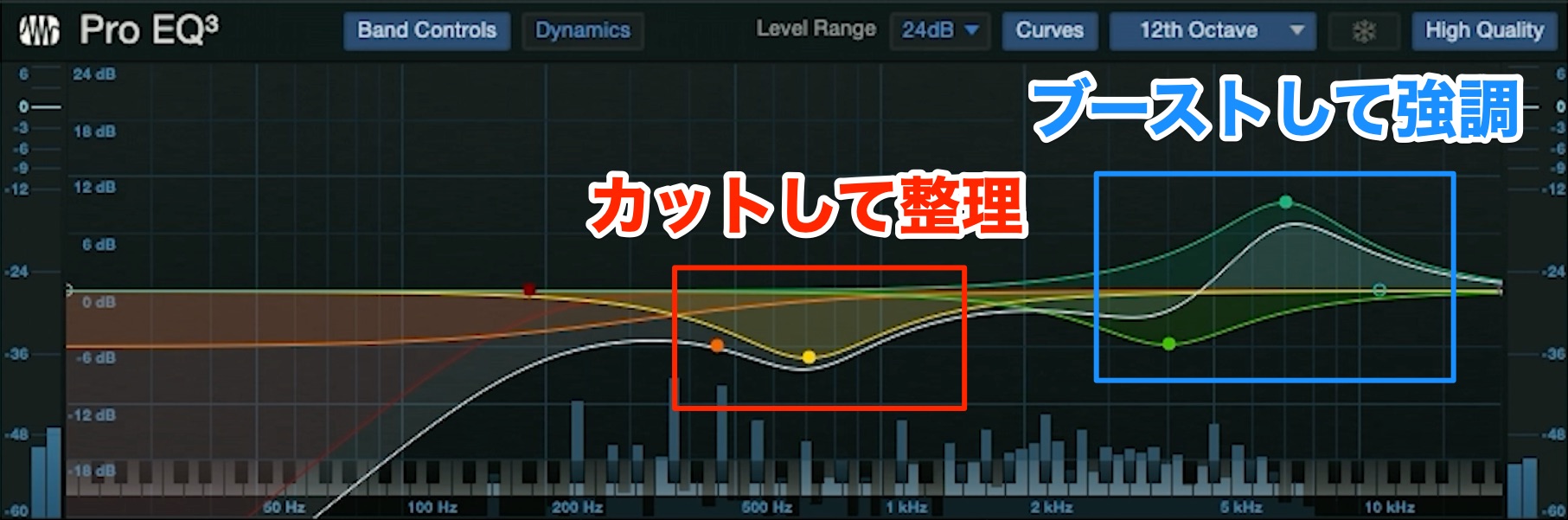
In the high frequencies, the hi-hat seemed to carry almost everything, with little audible contribution from the piano, guitar or strings.
We therefore used EQ to make the upper-frequency content of the strings and piano more apparent.
This made a noticeable difference even when listening to the full arrangement.
What did you think?
Here is the track with all three sets of revisions applied.
The reviewer found the revised frequency balance much easier to listen to.
The song's dynamic contrasts were clearer too, making it more engaging.
These examples show how a few deliberate changes can make a track more compelling.
The next installment looks at a piece incorporating orchestral sounds.
Frequently asked questions
Q1. Why might an electro-pop chorus feel underwhelming?
The preceding section may already be too intense. Create contrast in melody, harmony, rhythm, frequency distribution and stereo positioning. Changes to the drum pattern and bass line can help.
Q2. How can I make an indistinct kick clearer?
In this example, a transient shaper emphasizes the attack and a compressor is set to preserve the onset. Moving the kick closer to the center also helps distinguish it from the wider bass. Choose processing according to the source sound and mix.
Q3. Why can strings, guitar and other instruments become buried?
A crowded midrange can make their lines harder to distinguish. In this track, adjusting the frequency balance with EQ and bringing out upper-frequency content made the parts clearer. The same EQ choices will not suit every arrangement.
Q4. How can a beginner improve the mix balance?
Check melody, harmony, rhythm, frequency distribution and stereo positioning separately. This five-part framework helps you identify areas to revise.
NEW ARTICLES
Latest English Articles






















































































