Understanding chord tones helps you create effective left-hand piano arrangements. This article introduces a common arpeggio pattern—root, fifth, root, third, fifth—and explains how the root and fifth provide stability while the third helps establish a major or minor sound.
A Left-Hand Approach to Chord Arrangement

This time we explore an approach for the left hand.
We’ll introduce a common arpeggio pattern
and discuss the chord tones it uses.
Tutorial Video
- 1Piano Arrangement 1: Programming the Melody
- 2Piano Arrangement 2: Choosing Velocity
- 3Piano Arrangement 3: Adding Chords
- 4Piano Arrangement 4: Note Length and Velocity in Practice
- 5Piano Arrangement 5: Left-Hand Chord Approaches
- 6Piano Arrangement 6: Left-Hand Approaches 2 / Right-Hand Arrangement
Selected Questions and Answers from the YouTube Video

Thank you for the clear explanation. I have a question: when making an arpeggio from a chord with more than three notes, such as a seventh chord, would a pattern like root, perfect fifth, root an octave higher, major third and minor seventh be suitable?

There is no fixed rule, since the arrangement must work with the other tracks, including the bass. However, trying a pattern like this often produces a pleasing result.
About Chords
Chords are generally described as combinations of three or more notes.
Let’s look at the simple triads below.

Example 1 is C major; example 2 is C minor.
The first is often described as bright and the second as dark.
The chord’s third is what distinguishes their major and minor qualities.
The root and perfect fifth form a very consonant interval.
For that reason, in low-register parts such as the left hand,
the root and fifth are often played
to provide a sense of stability.
You can hear this pattern in many songs.
The left-hand part in this video is one example of that approach.
Creating an Arpeggio Phrase

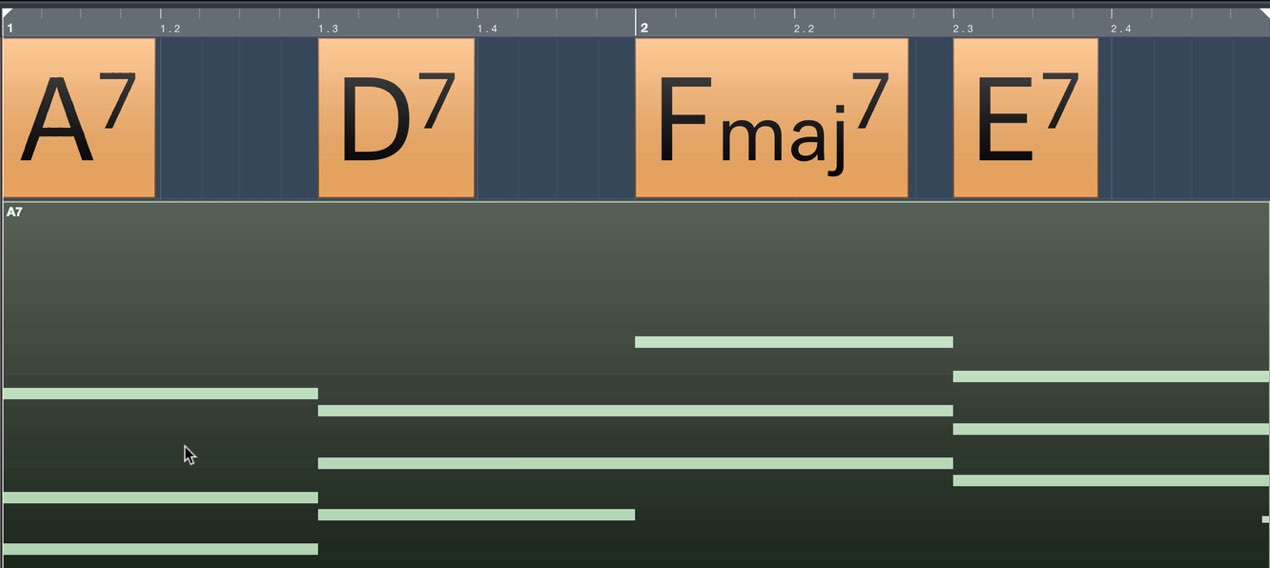
Let’s make an arpeggio—a broken-chord phrase.
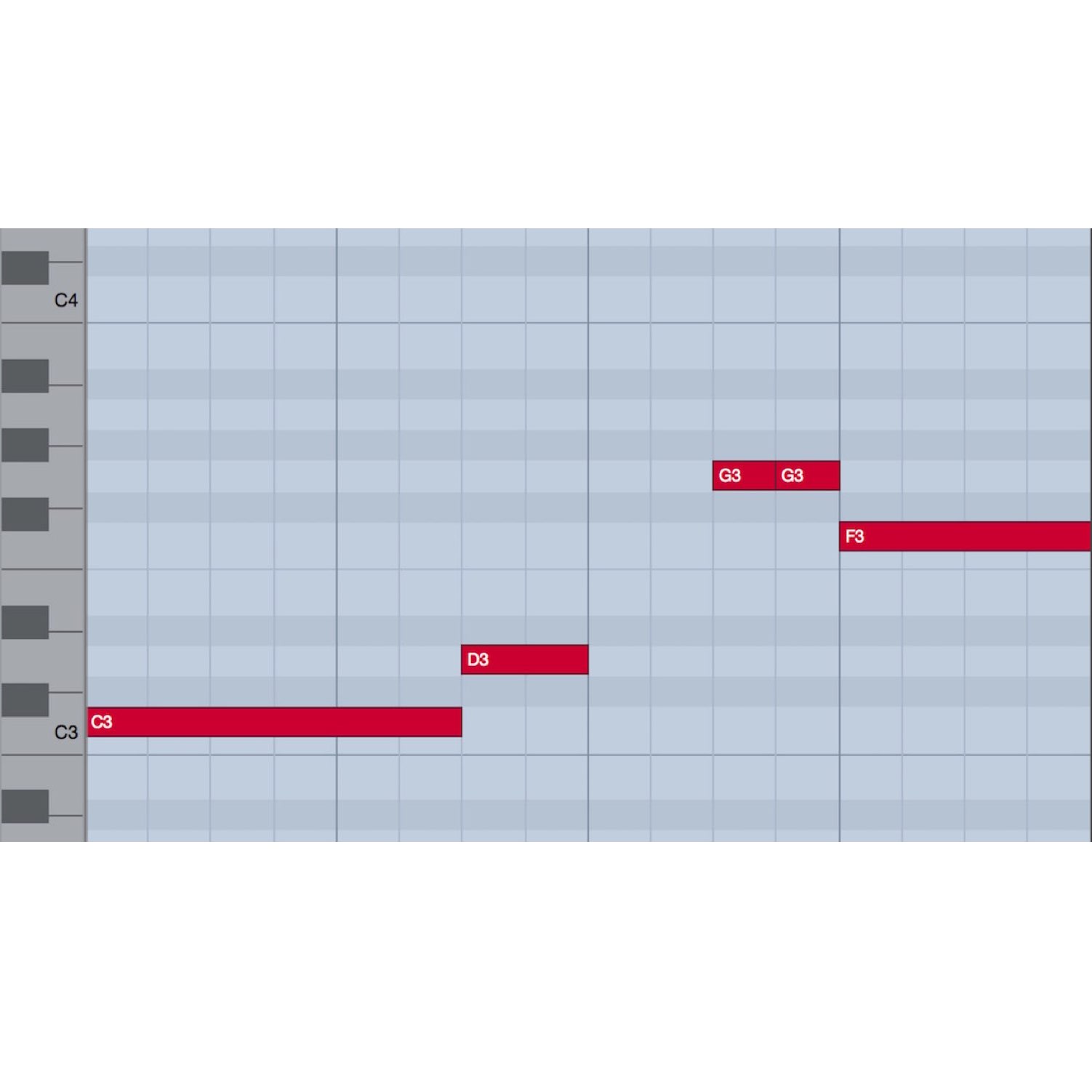
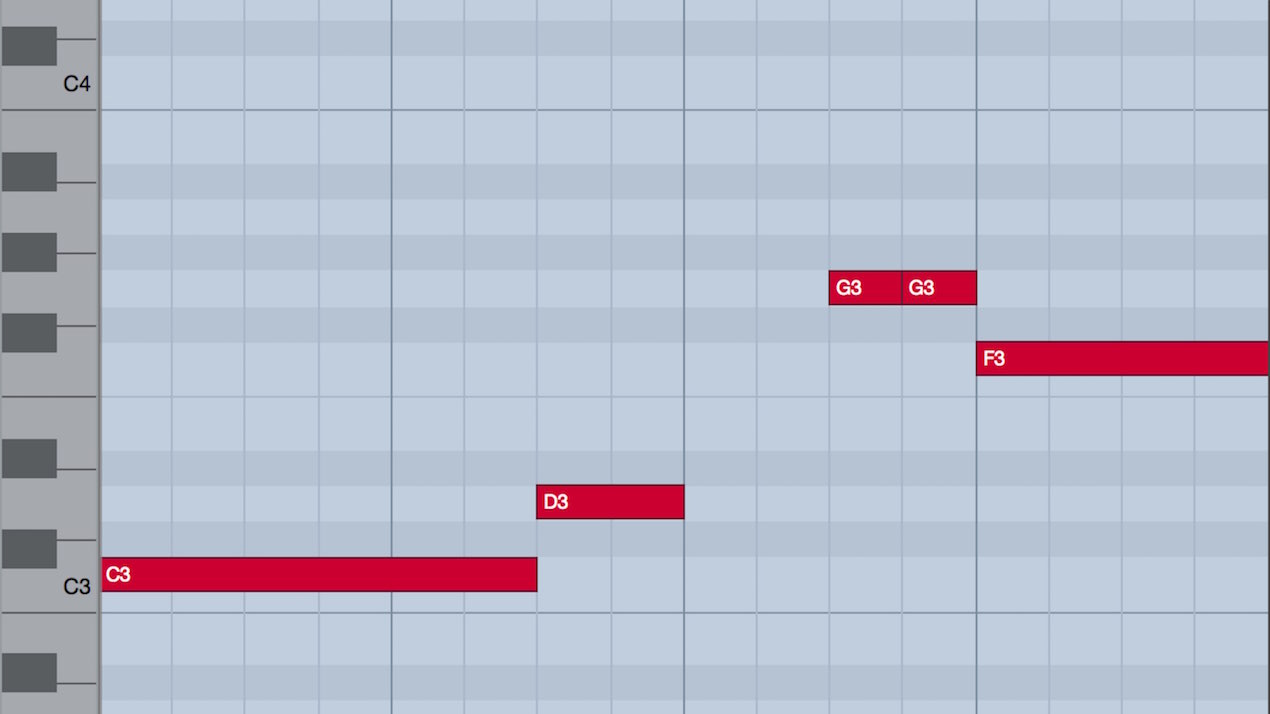
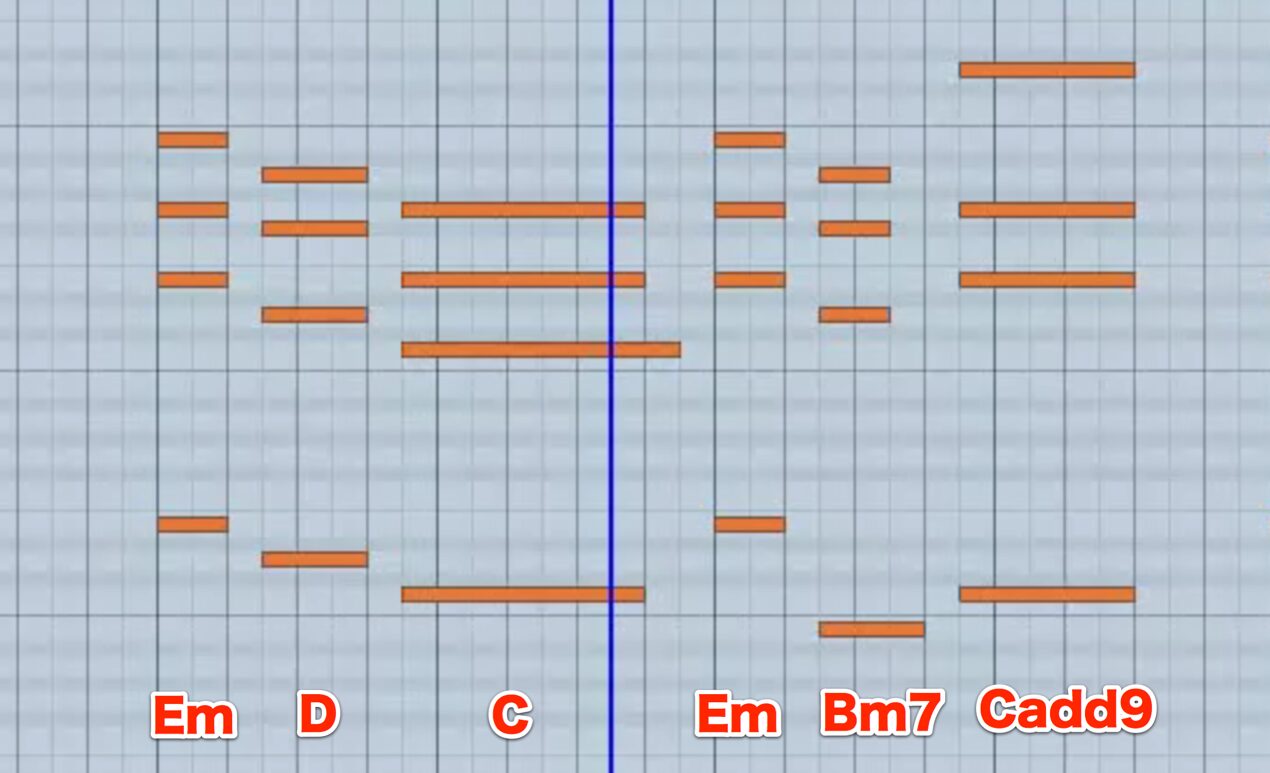
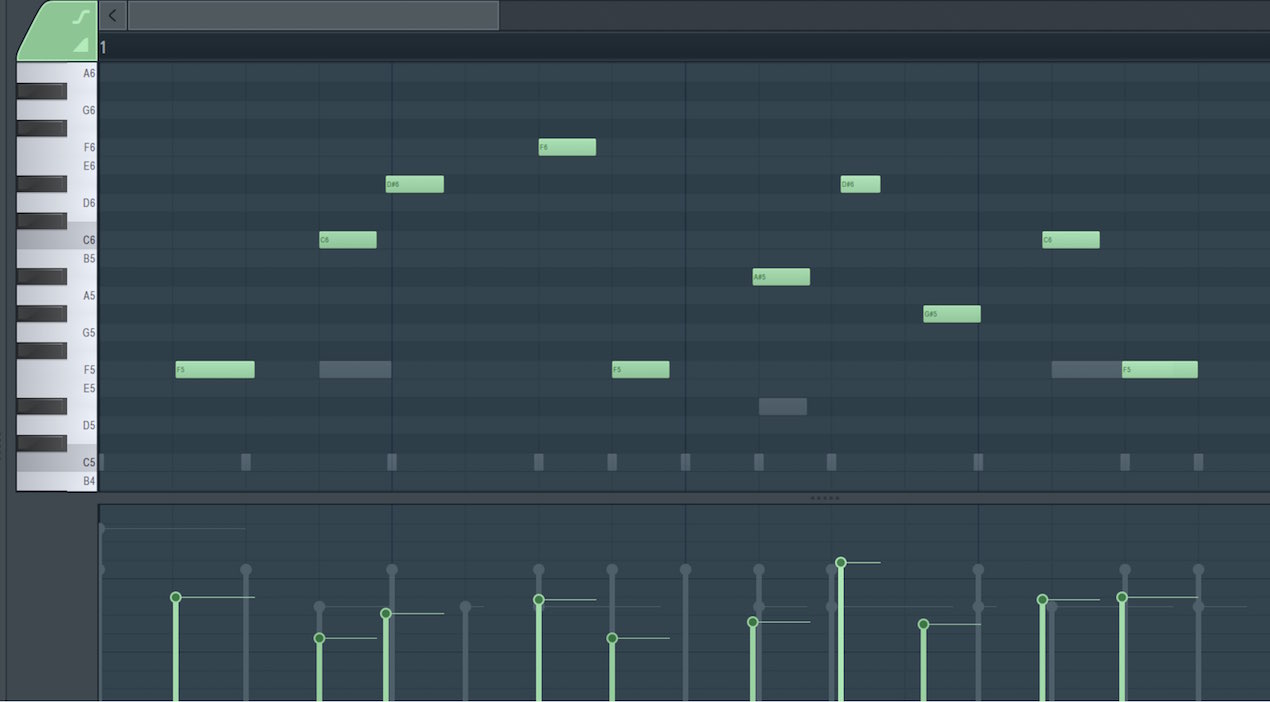
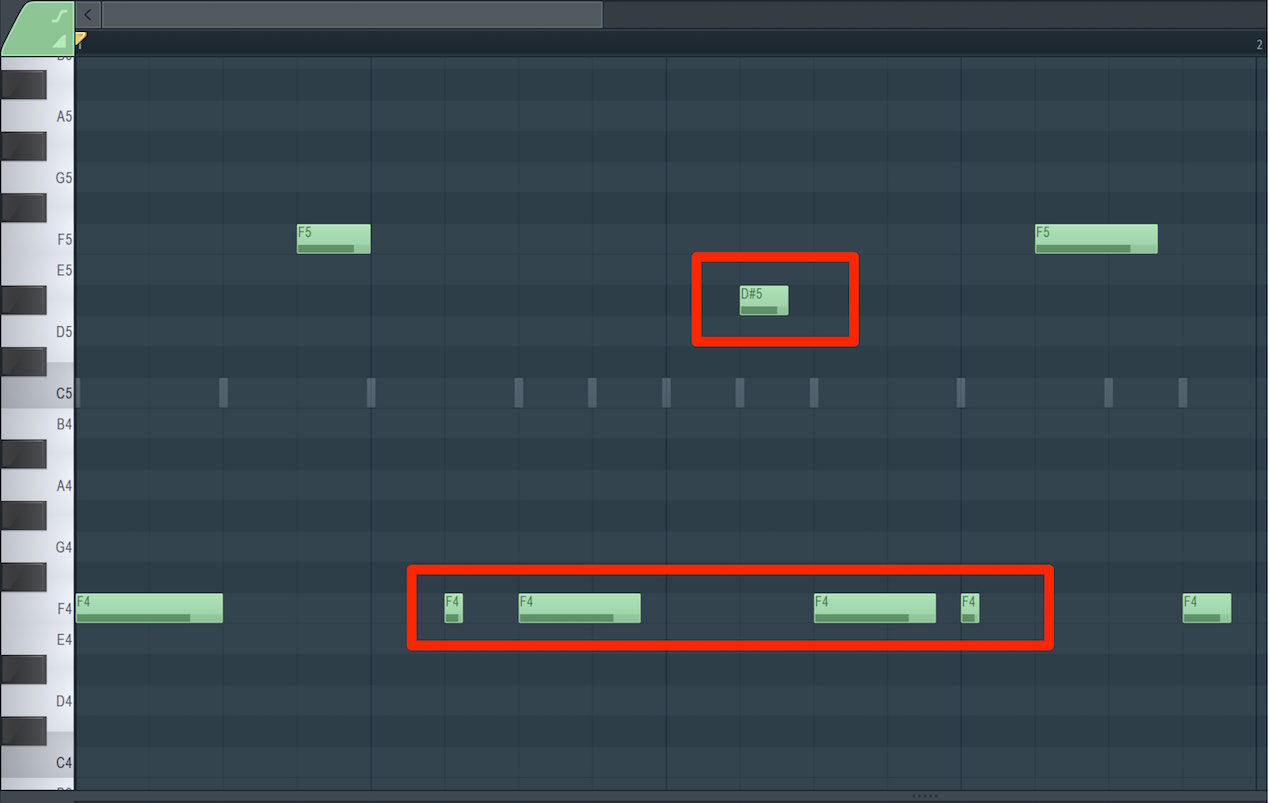
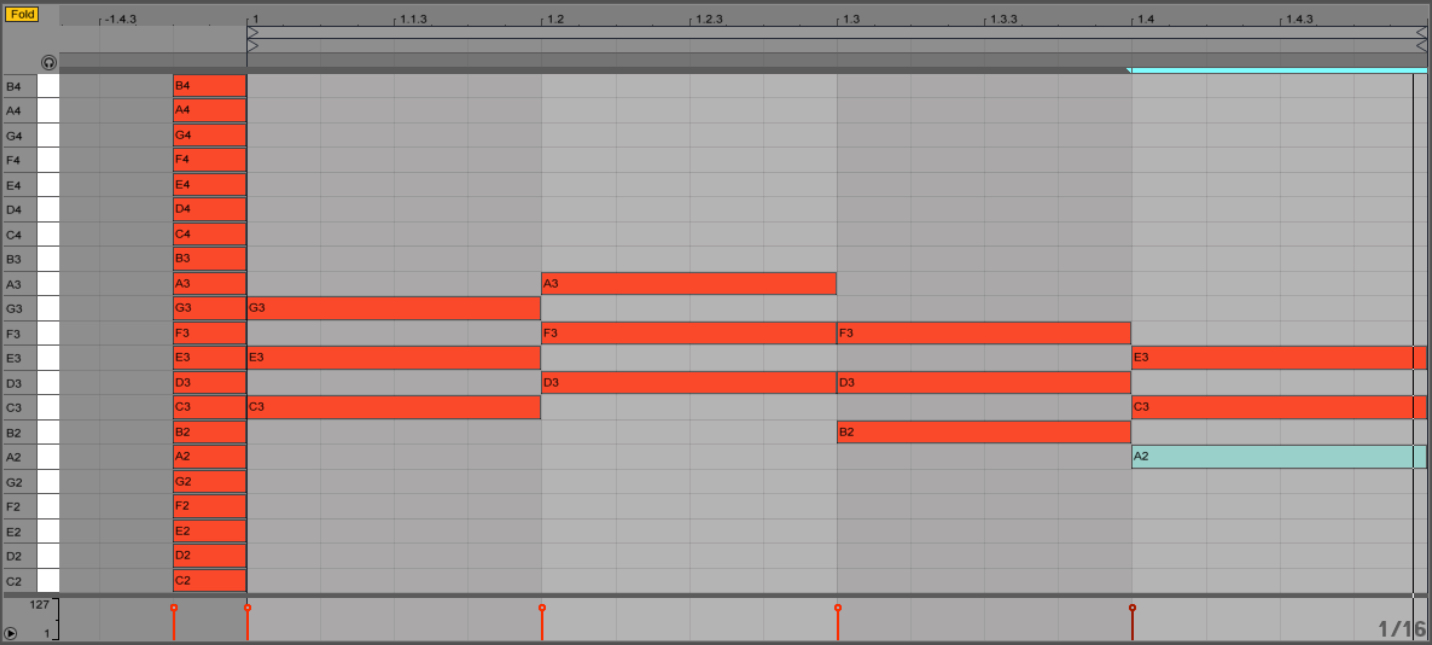
In the video, the chord tones are played in the order root, fifth, root, third, fifth.
For example, in C major,
the root is C, the third is E and the fifth is G.
The pattern root–fifth–root–third–fifth therefore becomes C–G–C–E–G.
This pattern is just one left-hand arrangement.
As you look at other scores, consider each chord tone’s character,
particularly how the third helps distinguish a major sound from a minor one.
You may notice that many low-register phrases rely on the root and fifth.
(There are, of course, exceptions and many other possibilities.)
To convey whether the harmony should sound major or minor,
and the character you want in a bar,
the third is especially useful.
You might put the third in the melody
or play it in the left-hand arpeggio as in this example.
Either approach can make the chord’s major or minor quality clear to the listener.
Frequently Asked Questions
Q1. What should the left hand play in a piano arrangement?
The root and fifth can provide stability in the low register. One useful option is the arpeggio pattern introduced here: root, fifth, root, third, fifth.
Q2. Why is the third of a chord important?
In a major or minor triad, the third distinguishes its quality. Including it in the melody or accompaniment can communicate that quality clearly, though other voicings are also possible.
Q3. How do I create an arpeggio phrase?
Identify the chord tones—root, third and fifth—and try playing root, fifth, root, third, fifth. For C major that is C–G–C–E–G. Vary the pattern to suit your arrangement.
NEW ARTICLES
Latest English Articles