Syncopation is a rhythmic technique that shifts accents to give music tension and expression. Moving chord changes earlier by an eighth note or a sixteenth note can add energy and a stylish feel to a familiar arrangement. Aligning the kick drum and cymbals with the change can make the effect more pronounced. It is a useful way to freshen up a repetitive chord progression, whatever the genre or tempo.
A Rhythmic Technique for Any Genre or Tempo
Syncopation is a rhythmic technique that
shifts the position of an accent to bring tension and expression to a piece.
In Japanese, this anticipation is sometimes described as “eating” the beat (kui).
Combining it with a chord progression gives you an effective approach to arranging.
It is especially worth trying if your chords or rhythms are starting to feel repetitive.
Let’s take a closer look.
Video Tutorial
Eighth-Note Syncopation

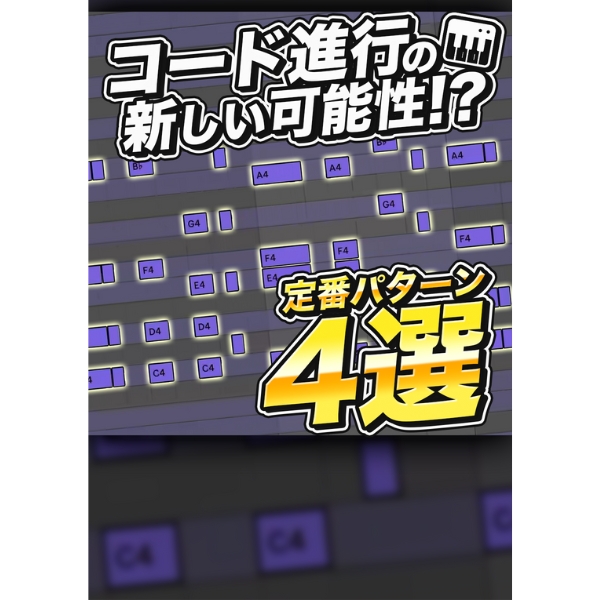
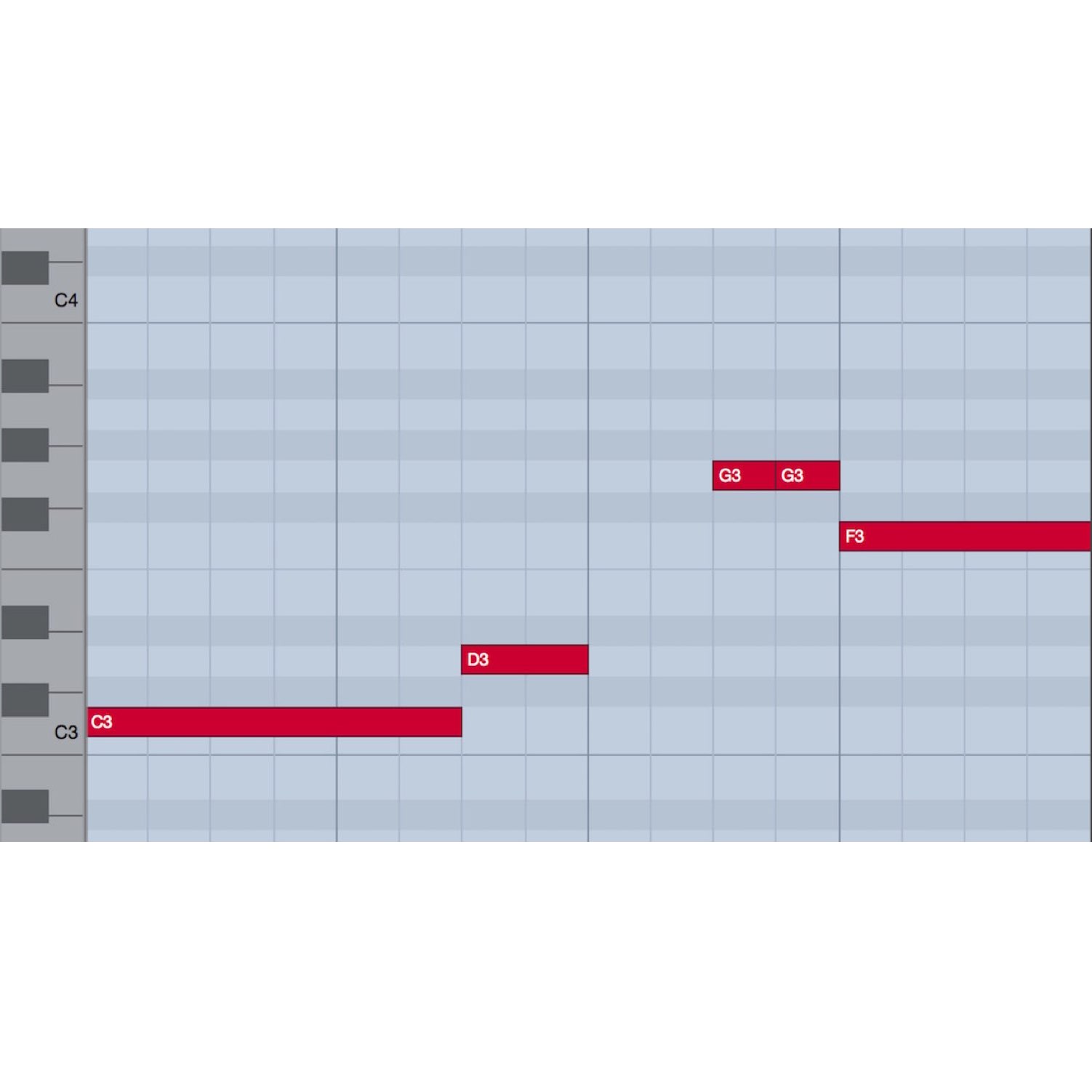
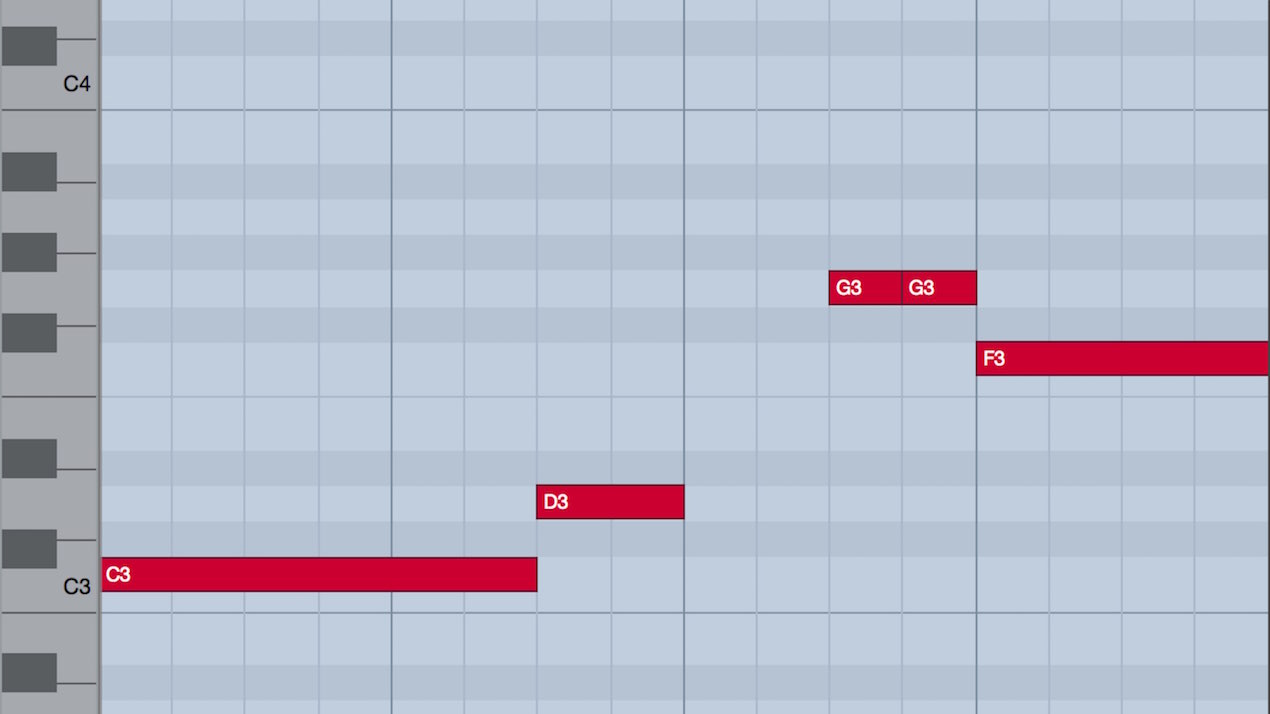
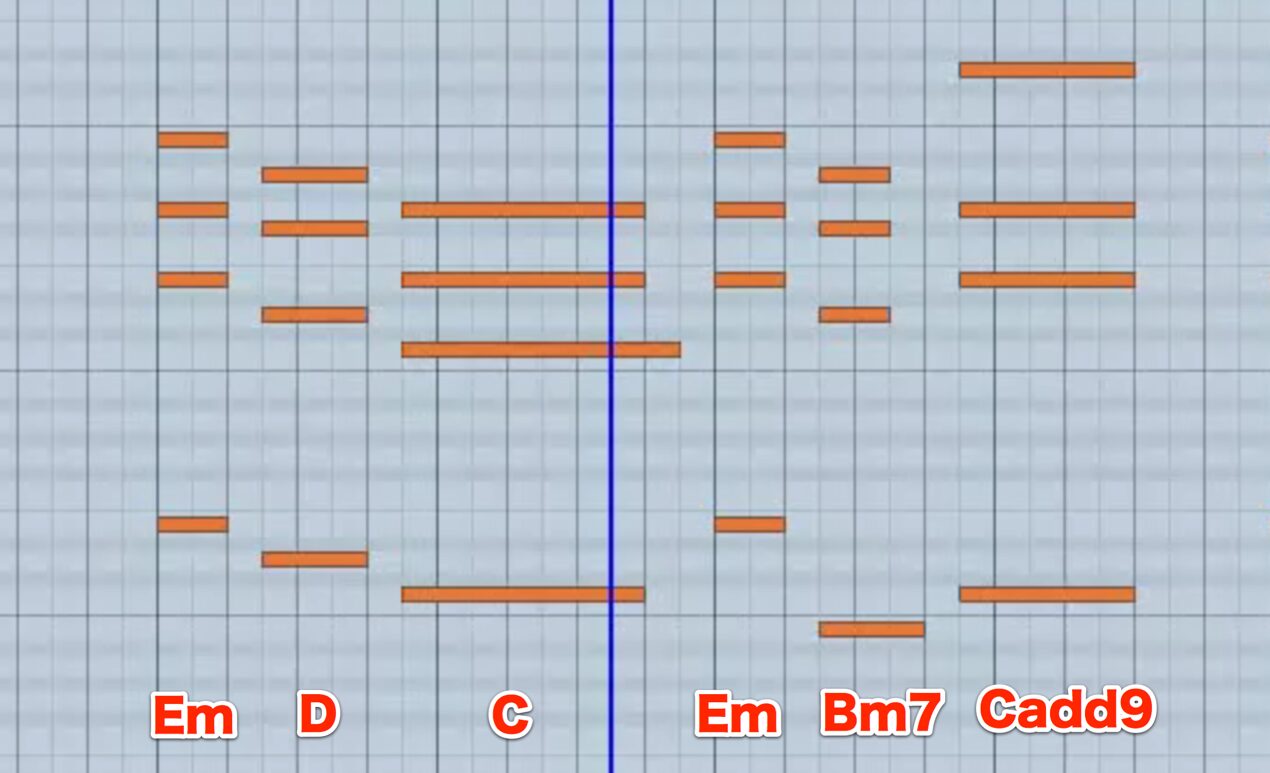
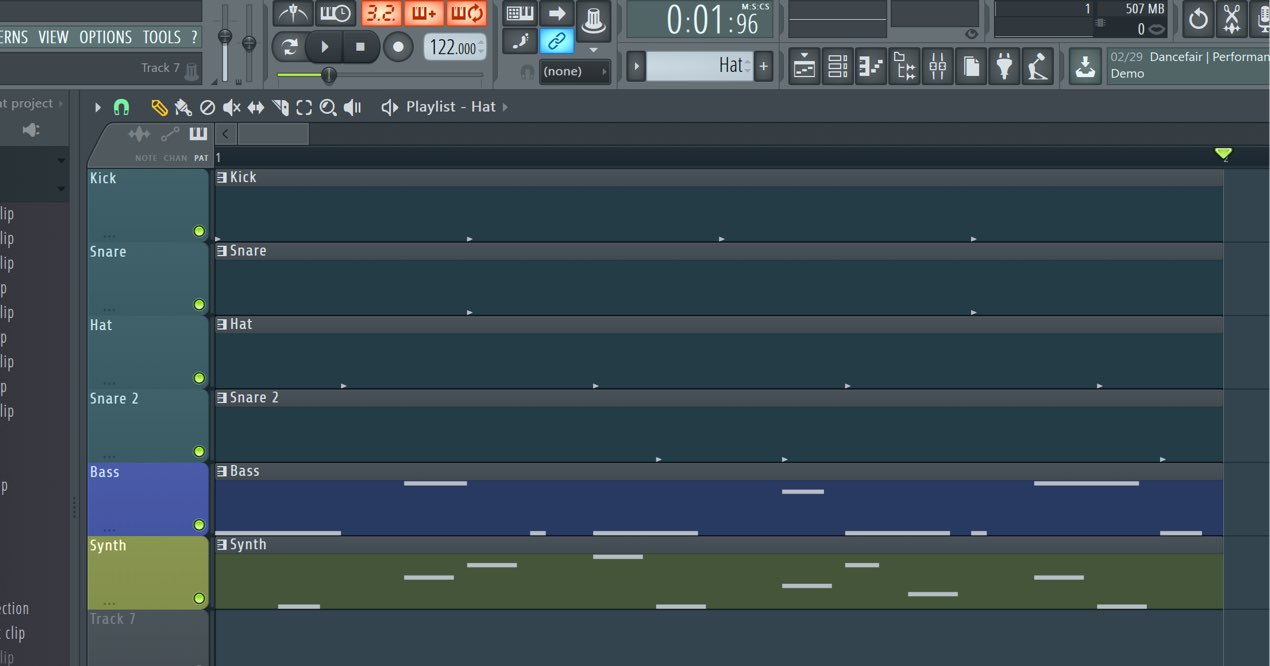
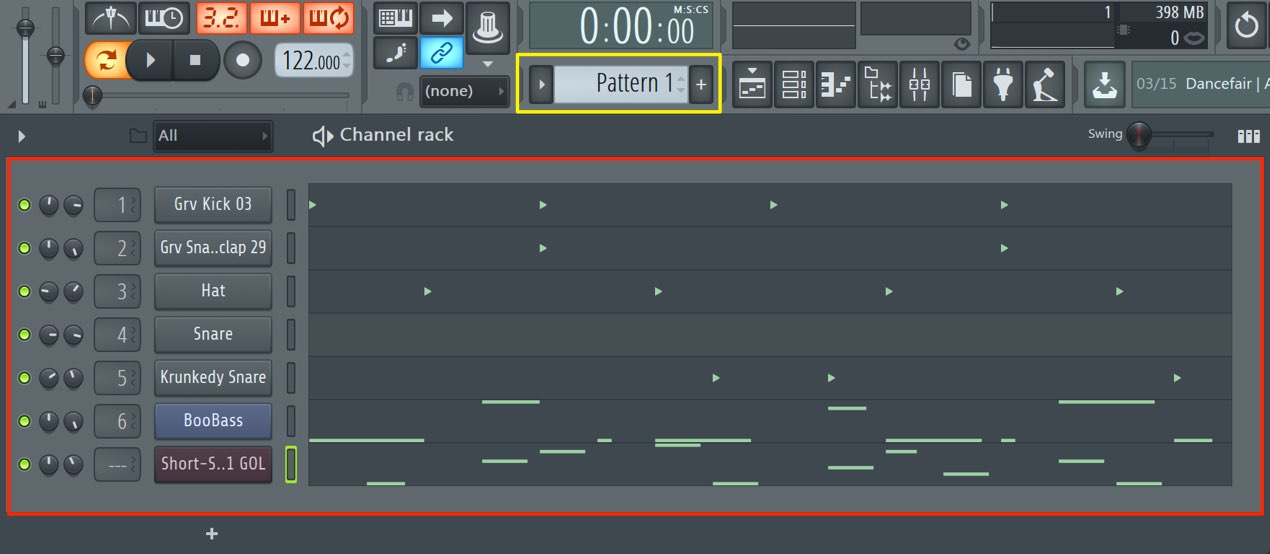
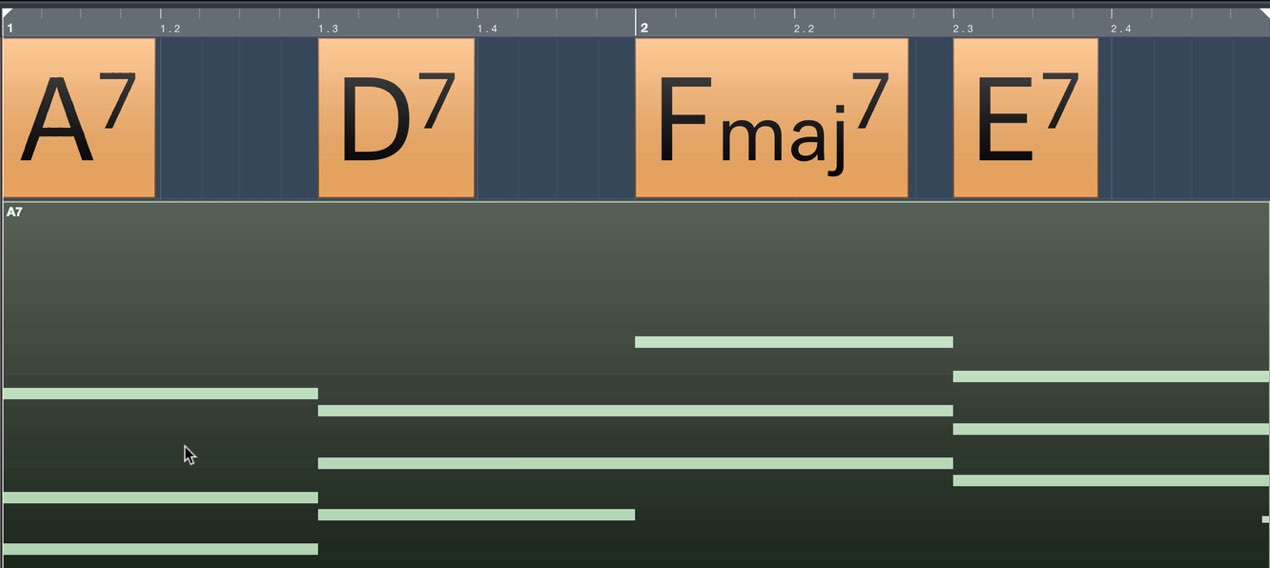
For this example, we will use a two-bar chord progression in which the chord changes every two beats.
We have left out a detailed explanation of the bass and other parts, but
as a general rule, edit the parts so that the timing of all the instruments lines up.

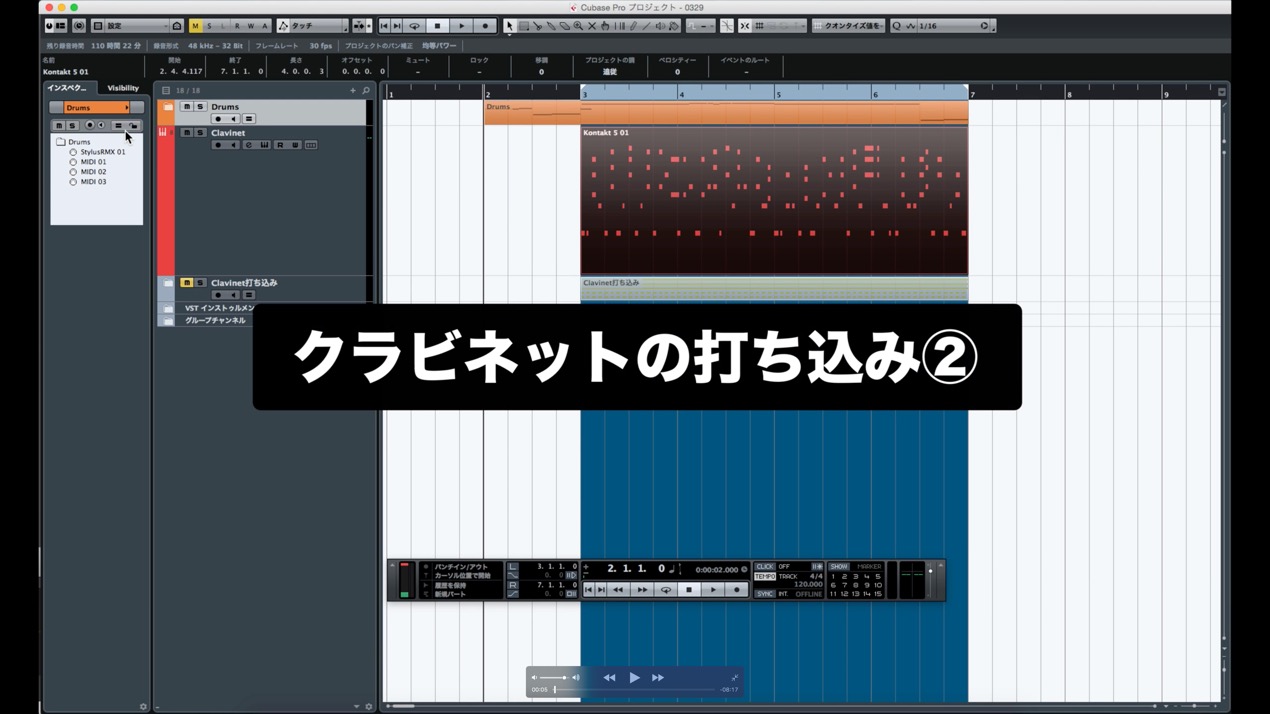
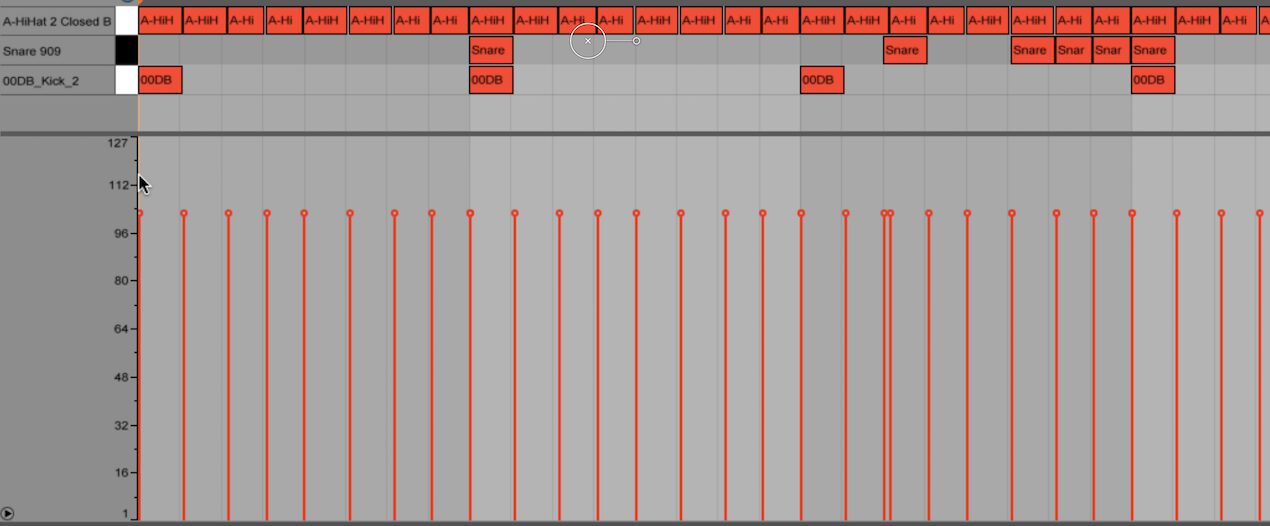
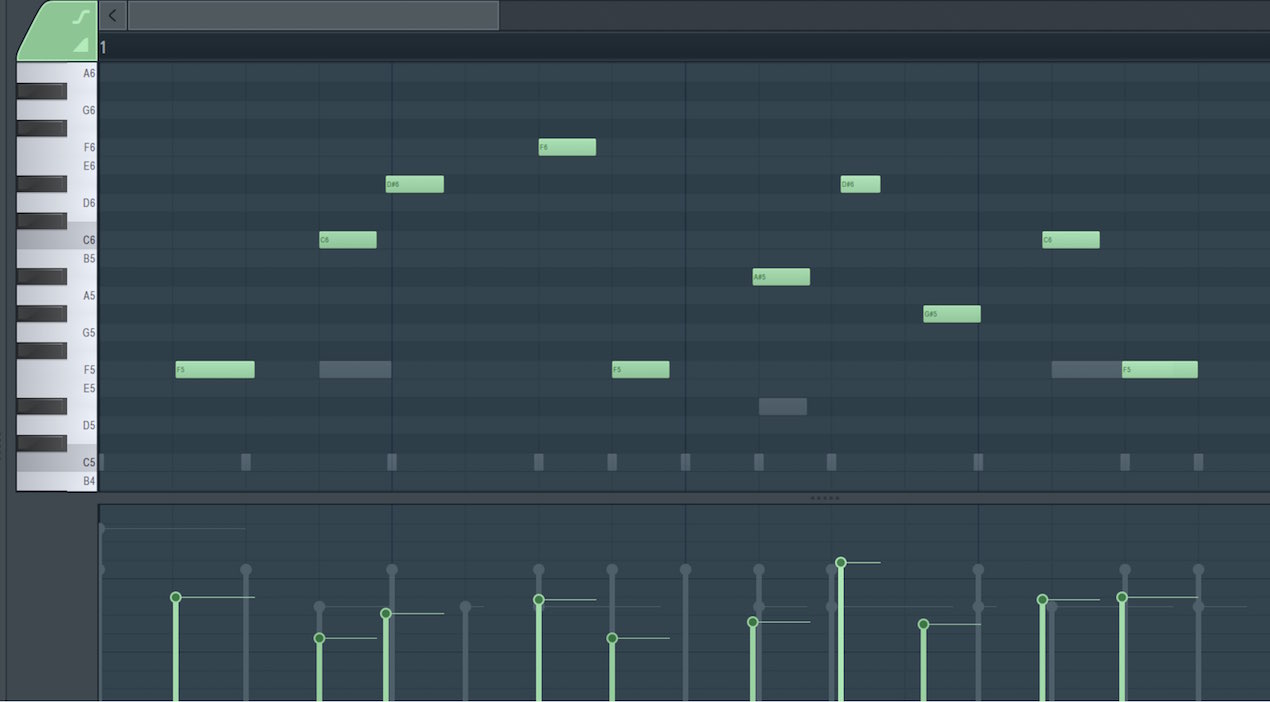
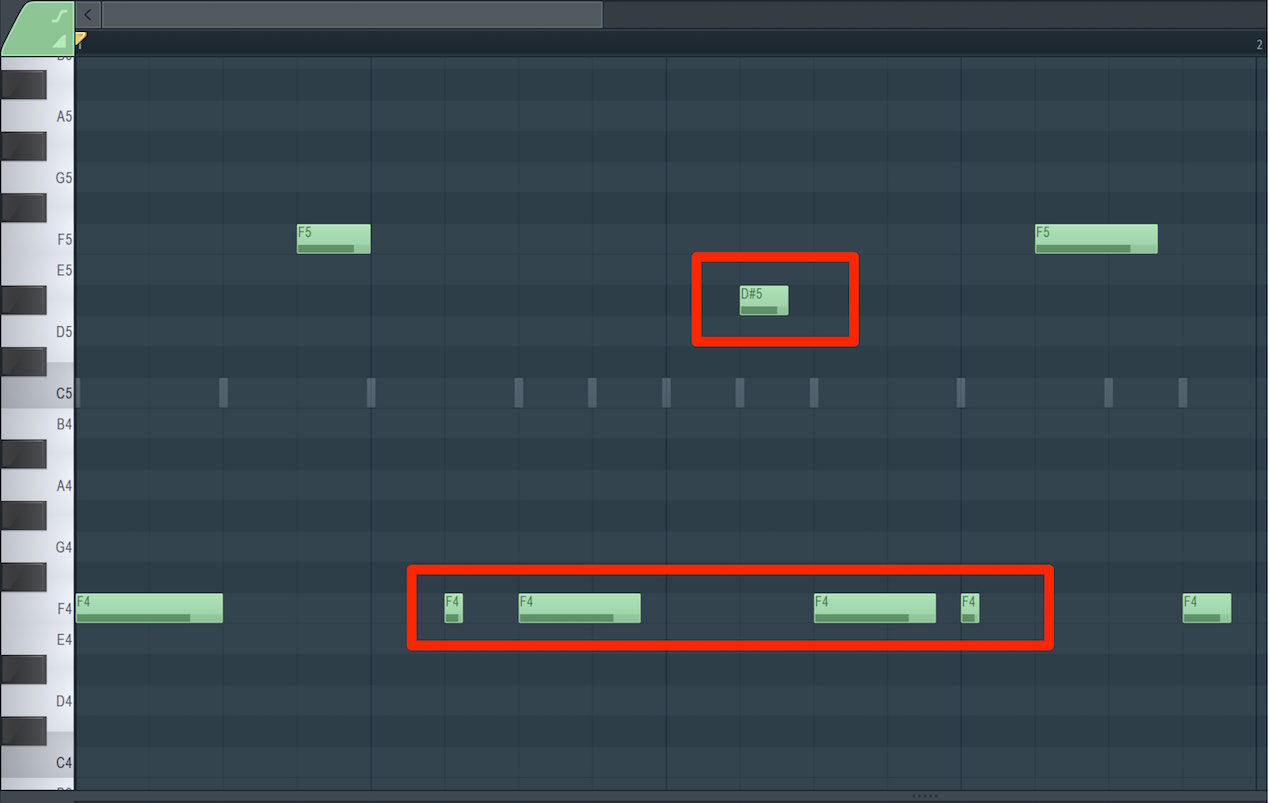
Here, we have moved the start of the chord on beat three of each bar forward by an eighth note.

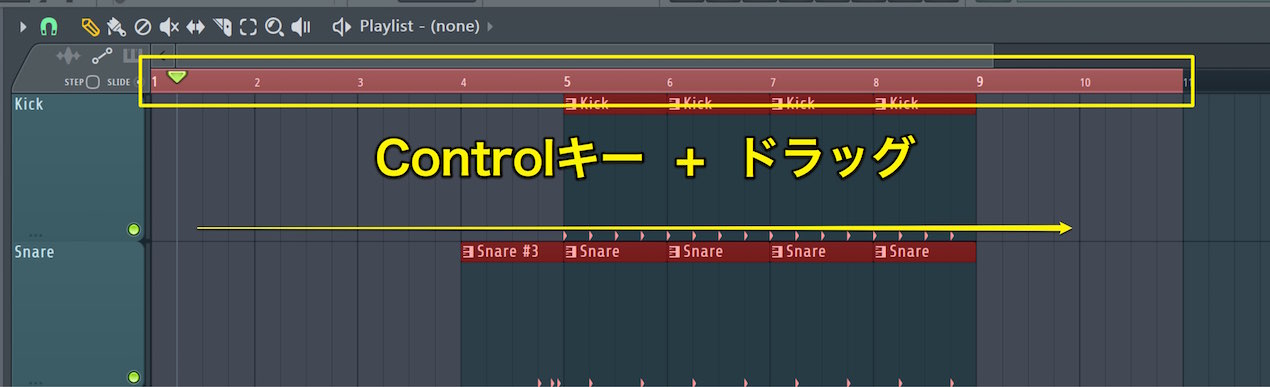
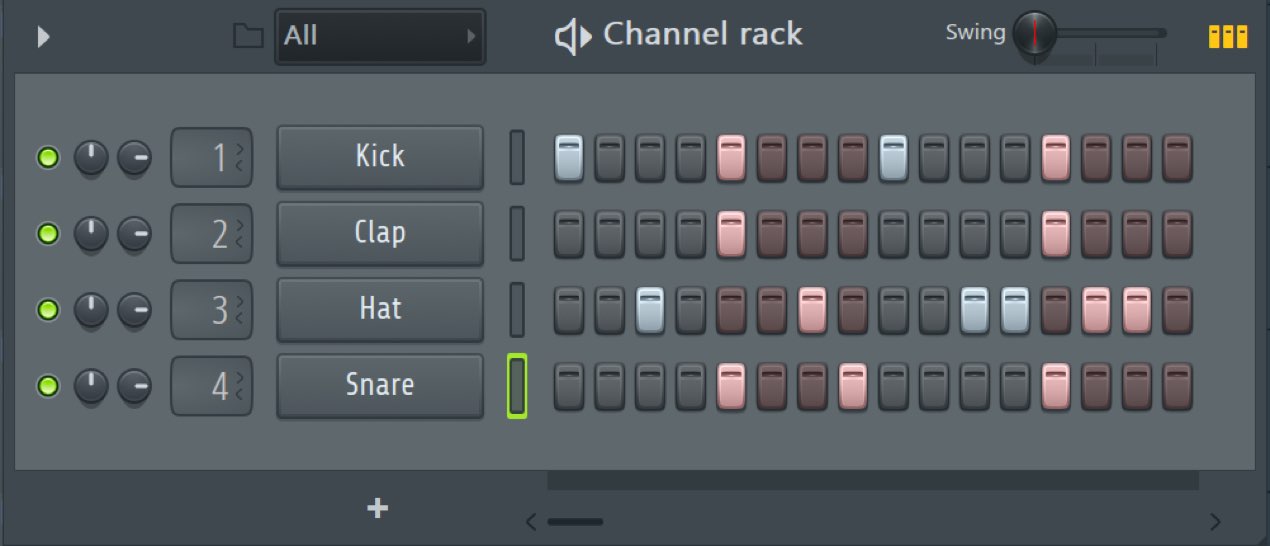
At the same time, place a kick drum on the chord change
to emphasize the transition. A strongly accented cymbal can also be effective.

You can also shift the chord at the beginning of the second bar earlier by an eighth note (and align the kick with it, too).
This strengthens the syncopated feel and adds movement to the progression.
Because the accent or chord change occurs before the expected beat,
this kind of anticipation is sometimes called “kui” in Japanese.
Sixteenth-Note Syncopation
The basic idea is the same as with eighth notes.
Move the chord change earlier by a sixteenth note instead of an eighth.

It looks like this.
The slightly trickier rhythm creates tension and a stylish feel.

Again, line up the kick and other parts with the change.
As you can see, syncopation is easy to introduce and can make a big difference,
making it useful when you want to add something extra to a familiar arrangement.
Give it a try.
Frequently Asked Questions
Q1. What is the most important point when using syncopation in music production?
Align the timing of the instruments, including the kick and cymbals, with the chord change. Coordinating the accents brings out the syncopated effect.
Q2. What is the difference between eighth-note and sixteenth-note syncopation?
Eighth-note syncopation is simple to introduce and adds energy. A sixteenth-note shift is finer and can create a trickier rhythm with more tension and a stylish feel.
Q3. Can syncopation be used in any genre?
Yes. It is a rhythmic technique you can use regardless of genre or tempo, and it is especially useful for adding something fresh to an existing arrangement.
NEW ARTICLES
Latest English Articles