Pluck sounds are common in progressive house and trance. Their pronounced attack can bring chord harmonies to the foreground. This article explains sound design with Massive and practical MIDI programming: follow the chord progression, raise the third to emphasize major or minor quality, and add a seventh for variation. Release automation and reverb can add space and depth.
Pluck Sounds Commonly Heard in Trance

For those interested in making progressive house or trance,
we’ll look at MIDI programming tips for commonly used sounds.
This installment focuses on plucks.
Tutorial Video
Role and Sound
A pluck has a pronounced attack, so it can bring chords forward and emphasize their harmony.
You can also slow the attack to use it as a backing sound.
Shortening the synth’s decay can add rhythmic definition.
“Pluck” literally means to pull or strike the strings of an instrument (source: Wisdom English–Japanese Dictionary).
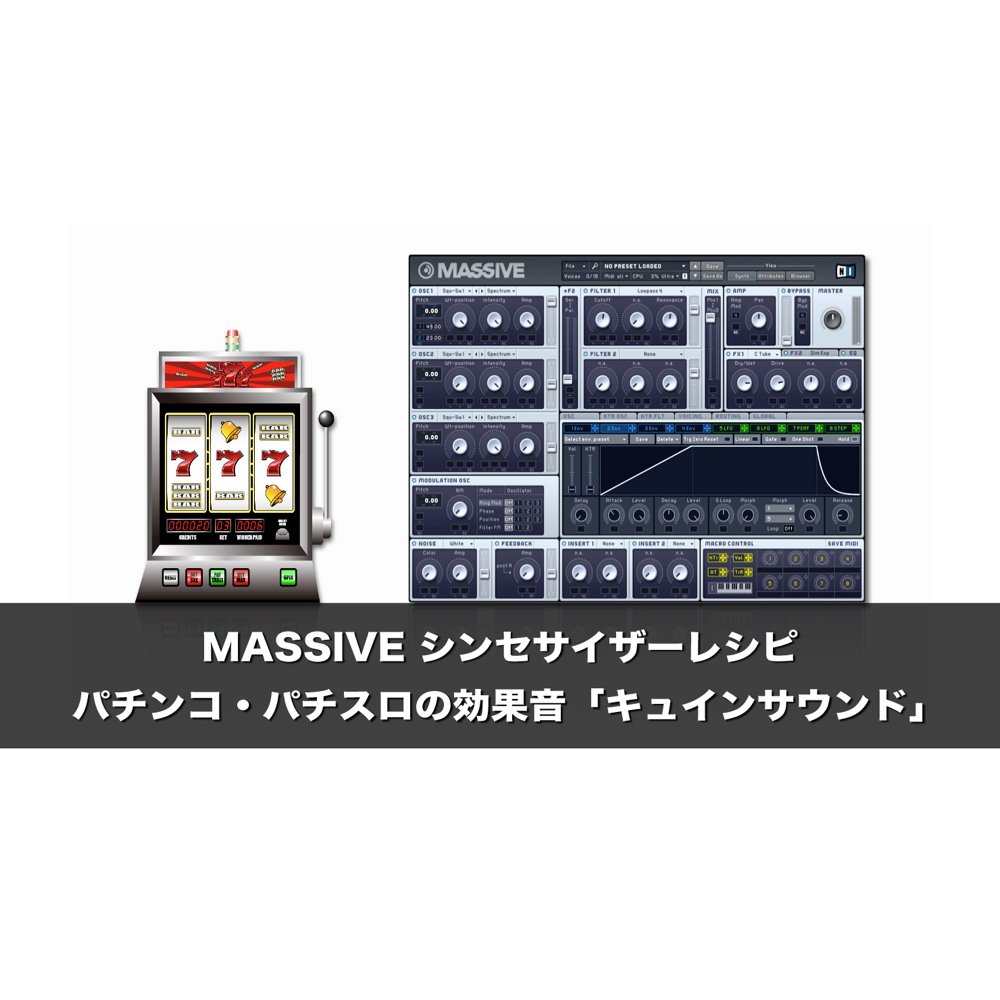
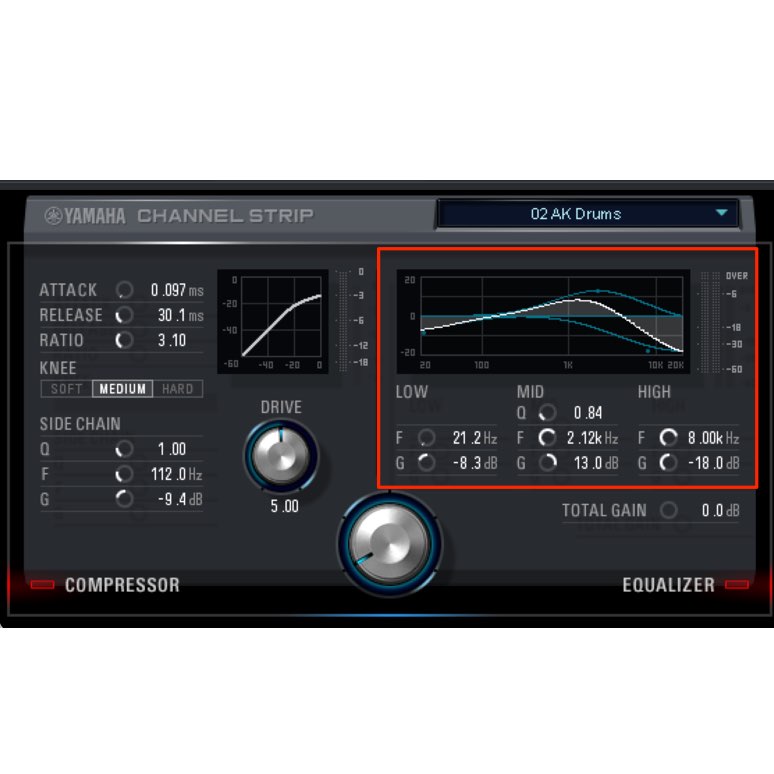
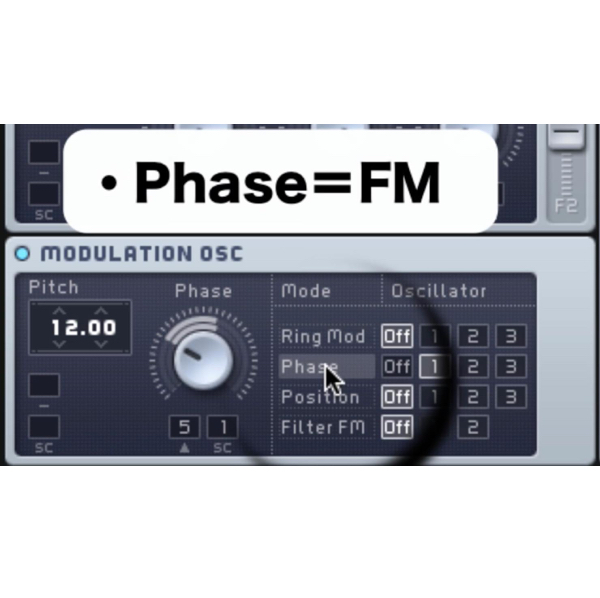
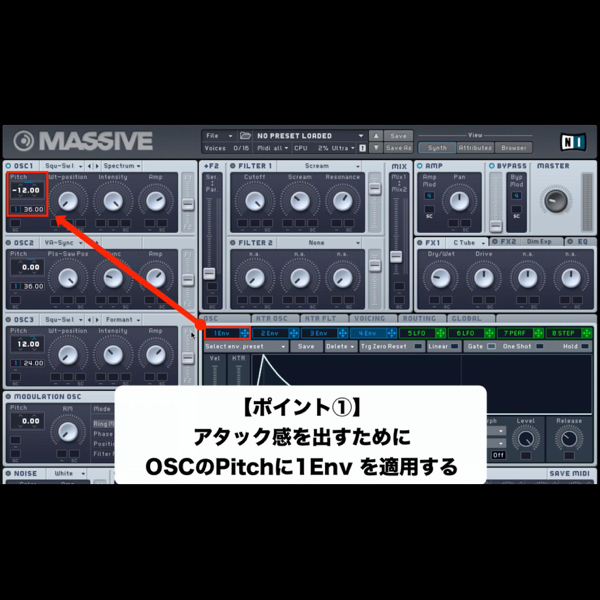
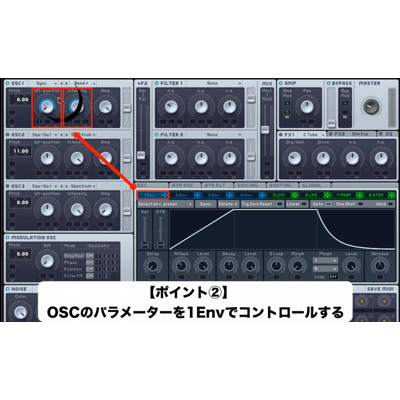
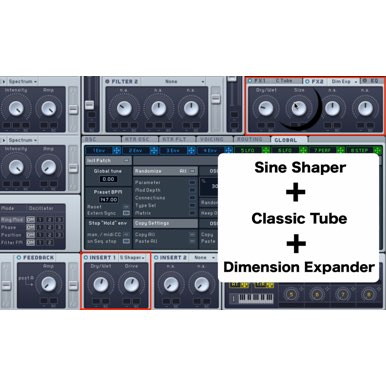
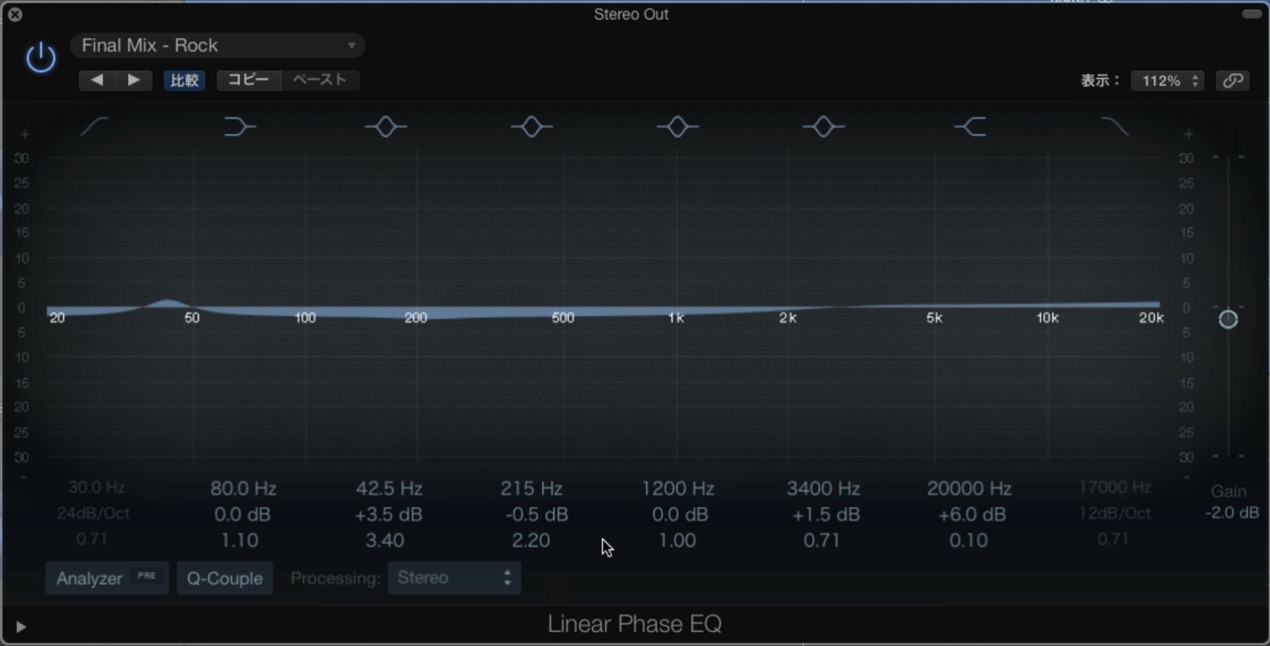
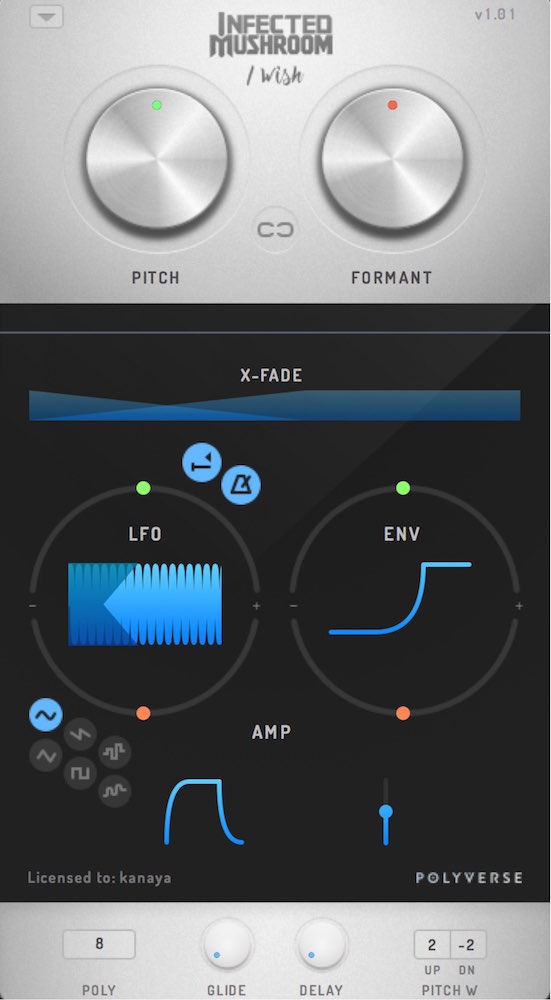
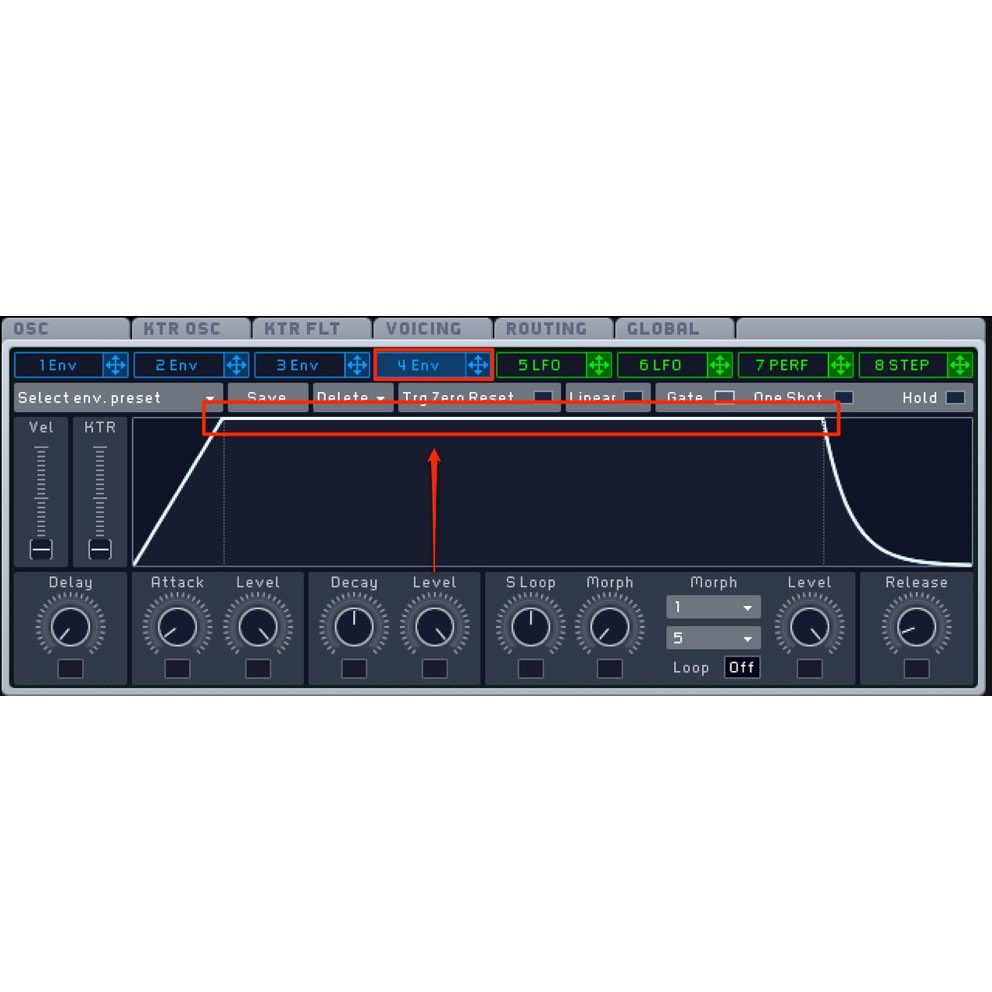
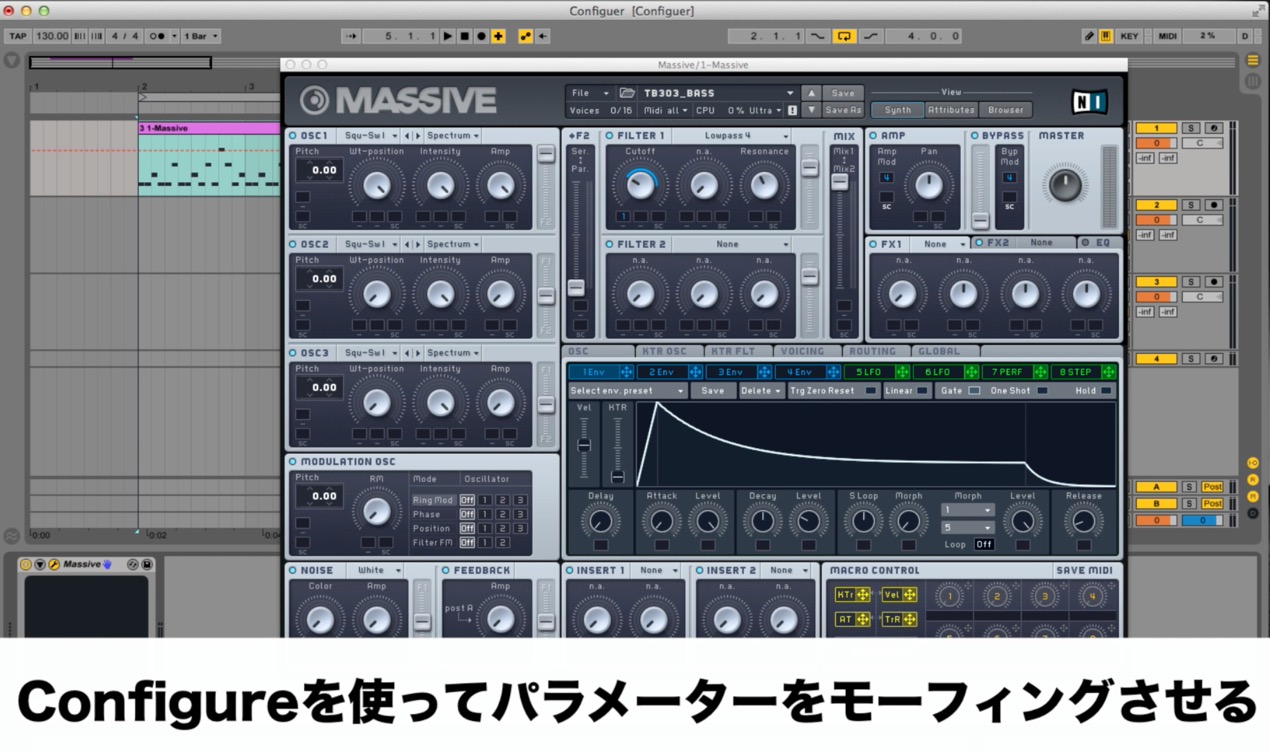
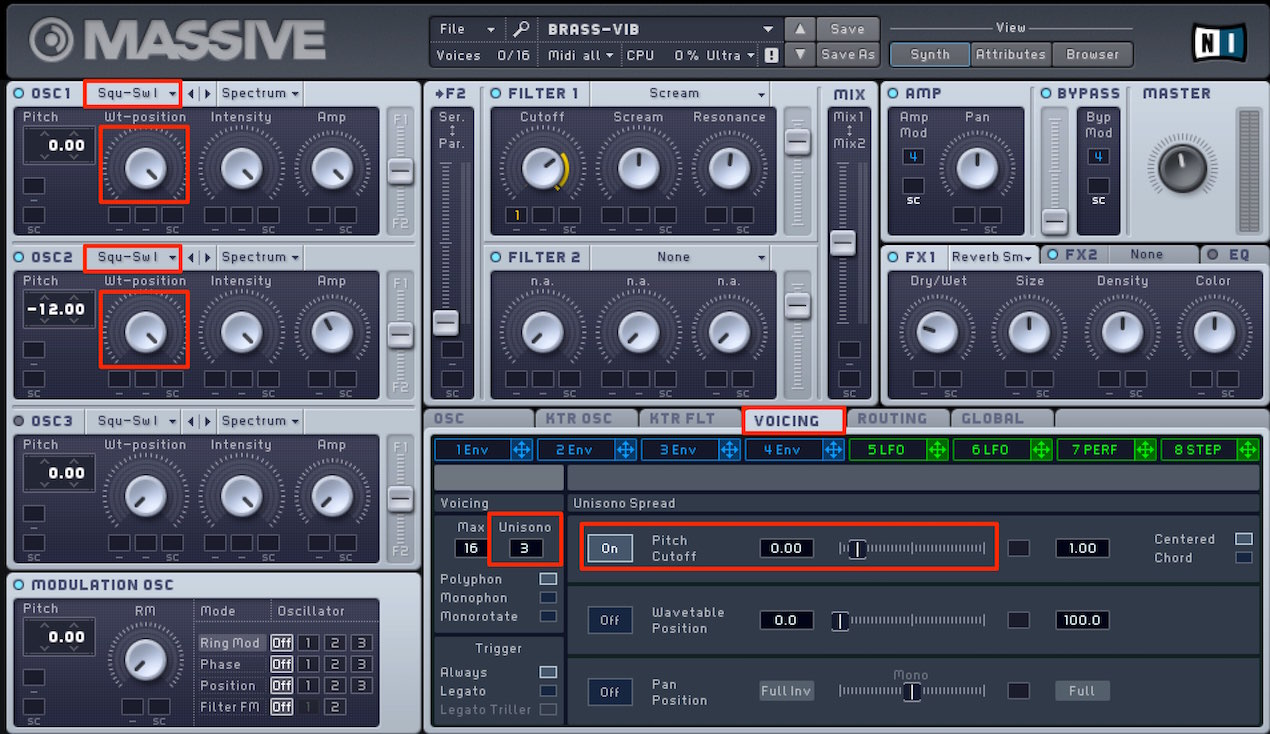
For this track, we started with Massive’s “Trance Pike” preset, made the changes below and applied a low cut with EQ.
- Delay: off
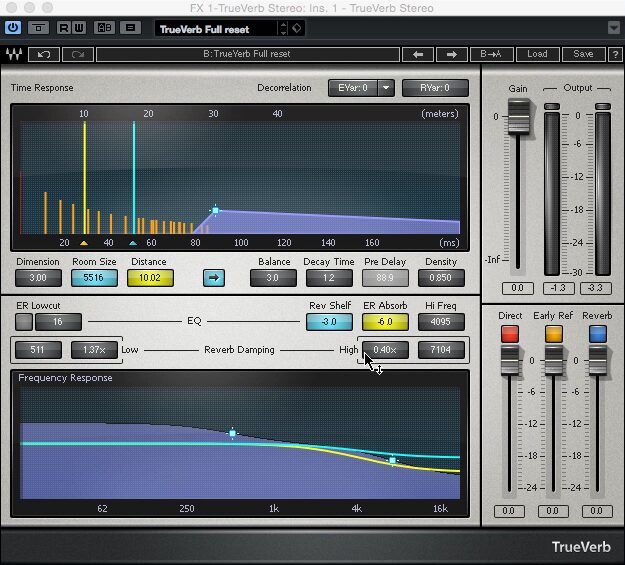
- Reverb: adjust DRY/WET and SIZE

MIDI Programming
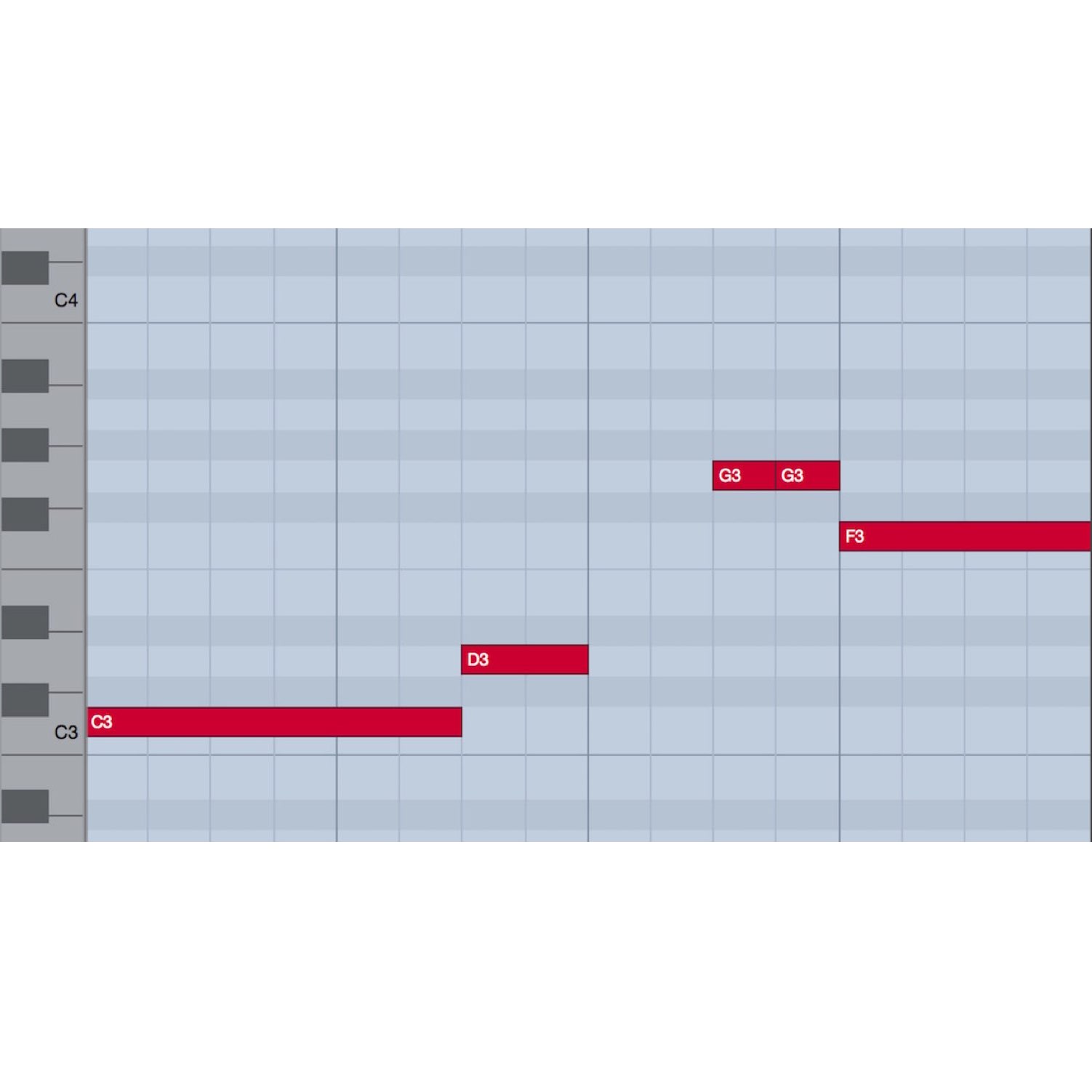
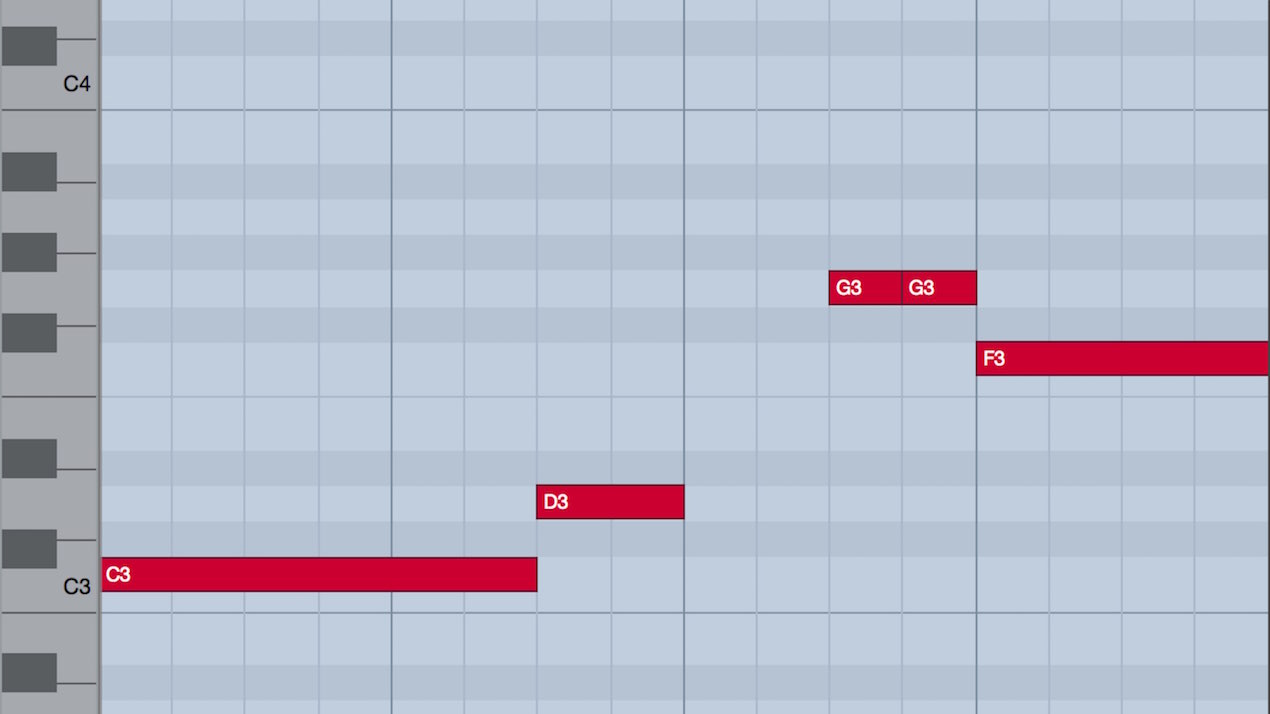
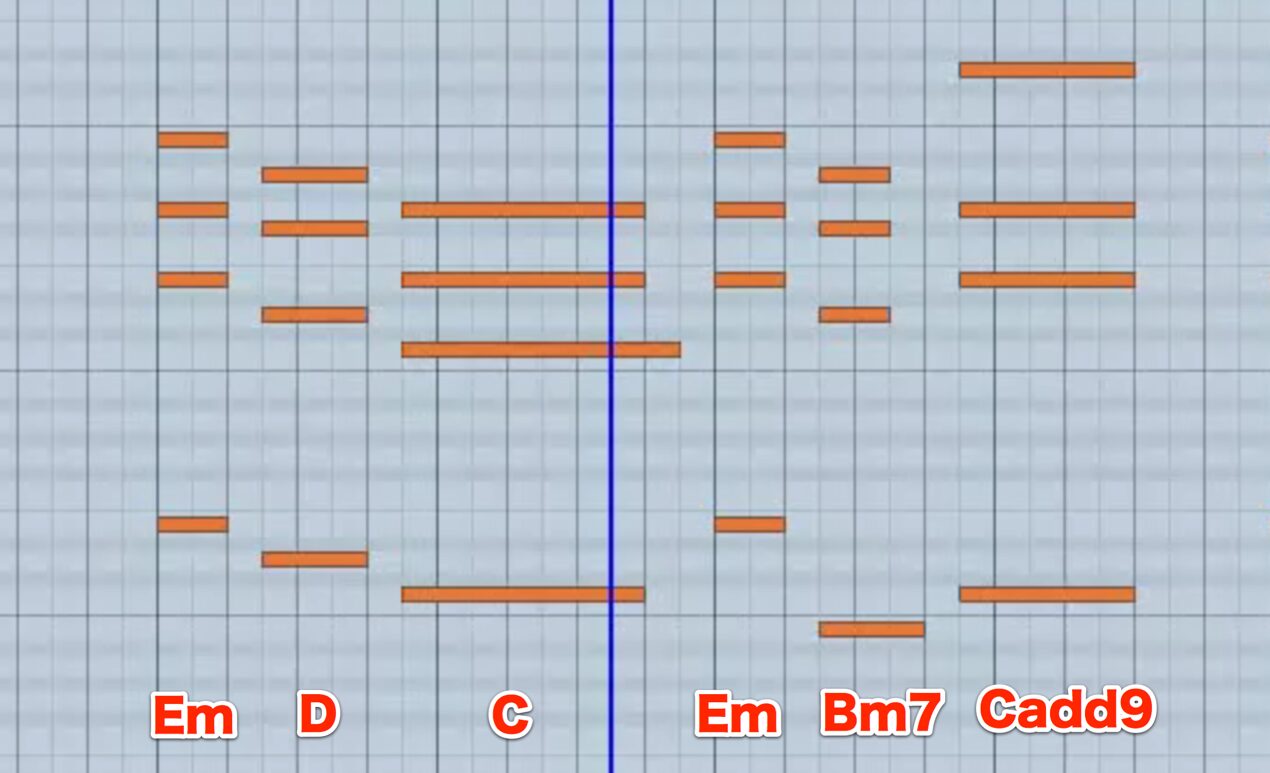
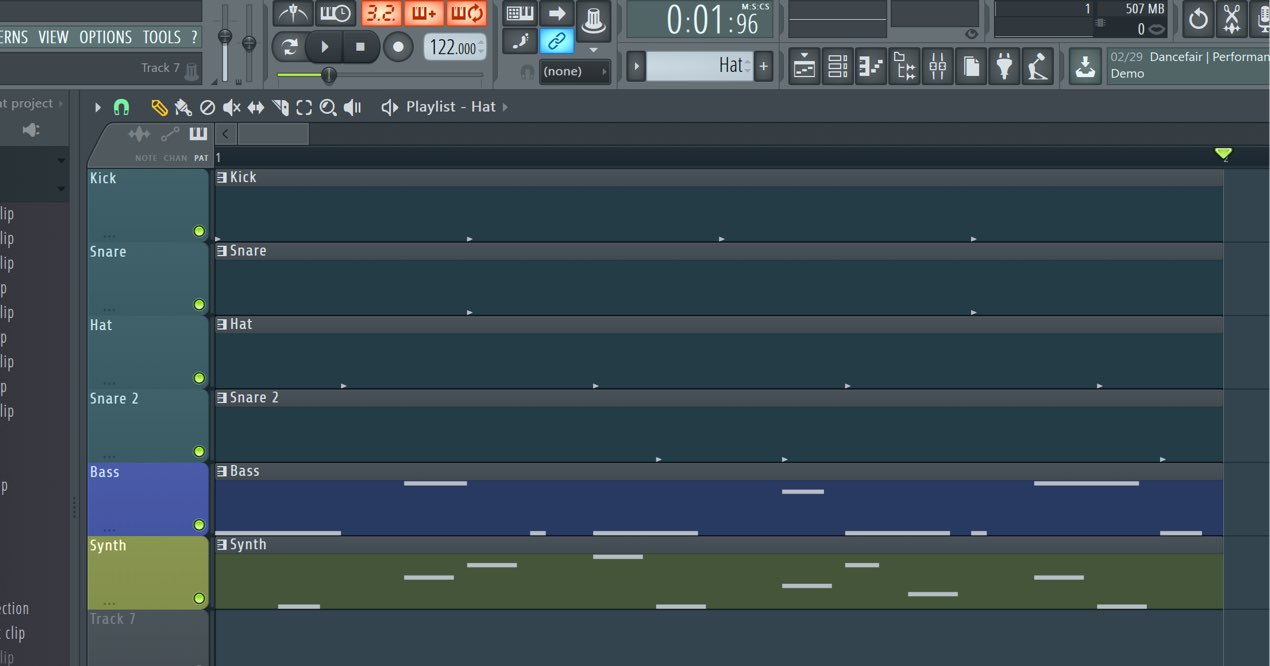
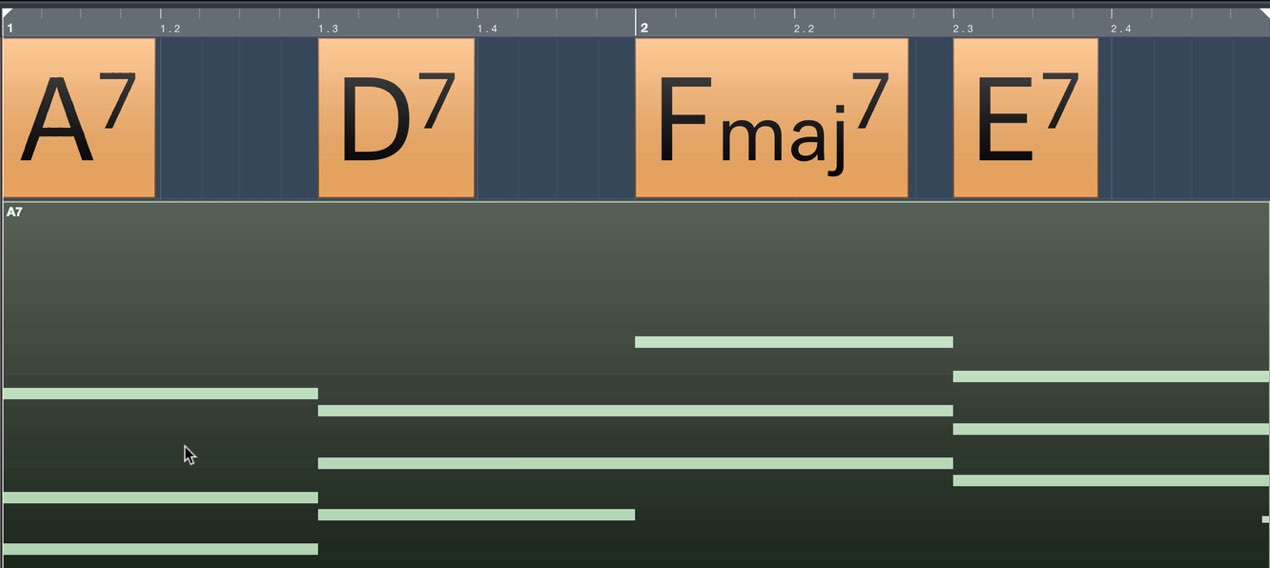
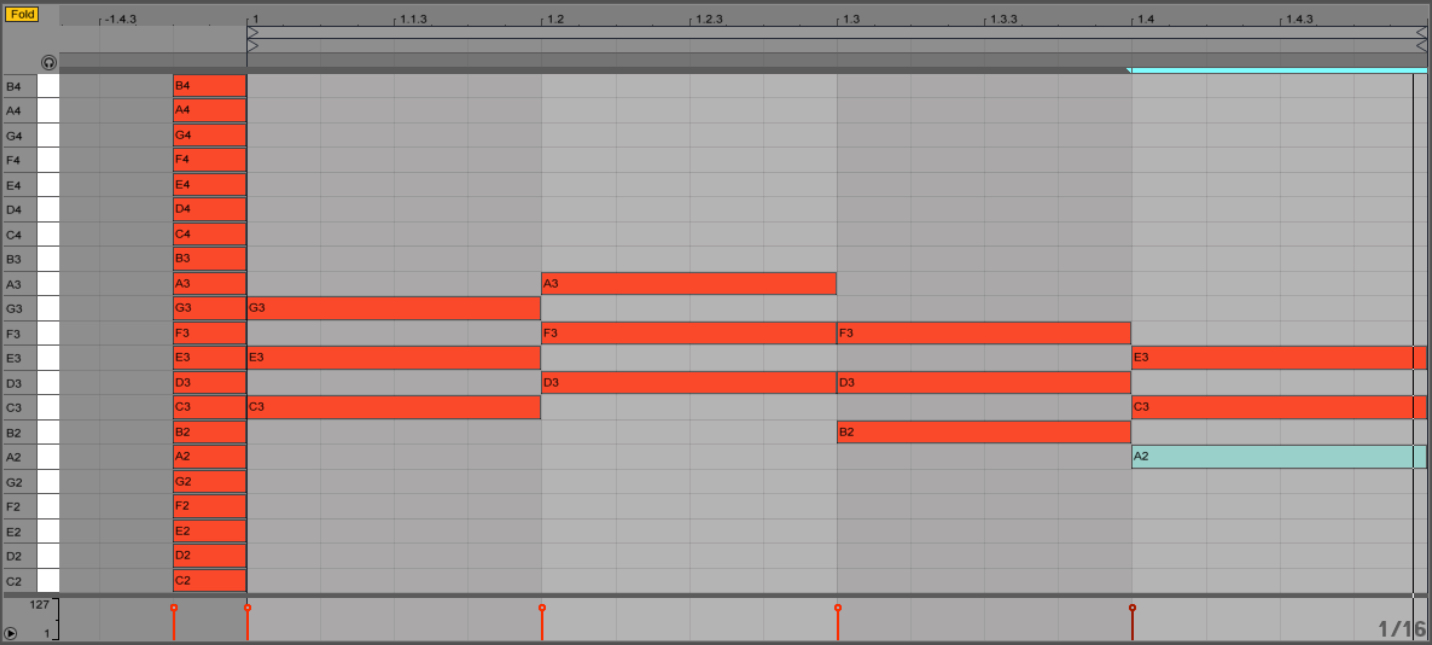
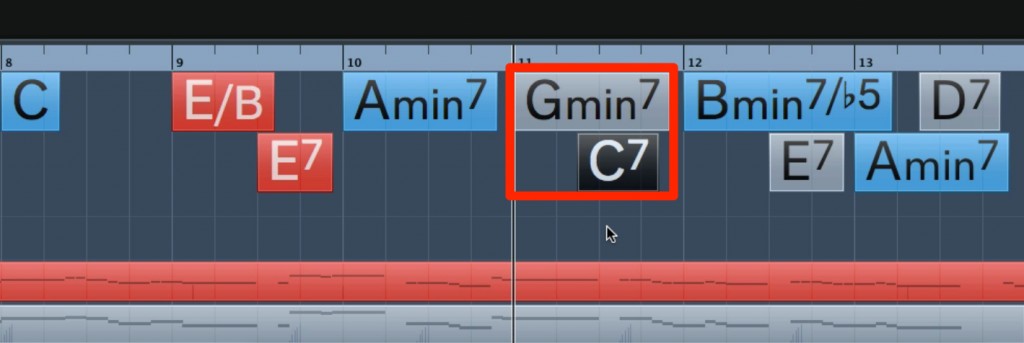
- Start by entering notes that follow the song’s chords (Figure 1).
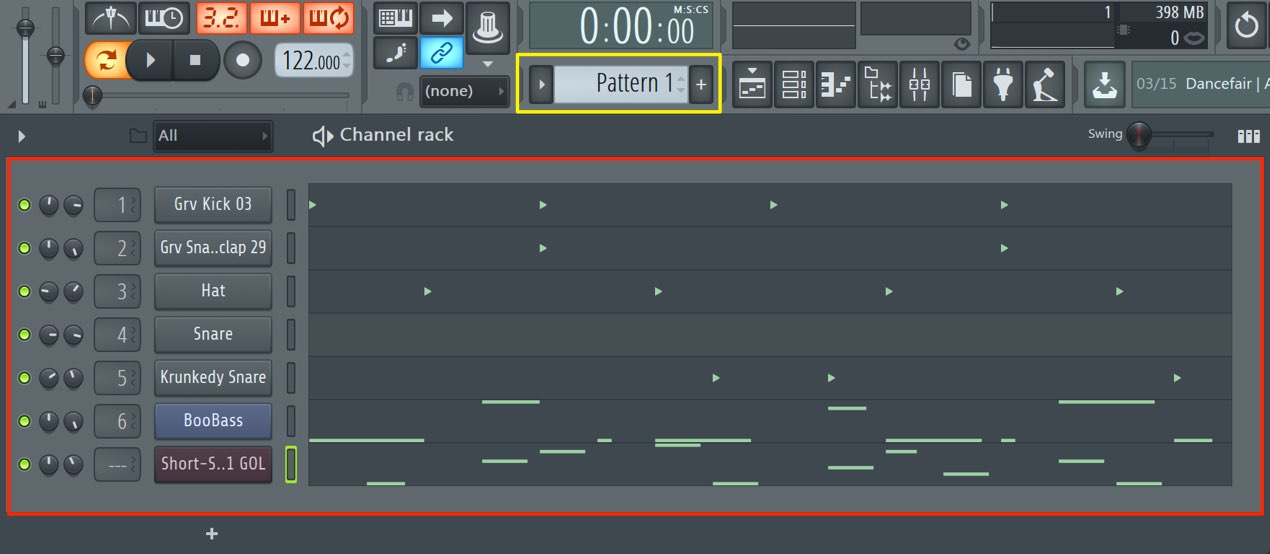
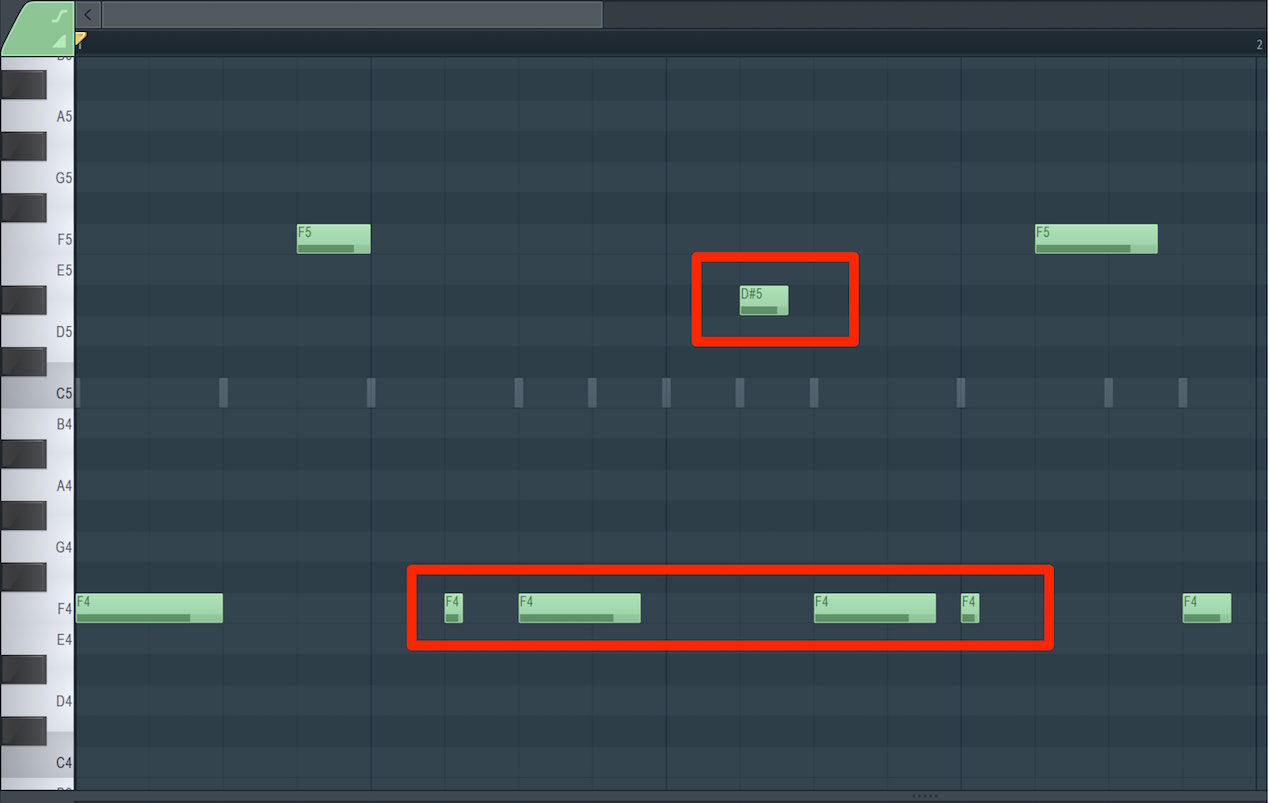
- To emphasize the major or minor quality, raise the third by one octave (Figure 2).
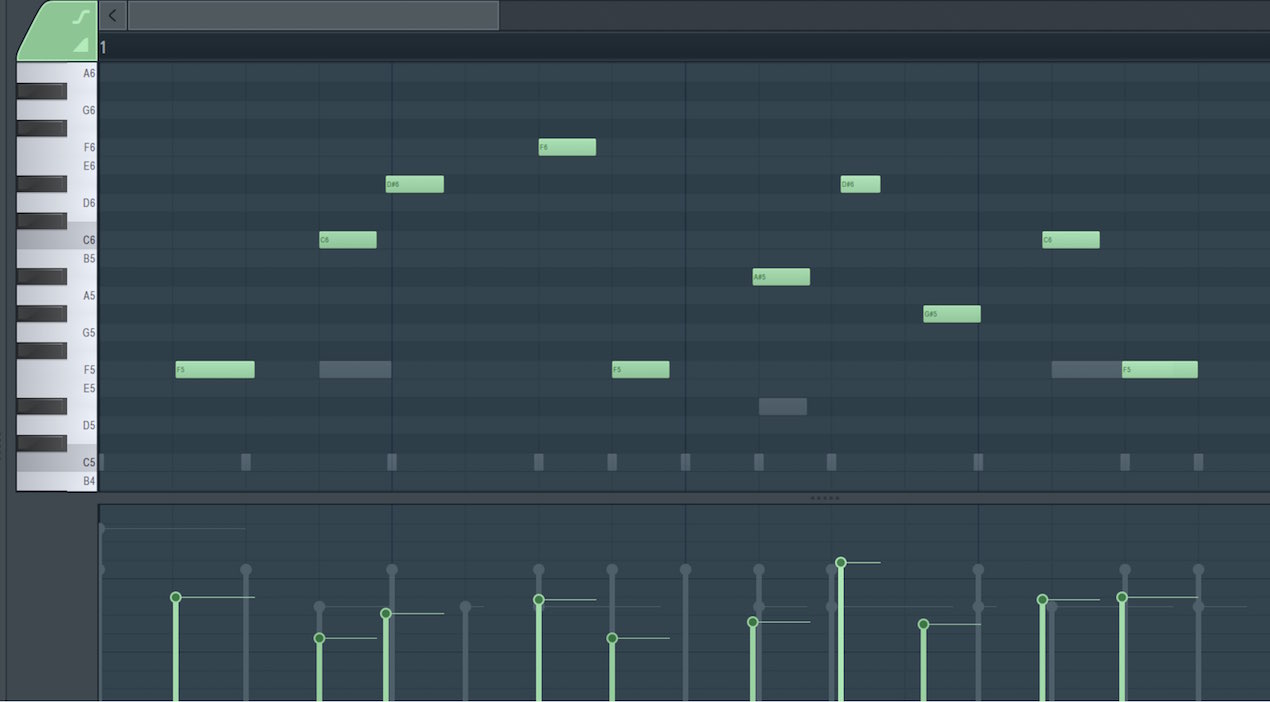
- When the same chord continues and you want variation, alternate approaches like these (Figure 3).
- As with the pad, add the seventh (G in this example).
Figure 1

Figure 2

Figure 3

Other Tips
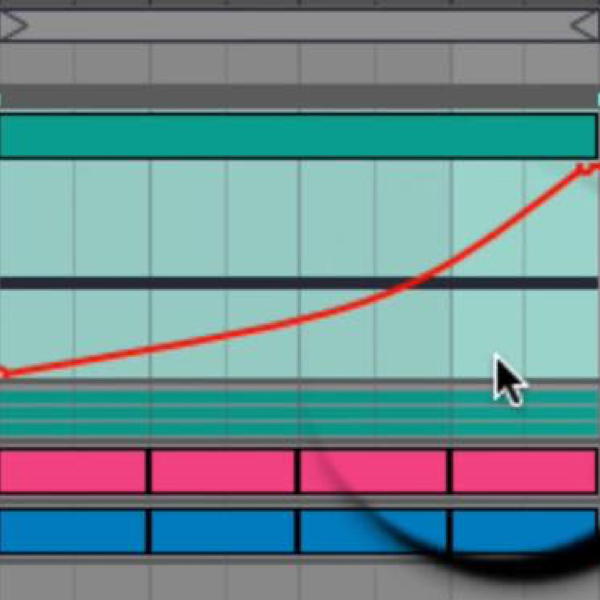
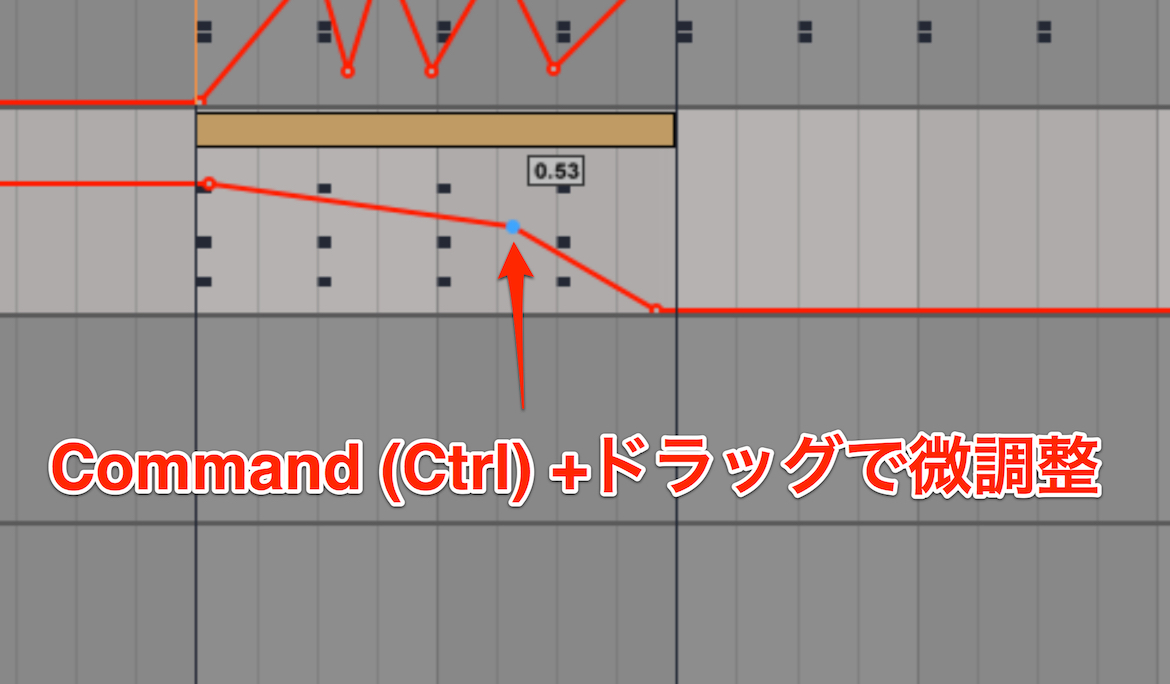
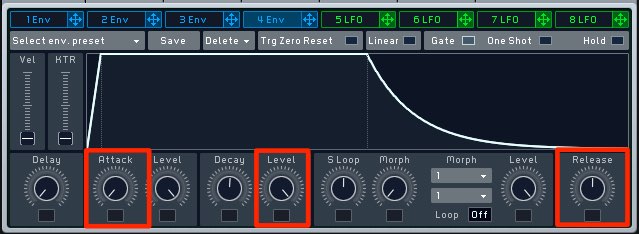
Common techniques for plucks include using automation to lengthen the release
and applying more reverb.
Next time, we’ll use an arpeggiator to add more sparkle to the track.
Frequently Asked Questions
Q1. What role does a pluck sound play?
A pluck’s strong attack can bring chords forward. Adjusting the synth’s attack for a backing role or shortening its decay for a more rhythmic sound makes it versatile.
Q2. How can I vary chord voicings when programming a pluck?
Follow the chord progression, then try raising the third by an octave to emphasize the major or minor quality, or add a seventh. Mix these approaches to create variation when a chord repeats.
Q3. What processing can make a pluck more effective?
Try automating the release to become longer or gradually adding more reverb. These common techniques can create space and depth as the track develops.
NEW ARTICLES
Latest English Articles