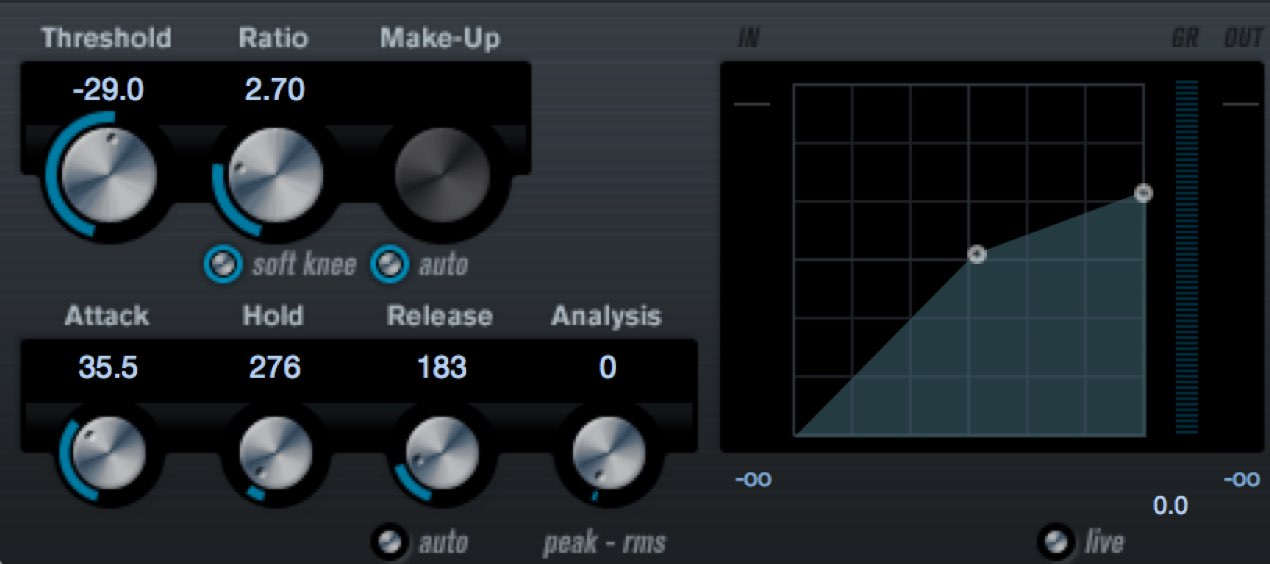
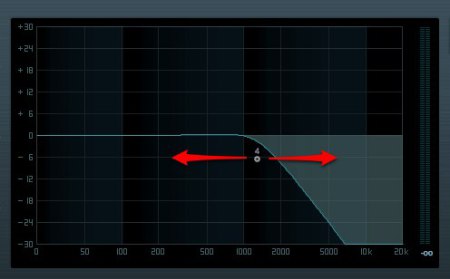
A gate is a dynamics effect that reduces audio when its level falls below a chosen threshold. It can suppress noise, reduce bleed between live drum microphones and shape the length of individual drum sounds. Understanding threshold, attack, release, hold and the Analysis control shown in this example can help you shape a natural groove. Adjusting these controls also allows effects such as fade-like attacks and sound isolation.
Control Sound Length to Shape the Groove
Here we look at the gate, a dynamics effect.
A gate reduces the sound when its level falls below a specified threshold.
It can be used to suppress noise in a track,
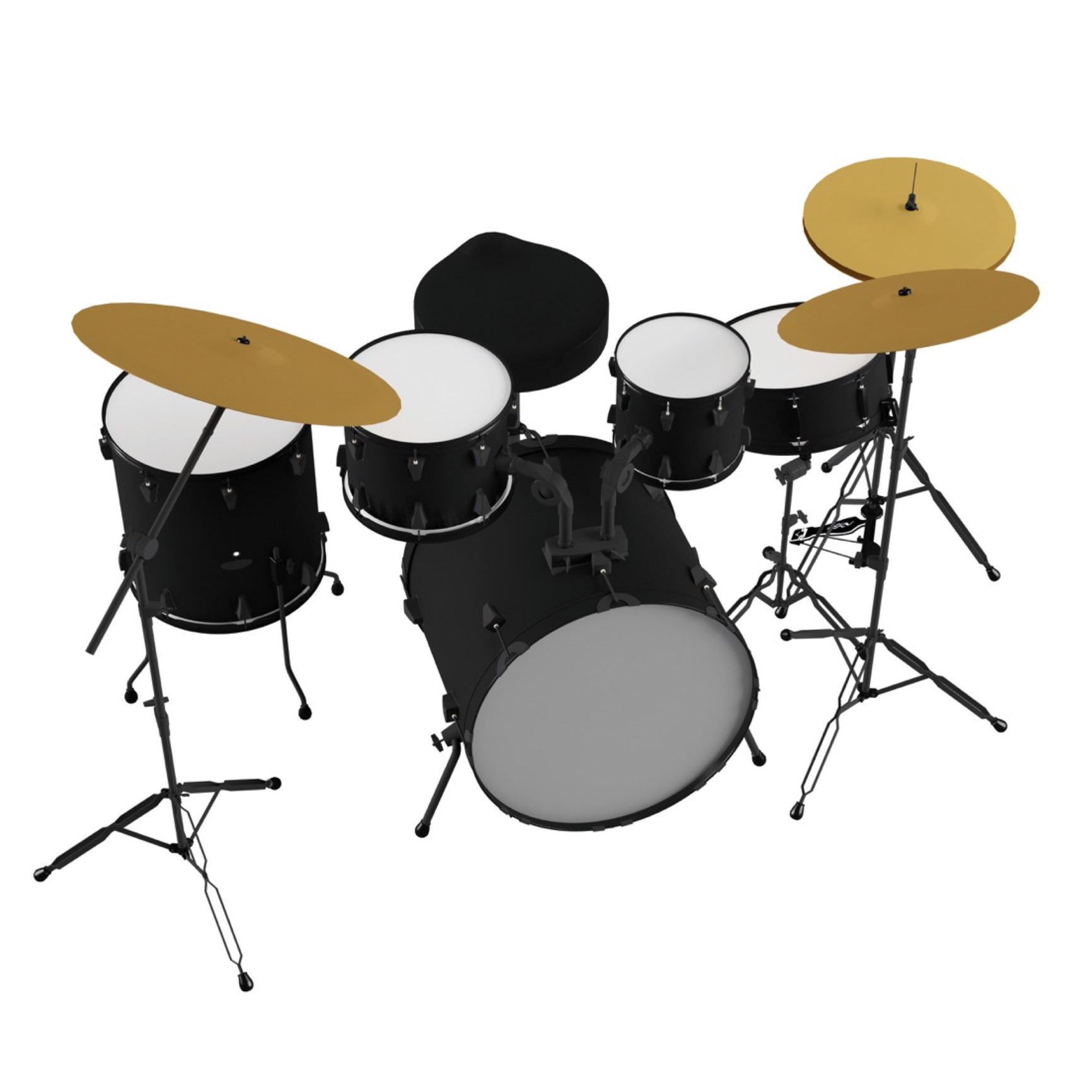
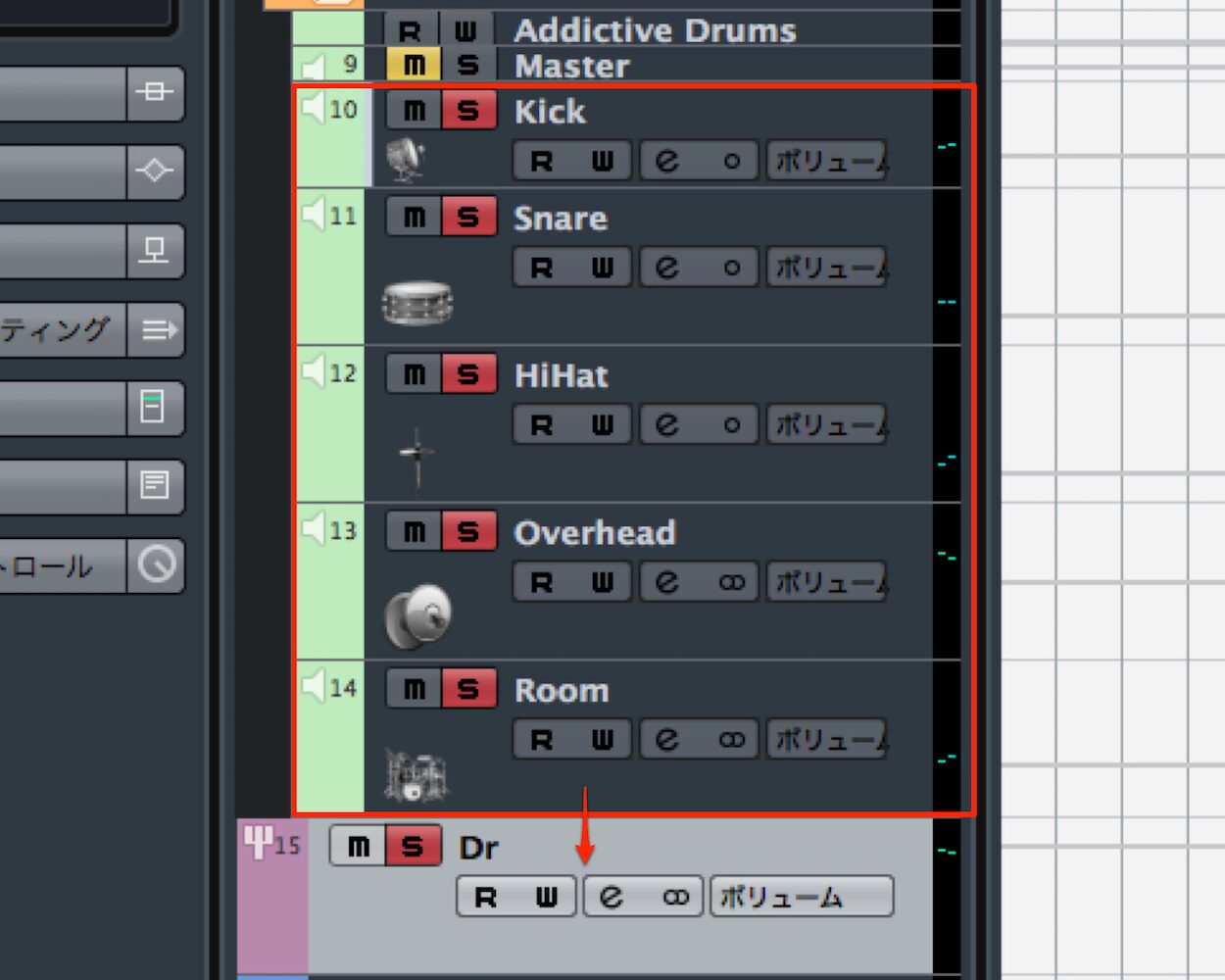
reduce bleed between live drum microphones, and adjust the length of individual drum sounds.


Selected Questions and Answers from YouTube

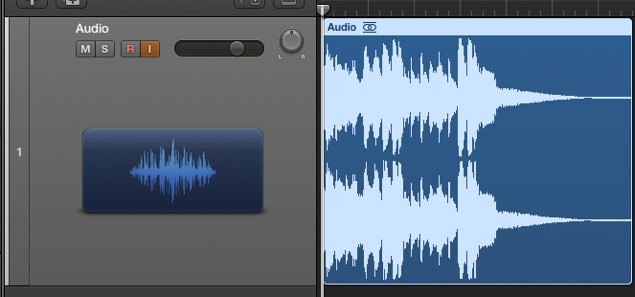
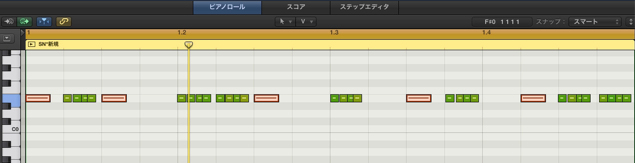
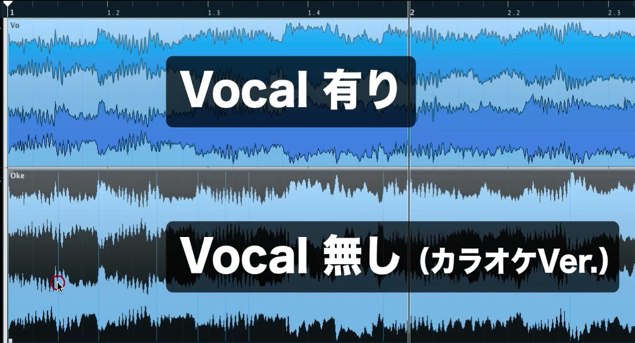
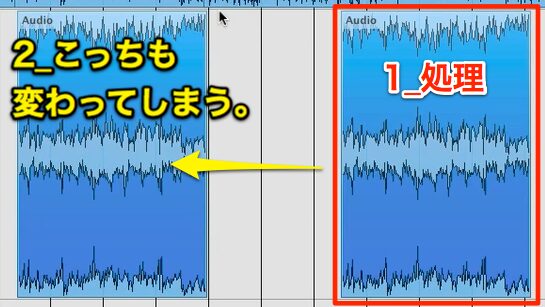
Thank you, that was helpful! I have a question: how does the gate relate to the Before and After examples? What do they show?

Before is the original sound without the gate effect. After is the sound with the gate applied.
Understanding the Controls

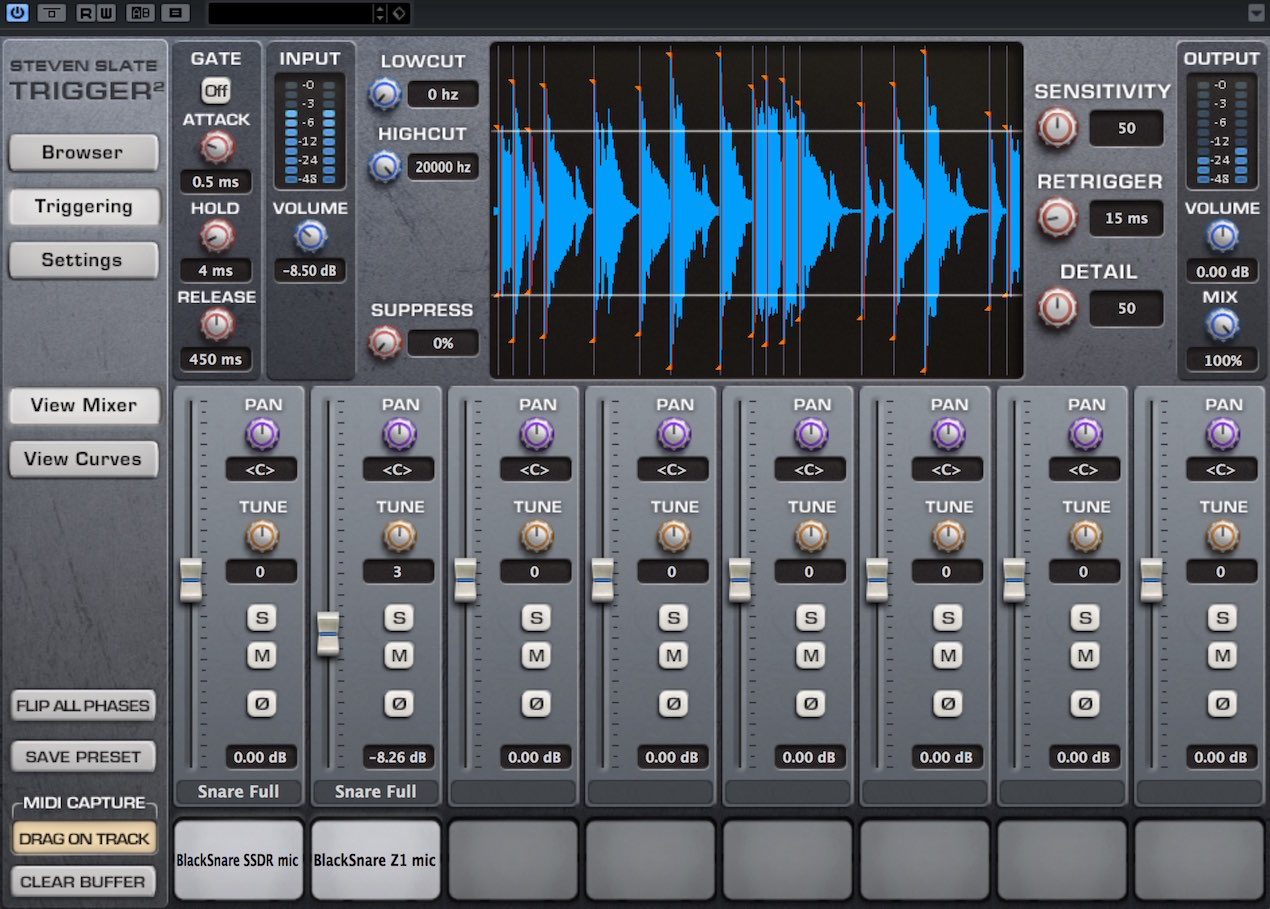
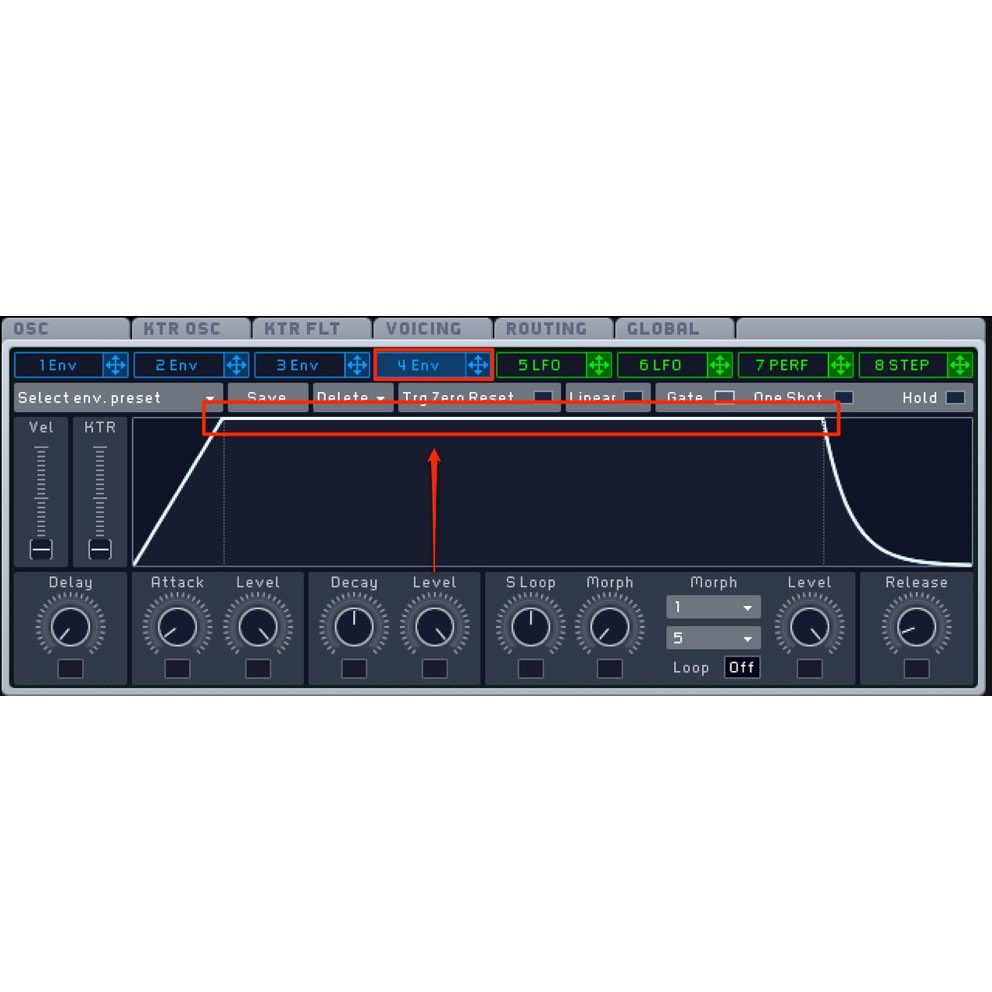
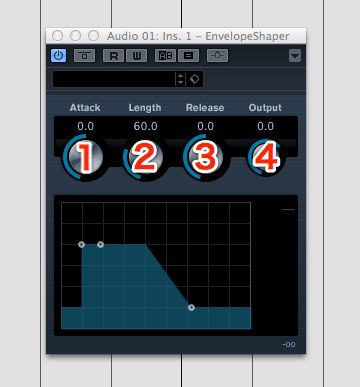
- Threshold: Sets the level at which the gate begins to reduce the signal.
- Attack: Sets how quickly the gate opens once the signal rises above the threshold.
A slower setting can create a fade-in-like effect. - Release: Sets how quickly the gate closes and attenuates the sound.
If it is too short, the sound may be cut off unnaturally; if too long, the effect may be hard to hear. - Hold: Helps prevent the gate from opening and closing too frequently.
It sets how long the gate stays open after the signal drops below the threshold, before release begins. - Analysis: In the Cubase Gate shown here, this control sets how the signal level is detected between peak and RMS.
Adjust it to change how the gate responds to the material; the available controls vary by plug-in.
Frequently Asked Questions
Q1. What is the main purpose of a gate in music production?
A gate can suppress noise, reduce bleed between live drum microphones and shape the length of drum sounds. It attenuates audio below a set threshold, helping create a cleaner, more controlled sound.
Q2. How should I adjust an unnatural-sounding release?
If the release is too short, the sound can feel abruptly cut off; if it is too long, the gate’s effect may be hard to hear. Adjust it gradually to suit the tempo and style, aiming for a natural decay.
Q3. What is the difference between hold and release?
Hold controls how long the gate remains open after the signal falls below the threshold. Release controls how quickly it closes afterward. Together, they help prevent excessive switching and shape the end of the sound.
NEW ARTICLES
Latest English Articles