This sixth analysis of Ikimonogakari’s “Arigatou” explores harmonic techniques at the end of the chorus: the double dominant, a secondary dominant built on the fifth of the dominant, and the minor subdominant, associated with borrowing from the parallel minor key. These ideas can bring variety and direction to a chord progression.
Keeping the Chorus Engaging to the End
This is part 6 of our chord analysis of Ikimonogakari’s “Arigatou.”
Looking at the end of the chorus, we’ll discuss:
- Dominant motion from the double dominant
- The minor subdominant (borrowing from the parallel key)
Let’s explore these techniques.
The Song

Video Tutorial
1. How to Identify the Key
2. Chord Progressions
3. Non-Diatonic Chords
4. The ii–V
5. Pivot Chords
6. Double Dominant and Minor Subdominant (this article)
7. Slash Chords
The Double Dominant

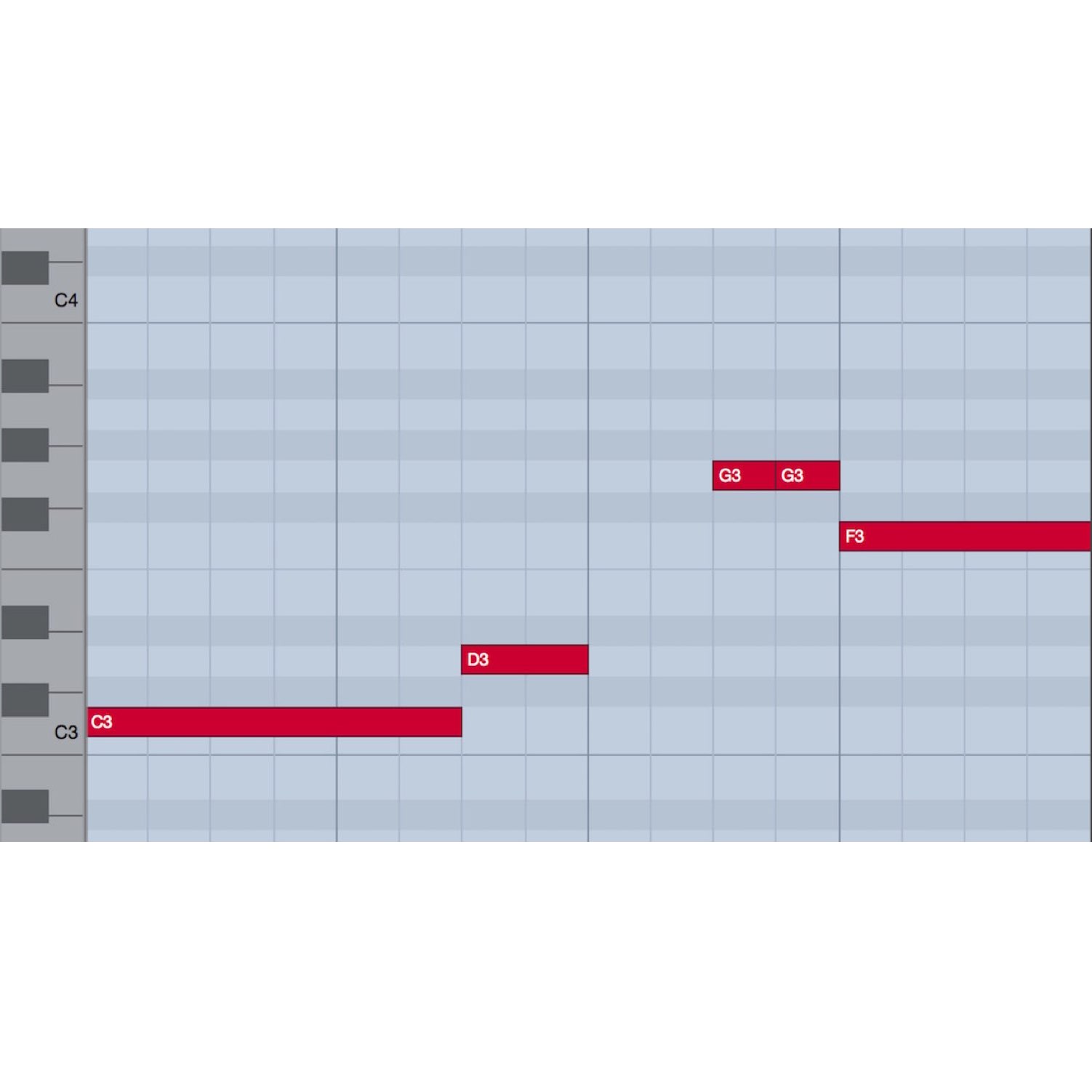
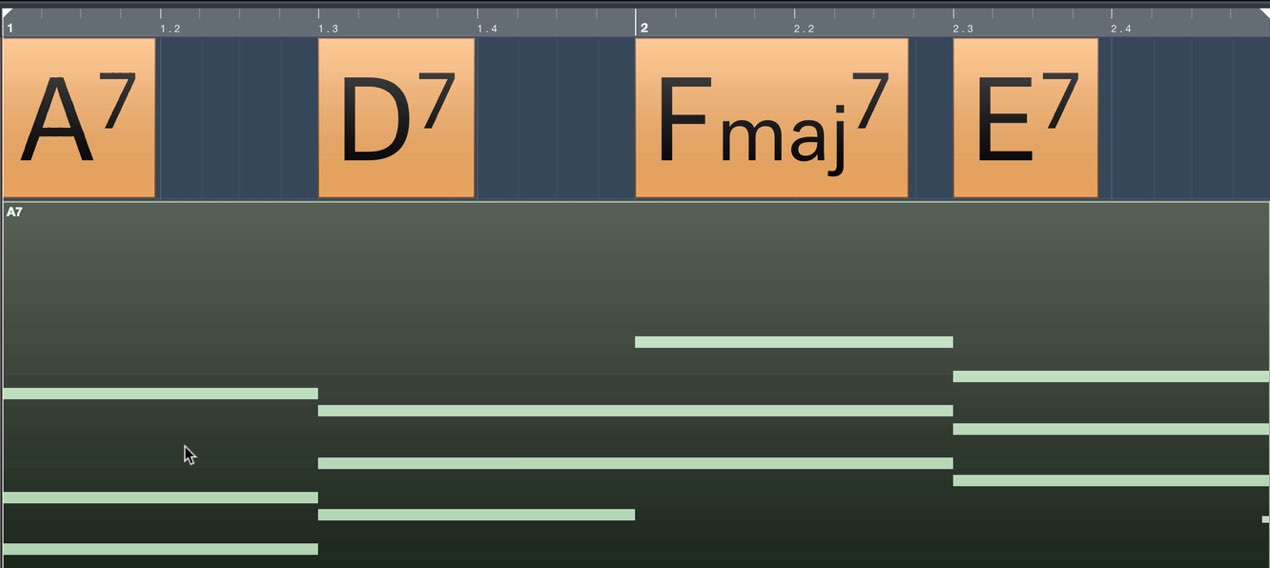
D7 is the V (dominant) of G(7).
G(7), in turn, is the diatonic V (dominant) in C major.
In C major, D7 is therefore the dominant of the dominant, creating
a “double dominant” relationship.

A chord with this role is called a “double dominant” (Doppeldominant).
It is a type of secondary dominant; because it is the fifth of the fifth,
it has this special name.
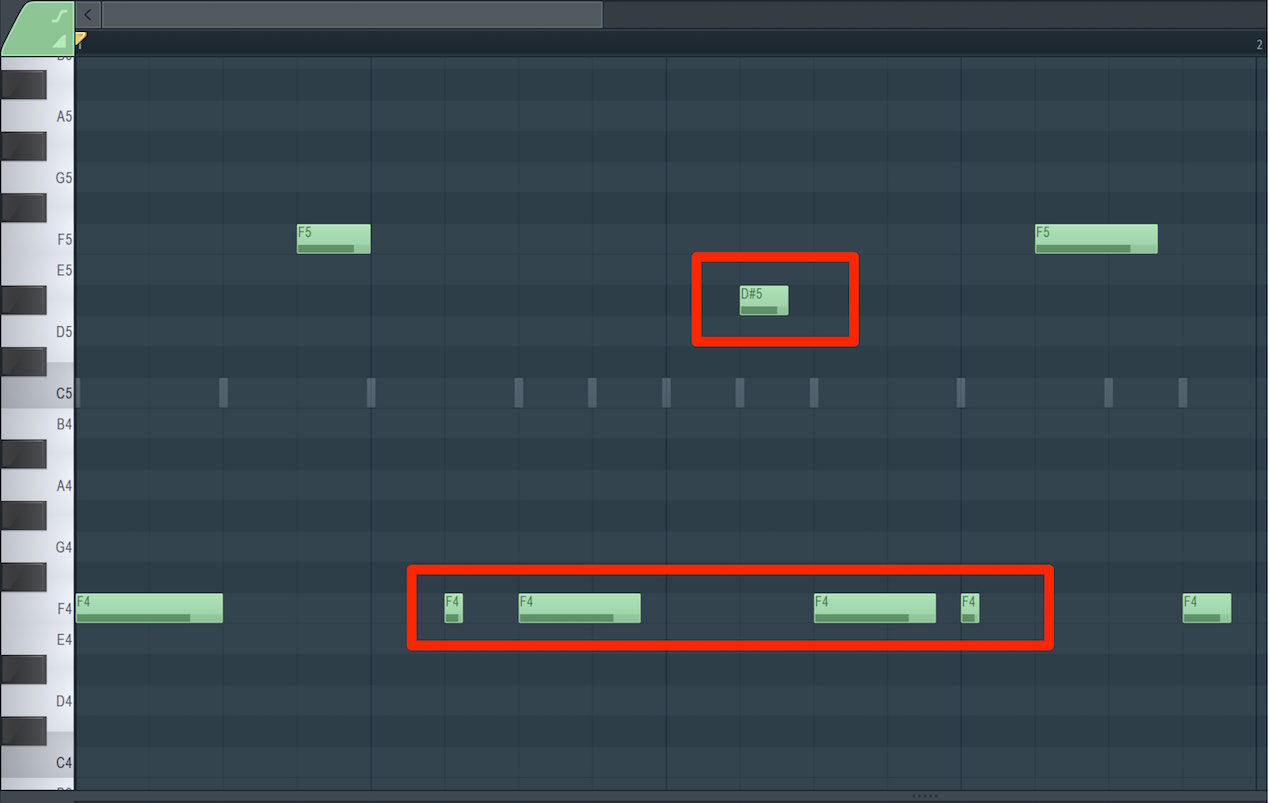
The double dominant typically moves to the dominant,
but here the straightforward dominant chord G(7) does not appear immediately afterward.

It could be viewed as omitted. Looking a little further ahead,
the progression may be heard as moving toward F/G, which has a dominant function (we’ll discuss this slash chord next time).
From that perspective, the intervening chords
can be heard as a detour on the way there.
Notice also that Dm7 forms a ii–V relationship with the dominant-function F/G
in this passage.
The Minor Subdominant

The other chord on this detour is Fm6.
In C major, the diatonic IV (subdominant) is F major or Fmaj7.
Here, however, the subdominant is the minor chord Fm6.
Where does it come from?
Let’s look at the diatonic chords built on the minor scale starting on the same tonic,
C minor.

Fm7 is the iv7 (minor subdominant seventh) among the diatonic chords of C minor.
A major key and a minor key that share the same tonic are called
“parallel keys”.
Among chords borrowed from the parallel minor, substitutions for the subdominant are common,
so these are often given the special name “minor subdominant”.
The example of diatonic chords shown on the chord pads in the video
is built from the harmonic minor scale.
In practice, chords built from the natural minor
and melodic minor scales
can also be used alongside them.
The ii chord, which can substitute for IV as a subdominant-function chord,
can also be borrowed from the minor key; its quality is iim7(♭5).


In this example from “Arigatou,” the chord is not Fm7
but Fm6, a minor chord with an added sixth.
Comparing the notes, Fm6 and Dm7(♭5)/F share the same pitch classes
even though their chord roots and interpretations differ.
Whether you interpret it here as ivm6 or iim7(♭5),
both readings describe a minor-subdominant function.
Frequently Asked Questions
Q1. What is a double dominant?
It is the dominant of the dominant: a secondary dominant whose root is a fifth above the dominant. In C major, D7 acts as the dominant of G7, while G7 is the dominant of C. This relationship can add tension and forward motion.
Q2. Can a minor subdominant be used in a major key?
Yes. Chords associated with the parallel minor, such as Fm6 or Fm7 in C major, can introduce a minor-subdominant color in a major-key song. Fm6’s D natural also occurs in C melodic minor, so the exact scale used depends on the harmonic context.
Q3. Which minor-subdominant chord is used in the “Arigatou” example?
The example uses Fm6, which shares its pitch classes with Dm7(♭5)/F. It can be interpreted as ivm6 or as a half-diminished ii chord with F in the bass, both conveying a minor-subdominant function.
NEW ARTICLES
Latest English Articles