Solid State Logic’s BiG SiX is a high-end audio interface and mixer that combines analog and digital workflows. It integrates with a DAW over USB-C and provides high-quality SuperAnalogue preamps, flexible monitoring outputs, SSL’s three-band EQ, and compression. This review explores its professional sound quality, including the rich, spacious character of analog summing, as an option for improving a home-studio workflow.
Analog and digital working together

Here we introduce Solid State Logic’s BiG SiX.
It may look like an ordinary mixer at first, but connect it to a computer with a USB-C cable and it also functions as an audio interface.
It integrates seamlessly with a DAW for routing, recording, and mixing with high-quality sound.
It is a product packed with SSL’s engineering expertise.
Let’s look at how to use it in music production as an option for bringing your sound up to professional quality.
BiG SiX demonstration video
Inputs
First, let’s examine the audio inputs when using it as an interface.

Channels 1–4 feature high-quality SuperAnalogue preamps.
They accept a range of sources, including microphones, high-impedance guitar signals, and line-level devices, so you can record straight into your DAW. The microphone inputs provide 48 V phantom power. Editorial correction: the Japanese original states “9 V”; SSL’s official user guide specifies 48 V.
We recorded vocals and compared the sound with interfaces in two other price classes: approximately ¥10,000 and ¥200,000 at the time of the original 2022 review.
Vocalist: Ahiru Ohira

Office PAC was the agency representing this voice actor at the time of the original 2022 article. Her Japanese dubbing credits include:
Dolores in Disney’s animated musical Encanto
Molly in Disney Channel’s The Ghost and Molly McGee
Amy, the youngest sister, in the film Little Women
Full profile: http://www.office-pac.jp/talent/profile/?id=ohira-a
Twitter: https://twitter.com/awesome_ahiru?s=21&t=MRIdhoBvv76N7bH632ApWw
¥10,000-class interface
Vocal recording: ¥10,000-class interface
¥200,000-class interface
Vocal recording: ¥200,000-class interface
BiG SiX
Vocal recording: BiG SiX
You can hear the smooth, effortless quality of the recording.
The input section is also flexible, with external-input send/return routing, talkback, and stereo channels covering inputs 5–16 that can be configured to suit your needs.
Outputs
The output section is equally well equipped, with two headphone outputs, cue monitoring controls, and switching between multiple monitors.
BiG SiX alone can efficiently manage the sound routing in a home studio.

Alongside these functions, the quality of the audio it outputs is outstanding.
We again compared the sound of three products.
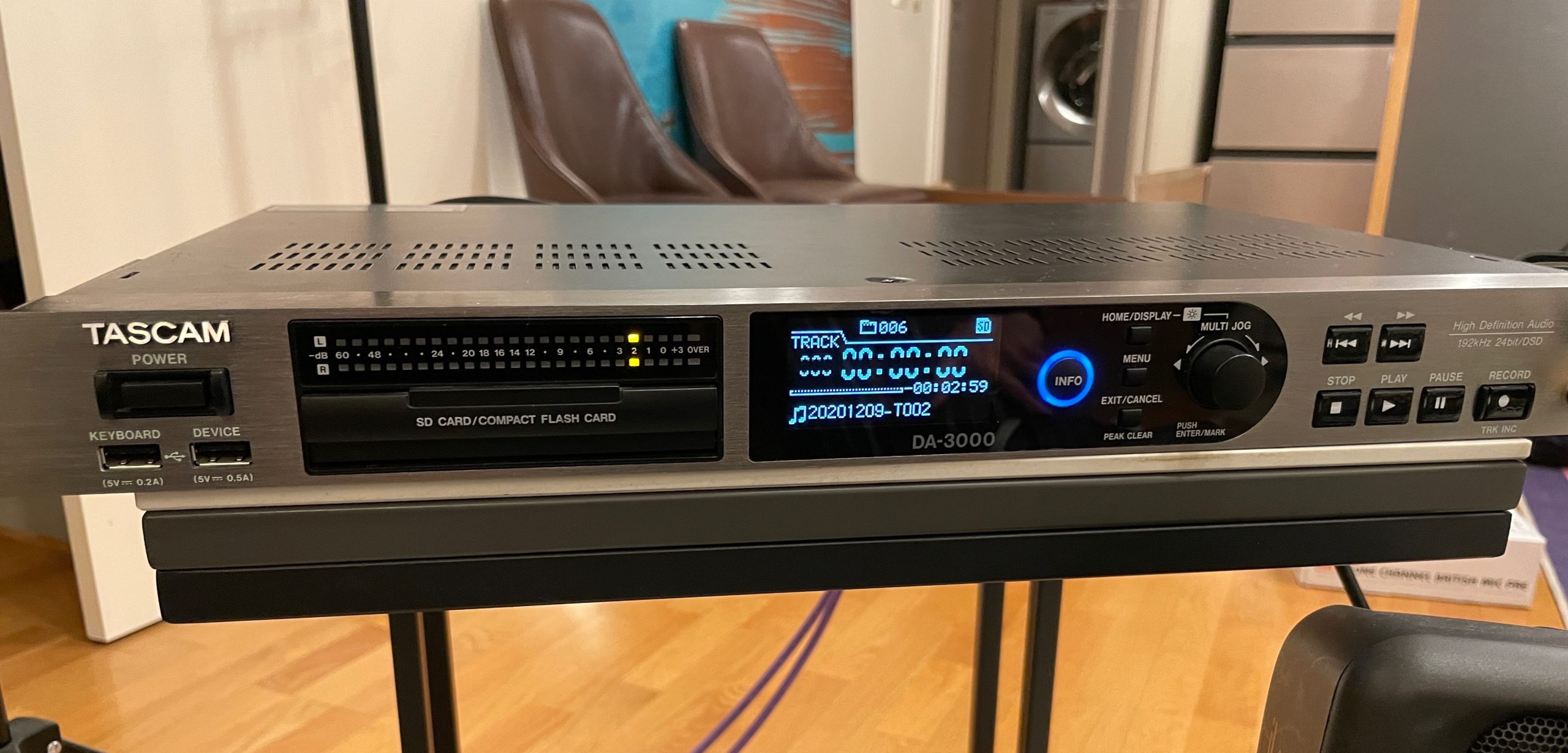
The output from each model was recorded with a TASCAM DA-3000 master recorder.
We have covered this product in an earlier article. Take a look if you would like to know more.
¥10,000-class interface
Output: ¥10,000-class interface
¥200,000-class interface
Output: ¥200,000-class interface
BiG SiX
Output: BiG SiX

Its inviting sound remains comfortable over long listening sessions, making it useful both for production monitoring and for enjoying music.
The mixer section
One particularly useful feature of this product is its USB mode.

Enabling USB mode on a channel connects it seamlessly to the output of a DAW track.
With USB mode off, the channel uses the audio source connected directly to BiG SiX.

Each channel has a high-quality, traditional SSL three-band EQ.

Its natural, pleasing response makes it easy to add character to a sound precisely.

The mono channels, 1–4, also have SSL compression.
The attack ranges from approximately 8 to 30 ms, the release is approximately 300 ms, and the ratio is 2:1.
This allows compression that makes the most of the sound’s character.
You can also apply the G-Series master compressor.
Together, these tools let you shape the sound to a high standard inside BiG SiX.
Summing
Analog summing is another of BiG SiX’s selling points.

Mixing entirely in a DAW keeps every stage digital. Routing individual tracks to BiG SiX’s channels and adding an analog mixing stage can give the sound greater richness.
For example, send the kick, snare, hi-hat, tom, and ambience tracks to separate channels on BiG SiX and mix them there.
Then record the combined drum mix back into the DAW.
Here is how our summing comparison sounds.
Standard DAW mix
Standard DAW mix
BiG SiX analog summing
BiG SiX analog summing
With BiG SiX, the top end sounds controlled and effortless.
We also heard greater separation between the low-frequency tracks and a more untamed character.
We tried several songs and were particularly impressed by how well the individual tracks retained their character.
The sound and usability impressed us enough that we wanted to share this product with you.
It has far more functions than we could cover here, but its size and specifications offer more than enough capability for a small personal studio.
We feel it is worth considering if you want to improve the quality of your productions. Try it if you have the opportunity.
Product URL: https://www.solid-state-logic.co.jp/products/big-six/
Over ¥400,000 at the time of the original 2022 review: Solid State Logic BiG SiX Desktop Mixing Console with Audio Interface — Product Review
The video compares BiG SiX with products in the ¥10,000 and ¥200,000 price classes and explains how to use it in DAW-based music production.
Details: https://t.co/Ny5HJORg2T#DTM #DTMer #SSL pic.twitter.com/BewD5rdVFV
— SLEEP FREAKS (@SLEEPFREAKS_DTM) May 26, 2022
Frequently asked questions
Q1. How does BiG SiX work with a DAW?
Connect it to your computer with a USB-C cable to use it as an audio interface. Enabling USB mode on each channel integrates the DAW’s track outputs for efficient mixing and routing.
Q2. What kinds of sources can the inputs accept?
The SuperAnalogue preamps on channels 1–4 accept microphones with 48 V phantom power, high-impedance guitar signals, and line-level sources, allowing high-quality recording straight into a DAW. The voltage is corrected from the Japanese original’s “9 V” in accordance with SSL’s official specification.
Q3. What are the benefits of analog summing?
Sending multiple tracks to BiG SiX’s channels for analog mixing can produce a rich, spacious sound with a character different from an entirely digital workflow. In our comparison, the low end had greater separation and the individual tracks retained their character.
Q4. Can I use it in a small studio?
Yes. Despite its compact format, it provides a wide range of home-studio functions, including routing, talkback, and switching between multiple monitors.
NEW ARTICLES
Latest English Articles