Go behind the scenes of professional composer Yusuke Shirato's music-making process. From choosing a tempo and writing melodies to programming drums and guitars, this article explores practical production techniques. Learn how he chooses synth sounds, leaves room for a singer to breathe, uses Track Versions, and adds ninths and other chord extensions. These concrete examples offer useful ideas for beginner and intermediate producers, along with an approach that puts creativity ahead of perfection.
Acclaimed Composer Yusuke Shirato Shares His Songwriting Techniques
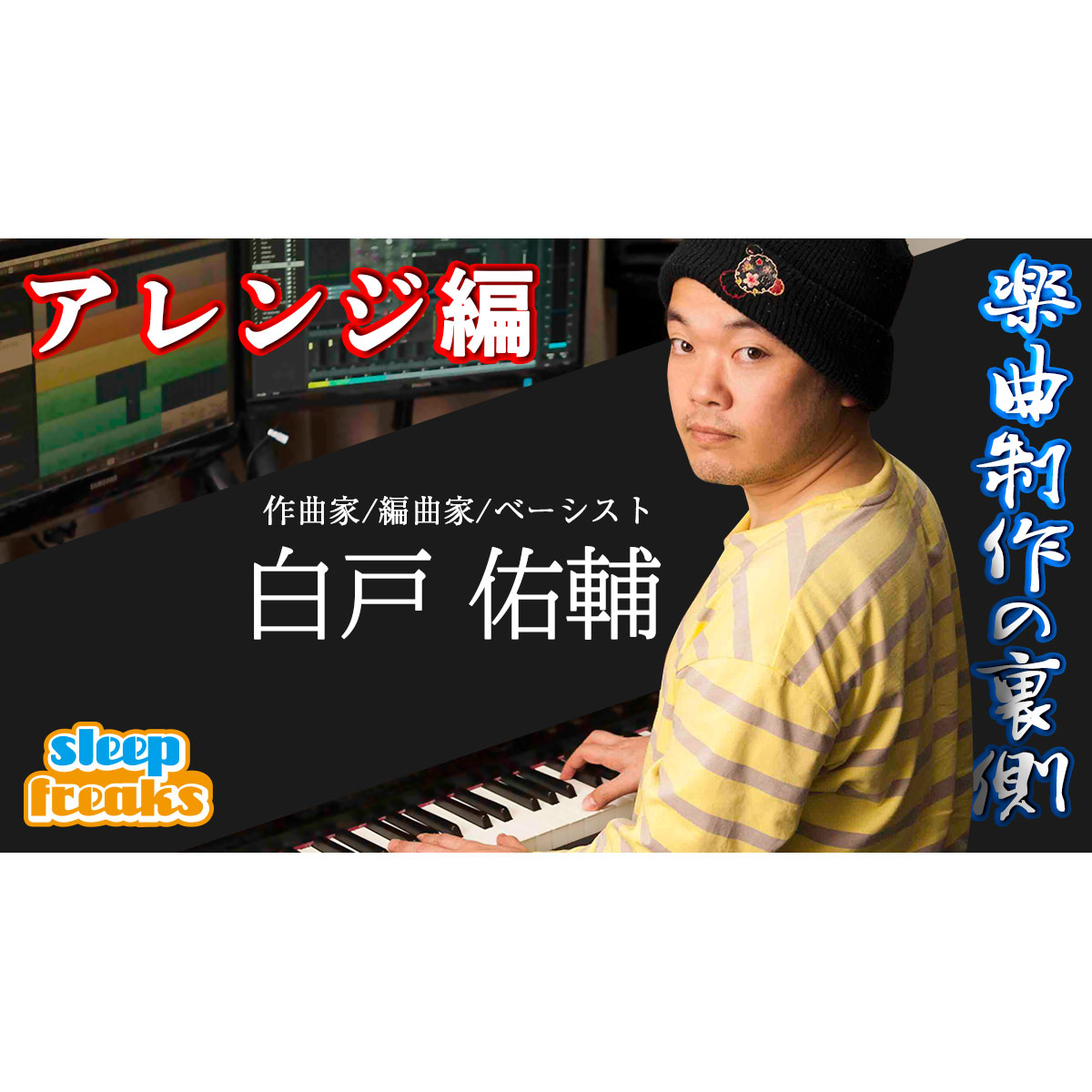
Yusuke Shirato
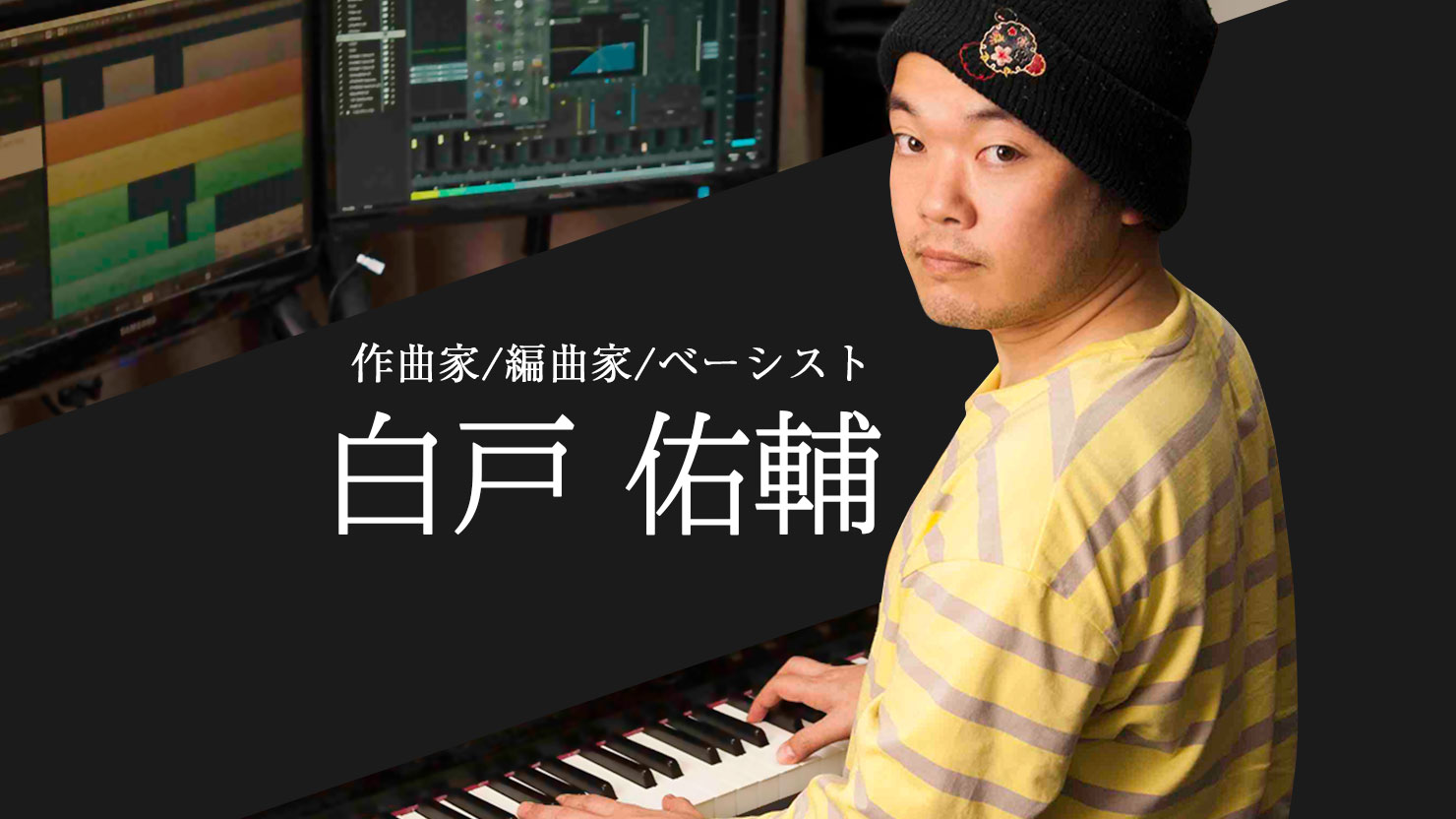
Born in Ibaraki Prefecture in 1981, Shirato listened to classical music and studied piano from childhood.
He discovered drums and composition in high school, then entered the composition department at Tokyo College of Music. While composing chamber and orchestral music, he took up bass in his third year and worked as a bassist after graduating.
He began his professional songwriting career in 2007 and went on to write for a wide range of artists and perform as a supporting musician.
At the time of this profile, he worked as a composer affiliated with DreamMonster.
He is known for anime and idol songs featuring piano and strings, as well as contrasting, deeply moving ballads.
His work includes anime opening and ending themes, television themes and featured songs, and background music and theme songs for pachinko, films and games.
Twitter: @sirato10
Keyakizaka46 — “Sekai ni wa Ai Shika Nai”
About This Project — Tatsuki Kanaya

One of the most frequent requests we receive about our lessons and content is, “I'd like to see what the production process looks like.”
With the help of the highly successful composer Yusuke Shirato, we were able to make this project happen.
The ambitious idea was to start with nothing and create the melody, chords and arrangement from scratch! (Laughs.)
During the process, he incorporates ideas as they arise and experiments through trial and error to improve the song.
You'll see that even for a professional, things don't always go exactly as planned.
Every creator has a different approach to sound, production methods and ways of thinking, and those differences lead to originality.
There is no single correct answer. We hope you'll see how continually considering what to think and which path to take can provide an important guide for your work.
We hope this content gives you useful ideas for your own music and helps boost your motivation!
Video: Creating a Song for a Songwriting Competition
“TOMORROW” Song Data Now Available for Purchase!
MIDI data, audio files and project files for “TOMORROW” are available from our shop!

MIDI data, audio files and project files for “TOMORROW” are available from our shop!
Additional Notes on the Video
Here are selected insights from the video into the details Yusuke Shirato pays attention to.
BPM (Tempo) Is Crucial to a Song
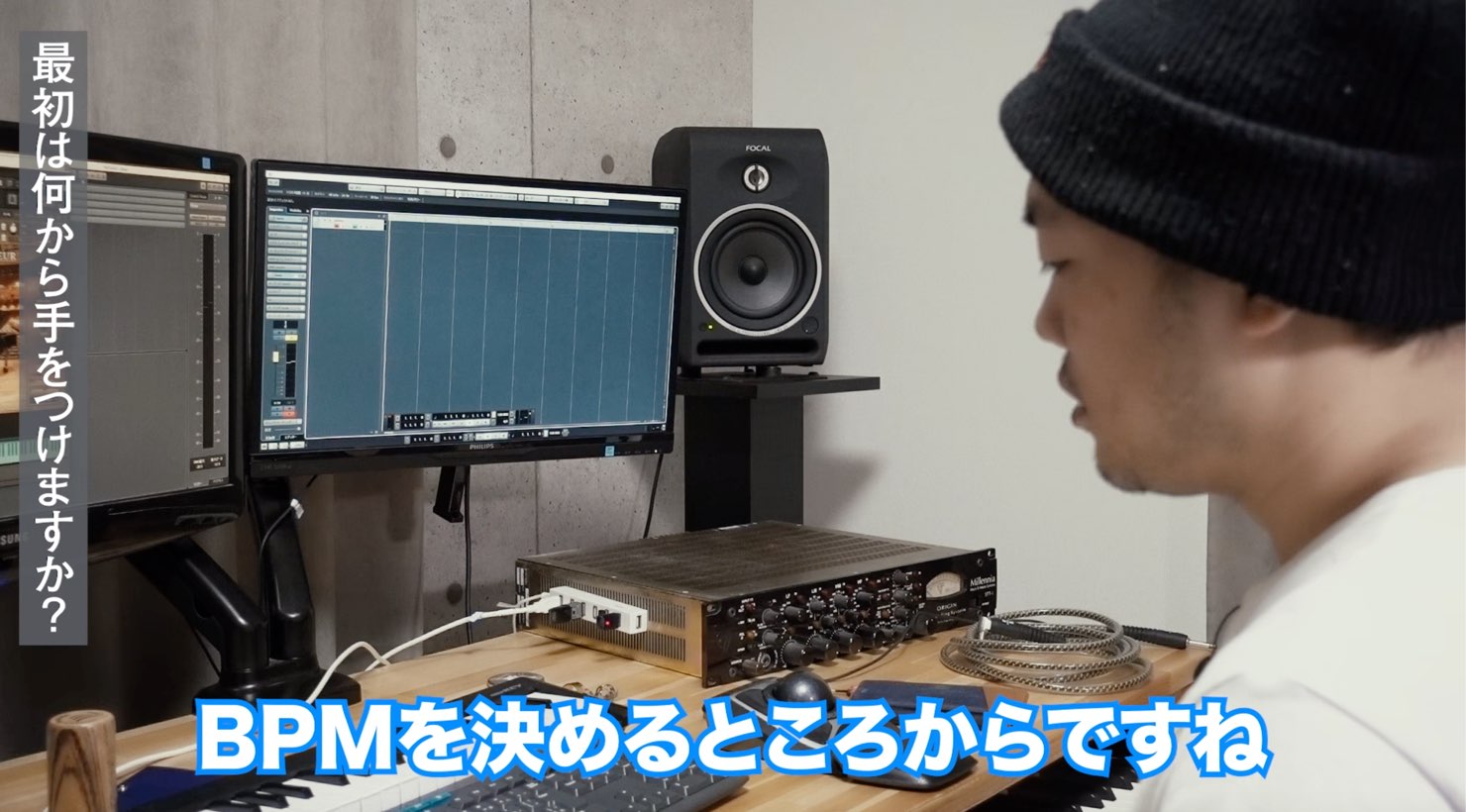
Choosing a tempo is extremely important in shaping the impression a song makes.
He starts the production process by deciding on the BPM (tempo) of the finished song.
With a click (metronome) playing, he plays the piano and keeps making small adjustments until the tempo matches what he has in mind.
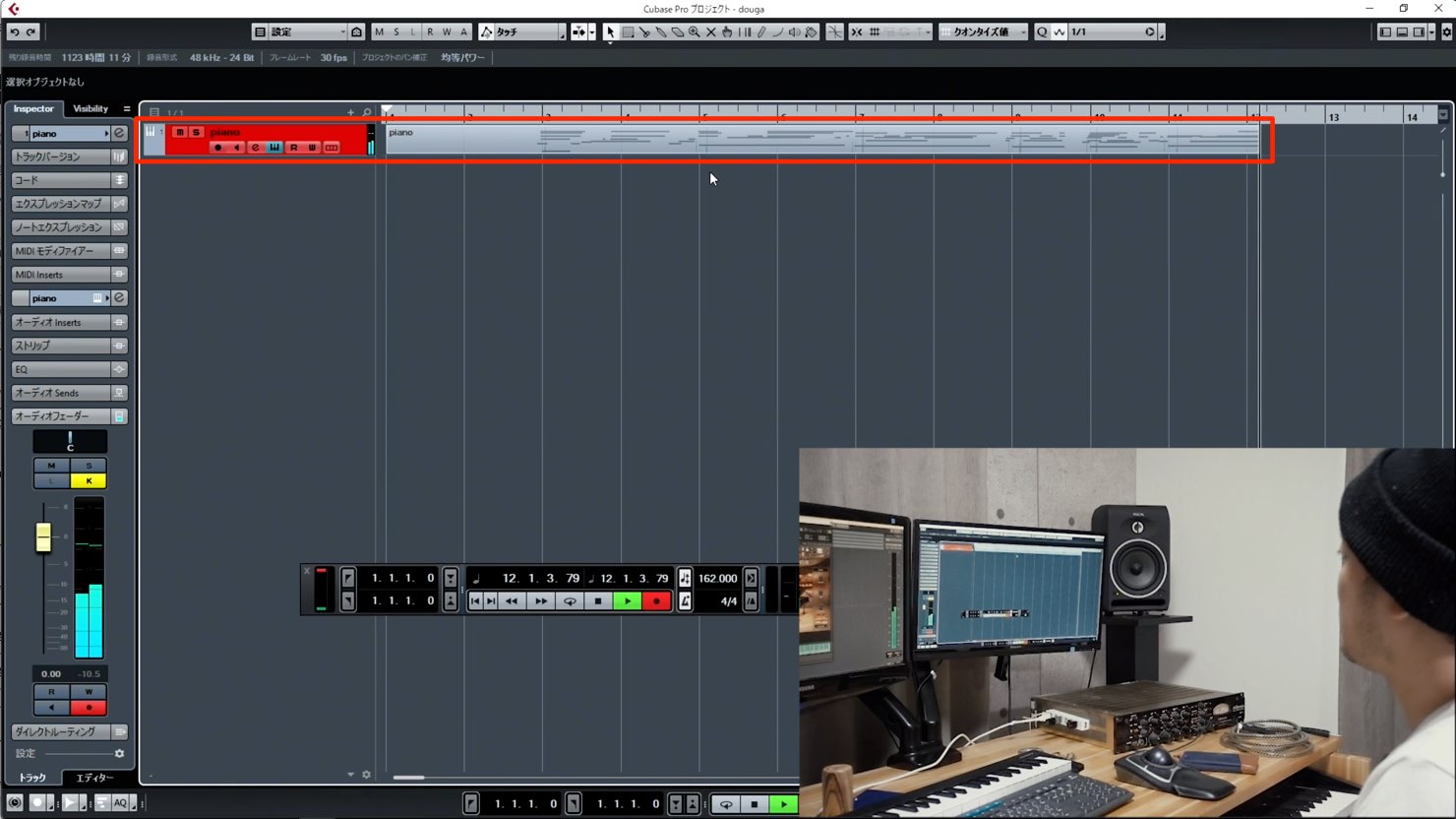
Once the tempo is set, he records an instrument he is comfortable with—piano in this case—to begin giving the song a concrete shape.
Programming the Melody
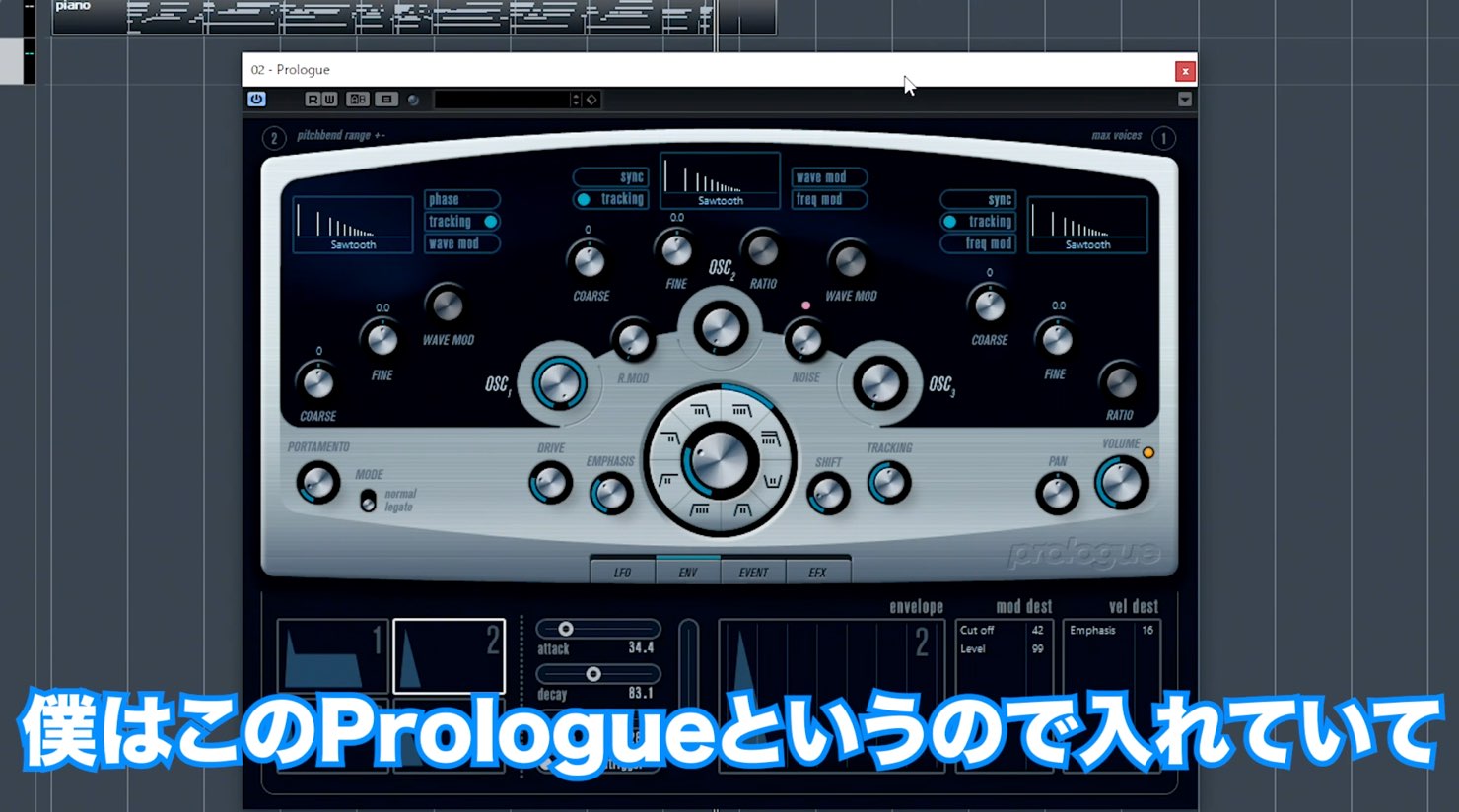
To work out the melody, he starts with a synth: Prologue, which is included with Cubase.
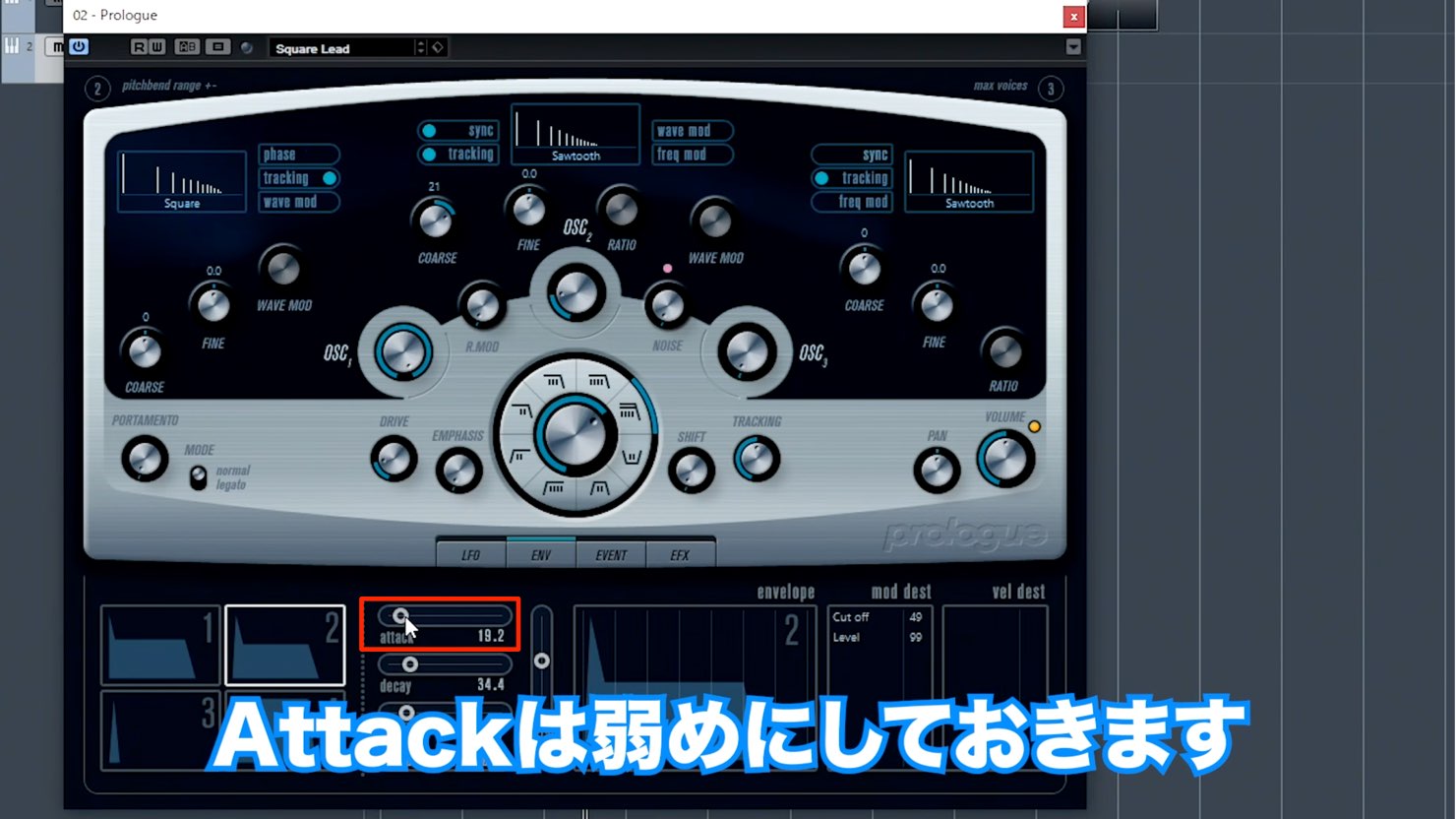
His recommended preset is “Square Lead.”
Here, he customizes it by selecting “Sawtooth” as the oscillator waveform.
He also makes the Attack slightly slower to reduce listening fatigue.
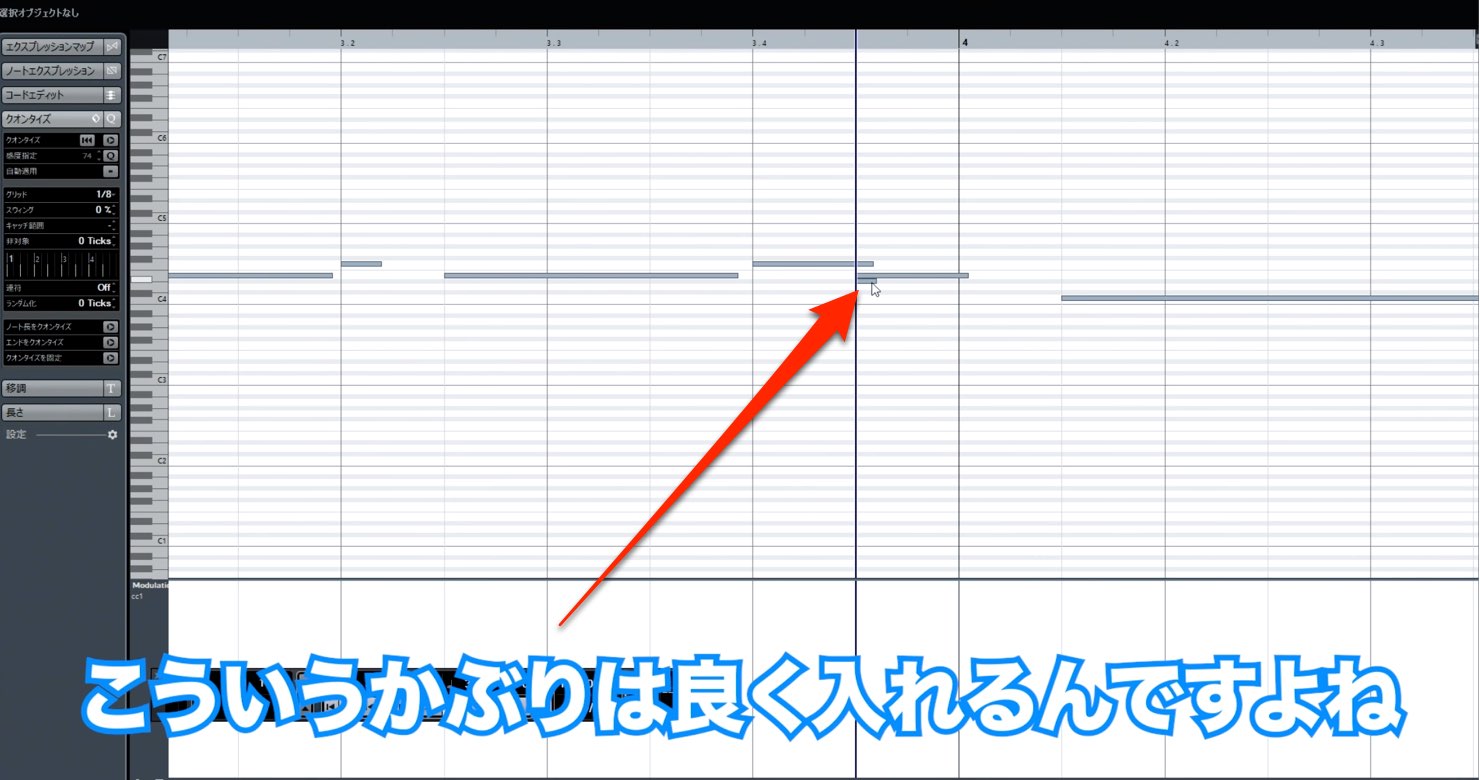
When recording the melody, he enters MIDI notes that imitate a singer scooping up into a note.
This makes it easier to imagine the phrasing when the melody is actually sung.
The Importance of Breathing
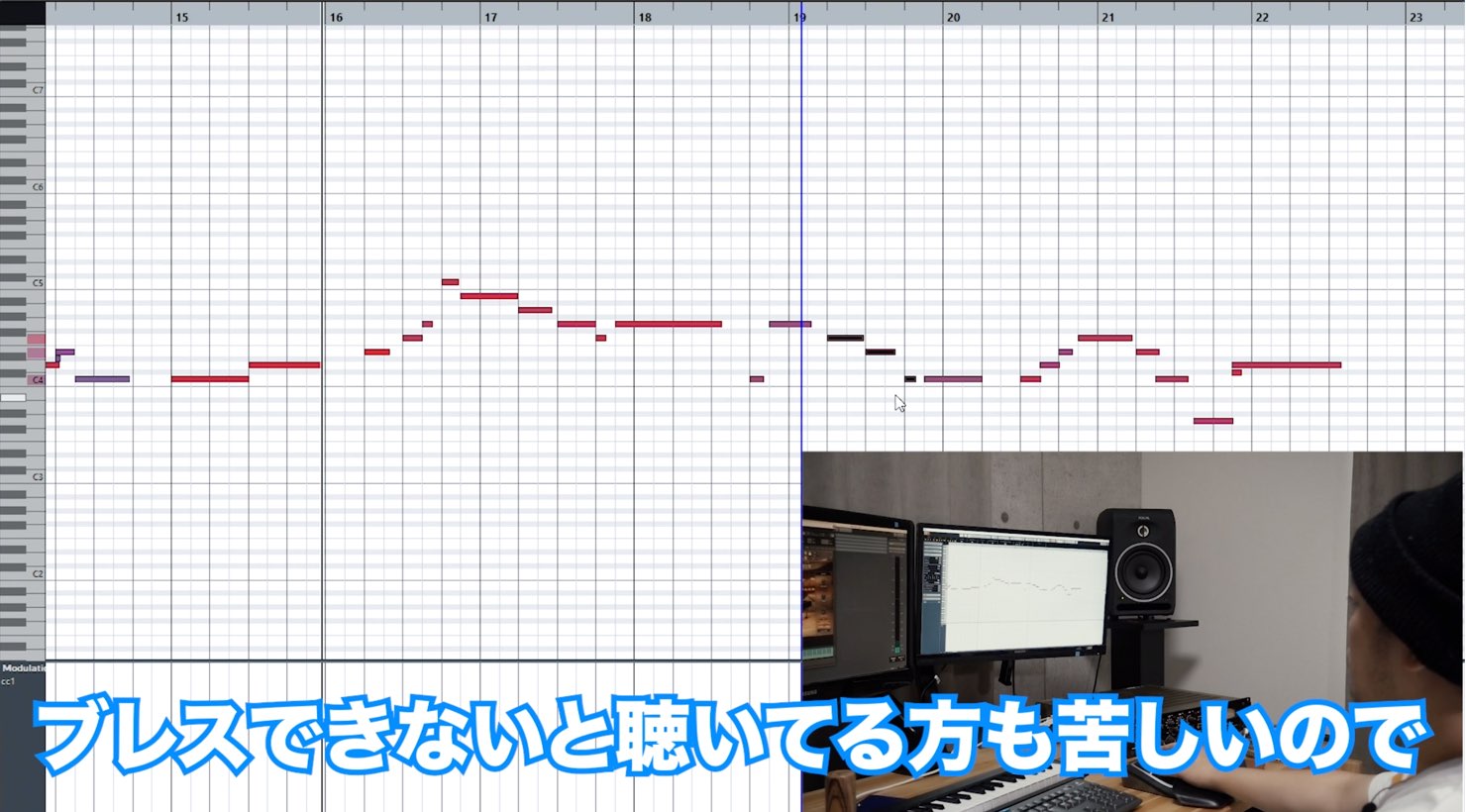
When writing a melody, it is important to leave places where the vocalist can take a breath.
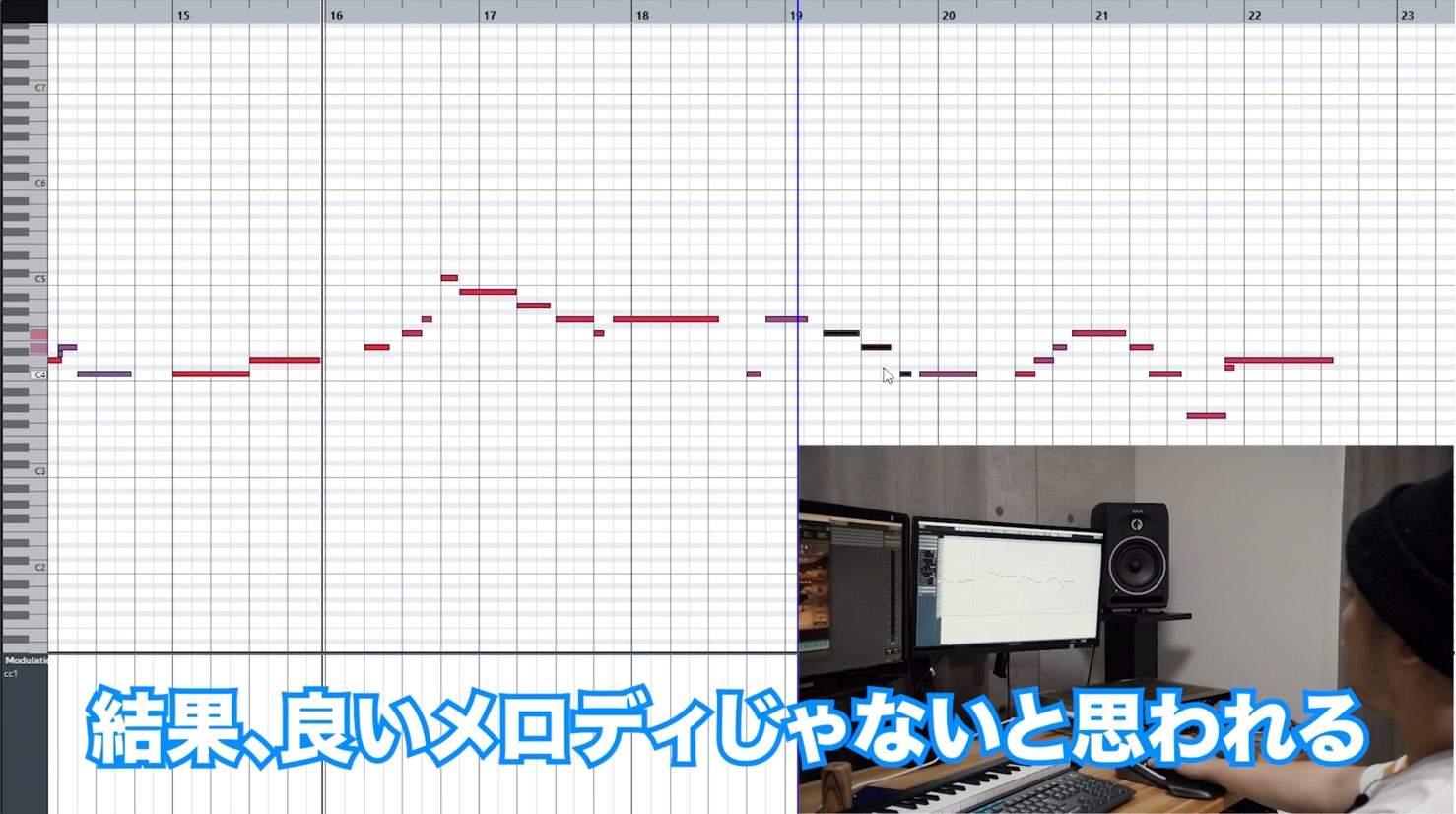
Keep in mind that a human will be singing it, and build those breaths into the melody.
Making Use of Track Versions
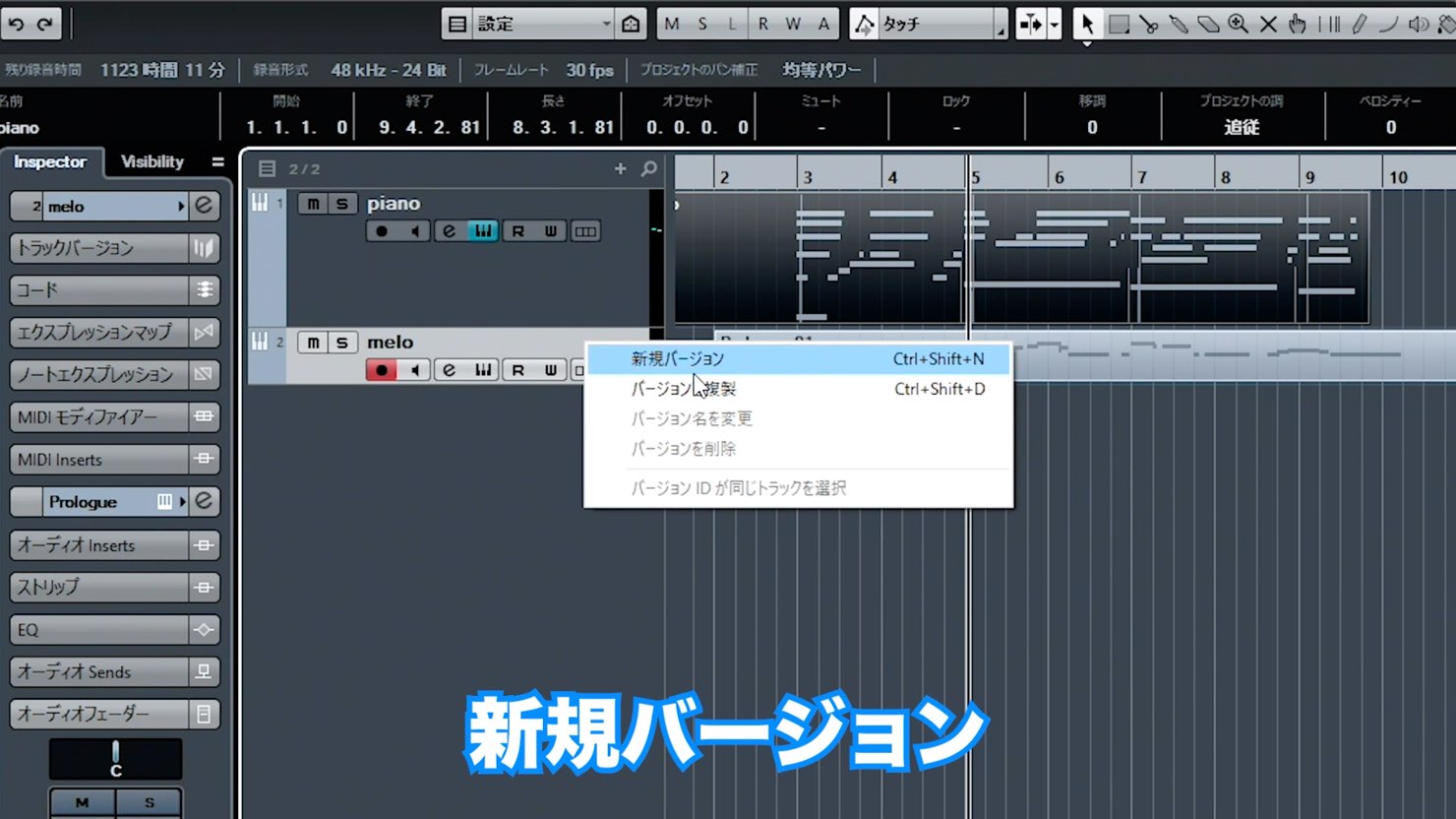
When writing a phrase, you will often come up with several alternatives.
The Track Versions feature, introduced in Cubase 7.5, lets you instantly switch between versions of a track's contents to audition and evaluate them.
Choose Drums to Suit the Song
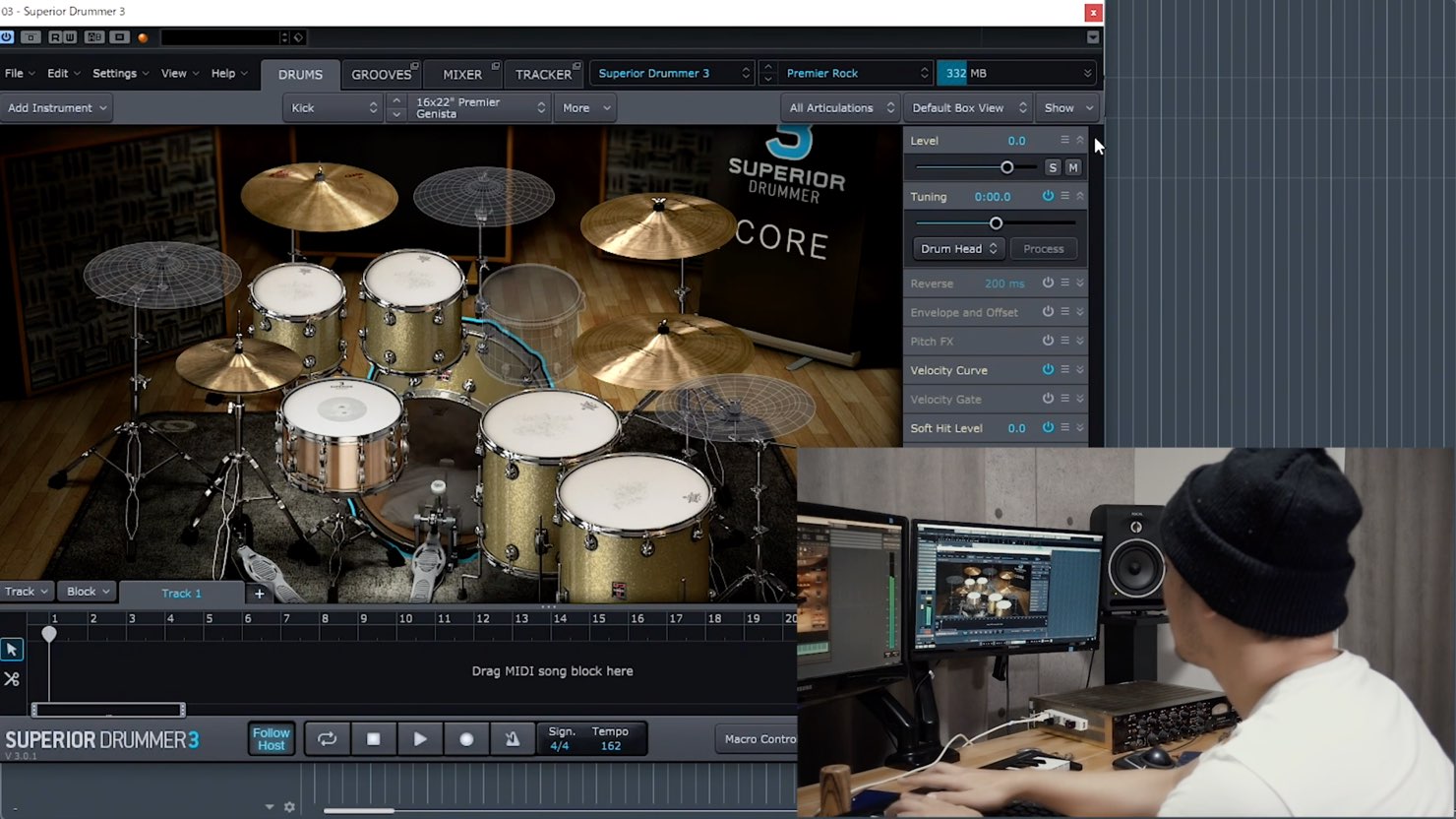
Once the melody and chords have taken shape to some extent, he starts programming the rhythm.
Here he uses Superior Drummer 3, but he chooses instruments such as BFD3 or Stylus RMX according to the genre and character of the song.
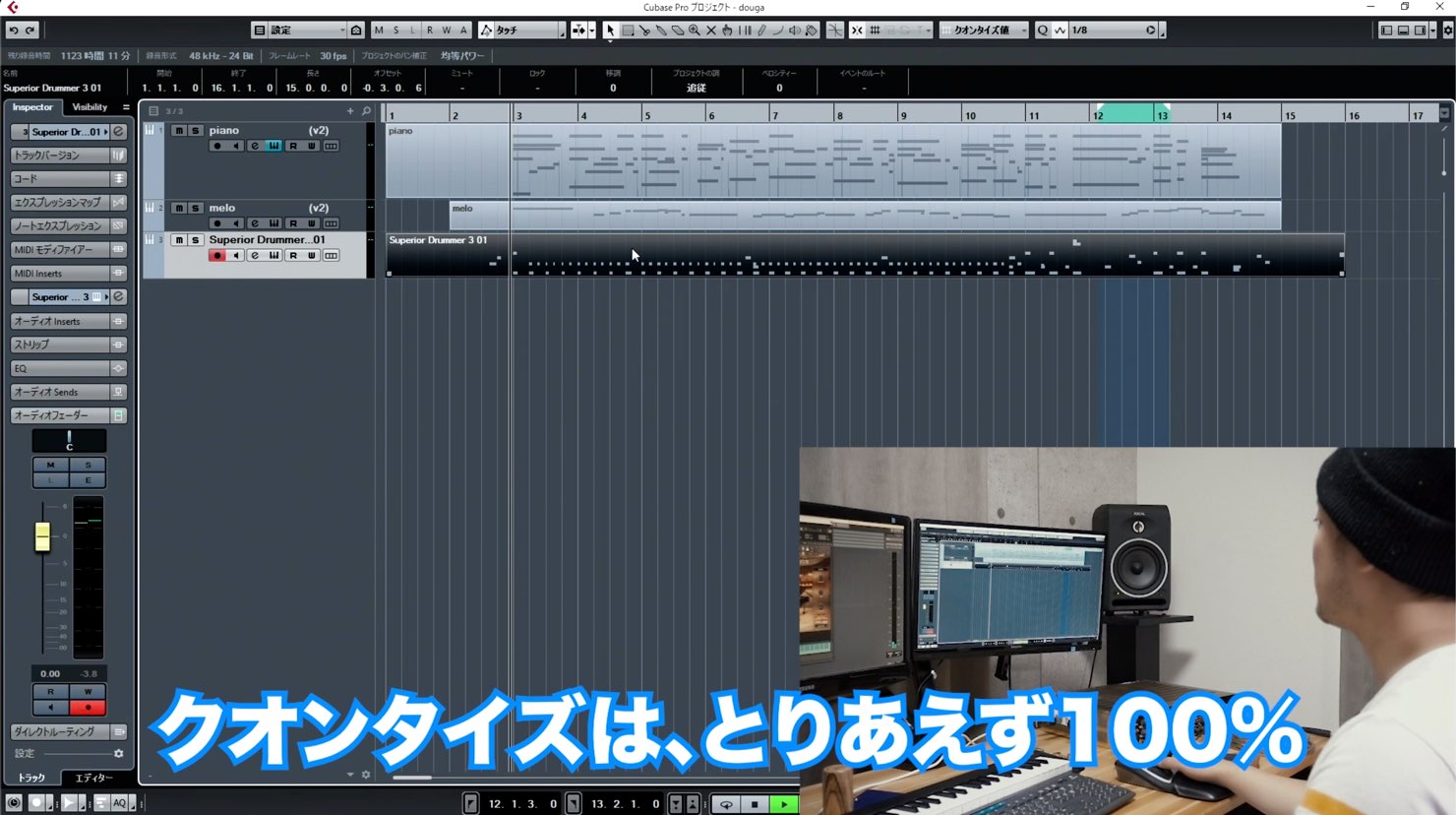
To keep the production process moving quickly, he enters the drum part in real time.
At first, he quantizes it to 100% to establish a clear idea of the beat.
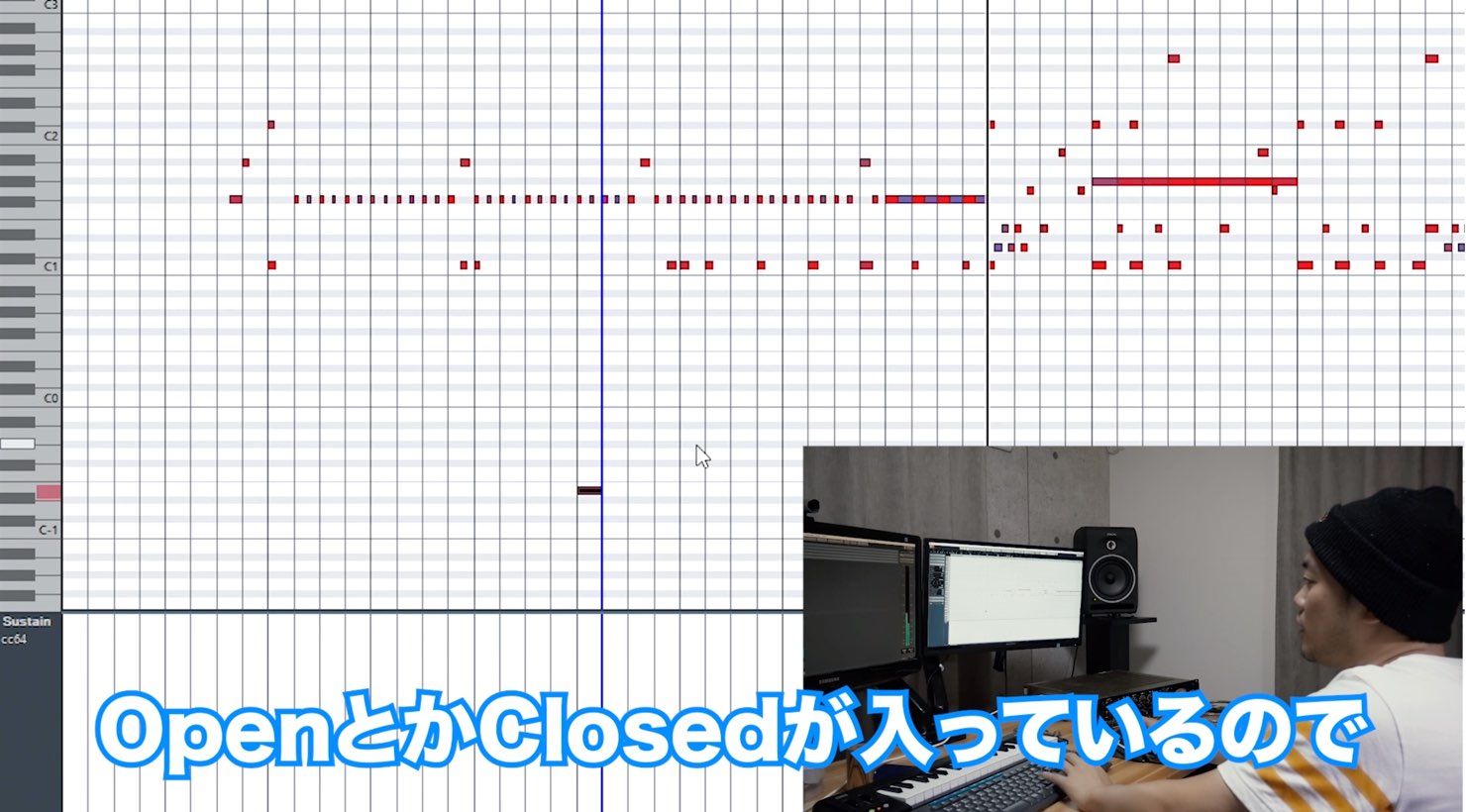
It is difficult to convey every increase in drum intensity through velocity alone.
He therefore controls the energy by switching between open and closed hi-hat sounds.
Drumming with Your Mouth?
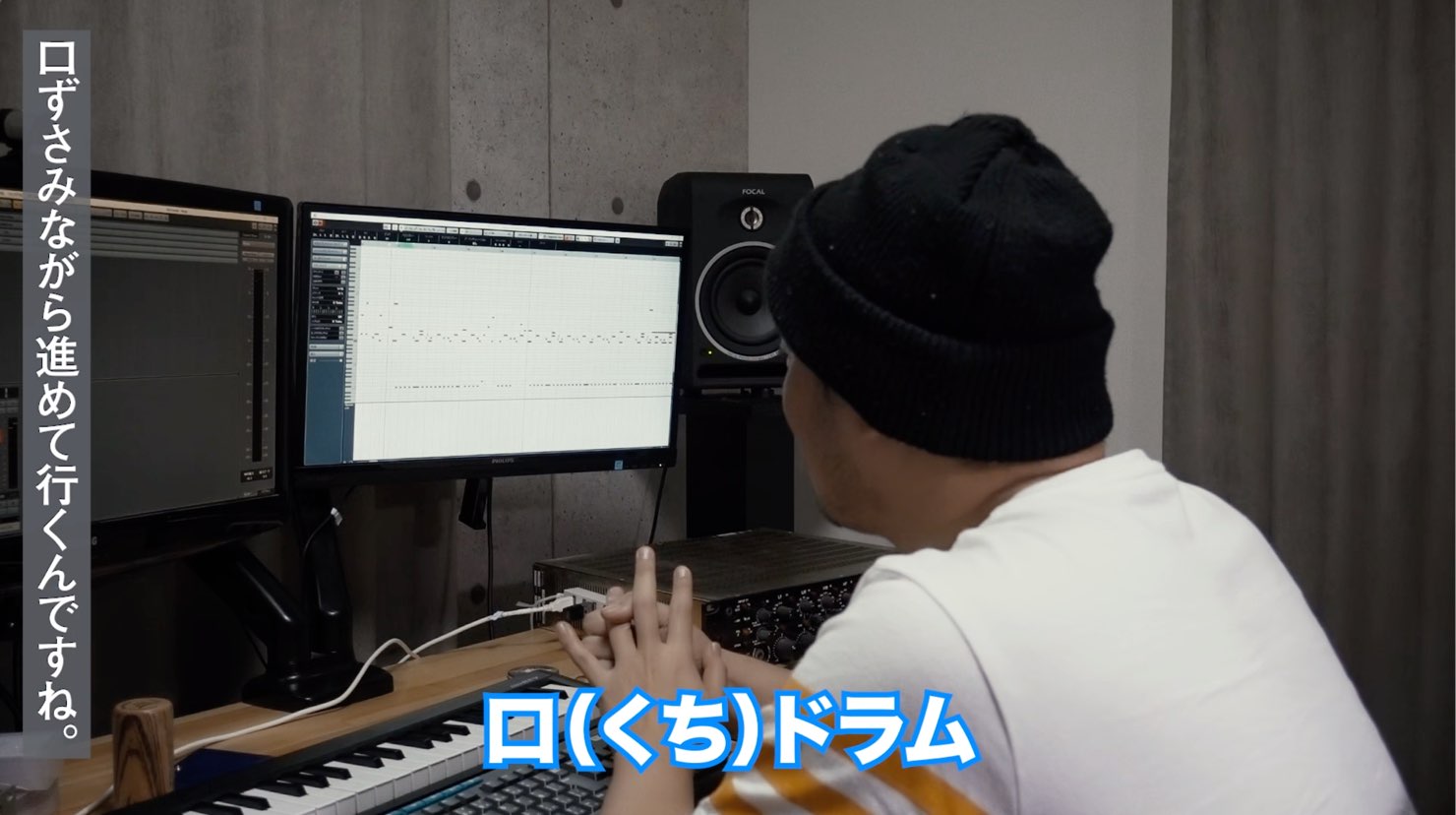
Try vocalizing a drum phrase, just as a child might imitate a guitar riff.
If you can vocalize the phrase, you already have a sense of the beat.
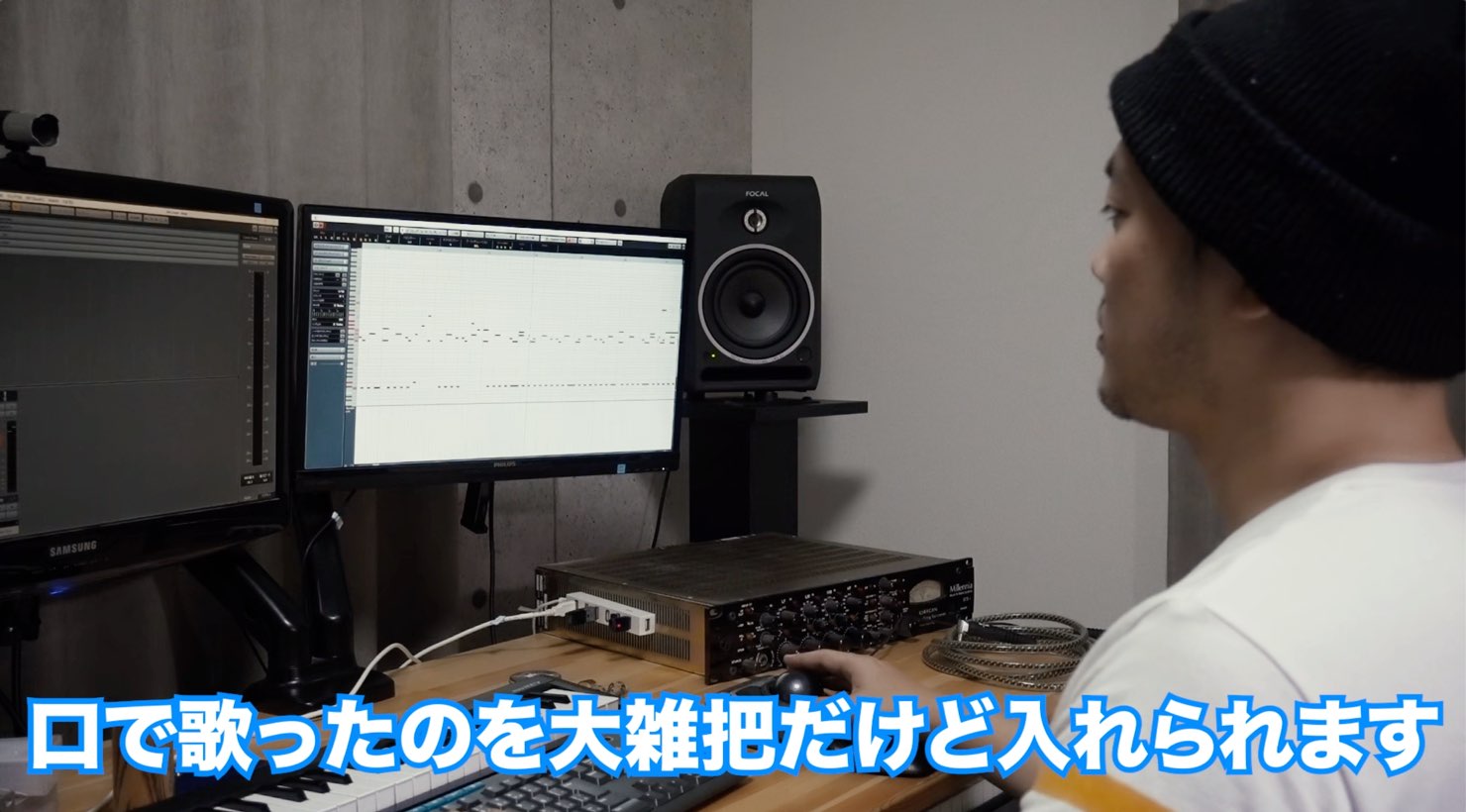
Then you just need to learn how to enter it in the piano roll (Key Editor).
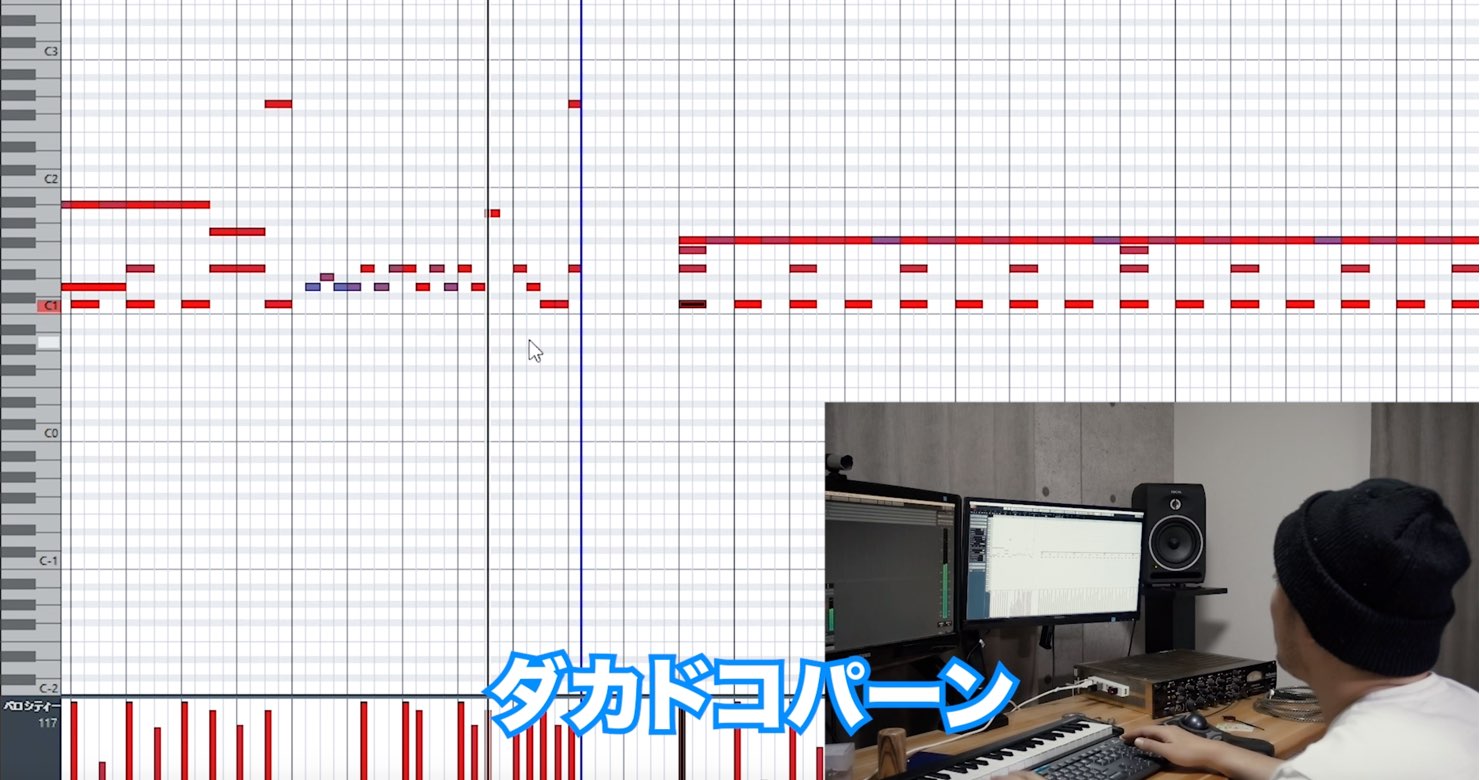
In practice, it sounds something like this:
“Daka-doko-paan!”
Don't Worry Too Much About Wrong Notes
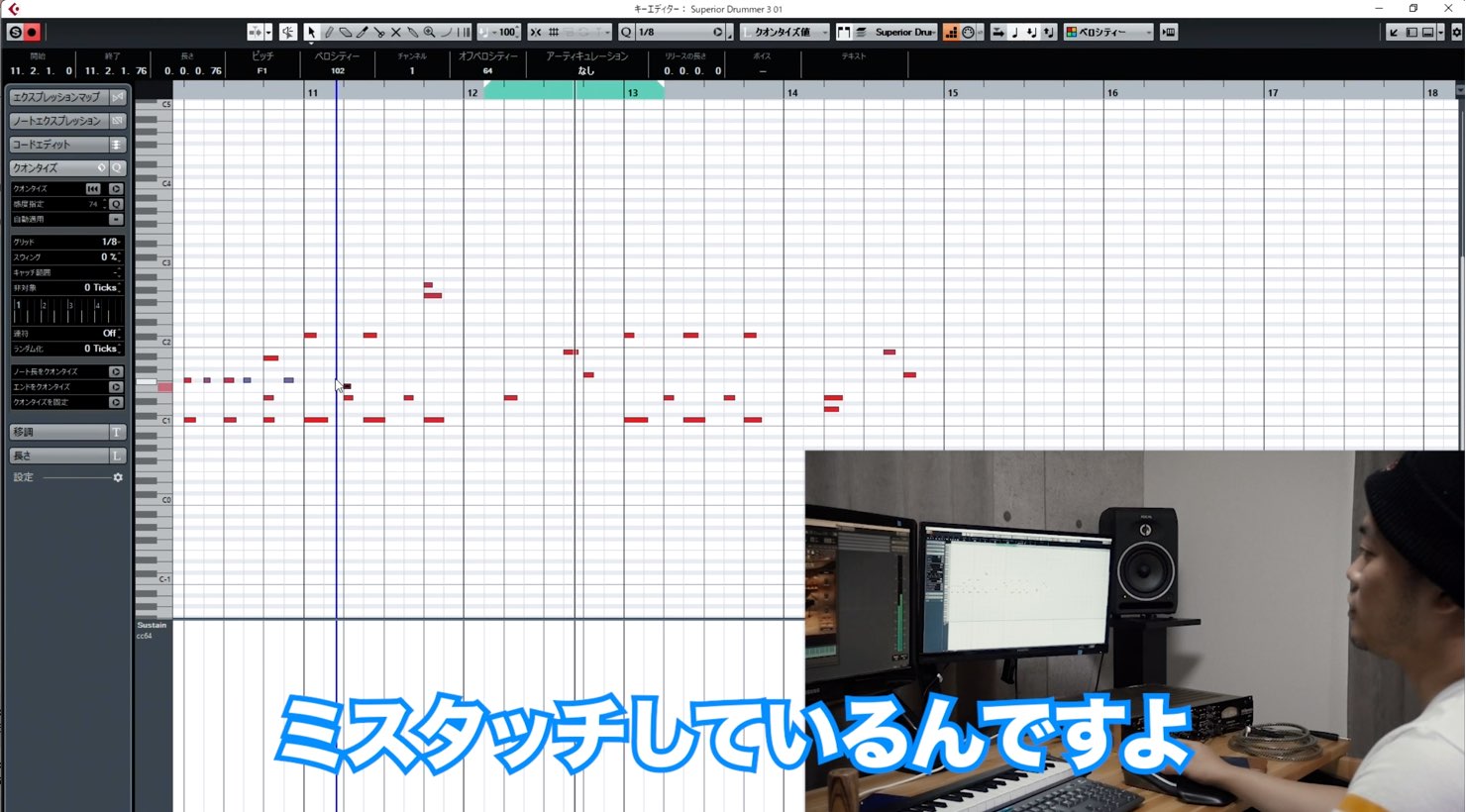
When composing, you need to keep generating the main musical ideas—in J-pop, that usually means melodies.
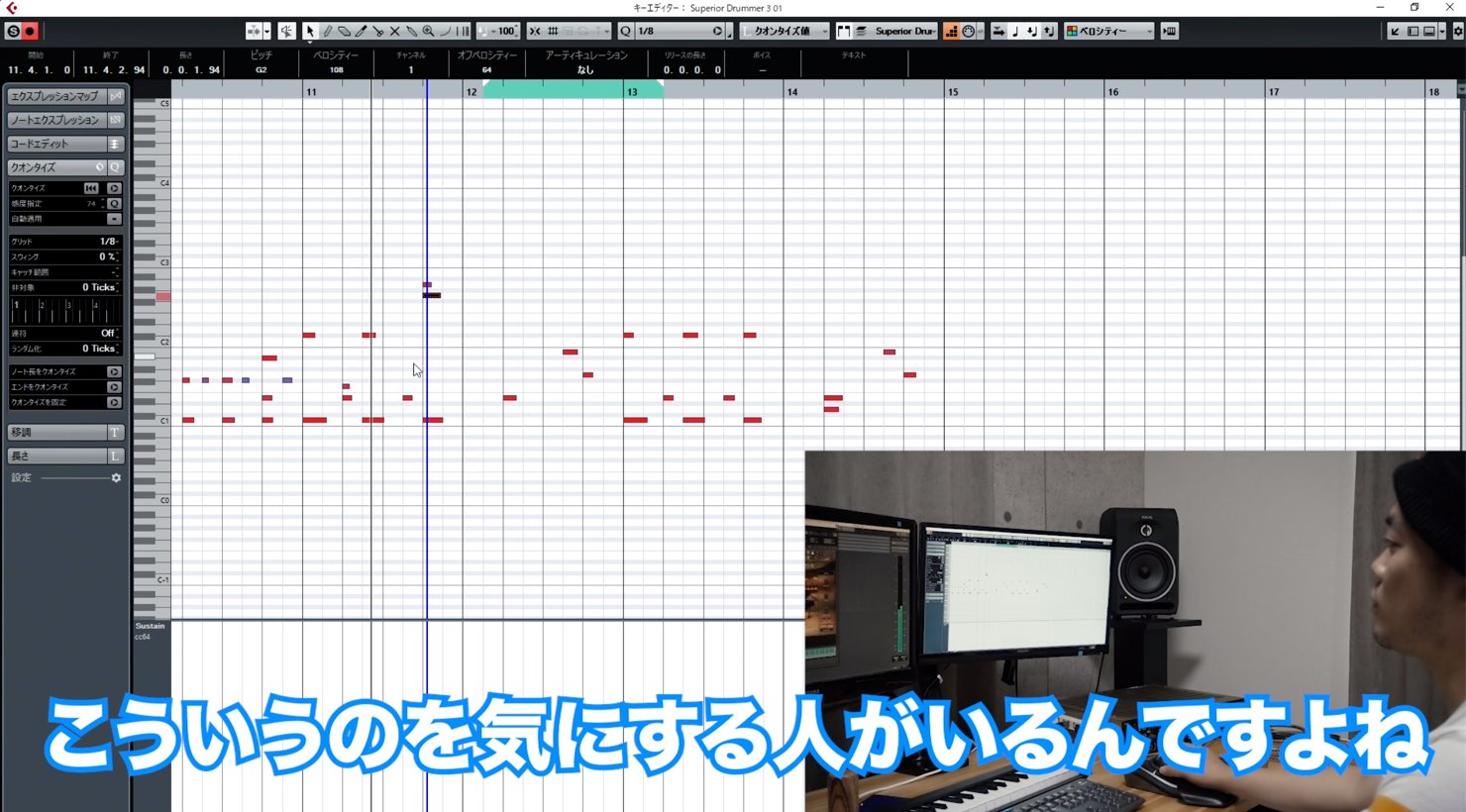
Letting small playing mistakes stop the song from progressing defeats the purpose.
Prioritizing the ideas and inspiration that come to you, rather than perfectionism, leads to better results.
Programming Guitar Parts
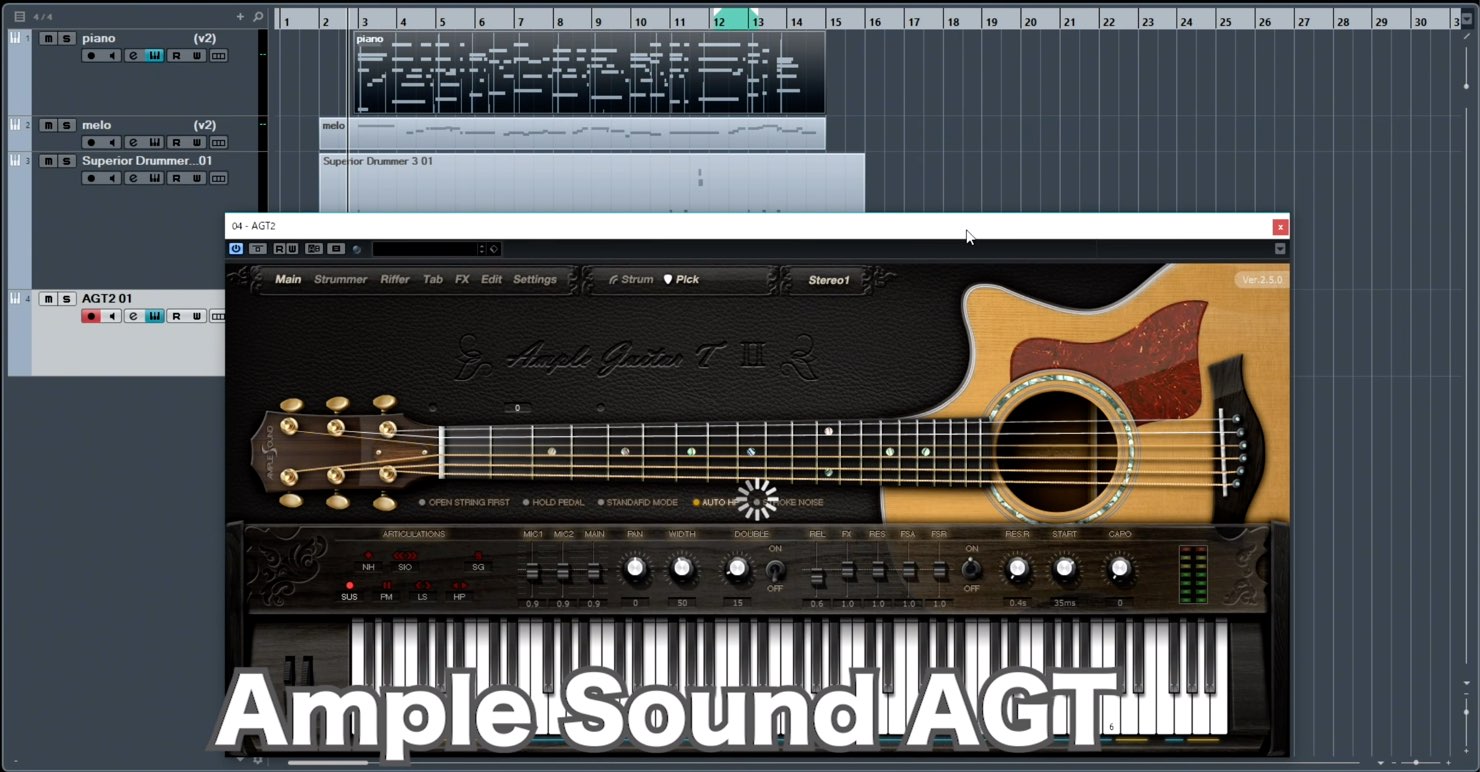
If you haven't worked out how to get to the chorus, trying a different instrument—acoustic guitar here—can help expand your ideas.
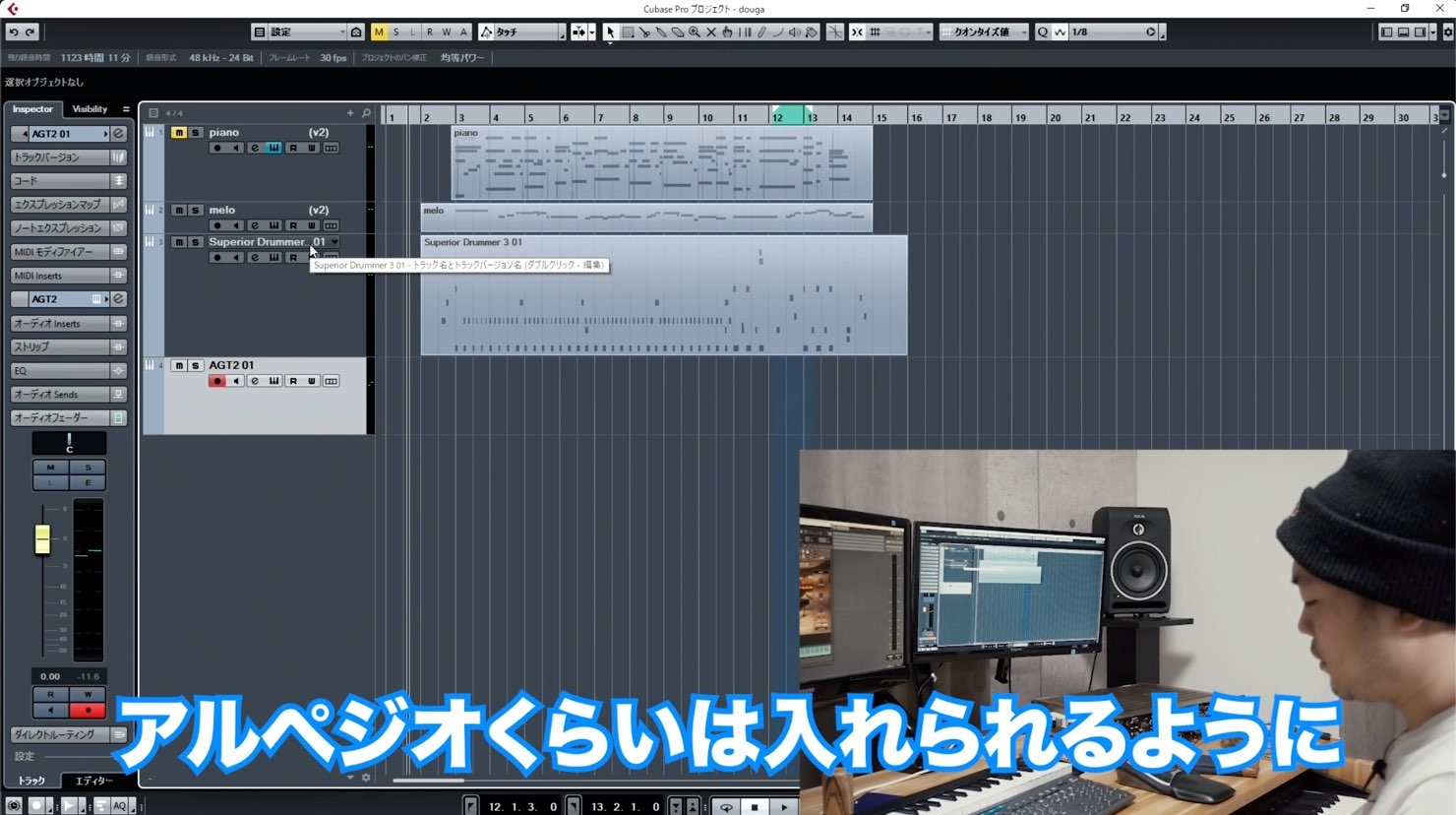
Whether or not you play guitar, learning to play guitar-style arpeggios on a keyboard gives you more ways to approach a song.
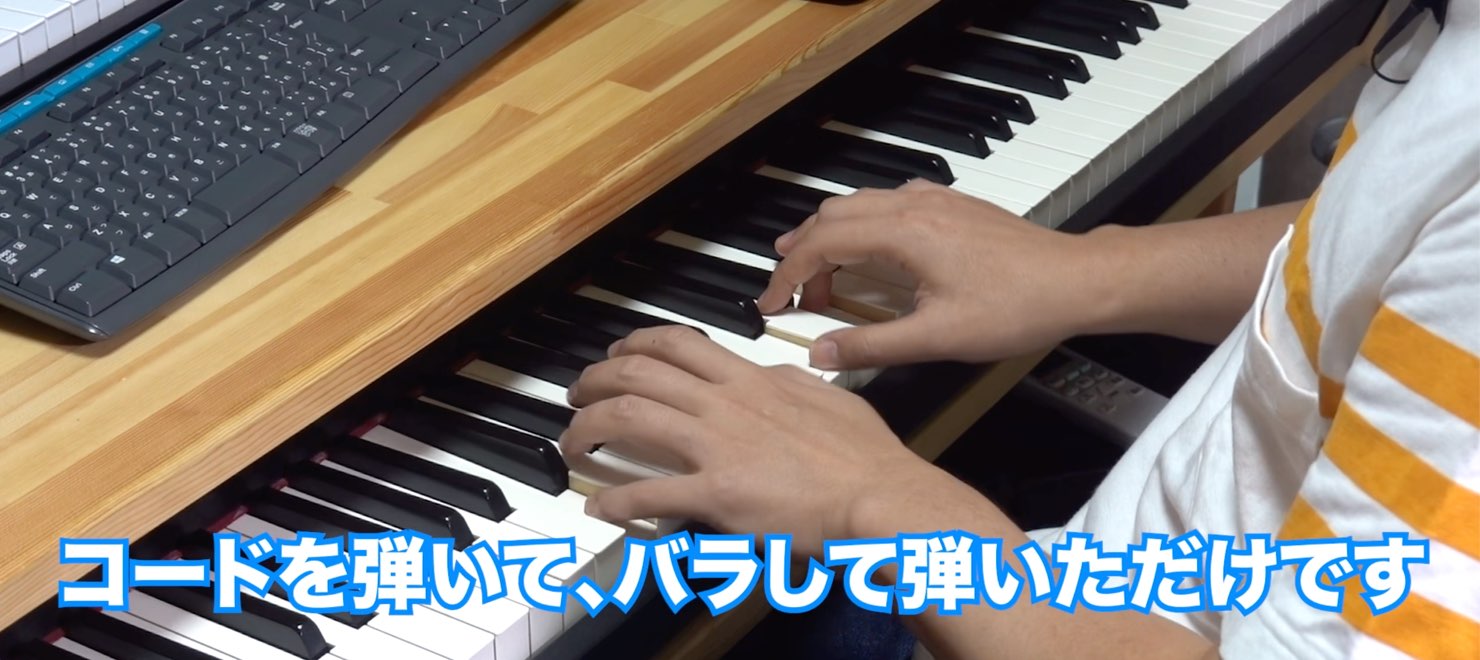
In many professional sessions, the programmed guitar is later replaced by a live performance.
It is also useful for communicating the phrase you have in mind to the guitarist who will play it.
Adding a Ninth to a Chord
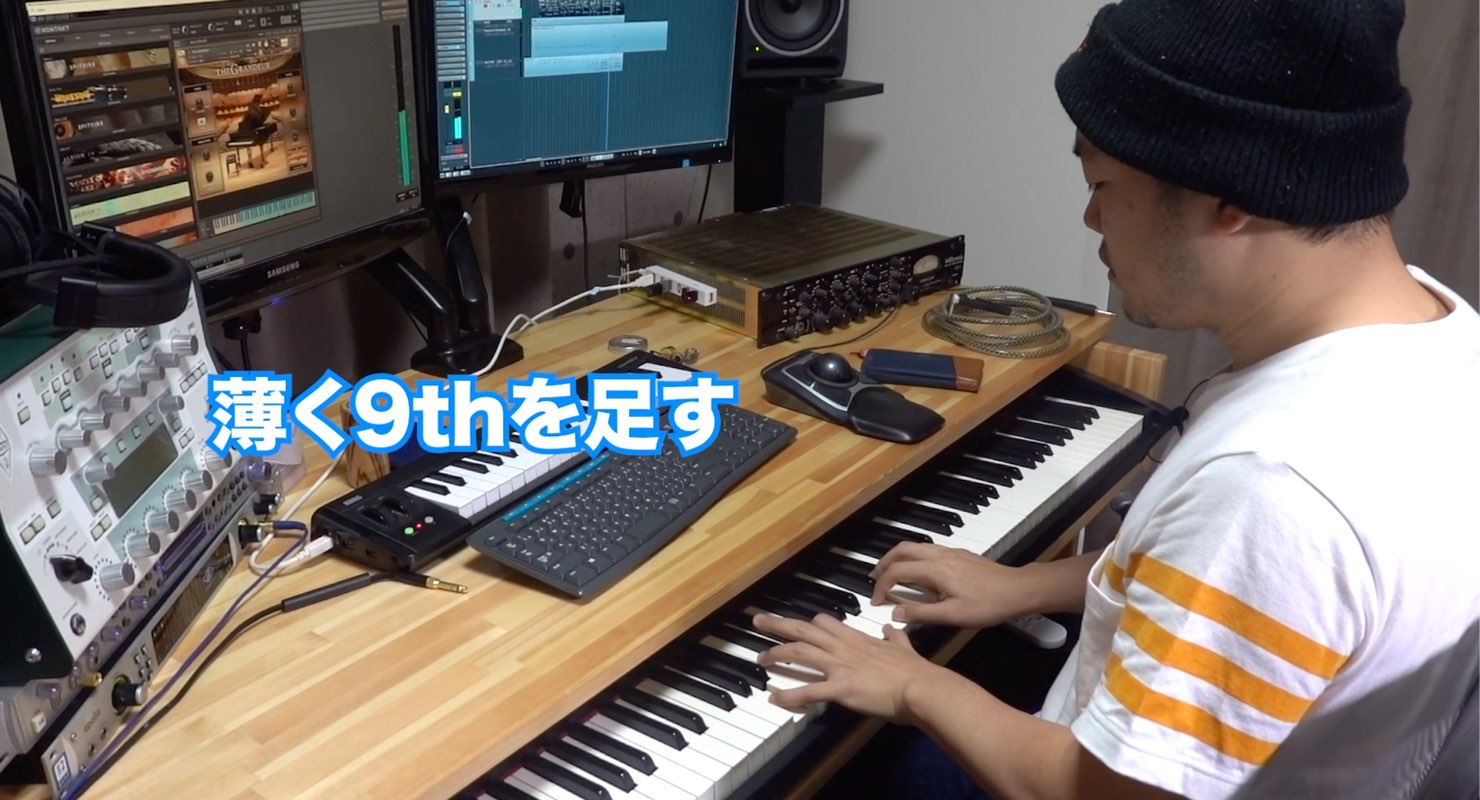
When the chord is vi minor, he often adds a ninth (add9).
This gives it a distinctive, gentle character.
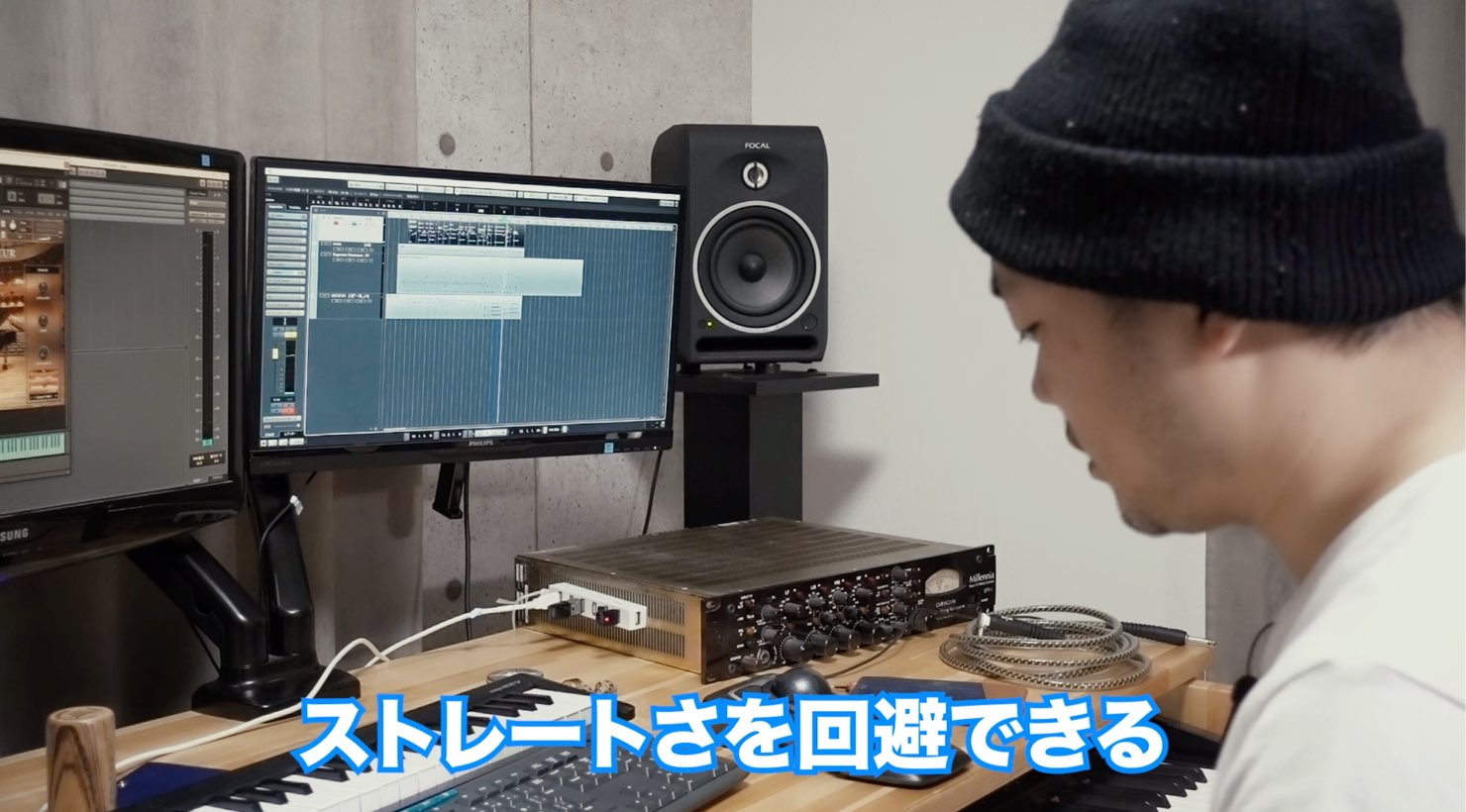
He also often adds a ninth to the IV chord to avoid a completely straightforward sound.
Adding an Edge to the Song
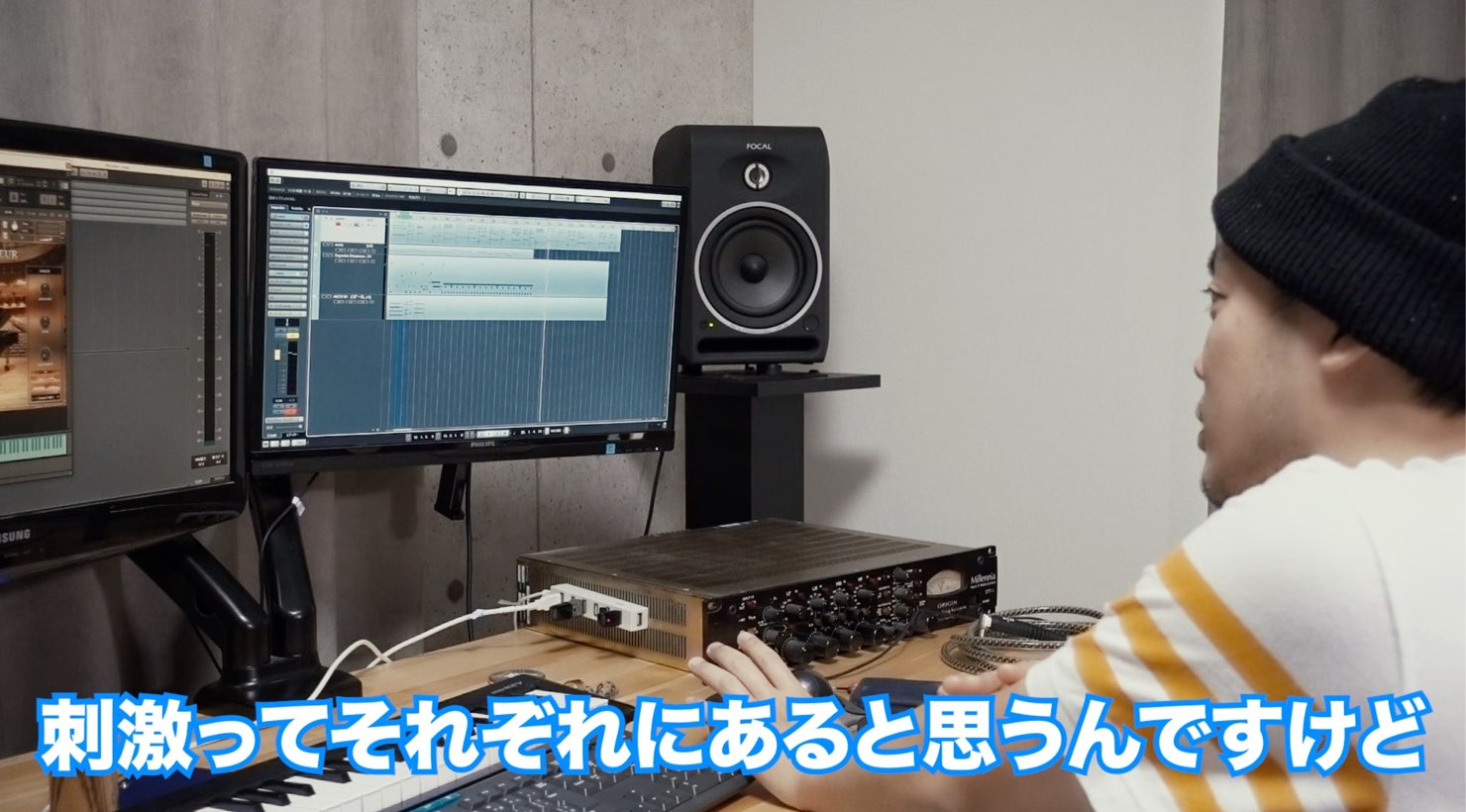
He uses various approaches and accents to keep the song from becoming monotonous.
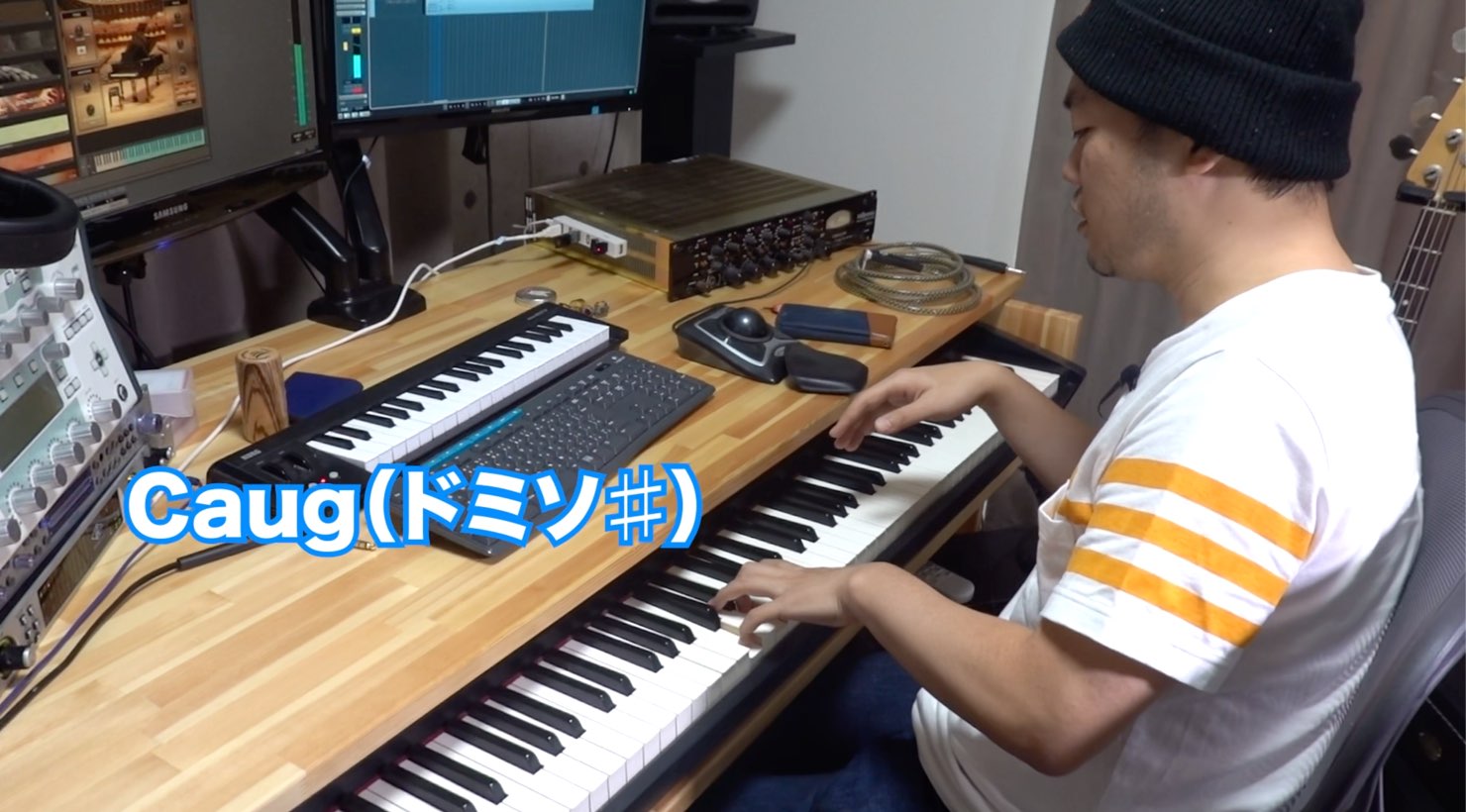
Introducing the tension of a raised fifth (♯5) or lowered fifth (♭5) into a chord can also give a progression more definition.
J-Pop Is Like a Compulsory Routine
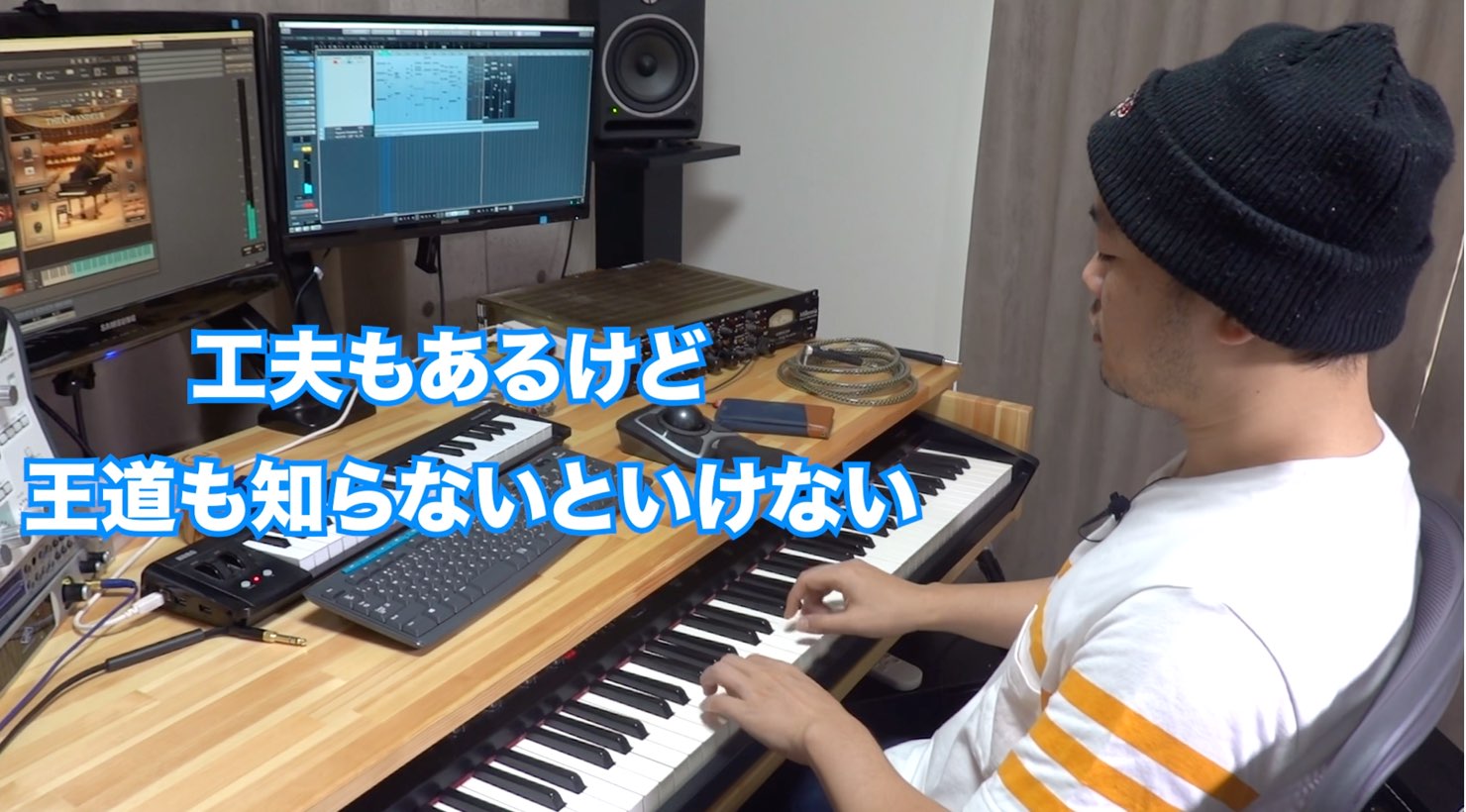
It is important to keep finding ways to avoid the obvious and bring originality to your work.
Before that, however, you need to study and understand the familiar, established patterns.
Those conventions give you a reference point against which to make your decisions.
Subverting Expectations
After surprising the listener as described above, following it with a satisfying resolution creates drama and development.
After the unexpected moment, it is important to provide the pleasure of a musical flow coming to a natural conclusion.
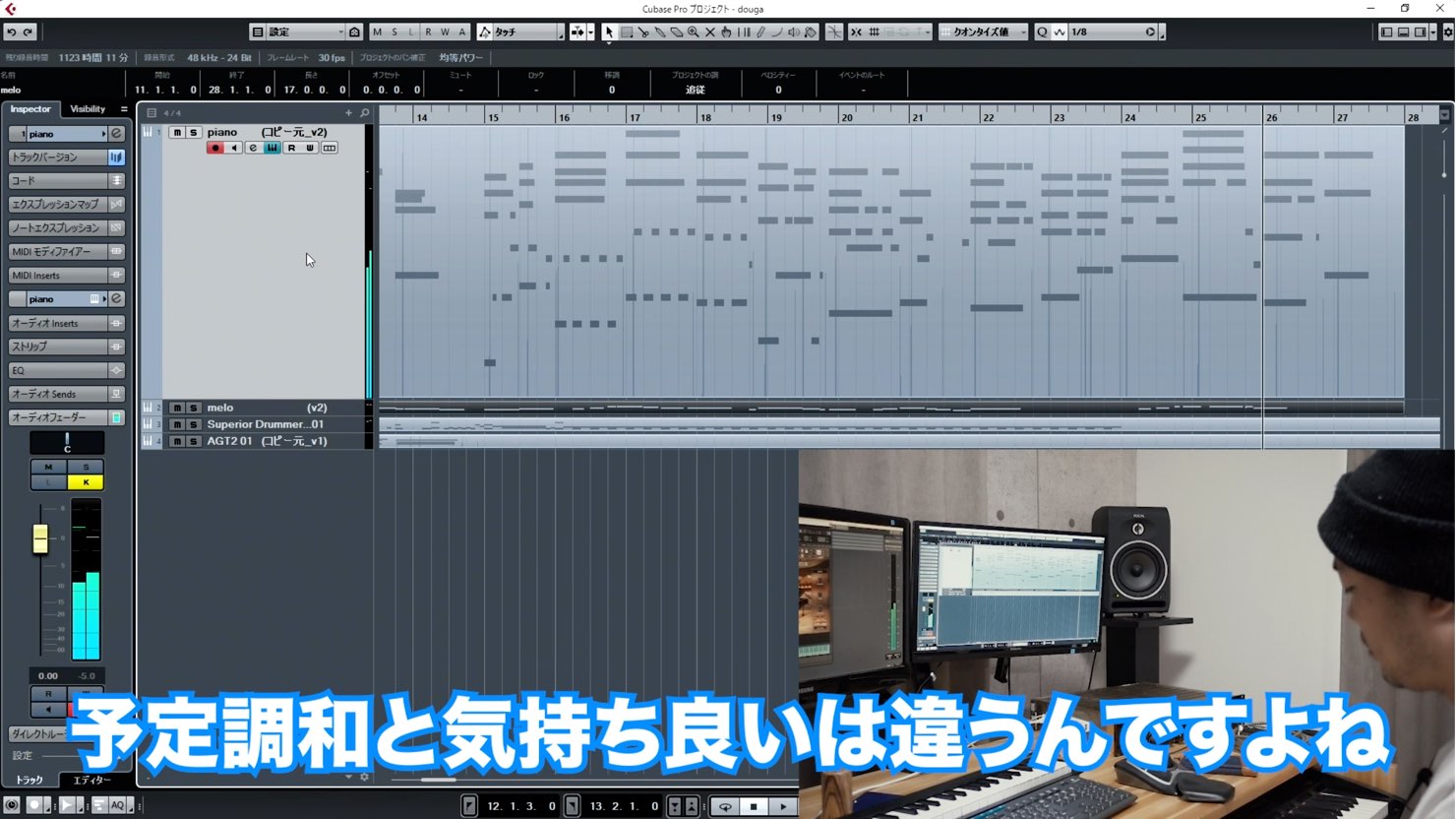
To be original and avoid sounding ordinary, you also need to find ways to keep things from becoming too predictable.
Successful songwriters and arrangers do this thoroughly. They write while considering where to defy expectations—even for just one bar, two beats or a single beat.
Keep listening with that sensitivity.
It will help you identify what feels good in the music and sounds you encounter every day, and apply those insights to your own songs.
Choosing the Chords for the Chorus
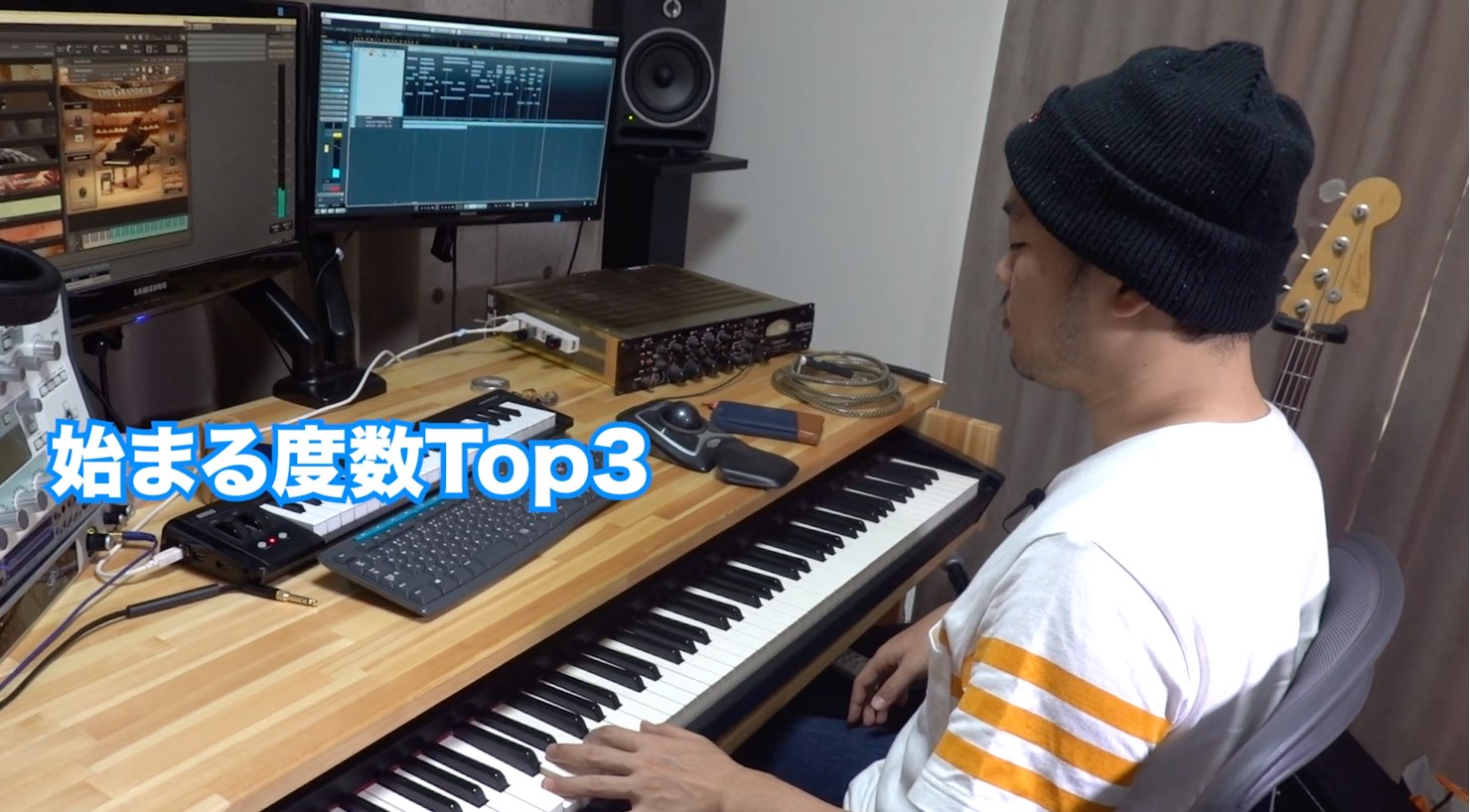
To avoid always using the same chord progressions, make a habit of studying and analyzing a wide range of songs by earlier composers.
Understanding progressions through scale-degree notation lets you apply their characteristics in different keys.
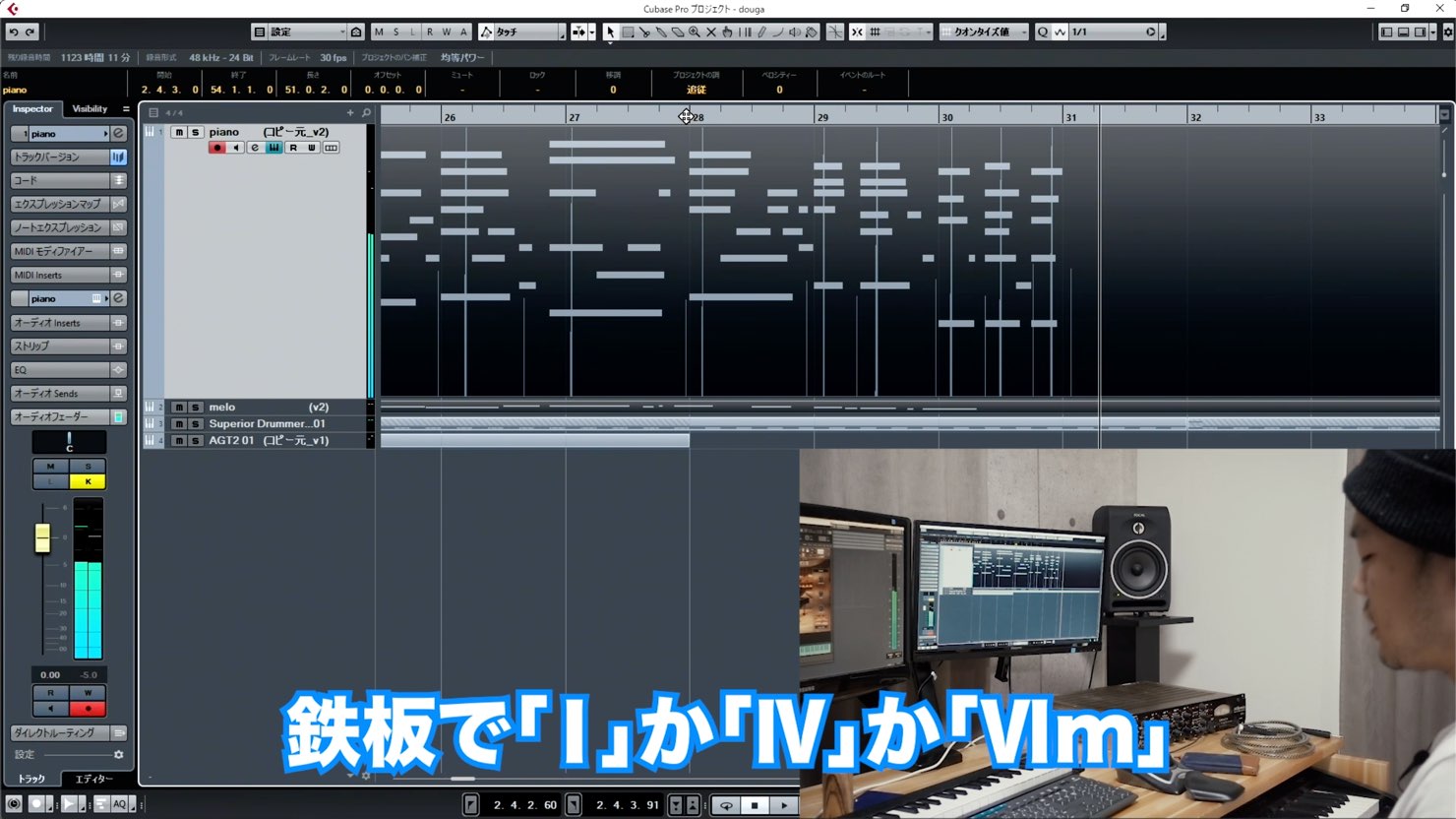
When you analyze hit songs, you will often find similar chord progressions.
Start by analyzing songs you like, build up a collection of progressions that appeal to you, and actively try them in your own music.
This can lead to originality.
Even Without a Knowledge of Music Theory…
Some people create wonderful melodies without having studied music theory.
In some cases, however, they have producers or arrangers with a strong grasp of theory around them to offer advice and support.
We therefore recommend building up a certain amount of knowledge yourself.
Ideally, melodies would come to you without being constrained by theory. In reality, continuing to write many songs on intuition alone is very difficult, and you often face time limits.
At those times, music theory helps you find inspiration in earlier works and analyze a song objectively.
It is a very useful tool for recognizing these ideas and applying them to your own work.
What to Keep in Mind When Making Pop Music
When writing a song, he always makes a point of creating a hook—something that catches the listener's attention.
For listeners to choose your work from among so many songs, you need the imagination to consider how it will connect with them.
Listening to music with that sensitivity in everyday life can take the quality of your work to another level.
What Makes People Want to Hear a Song Again?
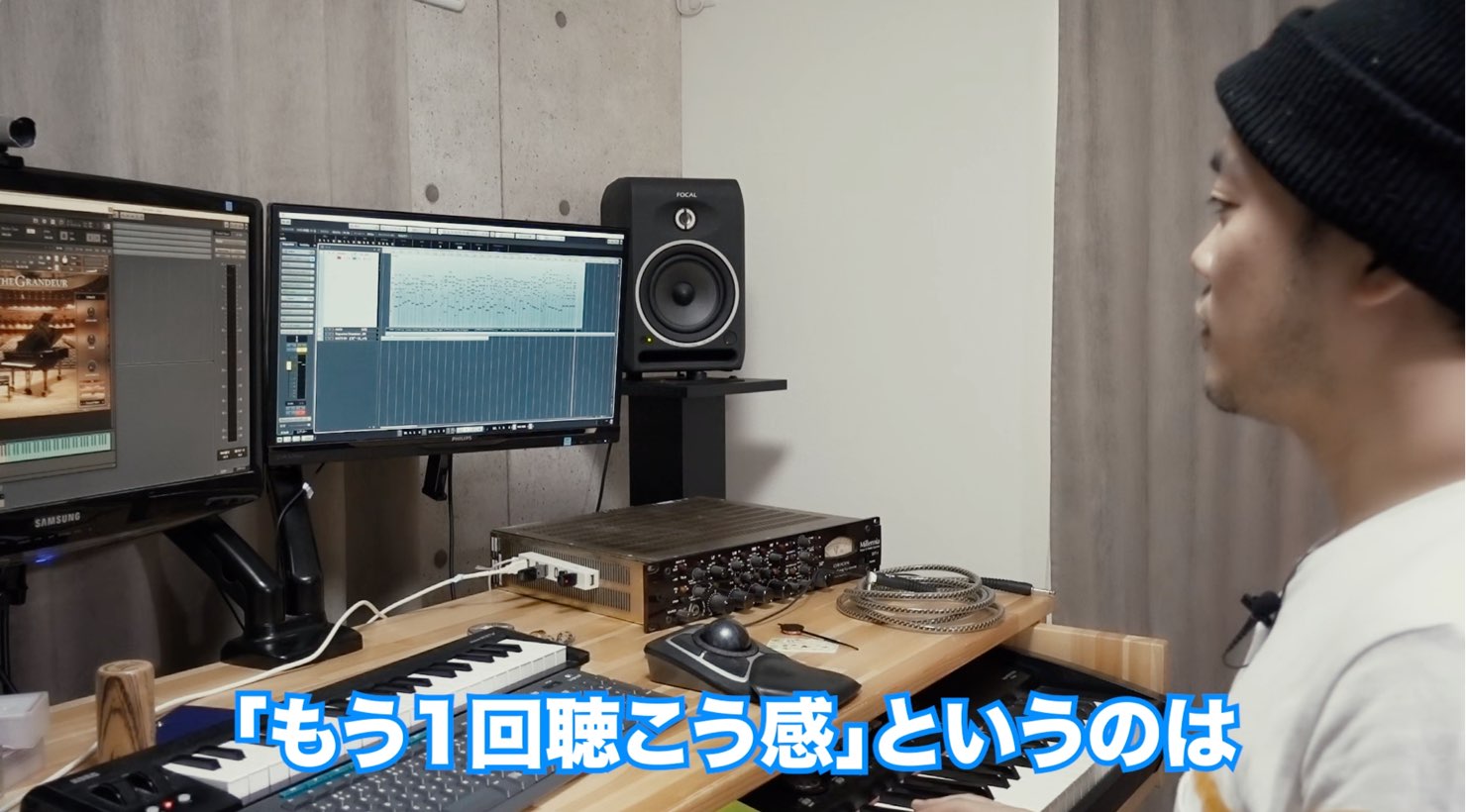
The quality of the intro and the outro (the ending) is especially important in making listeners think, “I want to hear that again.”
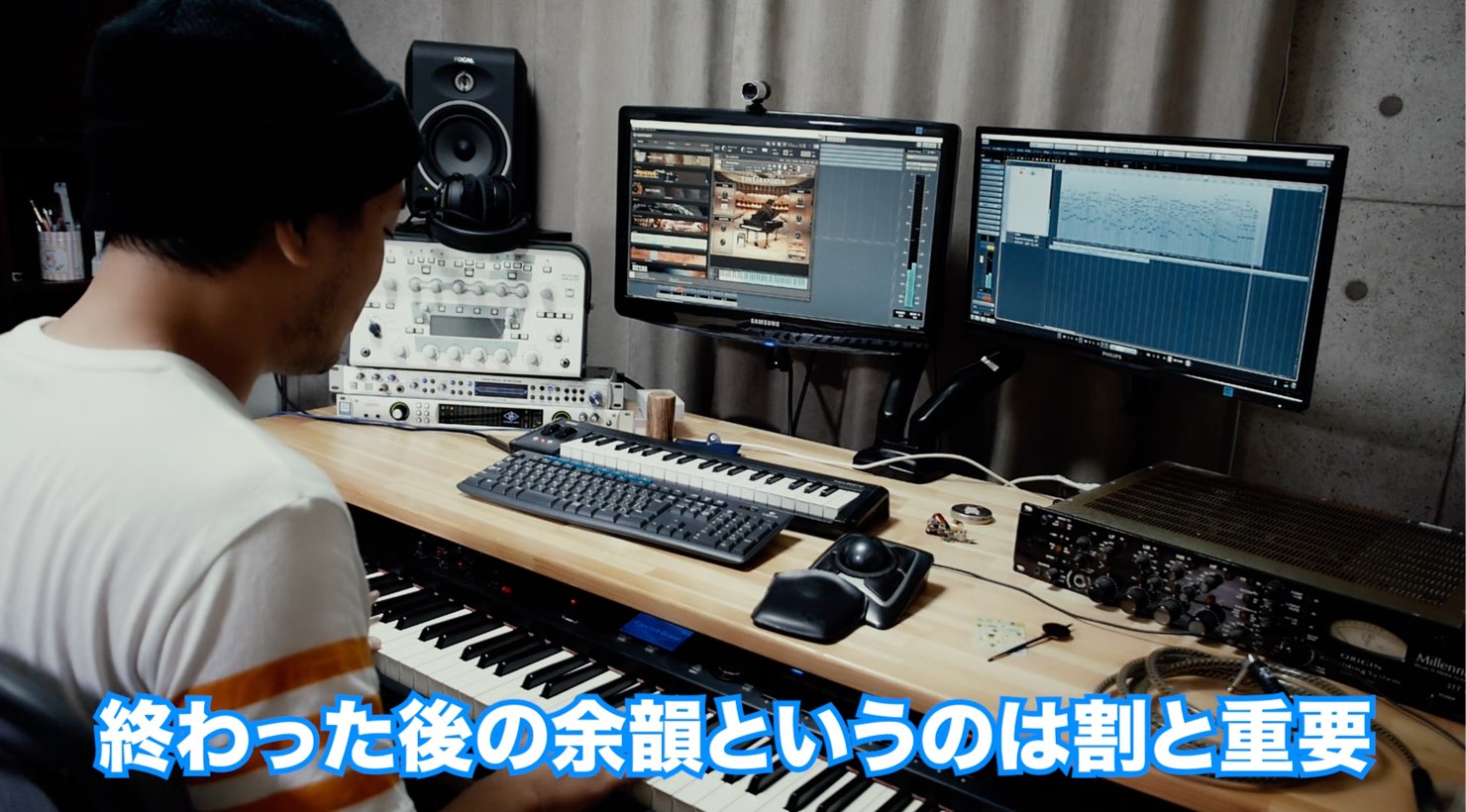
Many people understand the importance of the intro, but give the outro your attention and study it too.
You may discover something new or find ideas you can use in your own songs.
Working More Efficiently with Shortcuts
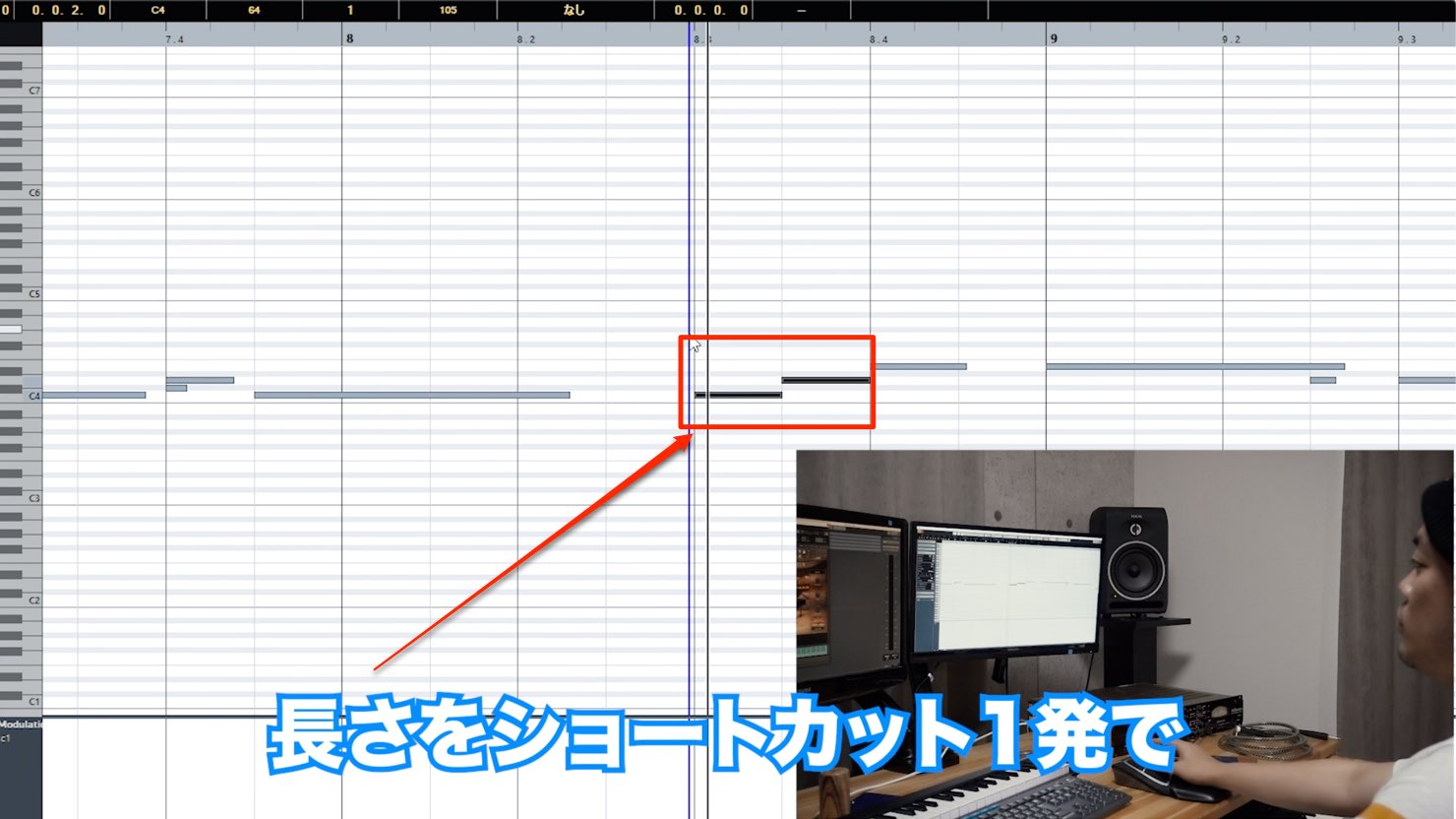
A sought-after composer needs not only high-quality music but also speed.
Customize your DAW shortcuts and develop the setup and skills to turn inspiration into music quickly.
Losing an idea because of an operation or technical problem is one of the greatest missed opportunities.
(The image above shows MIDI note lengths being adjusted.)
For example:
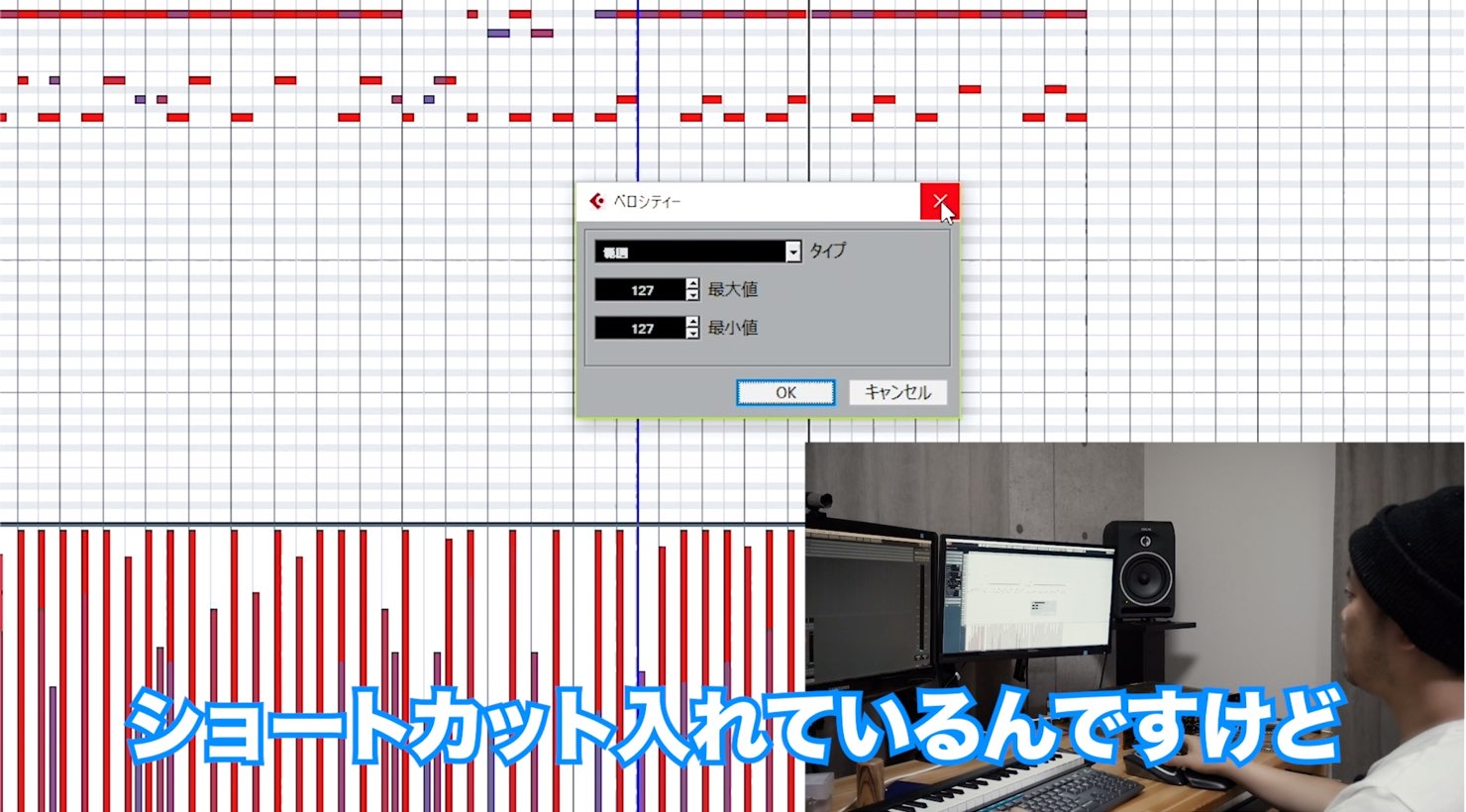
Set velocity to its maximum value (127) in one action.
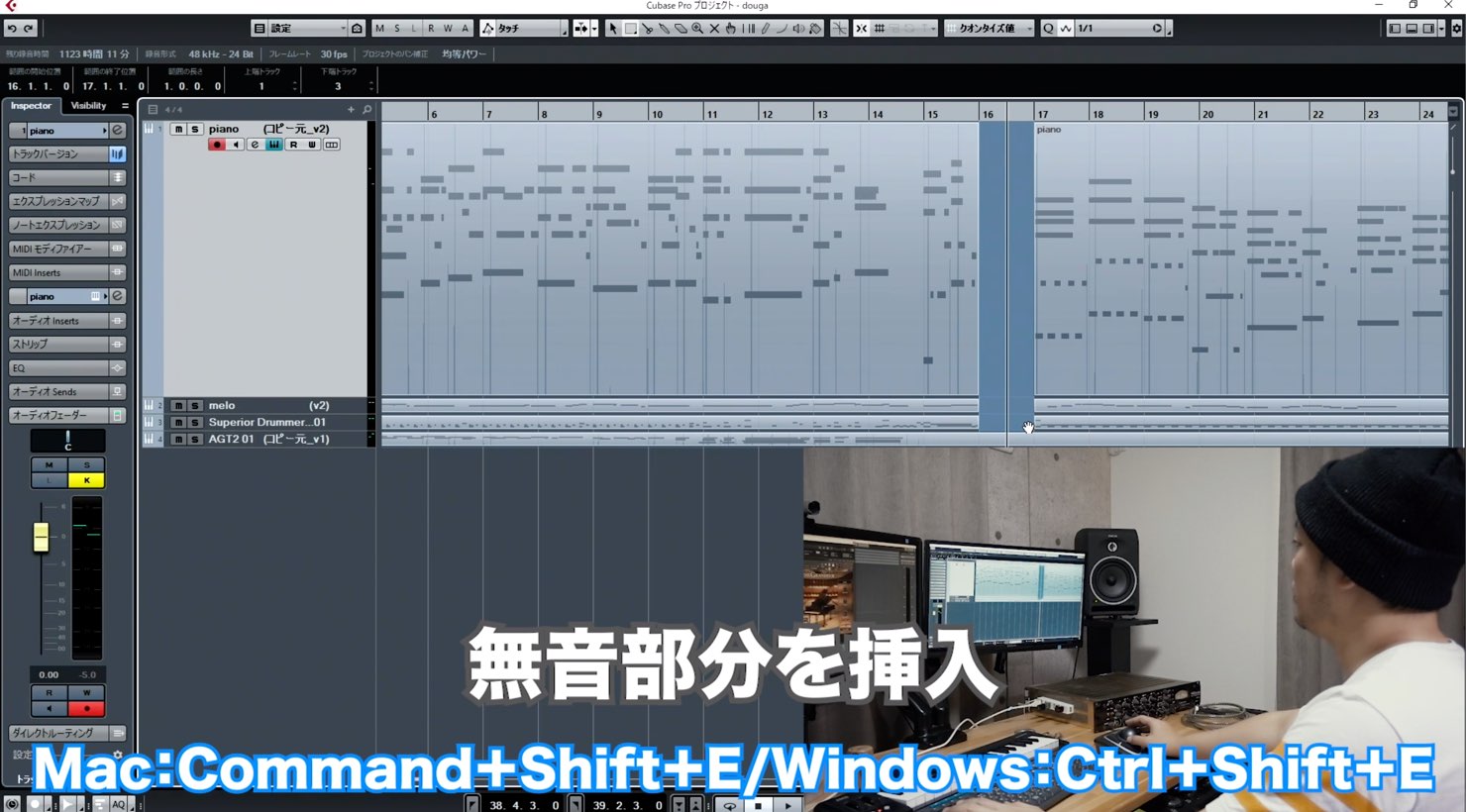
Cubase's “Insert Silence” shortcut
Mac: Command + Shift + E
Windows: Ctrl + Shift + E
Learn and customize the shortcuts you use frequently, and keep improving your workflow efficiency.

A Message for Aspiring Composers
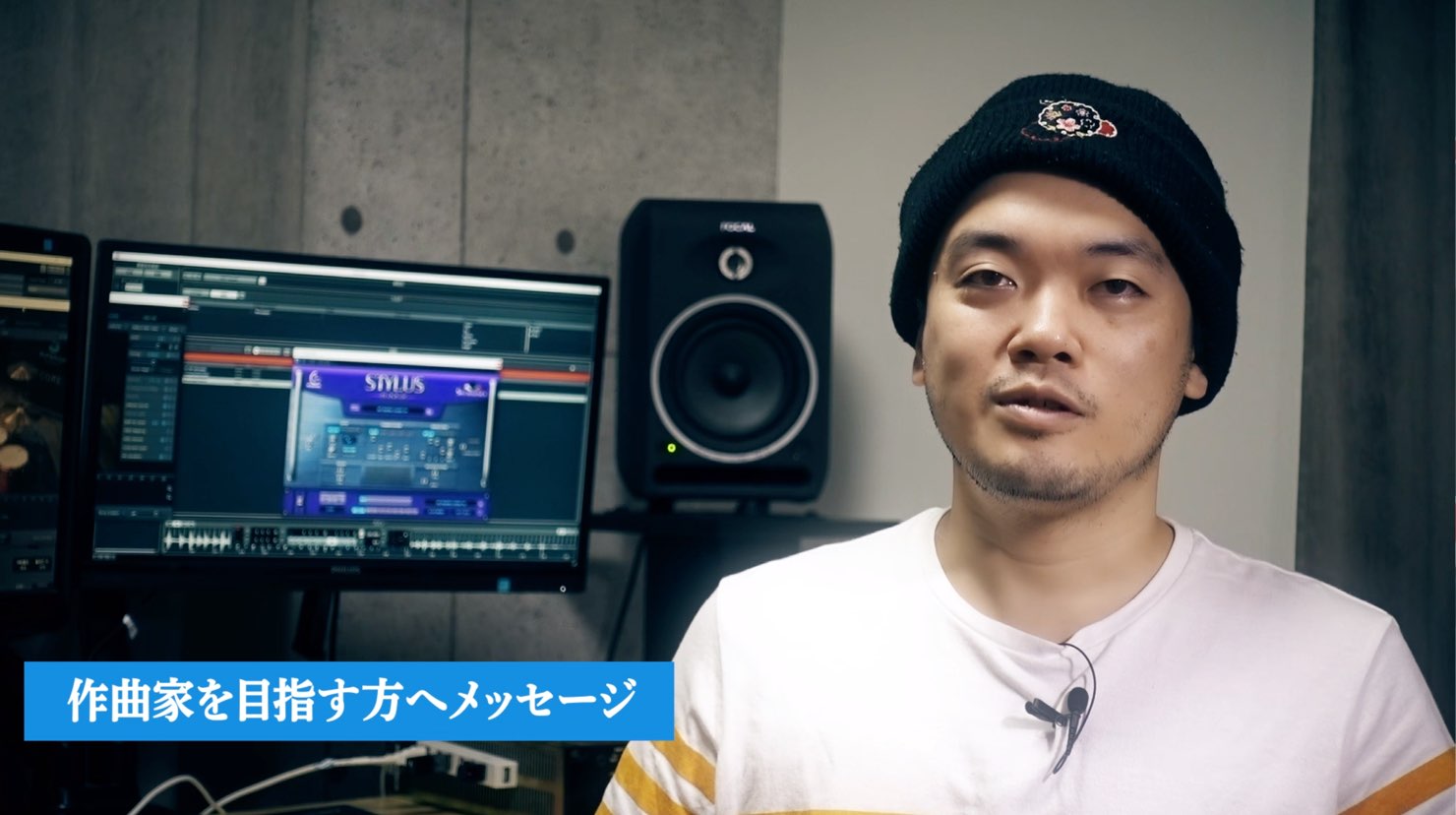
If you want to make a living from music, I think it is very important to understand what sound is being asked for, rather than only making music that feels good to you. Within those requirements, aim to include even one idea of your own and leave a lasting impression.
When daily study and effort support that attitude, you can create work that people love.
Hold on to your aspirations and keep working toward them!
We have also published an interview with Yusuke Shirato. If you would like to learn more, please take a look.

Behind the scenes with composer Yusuke Shirato, known for Keyakizaka46's “Sekai ni wa Ai Shika Nai” and JUNNA's “Here” (@sirato10): a look inside the music-making process.
An ambitious project: creating the melody, chords and arrangement from scratch, with no script or starting material.
🎥 YouTube: https://t.co/sYrdjFI797📝 Article: https://t.co/ADpGV7NXZm pic.twitter.com/XW5RwawLQi
— SLEEP FREAKS (@SLEEPFREAKS_DTM) June 15, 2019
Frequently Asked Questions
Q1. Where should I start when producing a song in a DAW?
Start by deciding on the BPM (tempo). Play an instrument you are comfortable with, such as piano, along with a metronome, and keep adjusting until the tempo matches what you have in mind. Once the tempo is set, writing the melody and chords becomes smoother.
Q2. What synth settings should I pay attention to when writing a melody?
Start with the “Square Lead” preset, customize it with the “Sawtooth” waveform, and slow the Attack slightly to reduce listening fatigue. You can also use MIDI notes to imitate a singer scooping into a note, making it easier to imagine the phrasing when it is sung.
Q3. How can I create more energy in a drum part?
Velocity alone has its limits, so switching between open and closed hi-hat sounds is an effective way to control the energy. Vocalizing the drum phrase also helps you recognize the beat and enter it more accurately in the piano roll.
Q4. How can I keep J-pop production from sounding ordinary?
Adding ninths (add9) or tense sounds such as raised or lowered fifths (♯5 or ♭5) can create a distinctive character. At the same time, study established patterns and use that knowledge as a basis for originality.
NEW ARTICLES
Latest English Articles