
Shure's SM4 condenser microphone combines a refined design with strong audio performance, making it a promising choice for home music production. Its 1-inch brass dual-diaphragm capsule delivers clean lows and clear highs for recording vocals, drums, and a wide range of instruments. An internal pop filter and RF interference shielding help capture clear sound. In our comparison with similarly priced competitors, we found particularly stable bass and little midrange coloration, making it a worthwhile, good-value option for beginners and professionals seeking a microphone they can use for years.
Strong design, sound, and value
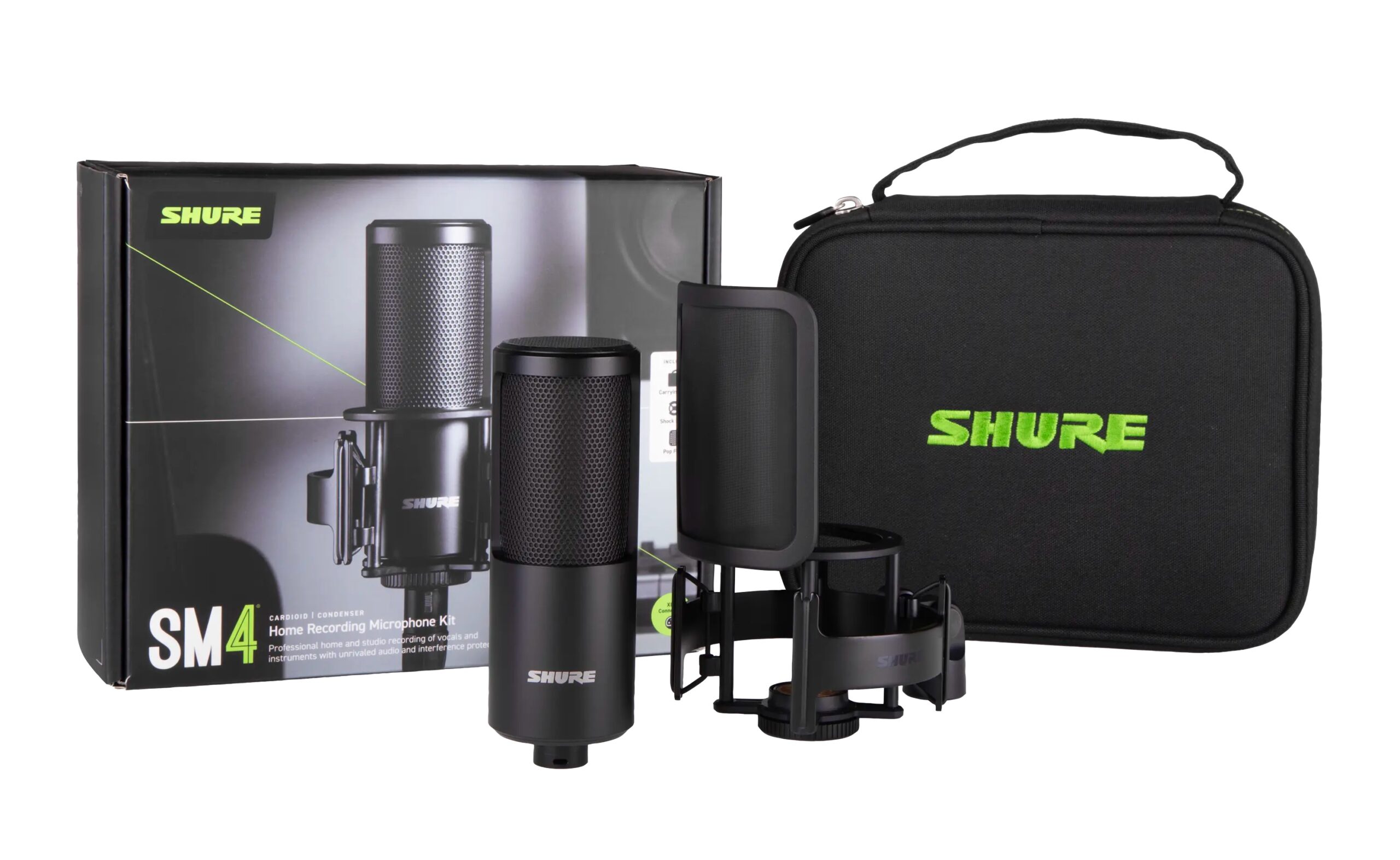
Here, we explore the sound and appeal of a product that could set a new standard for home-recording microphones: Shure's new SM4 condenser microphone.
Many people associate Shure with the SM58, but the company has recently been releasing a wide range of excellent products for home recording, streaming, and mobile use. I use Shure products regularly myself.
How well does the SM4, the latest addition to that lineup, perform?
Let's find out.
Shure SM4 video
Selected questions and answers from the YouTube video

I'm a student who has just started making music on a computer. I recently bought an SM4 and am looking for a suitable microphone stand. I would appreciate any recommendations.

How about a product like this one from Shure? https://www.soundhouse.co.jp/products/detail/item/334578/?srsltid=AfmBOooGLleNn5jUicQFl4PGBtPah0WsTHSkY50HkLY3lJikRFG3wP_e
SM4 specifications and design
First, an overview of the product.
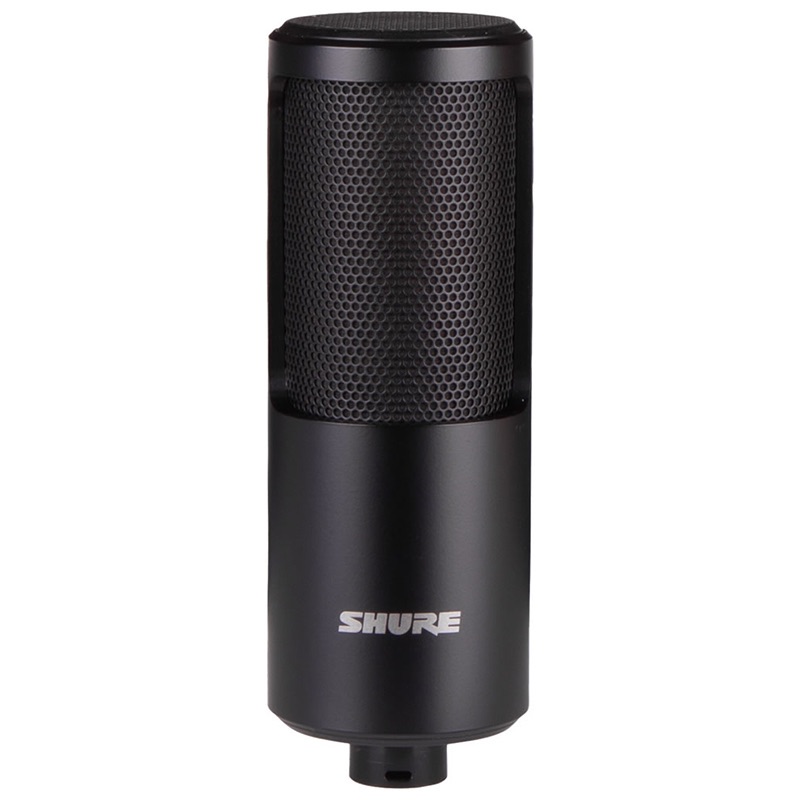
It has a compact, refined, low-profile design.
Its attractive shape also makes it pleasant to use.
The rugged construction draws on expertise developed for military equipment, and the microphone weighs 463 g.
Its all-metal body also gives it a premium feel.
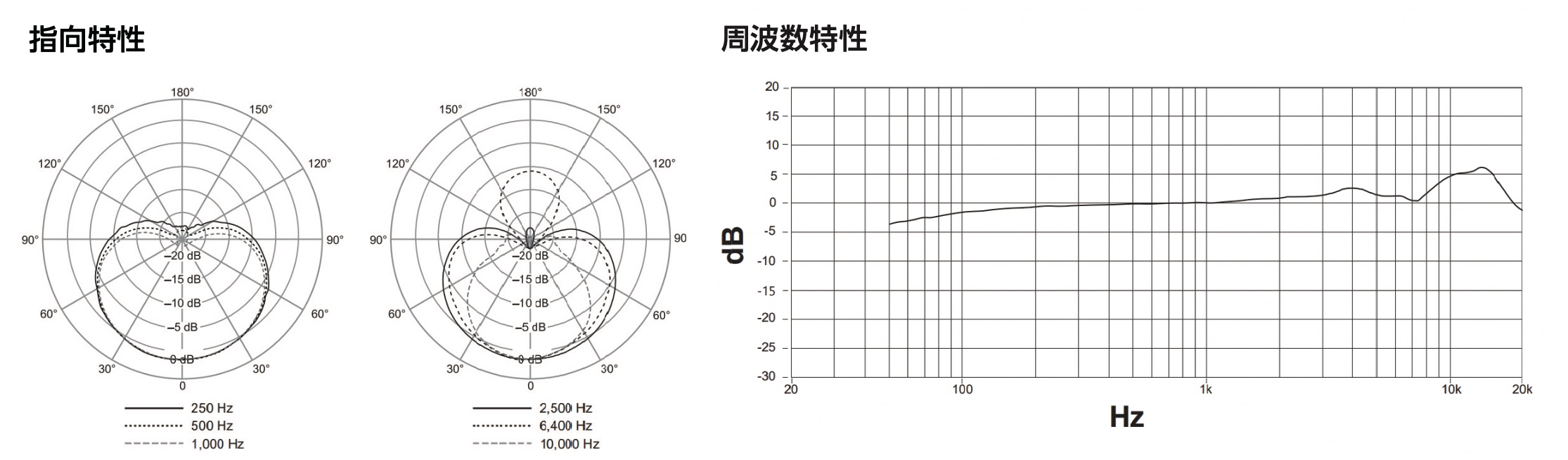
- Frequency response: 20 Hz–20 kHz
- Polar pattern: cardioid
- Maximum SPL: 140 dB
It can record a wide range of sources, including vocals, drums, guitar, strings, and piano.
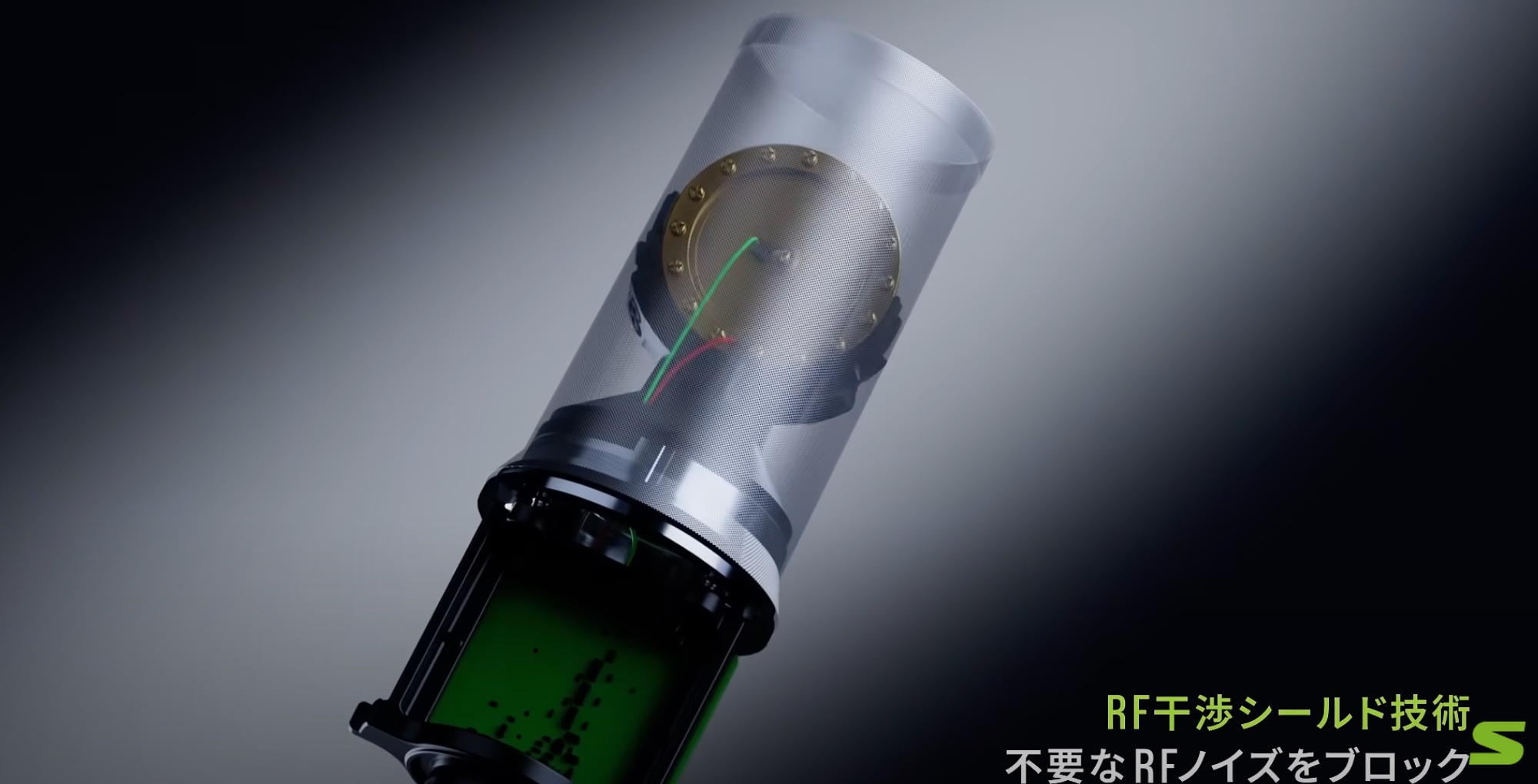
It incorporates an internal pop filter and woven-mesh interference shielding to block unwanted RF noise from common wireless devices such as smartphones and Wi-Fi equipment.
This shielding helps capture clear, detailed sound.
Two package options
There are two packages: one with the SM4 microphone itself,
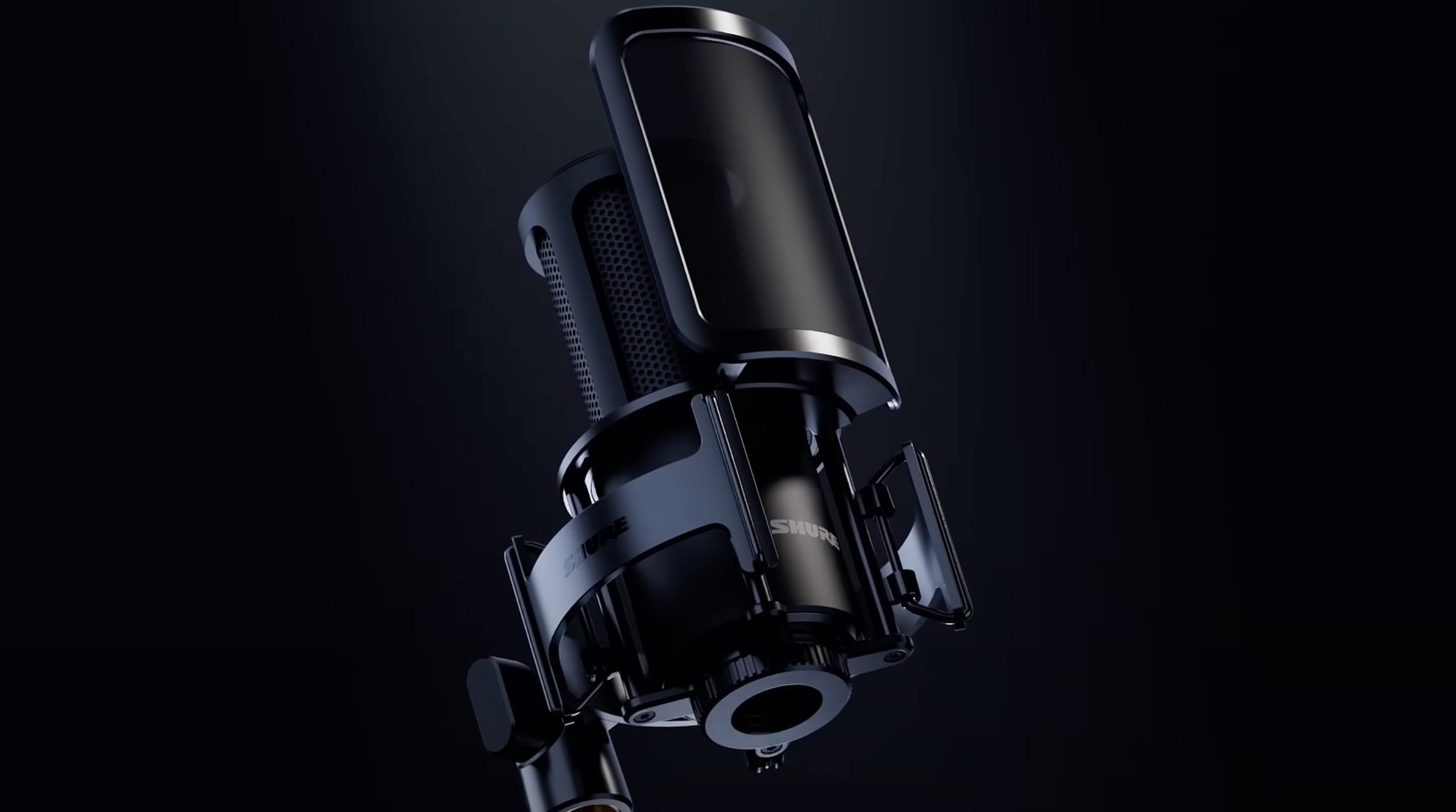
and the SM4 Home Recording Kit, which includes a purpose-built shock mount and removable magnetic pop filter.
Being designed specifically for the SM4, these accessories excel in noise reduction, appearance, and ease of use.
Sound demonstration
Now let's hear how the microphone sounds.
Here, we compare three microphones: the SM4, Shure's BETA 87A condenser microphone, and its competitor, the RØDE NT-1.
◆ Yuka Yokoyama (vocals)
X: https://x.com/beansyuka
Instagram: https://www.instagram.com/beansyuka/
◆ Shiyu Inagawa (song contribution)
Sanmonyasu: https://www.youtube.com/watch?v=1BmI4kUkDdc
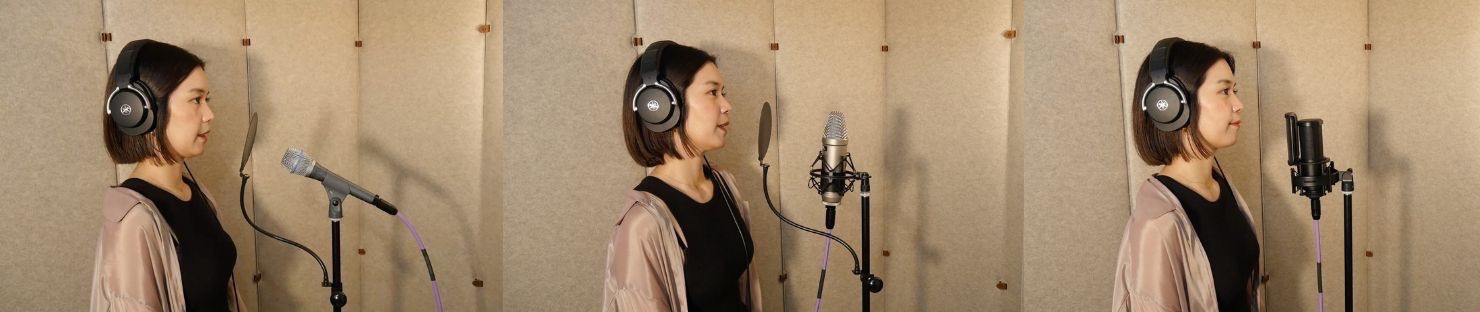
- A: BETA 87A
- B: SM4
- C: NT-1
Compared with the BETA 87A, the SM4 offers remarkably solid lows and clear, open highs to my ears.
Considering that their prices are not far apart, you can really hear how Shure's products have evolved.
Now for the comparison with its competitor, the NT-1.
The NT-1's highs are attractive, but compared with the SM4, I find its lows a little lacking and its midrange distinctly colored.
That can work well with the right recording source, but in some situations it may require further processing afterward.
This comparison gives a good sense of the SM4's potential.
With effects and backing track
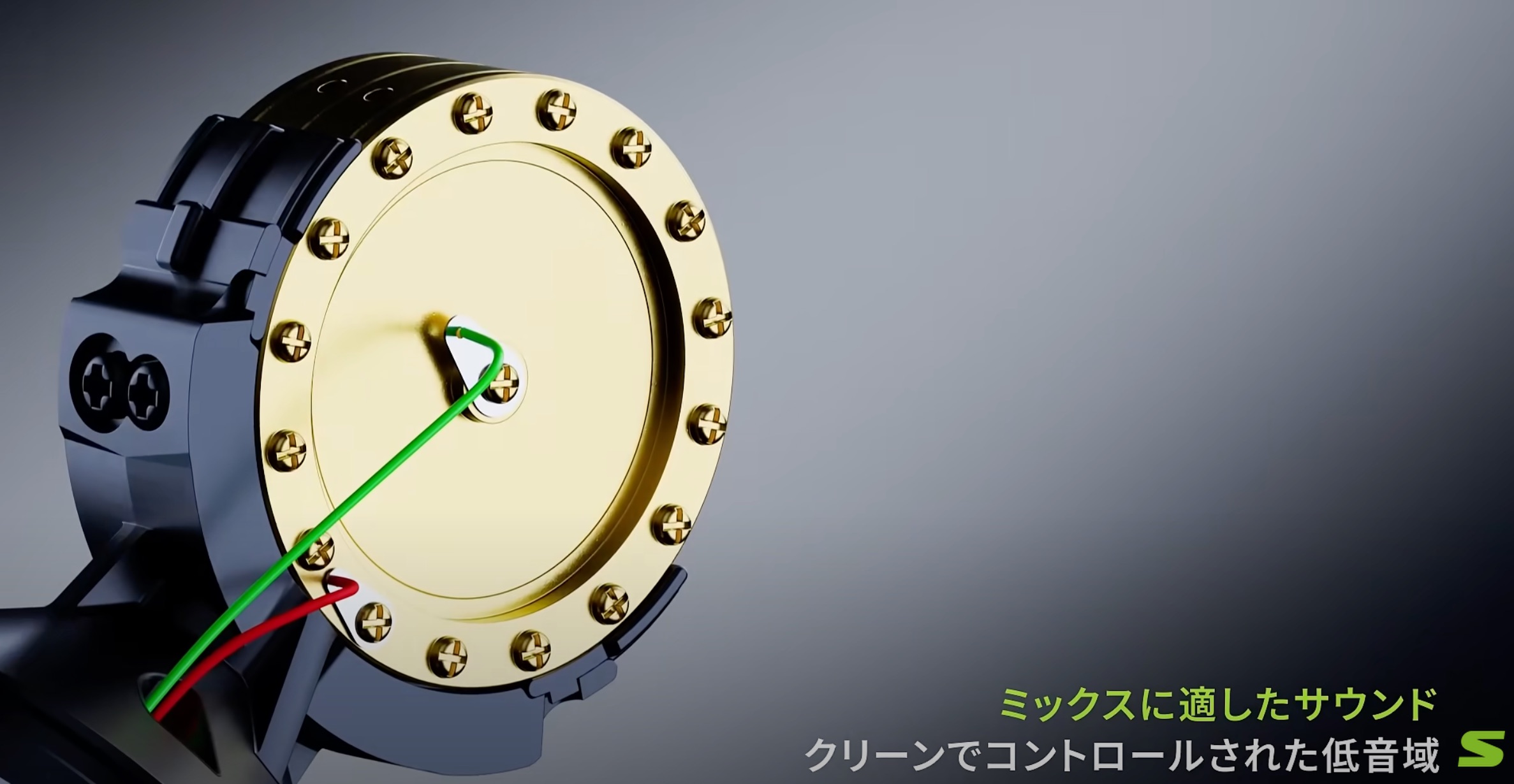
Another notable feature is its 1-inch brass dual-diaphragm capsule.
The clean lows and clear, open highs make its sound stand out even more when applying EQ, compression, and other mixing processes.
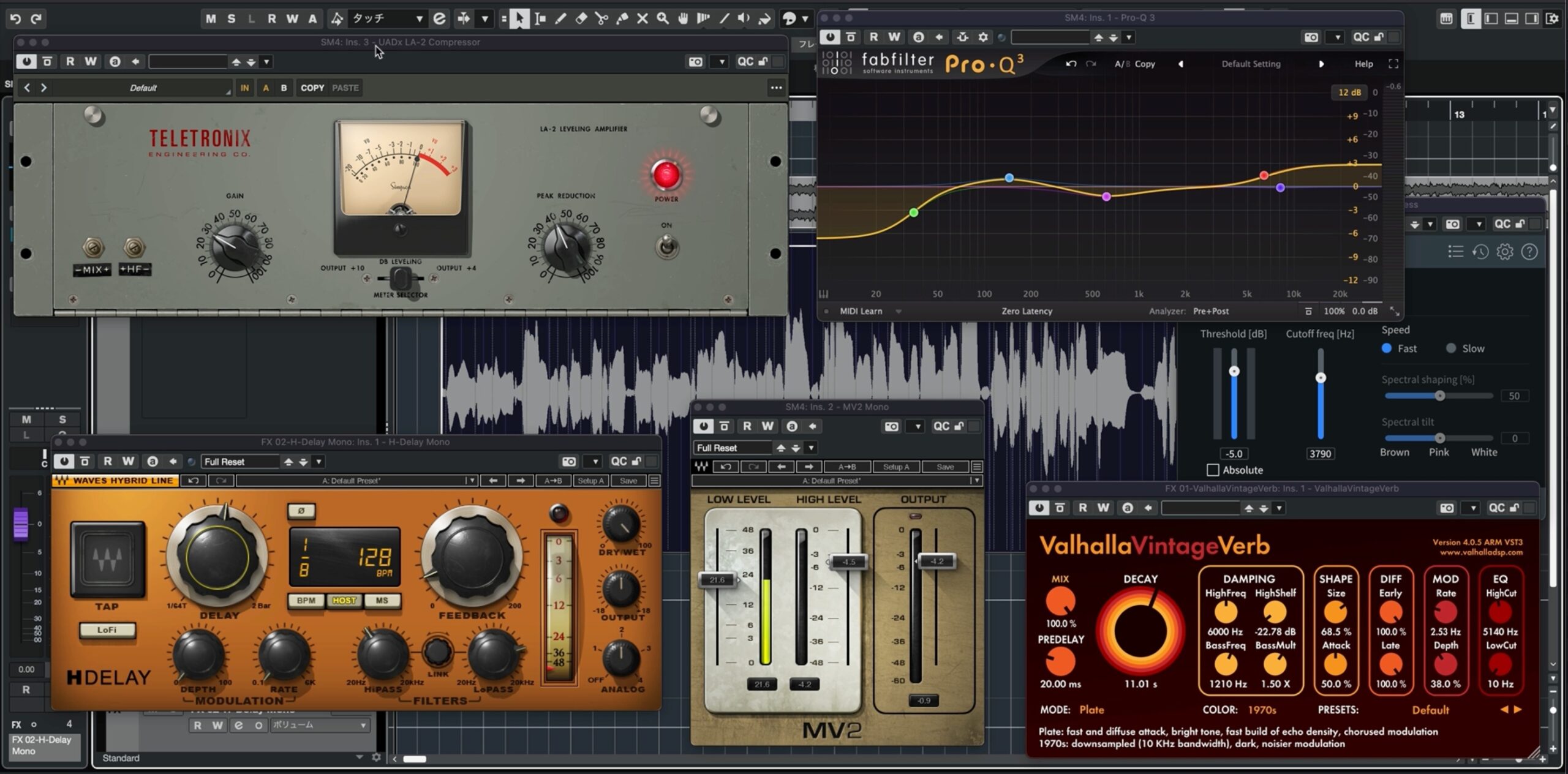
I applied mixing processing to the vocal tracks.
Let's listen to each take together with the backing track.
- A: BETA 87A
- B: SM4
- C: NT-1
Its full low-midrange gives it presence even within the backing track.
Because it comes forward in the mix, I found it very easy to shape the sound and mix it.
There is very little midrange coloration, and it blends into the backing track without getting in the way, which is another positive.
It seems versatile enough for a wide range of recording sources.
It comes through clearly from the upper midrange upward, yet its highs are not harsh. Its natural, beautiful high end held its own even when I directly compared it with Shure condenser microphones one or two tiers higher, such as the KSM44A and KSM9.
Final thoughts
What did you think?
I hope the sound demonstrations gave you a clear sense of this microphone's potential.
- You're choosing a microphone for home music production
- You want to move from a dynamic microphone to a condenser
- You want an affordable, good microphone that will last
If any of these describe you, the SM4 is a great fit.
Be sure to check it out!
Frequently asked questions
Q1. Is the Shure SM4 easy for beginners in home music production to use?
Yes. It works with vocals, drums, guitar, piano, and many other instruments. Its low midrange coloration and versatility make it a strong choice for beginners. A Home Recording Kit with a shock mount and magnetic pop filter is also available to help you set up for home recording.
Q2. How does the SM4 differ from the competing RØDE NT-1?
In this review, we found the SM4's lows more stable than the NT-1's, with less distinctive midrange coloration. That made mixing easier and reduced the need for corrective processing. Its clear highs also helped it work well with a variety of recording sources.
Q3. What accessories and package options are available for the SM4?
There is a microphone-only package and a Home Recording Kit with a dedicated shock mount and removable magnetic pop filter. The microphone itself also has an internal pop filter. We found the kit particularly effective at reducing noise and easy to use.
NEW ARTICLES
Latest English Articles




































































