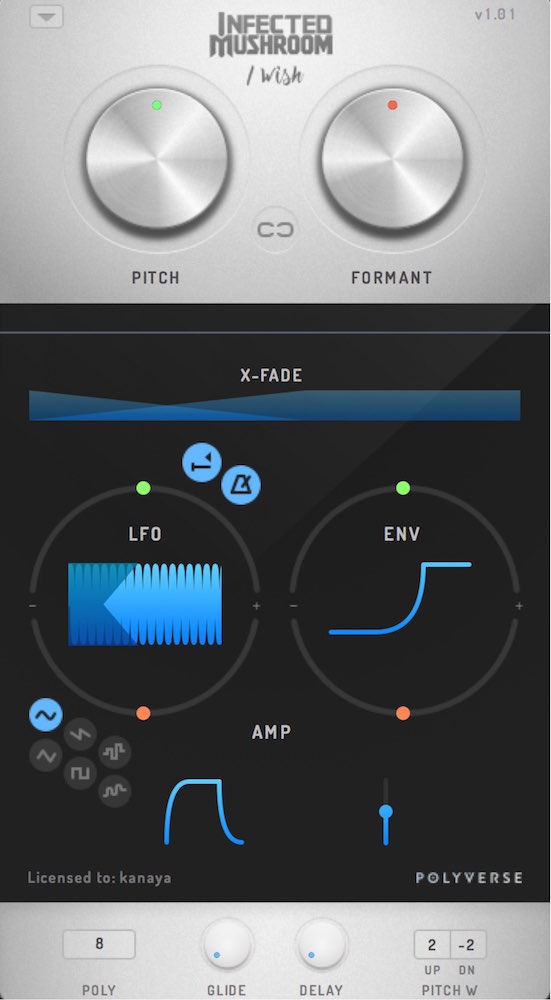
Modulation effects add movement and depth to tracks. A phaser mixes phase-shifted sound with the original to create a distinctive sweeping tone, often used on electric piano and guitar. AutoPan moves the sound’s position automatically, adding motion to electric pianos and effects. Chorus mixes in a short, typically modulated delay to create thickness, and is often used on guitar and synthesizer sounds. Choosing among these effects can make a production more engaging and memorable.
Add Movement with Modulation
Modulation effects add movement to a track. Examples include:
- Moving frequency characteristics
- Playing a time-shifted version of a performance for a special effect
- Changing volume or pan position
and more.
With a little experimentation, you can make a track more interesting and engaging.


Phaser, AutoPan and Chorus Explained
Phaser

By mixing a phase-shifted signal with the original,
a phaser creates a distinctive sweeping sound.
It is often used on midrange and higher-frequency sounds, including electric piano, guitar, synthesizers and hi-hats.
AutoPan

As the name suggests, AutoPan automatically moves the pan position.
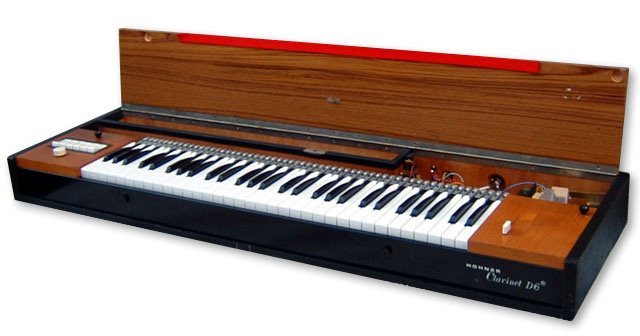
Its use on electric piano is a familiar sound.
It can also add movement to sound effects.
Chorus

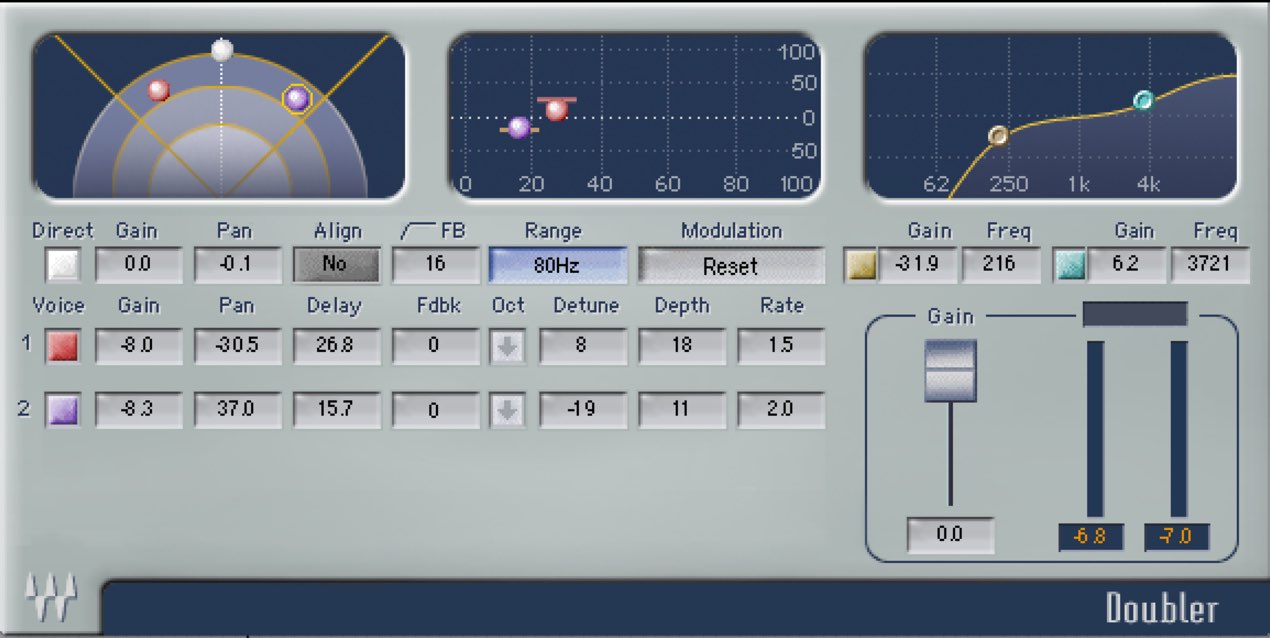
By mixing the original with a slightly delayed signal,
chorus can make a sound thicker.
It is commonly used when shaping guitar arpeggios and synthesizer sounds.
Frequently Asked Questions
Q1. What is the difference between phaser and chorus?
A phaser mixes a phase-shifted signal with the original to create a sweeping tone, while chorus mixes in a short, usually modulated delay to add thickness. Phaser is often used on midrange sounds, and chorus on arpeggios and synths, among many other applications.
Q2. What instruments work well with AutoPan?
Electric piano is a familiar example, but AutoPan can also add movement to sound effects. Automatically moving the pan from side to side creates a sense of stereo movement.
Q3. What should I keep in mind when using modulation effects?
Choose an effect that suits the instrument and its frequency range. Too much processing can sound unnatural, so adjust the balance to fit the track.
NEW ARTICLES
Latest English Articles