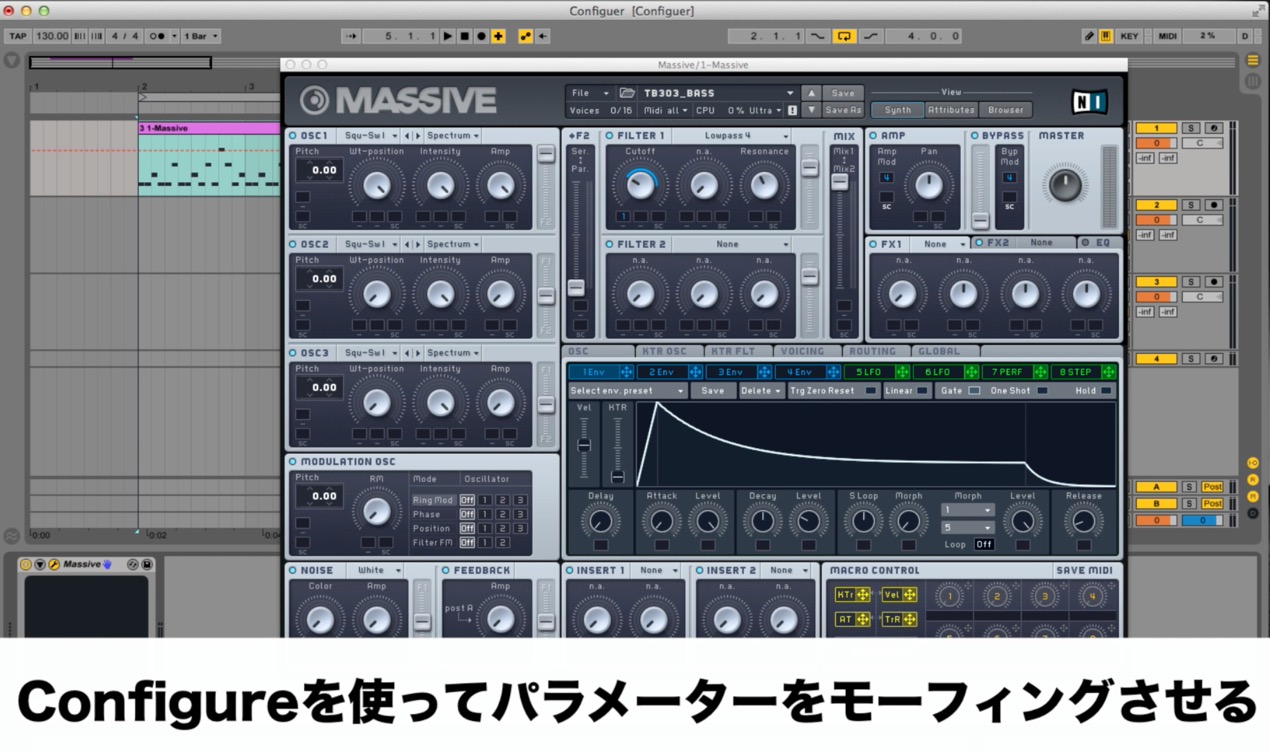
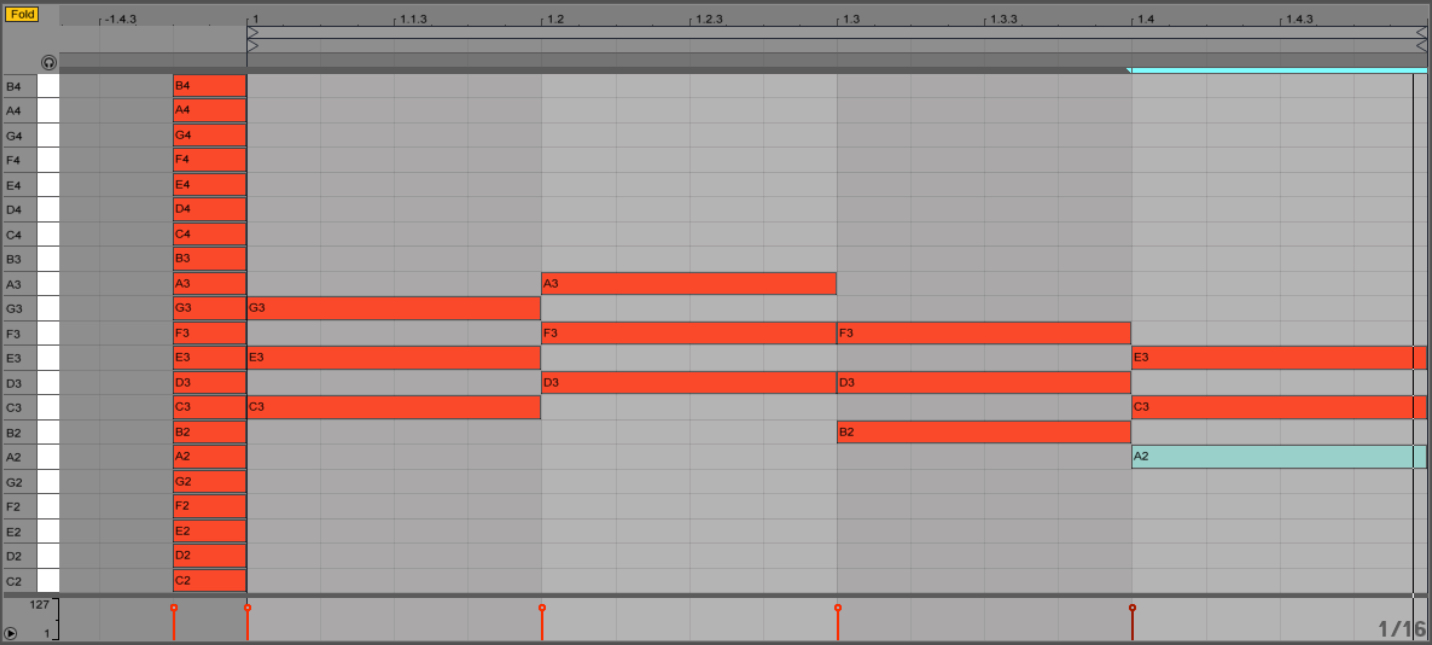
A step filter changes a synthesizer’s cutoff in discrete steps to create a modern, polished sound. It is useful for backing parts and pads that need more movement than sustained chords alone can provide. In a synth such as Massive from Native Instruments’ KOMPLETE, use the Stepper modulator to create random or patterned cutoff changes and sync them to sixteenth notes for sounds suited to electronic music and pop.
Create Stylish Backing Parts
This recipe creates a modern step-filter sound.
Changing the filter cutoff in steps lets you
create an unusual, modern sound.
Try it when sustained chords alone do not provide enough movement.
How to Create the Sound
Questions and Answers from the YouTube Video

This is very easy to understand! Your enjoyment of sound design comes through, and it makes me want to buy it. I do not have it yet; is the operation the same in Cubase on Windows?

I enjoy making these videos, so I am very happy to receive a comment like this. The operation is the same on Windows. Thank you for watching!
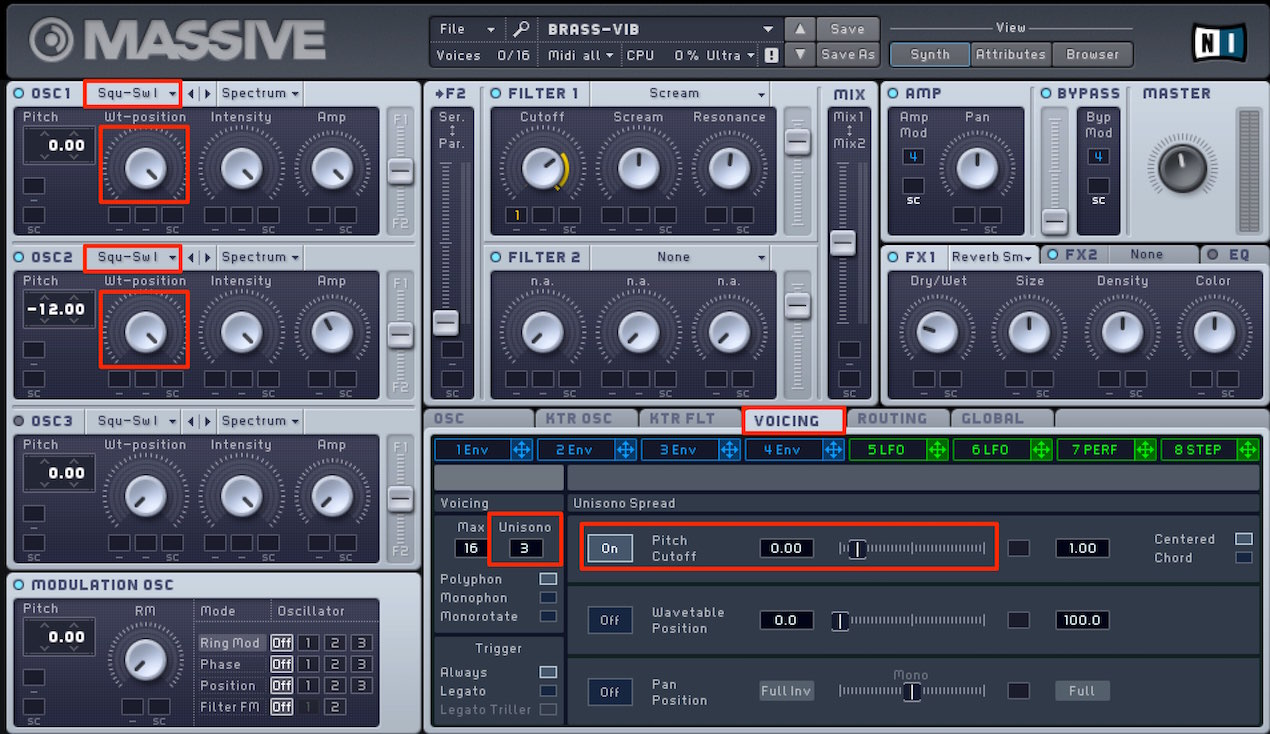
OSC

To make the filter effect easier to hear,
we recommend SAW, which has plenty of harmonics.
Applying the Step Filter

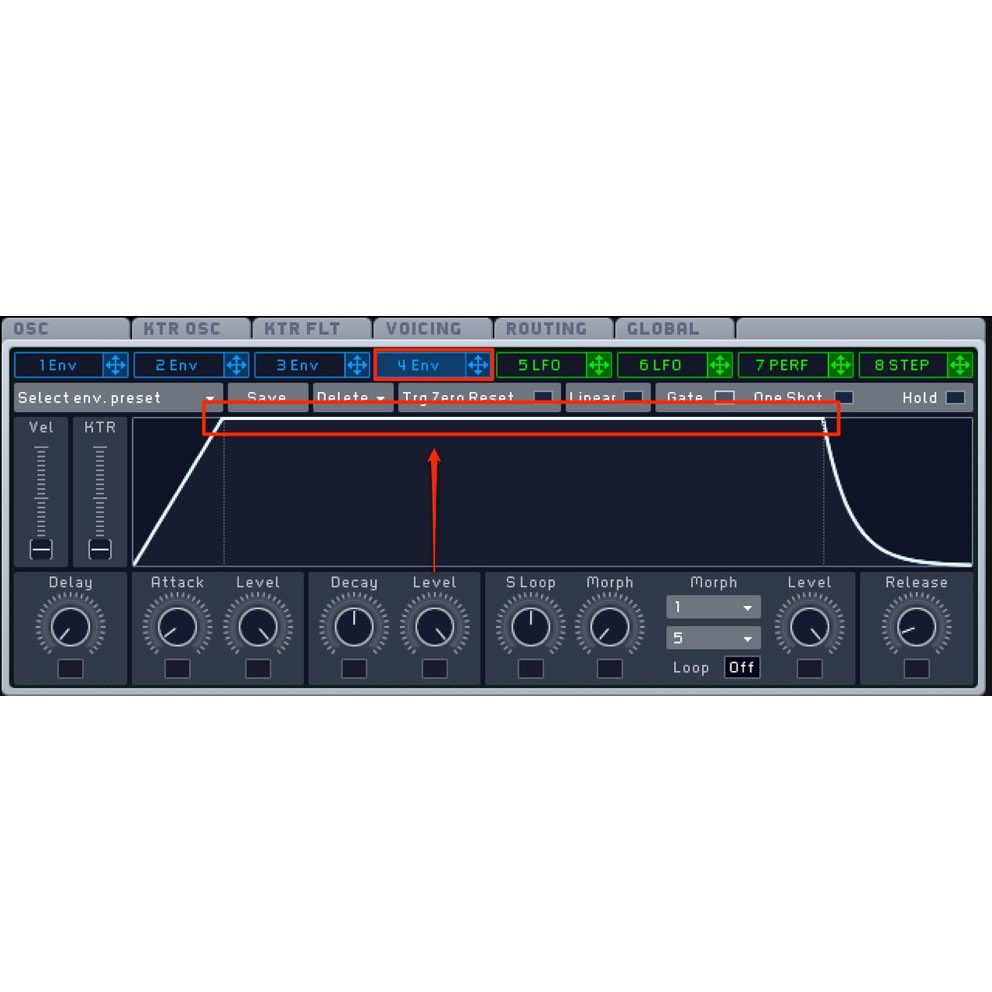
From the upper-right corner of modulators 5–8, select Stepper.

Set Filter to LP4,
then apply Stepper to Cutoff.
Setting Up the Step Filter

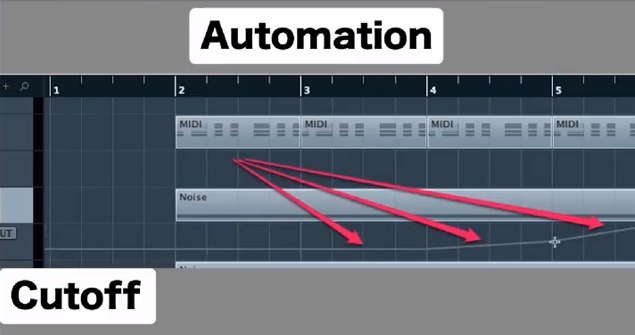
Set the modulation range for Cutoff.

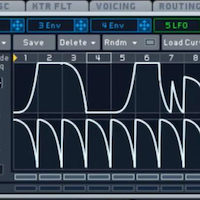
Set the Stepper steps at random.

Enable Sync and set the value to sixteenth notes.
The sound is now complete.
Frequently Asked Questions
Q1. What genres suit a step filter?
Step filters work particularly well in pop, electronica, house and other electronic styles. Their modern sound can add a polished character to backing parts and synth pads.
Q2. Why is a SAW waveform recommended for this sound?
A saw waveform contains plenty of harmonics, making tonal changes from the filter cutoff easier to hear and the step-filter effect easier to understand.
Q3. What does setting Sync to sixteenth notes do?
It synchronizes the step-filter changes to the song tempo, aligning them with the groove and creating a rhythmic, cohesive effect.
NEW ARTICLES
Latest English Articles