This fourth analysis of Ikimono-gakari’s “Arigatou” explores ii–V progressions and secondary dominants, both common in jazz and pop. Gm7–C7 forms a ii–V in F major, with a root movement up a fourth that gives the progression momentum. We also consider how omitting the expected chord after a secondary dominant can reinforce an impression through a repeating bass line.
ii–V Progressions and Secondary Dominants
This is the fourth installment of our chord analysis of Ikimono-gakari’s “Arigatou.”
This time, we’ll explore ii–V progressions and secondary dominants.
The song discussed

Tutorial video
1. Identifying the key
2. Chord progressions
3. Non-diatonic chords
4. ii–V progressions (this article)
5. Pivot chords
6. Double dominants and the minor subdominant
7. Slash chords
Understanding ii–V progressions

Gm7 and C7 are both non-diatonic chords in the song’s C major context.
Since C7 is a dominant chord, let’s consider whether it functions as a secondary dominant.

Notice the difference between CM7 and C7.
They differ by only one chord tone, but their functions are clearly different.
In C major,
CM7 is a diatonic chord, whereas
C7 is a non-diatonic chord that can function as a secondary dominant.
In which key is C7 the dominant?

Here, C7 is V (the dominant) in F major.
Gm7, immediately before C7, is also ii (a predominant chord) in F major.

The connection from ii (predominant) to V (dominant)
is common in jazz and popular music and is called a “two-five” or ii–V progression.
One reason for its popularity is that the movement from predominant to dominant
features a strong root progression: up a fourth, or down a fifth.
Alongside diatonic ii–V progressions,
you can also use a ii–V with a secondary dominant like this.
This is also called a related ii–V.
For more detail on related ii–V progressions,
see the reharmonization tutorial below.
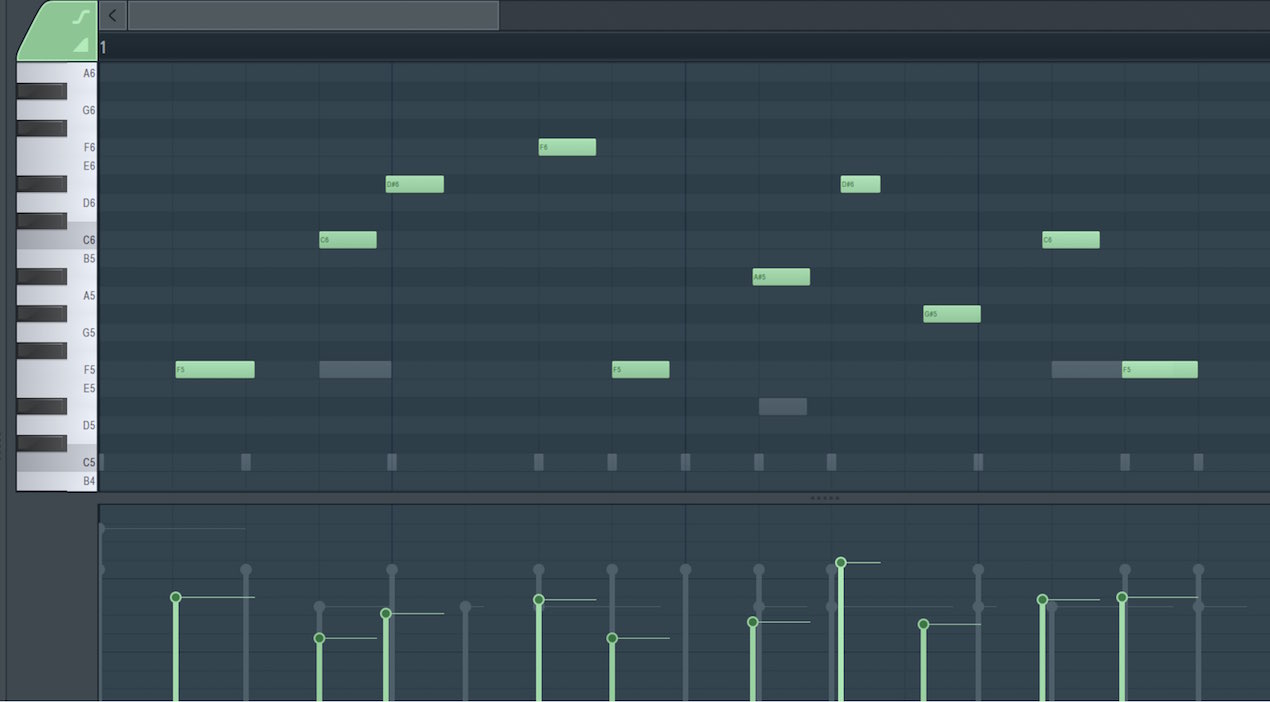
Listen for the repeating bass line

Gm7 → C7 → F is a common continuation in which the secondary dominant resolves to F.
Here, however, F is omitted and the progression moves to Bm7(♭5).
There are several possible reasons for omitting F;
let’s consider the bass line as one interpretation.

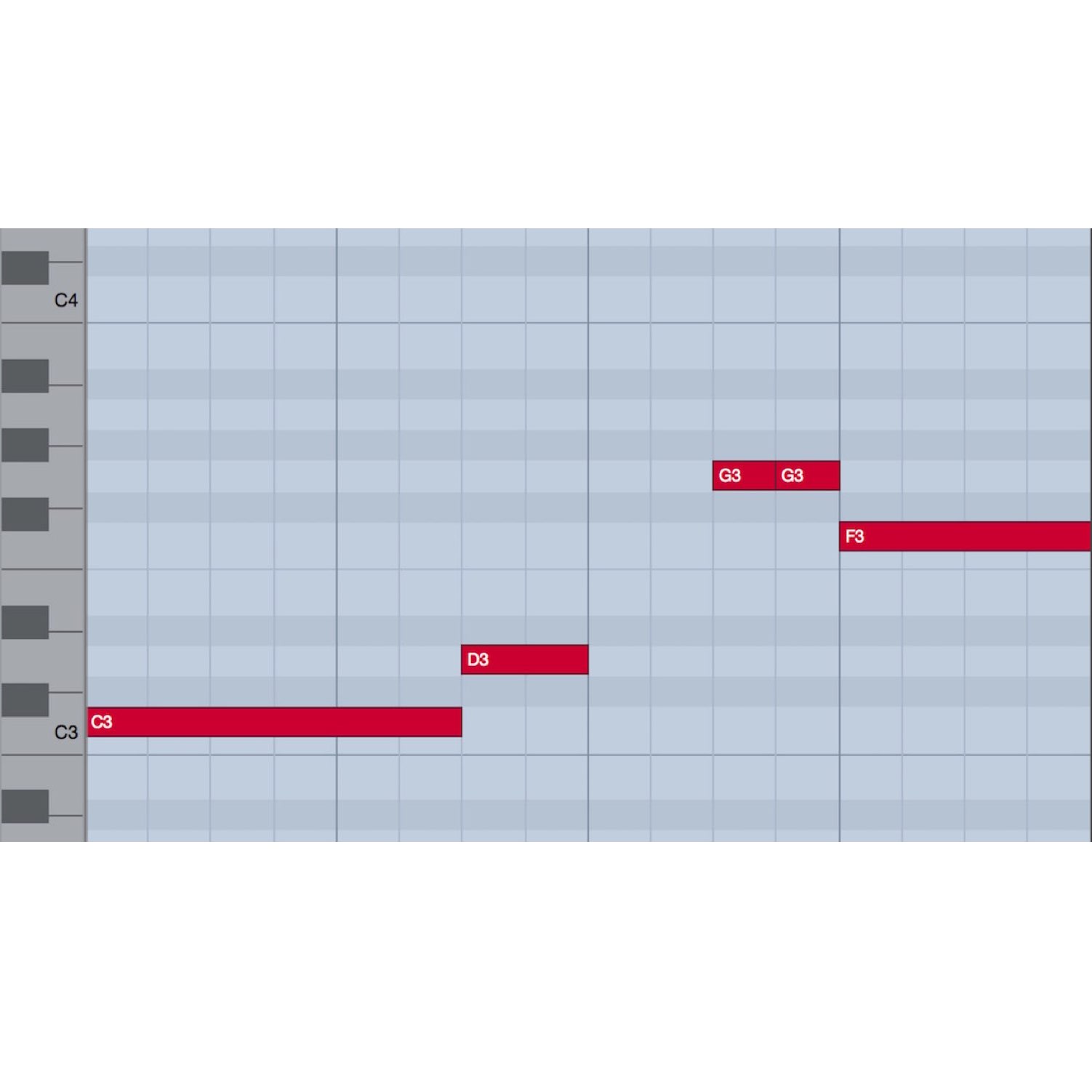
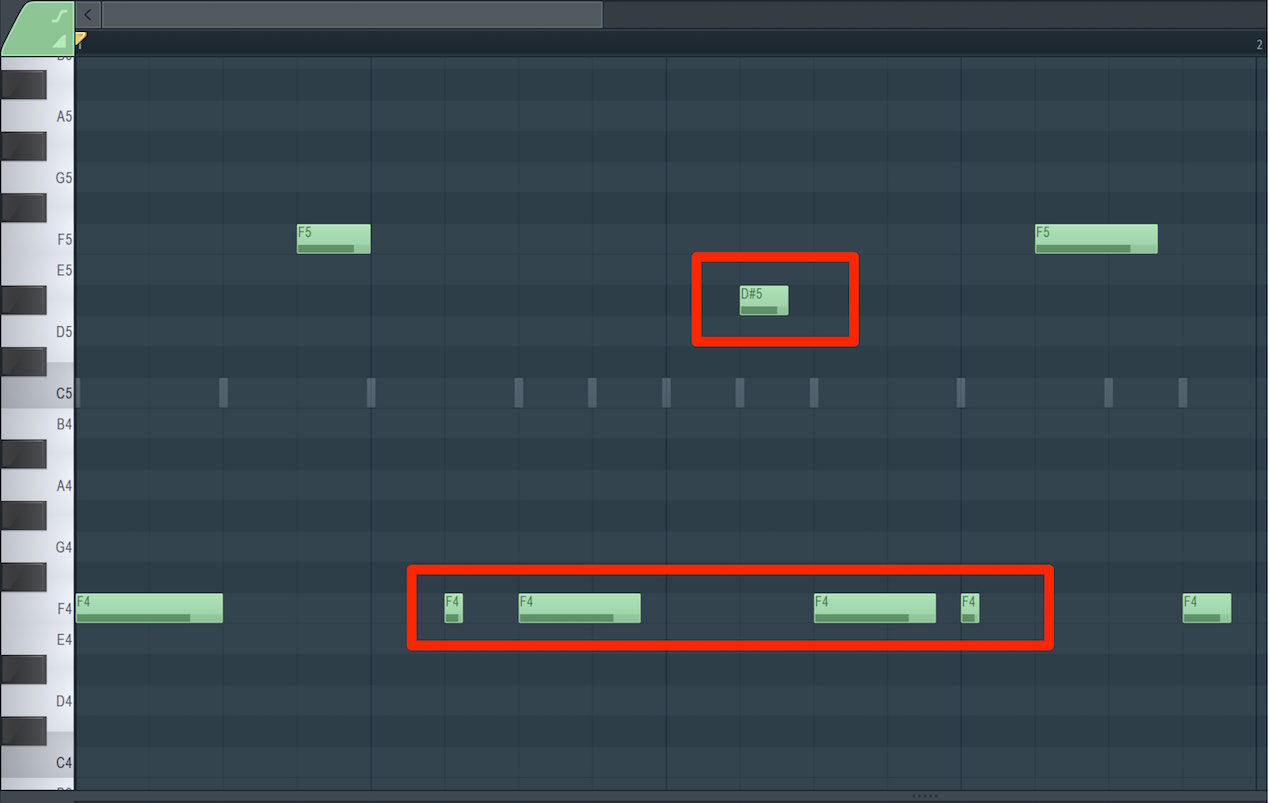
As discussed in the previous installment, the bass notes of the opening four chords move up a fourth (or down a fifth) in a strong progression,
creating a powerful sequence.

Now look at the bass movement from C7, the secondary dominant.
The bass notes repeat the same pattern, although the chord types differ.
By deliberately bypassing F, the progression creates this repetition in the bass.
The repetition may be intended to strengthen the impression of the passage.
Frequently Asked Questions
Q1. How can I use a ii–V progression in music production?
The strong movement from predominant to dominant can tighten a progression and strengthen the sense of resolution to the next chord. It is a basic progression used frequently in jazz, pop and other popular music.
Q2. How can I distinguish a secondary dominant from a diatonic chord?
A secondary dominant uses dominant function to target a chord other than the tonic and is often non-diatonic to the prevailing key. For example, in C major, C7 can function as V7 of F and tends to resolve to F.
Q3. Why is strong bass-root movement important?
An ascending fourth or descending fifth can create momentum and a sense of flow. This strong progression can make a chord sequence more persuasive and is useful to consider in composition and arrangement.
NEW ARTICLES
Latest English Articles