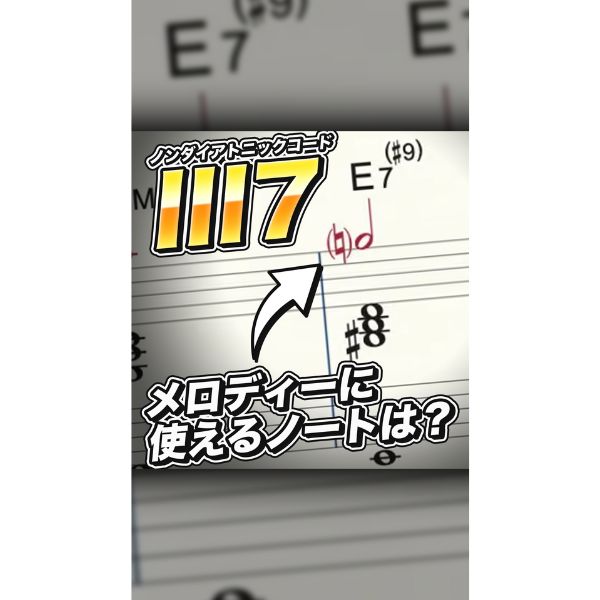
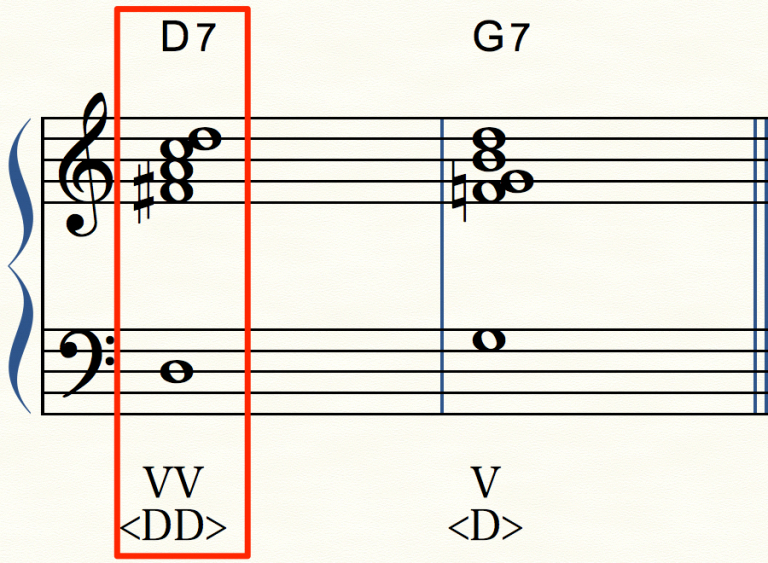
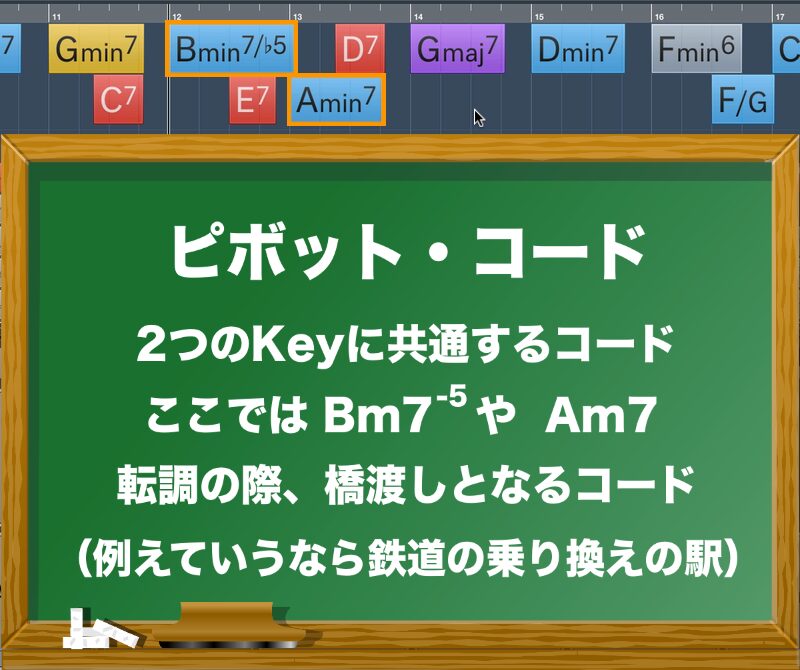
This lesson introduces the ii–V chord progression, frequently used in jazz and pop, and the related ii–V, an application of that progression. Understanding these patterns can help you create more sophisticated music and develop your song structure skills. The lesson builds from basics to applications, making it useful for beginners and intermediate producers studying practical music theory.
Developing chord progressions with the ii–V
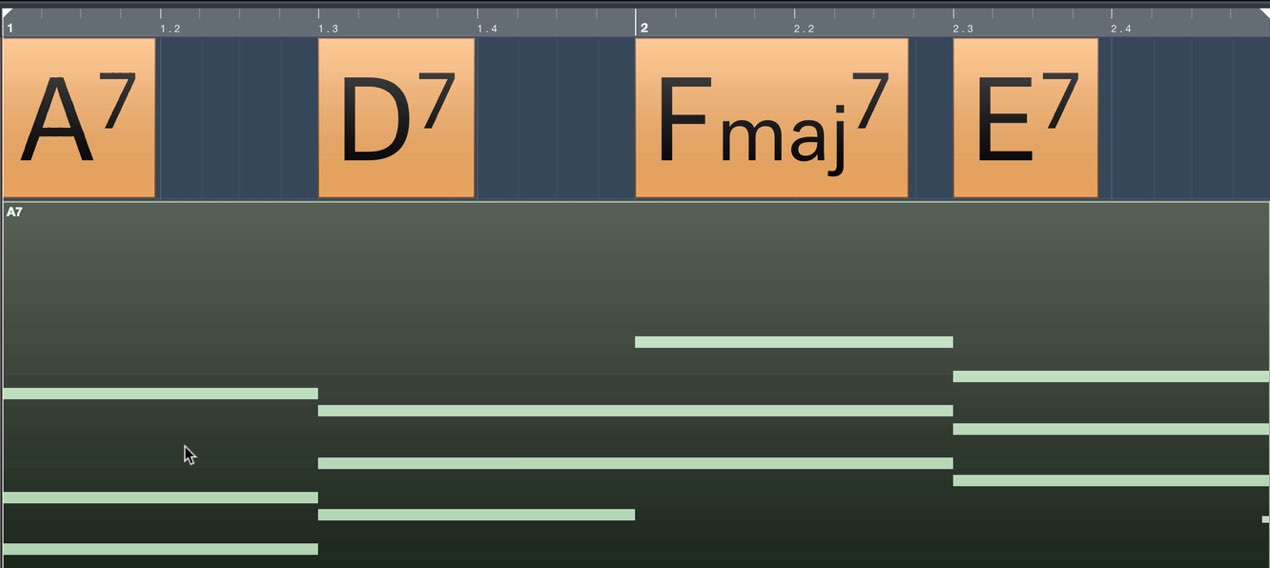
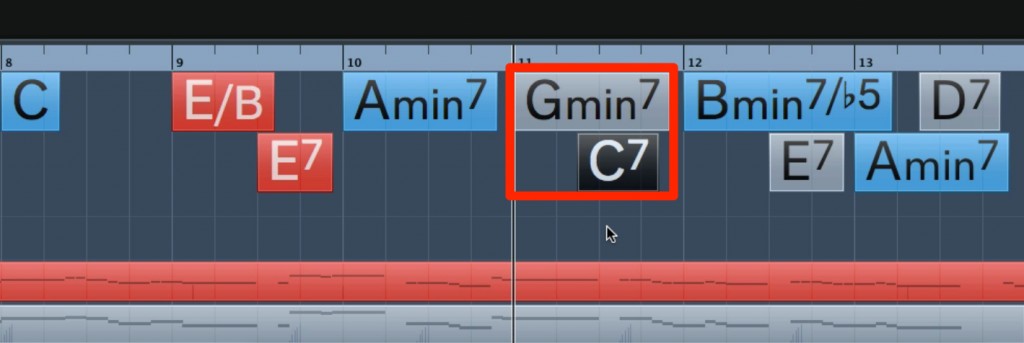
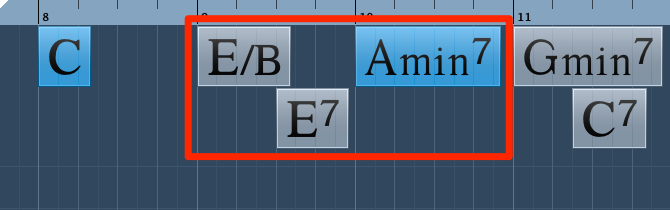
Here we explain the classic ii–V progression
and its application, the related ii–V.
The applications gradually become more complex,
so review the preceding lessons as you learn them.
Video tutorial
Frequently asked questions
Q1. Can a beginner in music production learn the ii–V?
Yes. The lessons build step by step from the basics, so beginners can learn it by reviewing the earlier material. A video tutorial is also provided to help explain the concepts.
Q2. What genres use the ii–V?
This standard progression appears in many genres, including jazz, pop and R&B. It often occurs in choruses and bridges, giving songs a sophisticated sound.
Q3. How does a related ii–V differ from a ii–V?
A related ii–V is an application of the ii–V that draws on more complex functional harmony. It opens up more chord choices and richer harmonic possibilities.
NEW ARTICLES
Latest English Articles