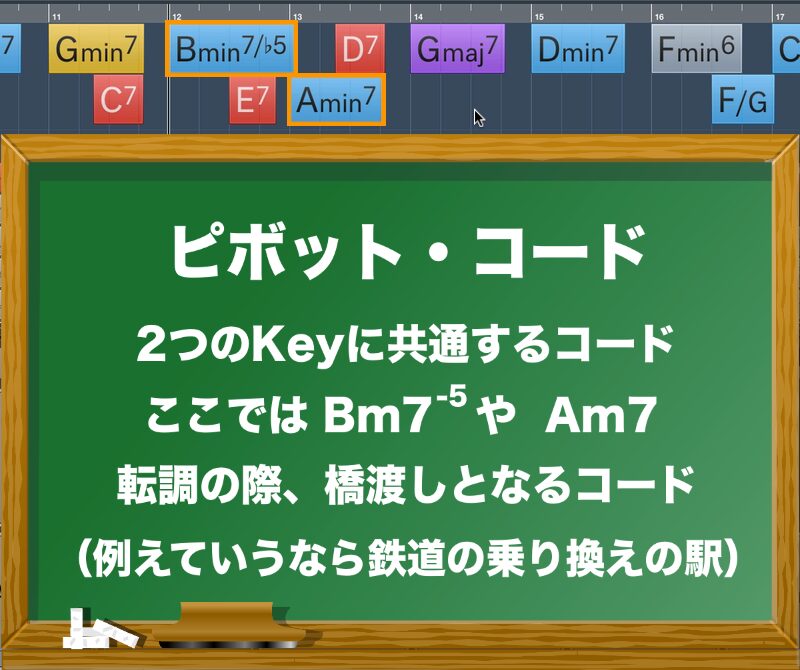
A secondary dominant is a non-diatonic dominant chord that temporarily treats a diatonic chord other than the tonic as a temporary tonic and resolves to it. Applying the same principle as V7 → I, examples include A7 → Dm and C7 → F in the key of C. This technique adds tension and resolution to chord progressions and is useful in composition and arranging.
Using Secondary Dominants

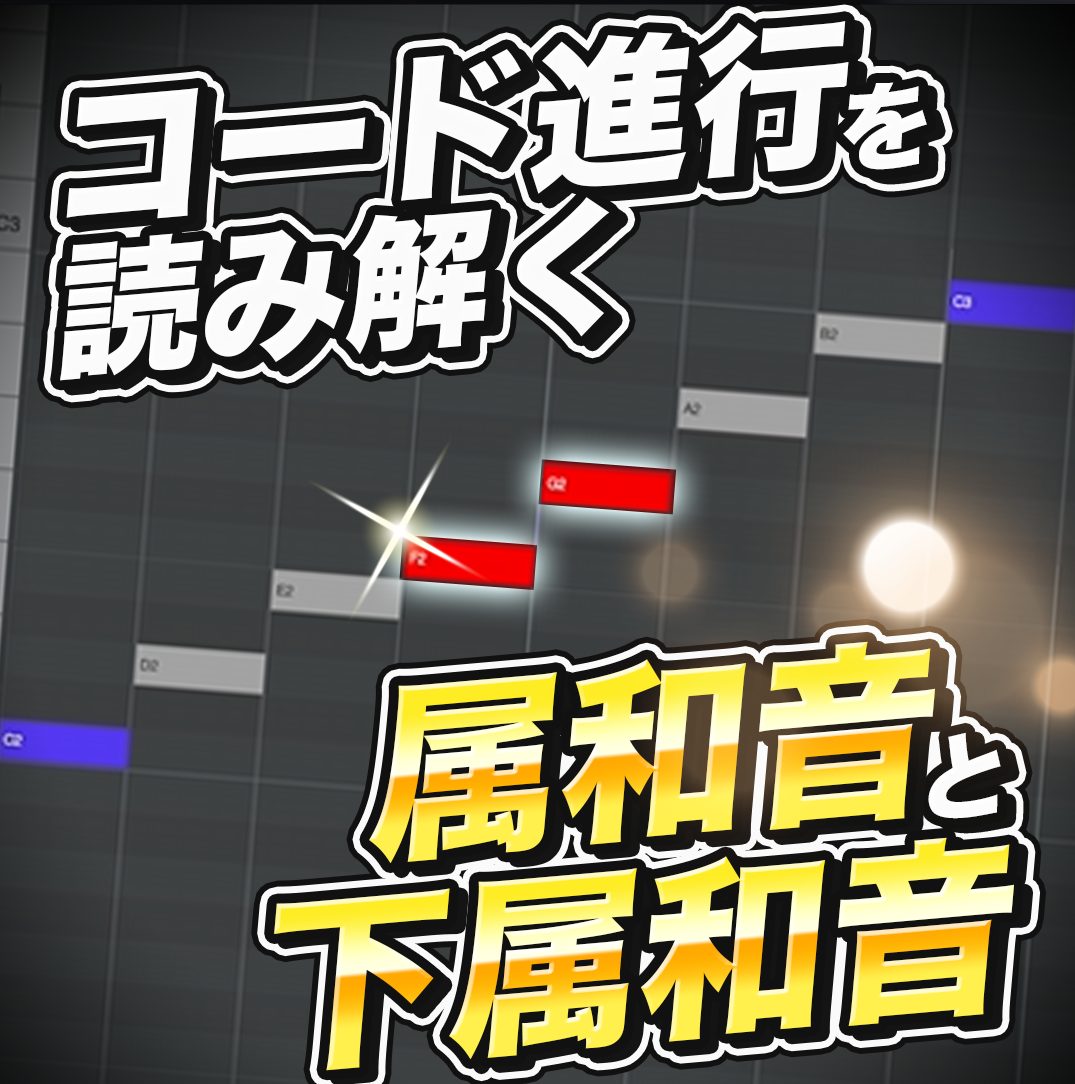
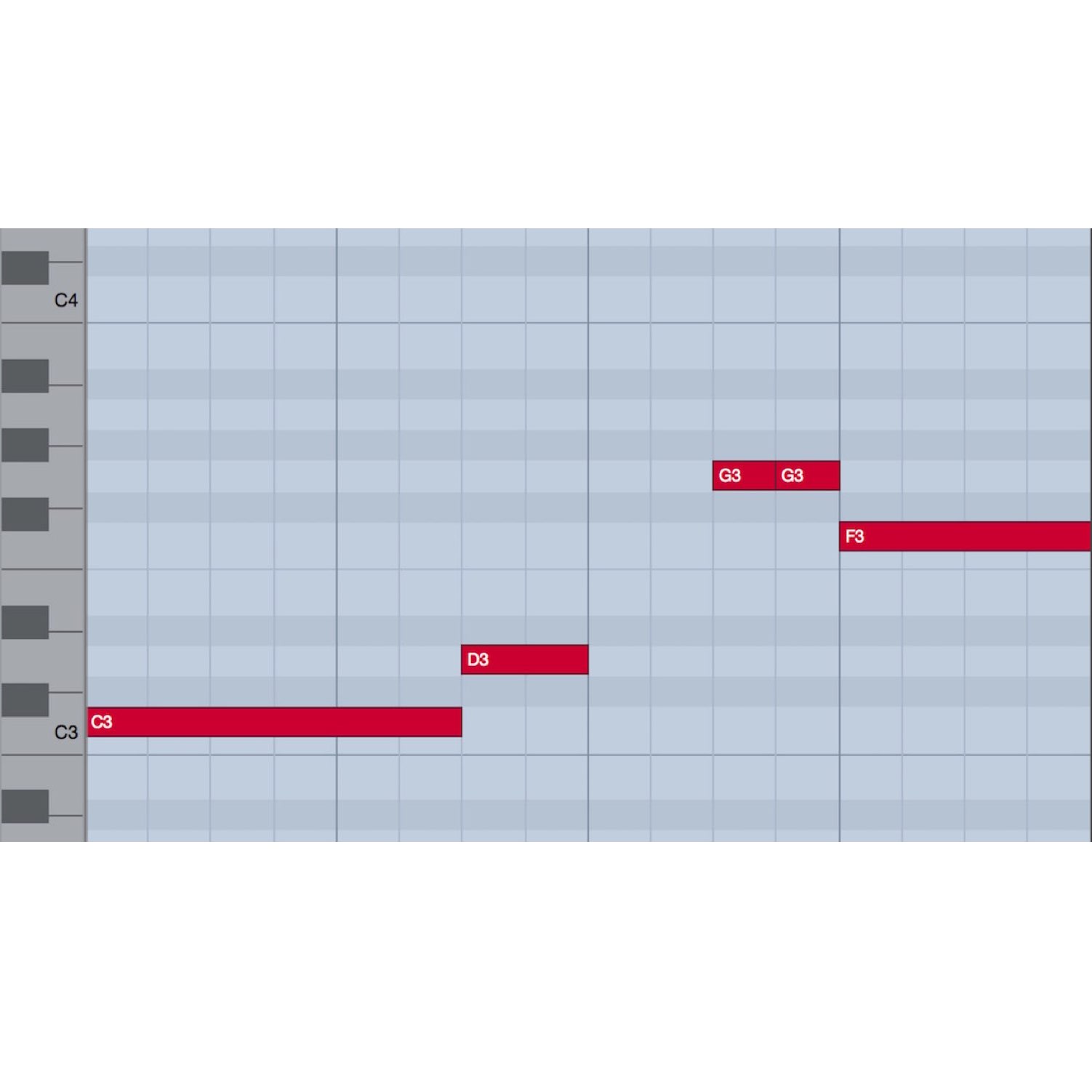
In our lesson on the primary triads, we discussed the progression from dominant to tonic,
known as dominant motion.
- In C: V7 (G7) → I (C)
A chord outside the diatonic chords is called a non-diatonic chord.
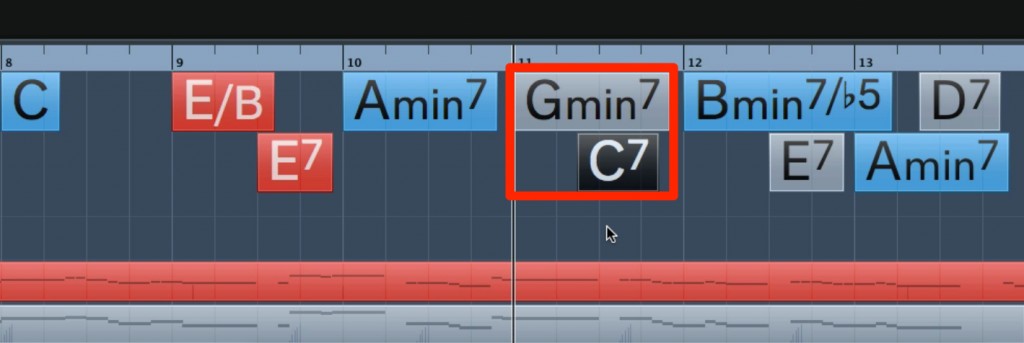
A secondary dominant applies the same idea of dominant-to-tonic resolution
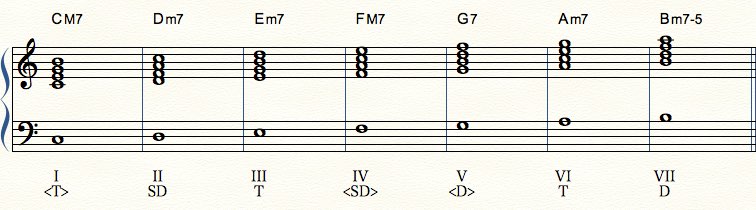
by temporarily treating ii (Dm), iii (Em), IV (F), V (G), or vi (Am)
as a tonic and resolving to it from its own dominant.
The dominant of I (C) is the ordinary V (G), called the primary dominant.
The vii° chord (B diminished) has more limited uses,
so secondary dominants resolving to it are less common in this context.
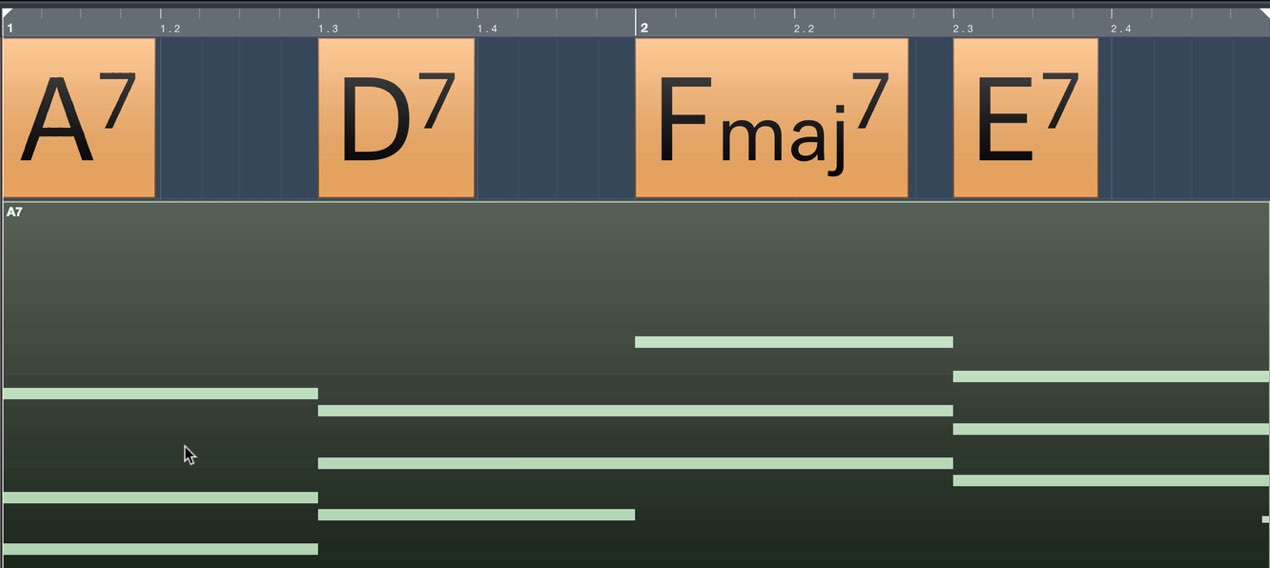
- VI7 (A7) → ii (Dm)
- VII7 (B7) → iii (Em)
- I7 (C7) → IV (F)
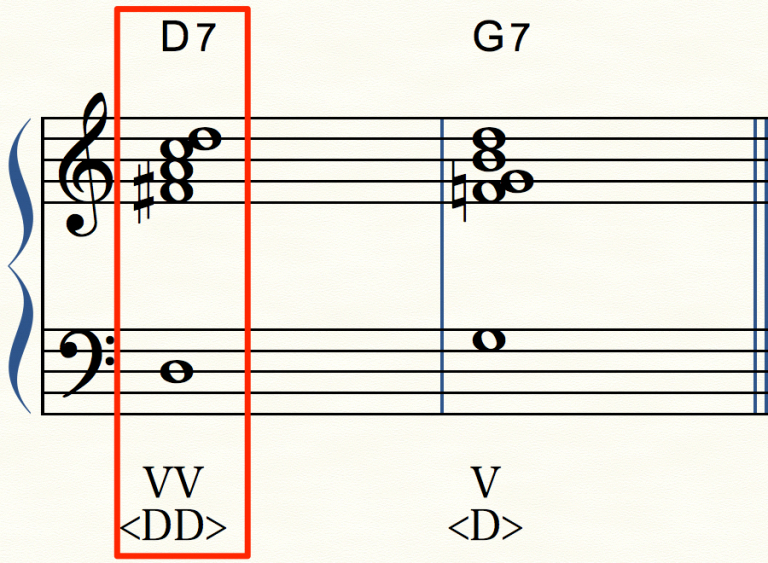
- II7 (D7) → V (G)
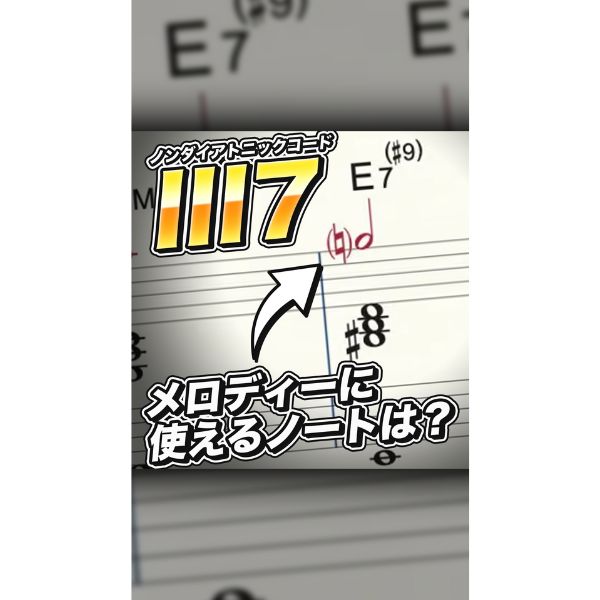
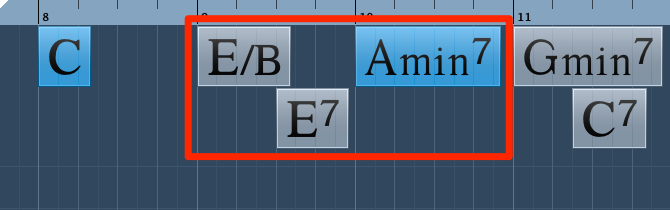
- III7 (E7) → vi (Am)
Video Tutorial
Frequently Asked Questions
Q1. How does a secondary dominant differ from dominant motion?
Dominant motion V7 → I resolves to the key's tonic. A secondary dominant instead treats another diatonic chord as a temporary tonic and uses a dominant-function chord to lead to it, expanding the available progressions.
Q2. When are secondary dominants used?
They appear in pop, jazz, rock, classical music, and many other styles. They can add tension to a progression or draw attention with an unexpected harmony.
Q3. Why is a secondary dominant to vii° less common?
The diminished vii° chord has relatively limited uses in this context, so it is less commonly treated as a temporary tonic. The primary dominant targets I; the examples above show secondary dominants targeting ii, iii, IV, V, and vi.
NEW ARTICLES
Latest English Articles