iZotope Neutron is a channel-strip plug-in whose Track Assistant analyzes the source and suggests EQ and compression settings. You can choose processing modes from Subtle to Aggressive and sound profiles such as Broadband Clarity and Warm and Open. The Masking feature also helps identify overlapping frequencies between tracks such as kick drum and bass. This tutorial covers the original version of Neutron and offers practical mixing guidance for beginners and experienced producers alike.
Automatically Tailor the Sound to Each Track
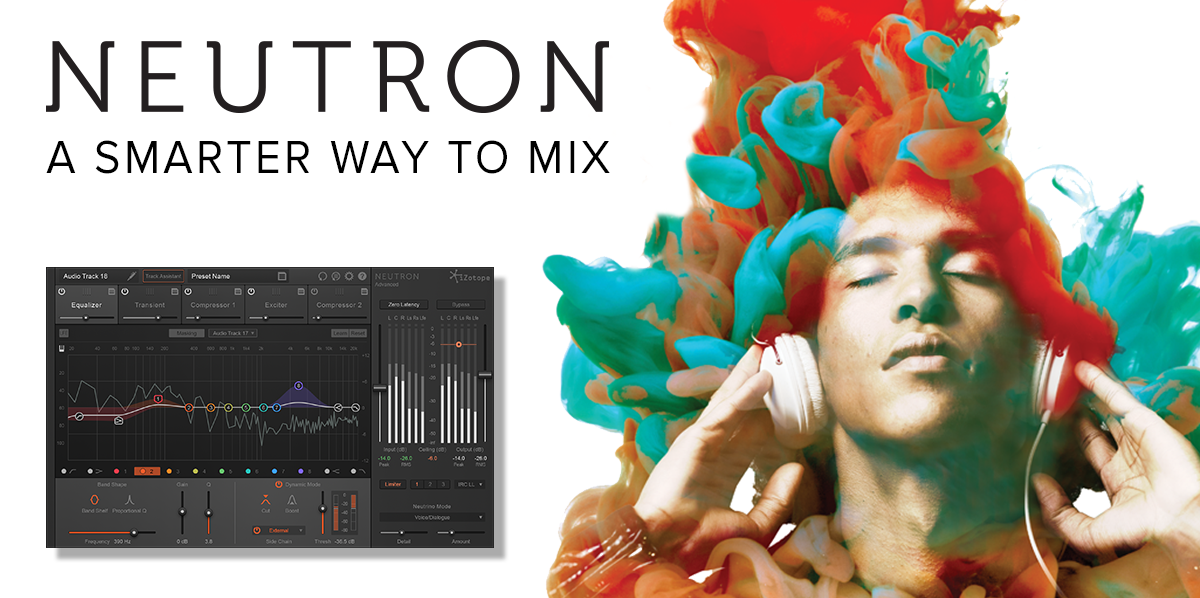
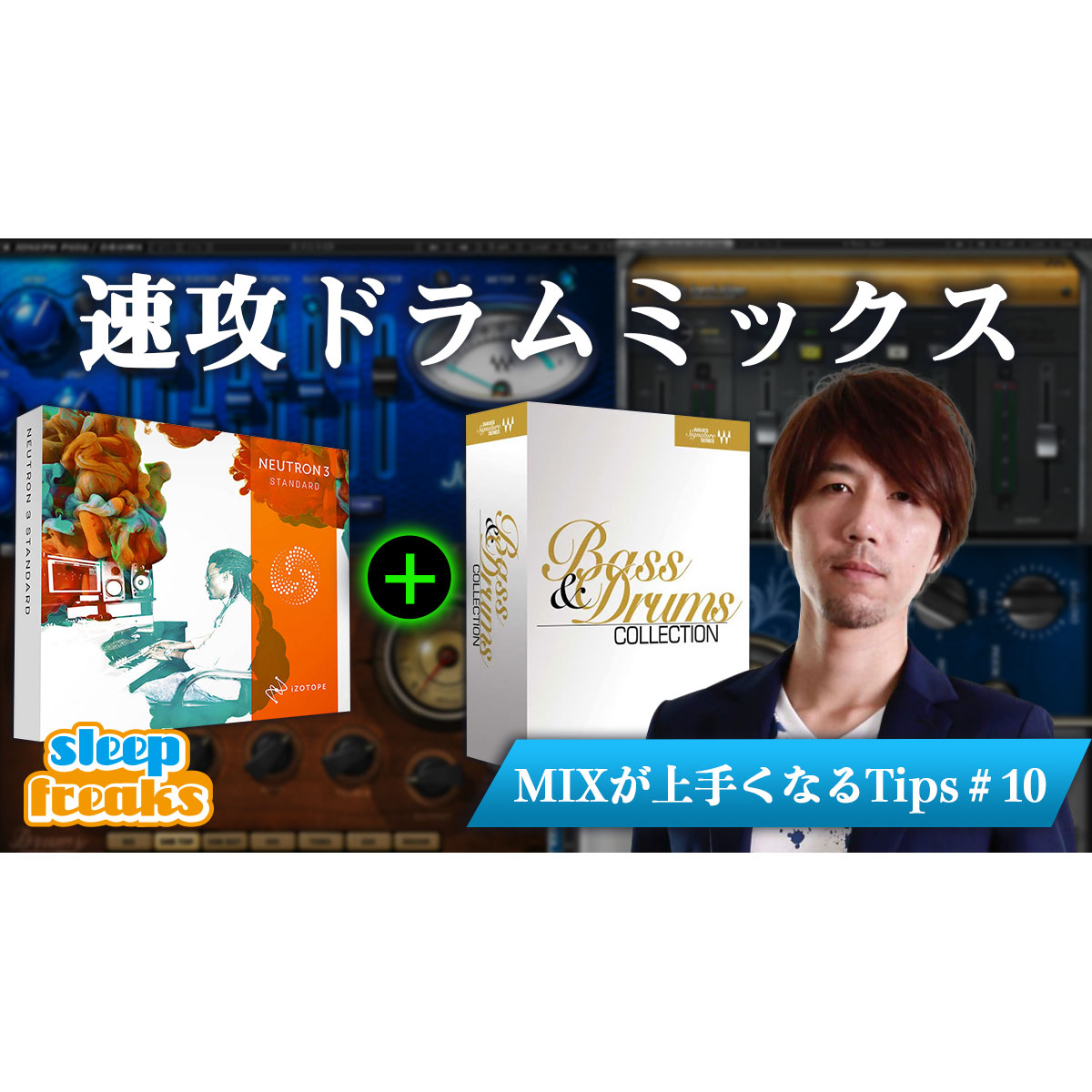
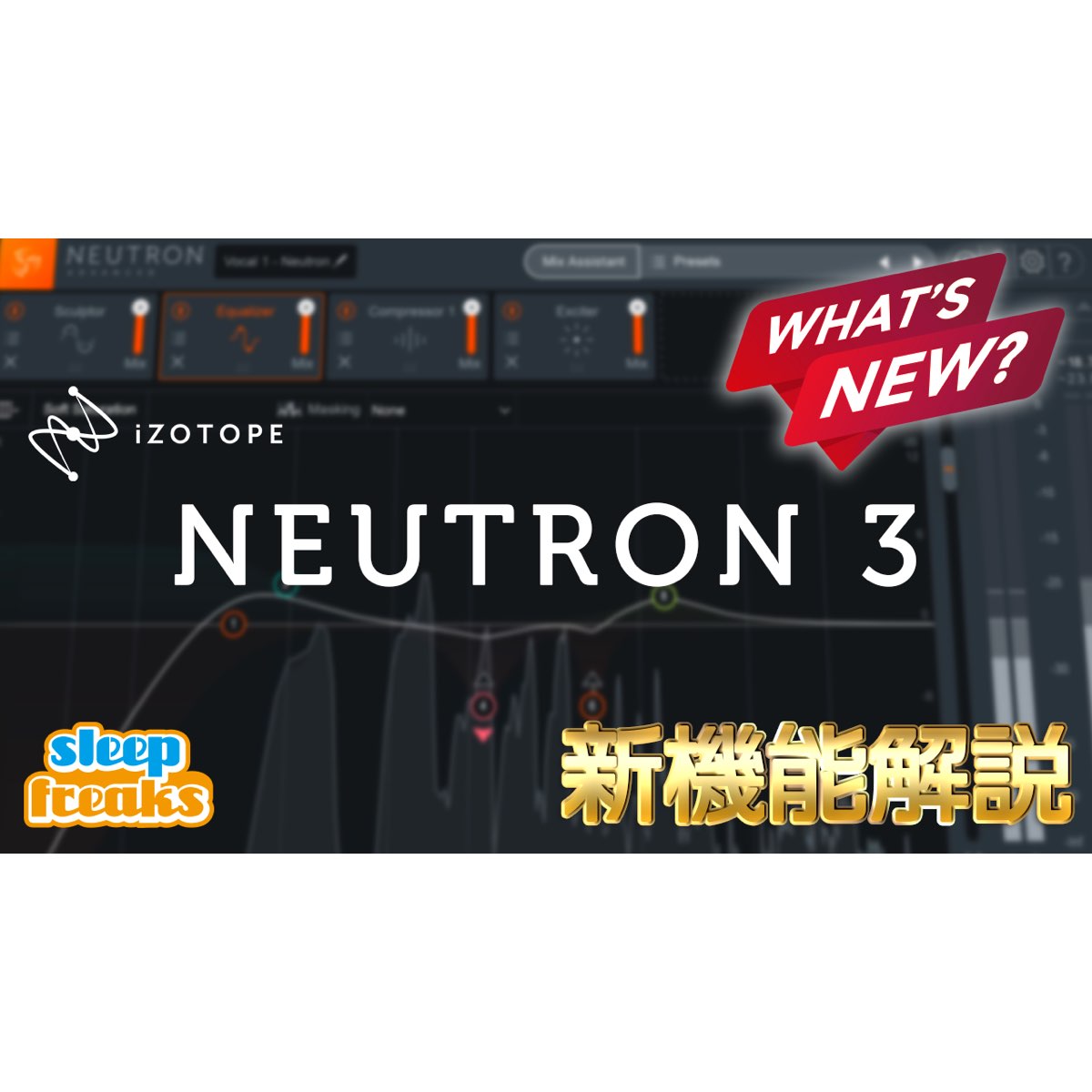
iZotope’s Neutron has attracted considerable attention since its release.
This channel strip contains high-quality effects including EQ, compression, and transient shaping. Its defining feature is Track Assistant, which automatically suggests plug-in settings suited to the track.
Because it makes an initial set of adjustments based on the material, this feature can be especially useful if mixing is difficult for you or you want to work more quickly.
You can also study the parameter settings Neutron suggests as a way to learn about mixing. It can be interesting to compare them with the settings you normally use.
There are several variations for the automatic processing. Specify your preferred sound character beforehand and Neutron can produce a result based on that choice.
Here we explain the essential basics you need to get started with Neutron.
Neutron Track Assistant Video Tutorial
Product purchase link (the displayed URL and clickable link differ in the original article)
URL shown in the original: https://bit.ly/2Xq9gTg
Questions and Answers from YouTube

Can this plug-in be used with MIDI-programmed data, or must it first be converted to audio?

It can also be used with a MIDI instrument; you do not need to convert it to an audio file first. The version shown is Standard.
Applying Presets
Neutron includes a wide selection of useful presets.
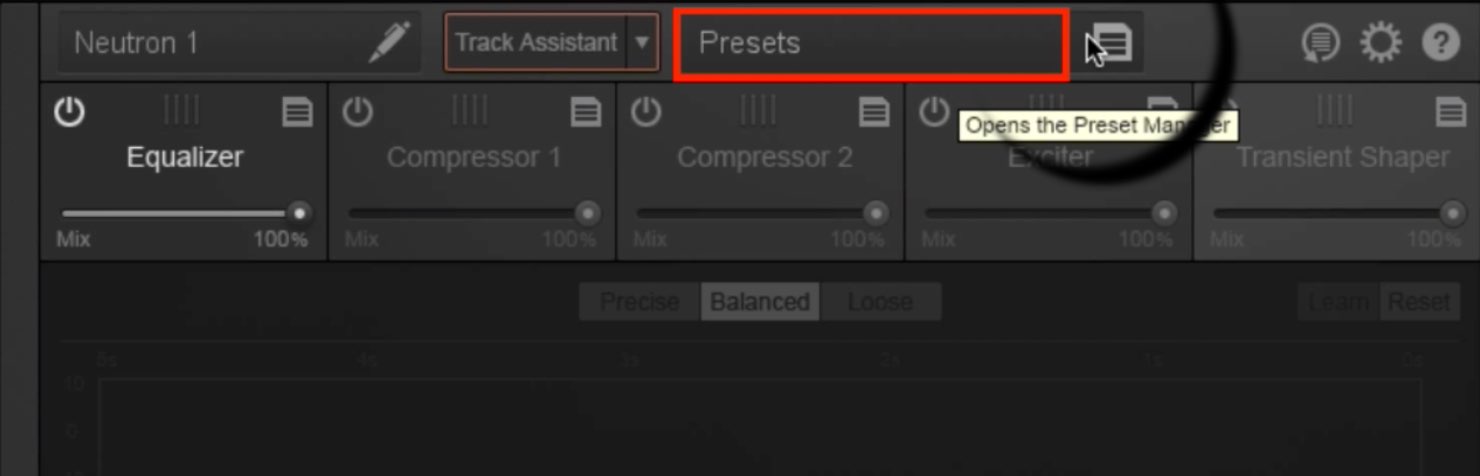
To open them, click the Presets area.
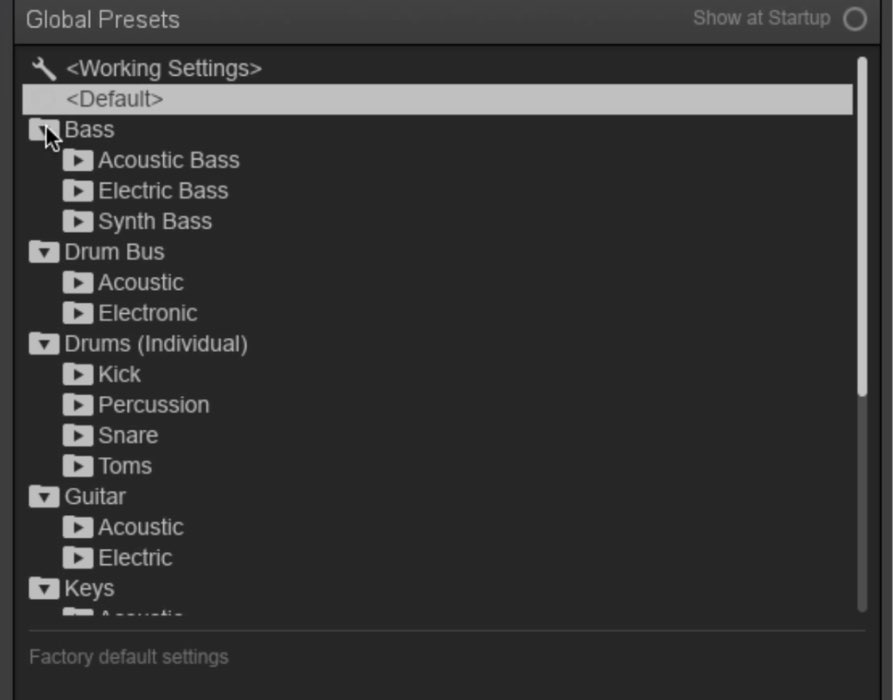
Choose a preset for the instrument you are working with,
and it is applied immediately.
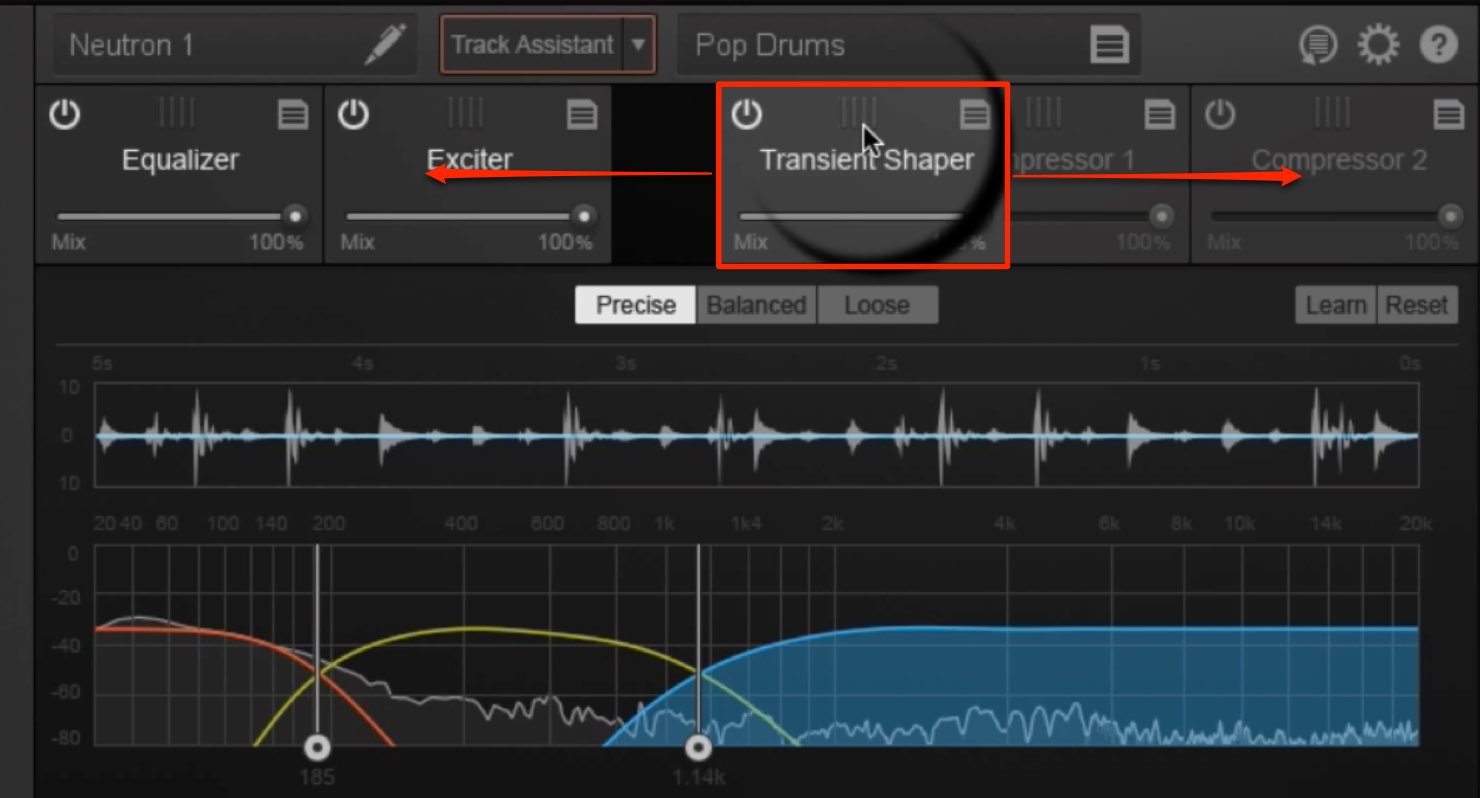
You can change the order of the individual plug-ins by dragging them left or right.
The order can make a significant difference to the sound,
so experiment with it if you are not satisfied with the result.
Using Track Assistant
Track Assistant analyzes the track
and automatically adjusts the plug-in parameters to suggest settings suited to it.
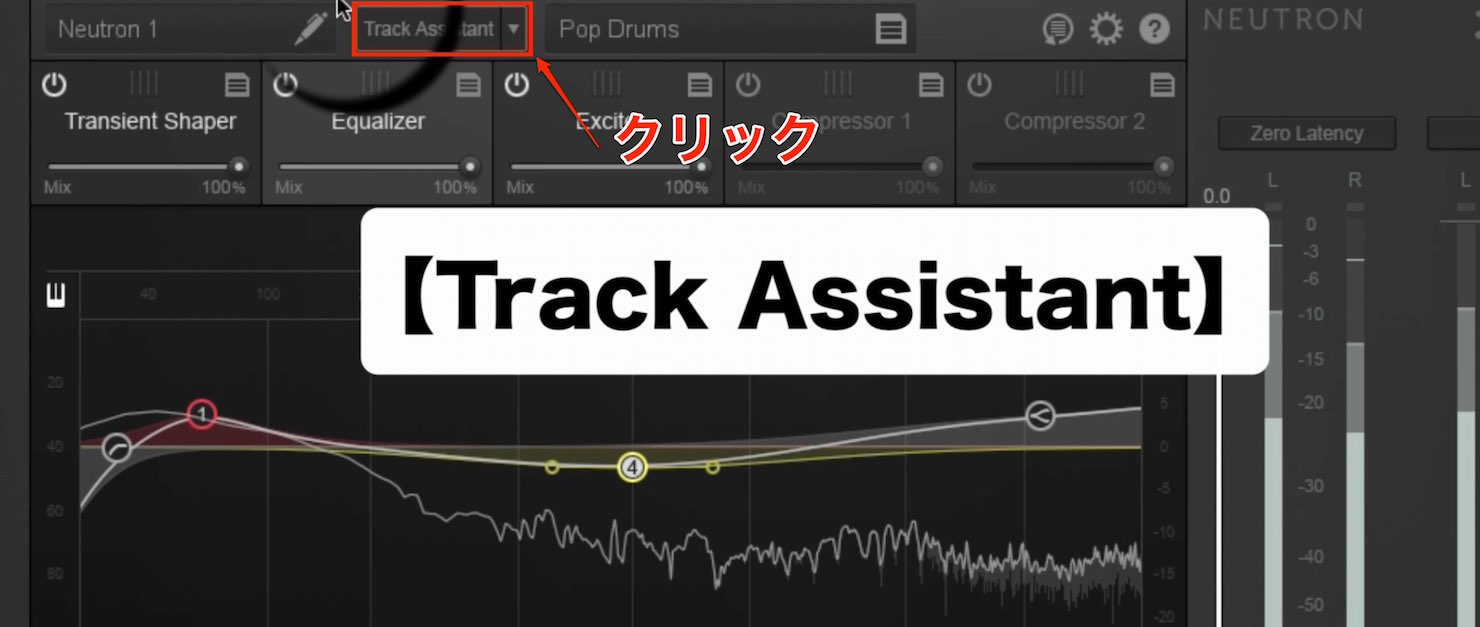
Insert Neutron on the track and select Track Assistant.
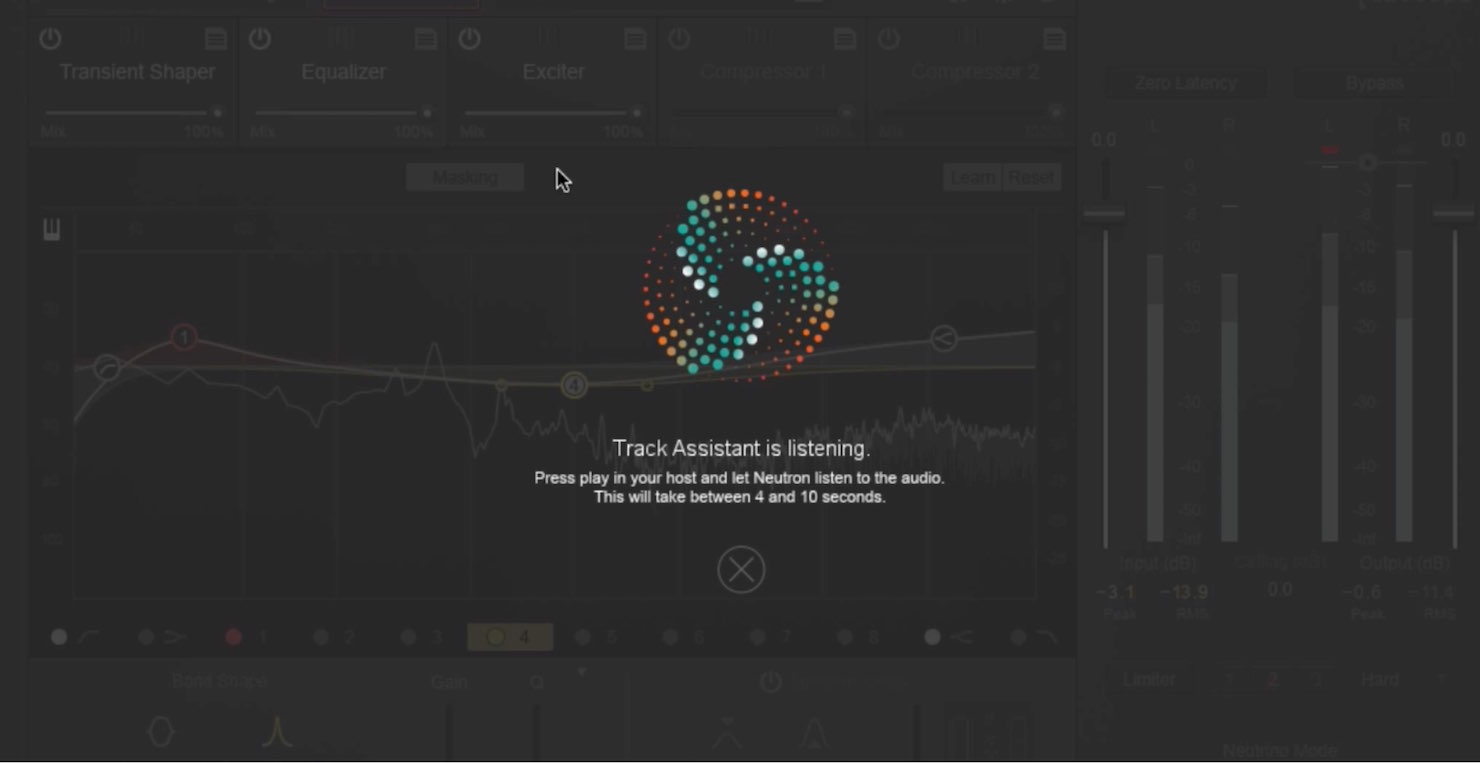
When the display changes, play the track in your DAW.
Playing it for about 4–10 seconds is recommended to give the assistant enough material to analyze.
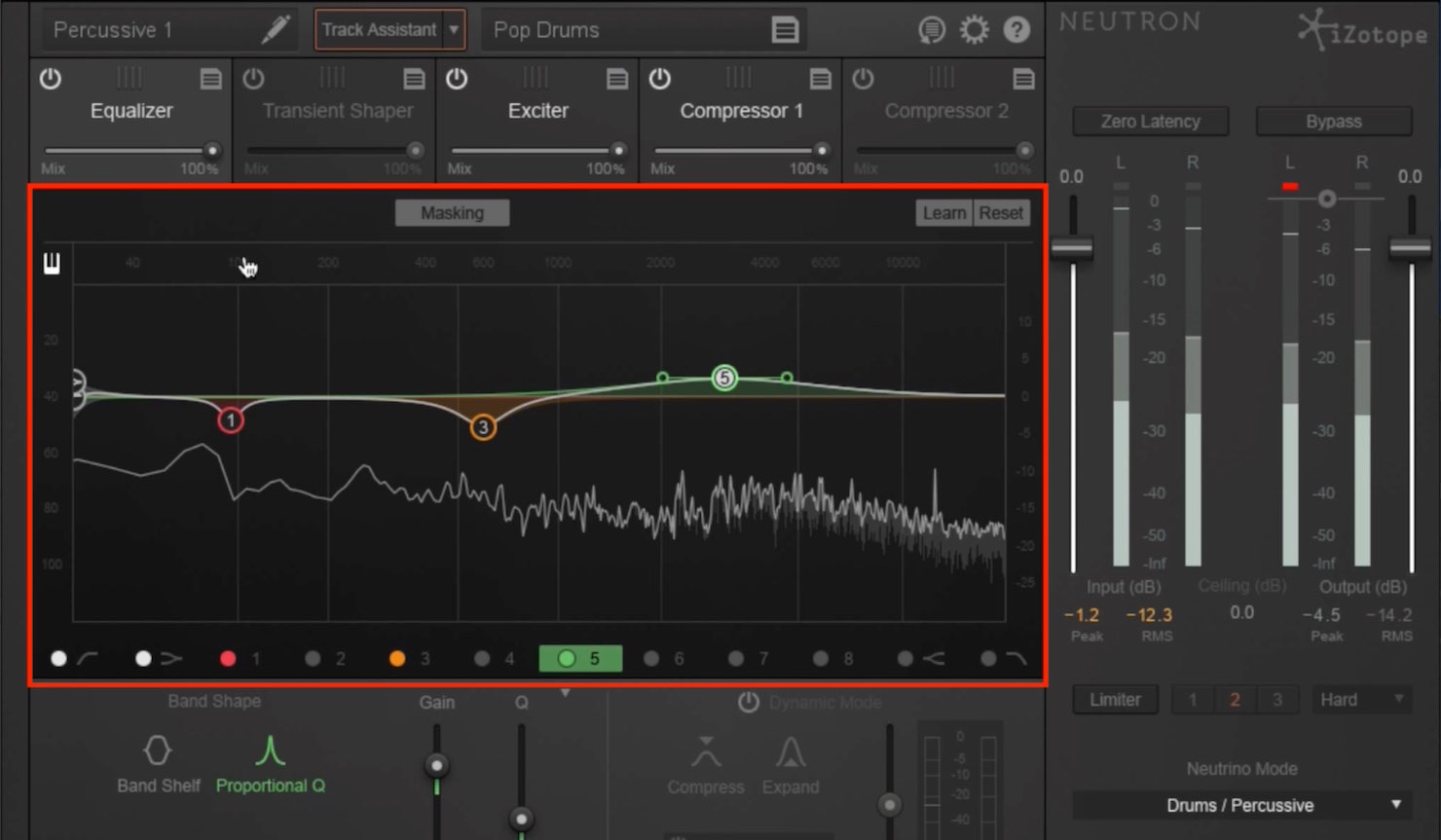
When you return to the editing screen, the parameters will have changed to suit the track.
A mode setting also determines how strongly the assistant applies its processing.
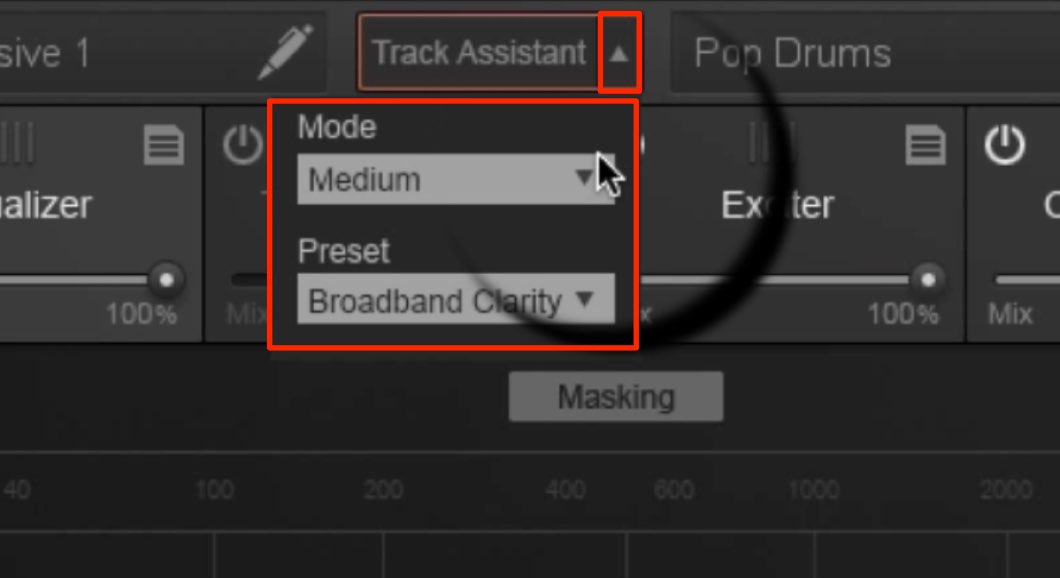
Mode: Choose the intensity of the effect.
- Subtle: Produces the smallest change and is useful when you want to add only a little character to the original sound.
- Medium: Provides a standard amount of processing and is a convenient starting point when you have no particular preference.
- Aggressive: Produces the most noticeable effect and is useful when you want a larger change in sound.
Preset: Choose the sound character.
- Broadband Clarity: A natural finish without extreme processing.
- Warm and Open: A punchy, powerful sound suited to material with strong attacks, such as drums.
- Upfront Midrange: A sound designed to cut through, suited to central elements such as vocals.
Masking
The Masking feature lets you shape a track while considering the sound of another track with Neutron inserted.
For example, it can be useful when adjusting kick drum and bass, which often overlap in frequency.

Here we will use Masking on a drum track and a bass track.
Neutron is already inserted on the drum track above, so insert it on the bass track as well.
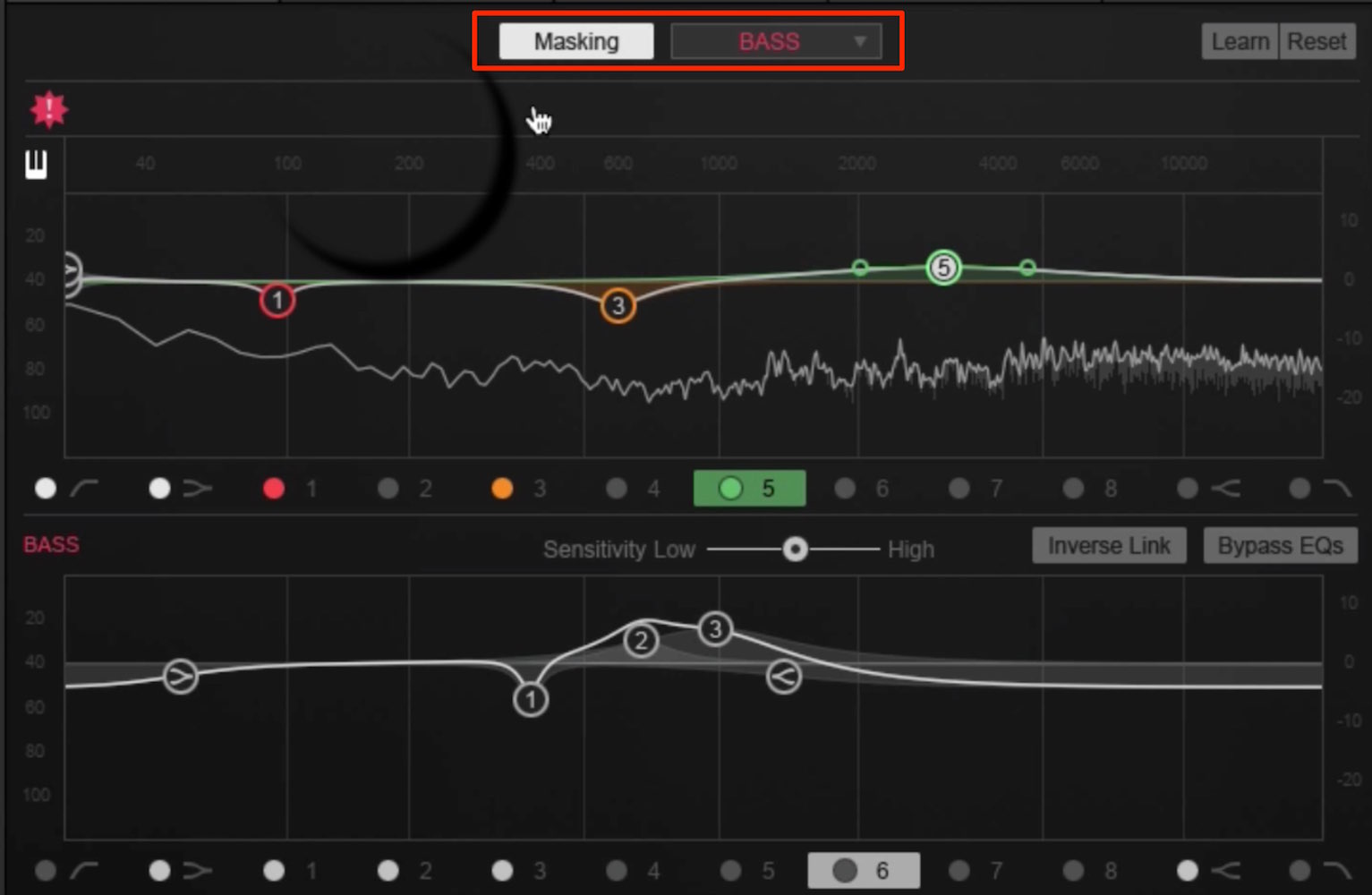
Return to Neutron on the drum track.
Enable Masking in the equalizer and select the other track—in this example, Bass.
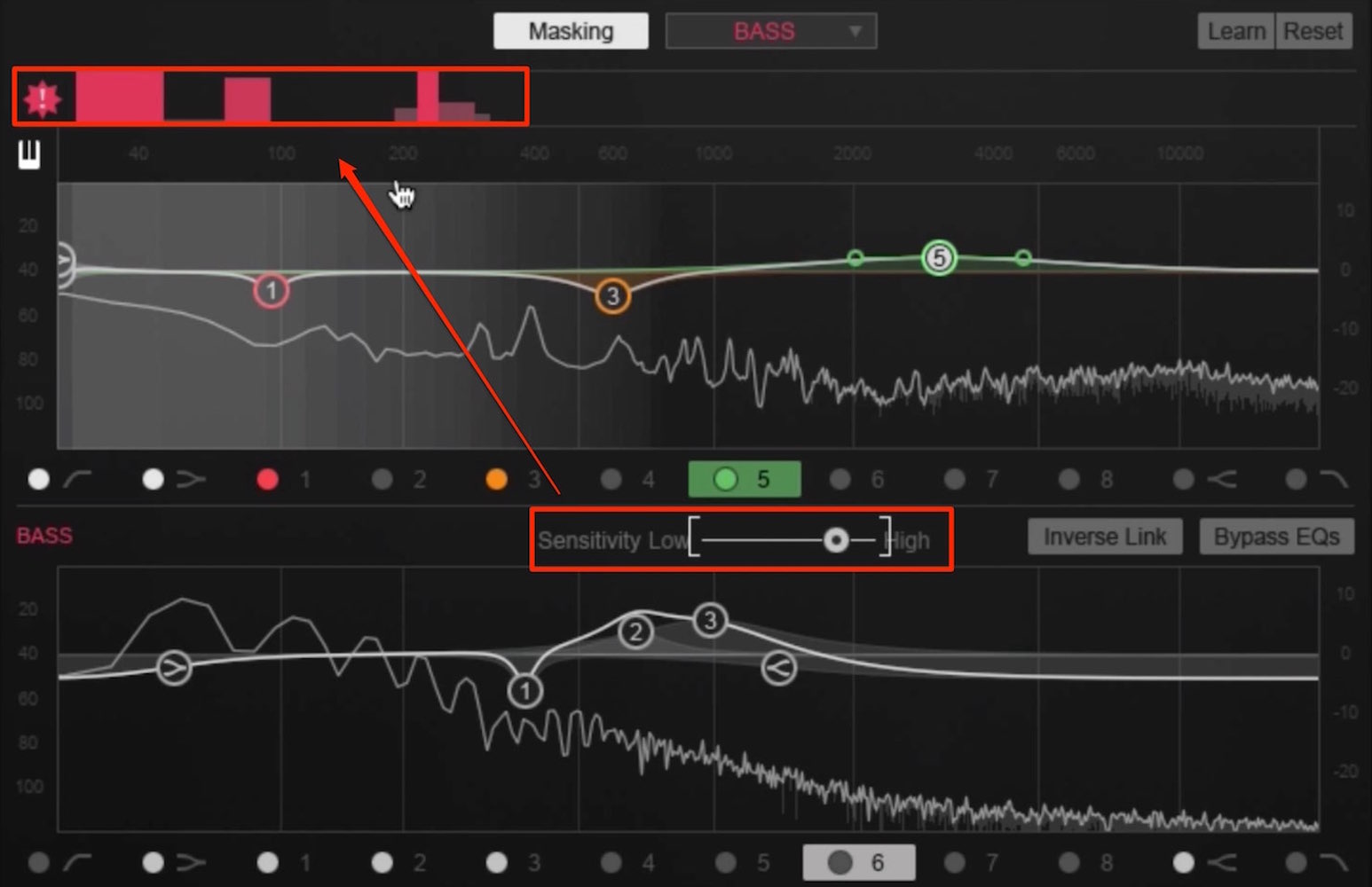
Play the tracks to display the frequency ranges where they overlap.
The Sensitivity control at the bottom adjusts how readily these overlaps are detected.
Adjust it if the interference is not displayed as expected.
Use the highlighted overlap as a guide and reduce the EQ on one of the tracks
to help the overall sound sit together.
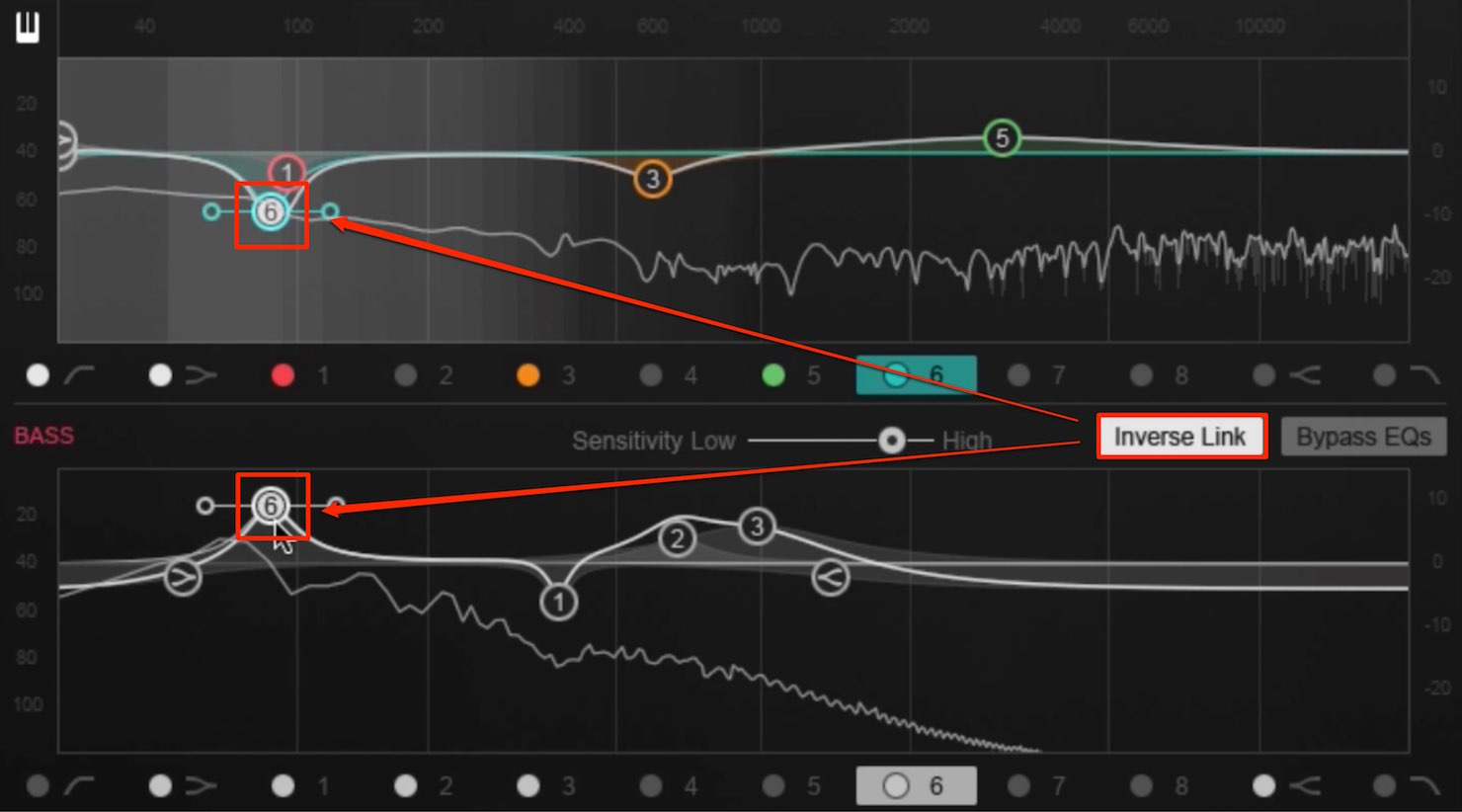
Enable Invert Link
and raising the gain on one EQ will lower the gain on the other.
This can help reduce clashes between frequency ranges and the resulting muddiness.
Masking can also be useful between other tracks that occupy similar frequency ranges, such as vocals and guitar.
What did you think?
Neutron introduces useful features such as Track Assistant and Masking.
In particular, Track Assistant can often provide a strong starting point in one pass
or suggest an unexpected direction, making it useful for mixing and production.
A demo version was also available when this article was written, so you could try it if interested.
In the next article, we explore the individual effects included in Neutron in detail.
Product purchase link (the displayed URL and clickable link differ in the original article)
URL shown in the original: https://bit.ly/2Xq9gTg
Frequently Asked Questions
Q1. What is iZotope Neutron’s Track Assistant?
Track Assistant analyzes audio and automatically suggests settings for parameters such as EQ and compression. The article recommends playing 4–10 seconds for analysis; Subtle, Medium, and Aggressive control processing intensity.
Q2. What are the benefits of Masking?
It visualizes frequency overlap between tracks, helping you identify and address competing ranges. It can be useful for low-frequency instruments such as kick and bass, or for balancing vocals and guitar.
Q3. How should I choose Neutron presets?
Choose settings suited to the instrument and the result you want. For example, this article suggests Upfront Midrange for vocals and Warm and Open for drums. Changing plug-in order also changes the sound, so experiment and listen.
Q4. Can beginners use Neutron?
Yes. Its automated tools can give beginners a useful starting point. Studying and comparing the suggested settings can also be a way to learn about mixing.
NEW ARTICLES
Latest English Articles