This article introduces four-note chords to help beginners develop their music production skills. Adding one note to a familiar triad opens up richer harmonies and a variety of moods. As an application of voicing, this practical knowledge helps producers explore and recreate the sounds they want. The accompanying video combines theory with examples.
Add Depth to Your Music with Four-Note Chords

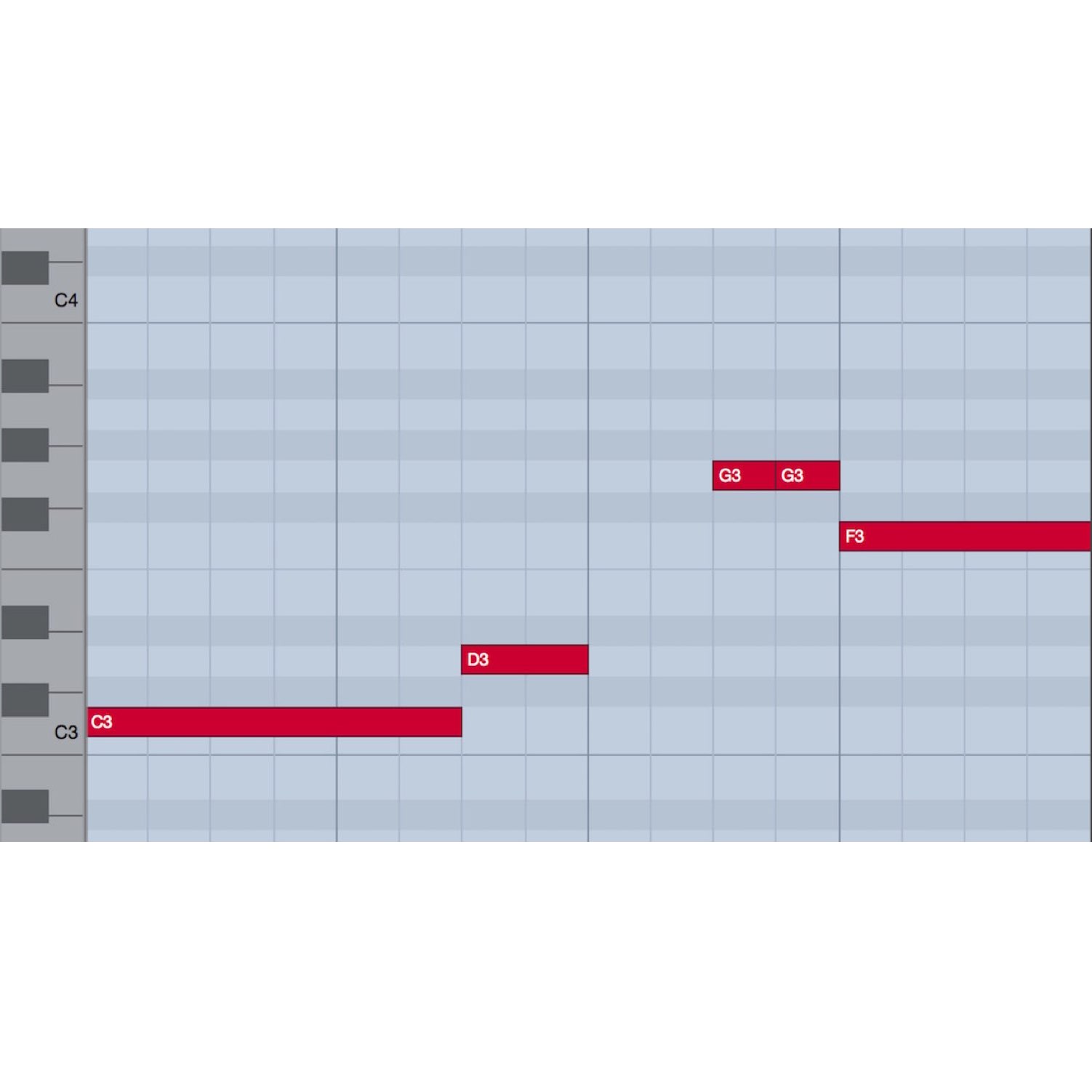
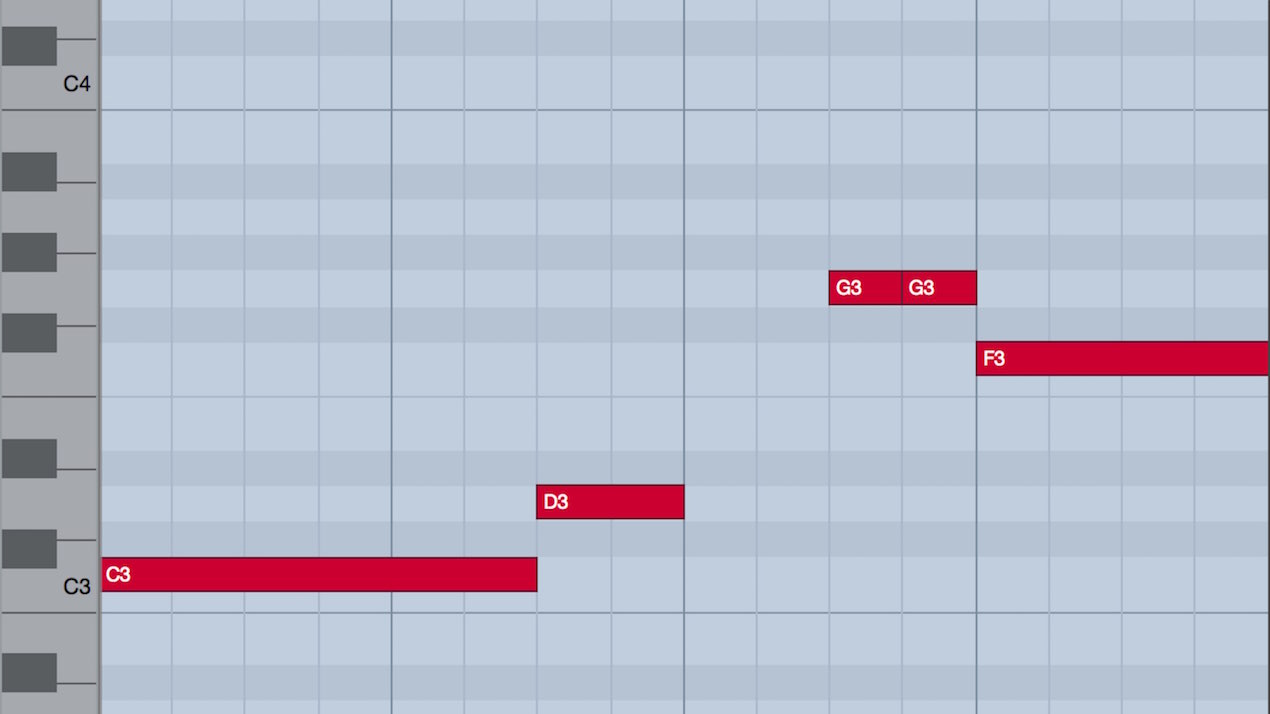
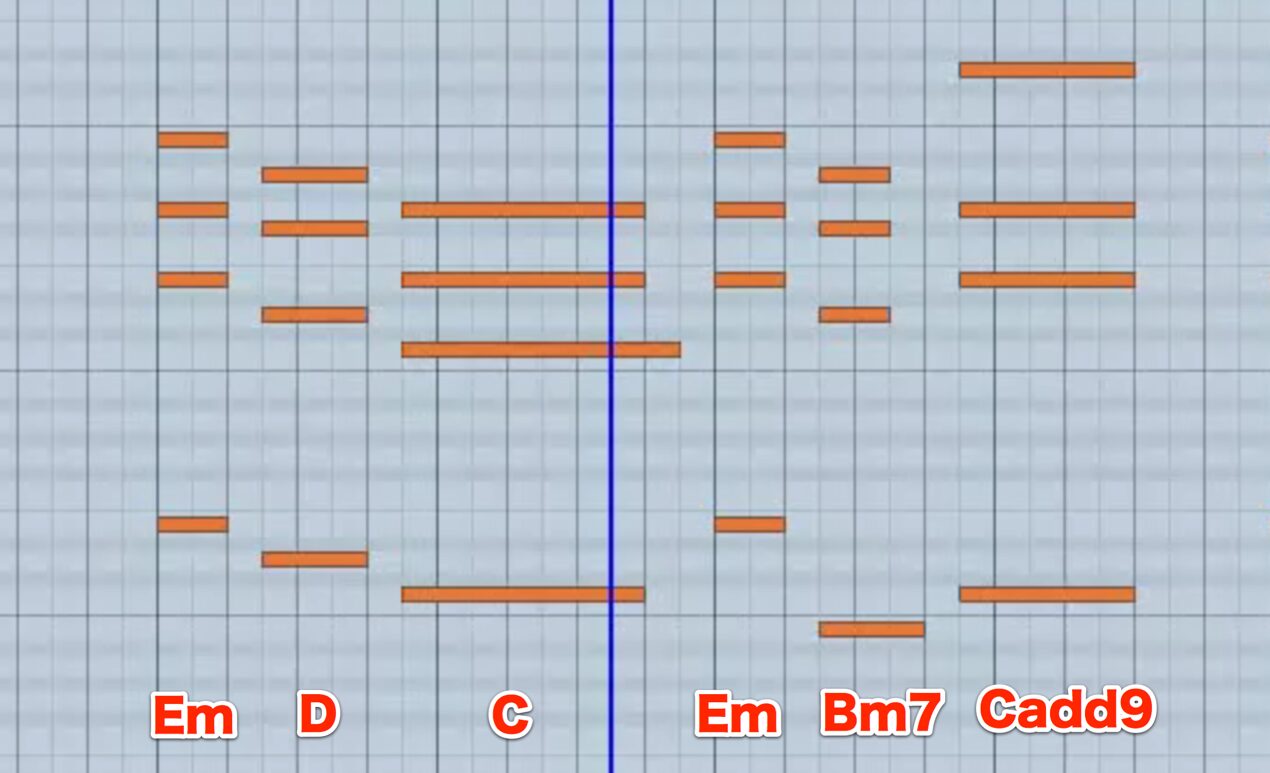
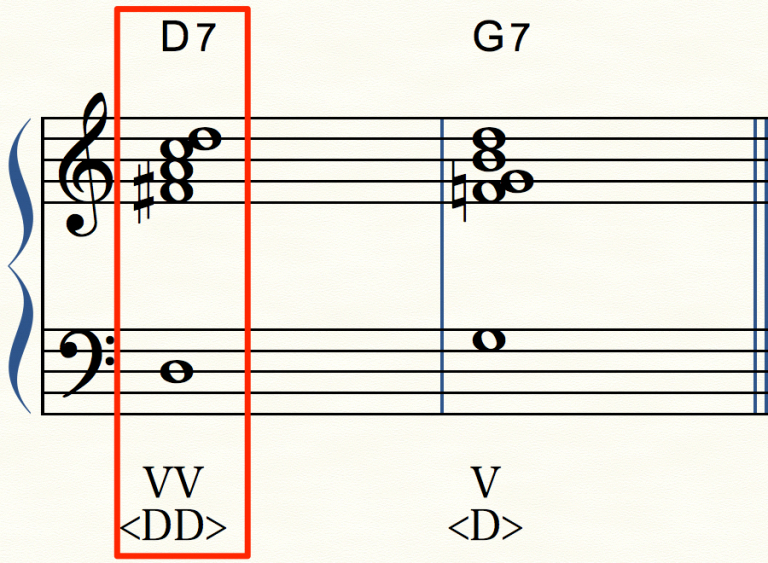
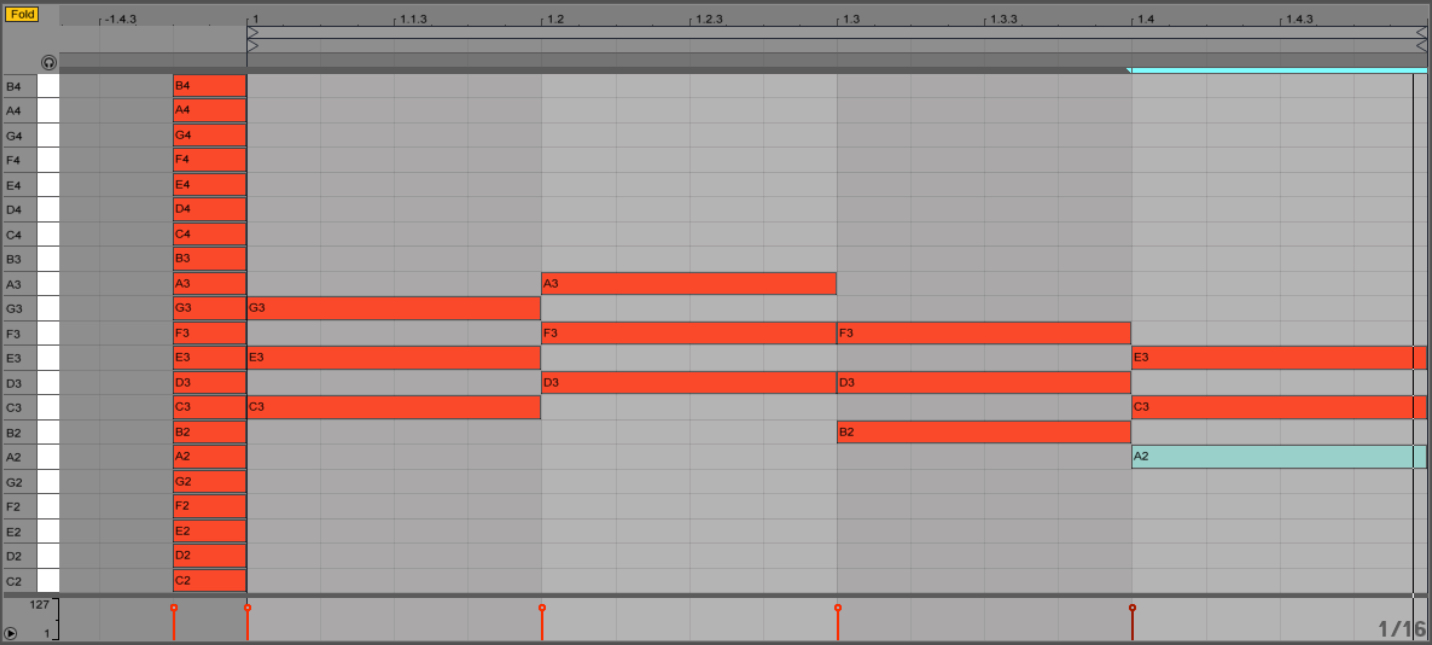
Following our previous discussion of voicing, this time we’ll try four-note chords.
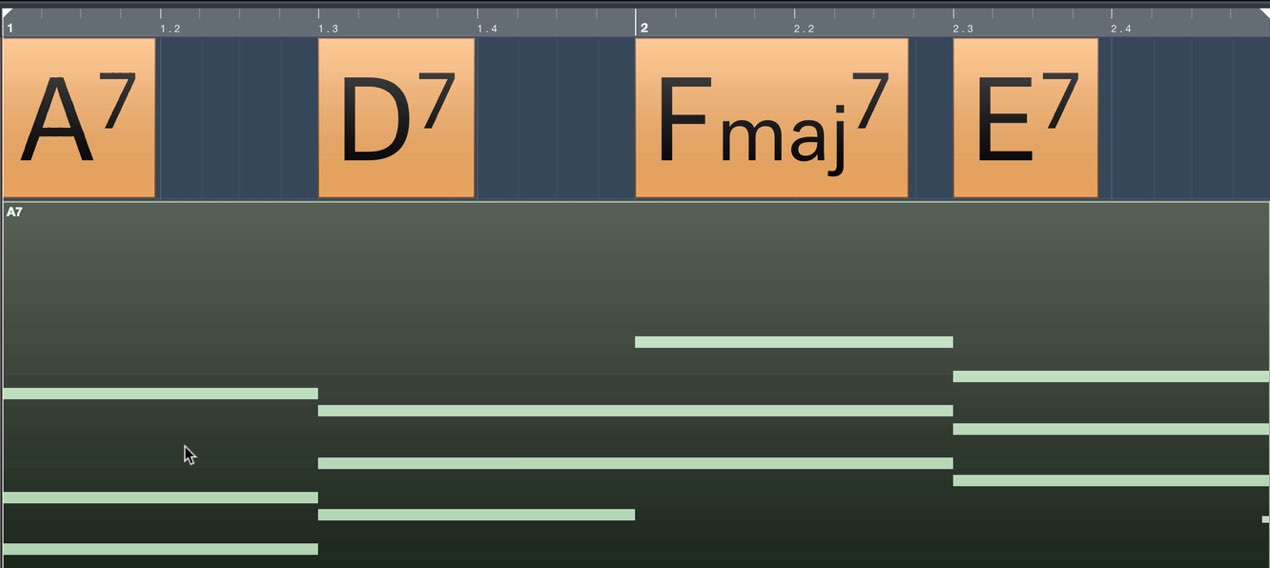
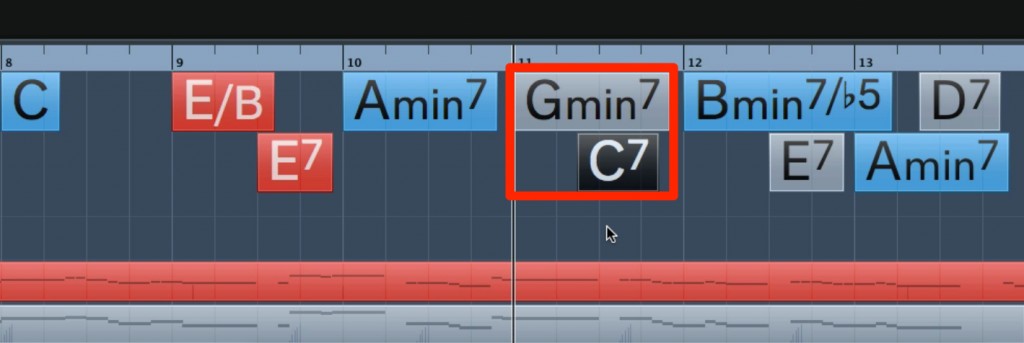
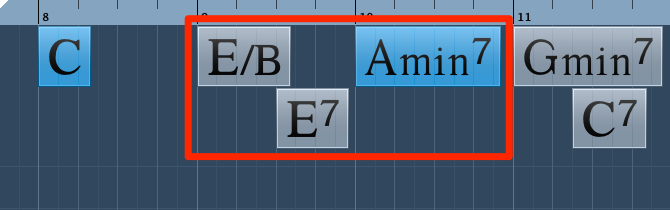
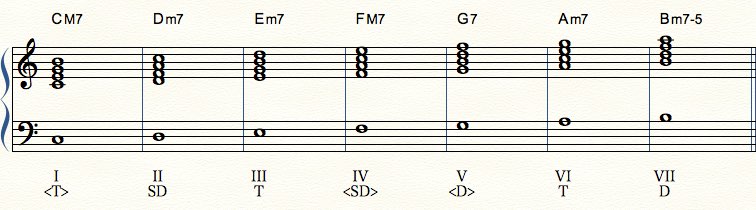
Simply add one note to the triads we’ve used so far
to create a range of moods and a greater sense of depth.
To explore and recreate the sound you’re looking for,
give it a try!
Tutorial Video
Frequently Asked Questions
Q1. What is the difference between a triad and a four-note chord?
A triad consists of three notes: the root, third and fifth. A four-note chord adds another note, such as the seventh. Four-note chords can create more complex, sophisticated harmony.
Q2. What kinds of music use four-note chords?
They are used in many genres, including jazz, pop, anime songs and game music. They can be particularly effective when you want to add depth to a melody or create an emotional atmosphere.
Q3. Can beginners learn to use four-note chords?
With a basic understanding of triads, beginners can learn by following the tutorial video. Adding one note is a simple step that lets you build your knowledge gradually.
NEW ARTICLES
Latest English Articles