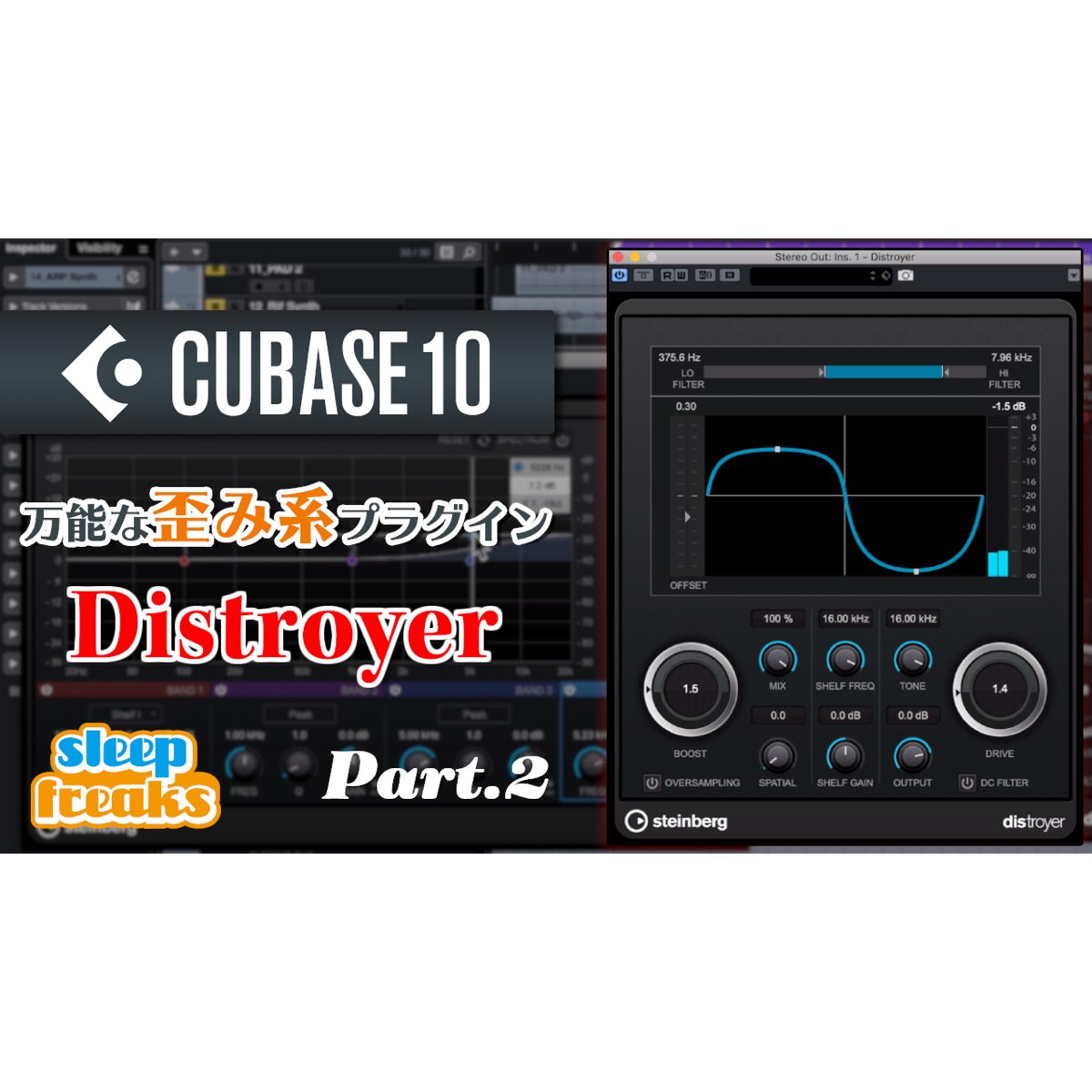
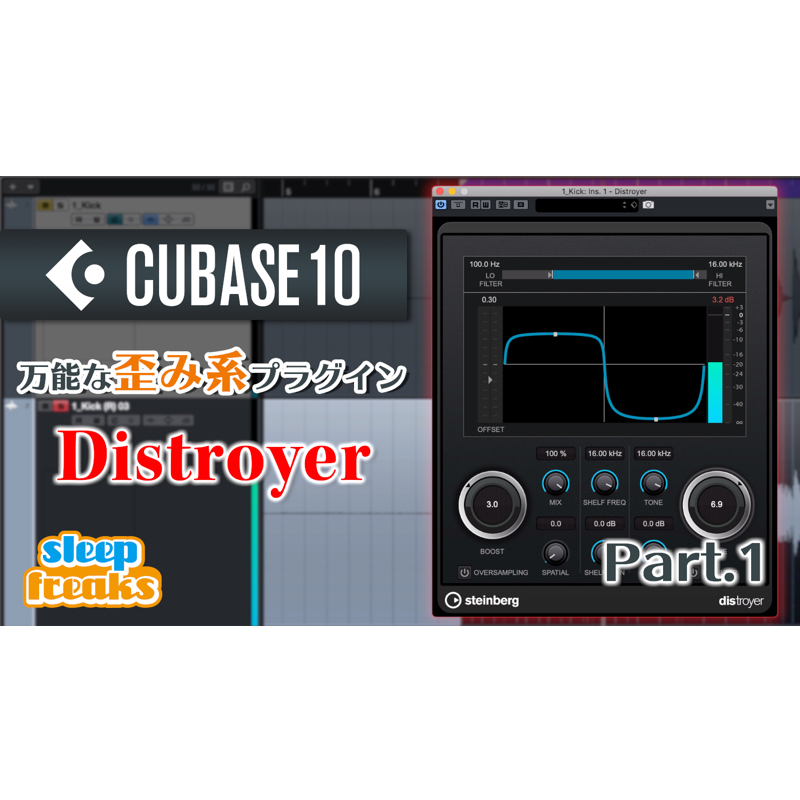
Distortion effects can dramatically change the character of a sound. They range from the bold distortion often heard on electric guitars to saturation, which can add thickness and impact. Saturation can be used on many kinds of tracks to add character and may increase perceived loudness, depending on the signal and settings. Choosing and adjusting distortion carefully can help shape the overall sound of a track.
Transform Your Sound with Distortion Effects
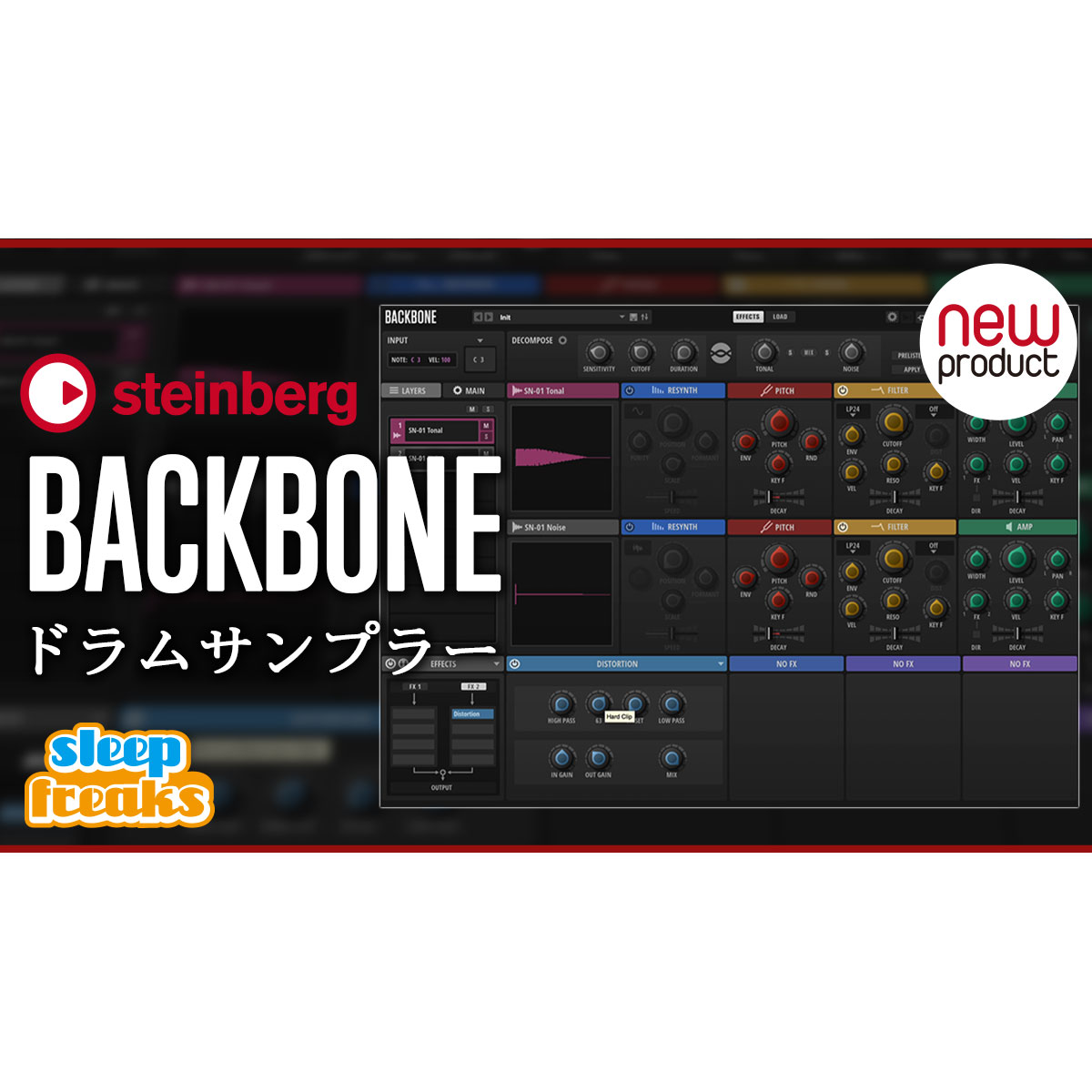
Here we explore distortion effects.
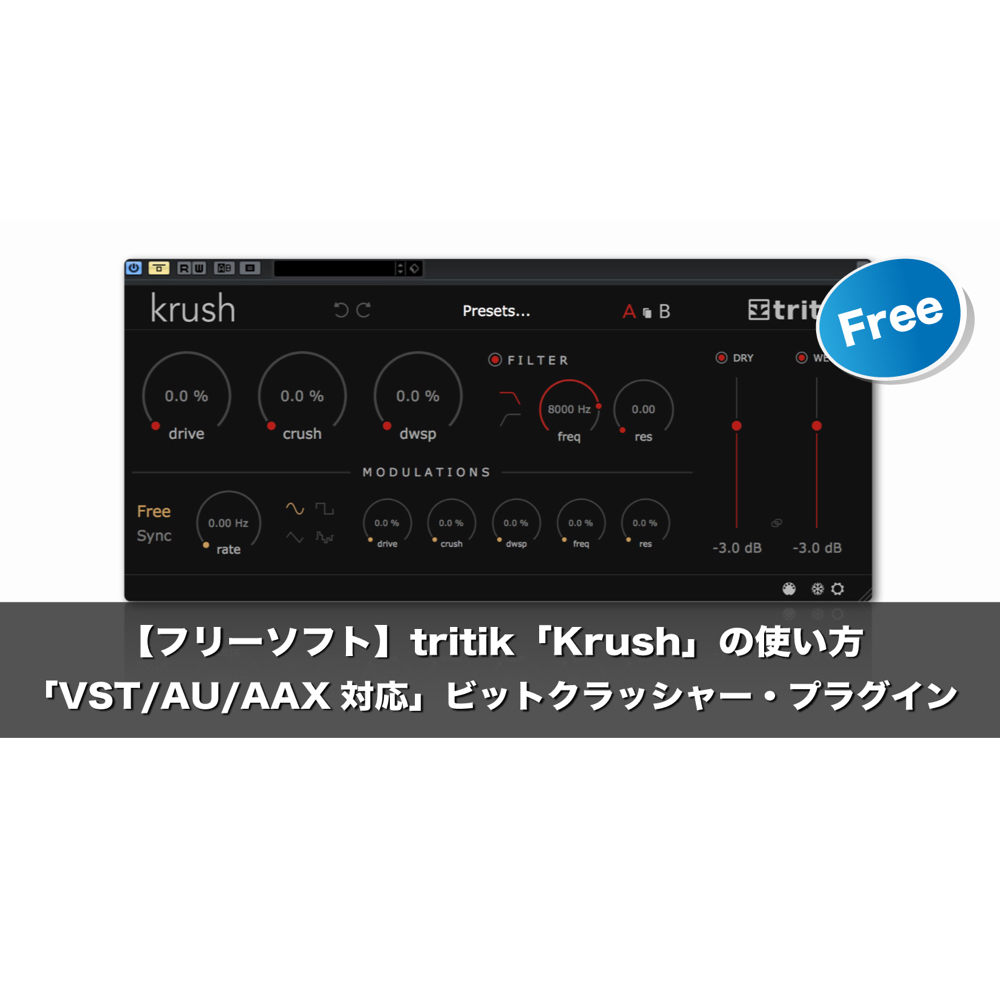
From the bold distortion used on electric guitar
to saturation, which can add subtle coloration, help even out levels and add impact,
these effects can be used musically in many situations.


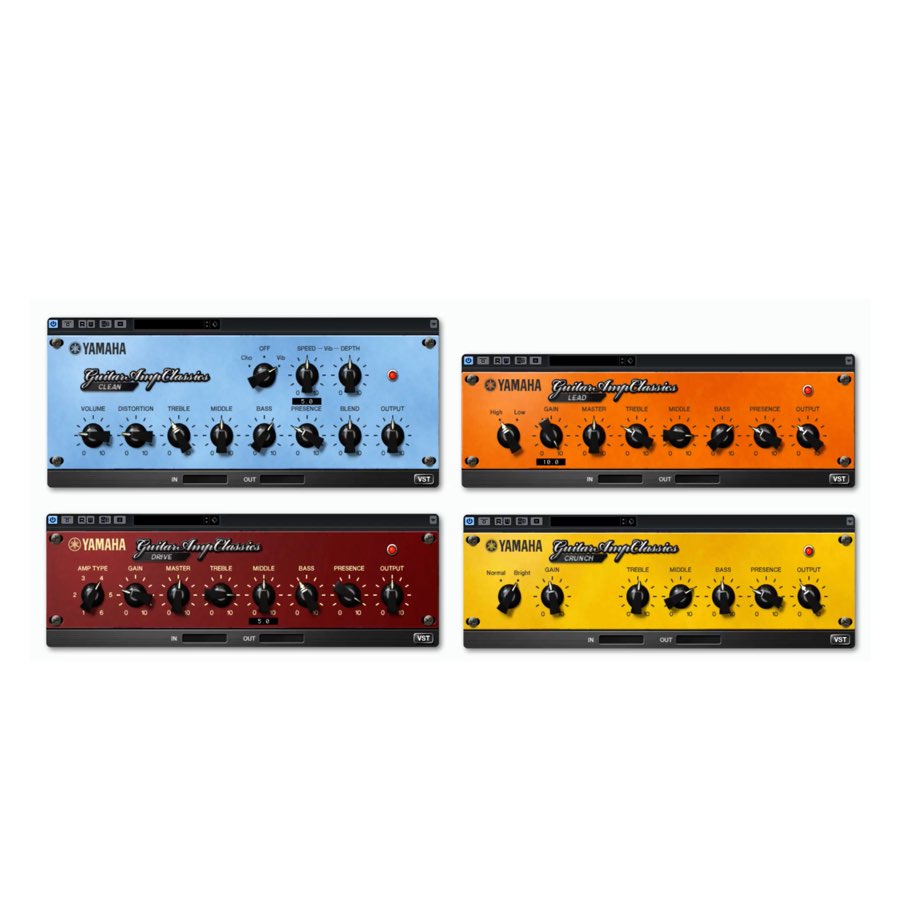
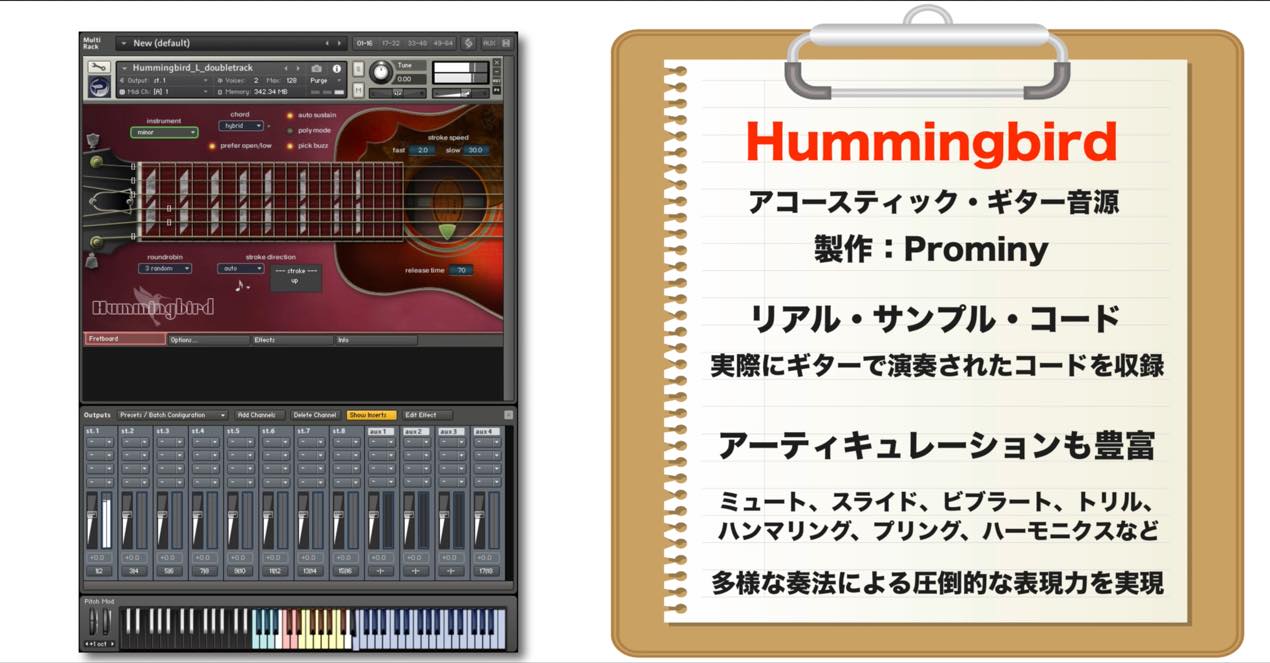
Guitar Amp

Distortion on guitar is one of the best-known examples of this effect.
It can produce an intensely distorted sound.
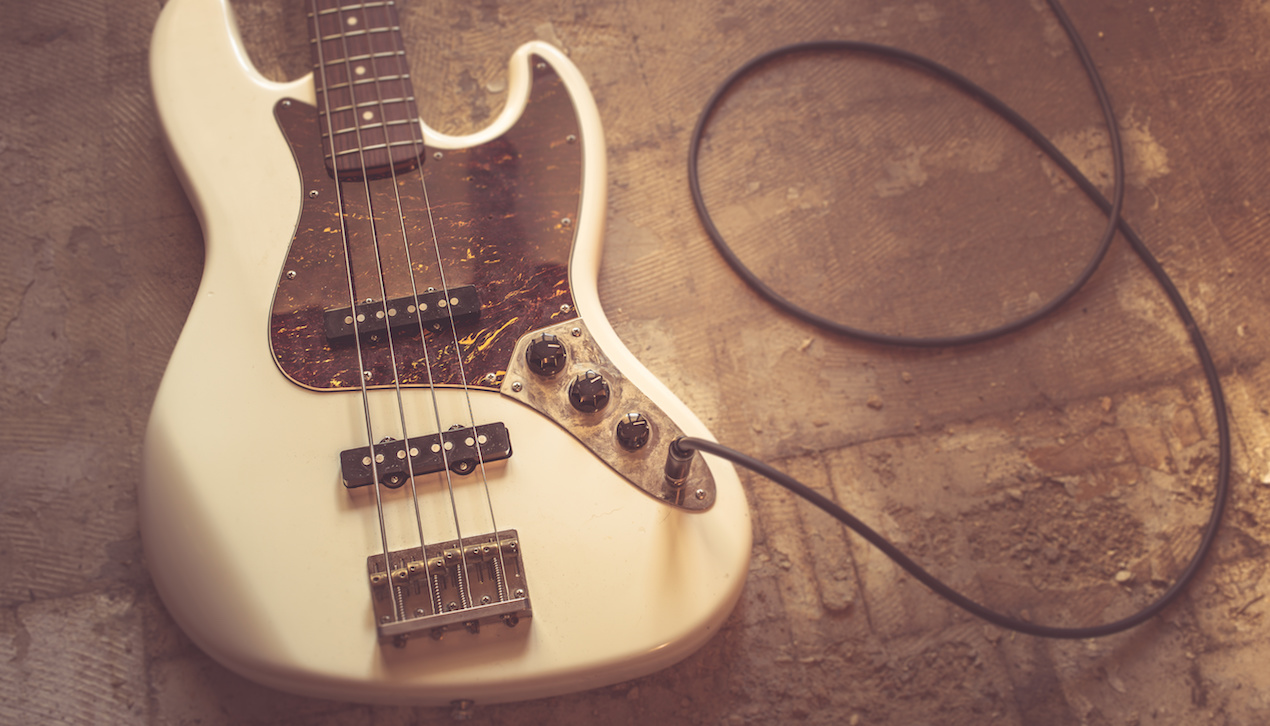
Try applying a guitar amp effect to bass or supporting rhythm parts for another creative option.
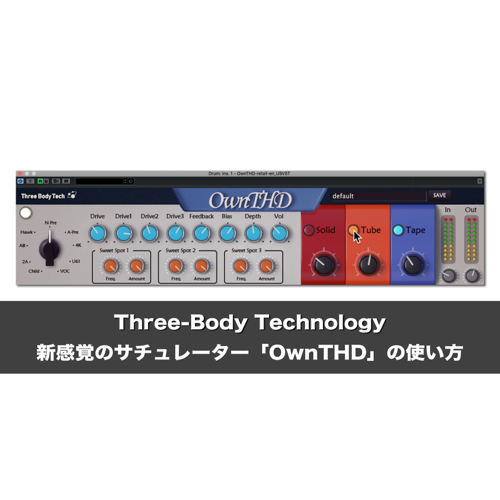
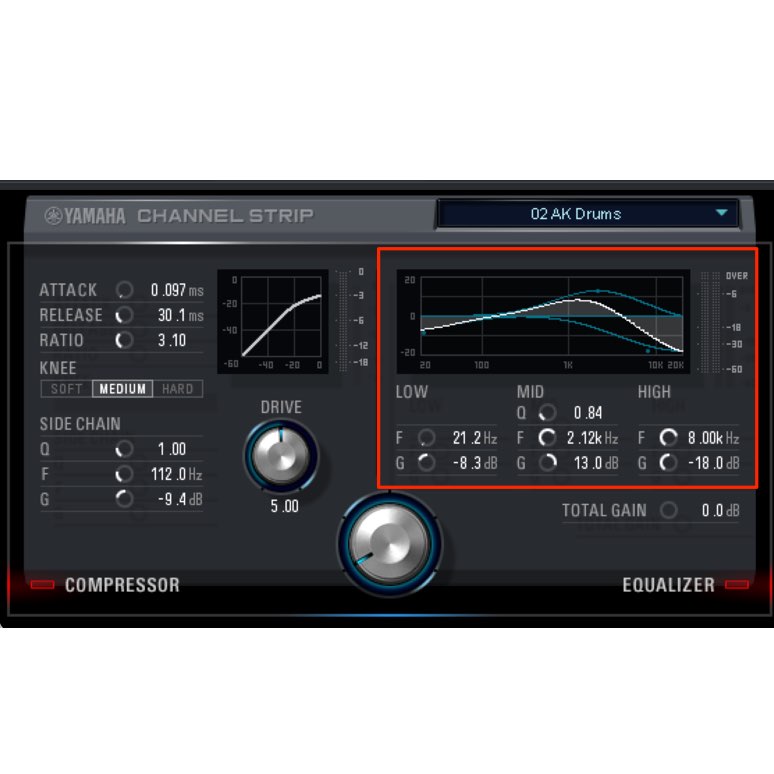
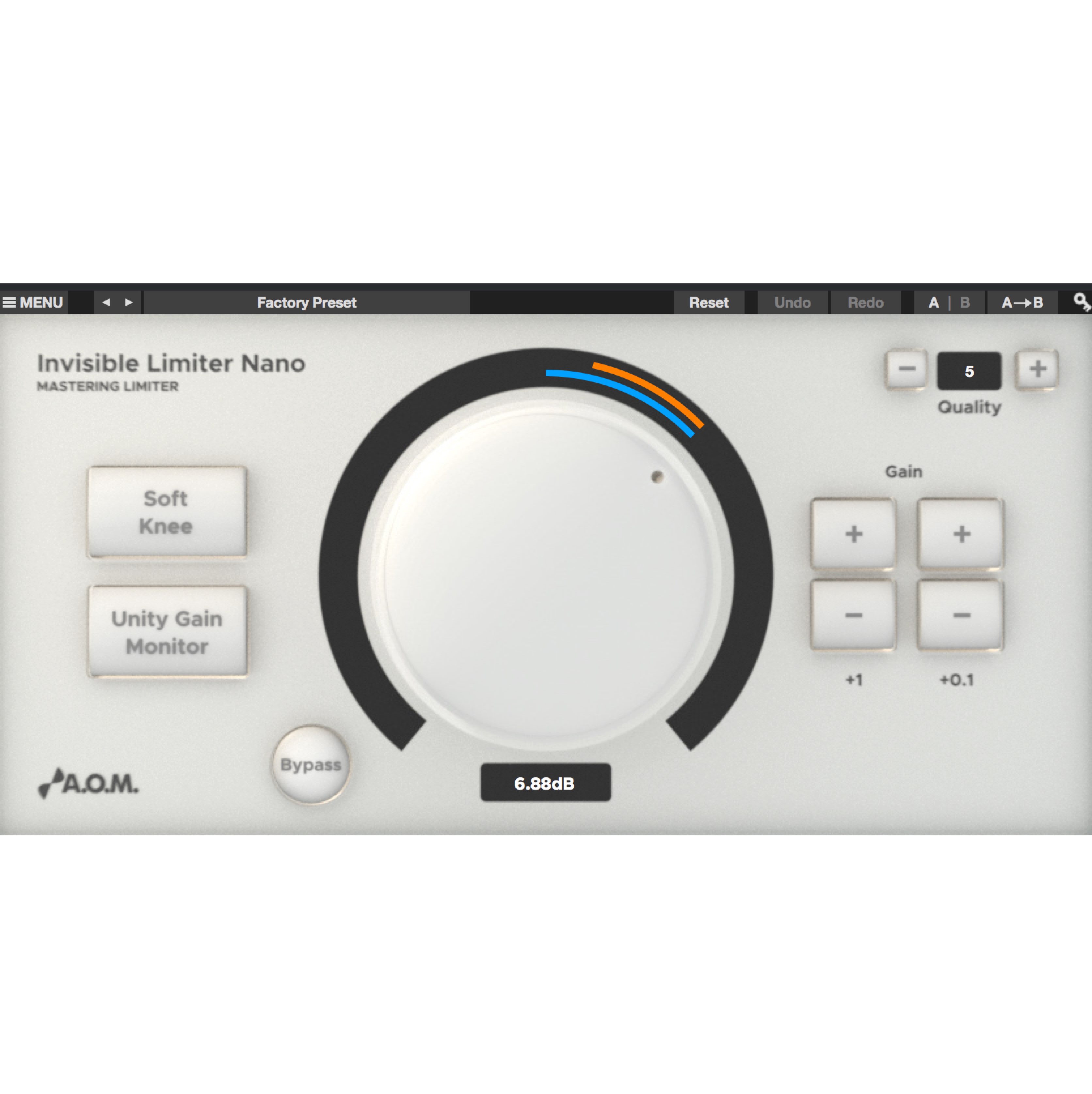
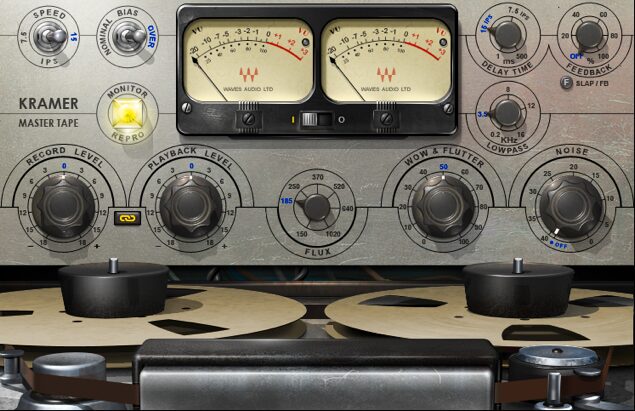
Saturation

Saturation adds a small amount of distortion to a sound,
which can make it feel thicker and give it character.
It is a versatile effect that can be used on many types of tracks when appropriate.
If your mix lacks perceived loudness, experiment with saturation and listen to how it changes the sound.
Frequently Asked Questions
Q1. When should I use distortion or saturation in music production?
Distortion can create an intense, pronounced sound on guitar or bass. Saturation can add subtle distortion and thickness, and can be useful on vocals, drums and other tracks. Choose the effect and amount for the sound you want.
Q2. How can distortion effects help when a mix lacks loudness?
The original article suggests trying light saturation on individual tracks to add thickness and potentially increase perceived loudness. Apply it selectively and compare levels: the outcome depends on the material, settings and overall mix, and adding it to every track is not always necessary.
Q3. Can a guitar amp simulator be used on bass?
Yes. You can try a guitar amp simulator on bass or supporting rhythm parts to create distinctive distortion and add thickness and character to a track.
NEW ARTICLES
Latest English Articles