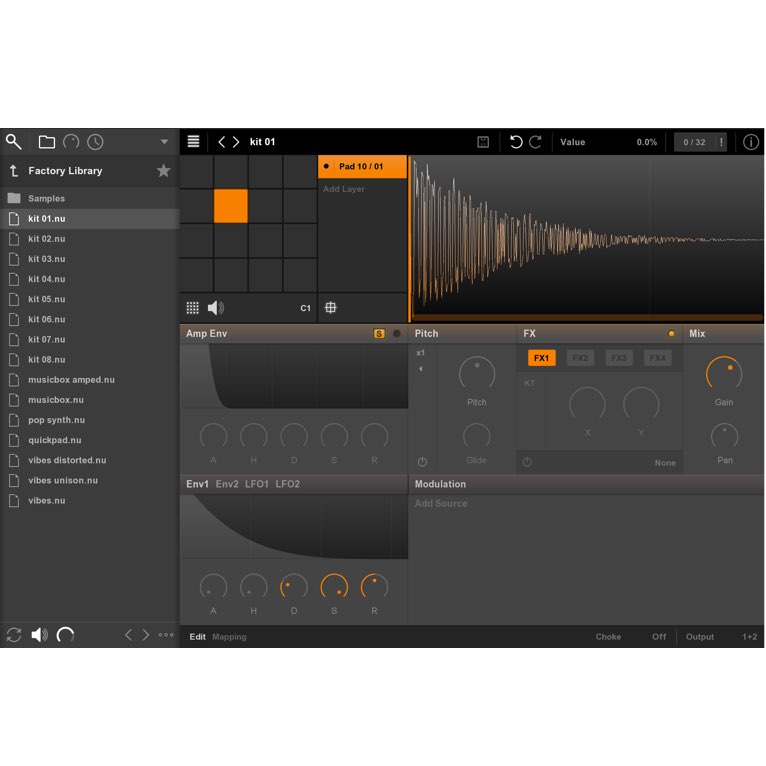
Native Instruments Battery 4 is a drum instrument used by producers around the world. This guide covers practical features, including loading kits and samples from its extensive sound library, creating and saving custom kits, understanding and editing cells, and setting up MIDI mapping. Its intuitive interface lets beginners and experienced users customize drum sounds for their own productions.
Battery 4: A Customizable Drum Workstation

Native Instruments’ established drum instrument Battery 4 combines an intuitive interface with an extensive library and has been popular with users around the world since its release.
In this article, we explain Battery 4’s features and how to use them.
Battery Video: Loading and Saving Kits and Samples
Selected Questions and Answers from the YouTube Video

I am a complete beginner and am thinking of buying it. Can I put sounds I like from it into another sampler, the SPD-SX?

We suggest rendering the Battery sounds to audio in your DAW and then importing them.
I always enjoy watching your videos.
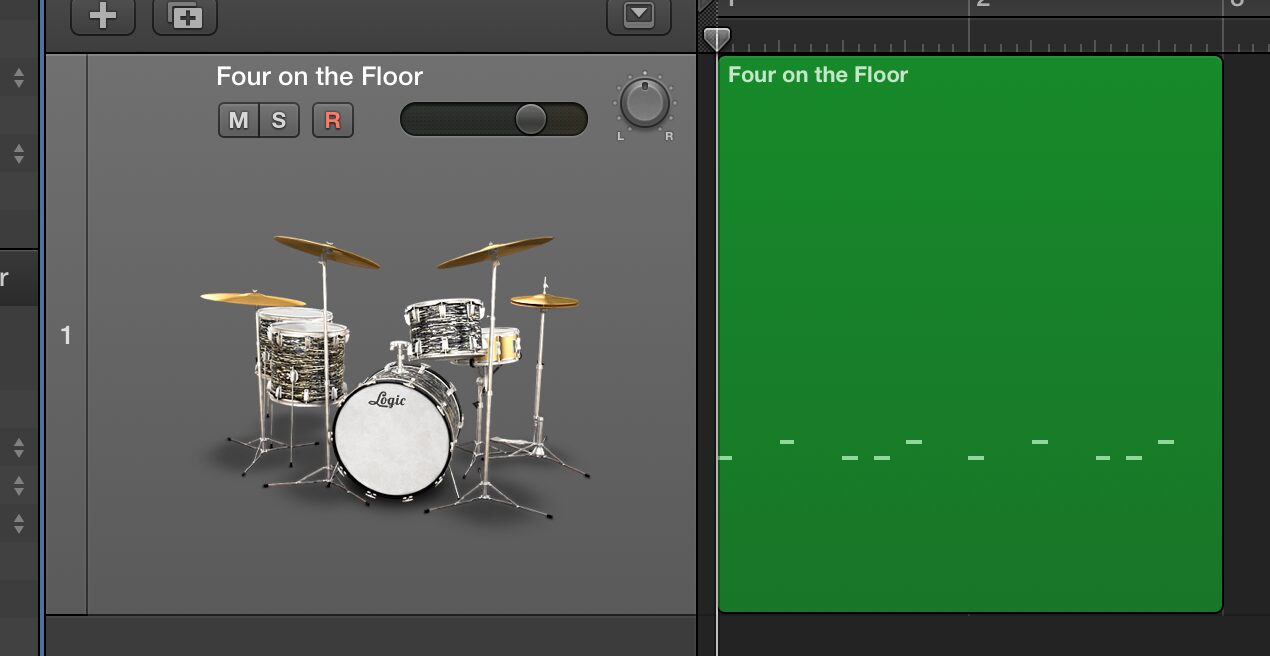
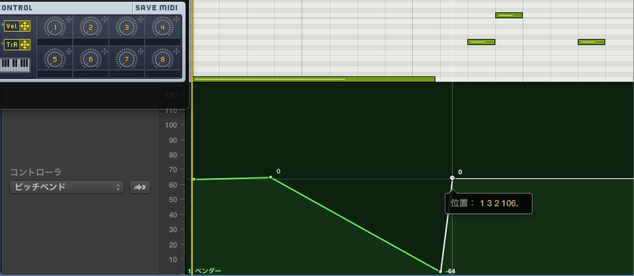
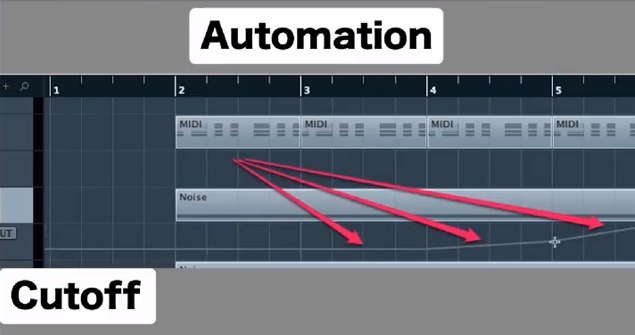
Try pressing the R button and moving the knob during playback to write automation. Then click the automation lane name, which defaults to Volume. You should see “Battery 4 - tune*” with an asterisk. Select it to draw the automation on screen as well.
Sound Library
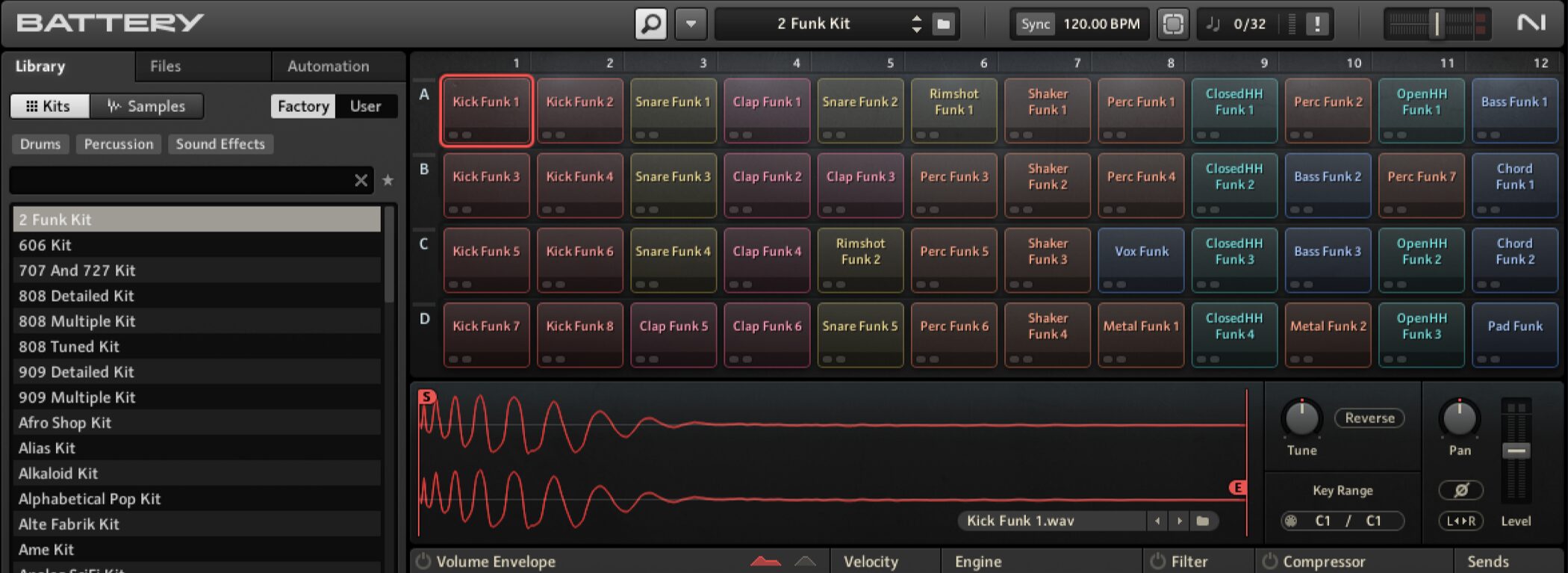
The library of sounds has a major impact on how easy software is to use.
Battery 4’s sound library is clearly organized, making it intuitive to find and audition sounds.
Loading Kits
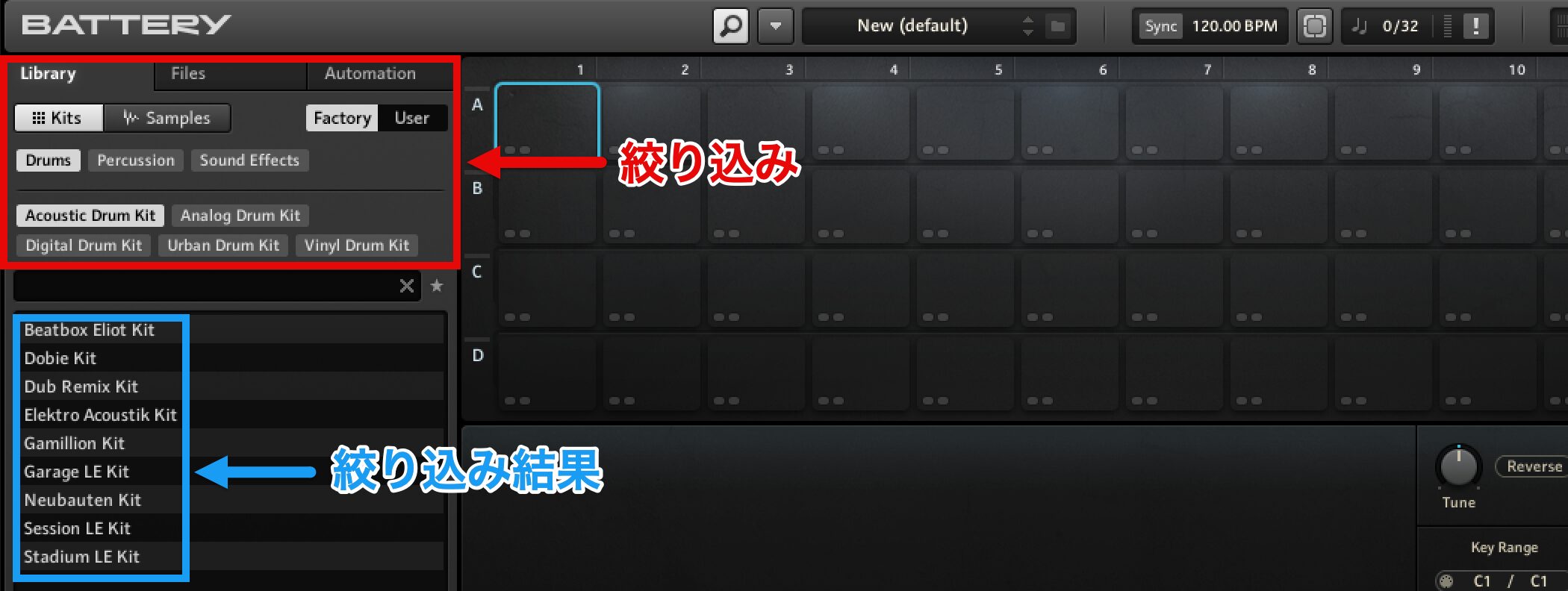
Select the Library tab and choose the type of sound you want.
Here we narrow the choices to Kits → Drums → Acoustic.
The matching kits appear below.
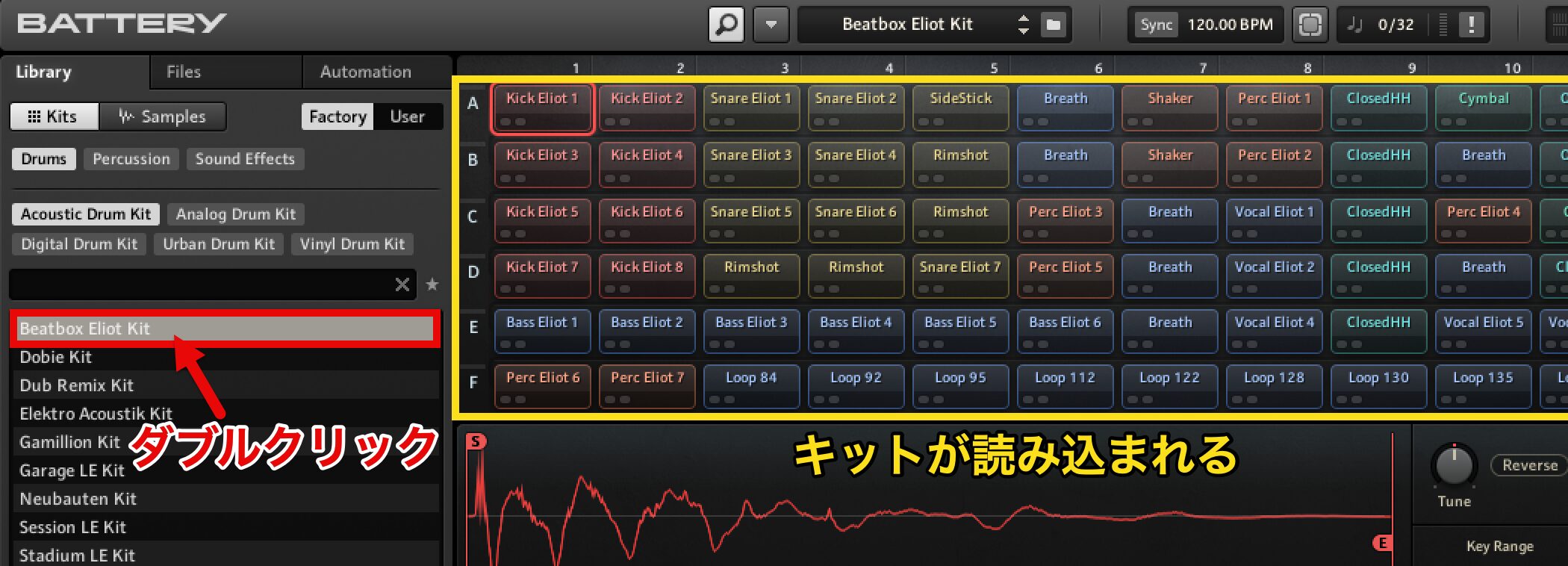
Double-click a kit to load it.
Loading Samples
You can load kicks, snares, cymbals and other samples individually.
For example, you could replace only the snare in the kit loaded above.
Combine sounds to create your own custom kit!
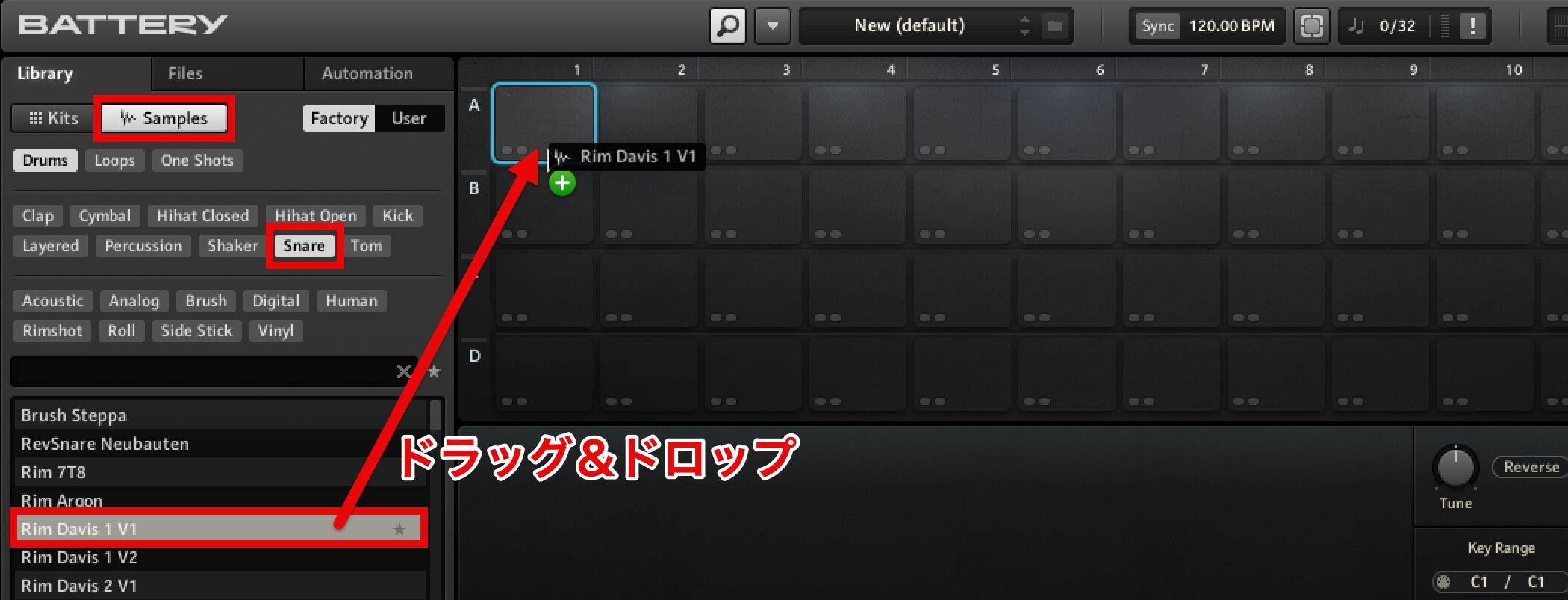
Select the Sample tab and specify a sound to display the search results.
You can load one by dragging and dropping it onto the desired cell.
Auditioning Samples
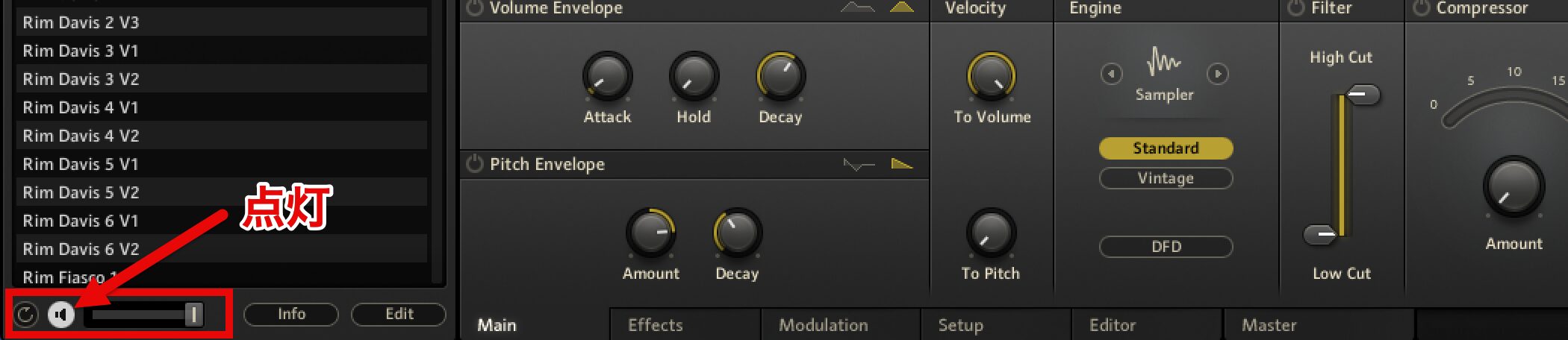
Audition settings are at the bottom left of the interface.
Turn on the speaker icon in the center of the image to play the selected sample.
The slider on the right adjusts the audition volume.
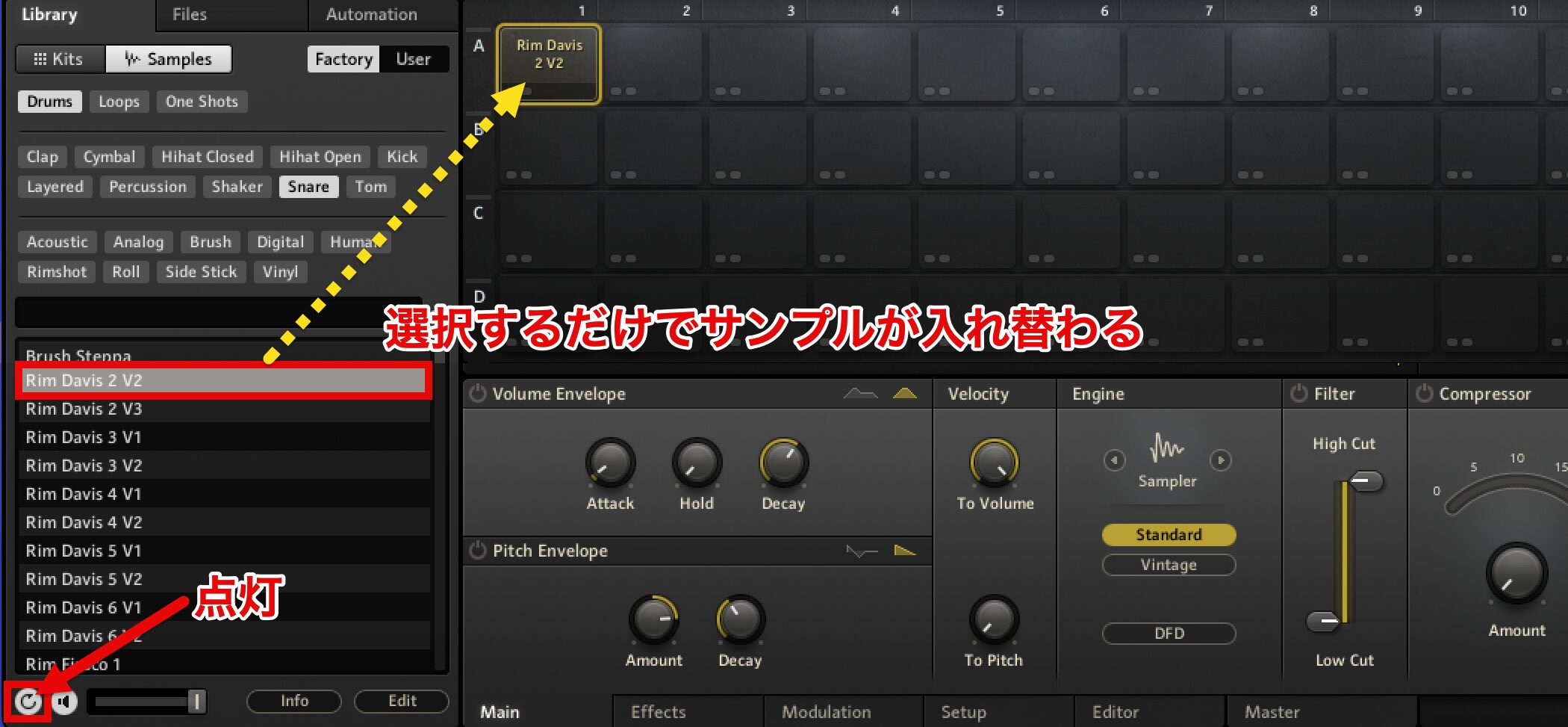
Turn on the refresh icon on the left to replace the cell’s sound simply by selecting a sample.
Saving a Custom Kit
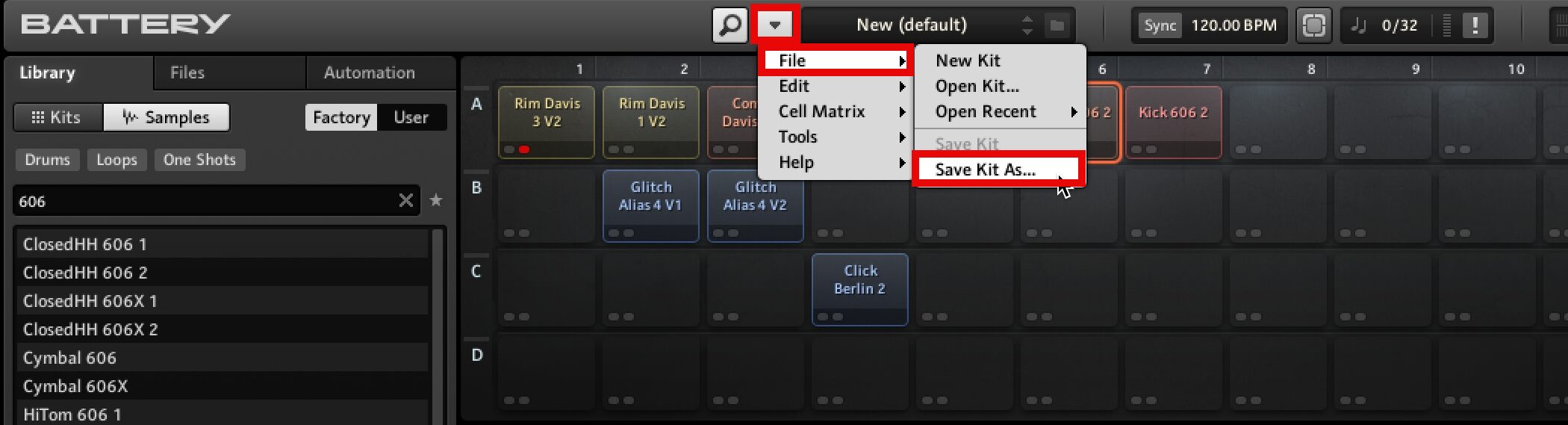
Once you have created a custom kit, you can save it.
Click the area outlined in red in the image (the ▼ icon), then select File → Save Kit As.
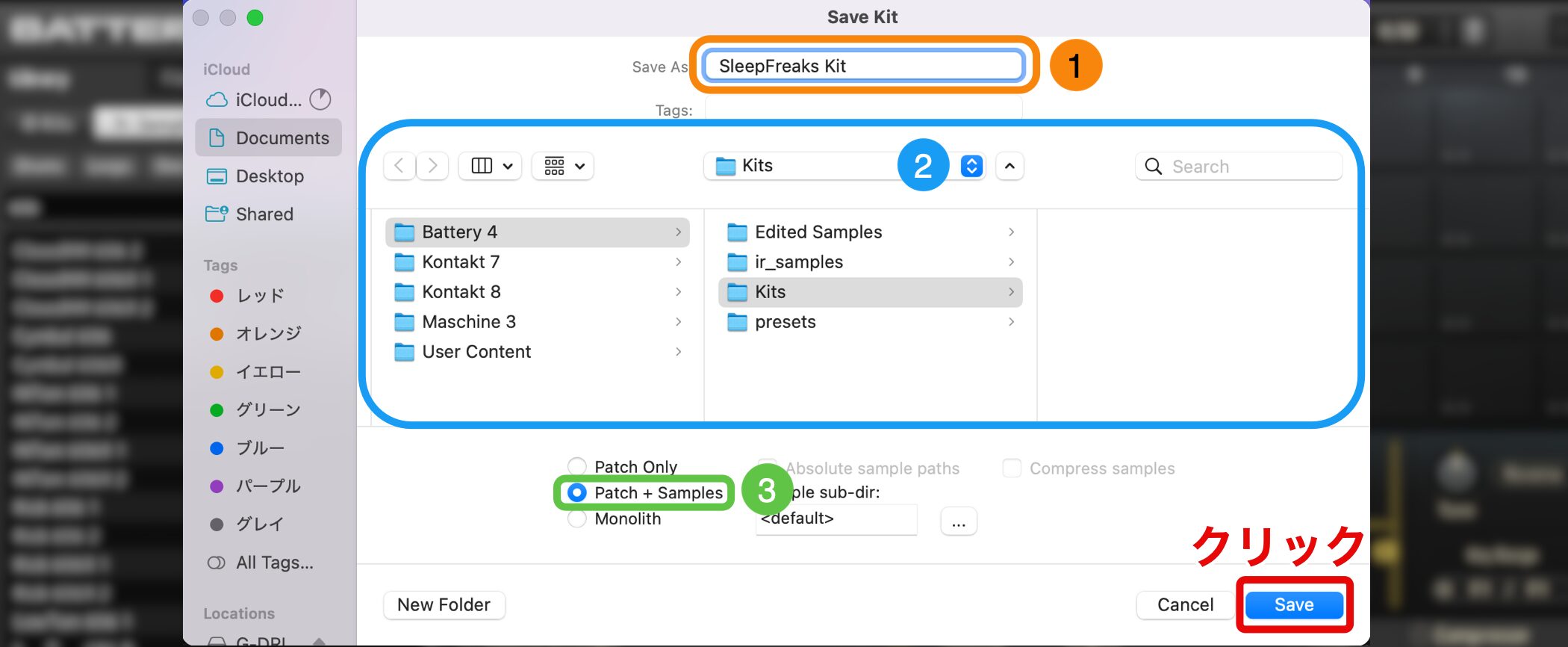
- 1. Enter a kit name.
- 2. Create an empty folder wherever you like and select it.
- 3. This mode also saves the sounds with the kit.
Then click Save.
Registering and Loading a Custom Kit
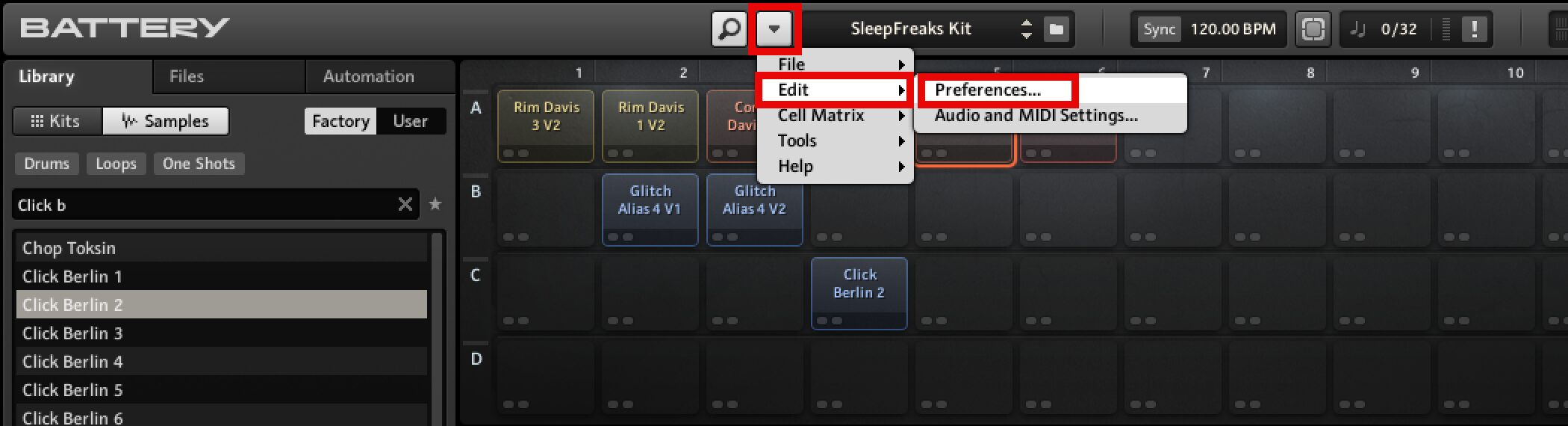
To load your custom kit quickly, click the area outlined in red (the ▼ icon) and select Edit → Preferences.
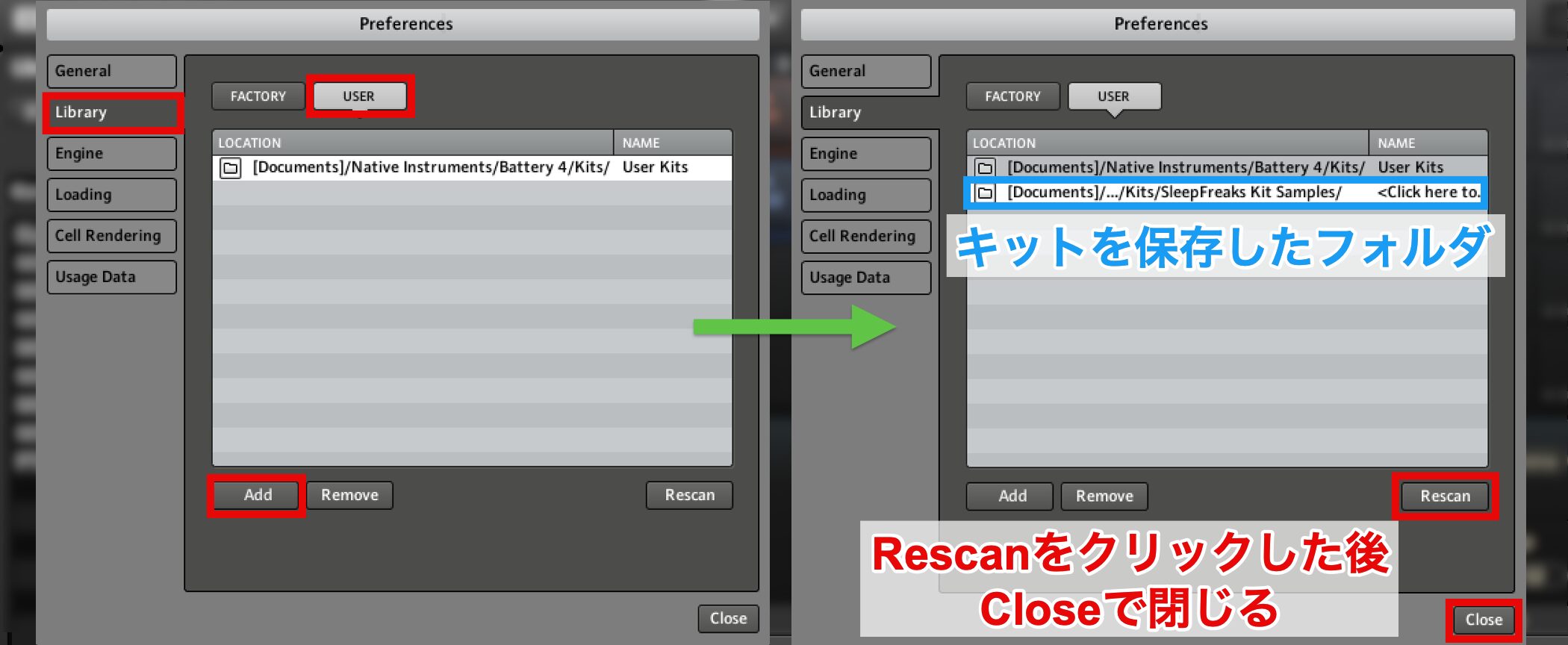
- Select the Library tab.
- Select the User tab.
- Choose Add and specify the folder in which you saved the kit.
Click Rescan to load the samples, then click Close.
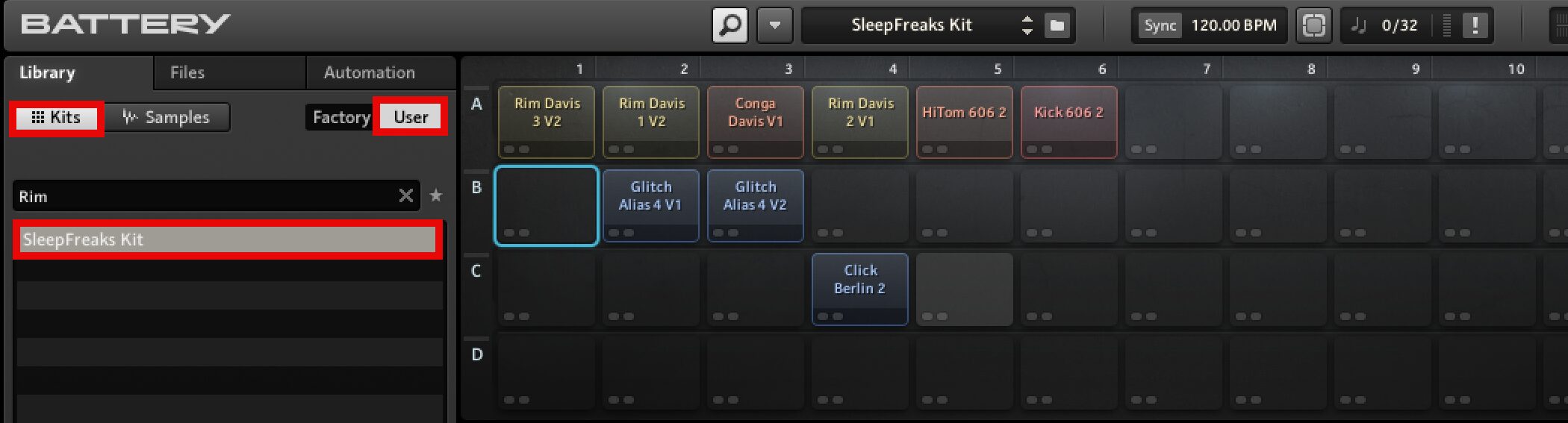
After this setup, kits saved in that folder appear under Kits → User.
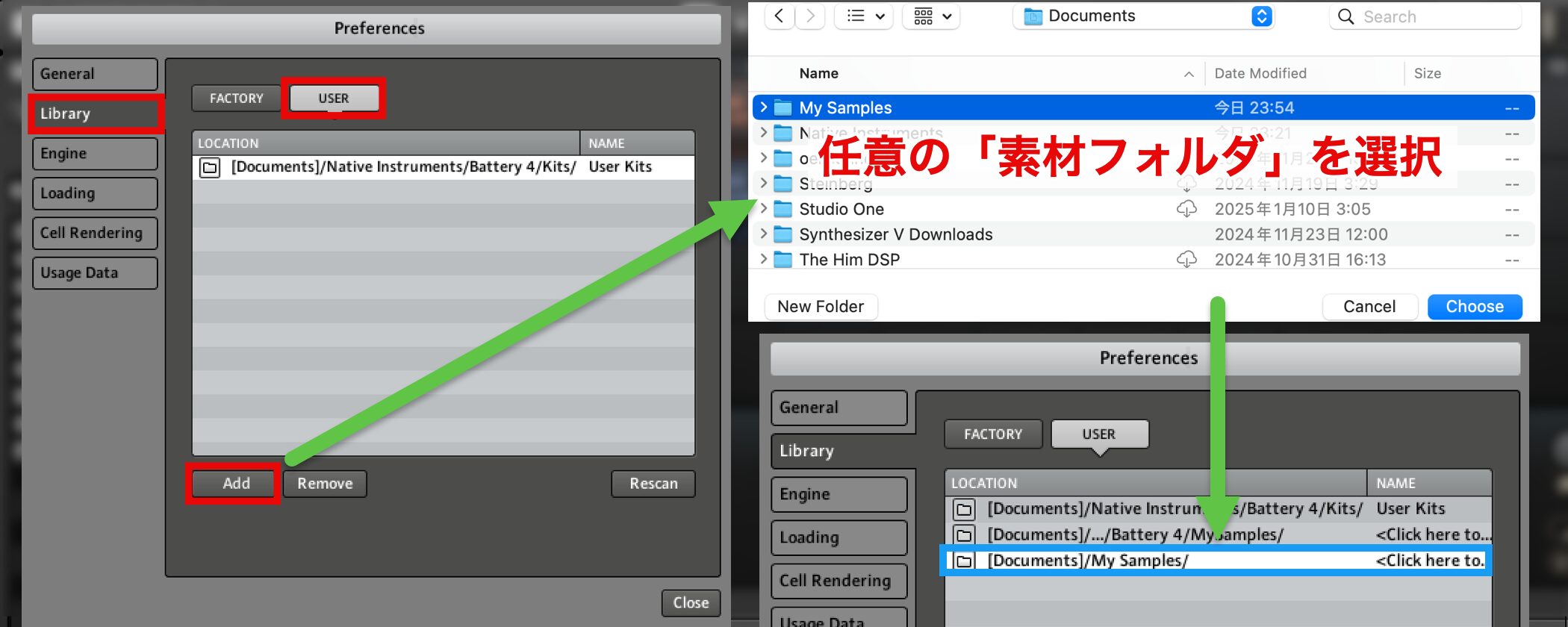
You can register folders containing separately downloaded or purchased sample packs and loops in the same way, making individual sounds quickly accessible under Samples → User.
Cells: An Essential Battery 4 Concept
Next, we will explain cells, which let you play the sounds in a loaded kit.
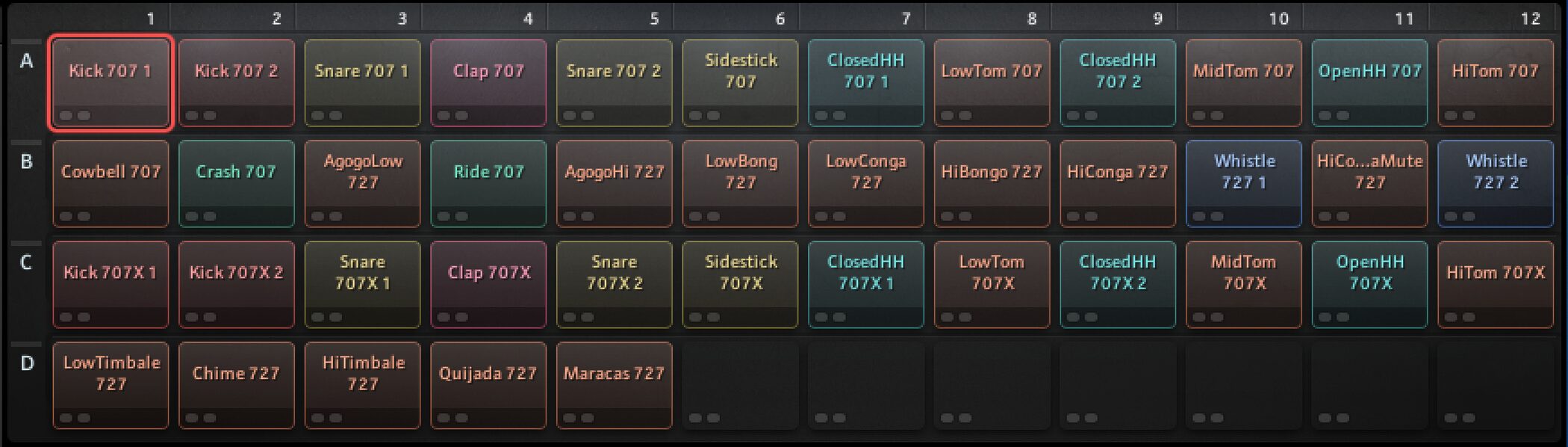
In Battery 4, the container holding each sample is called a cell.
Understanding how cells work is a shortcut to mastering the software.
Battery Video: Editing Cells
Cell Editing
Here are the cell-editing operations you should know.
Moving or Swapping Cells
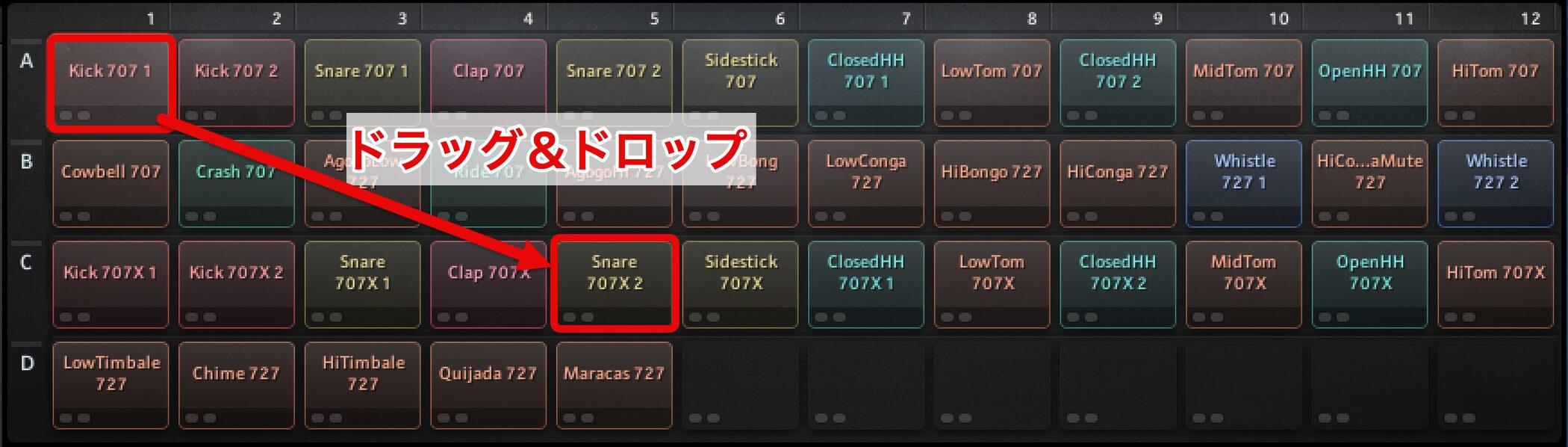
Drag and drop a cell to swap its position.
Duplicating Cells
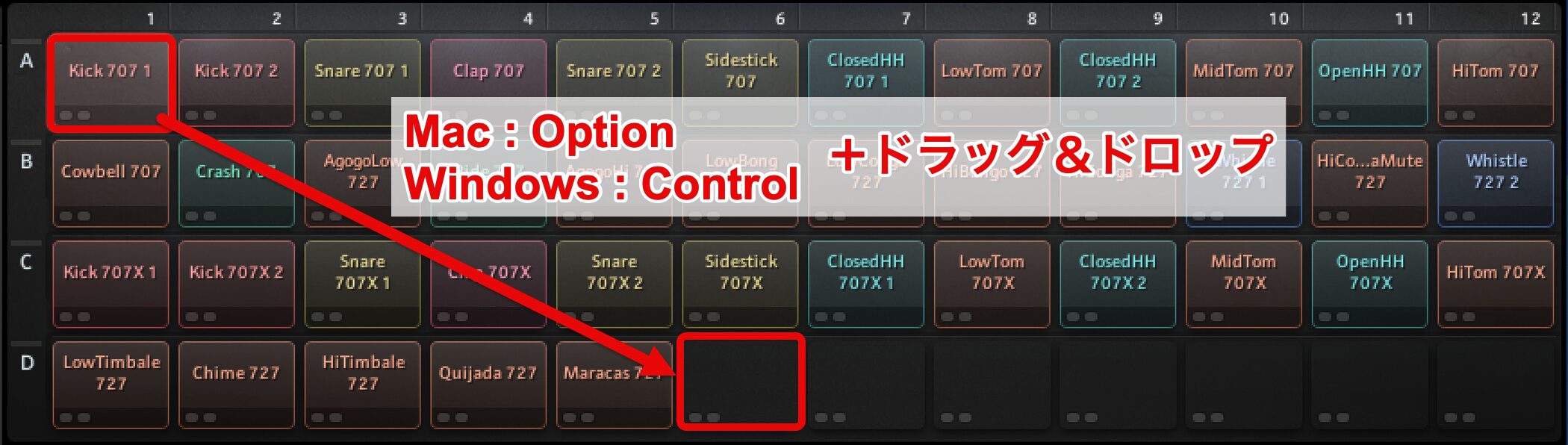
You can duplicate a cell with all of its contents.
Mac: Option
Windows: Control
Hold the appropriate key and drag the cell to its destination.
Deleting Cells
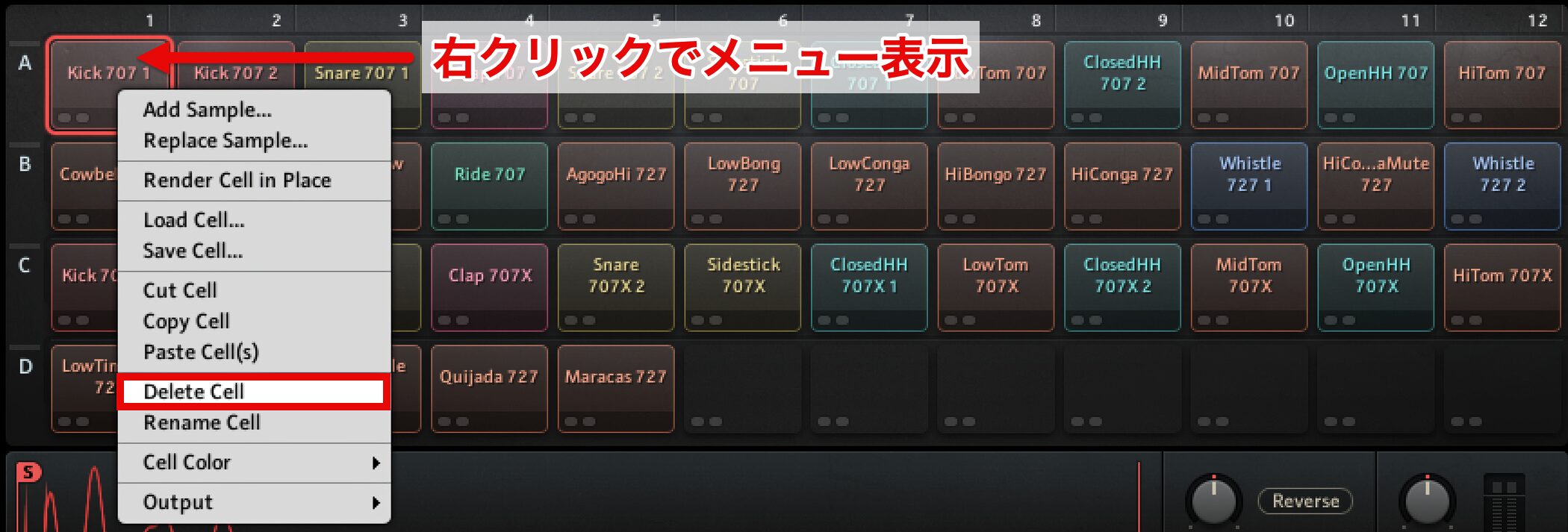
Delete unnecessary cells to free up space.
Right-click the cell and select Delete Cell from the menu.
Muting and Soloing Cells
You can silence or solo individual cells.
For example, play only the snare, or mute the hi-hat to check the other cells.
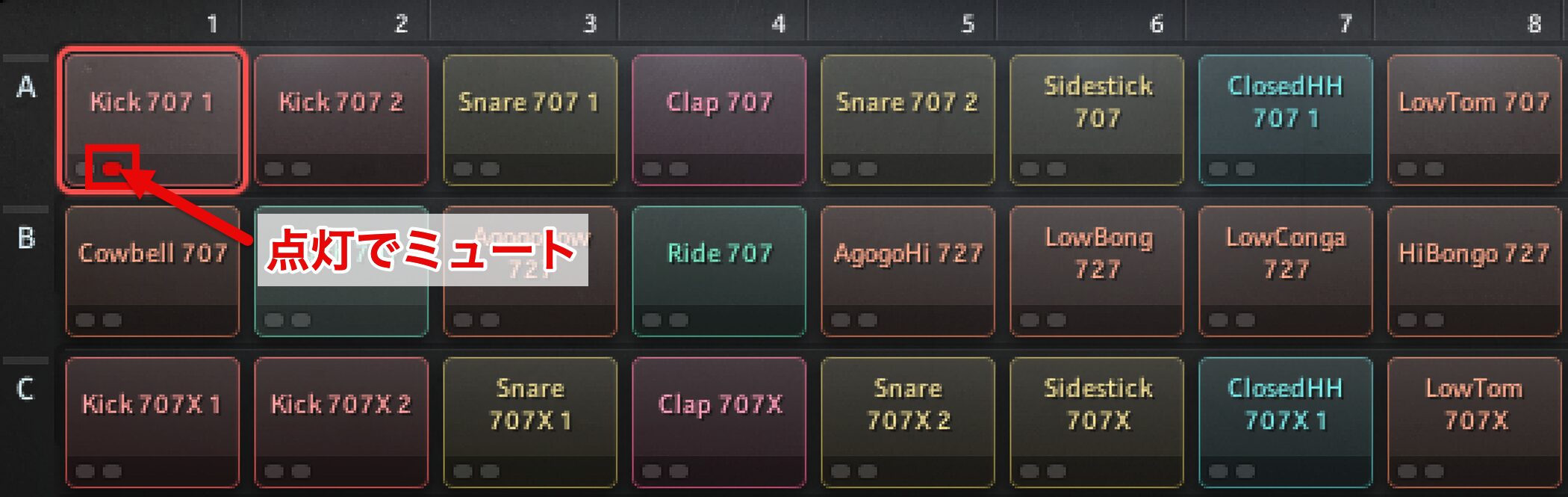
Turn on the control outlined in red to mute the cell.
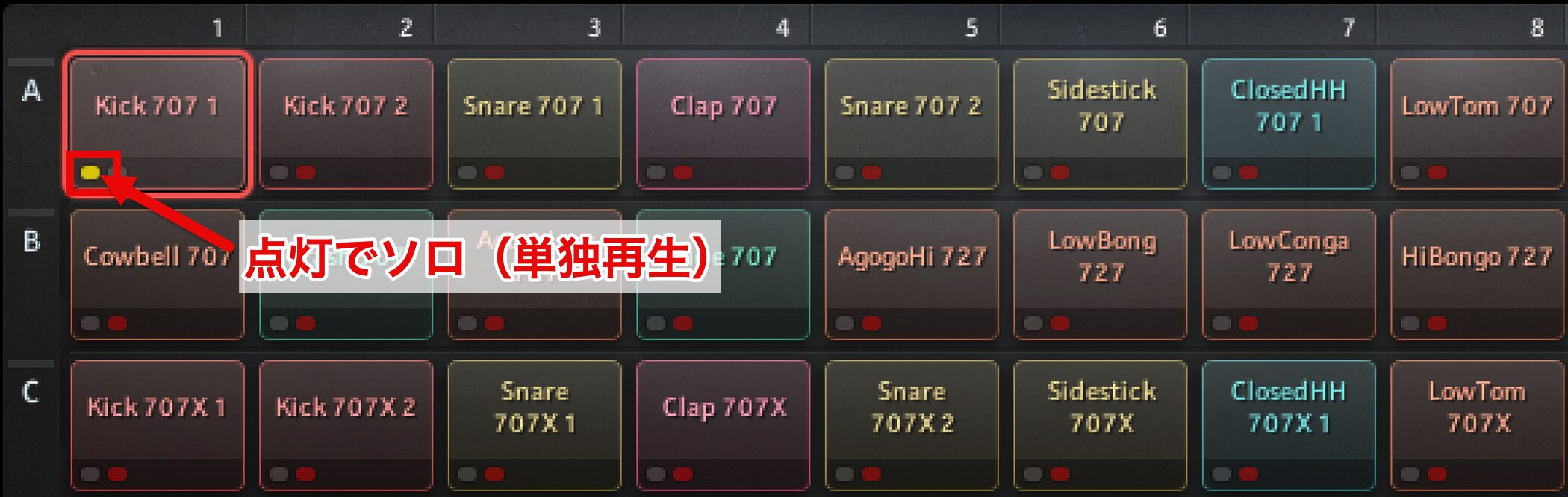
Turn on the control outlined in red to solo the cell and mute the others.
Adding or Removing Cell Rows and Columns
You can add empty rows or columns of cells.
This gives you room for additional kit sounds.
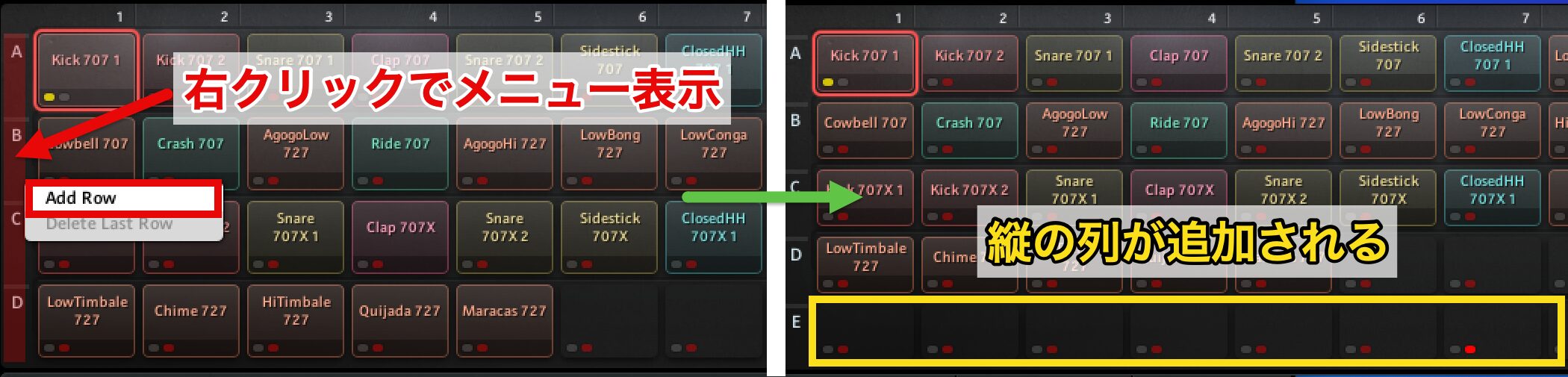
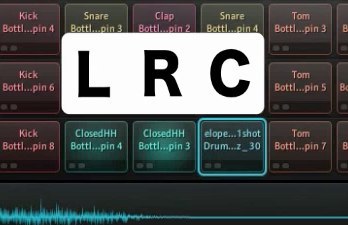
To add a vertical row, right-click the A, B, C, D labels and select Add Row.
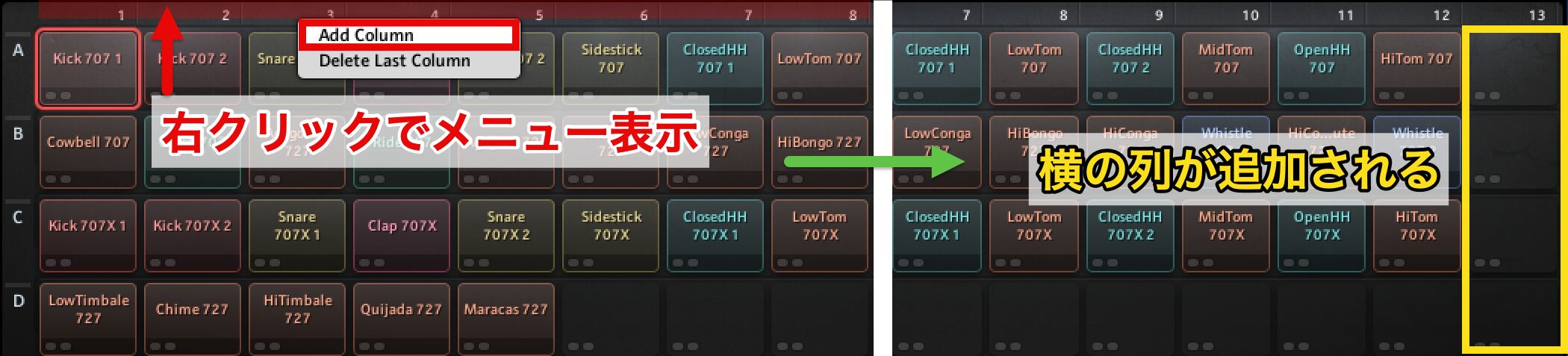
To add a horizontal column, right-click the 1, 2, 3, 4 labels and select Add Column.
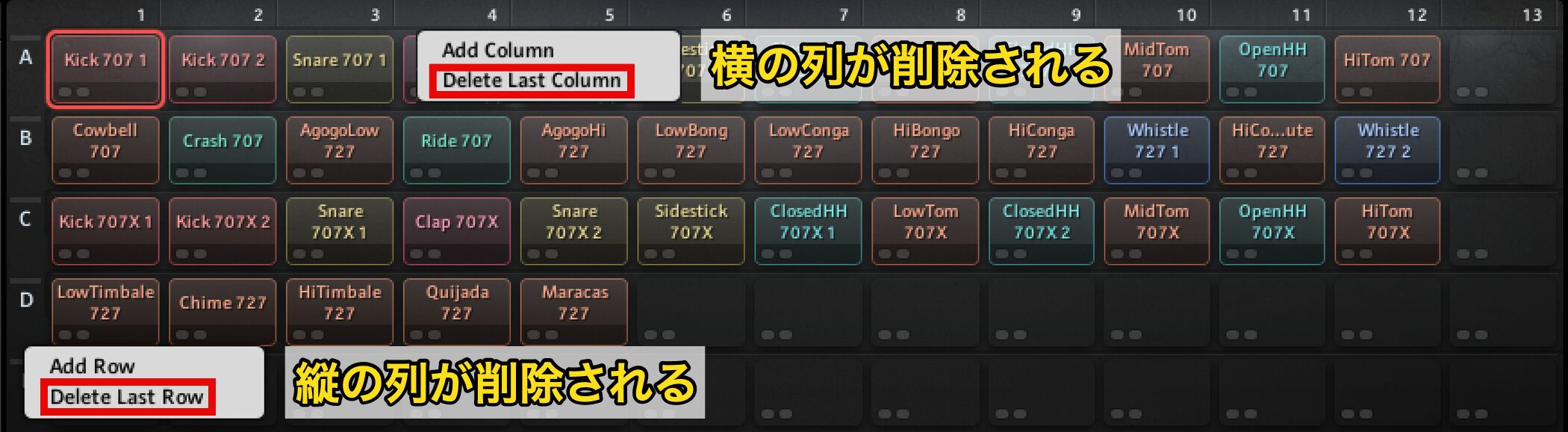
To remove cells, use the same menu and select Delete Last Row or Delete Last Column.
Checking Cell Mapping
With so many cells, it can be difficult to tell which key plays which cell.
You can check this easily.
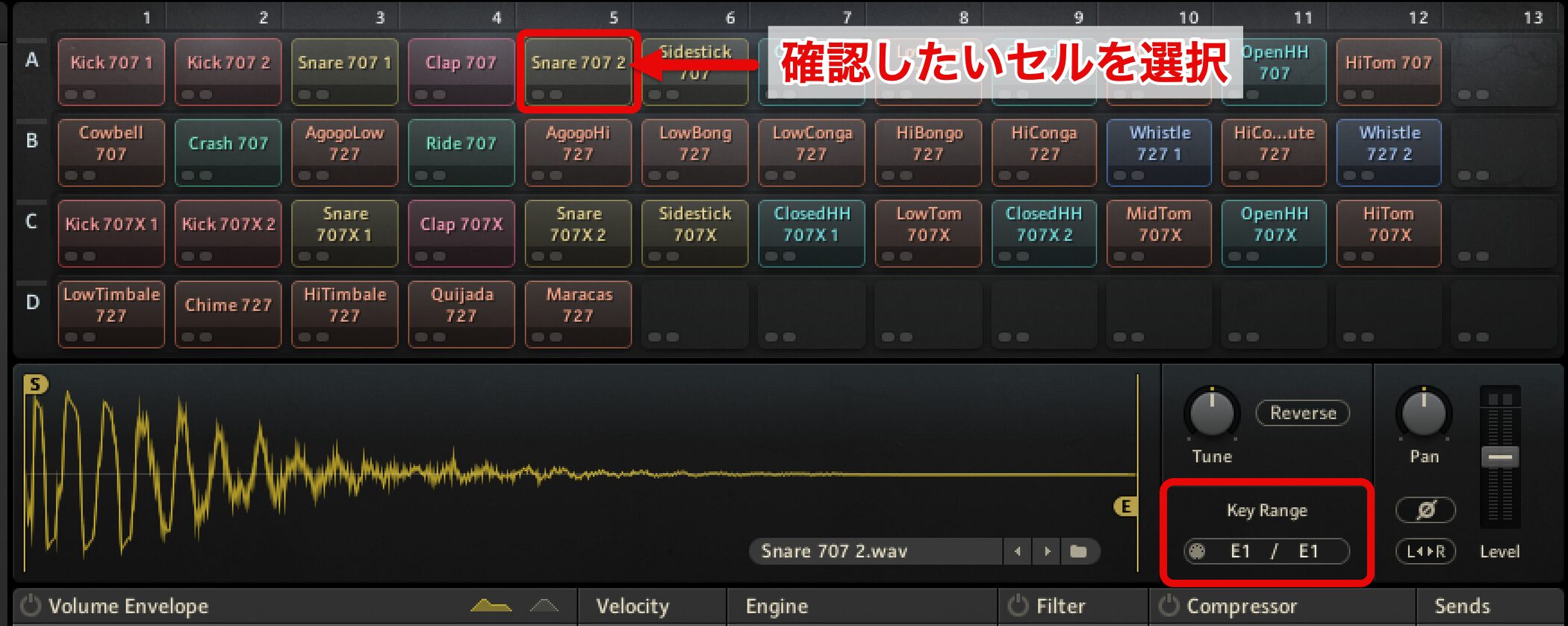
Select a cell and look at its Key Range.
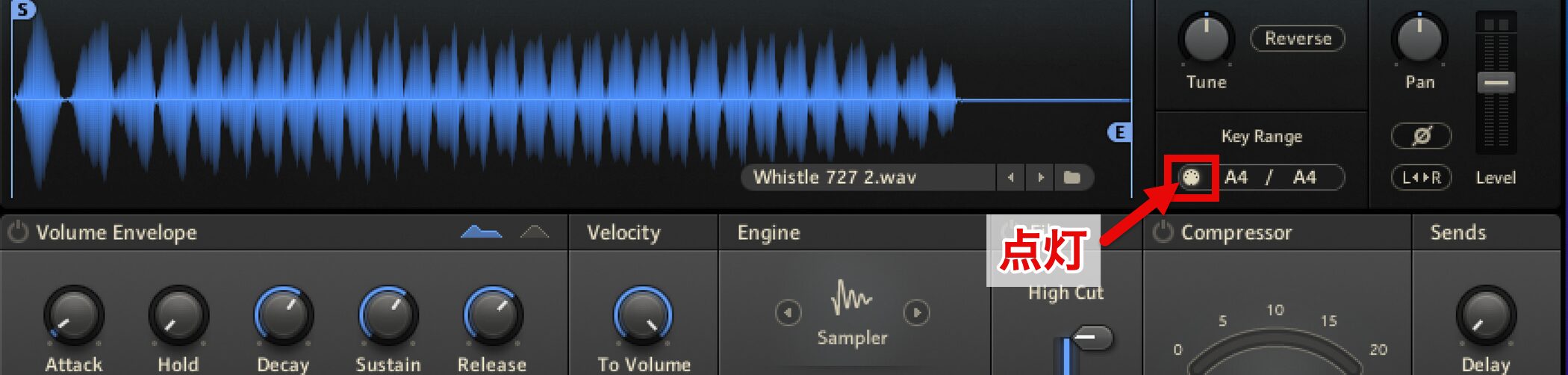
You can also enable MIDI Learn, outlined in red, and press the desired MIDI keyboard note twice to associate that key with the cell.
Route Cells to Separate Outputs for Different Processing
Next we will cover separate outputs.
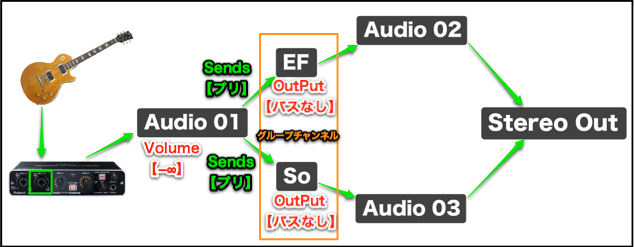
Using separate outputs lets you adjust each kit sound assigned to a cell in your DAW, including its volume, pan, effects and sends.
Battery Video: Separate Outputs and Effects
Setting Up Separate Outputs
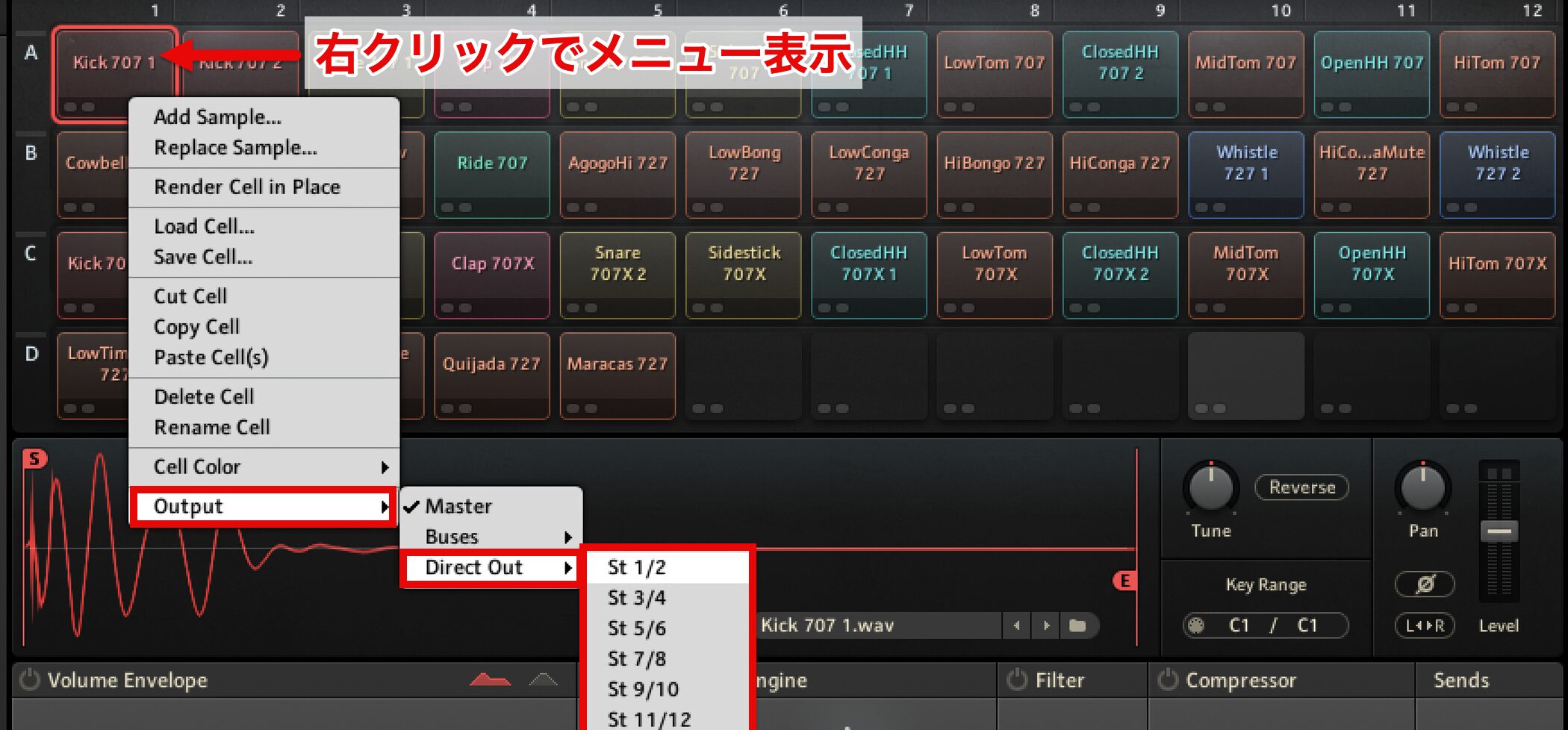
Right-click the kit sound you want to route to a separate output.
From the menu select Output → Direct Out → the desired channel (use a different channel for each kit sound).
Battery is now ready.
Next, set up separate outputs in your DAW.
Separate Output Setup for Each DAW

 Logic
 Cubase
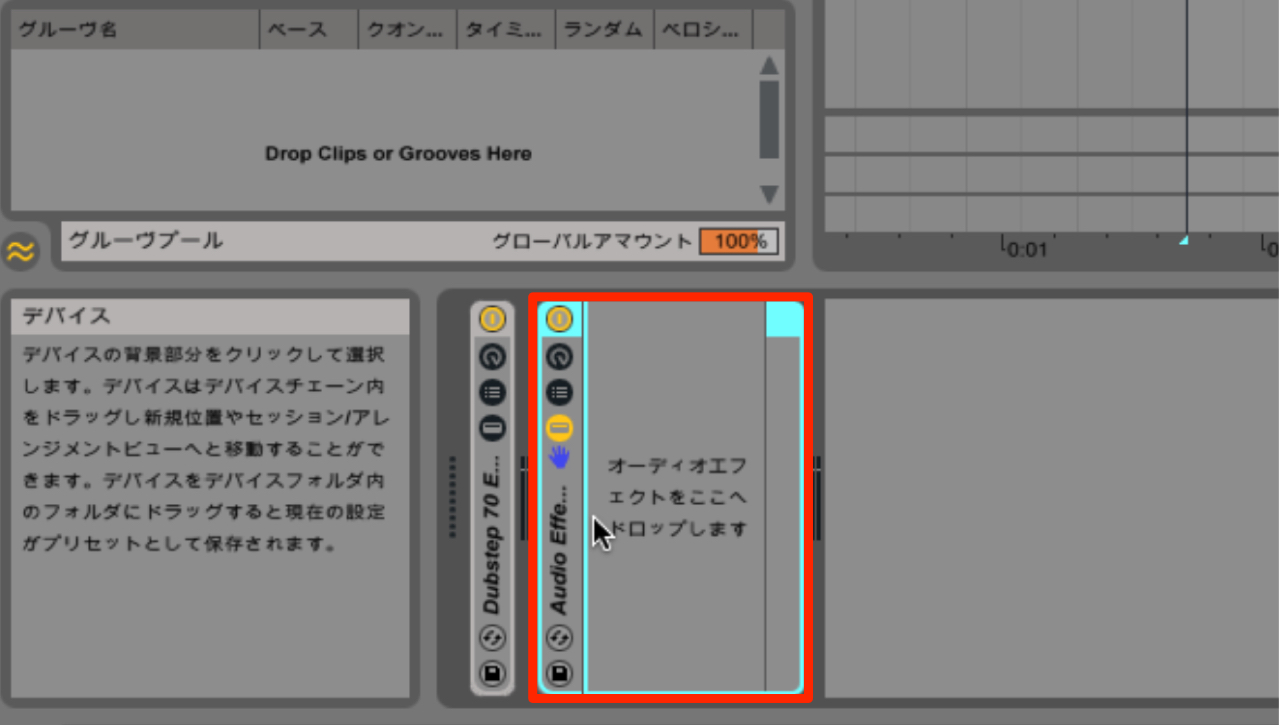
 Ableton Live
 Studio One
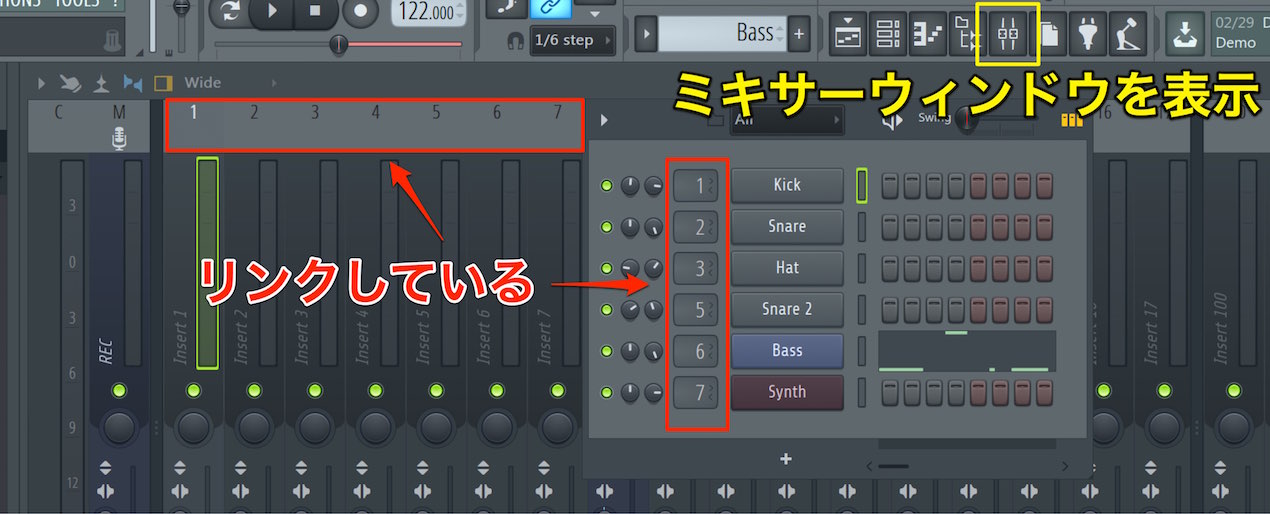
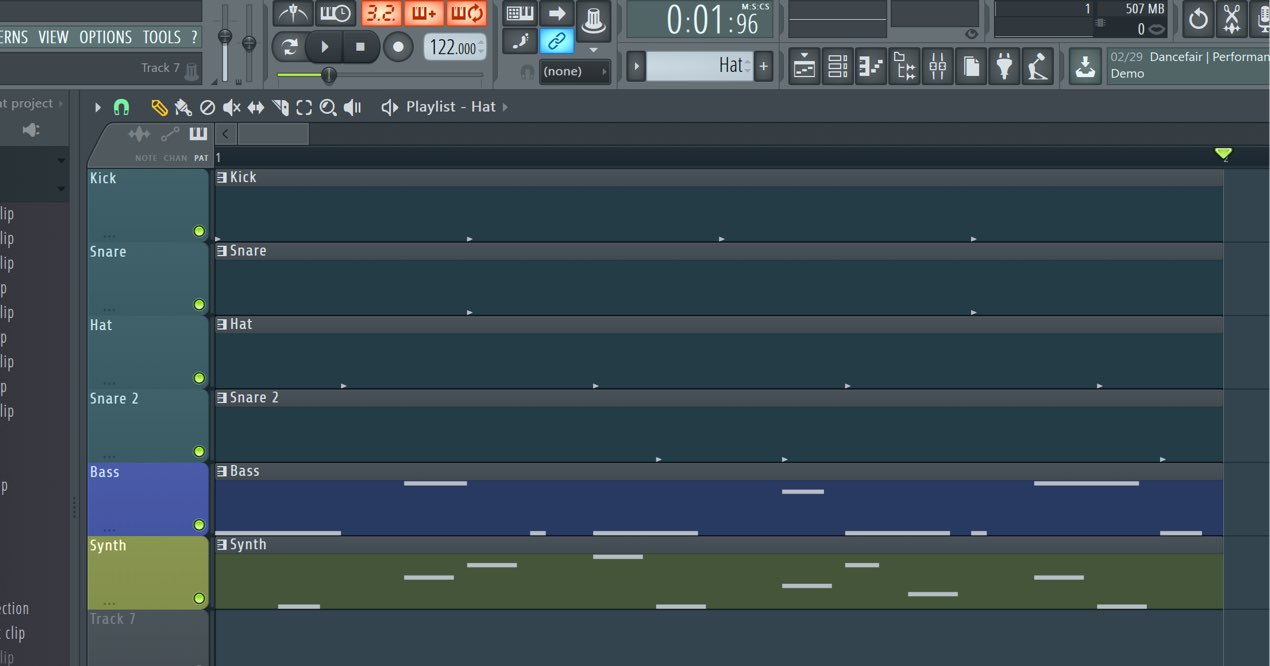
 FL Studio
Expand Your Options by Editing Cells
Now let’s look at more ways to edit cells.
These techniques offer ideas for developing beats, so experiment with them!
Battery Video: Cell Techniques
Reversing Samples
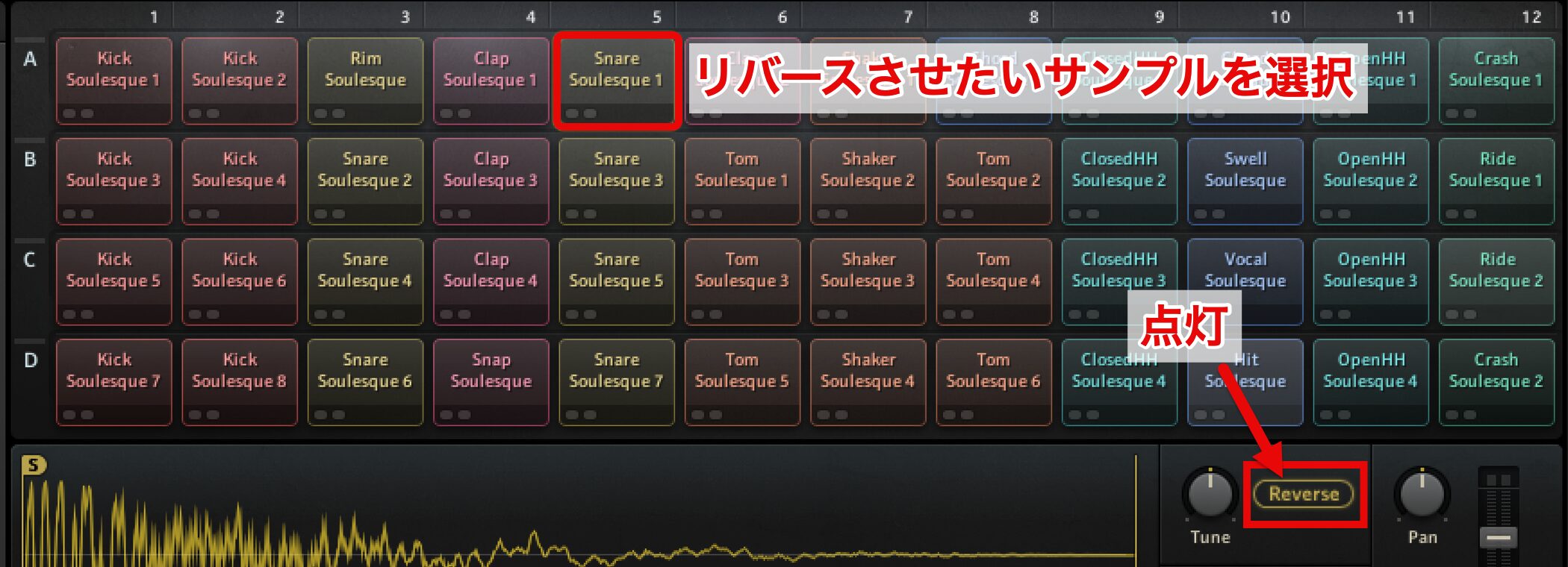
You can easily reverse a sample to add variation to a beat.
It can also be used as a sound effect.
Select the sample you want to reverse and turn on Reverse.
Sample Pitch and Mode

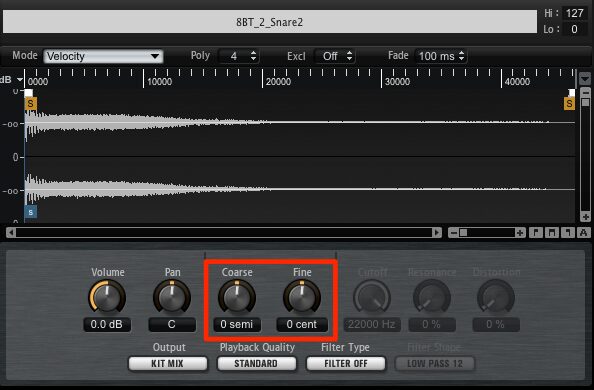
Use Tune to change the sample’s playback pitch.
In this mode:
- Lowering the pitch slows playback.
- Raising the pitch speeds playback.
This works much like tape.
To avoid this,
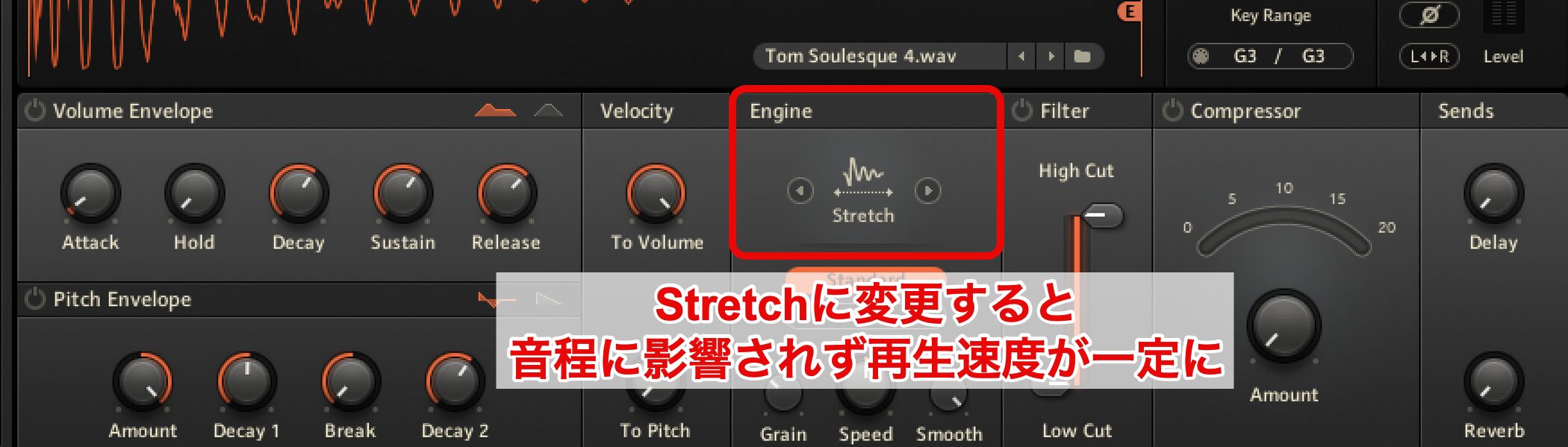
change the sample mode to Stretch in Engine.
Playback speed will then remain constant as pitch changes.
Sample Playback Points
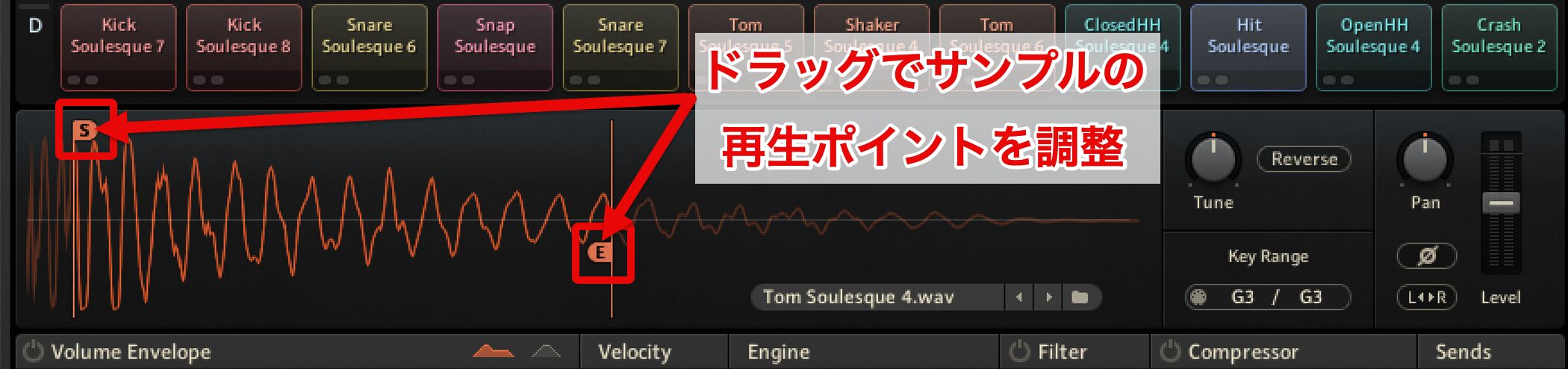
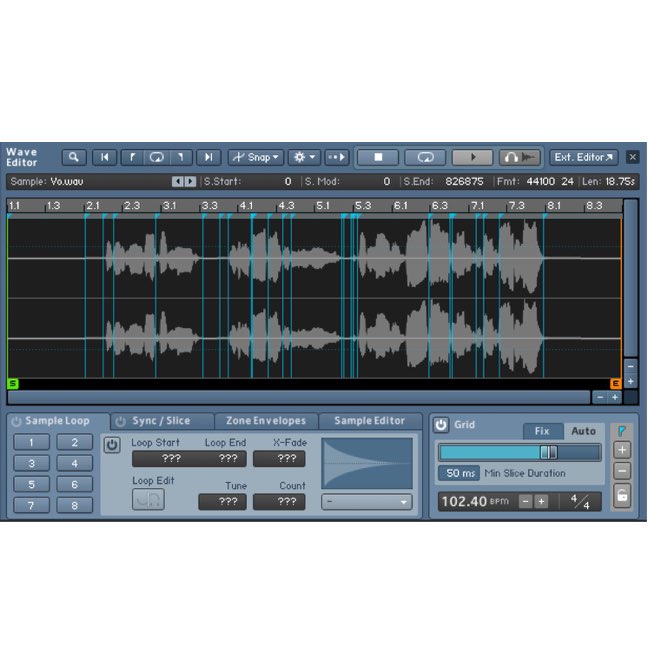
Drag S (Start) and E (End) to adjust the sample’s playback points.
These have a major effect on the groove, so take time to refine them.
Selecting Articulations
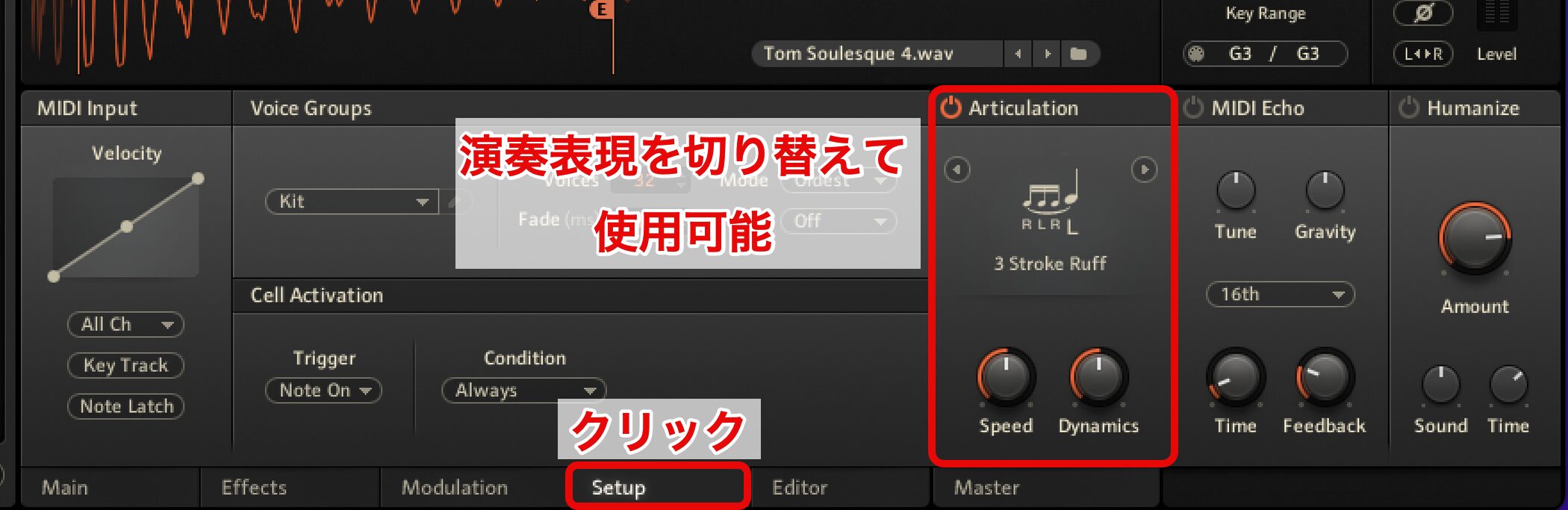
Choose Setup → Articulation to use different performance articulations.
Prepare one normal cell and one with an articulation.
Switching between them enables more sophisticated beatmaking.
Adding Human Feel with Humanize
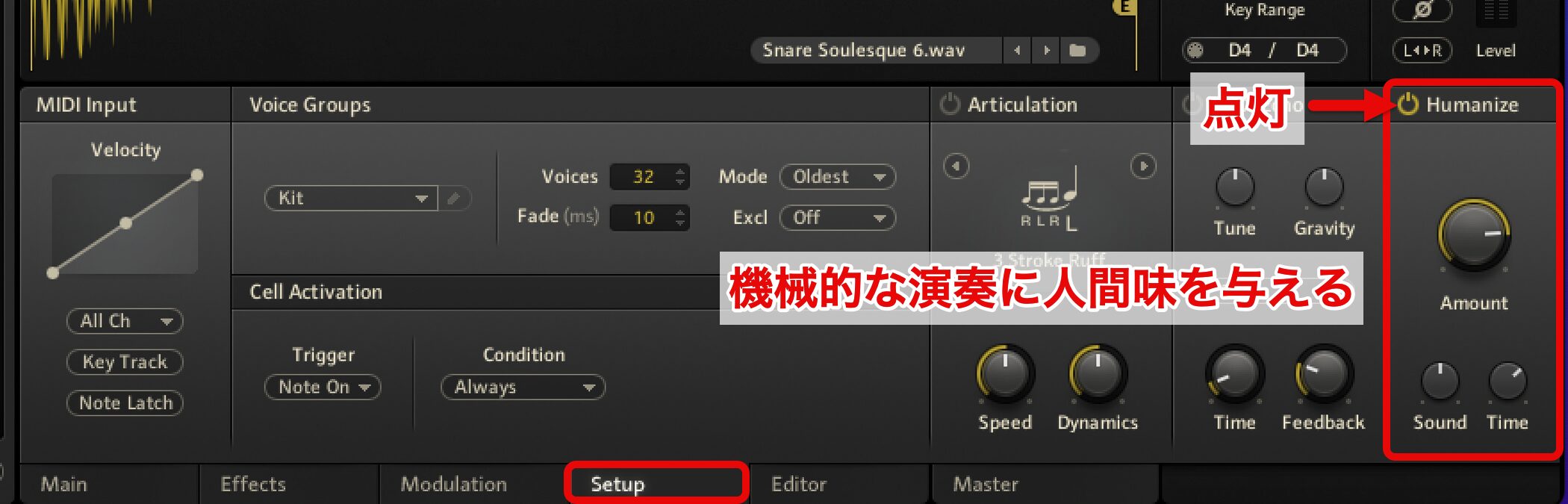
Deliberately varying performance volume and timing can give a mechanical beat a more human feel.
- Sound: Sets variation in volume.
- Time: Sets variation in timing.
Use Kits and Loops in BATTERY 4 or Your DAW
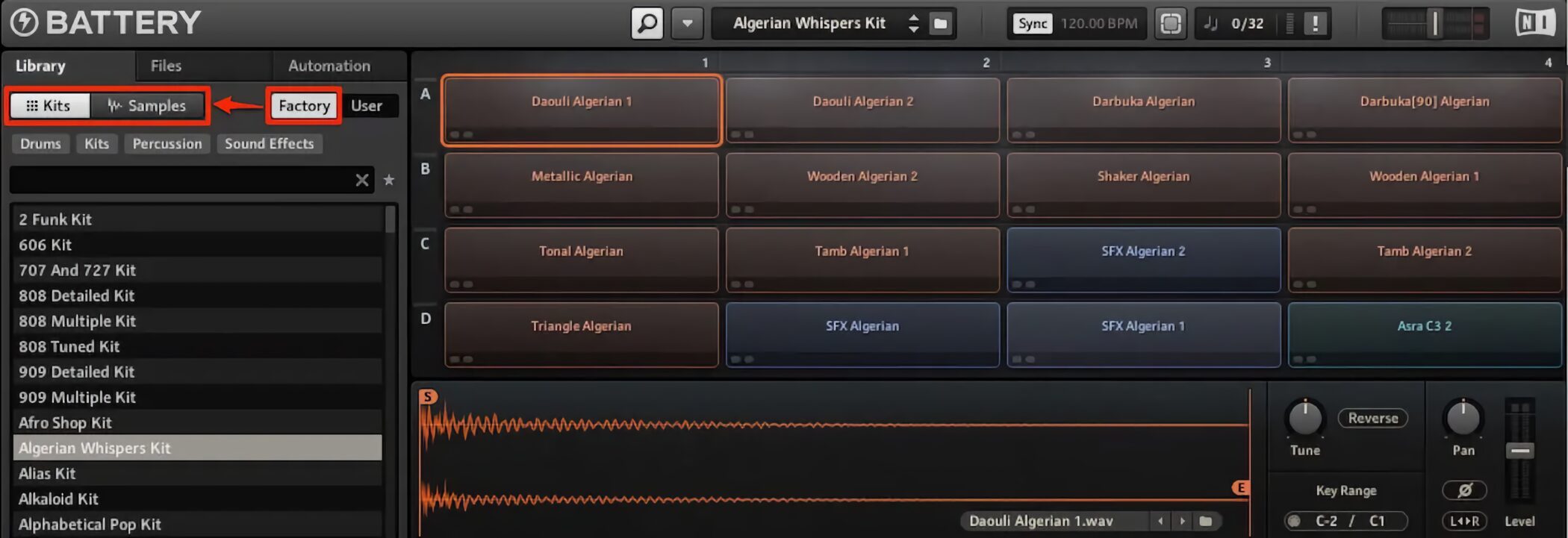
Native Instruments MASCHINE Expansions are sound libraries containing a wide range of kits and loops. You can load these sounds in BATTERY 4 or use them directly in a DAW, so even users without MASCHINE hardware or software can use the collection in their productions.
Manufacturer details: https://www.native-instruments.com/en/specials/komplete/expansions/
Existing Users Can Update the Library for Free
If you already own MASCHINE Expansions, you can update them for free using Native Access.
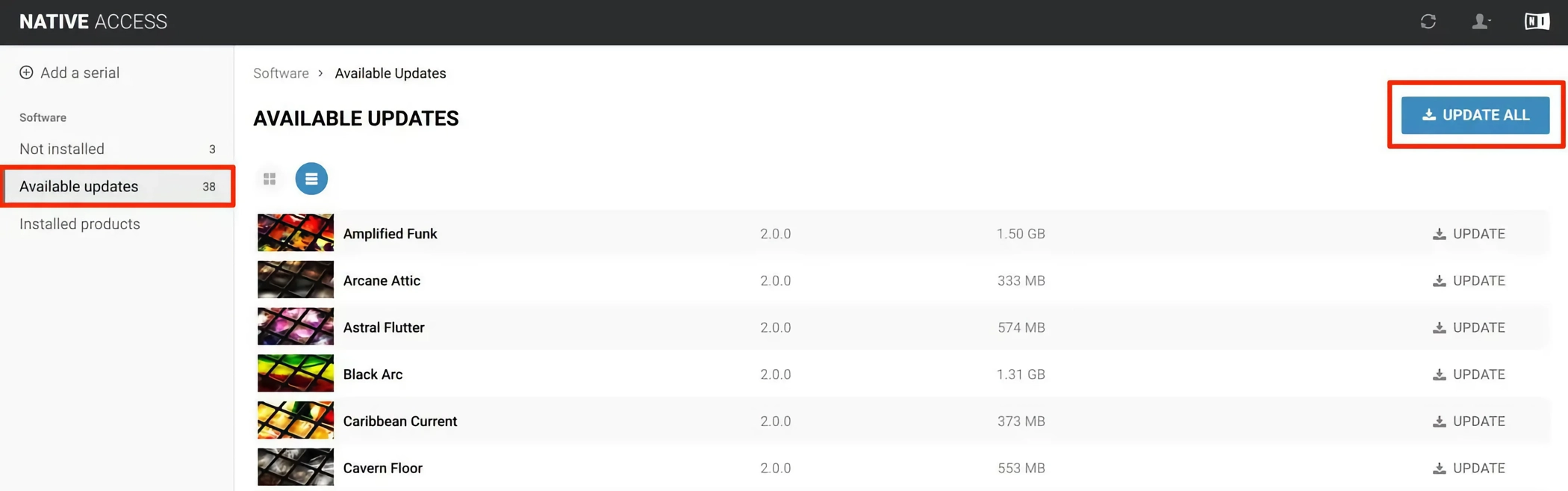
Explore and Audition Products
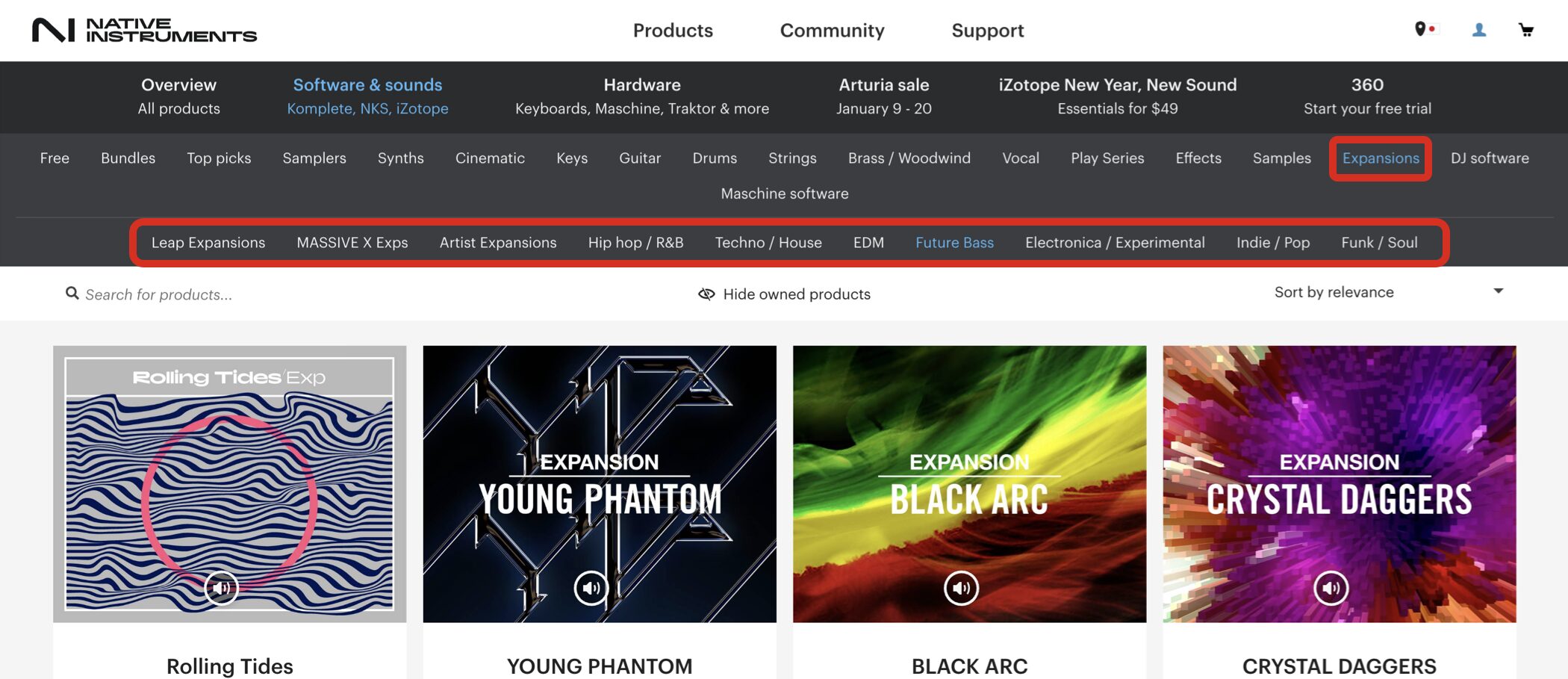
Use the URL below to find Expansion kits suited to your musical style.
https://www.native-instruments.com/en/products/komplete/expansions/
Select the genre you want.
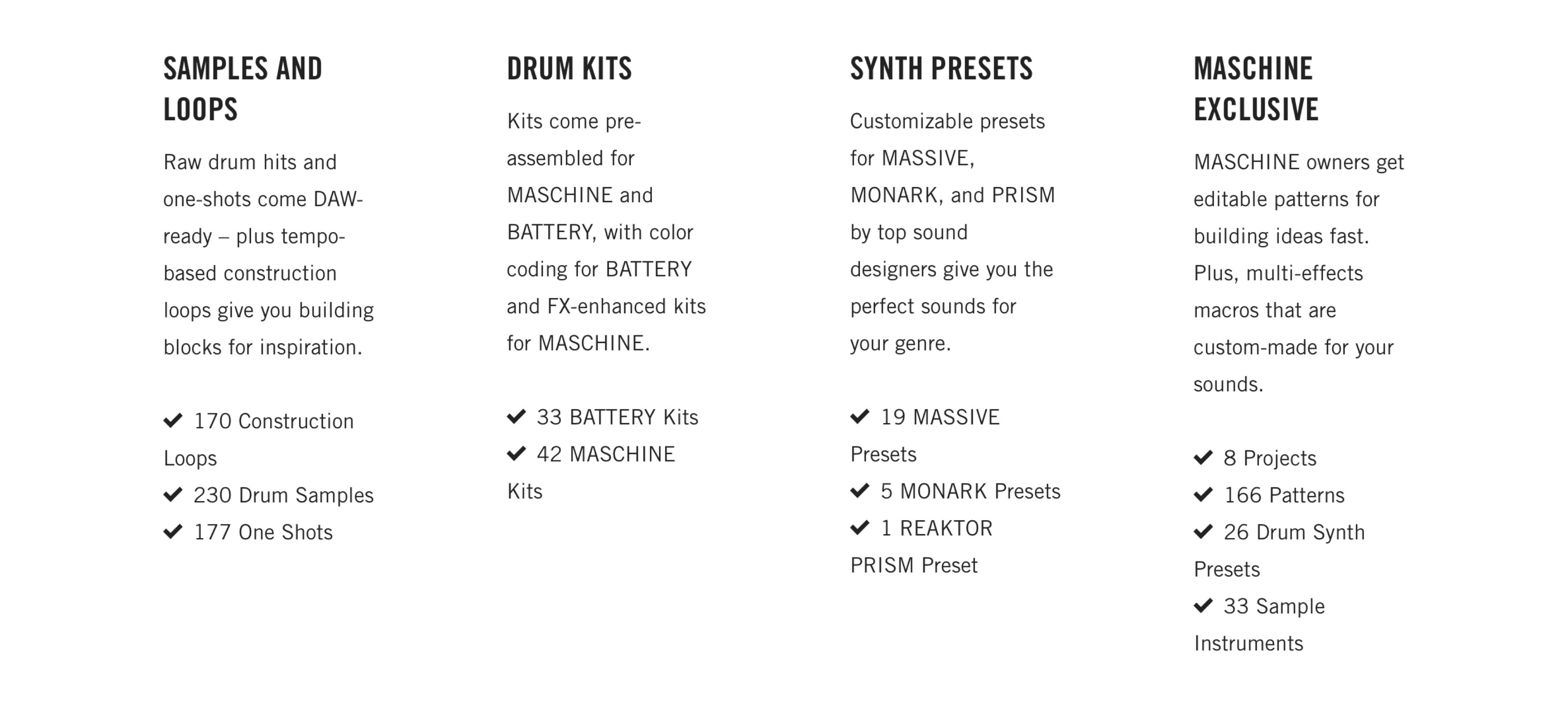
Click each product to see its details, including the kits and software-supported presets it contains.
Presets for Massive, Monark and other instruments are also available.
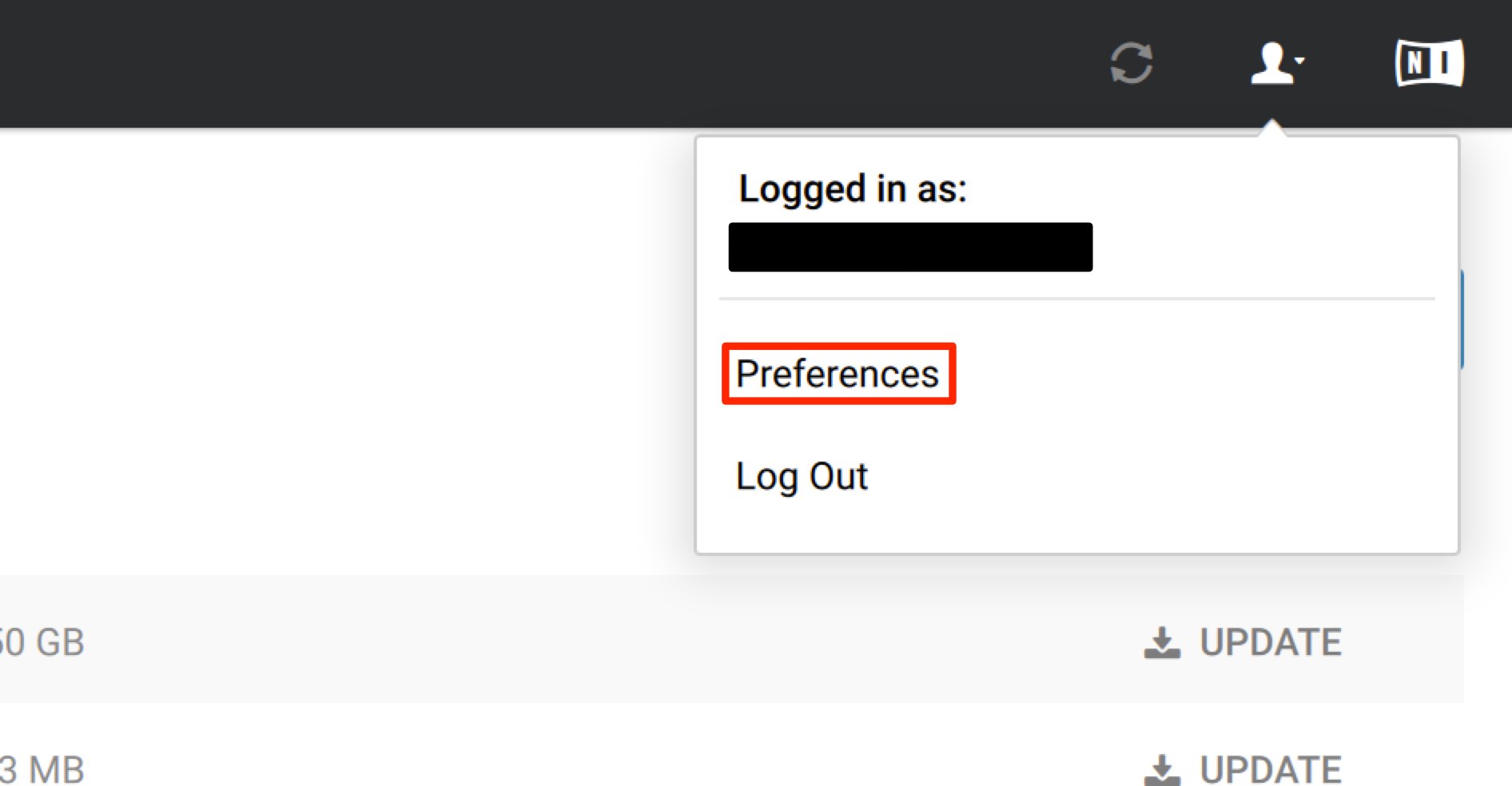
Click Preferences in Native Access to see where product sounds are stored.
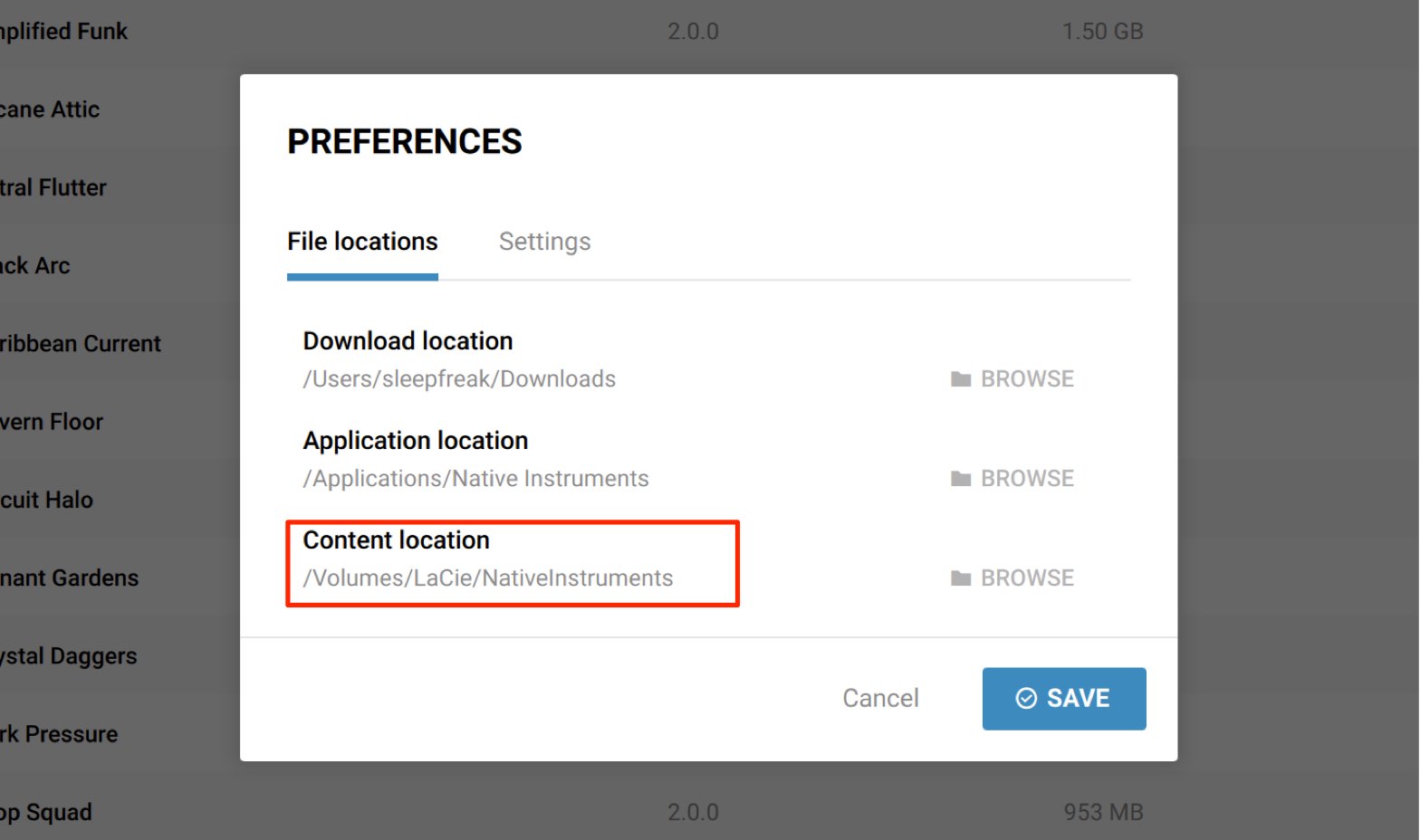
They are installed in the Content location.
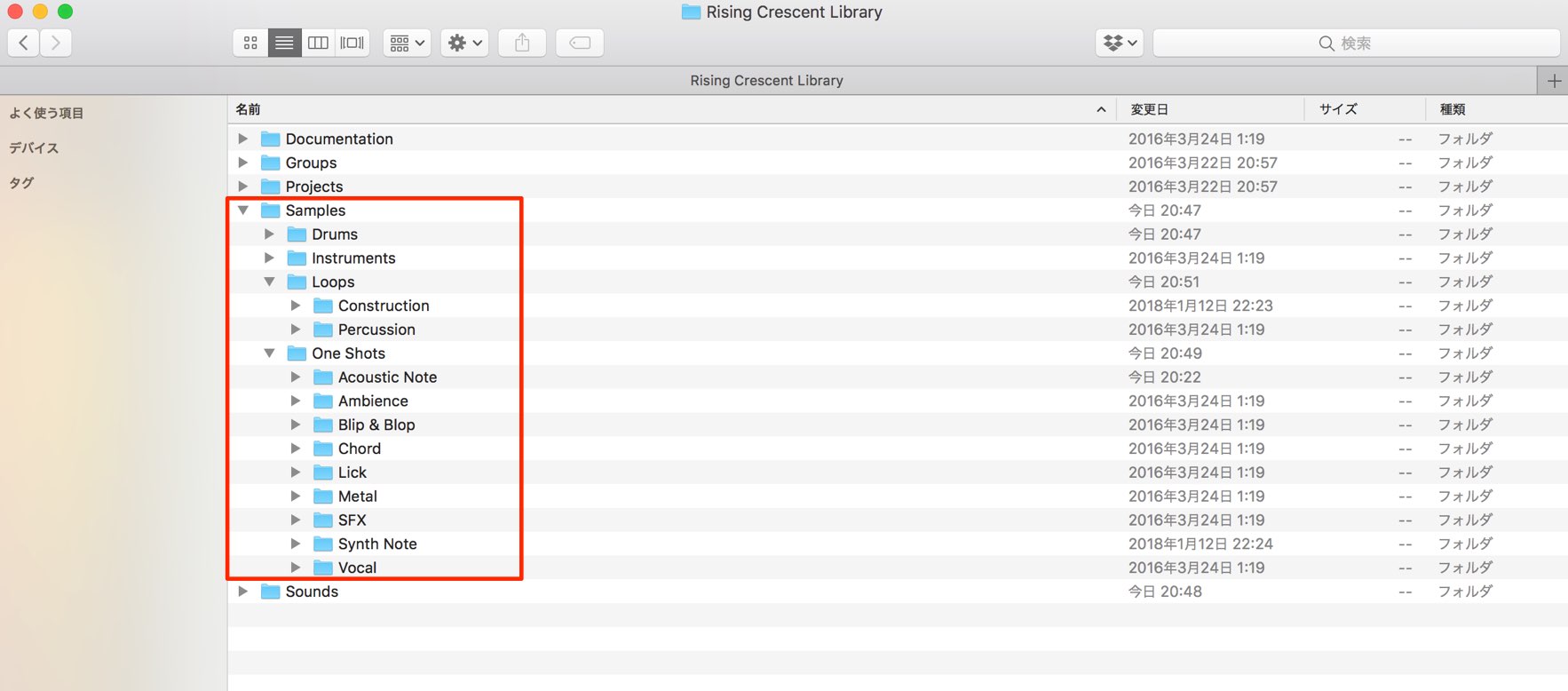
You can also drag WAV files from the Samples folder into your DAW for use as samples.

Frequently Asked Questions
Q1. How do I load a kit in Battery 4?
Select the Library tab, filter the sound types under Kits, and double-click the kit you want. You can also combine kits to create your own.
Q2. How do I replace just one drum sound, such as a snare or kick?
Choose a sound in the Sample tab and drag it onto the cell you want to replace. This lets you change individual sounds in an existing kit to create a custom kit.
Q3. How can I quickly load a custom kit later?
Register the folder containing your kit in Preferences. Your custom kit will then appear under Kits → User for quick access.
Q4. What is a cell in Battery 4?
A cell is the container holding a sample and is a key concept in Battery 4. Moving, duplicating, deleting, muting and soloing cells gives you flexibility when creating drum sounds.
Q5. How do I map a MIDI keyboard key to a cell?
Enable MIDI Learn and press the desired note key twice to associate it with the cell.
NEW ARTICLES
Latest English Articles