Project-based learning—studying completed music-production sessions—is an effective way for beginner and intermediate producers to build skills efficiently. By exploring four elements—audio stems, MIDI data, DAW sessions, and presets—you can learn practical techniques used in professional composition, arrangement, and mixing. Analyzing multitracks helps you hear how sounds differ, while revealing instrument-programming techniques and how parts are balanced across the frequency spectrum.
Build Practical Skills You Can Use
What approaches do you use to improve your music-production and composition skills?
Searching for information online, copying songs, producing a large number of tracks, and more.
There are many possible paths, and it is easy to stop and wonder whether any of them are actually helping.
If that sounds familiar, try learning by studying completed music projects. We call this“project-based learning” .
Selected questions and answers from our YouTube videos

Can I use Tomorow’s project in Cubase Artist?

The project uses some instruments that cannot be recreated in Cubase Artist, so we recommend Cubase Pro. Thank you.
Do you plan to release an FL Studio project file?
Yes. We are currently creating an EDM project, and we plan to provide an FL Studio project file for it as well.
If I buy this project, can I inspect the EQ and compression on each track, as well as the reverb on the buses? Sorry if this was covered in the video and I missed it!
The tracks are provided without mixing processing. The main reason is that the mixing plug-ins included with each DAW are different. Thank you for understanding.
This article explains what project-based learning is and how you can use music-production sessions as learning material.
What Is Project-Based Learning?
Project-based learning means studying the methods, techniques, and sound choices used in a completed music-production session.
In particular,you can quickly identify and develop skills in the areas of the genre you want to learn .
We alsolaunched an online shop for music-production projects .
It offers professionally produced song sessions, audio, MIDI, presets, and more.
After the shop opened,we increasingly heard people ask,“How should I use this project to learn?”
In the next sections, we will walk through practical examples of how to study a music-production project.
Working with Audio Files
Study Arrangement by Analyzing the Parts
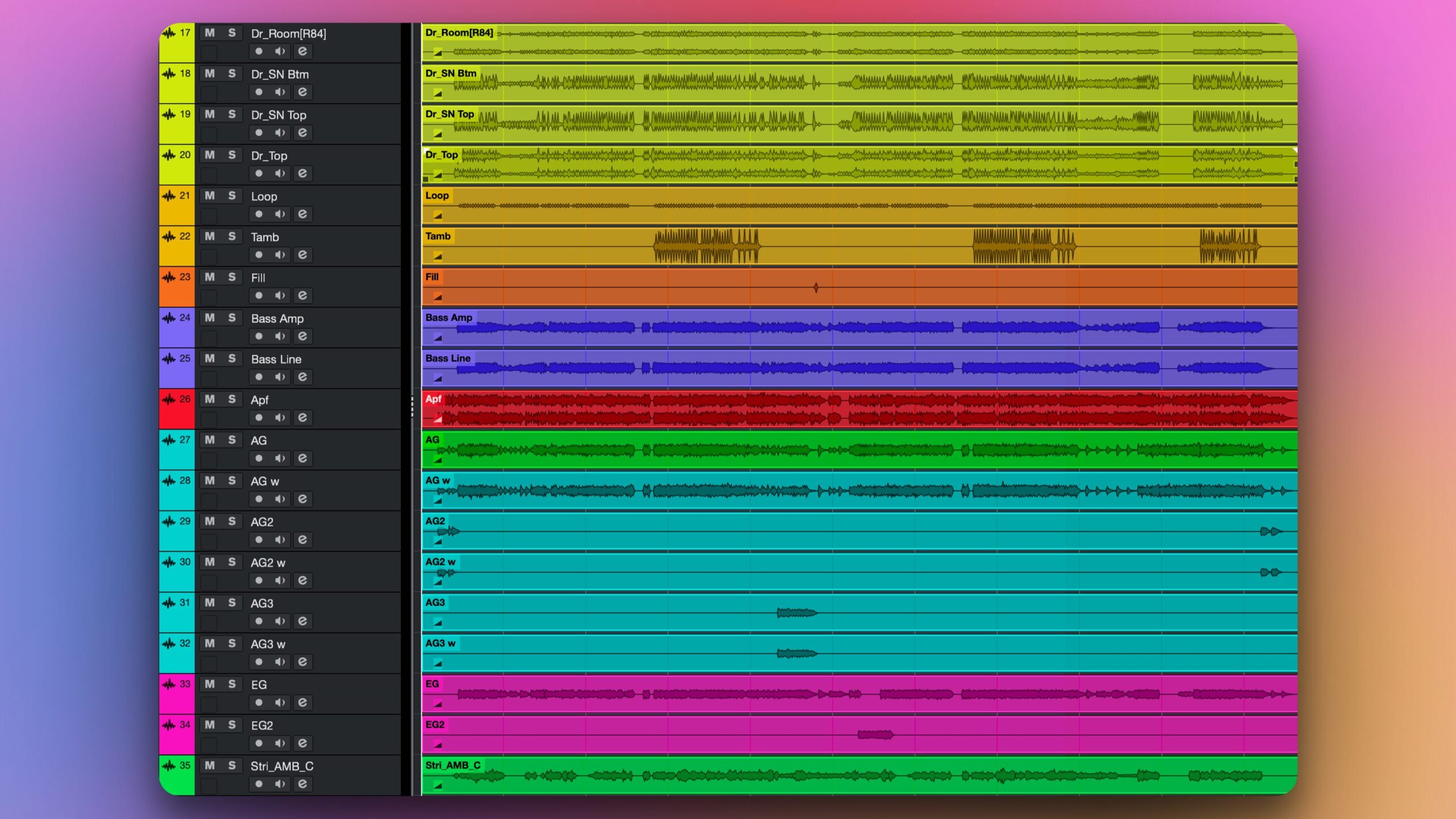
Audio stems let you hear how each track is built from its phrases and sounds.
They can be especially helpful if your own tracks lack the impact you are aiming for when trying to capture the feel of a song you like.
Hear Each Sound on Its Own
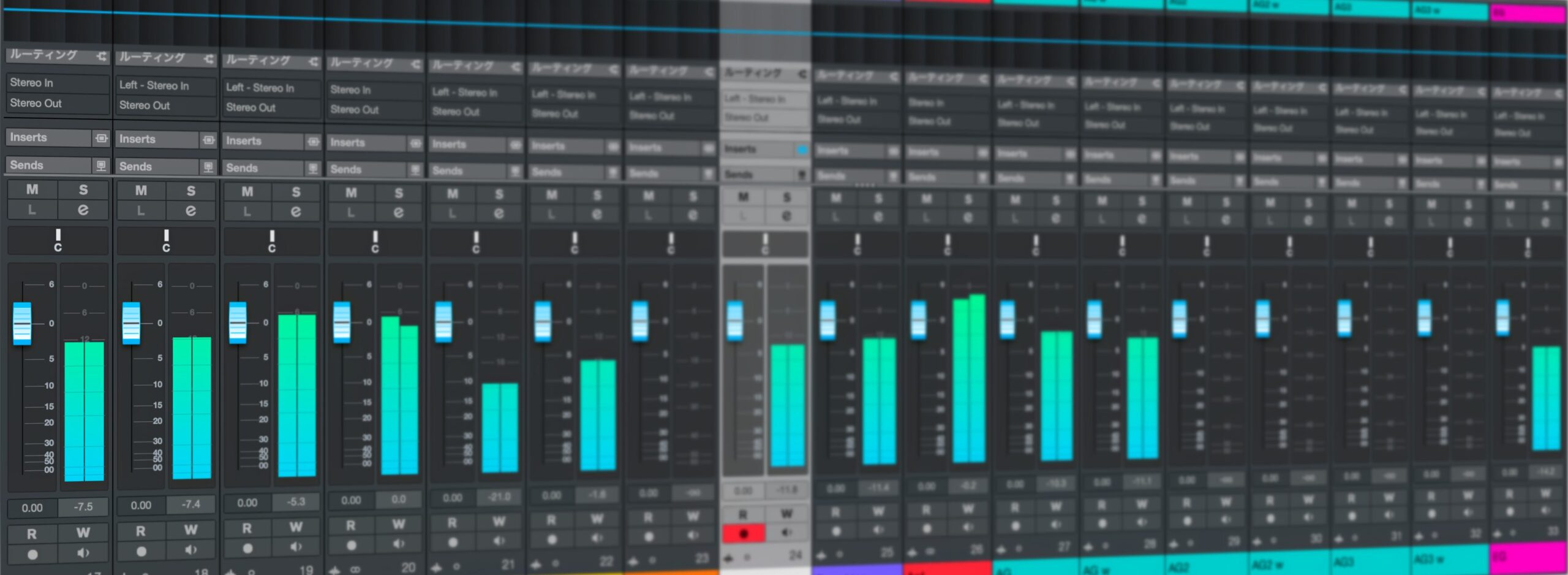
A sound can make a very different impression when heard in the full mix versus on its own.
Bass and other low-frequency parts, for example, can be hard to pick out once they blend with the other instruments in a mix, even though they are essential to the depth of a song.
When you can listen to each part separately, you can identifythe instrument’s natural character, which may be masked in the mixand apply what you learn to your own music.
Find Ideas and Compose More Quickly

A finished track communicates a clear musical direction, which can spark inspiration and make it easier to come up with melody ideas.
With audio stems, you can play back only the tracks you want to hear, making them useful asa tool for generating ideas while writing melodies .
Use Them as Material for Remixes and Rearrangements

You can keep the vocals or other parts you like and layer your own original tracks over the rest to create a remix or rearrangement.
Improve Your Mixing and Mastering Skills
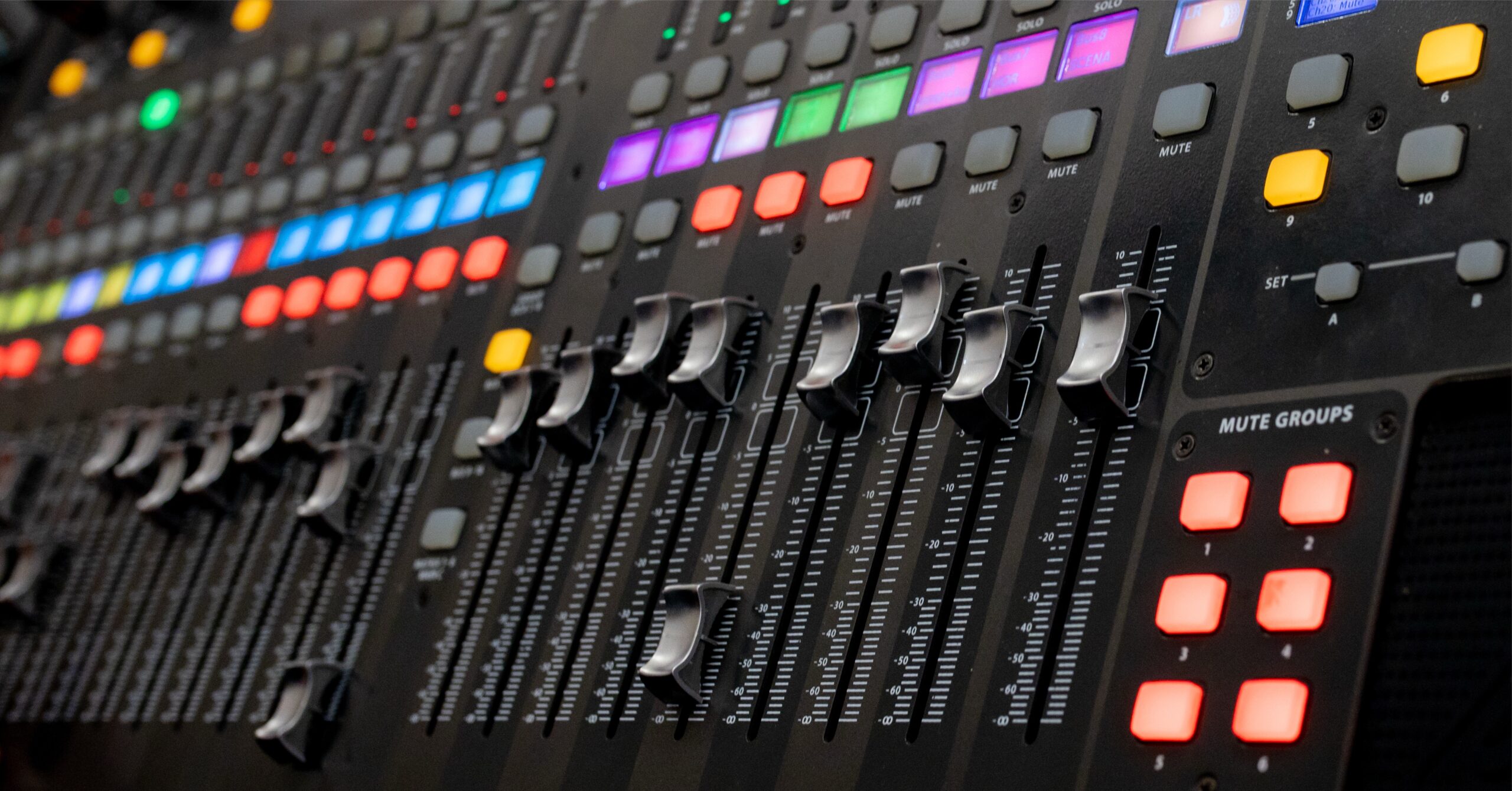
Many people first think of using project files as practice material for mixing.
Because every track is available separately, you can practice mixing in a realistic, hands-on way.
By comparing your work with the finished reference and trying different approaches, you can develop one of the most important mixing skills: hearing the differences between sounds.
A Learning Resource for Aspiring Engineers
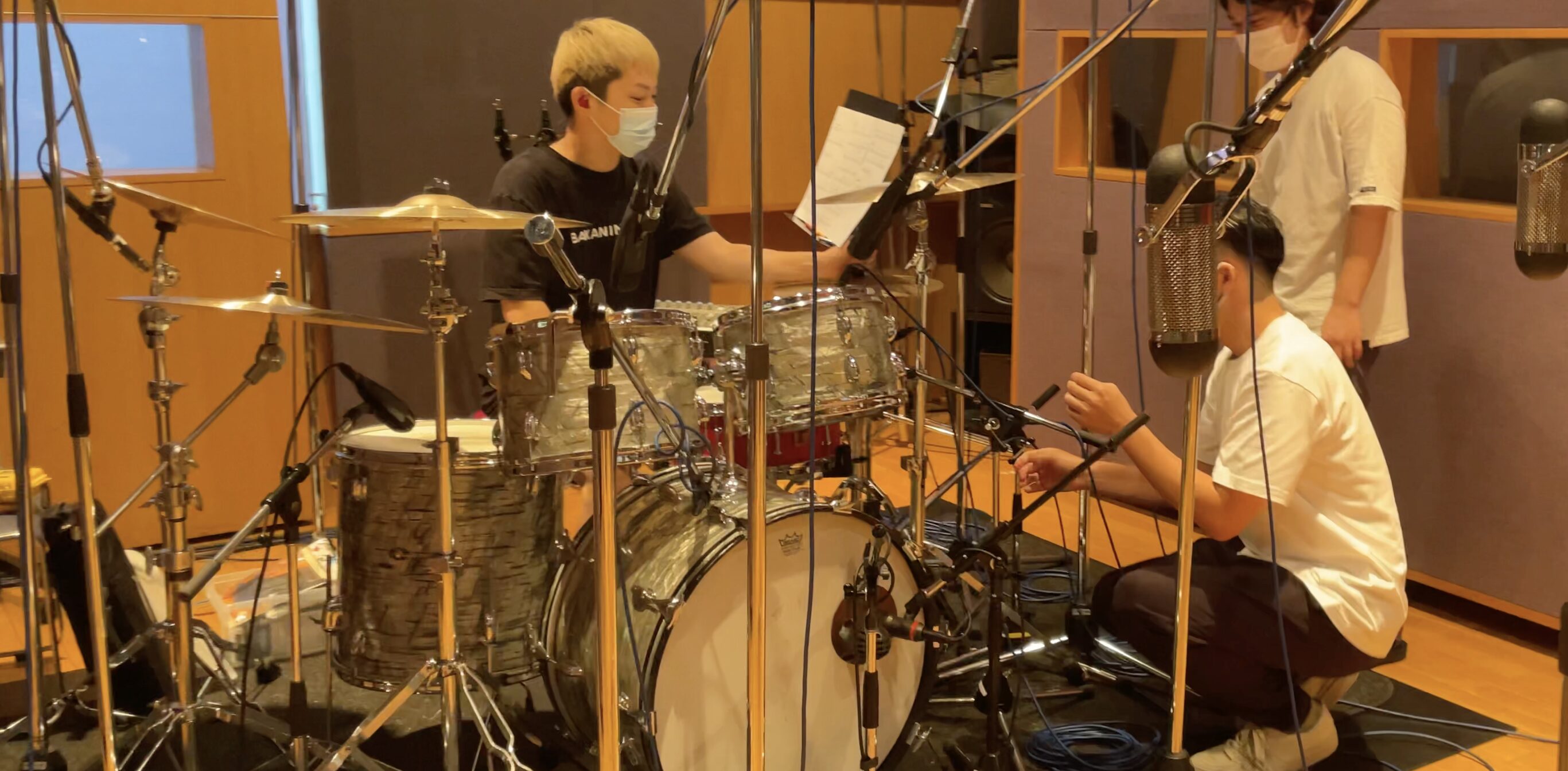
Depending on the project, you can examine recording takes by musicians who are active at the forefront of the music industry.
Opportunities to hear carefully miked, live recordings in their raw form are uncommon.
If you want to become a recording engineer, these projects offer a valuable chance to learn how professionals capture sound.
Working with MIDI Data
Learn Practical Music Theory
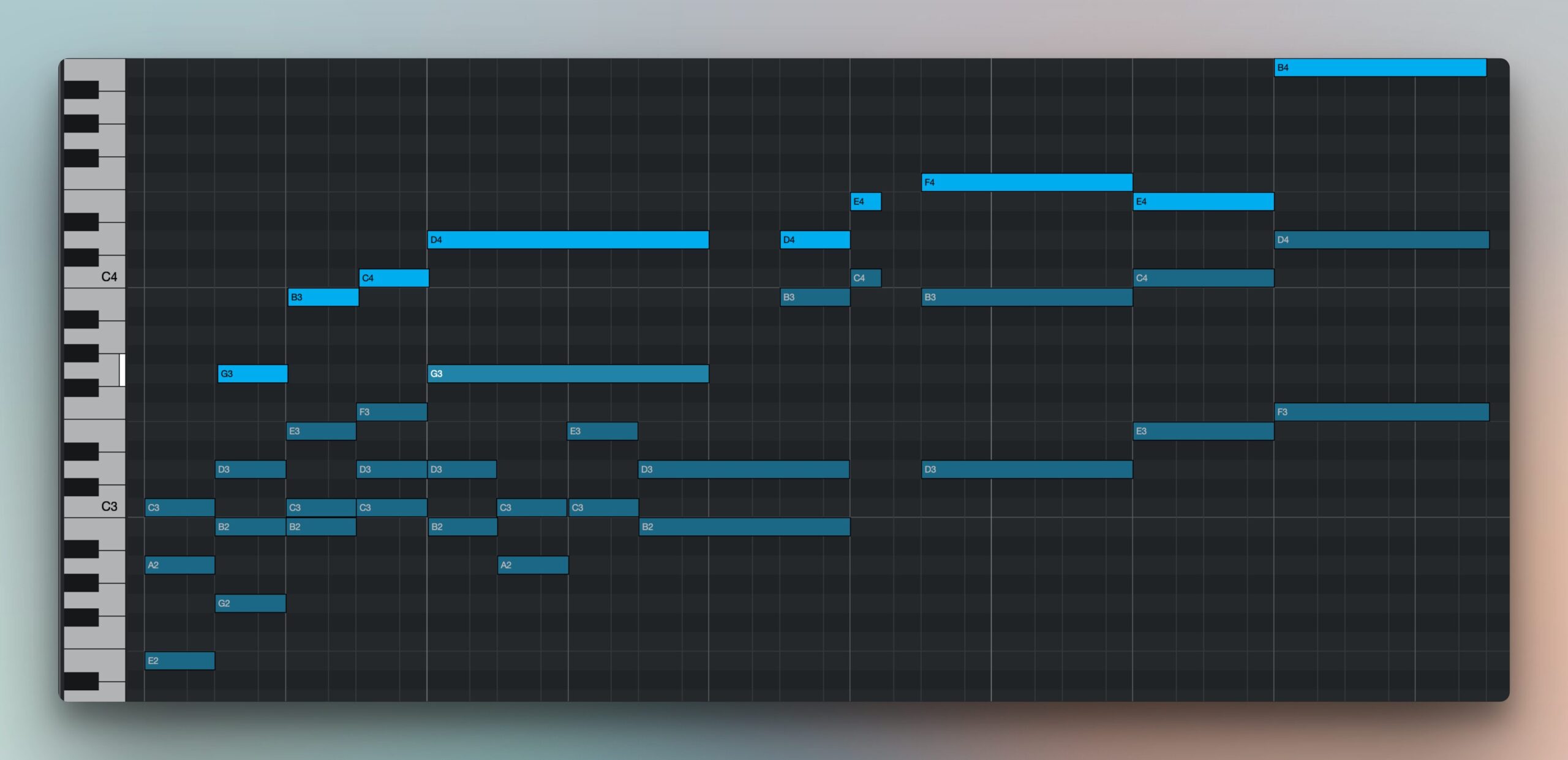
MIDI data lets you see the underlying musical structure of a song.
You can inspect the piano-roll display to follow a melody or see how chords are built. This makes it possible to learn from concrete examples, such as which chord tone a melody note uses or how added chord tensions create a particular mood.By studying specific examples,you can put these ideas into practice.
You can also see how multiple parts combine to create a detailed sound and how notes are placed efficiently. Viewing the overlapping MIDI tracks makes advanced arrangement techniques easier to understand intuitively.
Learn Programming Techniques for Different Instruments
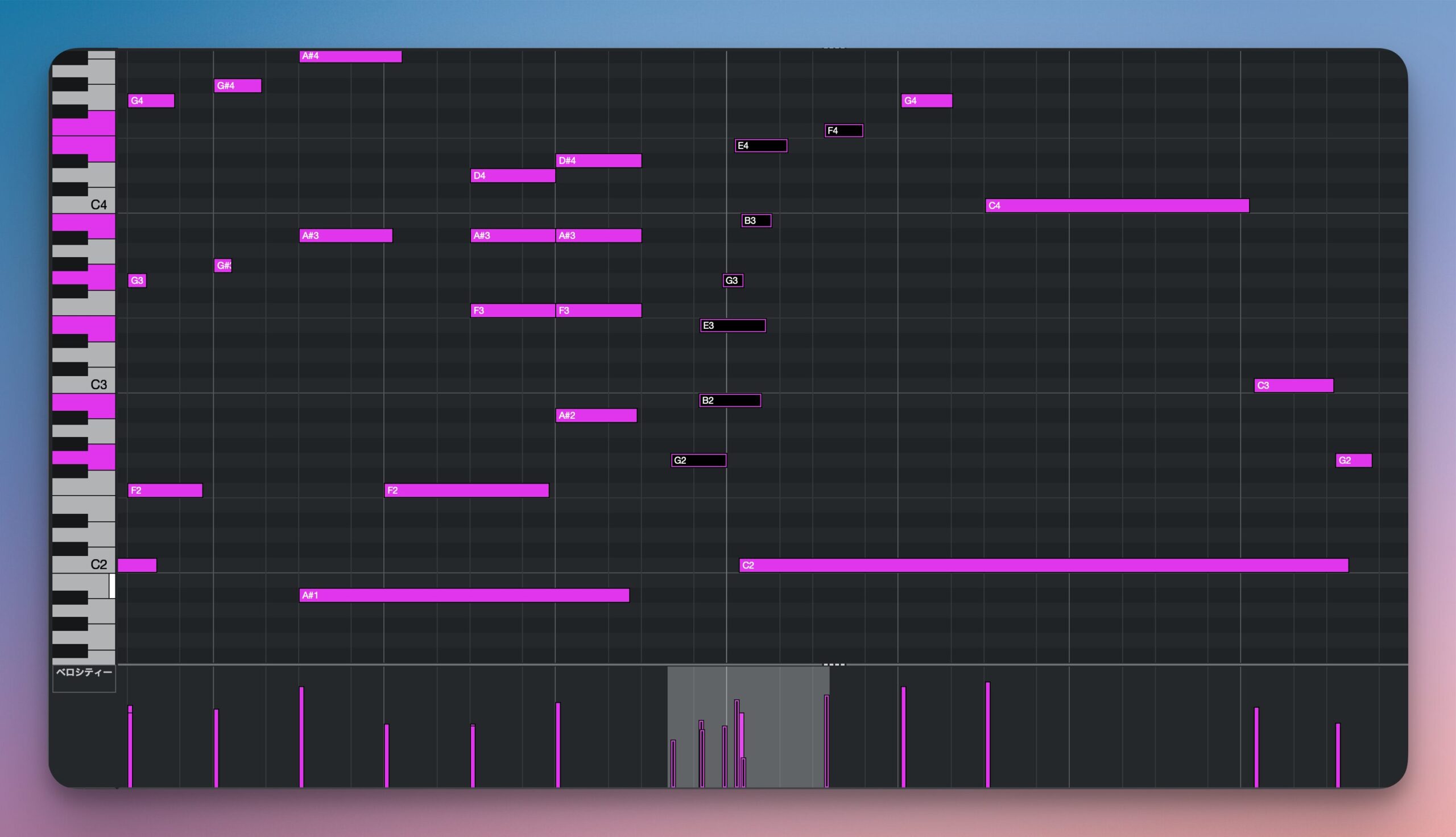
In arrangements built around live-sounding instruments such as piano, drums, and guitar, you can examinethe techniques used to make programmed parts sound more like real performancesand study practical examples of dynamics, timing, and other fine details.
Learn to Balance Frequency Ranges in an Arrangement
You can see the frequency range in which each track is played and how the parts are balanced.
With MIDI files,you can display several tracks together at onceand more easily see how the parts are distributed and organized across the frequency range.
Working with DAW Sessions
Learn Modern Production Techniques
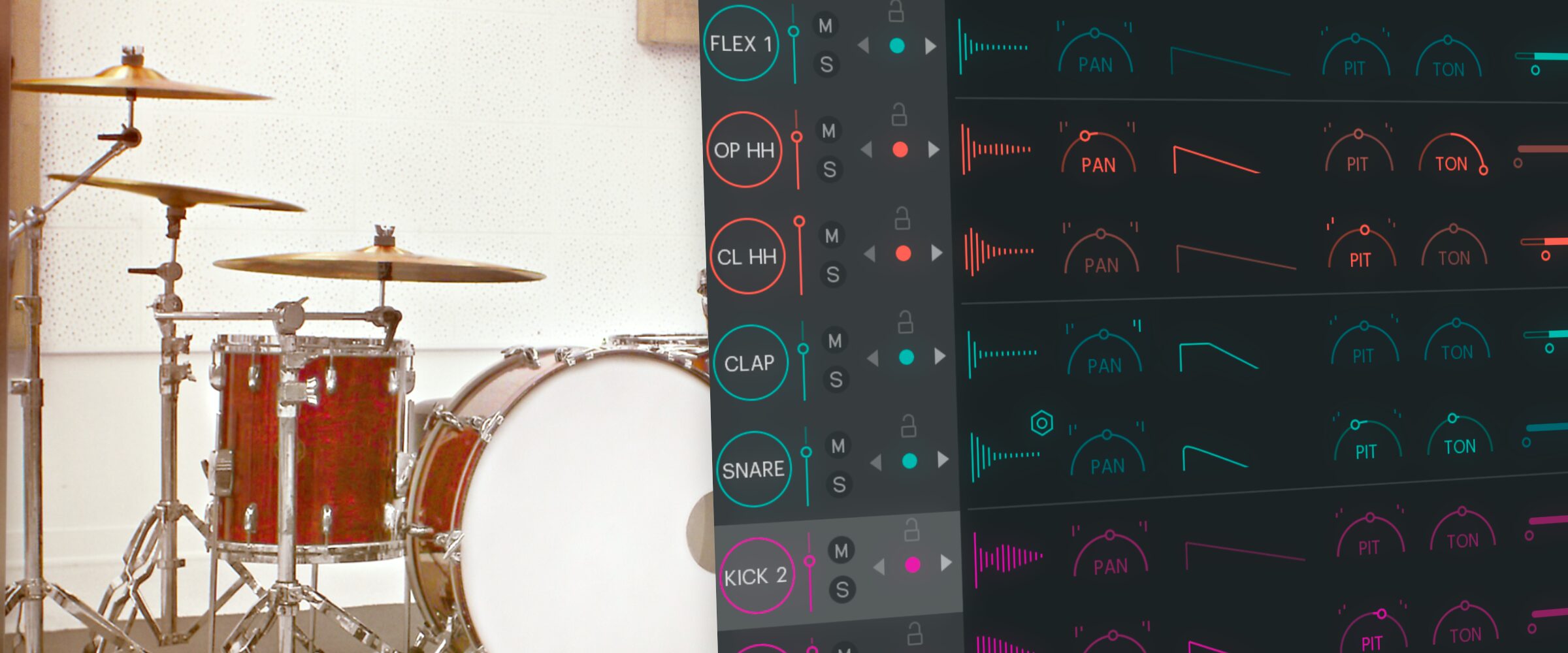
You can closely examine the production methods that differ from one genre to another.
The roles of MIDI and audio tracks vary considerably. For example, beat-driven EDM and hip-hop tracks use tracks differently from band-based or acoustic pop arrangements.
By analyzing project files,you can learn production methods specific to each genreand broaden your creative approach to music production.
Understand the Relationship Between MIDI and Sound
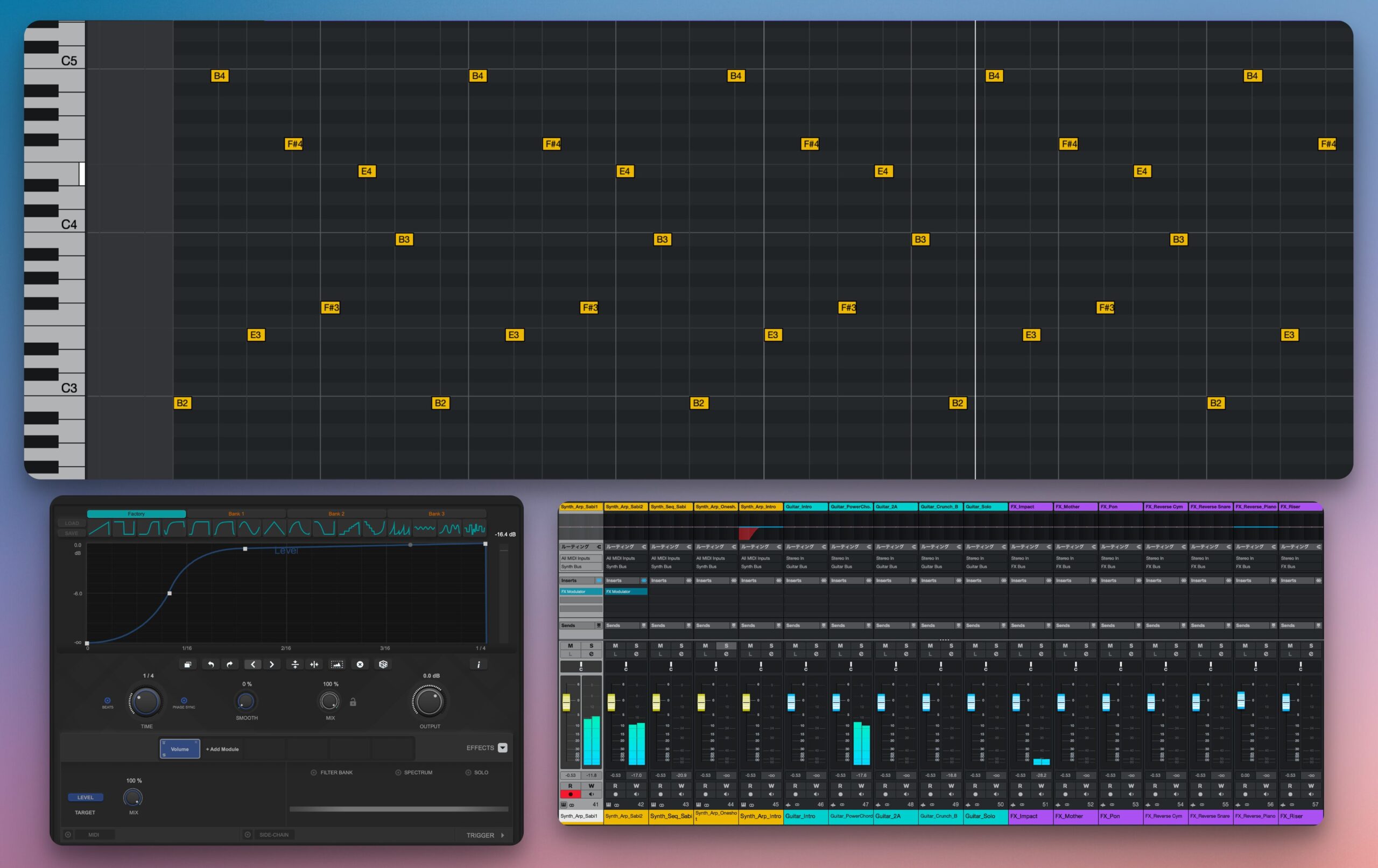
You can examine both the MIDI performance and the resulting sound to better understand the intent behind each track.
Questions such as “Why was this phrase programmed this way?” and “How was this sound created?” become easier to explore when you can study both the MIDI and the audio.
Organize Projects and Improve Your Workflow
You can learn ways to manage tracks and make a session more efficient.
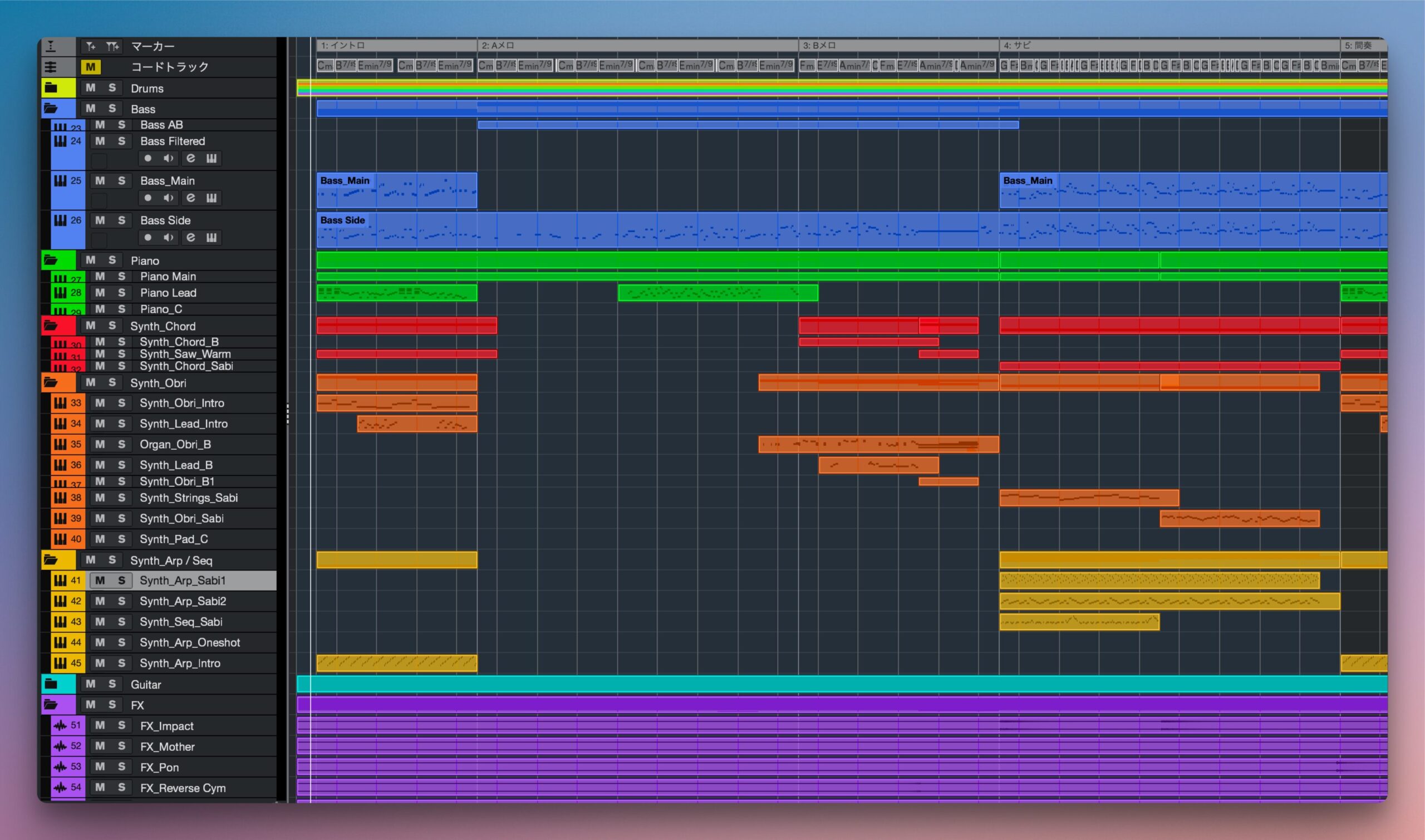
In projects with many tracks, their order and how they are grouped into folders can make a big difference to an efficient workflow.
Seeing how professionals organize their sessions can give you ideas for improving your own workflow.
Working with Presets
Some of the projects we offer include sound presets.
Learn to Use Synthesizers
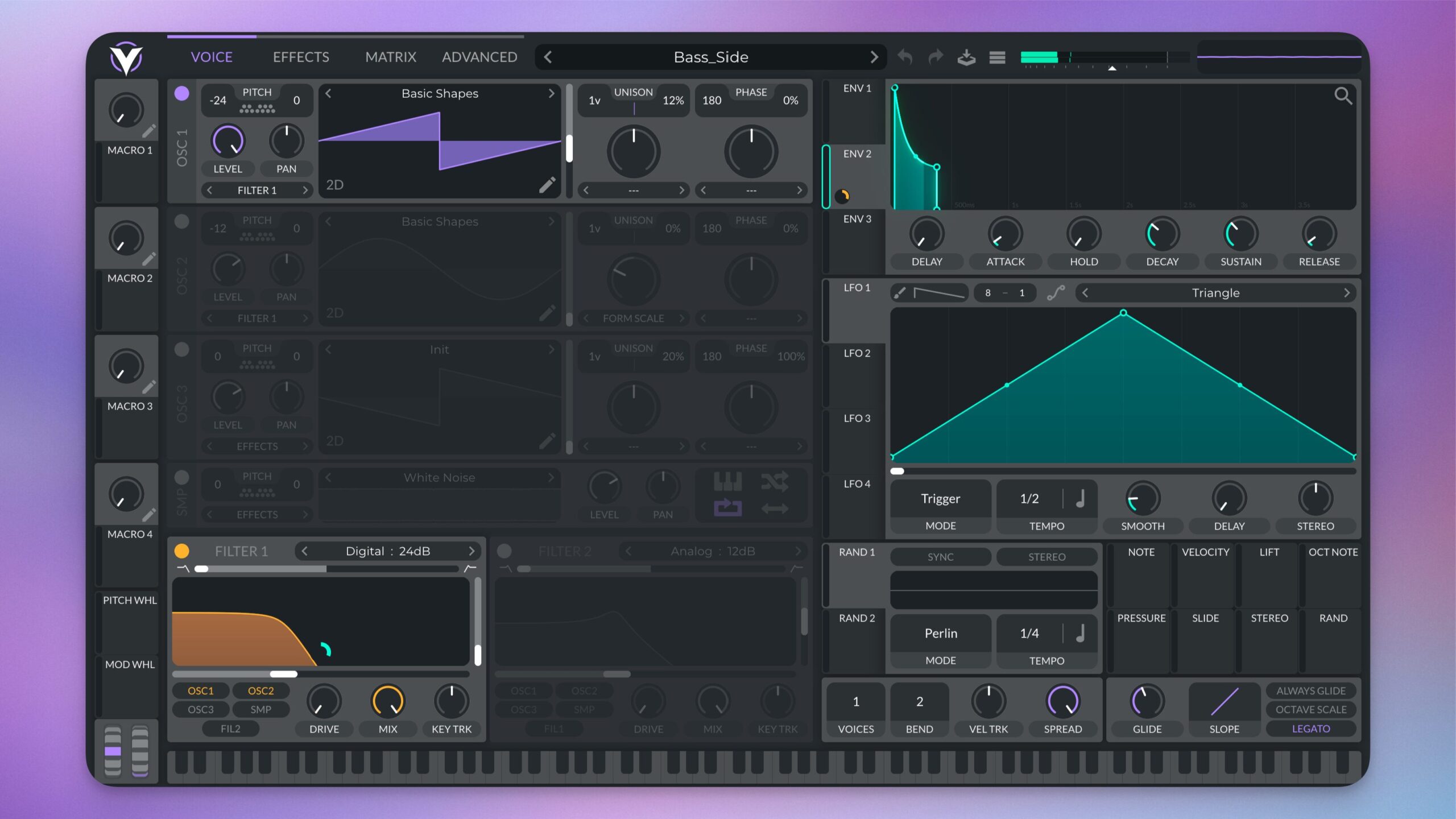
Because the sounds are created with as few unnecessary parameter changes as possible, it is easier to understand which settings produced the current sound and learn how to work with the synthesizer.
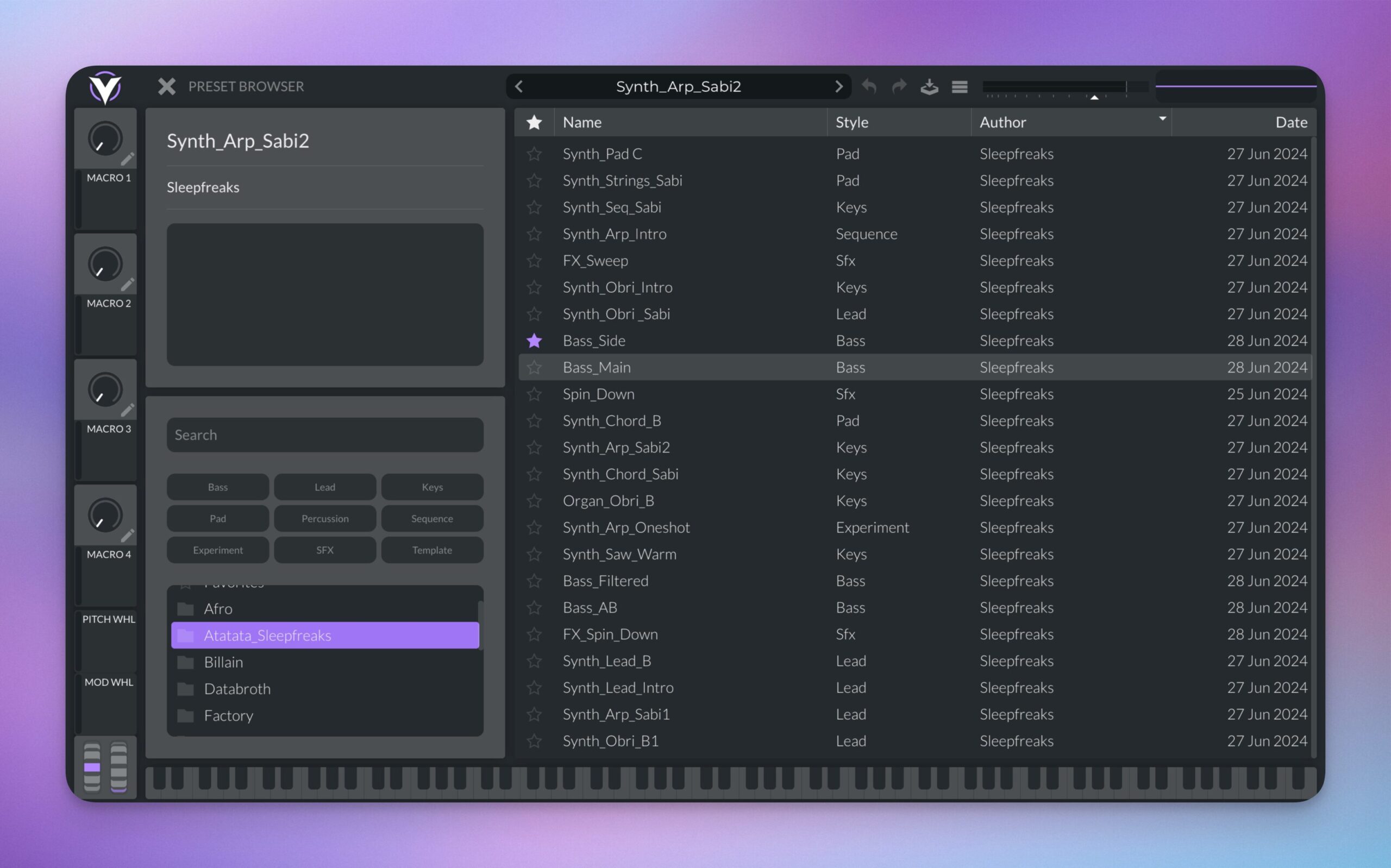
You can also use these preset files freely in your own music productions.
What did you think?
We hope this has shown you how many different ways you can use these projects.
Of course,
you do not need to work through every section. Choose the topics that match your goals, and you may discover things you had not noticed before!
Give it a try.
Frequently Asked Questions
Q1. If I am new to music production, what should I study first when starting project-based learning?
Choose a project in the genre you want to make, then start by using the audio files to understand the overall arrangement. Next, use the MIDI data to see the musical structure, and study production techniques in the DAW session. This sequence is a practical way to get started.
Q2. What specific skills can I develop by working with audio stems?
You can better understand the role and character of each track and learn how to balance sounds and create depth in a mix. Studying the natural sound of parts that are easily masked, such as bass and drums, can help you add weight and impact to your own music.
Q3. Can I use project files to make remixes or rearrangements?
Yes. You can keep the vocals or selected tracks and replace the others with your own original parts. This is a practical way to develop your arrangement skills through remixing or rearranging.
Q4. Can beginners understand MIDI data even if they have not studied music theory?
Yes. MIDI data is displayed in a piano roll, making it easier to follow melodies and chord structures visually. By looking at how multiple parts overlap, you can study professional arrangement techniques even without prior theory knowledge.
NEW ARTICLES
Latest English Articles