Bus compression routes multiple tracks to a shared bus and applies a compressor to the combined signal, helping create a cohesive sound. Learn the main Solid Bus Comp controls—Threshold, Ratio, Attack, Release, Makeup Gain and Gain Reduction—and explore how this technique can be used on drums, backing vocals, strings, brass and other groups.
Bus Compression for Different Instruments
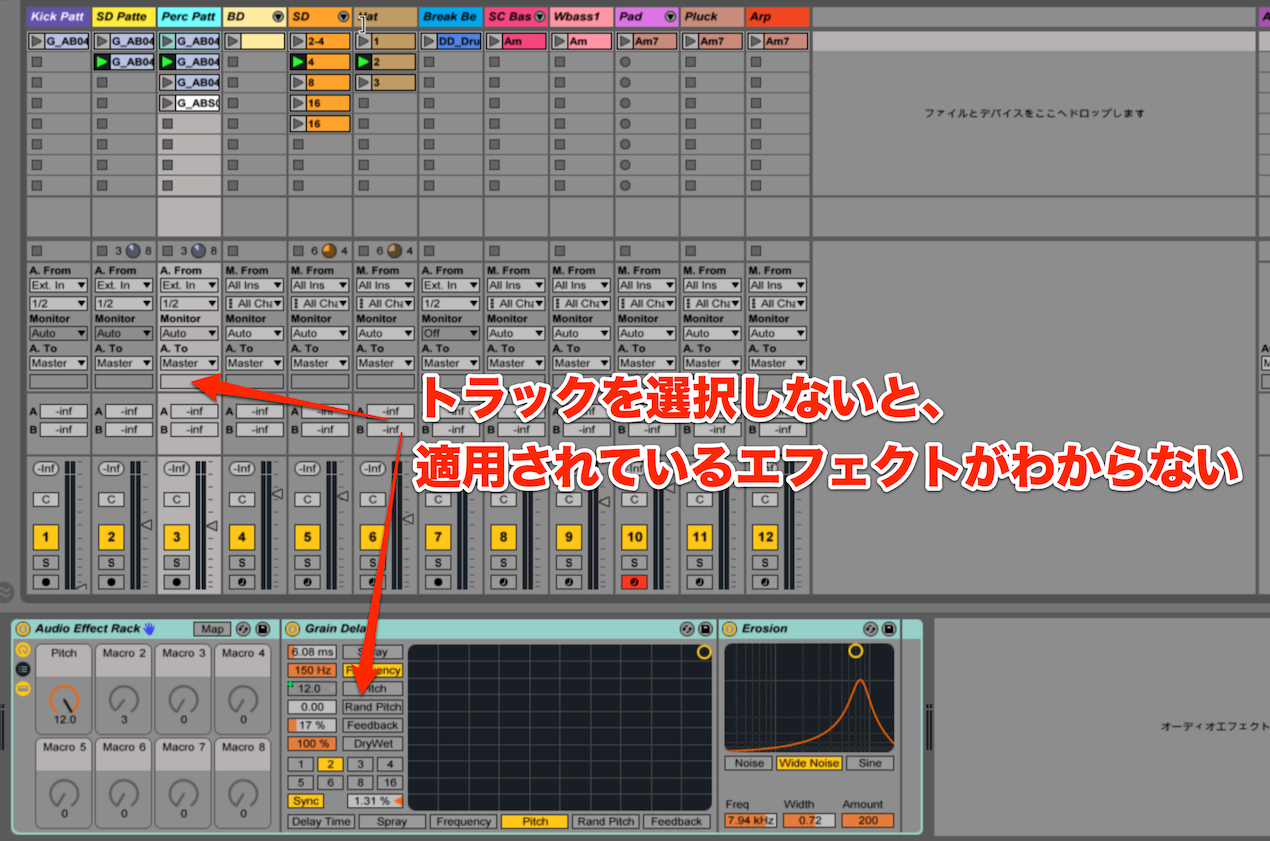
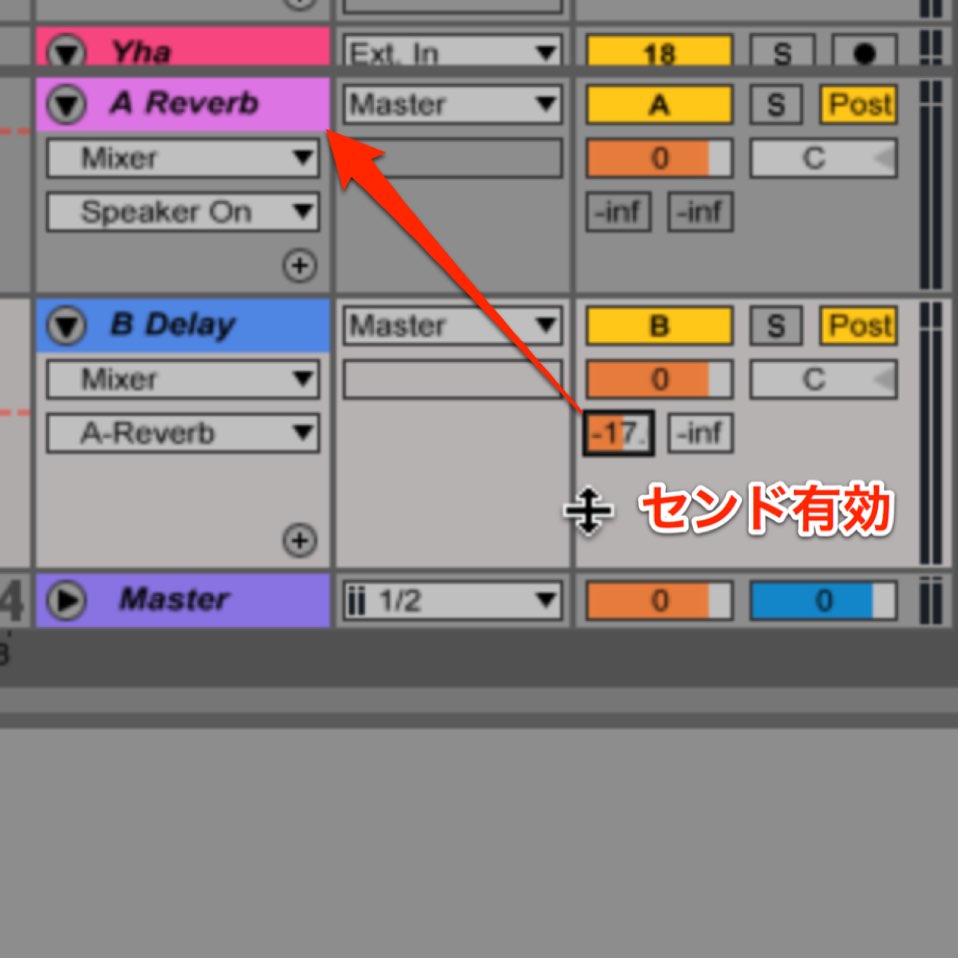
Bus compression means combining several tracks on one bus
and applying a compressor to the combined signal.
Because the compressor responds to the combined signal, the tracks can influence one another’s level.
This can increase cohesion and give the group the distinctive sound of bus compression.

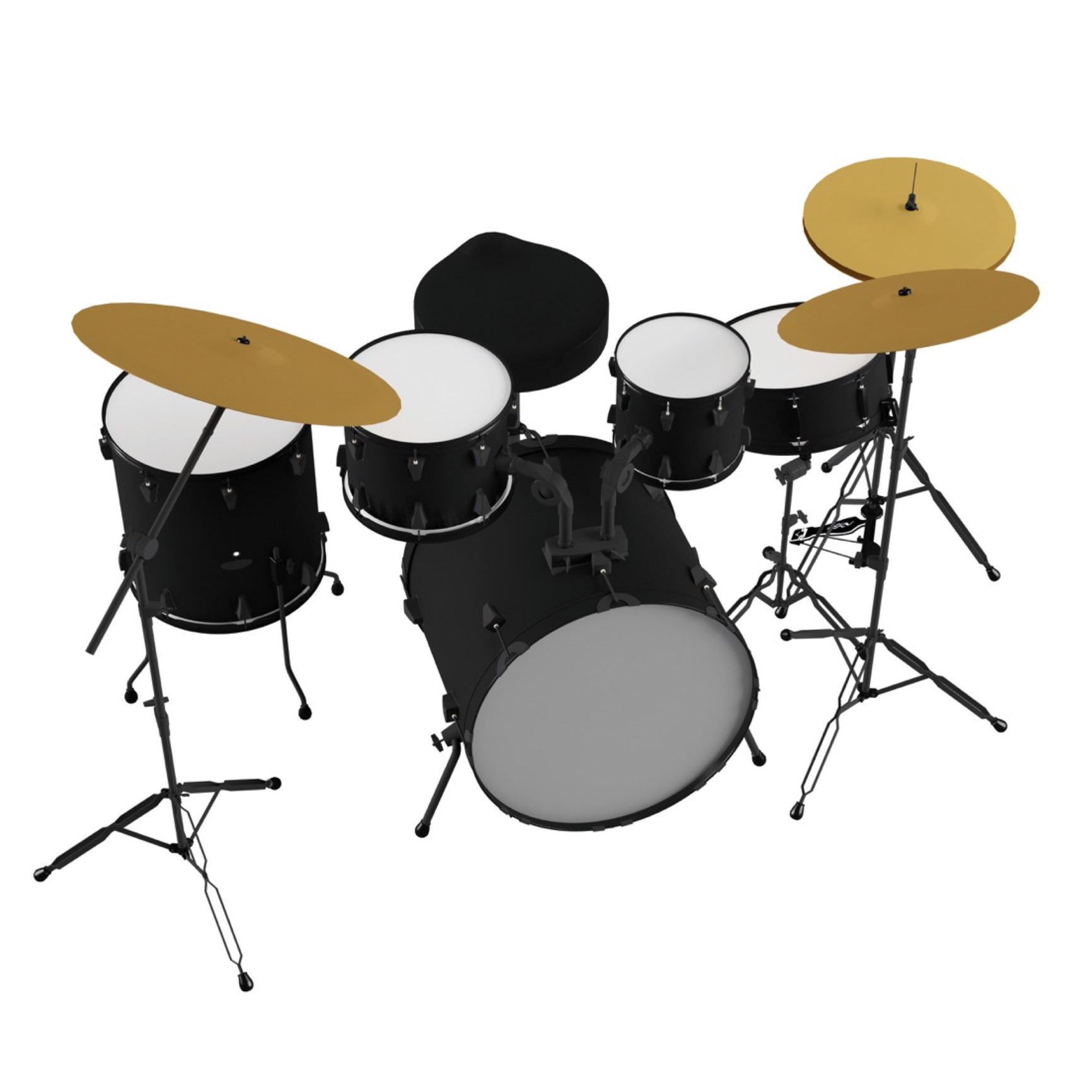
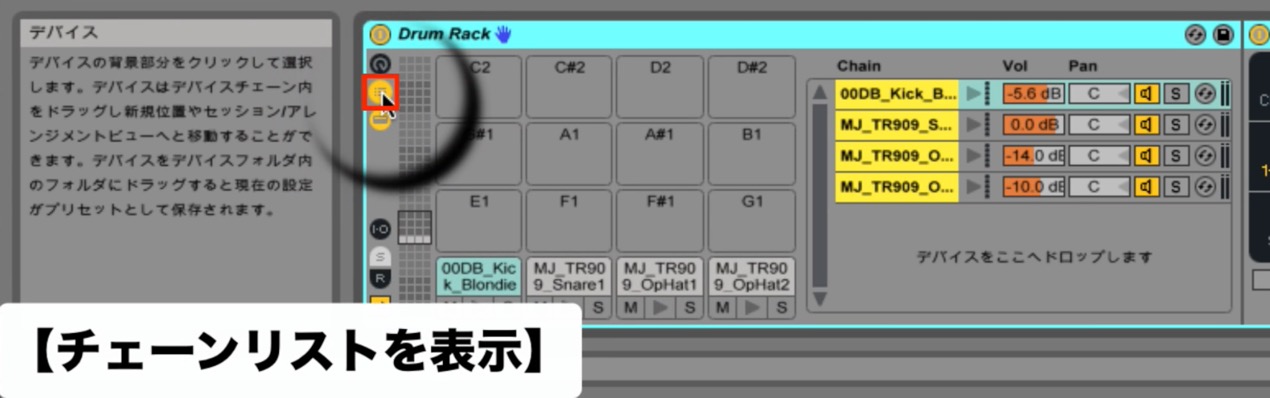
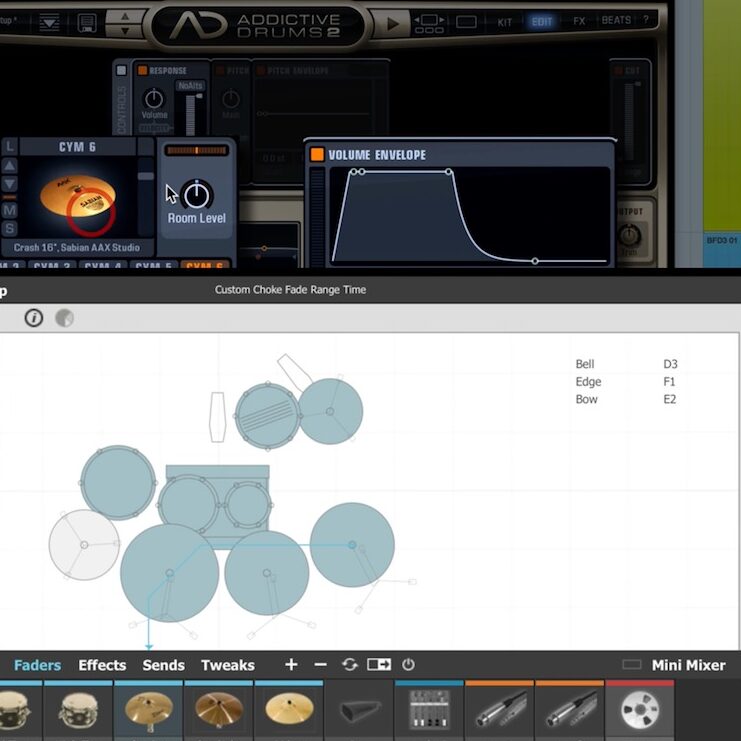
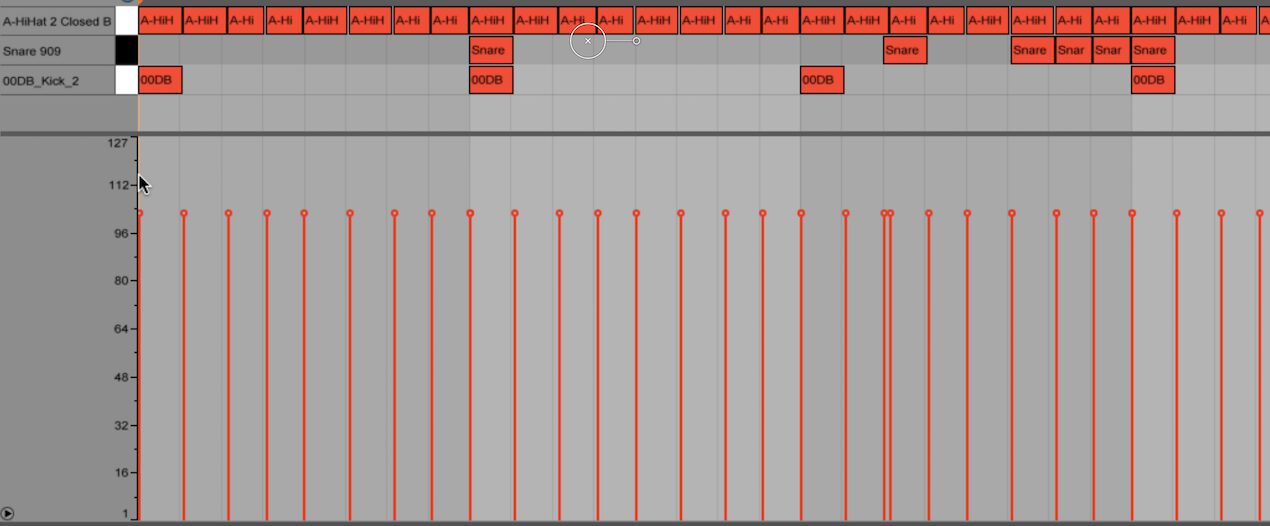
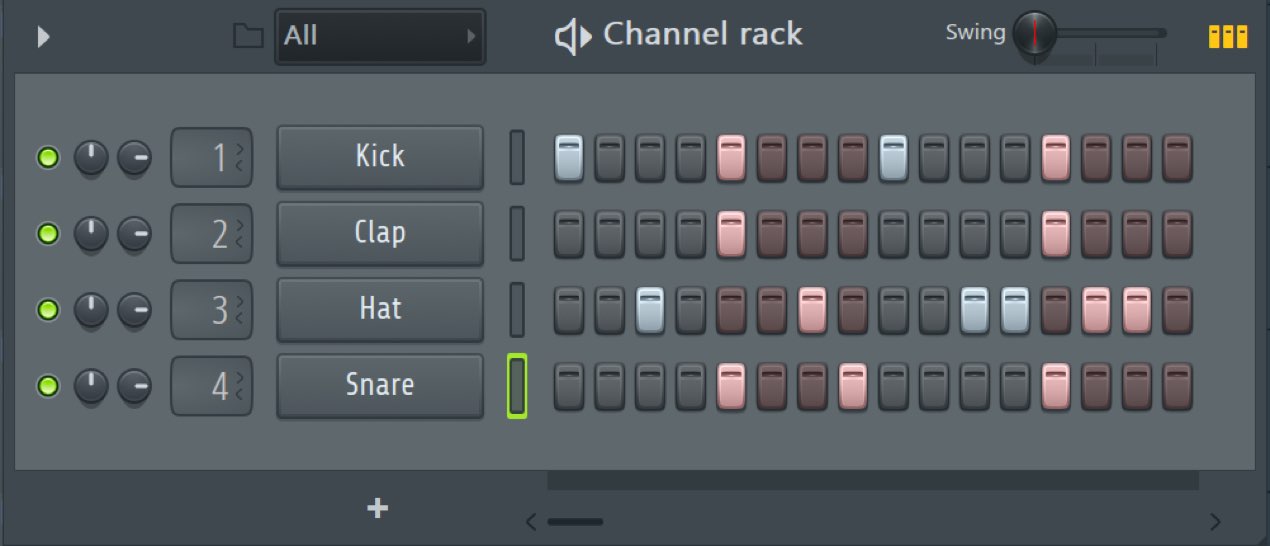
Here we use drums to demonstrate bus compression.
Bus Compression Tutorial Video
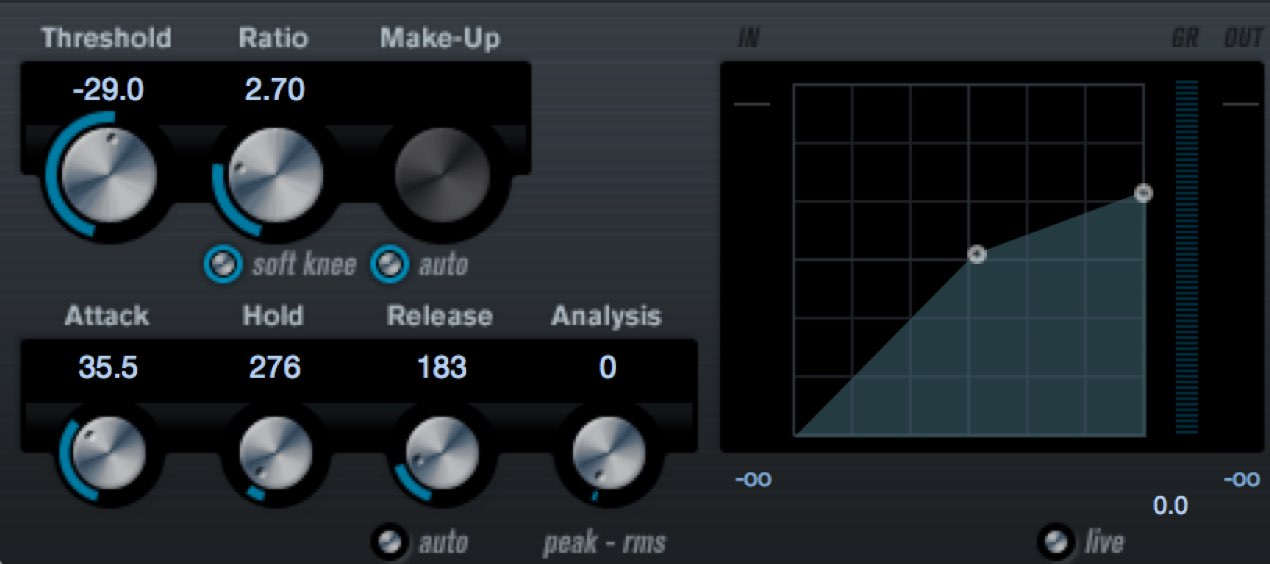
Key Solid Bus Comp Parameters

- 1. Threshold: sets the level at which compression begins.
- 2. Makeup Gain: raises the level after compression.
- 3. Ratio: determines how much the signal above the threshold is compressed, such as 2:1 or 4:1.
- 4. Attack: controls how quickly compression responds after the signal exceeds the threshold.
- 5. Release: controls how quickly compression eases after the signal falls below the threshold.
- 6. Gain Reduction: visually shows how much the level is being reduced.
Although we demonstrate with drums, you can use this technique on:
- Multiple backing vocal tracks
- String tracks
- Brass tracks
- Kick drum and bass
and many other groups.
It can help when a group of tracks needs a more cohesive sound.
Frequently Asked Questions
Q1. How does bus compression differ from master compression?
Bus compression can be applied to a group such as drums or vocals to make that section more cohesive. A master compressor processes the overall mix. A group bus allows more targeted shaping.
Q2. How should I set the threshold?
Adjust it while watching gain reduction and listening to the group. For drums, start by finding a point where the kick or snare triggers light compression, then adjust to suit the music.
Q3. Should I use bus compression on every track?
No. Use it on groups that benefit from more cohesion. Too much compression can flatten the sound, so judge each part of the arrangement by ear.
NEW ARTICLES
Latest English Articles