
The SONY C-80 is a condenser microphone for home studios that inherits technology from high-end models such as the C-800G and C-100. Its 24-karat gold-sputtered diaphragm and resonance-resistant enclosure help capture clear, detailed sound with low distortion. A dual-diaphragm design reduces the proximity effect, making it suitable for natural, present recordings of vocals, instruments, streams, and more. Film capacitors, a low-cut filter, and a pad switch add reliability and practical control, making the C-80 a strong choice for creators and streamers building a serious home studio.
A Versatile Home-Studio Partner: A Closer Look at the C-80
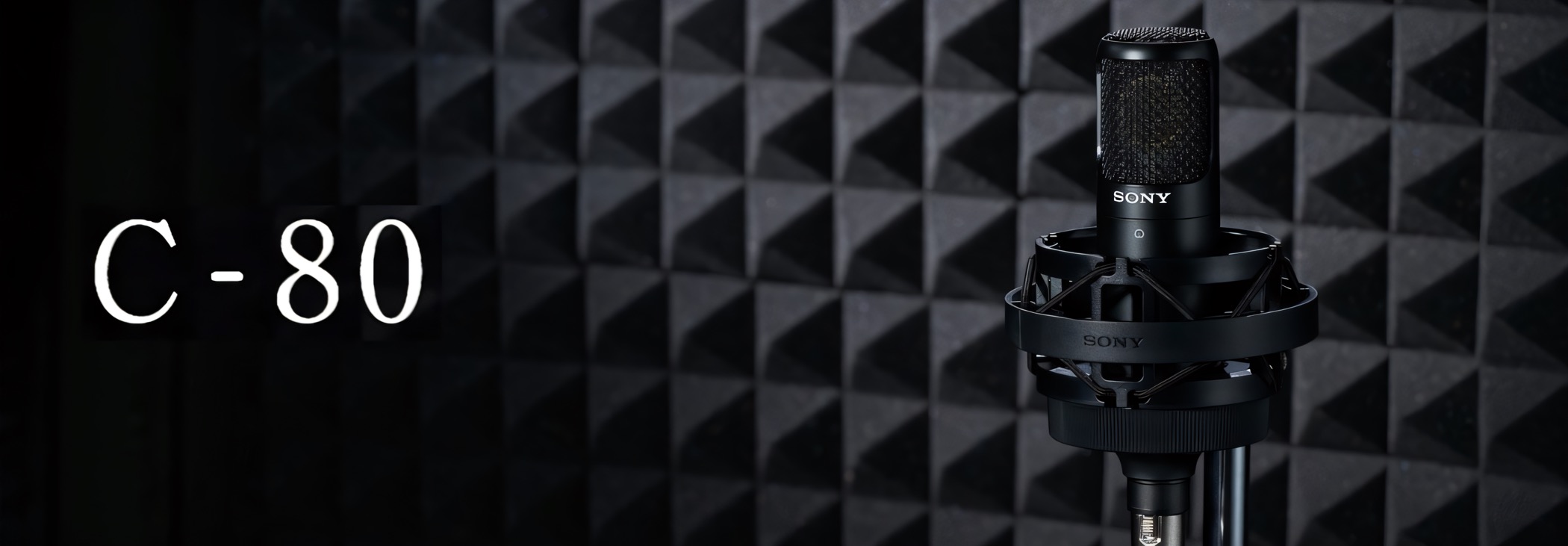
Designed for music creators and streamers seeking high-quality sound at home, the SONY C-80
inherits technology from high-performance microphones such as the C-800G and C-100, bringing professional-grade sound within reach in a home-studio setup.
Here, we take a closer look at the C-80’s key features and performance.
SONY C-80 Demonstration Video
A precision-engineered capsule delivers high sensitivity with low distortion
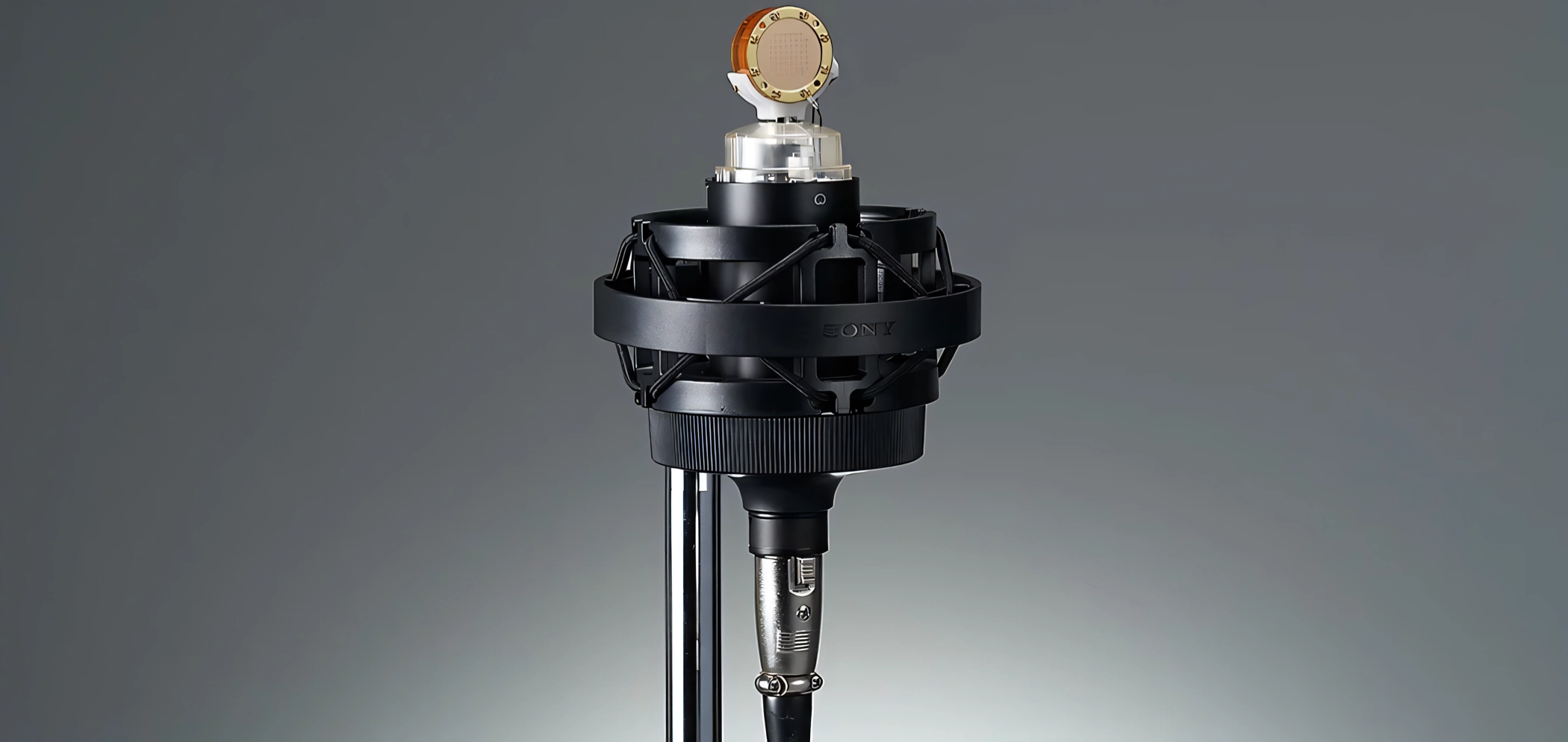
The C-80 is equipped with a dedicated capsule developed from the microphone capsule used in the acclaimed C-100,designed specifically for this modelBy lowering the acoustic impedance of the backplate, itincreases sensitivity.
The diaphragm is sputtered with 24-karat gold, while the capsule case and back electrode are made from precision-machined brass.
High-strength, highly insulating PEI is used for the insulation structure. Together, these technologiescapture clear, pure sound with reduced distortion.
A dual-diaphragm design for stable recording
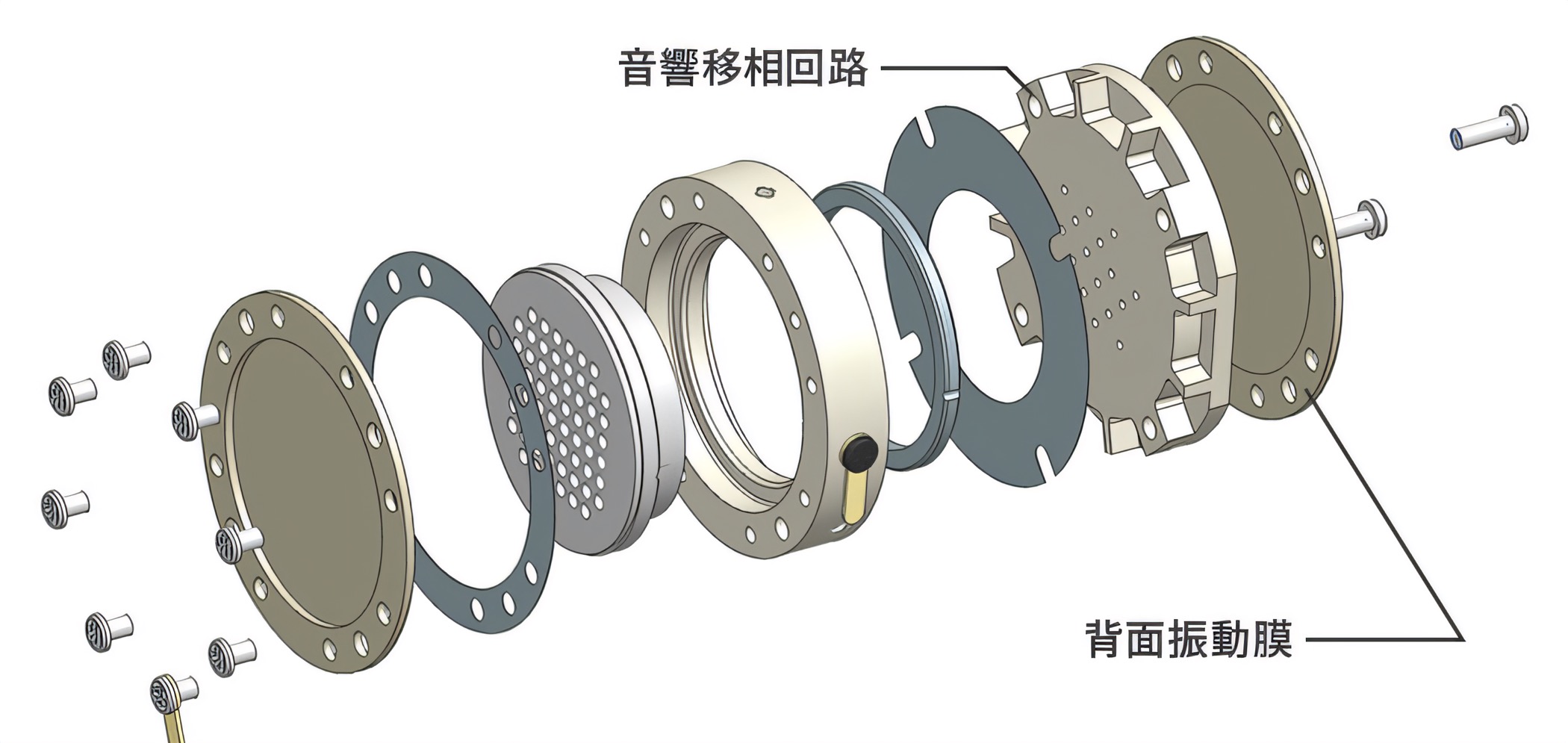
The rear of the capsule also uses an acoustic phase-shifting circuit. By shaping the pickup characteristics of the front and rear diaphragms, itachieves a precise unidirectional polar pattern.
In addition, a diaphragm on the rear side forms a dual-diaphragm structure thatreduces the proximity effect.
This helpsprevent excessive bass emphasis and a muffled sound, resulting in natural tone and clear recordings.
Clear sound from a resonance-resistant enclosure
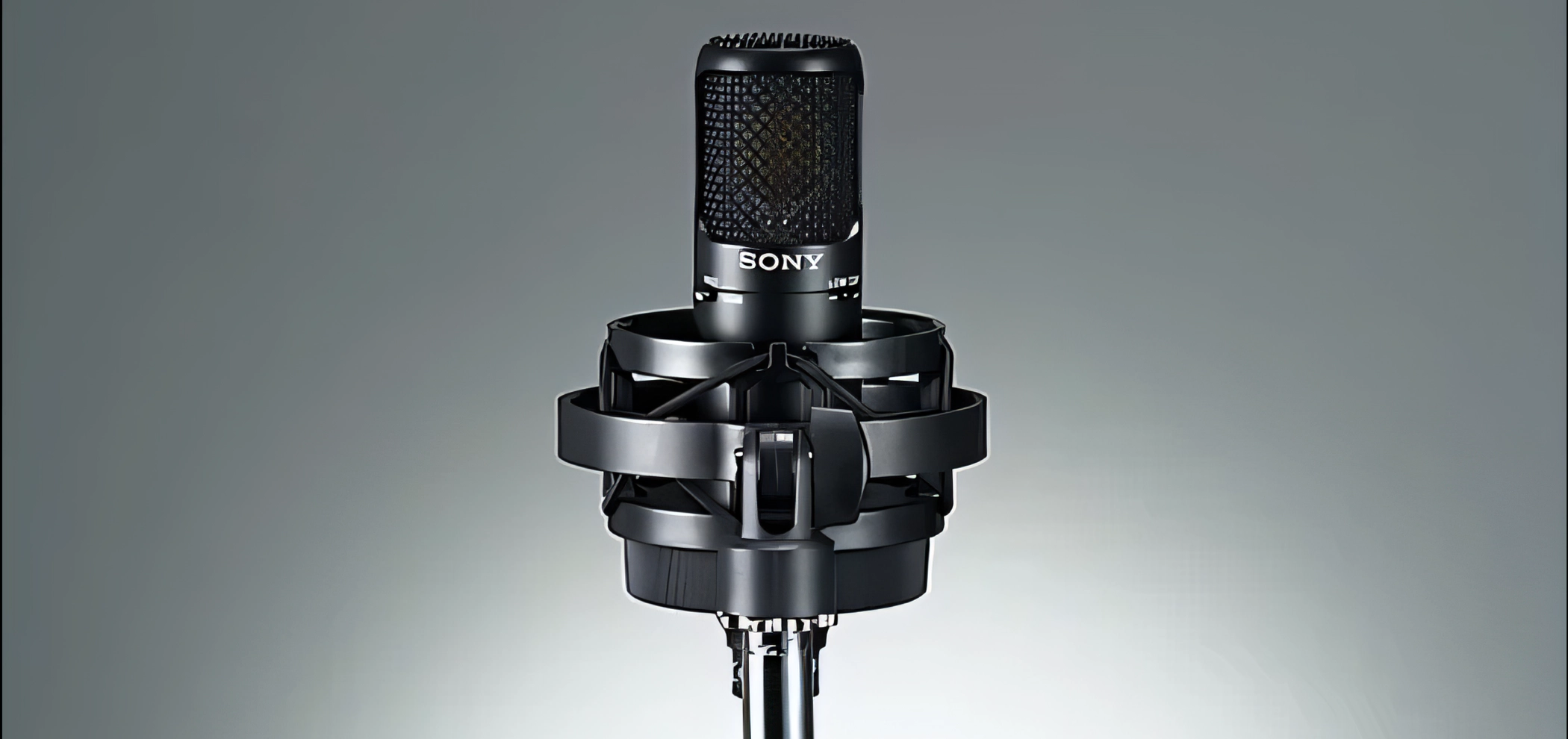
The microphone body uses the resonance-resistant enclosure design inherited from the C-800G and C-100,which suppresses unwanted body vibrationfor a clean, uncolored sound.
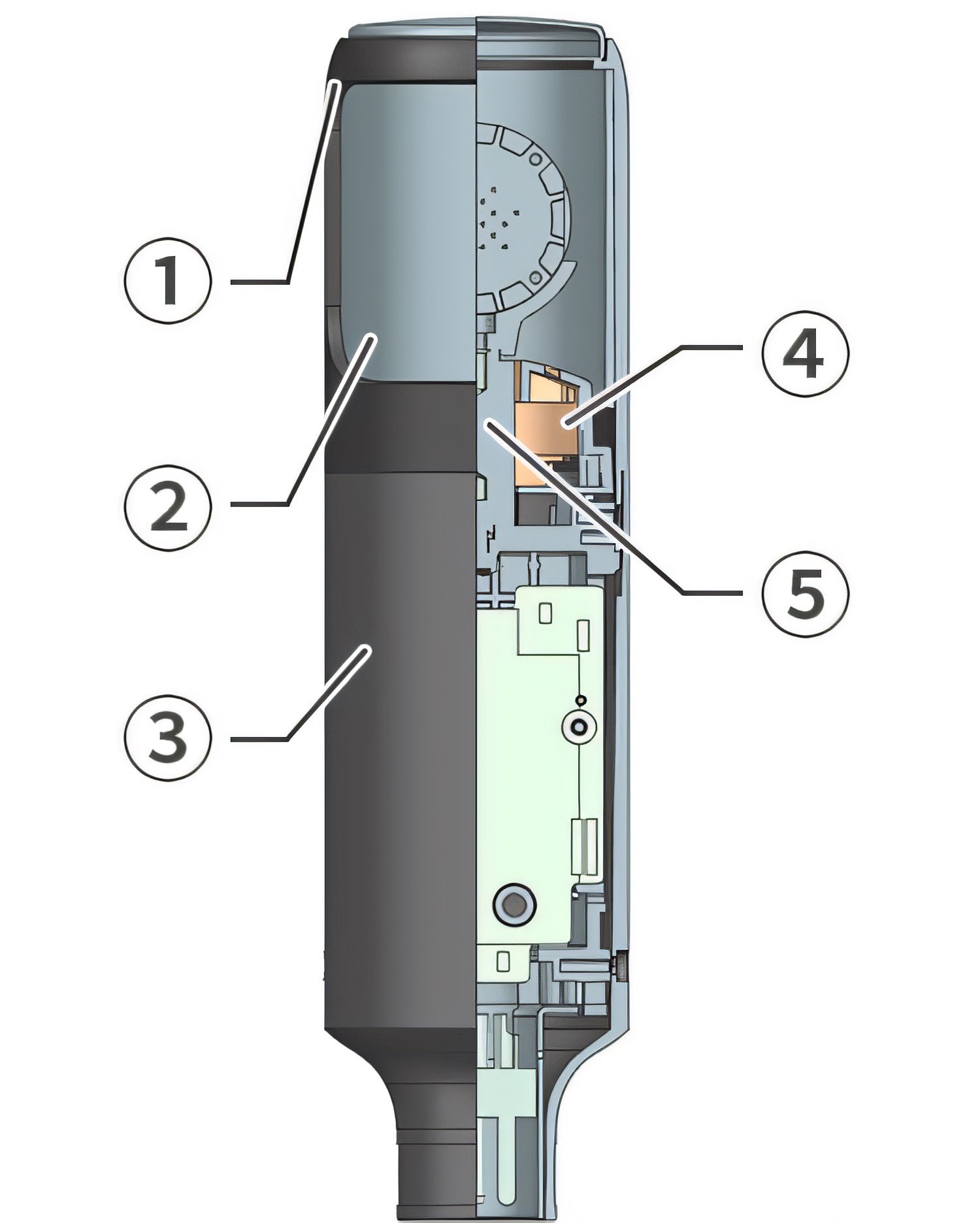
1. Microphone case: Zinc die-cast alloy with a high specific gravity is used to improve vibration isolation and damping.
2. Mesh: Made from the same material as the C-100 to preserve high-frequency extension and reduce muddiness.
3. Sleeve: Zinc die-cast alloy is used to provide vibration isolation and damping.
4. Reflector: A material with minimal inherent coloration is selected to reduce the effect of unwanted reflected waves.
5. Shock damper: Based on the C-800G’s vibration-isolation design, rubber is placed between the metal supports to reduce vibration while maintaining a focused sound.
Careful details for dependable performance

The C-80 signal path uses film capacitors to improve clarity and transparency, and high-precision metal-film resistors are used in the resistor section.
The output connector is an XLR-3-12C type with gold-plated contacts, helpingmaintain a stable connection and sound quality over time.
The microphone also includes a low-cut filter to reduce low-frequency noise and a pad switch to help prevent distortion from loud sources when recording vocals or instruments.
Ready for a wide range of recording situations
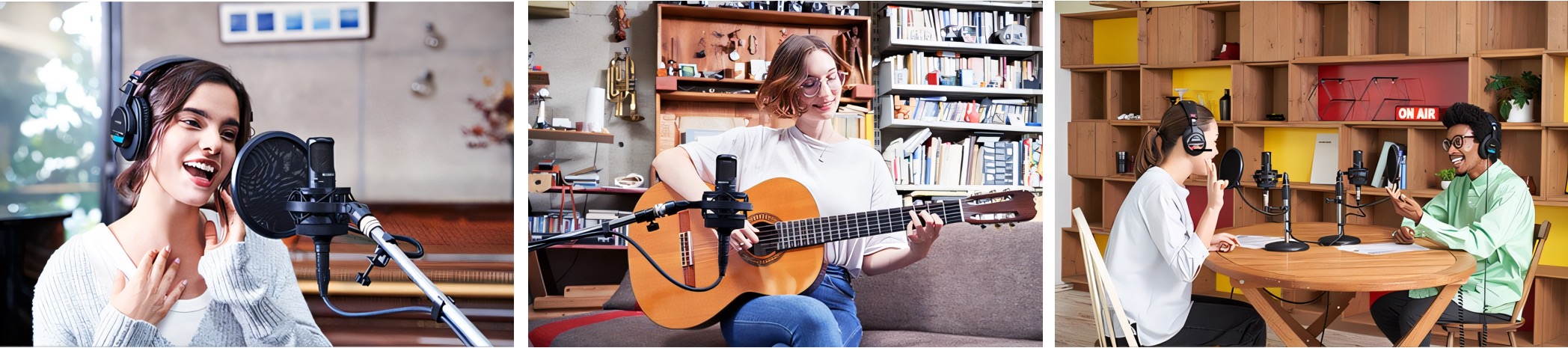
- Vocal recording: Captures subtle nuances and a strong, present vocal, helping the lead voice stand out from the instruments.
- Instrument recording: Reproduces the sound of guitar strings and the delicate details of a piano faithfully, with a rich low end and natural tone.
- Streaming and narration: Captures clear, natural speech with reduced noise, making it well suited to livestreaming and podcasts.
Specifications
| Item | Specification |
|---|---|
| Polar pattern | Unidirectional |
| Frequency response | 20 Hz–20,000 Hz |
| Sensitivity (front) | −30 dB (0 dB = 1 V/Pa, 1 kHz) |
| Dynamic range | At least 125.5 dB |
| Signal-to-noise ratio | At least 81.5 dB |
| Maximum input sound pressure level | At least 138 dB SPL |
| Power supply | External supply: DC 44–52 V (IEC standard) |
| Dimensions (maximum diameter × length) | 40 × 158 mm |
| Weight | Approx. 215 g |
Price and purchasing
The Sony Store lists the C-80 at¥59,400 (tax included).
The purchase also includesthe three-year Basic Manufacturer’s Warranty at no extra cost.
The following optional benefits are also available:
- Partner-card discount: Get 3% off when paying with an eligible partner card.
- Member benefits: Register for My Sony to receive access to special coupons.
- Extended warranty service: Optional additional coverage is available to support long-term use of the product.
Get the C-80 and experience its detailed sound and clear recordings for yourself.
Frequently asked questions
Q1. How does the C-80 differ from the C-100?
The C-100 is a high-end model for professional studios, while the C-80 carries over some of its technology in a design intended for home studios. At ¥59,400 including tax, the C-80 offers high-quality sound at a more accessible price and is suited to a broad range of users, from beginners to intermediate creators.
Q2. Is the C-80 suitable for vocal recording?
Yes. It captures subtle nuances and detailed vocal expression. Its low-noise design helps vocals remain present against instruments, and it can be used across genres such as pop and R&B.
Q3. Is it easy for a home-studio beginner to use?
Yes. Practical features such as the low-cut filter and pad switch make it possible to record high-quality audio without complicated adjustments. A three-year warranty at no extra cost and optional extended coverage are also available.
Q4. Is it suitable for streaming and podcasts?
Yes. Its low-noise design captures clear, natural-sounding speech and can improve audio quality for livestreams and podcasts. Its vocal-microphone performance can also help make a positive impression on listeners.
Q5. What external power-supply voltage does it require?
It uses an external DC supply of 44–52 V (IEC standard). It can be connected to and used with an audio interface that supports standard phantom power.
NEW ARTICLES
Latest English Articles




















































