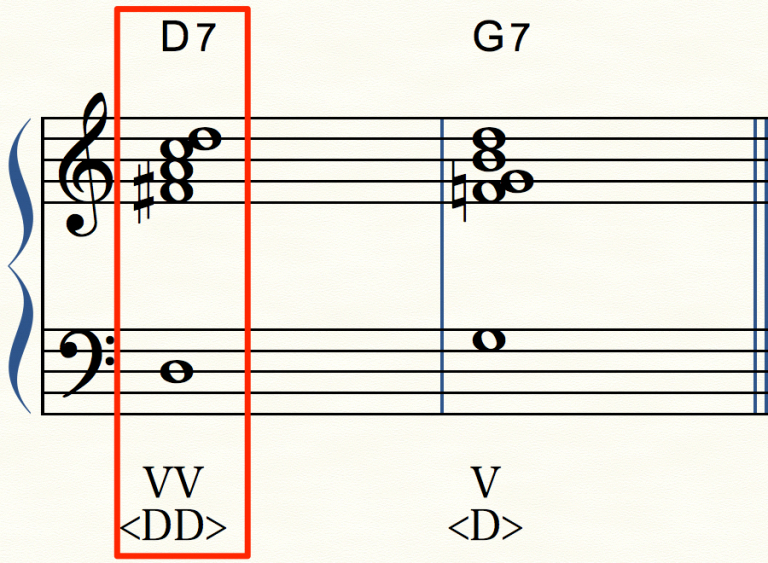
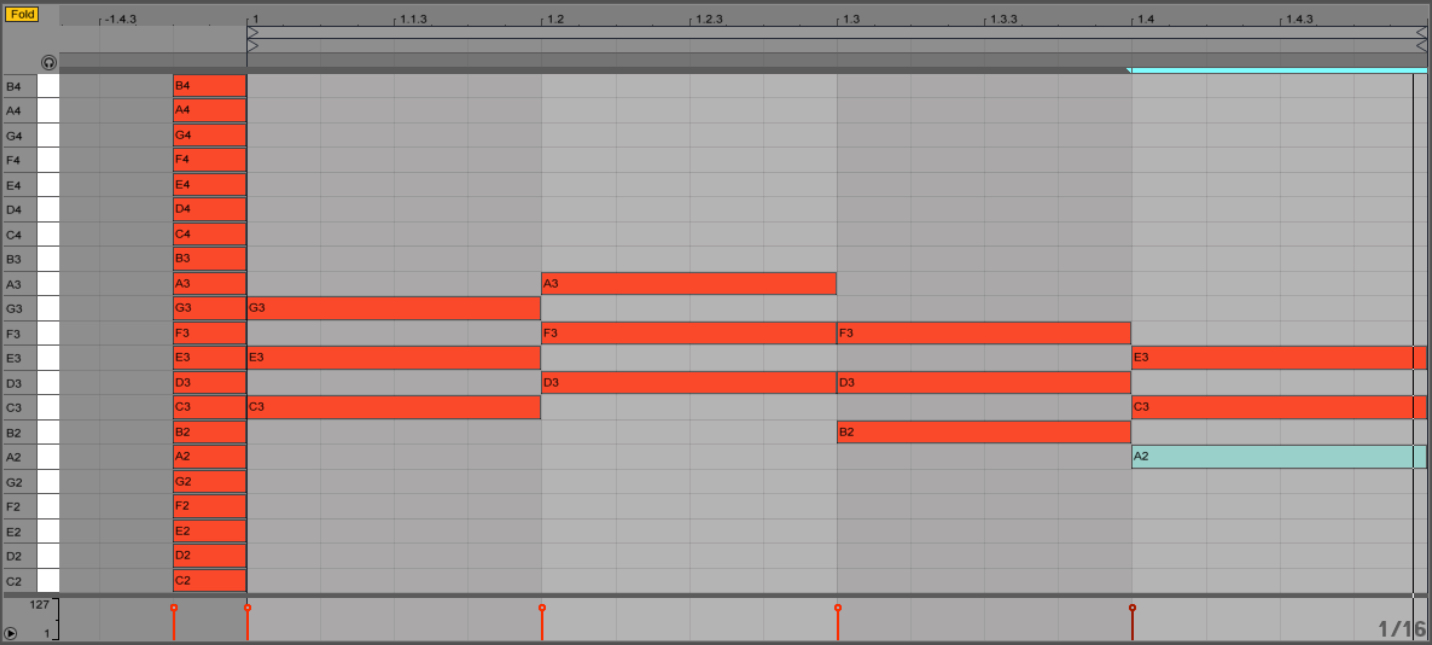
The pad sound used in Perfume's ‘Chocolate Disco’ is a synthesizer staple that works in many contexts, including backing parts and riffs. This article explains how to create a thick sound by using saw waves across multiple oscillators and slightly changing their pitches. By adjusting filtering, effects, and voicing step by step, beginners and experienced producers alike can develop practical sound-design skills and achieve a polished result.
A Classic Synthesizer Sound

Our Valentine's Day special continues.
Synth Recipe: Perfume's ‘Chocolate Disco’
This time, we create the pad that adds harmonic texture to the song.
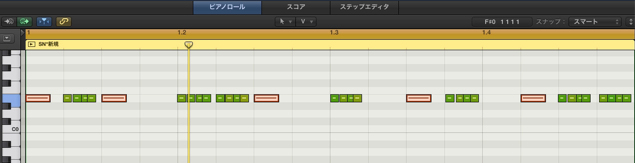
This is a classic synthesizer sound
that is often used for backing parts and riffs.
We hope you'll learn how to make it here.
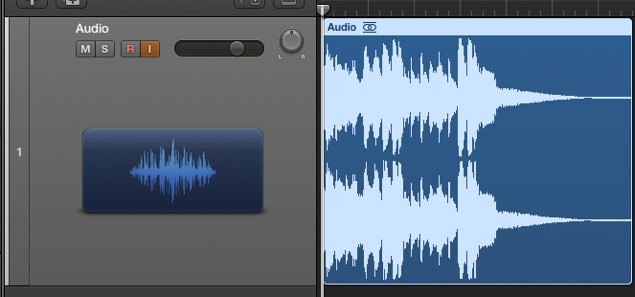
Reference Track

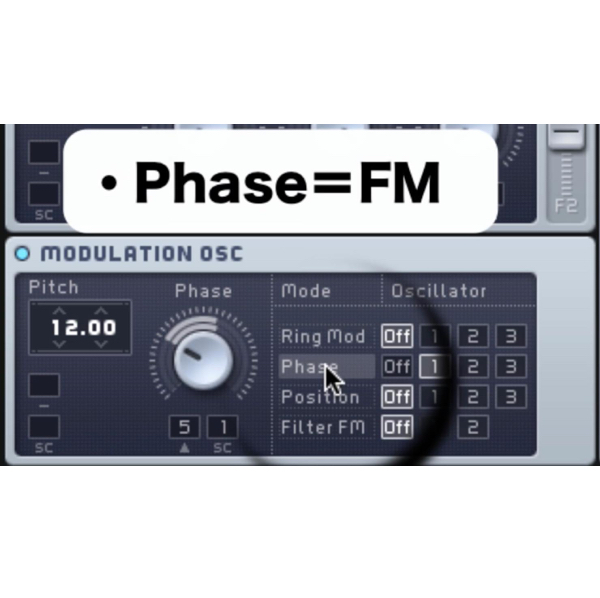
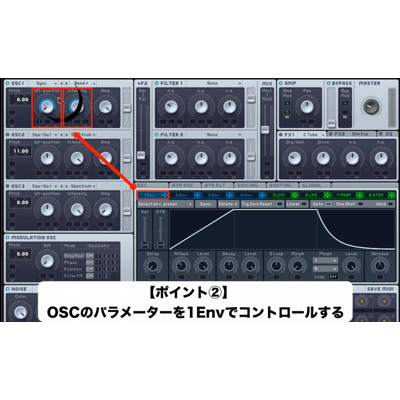
You can make this sound using saw waves on multiple oscillators and
slightly detuning them relative to one another.
How to Create the Sound
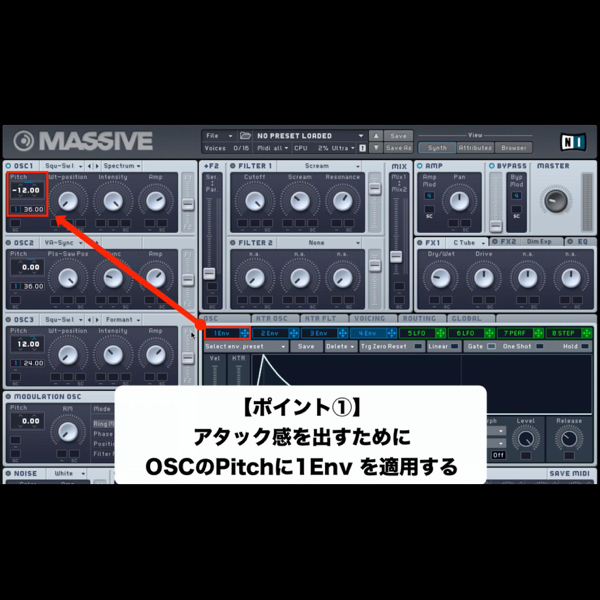
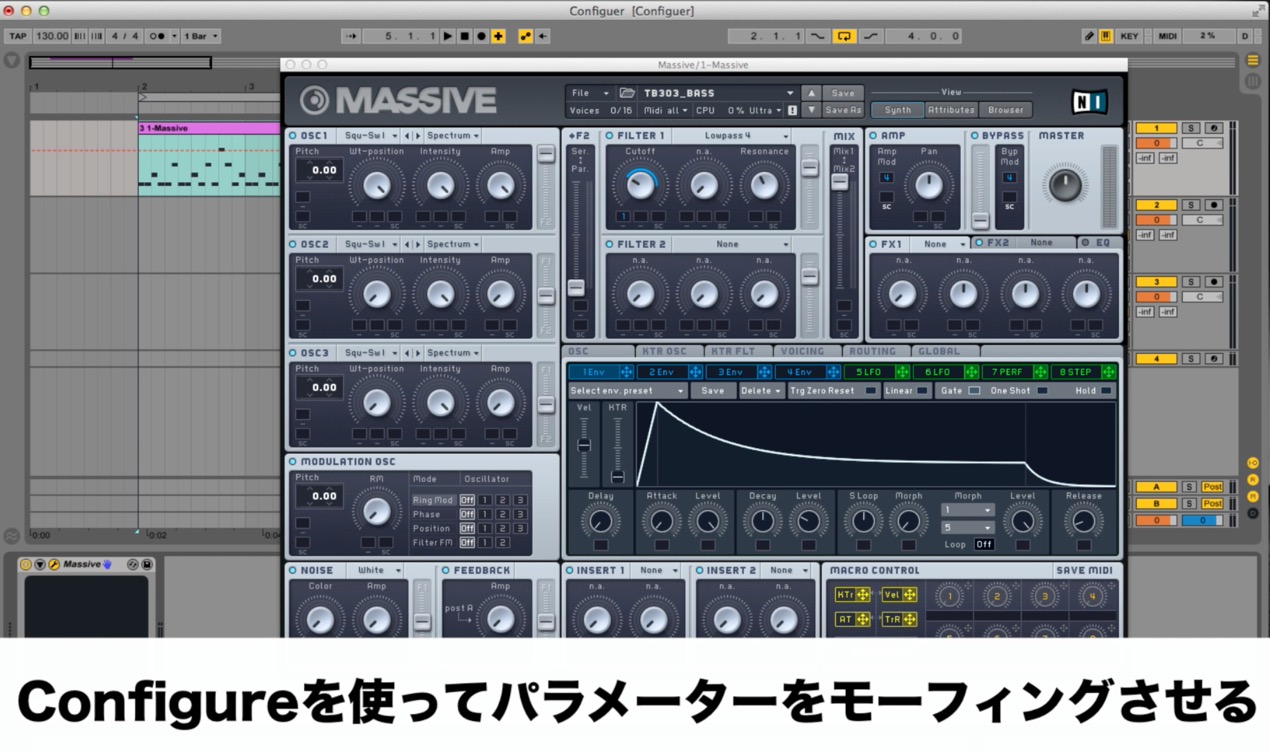
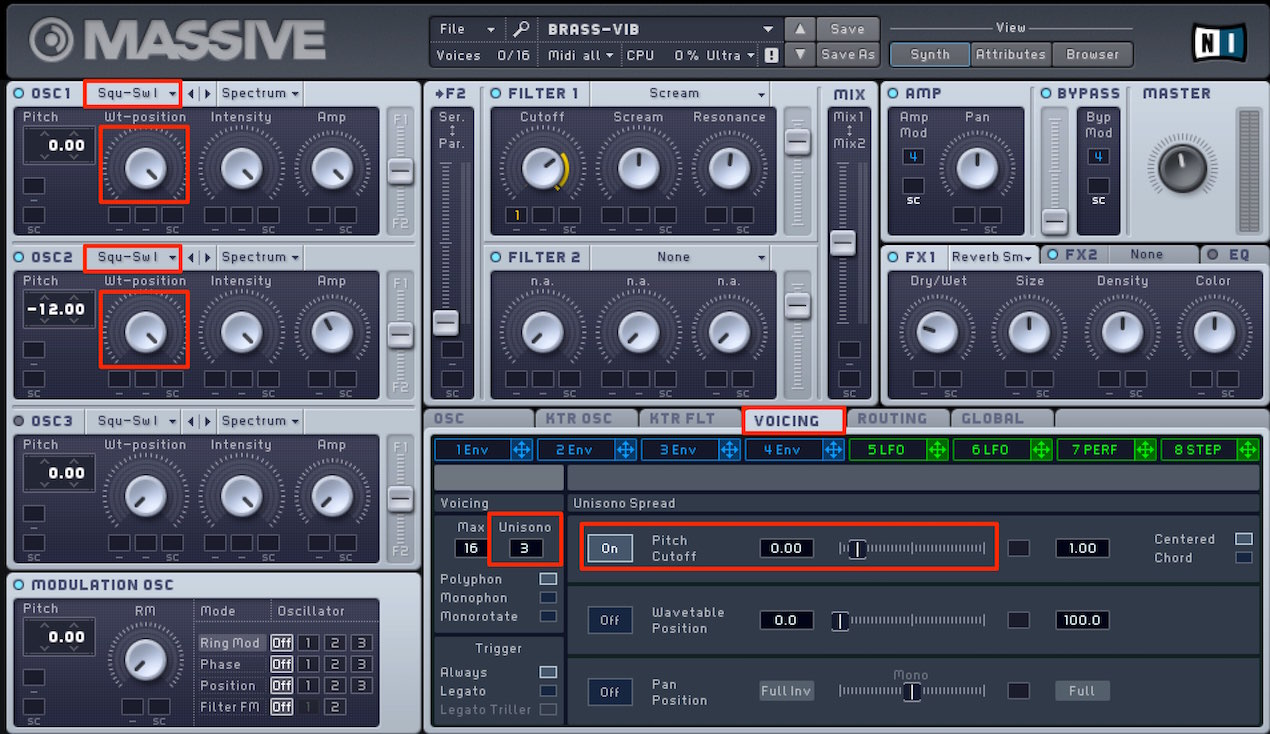
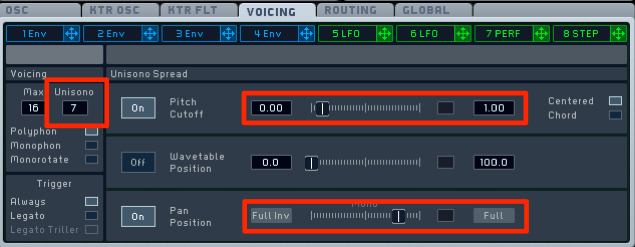
Set Unison in the Voicing Tab

Open the VOICING tab to add more thickness.
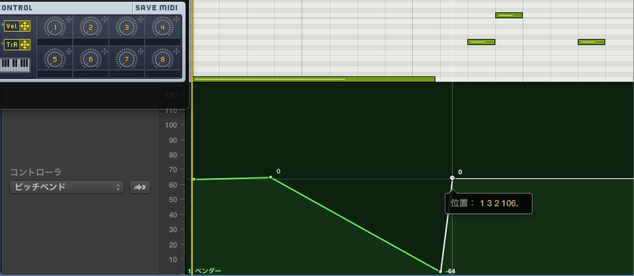
- Use ‘Unisono’ to layer voices.
Keep the number relatively low when playing chords. - Use ‘Pitch Cutoff’ to vary the pitch slightly.
Applying the Filter

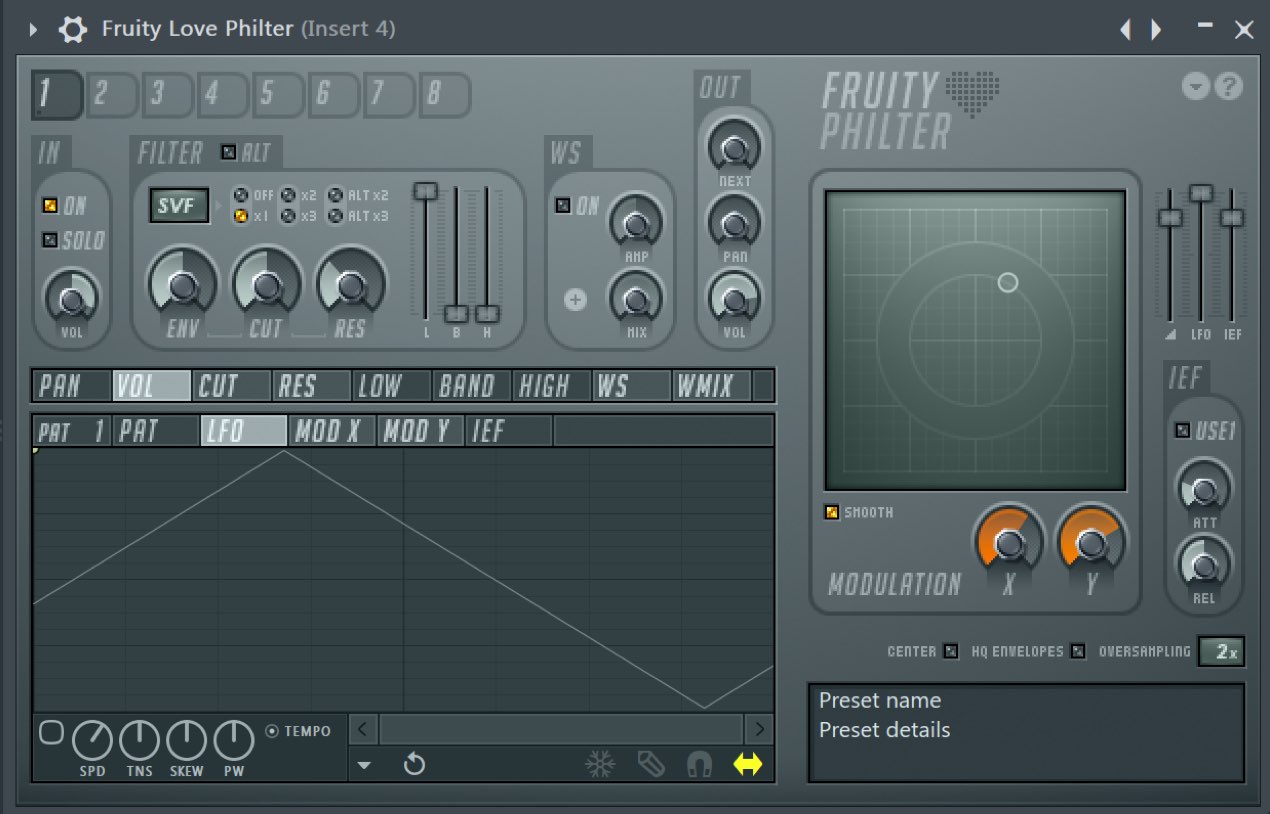
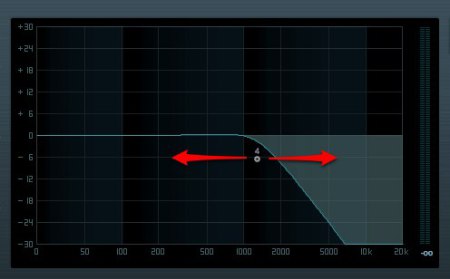
Use the filter to adjust the sound.
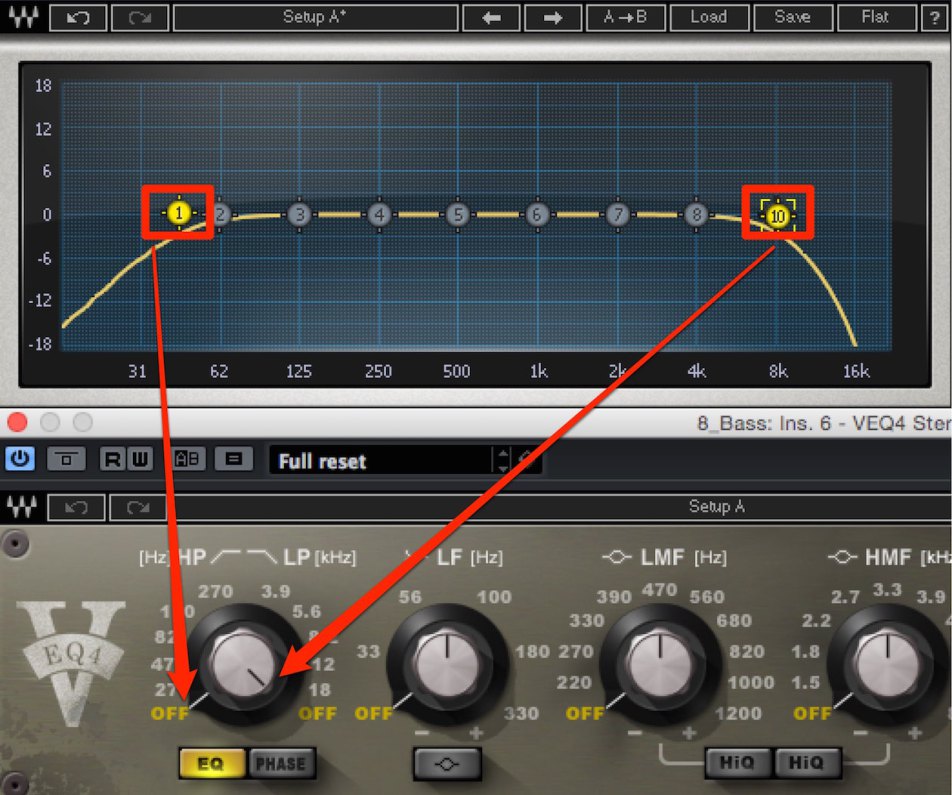
- Highpass: Cut low frequencies to clean up the sound.
- Lowpass: Cut high frequencies to soften the sound.
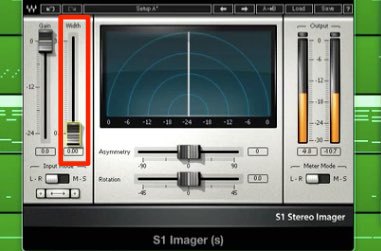
Use the filter level and balance controls outlined in red to fine-tune the tone.
Applying Effects

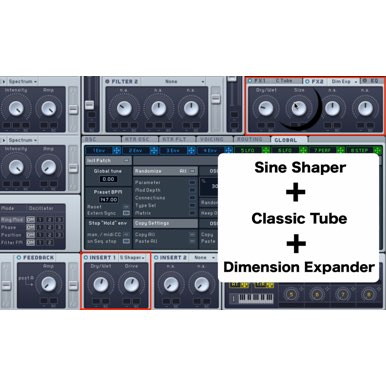
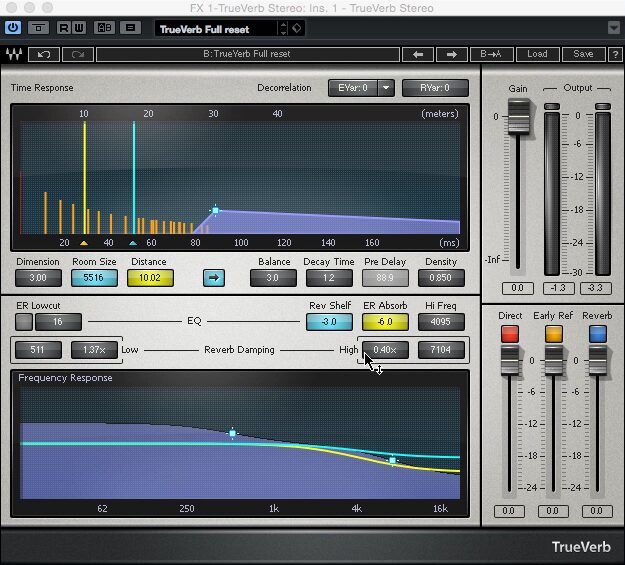
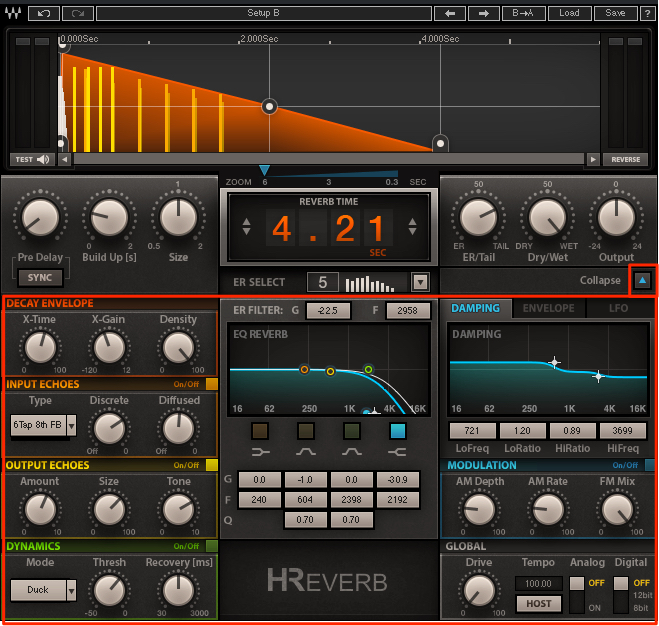
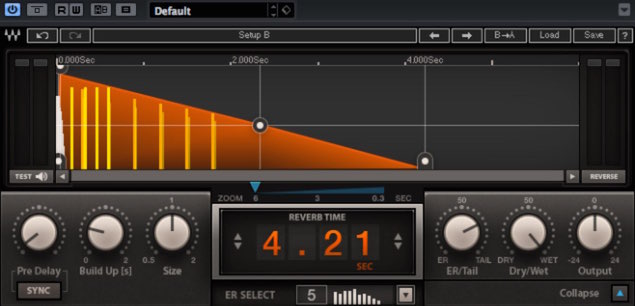
Apply reverb to add depth to the sound.
Also, at this stage:

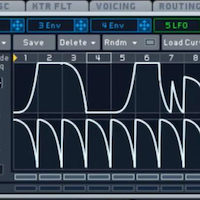
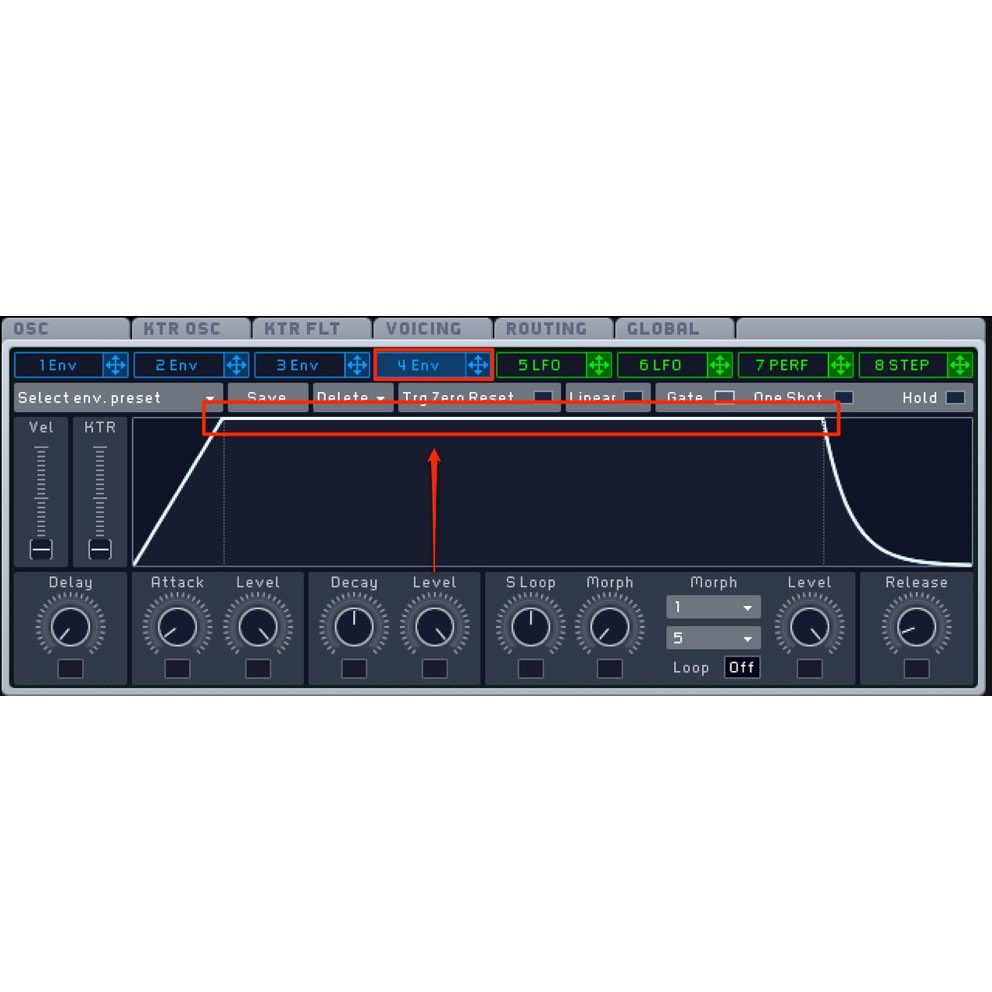
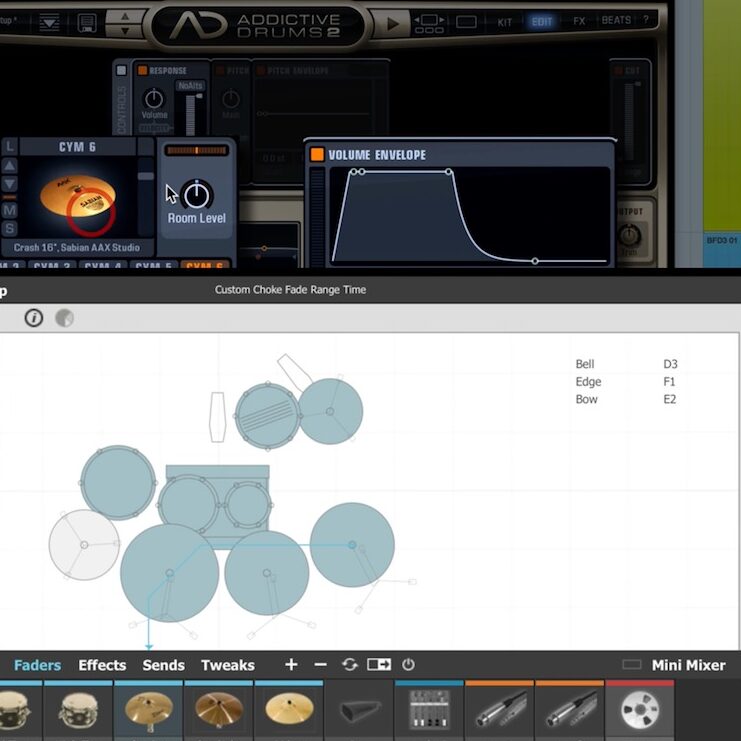
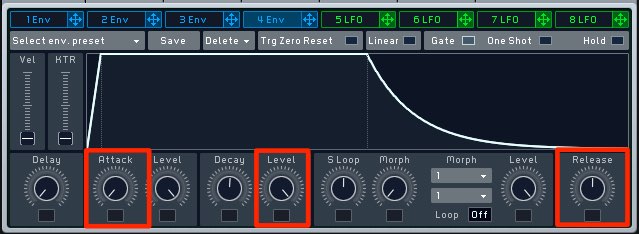
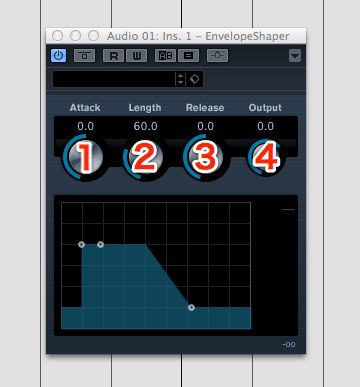
In the volume envelope, ENV 4,
a longer release makes the end of the phrase sound more natural.
The sound is now complete.
Frequently Asked Questions
Q1. Do I have to use saw waves to make a pad sound?
Saw waves are rich in harmonics and work well for thick pads, but other waveforms can also be combined. Detuning multiple oscillators can add thickness to a saw-based sound; the result depends on the waveforms and settings used.
Q2. Why keep the Unisono count relatively low?
When playing chords, too many unison voices can make the sound muddy. Using fewer voices can help keep individual pitches clear and preserve the character of the chord.
Q3. Why adjust the volume envelope's release?
A longer release in ENV 4 allows the sound to fade after notes are released, giving the end of a phrase a more natural tail. Reverb separately adds depth and its own decay.
NEW ARTICLES
Latest English Articles