This guide to the original iZotope Neutron explores its EQ, compressors, exciter and transient controls, including ways to refine settings created by Track Assistant. It describes the version shown in this 2016 tutorial; features may differ in later versions.
Understanding the Effects for Further Sound Shaping
In the previous tutorial, we focused on the innovative Track Assistant.
It automatically adjusts settings to the character of a track.
Here we will examine the individual effects in Neutron.
iZotope’s mixing plug-ins offer high-quality processing and an approachable workflow.
Understanding these effects also lets you fine-tune sounds created by Track Assistant.
Video: Neutron’s Effect Sections
Original purchase link: the clickable link opens a Neutron search, but the printed URL leads to an Ozone search. Verify the product before purchasing.

Effect Mix Amount
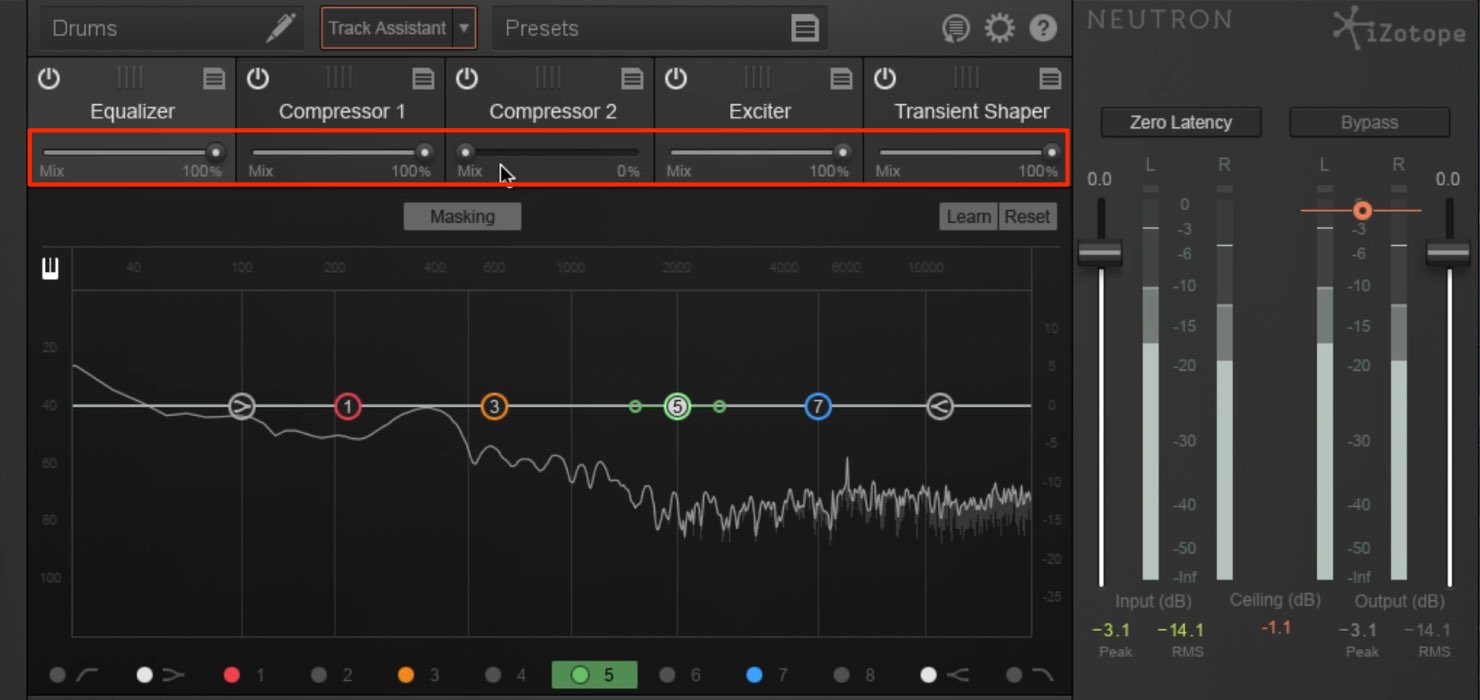
Each effect has a Mix slider to adjust its contribution.
At 0% you hear the unprocessed dry sound; at 100% you hear the fully processed wet sound.
If an effect is too strong, use this slider to mix in the dry signal.
This can give a more natural result.
One technique using this approach is parallel compression.

Equalizer Section
In the previous tutorial, we covered the EQ’s masking feature.
Here we will examine its other features.
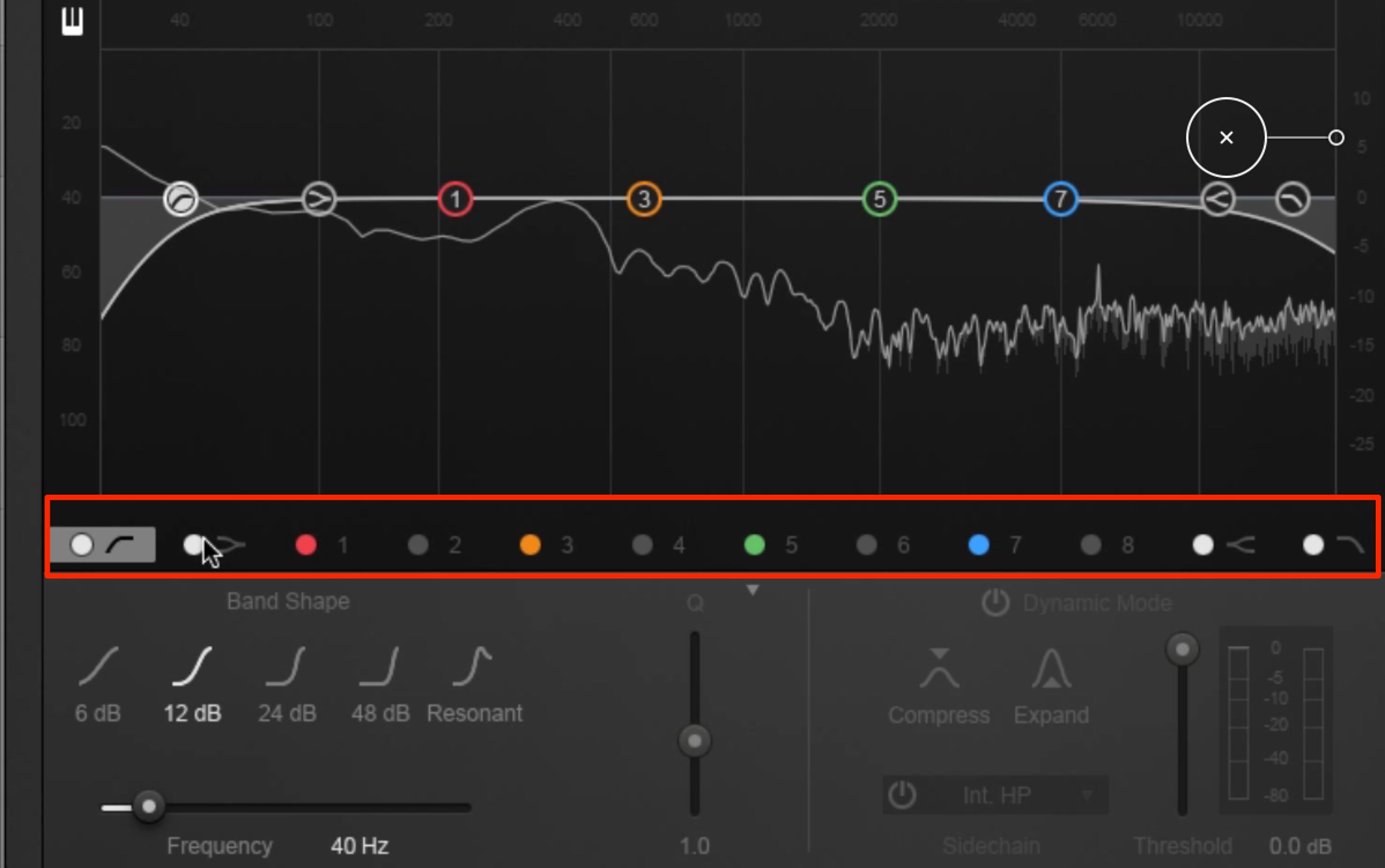
There are 12 EQ points; enable a point to use it.
Select the EQ curve below each point.
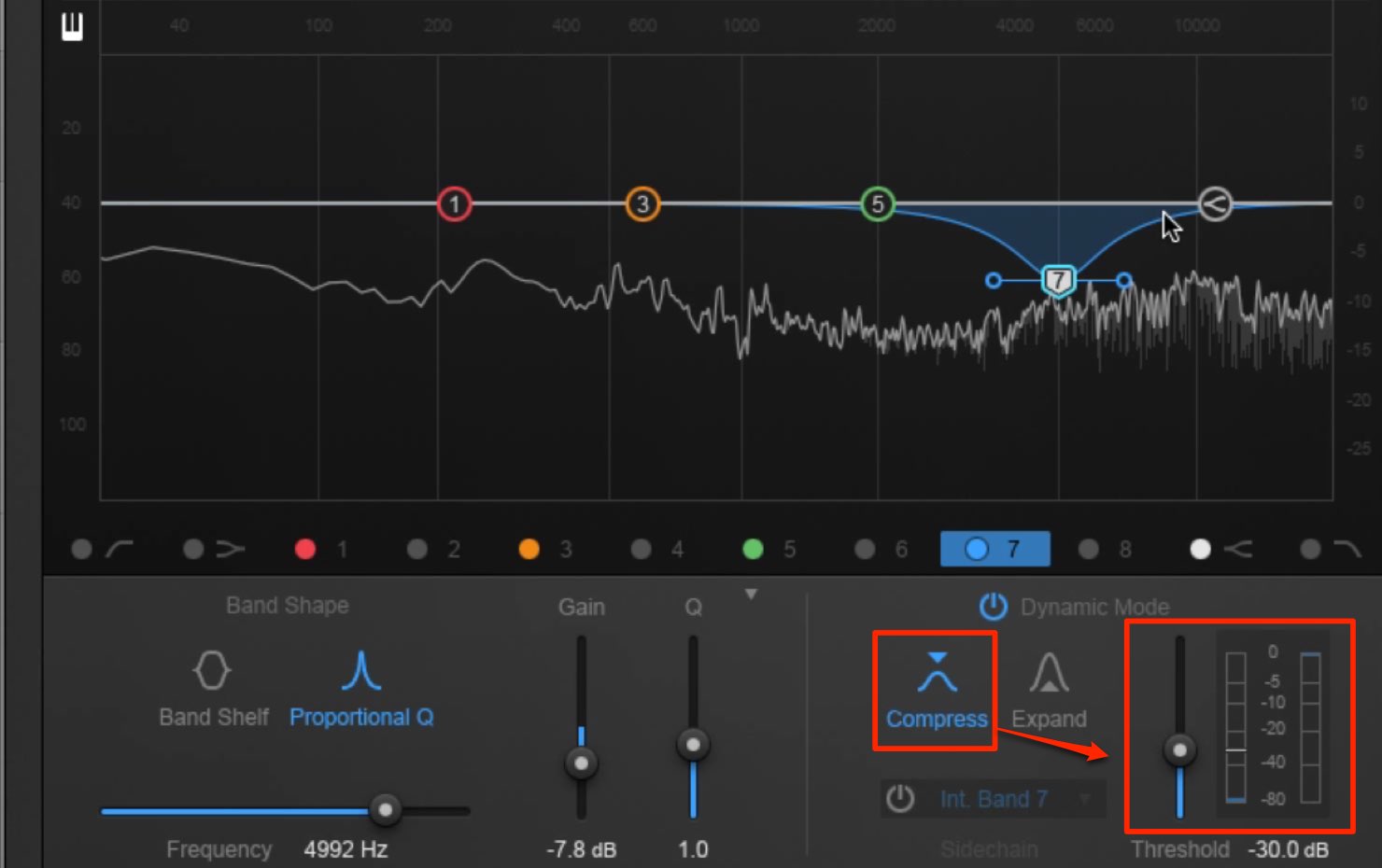
An EQ point also has a Compress function, which can be used for frequency-dependent compression.
After enabling Compress, lower the Threshold slider to start compressing the selected frequency range.
The meter on the right shows gain reduction so you can see how much compression is being applied.
Compressor Section
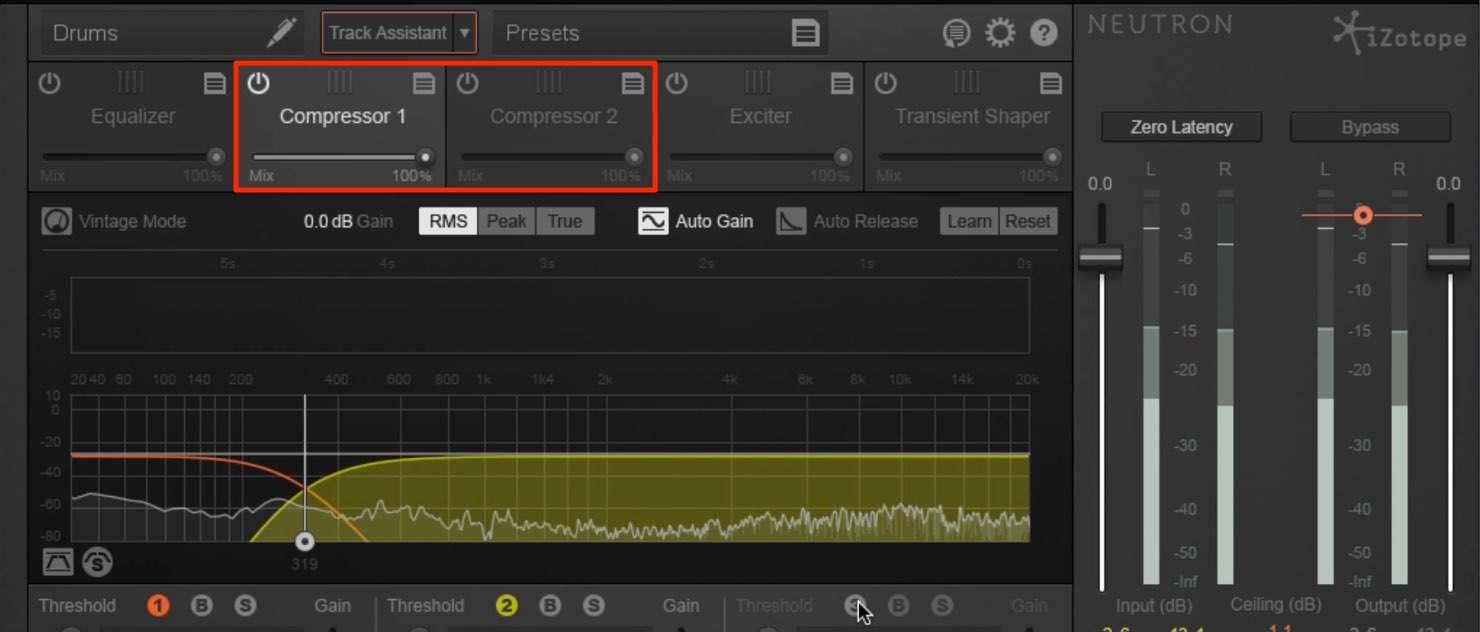
Neutron has two compressors, allowing you to use two stages of compression.
For example, set one gently and the other more aggressively, then adjust each Mix slider to control the result.
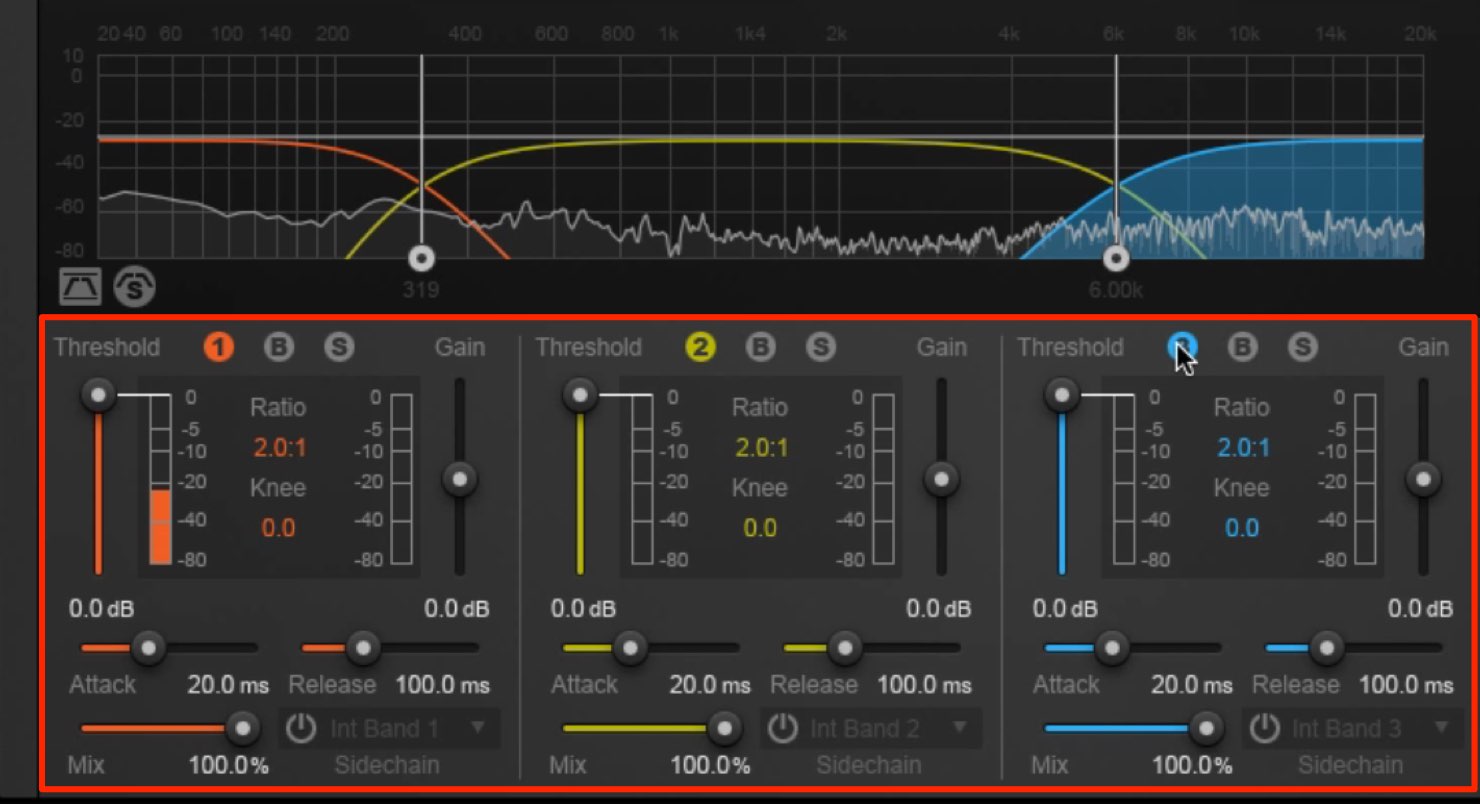
Each compressor can operate across three bands.
Enable multiple bands to apply compression to each range as a multiband compressor.
Setting the frequency ranges of a multiband compressor can be challenging.
Neutron can automatically set crossover points based on the audio.
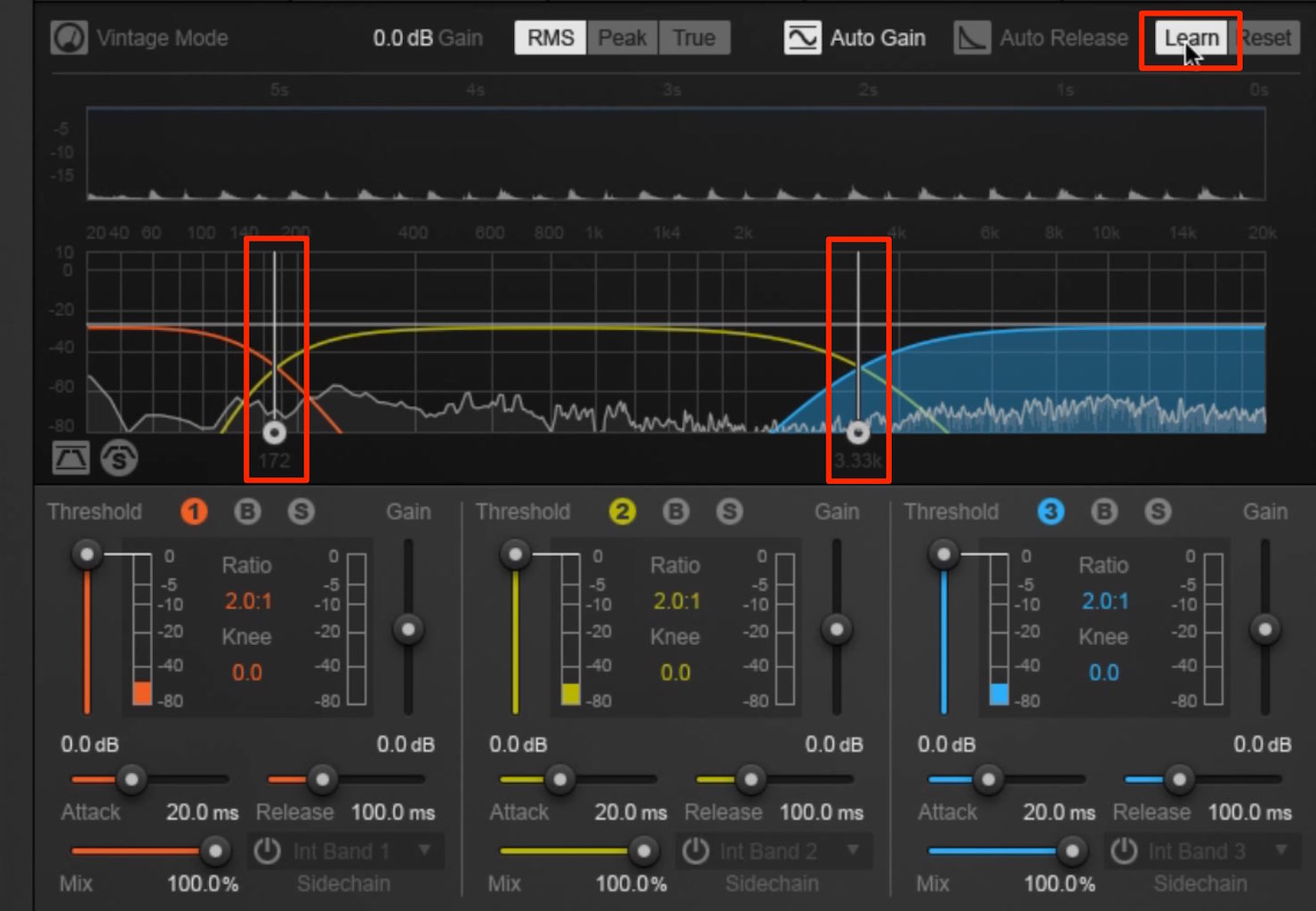
Enable Learn and play the track.
The plug-in analyzes the audio and adjusts the crossover points.
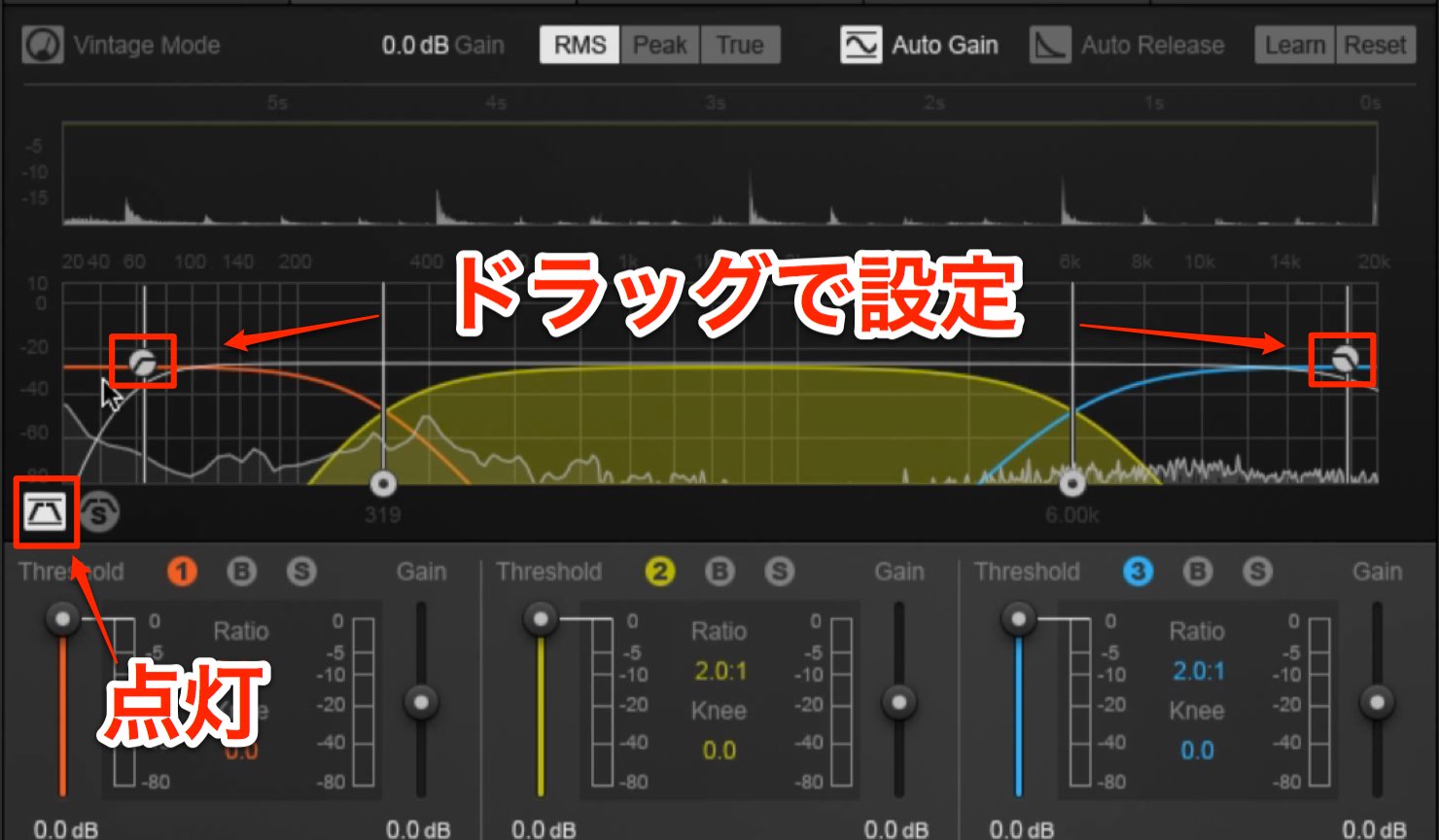
Extreme low or high frequencies can sometimes prevent the desired response.
You can configure the compressor not to react to those ranges.
Enable the highlighted button and drag to select the range the compressor should ignore.
Exciter Section
The exciter adds distortion that can create warmth or help a sound sit in a mix.
Depending on its settings and the material, saturation can also alter peaks and perceived loudness; check the output level and sound by ear.
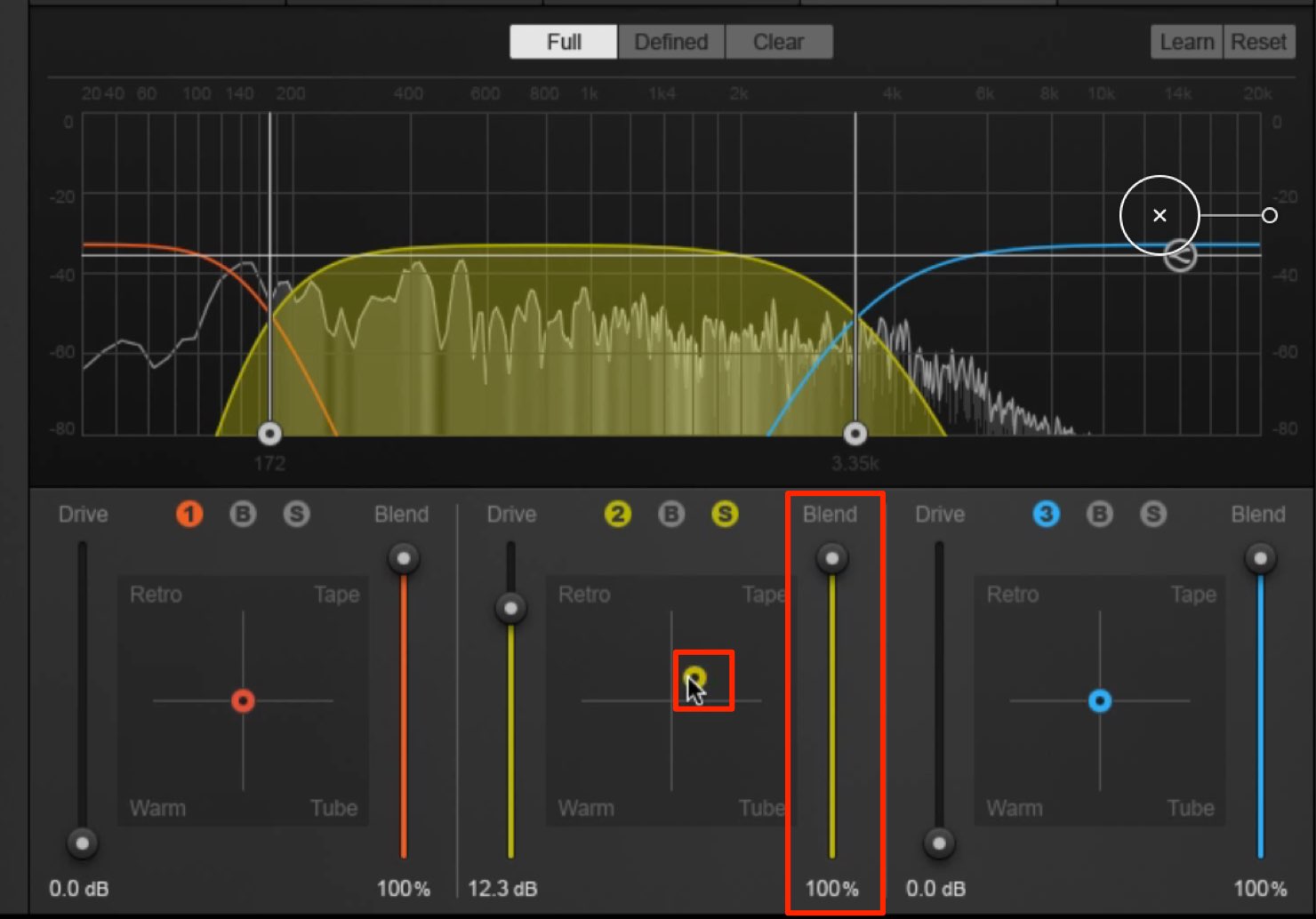
As with the compressor, you can control distortion separately by frequency band.
Learn can also set the bands automatically.
Use the central matrix to select the distortion character and the slider on the right to set its amount.
You can create anything from natural saturation to strongly distorted overdrive.

Using Distortion to Help Sounds Sit in a Mix
If a track stands out too much, try saturation or a more heavily distorted sound.

This related tutorial demonstrates using distortion to help cymbal and hi-hat tracks sit in a mix.
The related article explores distortion and added harmonics on hi-hats and cymbals. The original preview text ends mid-sentence.
Transient Section
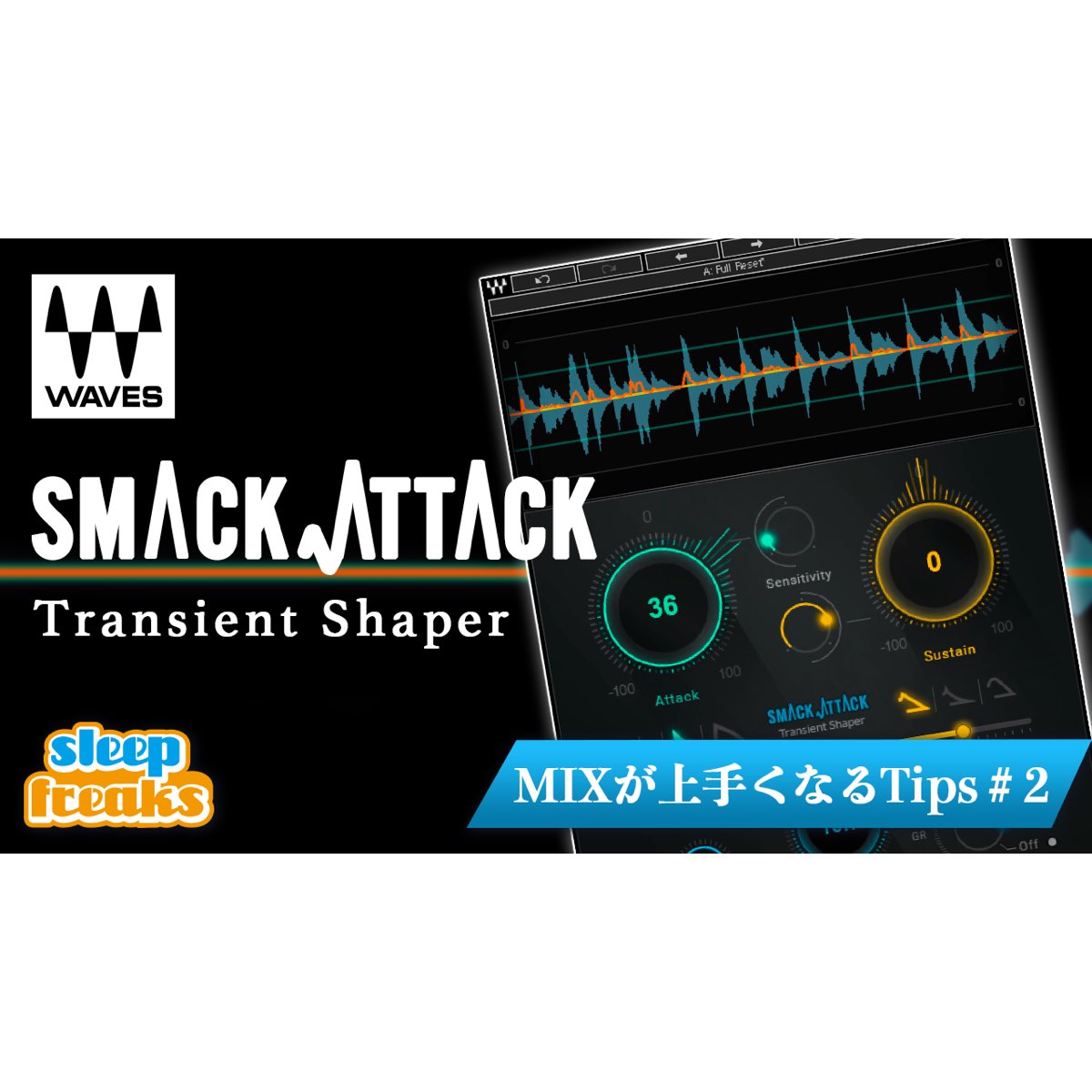
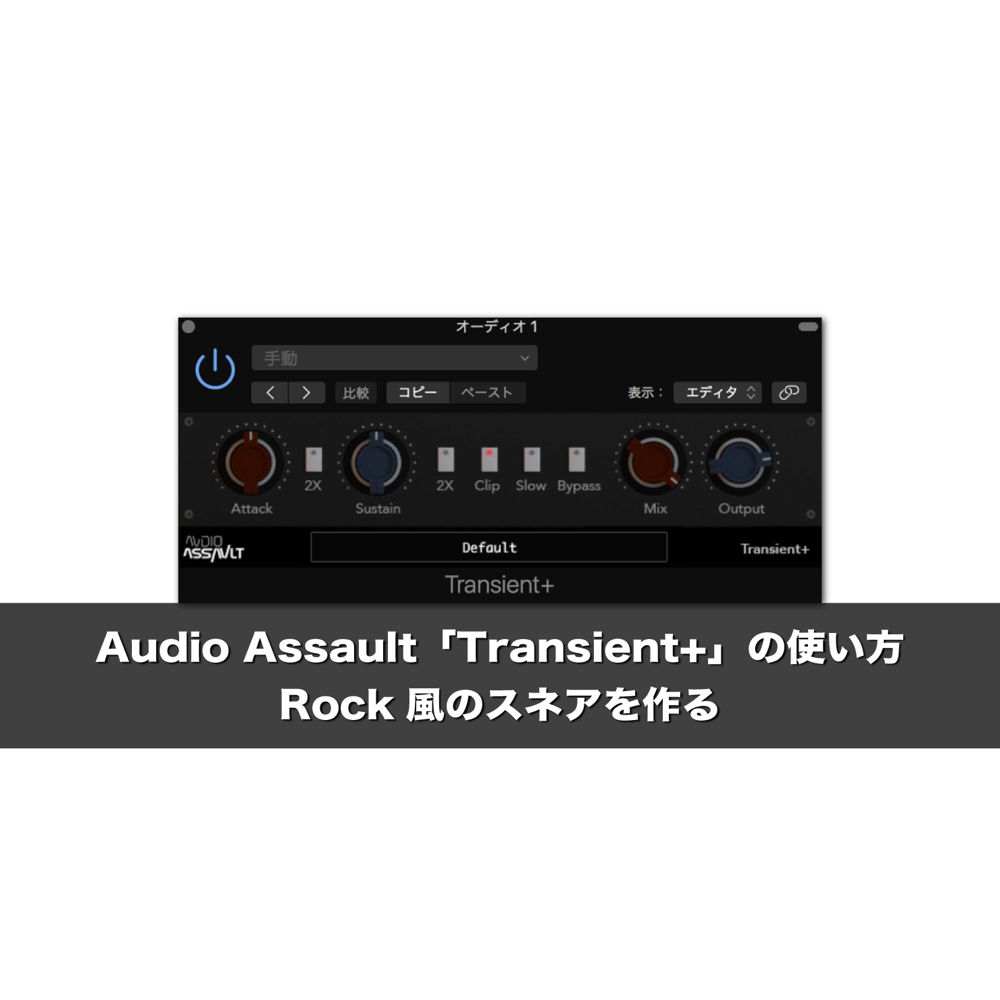
This effect lets you adjust the attack and sustain of a track separately.
It is particularly useful for controlling drums and other percussion.
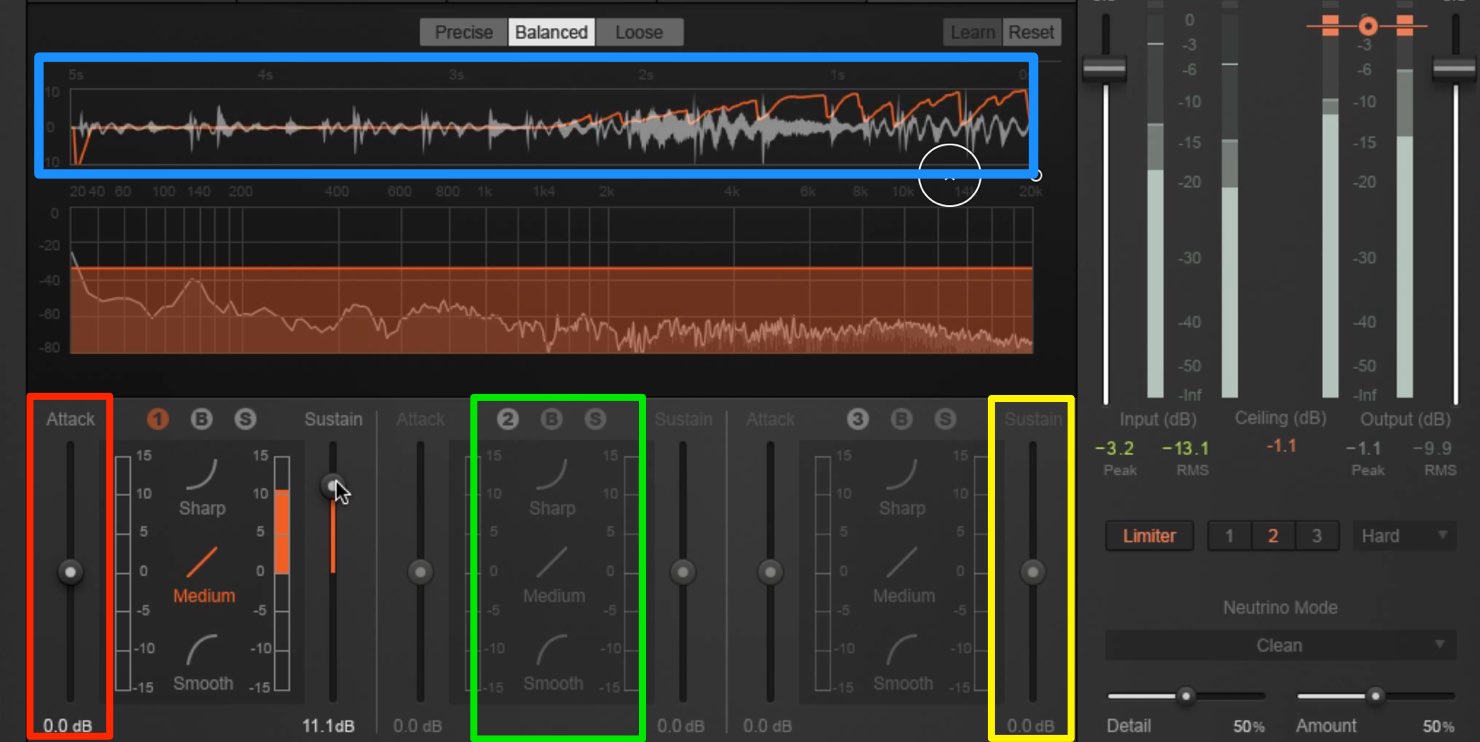
- Red: Emphasize the attack; negative values reduce it.
- Green: Select the transient processing curve to change the character of the sound.
- Yellow: Emphasize sustain; negative values reduce it for a gate-like effect.
- Blue: The orange curve shows how the transient processing changes the sound.
Increasing sustain may increase the sense of loudness, depending on the material and settings.
How did you find the overview?
The effects can look complex at first, but share many controls that make them easier to understand.
The visual displays also help you see how your adjustments affect the sound.
A demo version was available from the manufacturer when this guide was written; check current availability.
Give it a try.
Original purchase link: the clickable link opens a Neutron search, but the printed URL leads to an Ozone search. Verify the product before purchasing.
Frequently Asked Questions
Q1. How does Neutron’s Mix slider work?
The Mix slider blends dry and processed sound from 0% dry to 100% wet. It can be used for techniques such as parallel compression.
Q2. What if setting multiband crossover points is difficult?
Enable Learn and play the track so Neutron can analyze it and propose crossover points. Listen and adjust them as needed.
Q3. How can I make drums sound louder?
Increasing sustain in the transient section or applying exciter saturation may change perceived loudness. Results depend on the source and settings, so compare at matched levels and monitor peaks.
NEW ARTICLES
Latest English Articles