Identifying a key is a useful foundation for music production and chord analysis. Using Ikimonogakari’s “Arigatou” as an example, this article explores the notes in a melody and uses the circle of fifths to identify possible major and minor keys. The melody’s pitch collection can suggest candidates; the tonal center and harmony help distinguish between relative major and minor keys.
What Is a Key?
In typical pop music, identifying the key can help narrow down
the types of chords likely to be used in a song.
Key or tonality is difficult to explain in a single sentence, but a very rough starting point is this:
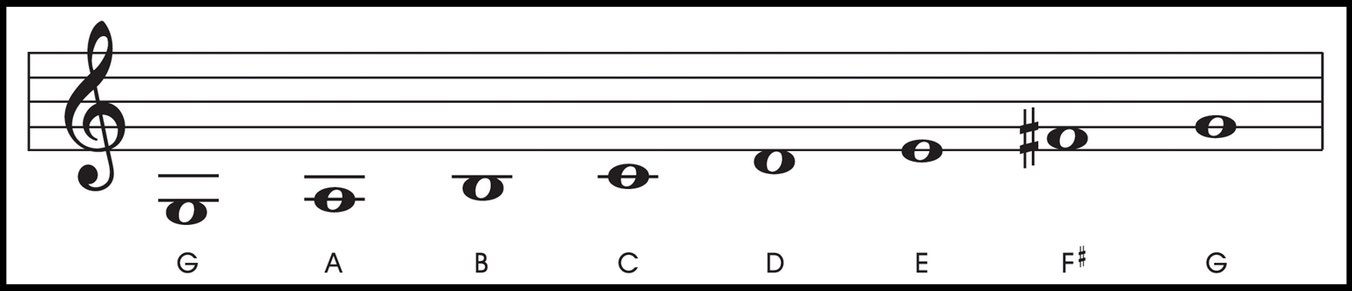
- The melody, chords and bass part of a song mainly draw on a set of pitches. The key also involves a tonal center and whether the music is major or minor.
- Arranging the notes of that set in ascending order gives us a scale.
- A scale generally has a central note, or tonic (often written as the first note of the scale).
- The name of this central note, together with major or minor, gives the key its name.
For example, a major key centered on G is G major.
Song Used in This Analysis
Tutorial Videos
1. Identifying the Key (this article)
2. Chord Progression
3. Non-Diatonic Chords
4. ii–V Progressions
5. Pivot Chords
6. Secondary Dominants and Minor Subdominants
7. Slash Chords
How to Identify a Key
People with trained musical ears may be able to hear a melody or chord progression
and quickly recognize its tonal center or central chord, identifying the key by ear.
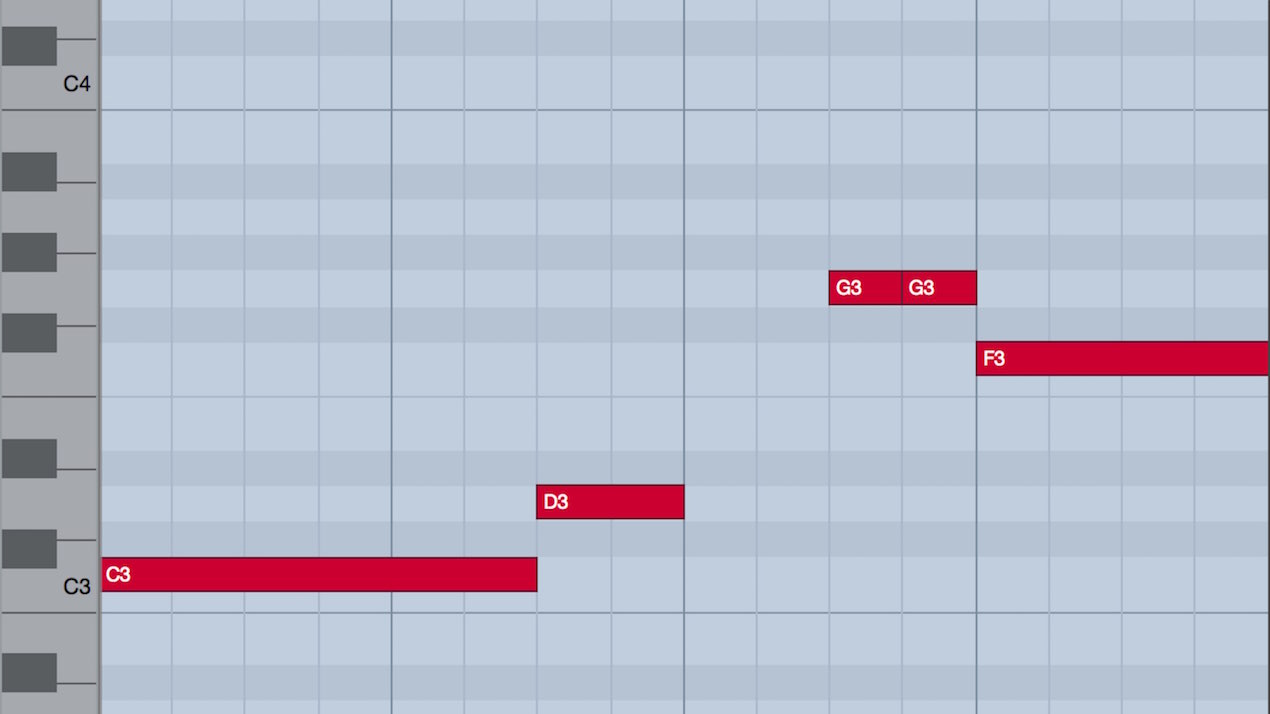
Here we will take another approach: examining the individual note names in the melody
to find possible keys.
The key question is where sharps and flats appear in the melodic line.
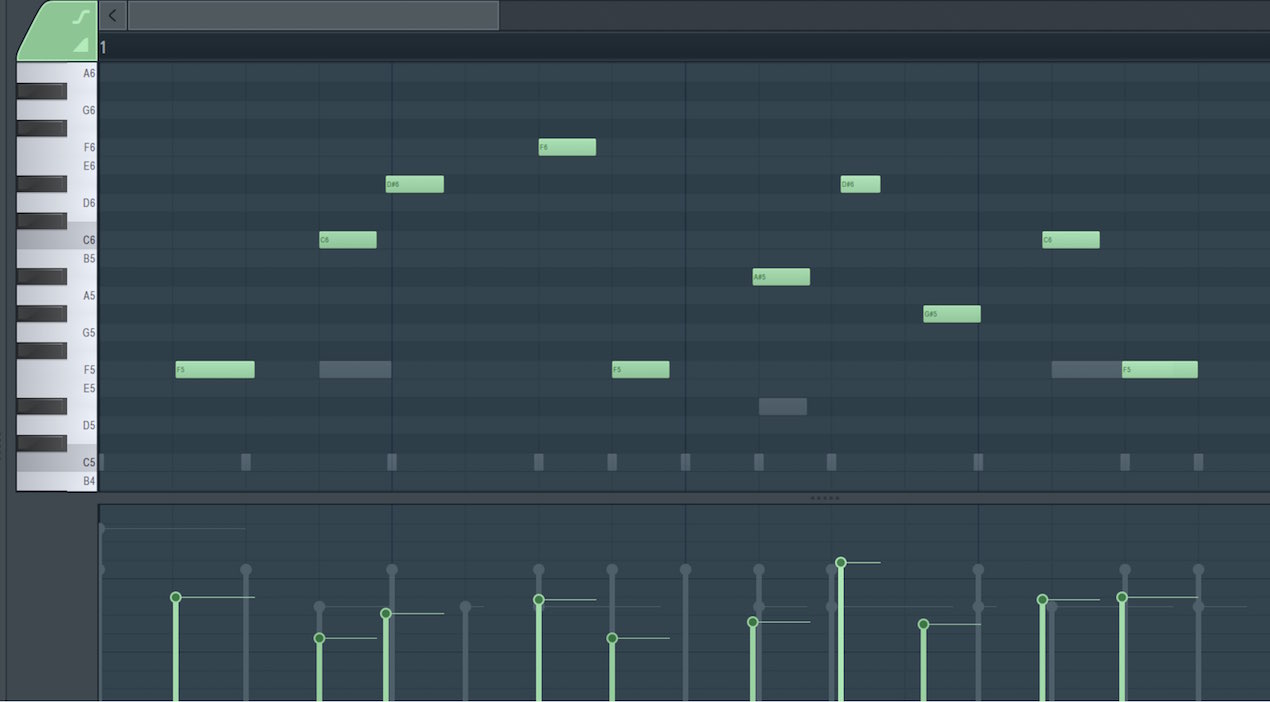
In the original melody of Ikimonogakari’s “Arigatou,” there are no sharps or flats.
In other words, the melody can be played using only the white keys.
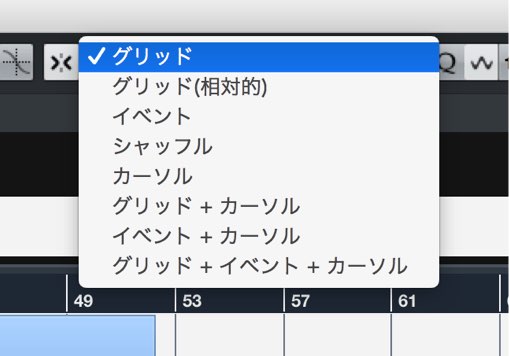
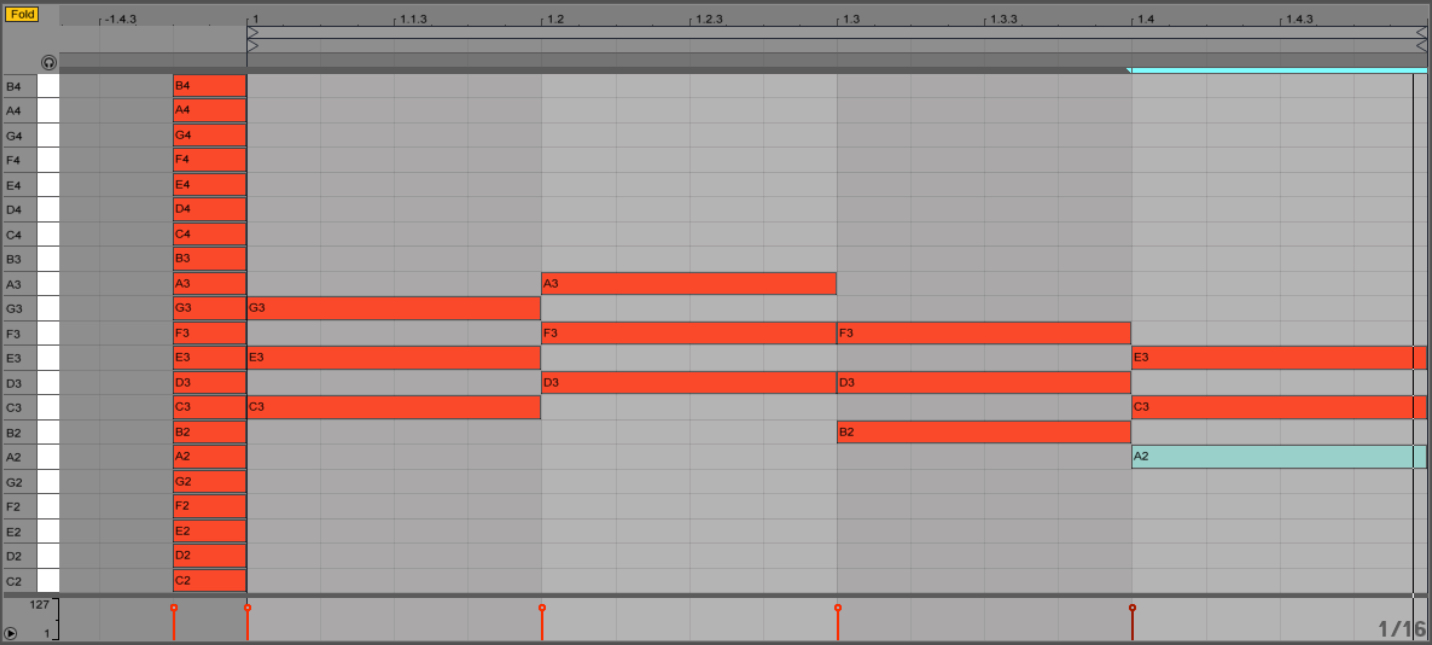
For example, transpose the melody up two semitones, or one whole tone, as you might when changing the key for karaoke.
(Set the key change to +2.)

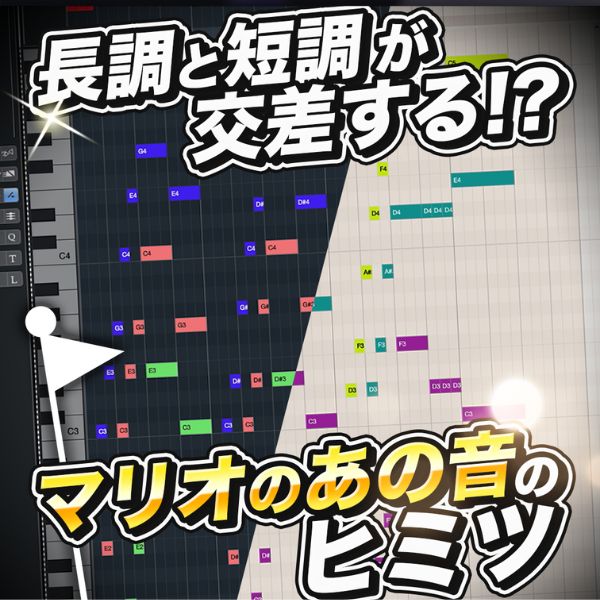
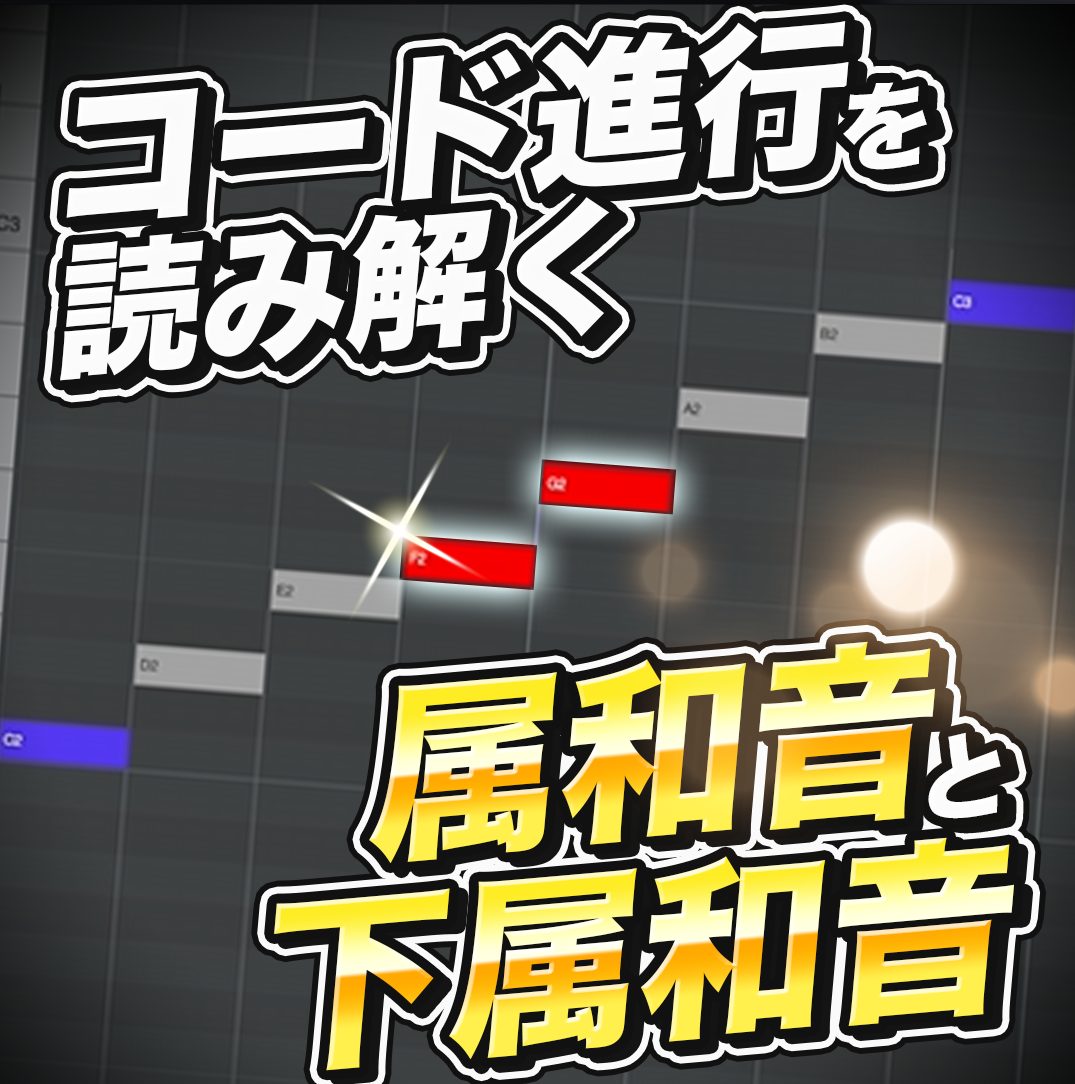
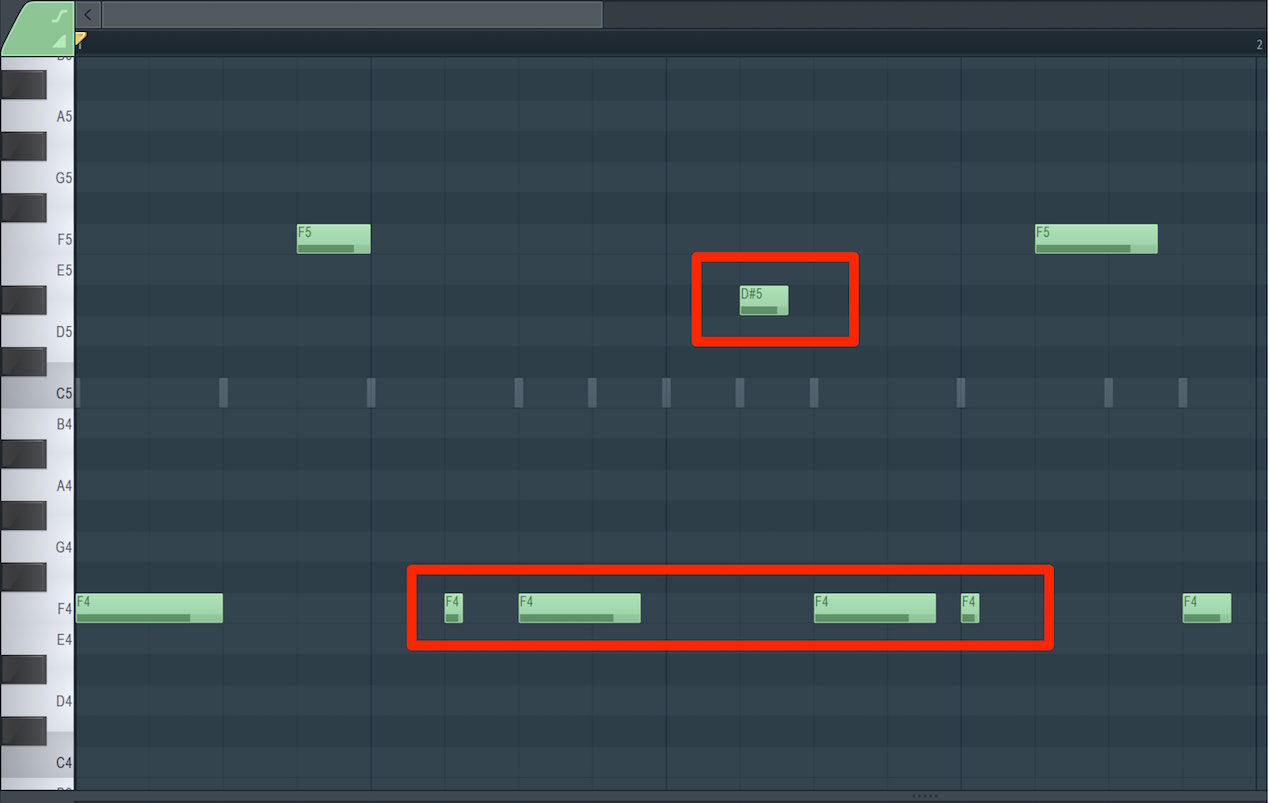
The resulting sharps occur on F♯ and C♯.
Using the Circle of Fifths

Looking at a circle-of-fifths chart, two sharps correspond to
D major or B minor. These are candidate keys with the same key signature.
For now, we will leave the major/minor distinction open.
Let’s try another example.
This time, lower the transposed version by one semitone, giving a key change of +1 from the original.

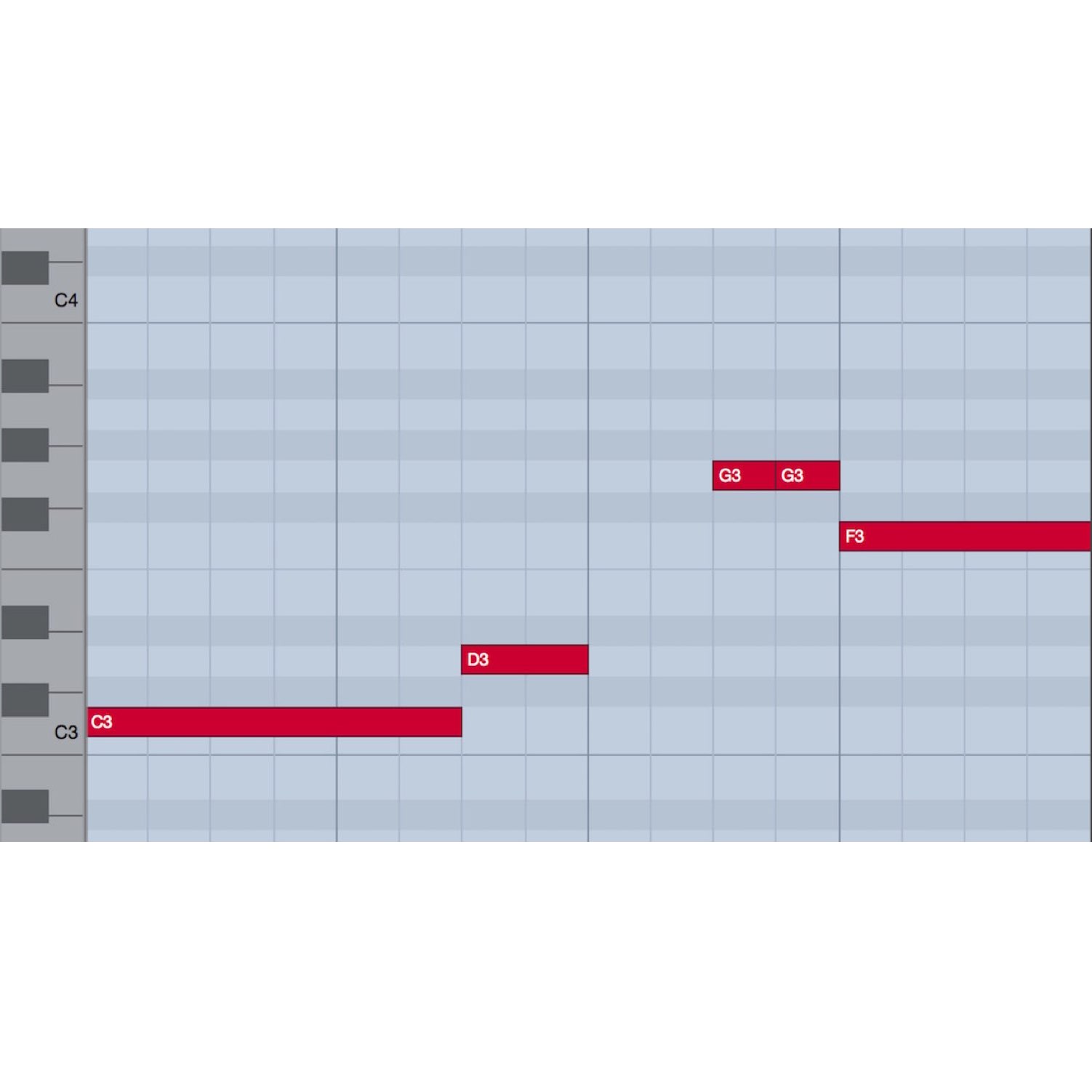
You can check the notes in the Score Editor as well. In the notation shown here, they are C♯, D♯, E♯, F♯, G♯, A♯, and B♯:
seven notes written with sharps.

On the circle of fifths, seven sharps correspond to C♯ major or A♯ minor. They are relative keys, so the tonal center and harmony are needed to decide between them.
Frequently Asked Questions
Q1. Is absolute pitch required to identify a key?
No. Ear training can help, and you can also examine the notes visually and compare them with the circle of fifths. The notes suggest possible keys; use the tonal center and harmony to confirm the key.
Q2. How do I identify the key if a melody has no sharps or flats?
A melody using white keys can suggest C major or A minor, among other possibilities. You can transpose it to explore the resulting pitch collection and compare it with the circle of fifths, but transposition alone does not resolve the key: check the tonal center and harmony too.
Q3. Why does the circle of fifths show both a major and a minor key?
Relative major and minor keys share the same key signature, so the number of sharps or flats alone cannot distinguish them. Examine the chord progression and where the melody comes to rest to help determine the tonal center.
Q4. Do I need to check in both a Score Editor and a DAW?
Checking the notes in different views can help verification, but one suitable view is enough. Work in the environment you use for music production.
NEW ARTICLES
Latest English Articles