
This historical walkthrough covers Synthesizer V Studio 1.11.0b1, a beta release introduced in 2023. The Pro edition's vocal-to-MIDI feature analyzes a recorded solo vocal and recreates notes in the piano roll for synthesis with a voice database. ARA 2 integration links editing and transport operations with supported DAWs, and experimental Spanish support was also introduced. The examples below describe that beta and its host requirements, not the current version or a promise of perfect transcription.
Easier workflows and a wider range of uses
A beta update was released for Synthesizer V Studio, the singing-synthesis software, which can create high-quality vocal tracks.
The release attracted attention for long-requested ARA support and its new vocal-to-MIDI conversion feature.
Synthesizer V Studio 1.11.0b1: video walkthrough of the new features
Synthesizer V Studio 2 Pro: complete video guide

ARA 2 support
An ARA (Audio Random Access) 2 plug-in was added, linking playback position, notes and event positions with the DAW.
Here is the basic workflow.
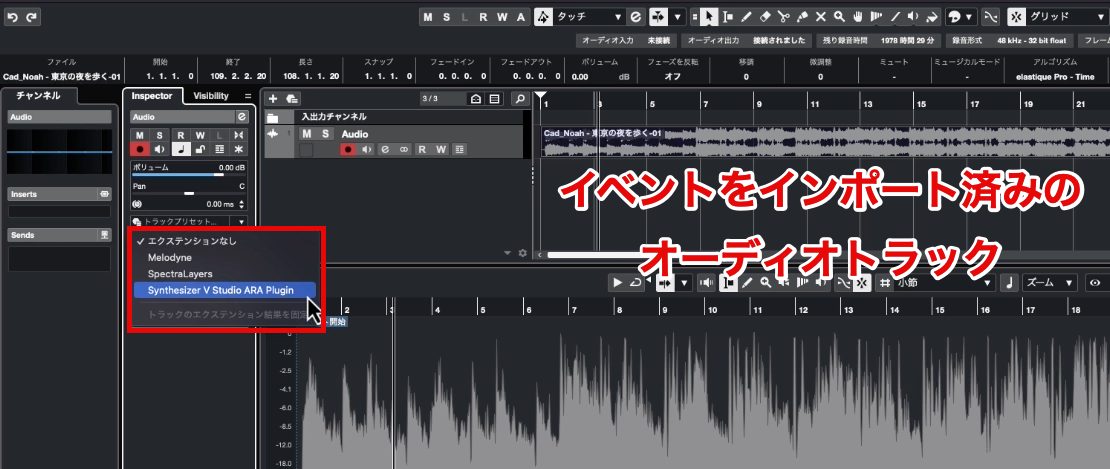
In the audio track's Inspector, click the field labeled No Extension and select Synthesizer V Studio ARA Plugin. These steps illustrate the Cubase versions used in the original article.
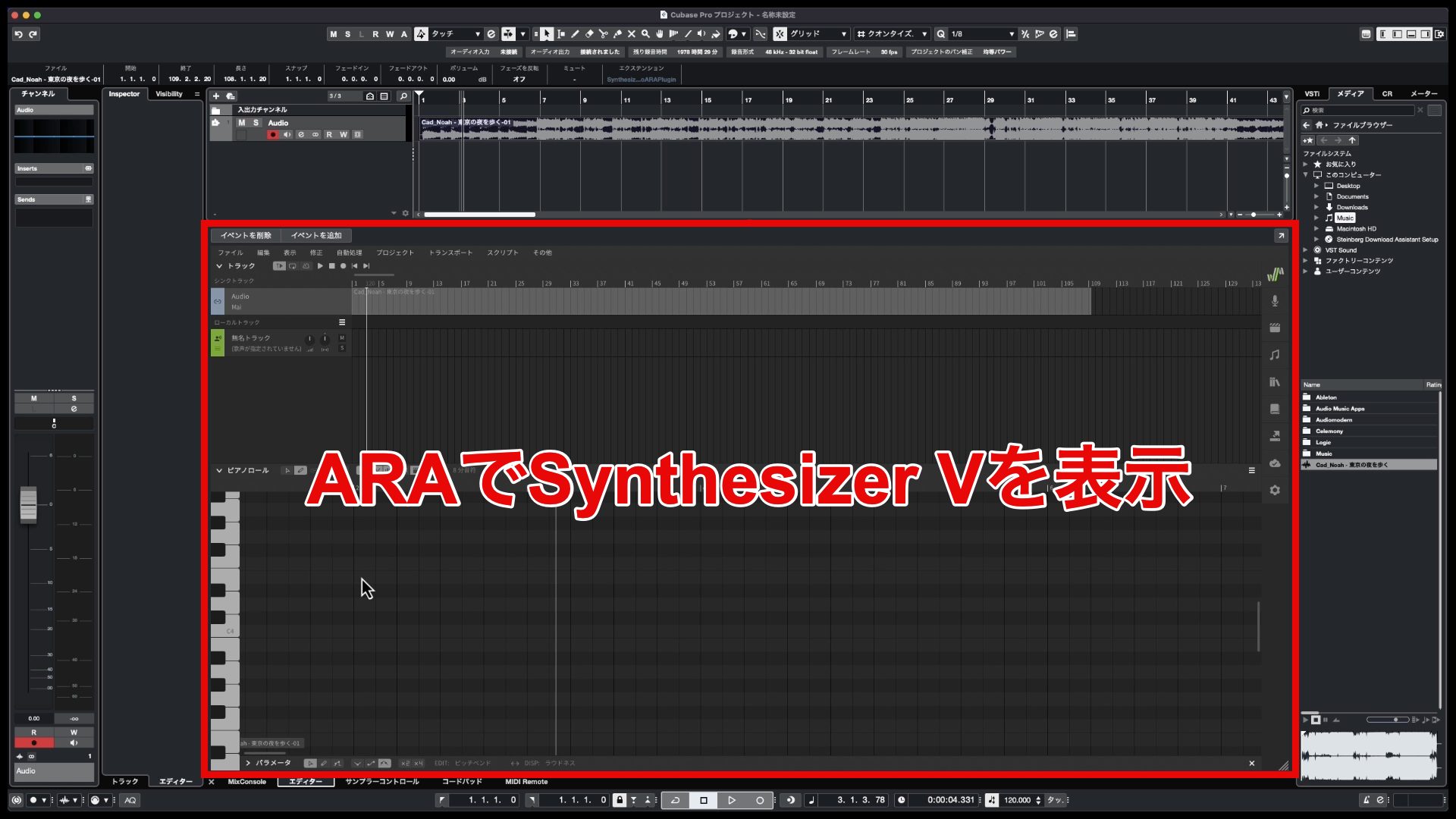
Click or double-click the audio event to open Synthesizer V Studio in Cubase's Lower Zone, where you can enter and edit notes.
With this ARA workflow, notes can be entered only within the area occupied by the audio event. If you have not decided where the vocal will go, prepare an audio file as long as the entire song.
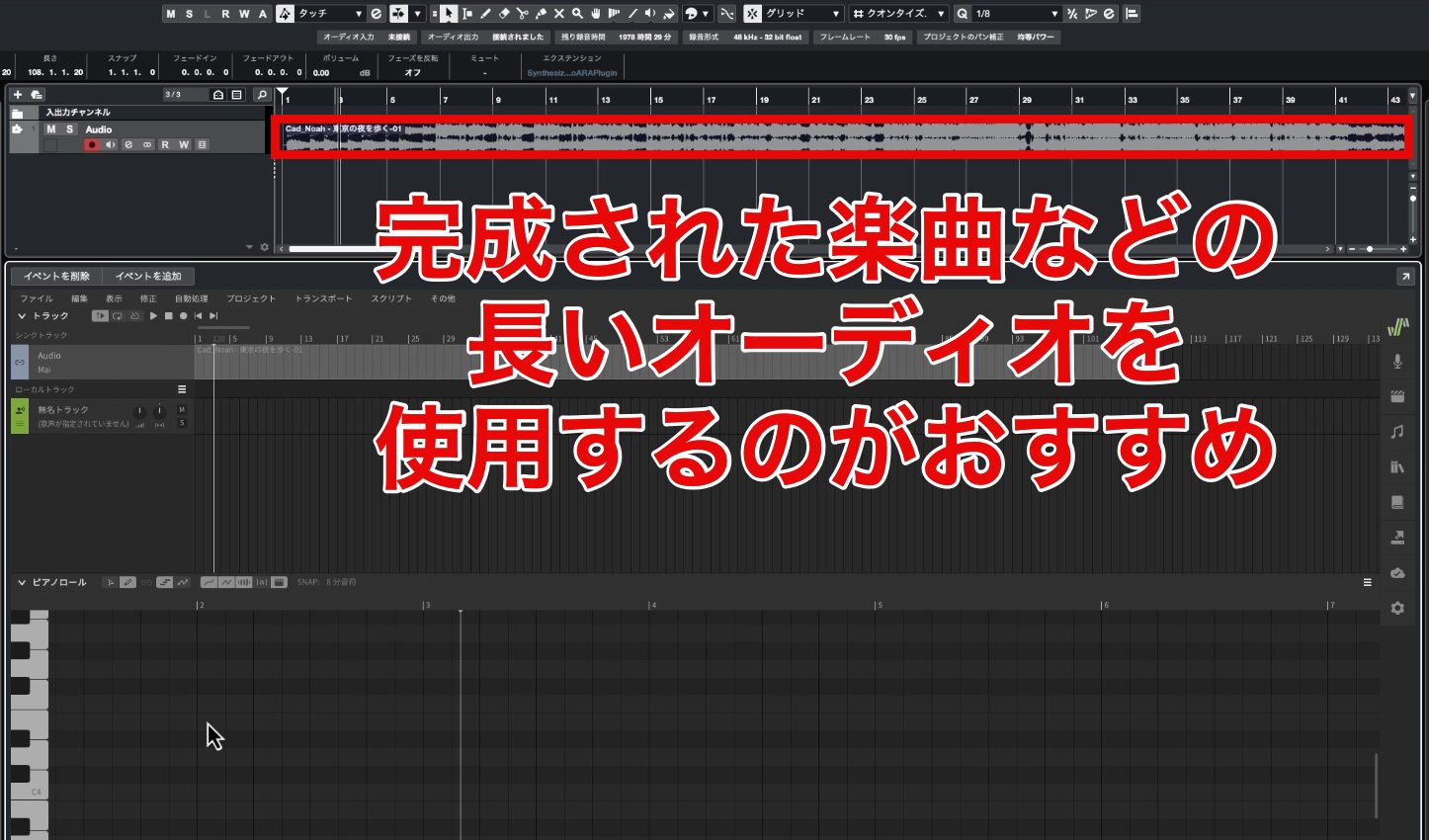
The audio placed on that track is not played back in this workflow, so a long file such as a completed song can also serve as the event.
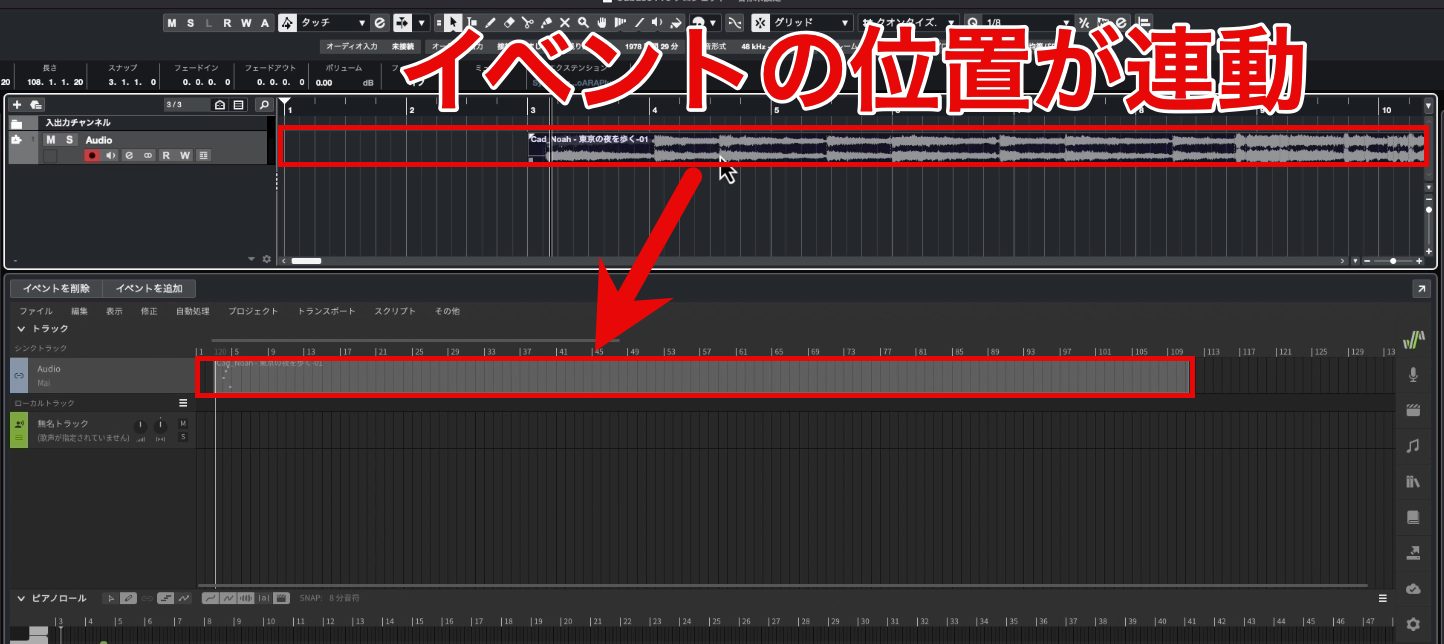
In the ARA version, note groups are linked to Cubase's audio events.
To move a group in Synthesizer V Studio, move the corresponding audio event in Cubase.
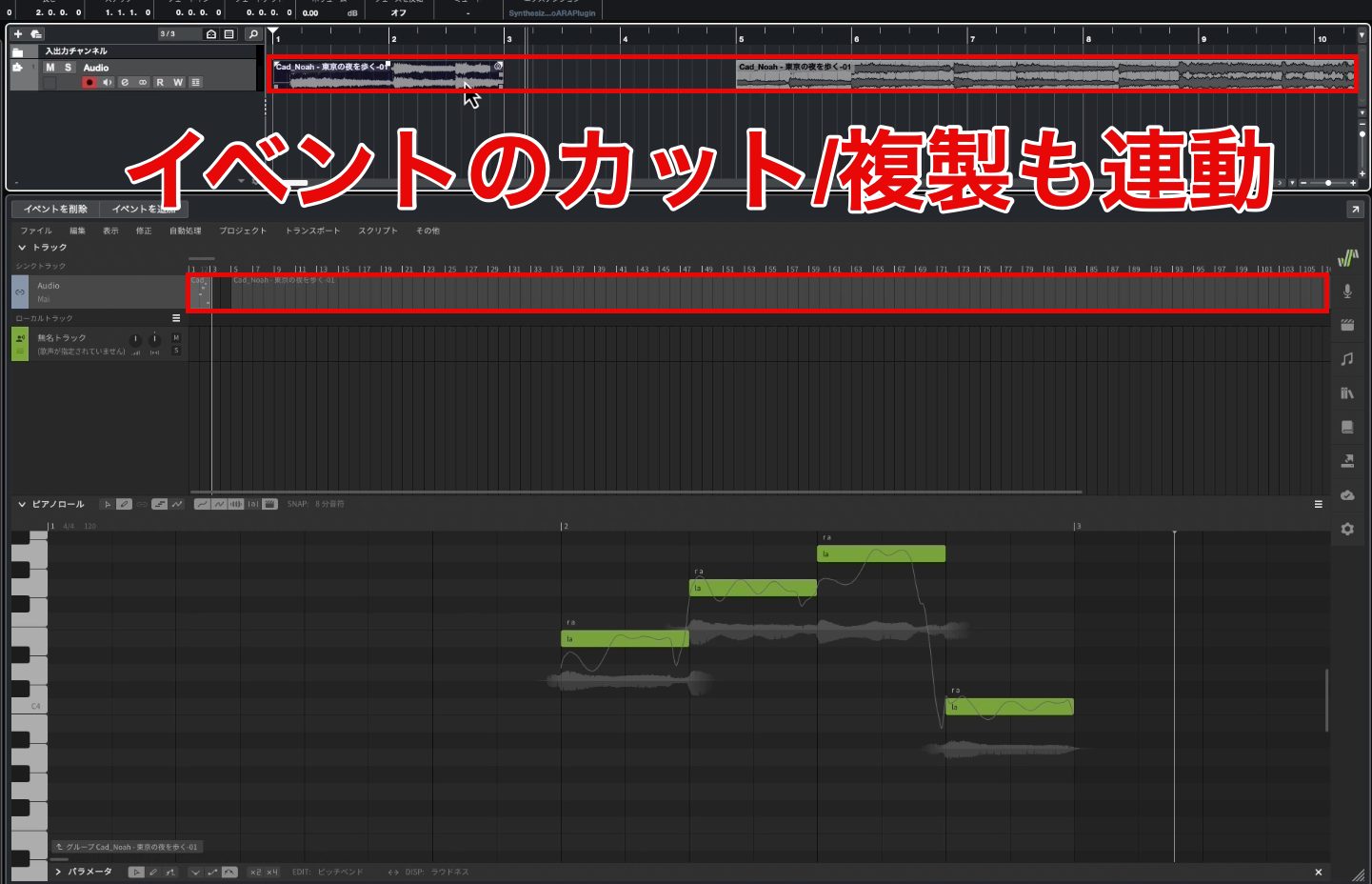
Cutting and duplicating events are also supported, making it quick to copy the material entered for a section.
The playhead position and transport controls, including play and stop, are linked too.
This can make the workflow considerably more efficient than the non-ARA plug-in workflow described in the original article.
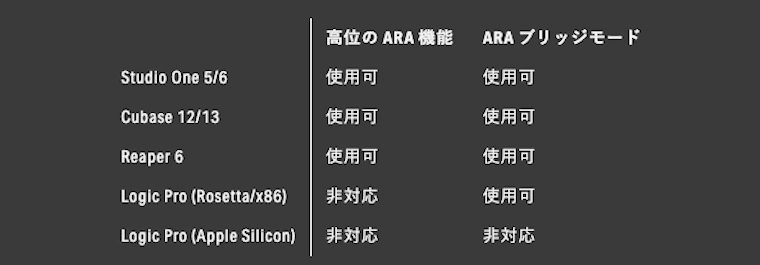
For this beta, the original article lists Studio One 5/6, Cubase 12/13 and REAPER 6 as supported hosts.
Its description of Logic Pro X is limited to transport integration.
It also notes that Logic must run on an Intel Mac or, on Apple silicon, under Rosetta 2. These are historical beta requirements; check current product documentation for your software versions.
Vocal-to-MIDI conversion
The headline feature of this update is vocal-to-MIDI conversion: it analyzes a recorded vocal take and recreates notes in Synthesizer V Studio's piano roll. The synthesized result uses the selected voice database rather than cloning the original singer's identity.
First, import a vocal take onto an audio track.
Then select Synthesizer V Studio ARA Plugin in the track Inspector and open the editor.
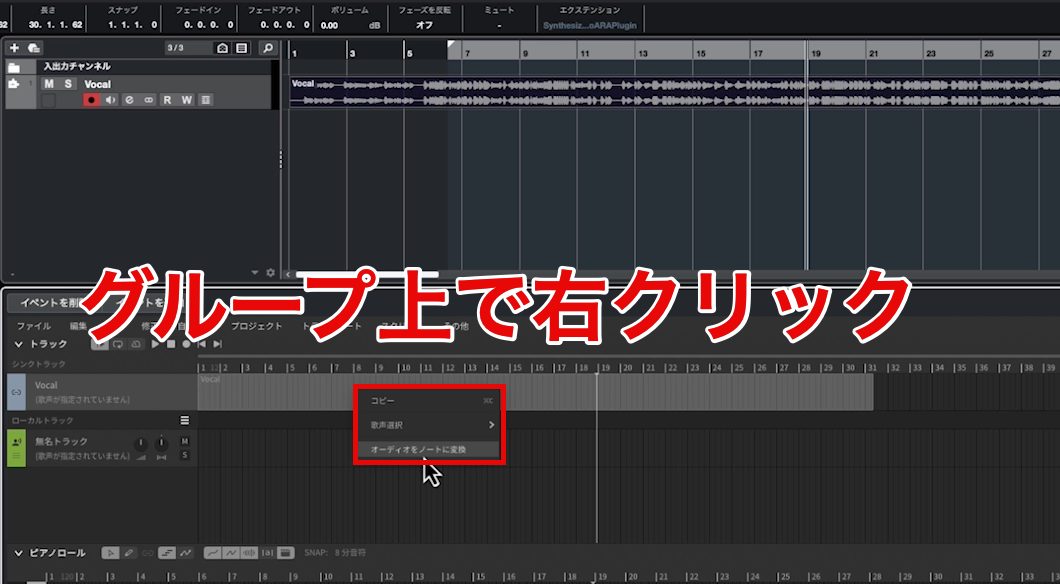
Right-click the highlighted event in Synthesizer V Studio's Arrangement and choose the command to convert audio to notes.
Choose the options in the dialog that appears.
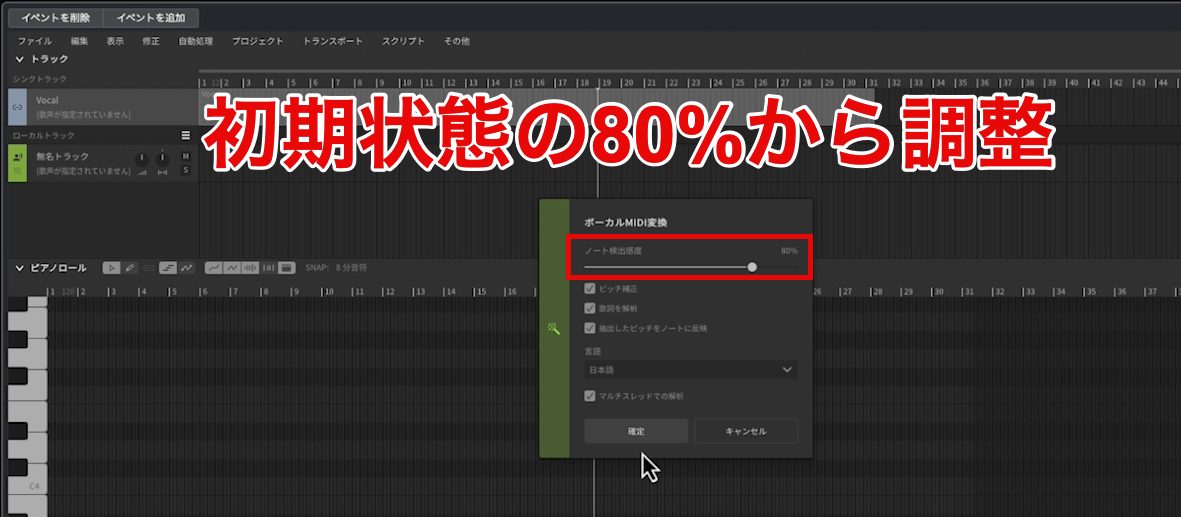
Note Detection Sensitivity controls how finely the source performance is divided into detected notes.
Depending on the recording, too high a value can cause vibrato to be split into unintended notes. The article recommends starting at the default 80% and adjusting from there.
Compare the original recording with the converted result to hear the example used in the article.
Original recorded vocal
▶ Synthesizer V Studio result (using the Mai voice database)
Converted vocal — Mai voice database, before further adjustments
The reviewer found that the performance was reproduced quite accurately in the piano roll, although some notes were missing and some lyrics were detected incorrectly.
The converted example has no additional timbre or expression adjustments. Further editing may bring its phrasing closer to the original take.
For the source vocal, use a monophonic recording that is as dry as possible, without added reverb.
Keep these points in mind when aiming for more accurate conversion.
After conversion, you can edit and add notes in the piano roll.
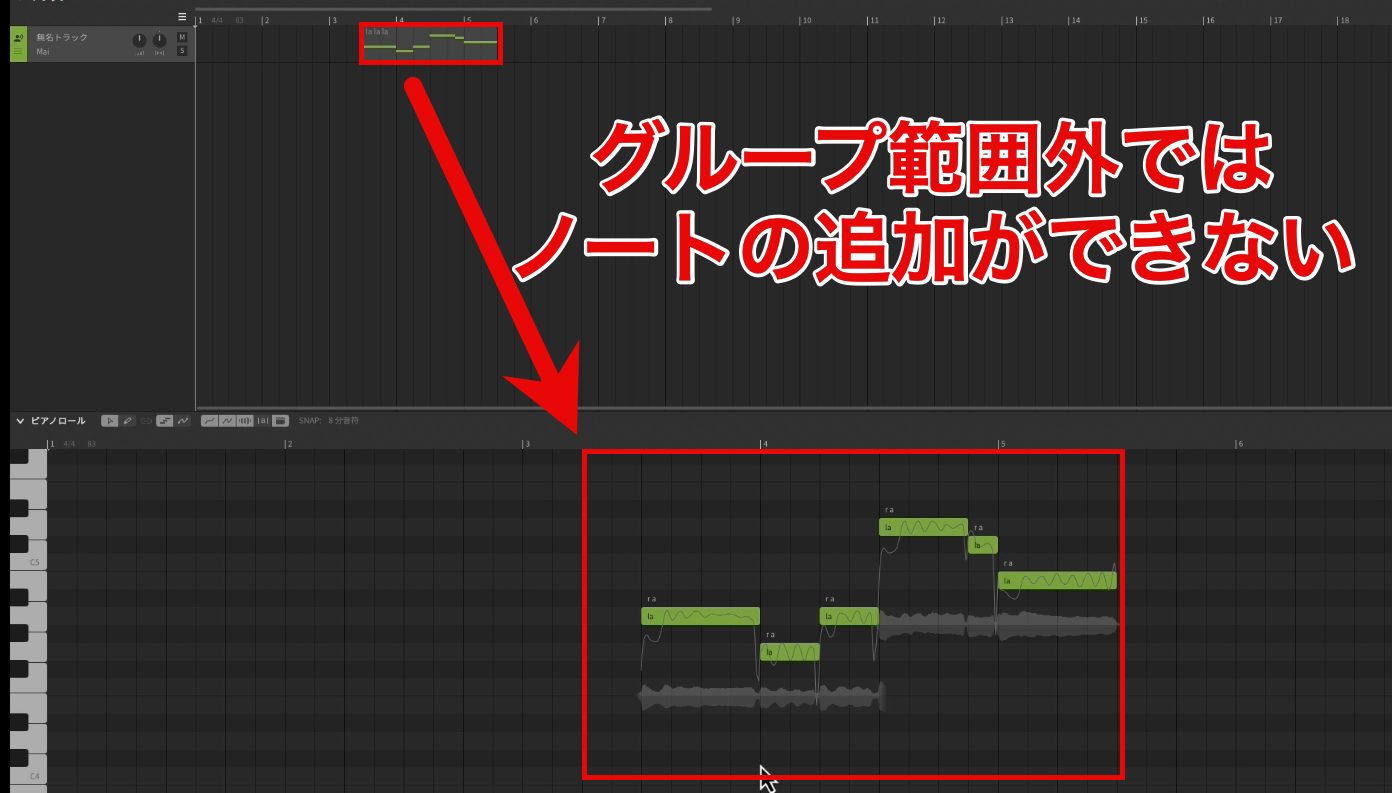
However, because this runs through ARA, you cannot enter notes outside the original audio event's boundaries.
Other changes in the update
Resizing note groups
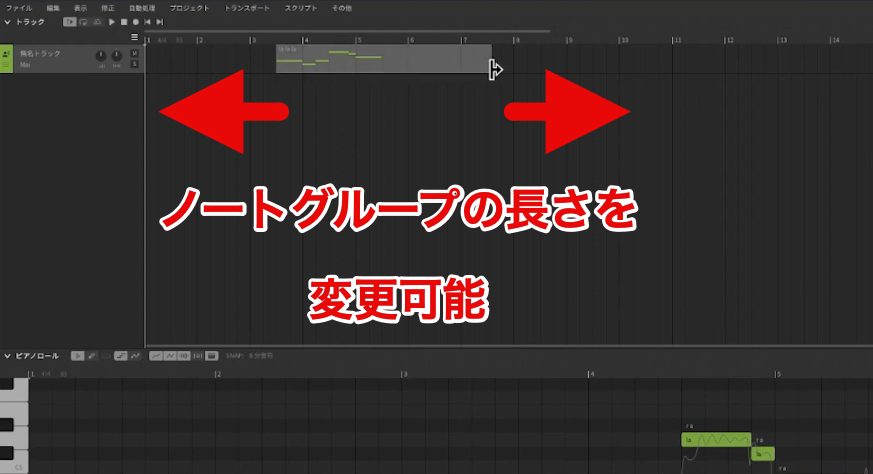
The standalone application and non-ARA plug-in gained the ability to resize note groups and audio groups.
Experimental Spanish support
The update also introduced Spanish support to expand the software's singing-language capabilities.
The SAROS voice database, developed with Eclipsed Sounds, was released in beta with Spanish support at that time.
SAROS singing voice database
The article found vocal-to-MIDI conversion promising for tasks such as recreating a cover-song vocal with Synthesizer V Studio or making a female-voice guide vocal from a male-vocal recording. Conversion quality varies with the source.
At the time of publication, these features were available in beta. The official release notes specify that ARA and vocal-to-MIDI conversion were Pro-only features. The linked announcement below documents the 1.11.0b1 release; consult current download guidance for your installation.
Synthesizer V Studio 1.11.0b1 update announcement
Synthesizer V Studio: Installation and Activation
This related Japanese guide covers installation on Windows and Mac and activation for use with a DAW…
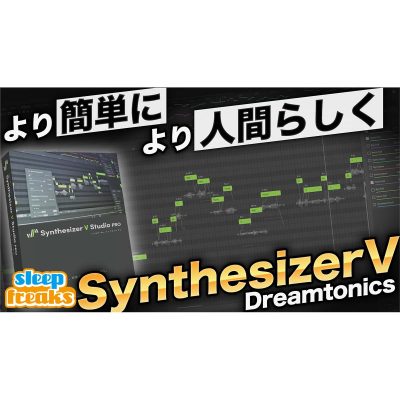
How to Use Synthesizer V Studio for AI Guide Vocals
This related Japanese guide introduces AI-assisted singing synthesis, the editions available at the time and voice databases…
Frequently asked questions
Q1. How accurate is vocal-to-MIDI conversion?
In the article's example, the reviewer found the conversion quite accurate, but some notes and lyrics required correction. Start with 80% Note Detection Sensitivity and adjust for the recording. A dry, monophonic vocal is the recommended source.
Q2. Which DAWs supported the ARA feature described here?
The original 1.11.0b1 walkthrough lists Studio One 5/6, Cubase 12/13 and REAPER 6. It describes Logic Pro X integration as transport-only and notes an Intel Mac or Rosetta 2 requirement on Apple silicon. This is historical compatibility information, not a current compatibility list.
Q3. What audio is suitable for vocal-to-MIDI conversion?
Use a monophonic vocal recording with as little reverb as possible. These conditions can help improve detection accuracy.
Q4. What did the Spanish-support update introduce?
The article describes experimental Spanish singing synthesis with the beta SAROS voice database developed with Eclipsed Sounds. This expanded the languages available for production at that time.
Q5. Who could try these new features?
The original article directed Synthesizer V Studio users to the 1.11.0b1 beta announcement. The official release notes specify that ARA and vocal-to-MIDI conversion were available in the Pro edition only. Consult the official announcement and current download information for the applicable version.
NEW ARTICLES
Latest English Articles




















































































