
Reverse sounds are a very popular effect technique in DTM production, but in today's increasingly complex songs, understanding how they work is essential for improving your production skills. This article shows how to identify and analyze the original sound by reversing the reversed sounds used in existing songs. With this simple analysis method, you can understand what kinds of sounds the reverse was applied to and what effects it creates, expanding your own songwriting toolkit. It also explains how to do this in each DAW, giving practical knowledge to beginners and advanced users alike.
Fully Understand How Artists Use Reverse
Playing sounds backward: reverse sounds
Their otherworldly sound is always cool.
The "reverse cymbal" used before choruses and in similar places is very well known.
However, reverse sounds have evolved, and more and more songs use them in complex ways.
"How is this sound made?"
I'm sure each of you has songs you are curious about.
Production Recipe_Arrangement Techniques Using Reverse
Selected questions and answers from the YouTube video
What sitar instrument are you using?

It is the sitar found under "World" → "Strings" in the Factory Library included with Kontakt.
In some songs, there is an electric guitar sound that gradually gets louder. Can that sound be reproduced with a method like this?
Thank you for your question. Guitar sounds have a strong attack and then gradually decay. So using reverse is very likely to give you that swelling effect. (It is harder to get the effect if the sound is heavily distorted.) You can also simply use volume automation to raise the volume. Please try both and use the sound that fits your vision.
How to Analyze Reverse Sounds
Calling it an "analysis method" might get me punched (lol).
It is extremely simple.
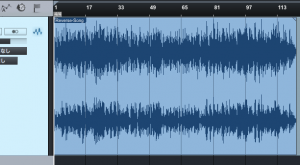
Import the song you are curious about into your DAW.
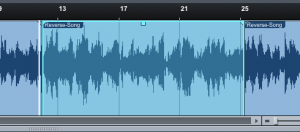
Take the reversed section of the song and reverse it again in your DAW.
The sound before it was reversed is revealed.
This shows you
what kind of sound, when reversed,
turns into what, and how it is used.
I think it will be very useful as part of your own toolkit.
Please give it a try.
Reverse Settings by DAW

 Logic
 Cubase
 Ableton Live
 StudioOne
 FL_Studio
Frequently asked questions
Q1. Do I need any special equipment to analyze reverse sounds?
No. The DAW (music production software) you normally use is enough. Just import the song into your DAW and reverse the reversed section again, and the original sound becomes clear.
Q2. Besides cymbals, what instruments is the reverse effect used on?
Reverse is not limited to cymbals and can be applied to many instruments. By reversing any sound, such as piano, strings, vocals, or synths, you can create a unique atmosphere and sense of world.
Q3. Can I analyze reverse sounds the same way in DAWs other than Pro Tools?
Yes, the basic analysis method is the same in any DAW. However, how to use the reverse function differs from DAW to DAW, so we recommend checking the links for each DAW in this article.
NEW ARTICLES
Latest English Articles











