DTM (desktop music) means making music with a computer. All you need is a computer and music production software (a DAW), and beginners can start with free software. The greatest appeal of DTM is that you can freely create polished songs on your own, even without the skills to play an instrument. Its uses also extend to collaborating with others, detailed editing, instrument practice, live performance and DJing, making it an indispensable tool for modern music production.
DTM (Desktop Music): Making Music on Your Computer
Selected Questions and Answers from Our YouTube Videos

I'm really struggling to decide which audio interface to buy. I'm looking for gear that lets me record and livestream with good sound, and I've started considering an Apollo. When livestreaming, if I use the Unison feature, can I stream and monitor the sound with the DSP effects applied?
Yes, you can. Not only Unison, but also other UAD plug-ins launched in Console's Inserts can send the processed sound to other apps when used in REC mode.
I have a question: is it okay not to buy an audio interface at first?
If you have the budget, there's no problem buying an audio interface. Some audio interfaces come bundled with DAW software, so using that DAW is also a good option.
If I have a question that's a little different from the topic of a video, where should I ask it?
Since it's difficult to reply to every YouTube comment, we're sorry, but we don't have a dedicated place for answering questions. We run an online DTM school, so if it's something we can cover, we can answer it in a lesson. Thank you for your understanding.
I can't change the length of notes in the piano roll. What's the problem?
From this message alone we can't tell which DAW you're using, but if it's GarageBand for Mac, the following video changes note lengths in the piano roll at around 3:00 to 3:15. It's basically the same in other DAWs besides GarageBand: place the mouse cursor on the edge of the note in the piano roll and drag and drop it (move left or right while holding the click) to change it. https://youtu.be/KRJKr0F0XK8?t=183 For GarageBand on iOS devices such as the iPhone, see the following article. https://sleepfreaks-dtm.com/garageband_ios/midi-editing/
I recently started DTM. I was born with sensitive hearing, and when I wear earphones or headphones at a slightly high volume for a few dozen minutes, my ears start to hurt right away. I know it's better to work with headphones, but I don't like my ears hurting, so I basically don't wear them. Should I wear them after all? I'd appreciate a reply if possible.
You don't have to work with earphones or headphones all the time, so it may be good to check regularly like this: - Use speakers most of the time - Use headphones for important moments such as choosing sounds and adjusting volume - Set a time limit even when using headphones (for example, every hour)
DTM stands for "DeskTopMusic" (desktop music) and refers to making music on a computer.
This includes recording vocals and instruments, entering synths and rhythm instruments, and mixing to optimize the song's volume balance.
You can complete every stage of music production inside your computer.
Once a song is finished, you can export it as an audio file to listen to on a device such as an iPhone, email it to friends, or release it to the whole world. For music lovers, it's a dream environment.
Here, we will explain what you can do with DTM and what makes it appealing.
What You Need for DTM
The minimum you need to start DTM is two things: a computer and music production software.
About the Computer
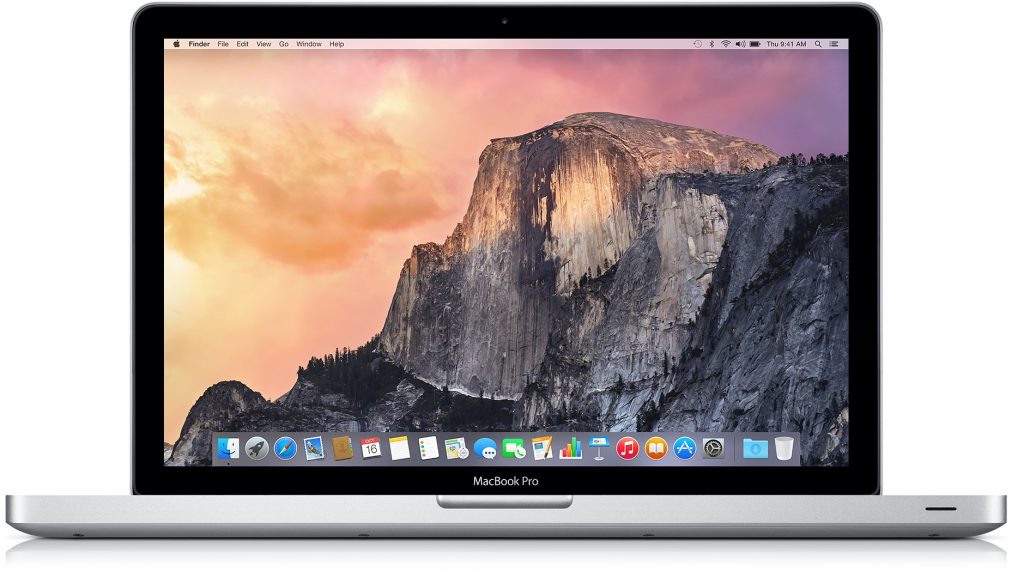
You can do DTM on any type of computer, whether Mac or Windows, desktop or laptop.
Today's computers perform very well, and many models let you enjoy music production comfortably.
The required computer specs are explained in detail in the article below.
About Music Production Software
Software for making music is called a "DAW (digital audio workstation)," and music production software is released by various manufacturers.
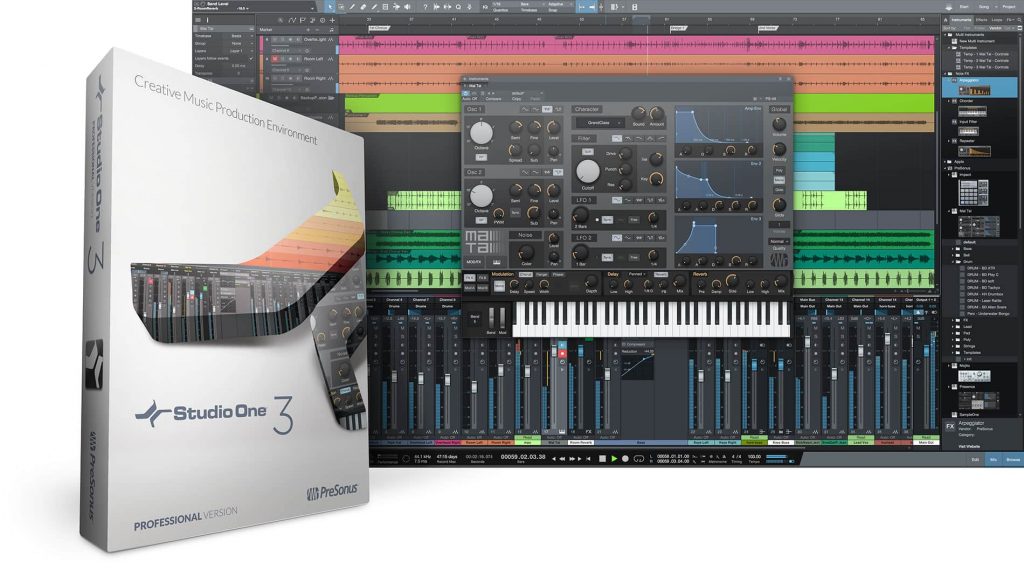
These days there are also DAWs you can use for free.
Many beginners who want to start DTM probably want to try it while spending as little money as possible.
Free music production software has some limitations compared with paid versions, but it is more than enough to understand and enjoy DTM, so we recommend trying free software first.
The Appeal and Features of DTM
DTM has a wide range of appeal.
Let's look at what you can actually do with DTM and the possibilities it offers.
You Can Complete Everything Freely on Your Own
The biggest feature of DTM is that you can build up a work entirely on your own.
- Programming rhythms
- Performing vocals and instruments
- Refining chord progressions and melodies
- Effects, and more
You can work freely until you are satisfied with the sound you want to express, and complete a high-quality song.
If you play in a band, you can also develop your ideal song to a level that you can communicate to your bandmates, which makes studio work smoother.
Collaborating with Others Is Fun Too
This may seem to contradict the point about working alone above, but completing songs by collaborating with friends who also do DTM is very fun and rewarding.
Your collaborators don't need to be in the same place.
By sharing files made in DTM over the internet, you can work on songs together wherever each of you is.
- Having someone sing on a track you made
- Having someone come up with a chord progression for your melody
- Asking someone to do the final mixing, and so on
Dividing up production tasks according to each person's strengths boosts motivation and improves the quality of the song.
Making music with a partner also lets you experience how wonderful communication can be.
You Can Make Music Even If You Can't Play an Instrument
Some of you may want to make songs but can't play an instrument.
Don't worry about that either.
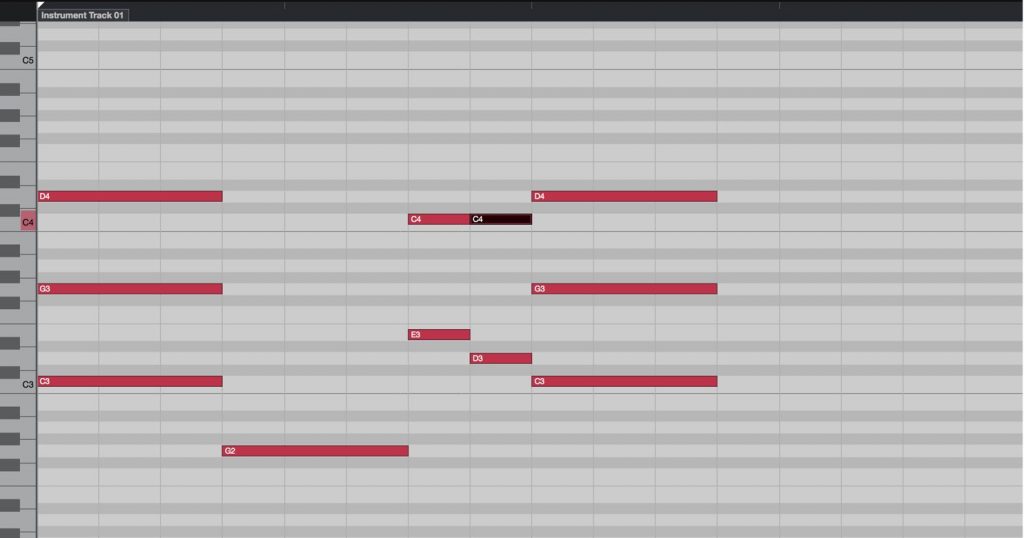
The software used in DTM includes all kinds of sounds, such as drums, guitars and synthesizers, and you can enter performances with the mouse like this.
You can preview what you entered and revise it as many times as you like until you are satisfied, so you can build music without needing to play an instrument.
Detailed Editing Is Comfortable
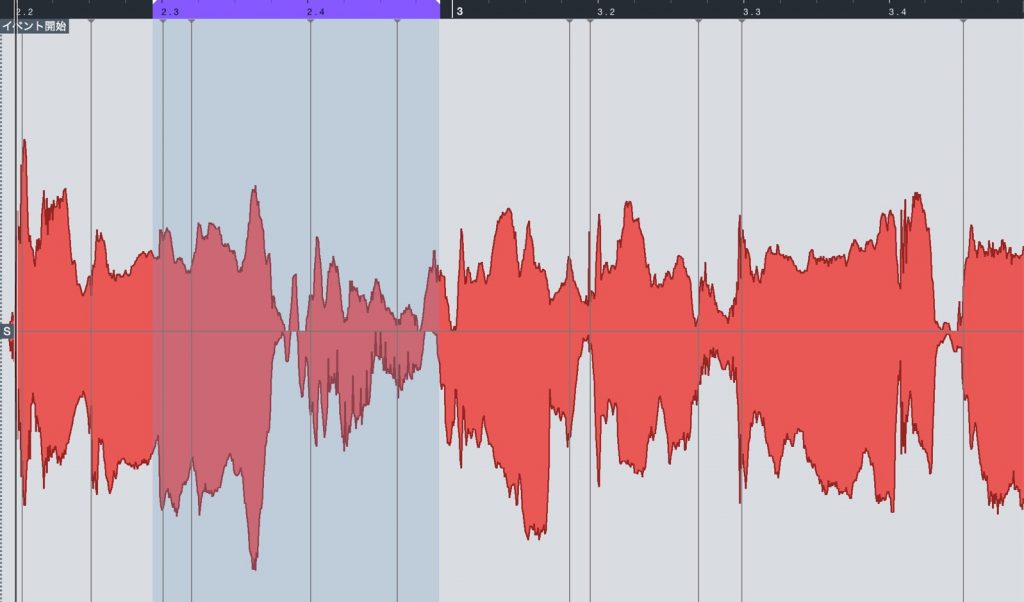
Because all song production work in DTM is done on the computer display, edits and parameters are easy to see.
Also, because the computer's CPU can be fully used for editing, editing is faster than on an MTR or synthesizer, and you can do a much wider range of edits.
Being able to produce songs comfortably with little stress like this is another appeal of DTM.
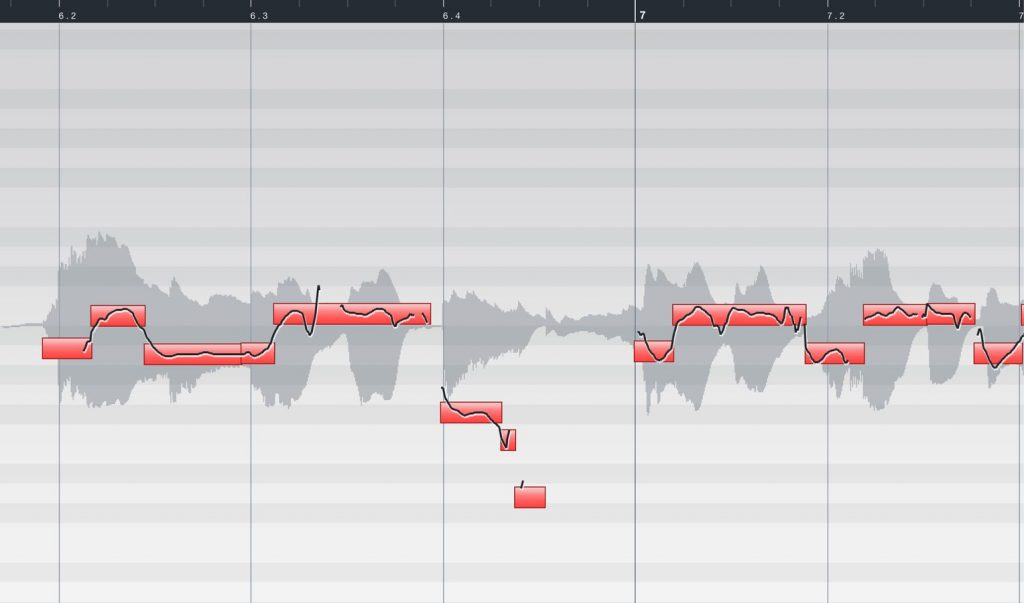
You can also correct the rhythm and pitch of recordings of live instruments such as guitar and vocals.
This can also help improve quality when you upload your own vocals to sharing sites.
Great for Instrument Practice
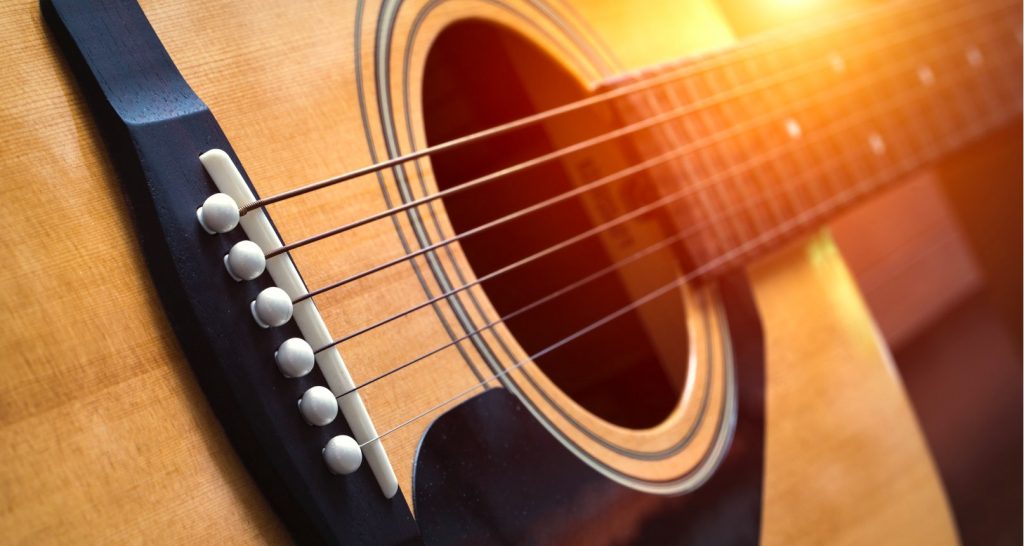
DTM is not just for making songs; you can also use it to practice instruments.
With advanced metronome functions and instant support for time signature changes, it is useful for practicing phrases, fingering and scales.
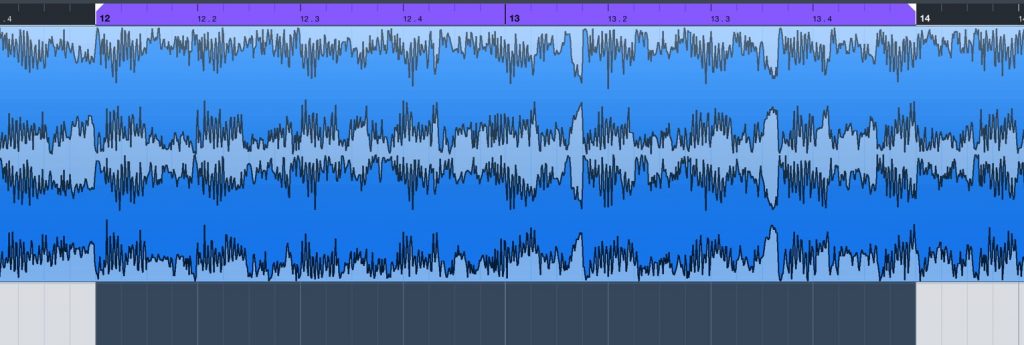
You can import the song you want to practice like this, and combined with the loop function that repeats a specific section, you can practice very efficiently.
You can also slow down a song, which is handy together with the loop function when transcribing by ear.
Recording your own playing lets you listen to your performance objectively, giving you a good opportunity to review your pitch and rhythm.
Easily Create Sheet Music from Programmed Parts
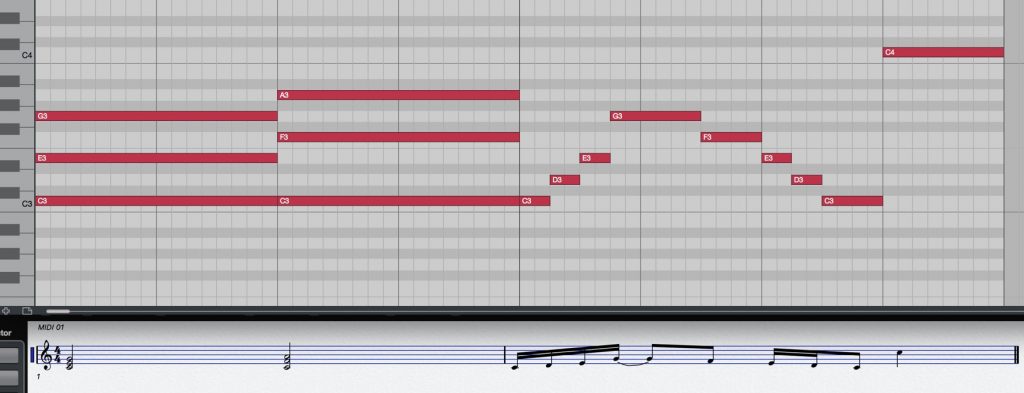
You can instantly display programmed phrases as sheet music.
Of course, printing is easy too, so it's useful when asking someone else to perform a part, or when you run a music school and want to create sheet music for your students.
Usable for Live Shows and DJ Performances
Recently, a very large number of people do DTM on laptops.
The biggest appeal of a laptop is that you can take it anywhere, so
- Doing DTM while traveling by train or plane
- Going into a studio to properly record instruments and vocals
- Playing backing tracks made with DTM at a live show and syncing them with your performance
- DJing at a club
These kinds of wishes can all be realized.
It further expands your music production and where you can perform.
What did you think?
We have introduced some examples of the appeal of DTM.
It is by no means hard to get into: as long as you have a computer, you can start for free, so if you are interested, please give it a try.
In the following sections, we will cover computers and equipment for DTM.
Sleepfreaks-Supervised DTM PC Models Released!
In collaboration with Thirdwave Corporation, we have released Sleepfreaks-supervised models designed specifically for DTM.Configured around the specs recommended for DTM, the lineup includes an entry model for those just starting DTM and a high-end model that maximizes comfort and speed.
Frequently Asked Questions
Q1. How much budget do I need to start DTM?
You can start with a budget of almost zero yen. If you have a computer, you can make music with free DAW software (such as Studio One Prime). If you want higher quality, you will need to buy paid software or add equipment.
Q2. Can I make songs even if I can't play an instrument?
Absolutely. DTM software includes many instrument sounds such as drums, guitars and synthesizers, and you can enter performances with the mouse. You can revise as many times as you like, so you can create high-quality songs without instrument skills.
Q3. Which is better for DTM, Mac or Windows?
Both let you do DTM comfortably. Many DAWs support both Mac and Windows, so it's fine to choose based on the computer you already have or your personal preference.
Q4. Can DTM be used for things other than making music?
Yes. It can be used in many ways, such as a high-performance metronome for instrument practice, creating sheet music, playing backing tracks live, and DJing. With a laptop, you can take it with you and use it in all kinds of situations.
NEW ARTICLES
Latest English Articles