
The main cause of noise, crackling, and playback stopping while producing in Cubase is CPU overload. Setting a higher Buffer Size value in Device Setup reduces the CPU load and should improve the symptoms. However, a larger Buffer Size increases latency, so you'll need to adjust it when recording. As other solutions, you can convert instrument tracks to audio or use the Freeze function to create a more comfortable production environment.
Errors caused by CPU usage
During production, you may run into symptoms such as "noise," "audio dropouts," or "playback not working."
This is typical behavior that occurs when "CPU usage" gets high.
Here we'll explain how to solve it.
Solution

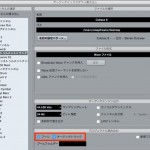
From the top menu, select "Devices" → "Device Setup."

Select the device you're using and click "Control Panel."

Set the "Buffer Size" to a higher number.
This keeps "CPU usage" down and should improve the symptoms.
*A higher number causes "latency" (audio delay) when recording.
Other solutions
Frequently asked questions
Q1. What causes audio to drop out in Cubase?
The most common cause is high CPU usage. When you use many plugins and tracks, your computer's processing power can't keep up, causing noise and dropouts.
Q2. What effect does raising the Buffer Size have?
A higher Buffer Size reduces the CPU load but causes latency (audio delay). You're especially likely to notice the delay when monitoring on headphones while recording, so adjust it to suit what you're doing.
Q3. Are there ways to reduce CPU load other than the Buffer Size?
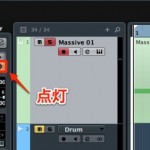
Converting instrument tracks to audio waveforms or using the Freeze function to lock tracks can greatly reduce the CPU load. It's common to convert all instruments to audio before mixing.
NEW ARTICLES
Latest English Articles











