This article tests ARC Studio, a room-correction system for improving loudspeaker monitoring during music production. Ordinary rooms are rarely designed for critical listening, and reflections from walls and floors can exaggerate bass and affect what you hear. ARC Studio measures the listening environment with its supplied microphone and applies correction to improve monitoring. The reviewer mixed the same song with and without correction and found that the corrected setup made bass balance easier to judge, reduced unnecessary processing and helped speed up decisions. These are the results of this particular listening test, originally published in March 2024.
The same person mixes the same song, with and without ARC Studio. What changes?
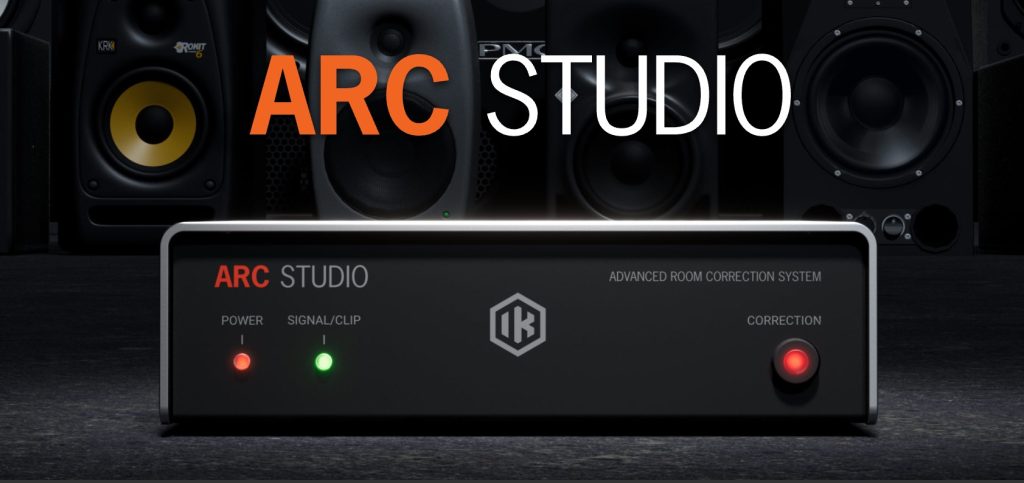
The room-correction system that attracted attention following its release was IK Multimedia's ARC Studio.
It is designed to improve the room-and-speaker monitoring environment, an important part of music production.
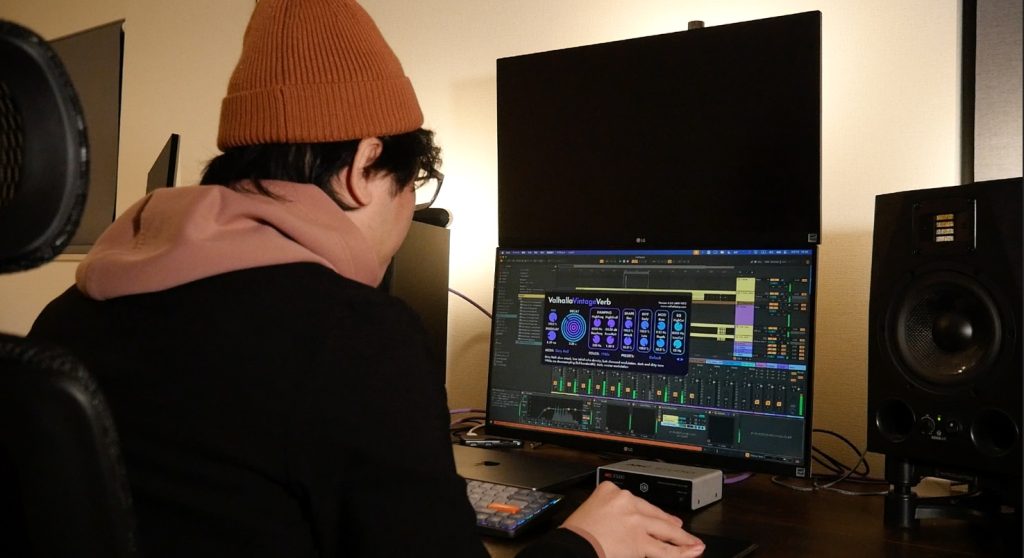
To explore what it can do, we will have the same person mix the same song with and without ARC Studio. We then compare the results.
Will it make a difference? We will discuss the experience of using it.
Listen to the results and judge for yourself.
Testing ARC Studio Through Mixing: Video
An overview of ARC Studio
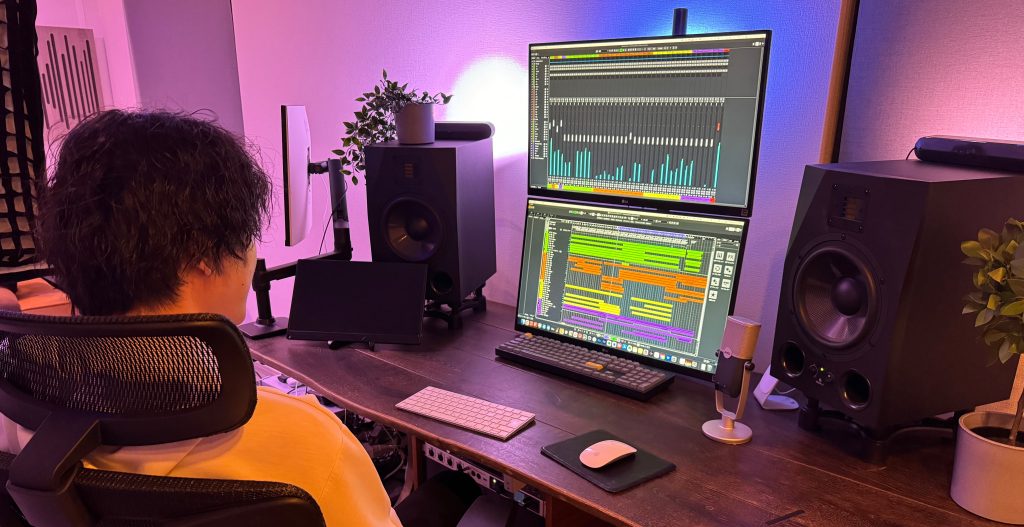
The ordinary rooms many people use for music production are not designed specifically for listening to music.
As a result, sound from the speakers reflects off walls, floors and other surfaces, changing the response significantly before it reaches your ears.
Speaker placement and nearby furniture can also affect what you hear.
This can make it harder to judge sound accurately when composing or mixing. It puts critical listening at a disadvantage.
Do you find that deciding what to change in a mix takes a long time?
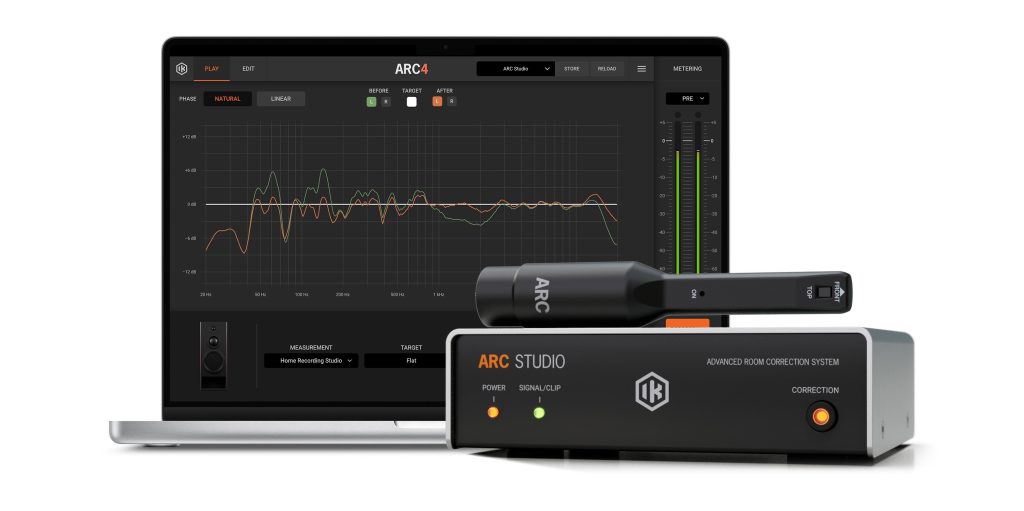
ARC Studio is designed to help address these monitoring problems.
It analyzes your individual listening environment and applies correction to the speaker-monitoring signal to address its measured response, including frequency and phase behavior. The corrected signal is then sent to the speakers.
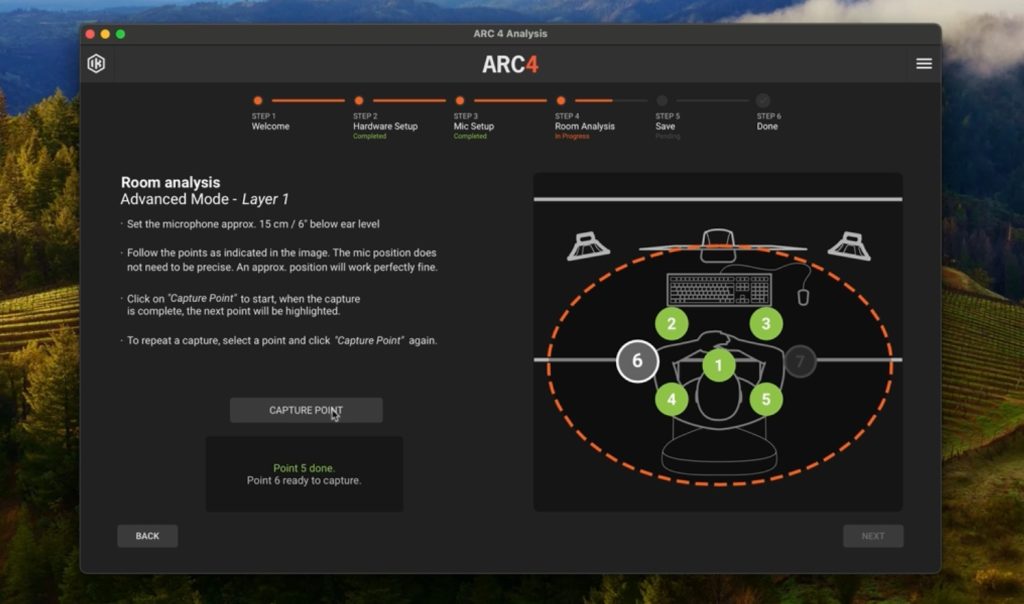
Open the measurement application and
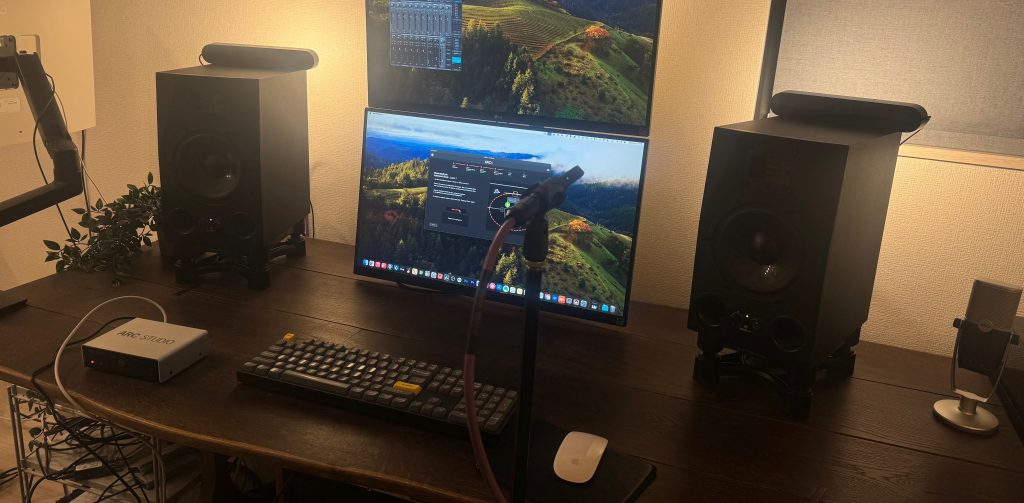
follow its instructions to measure the sound at multiple positions with the supplied microphone.
A microphone stand helps you position the microphone accurately during measurement.
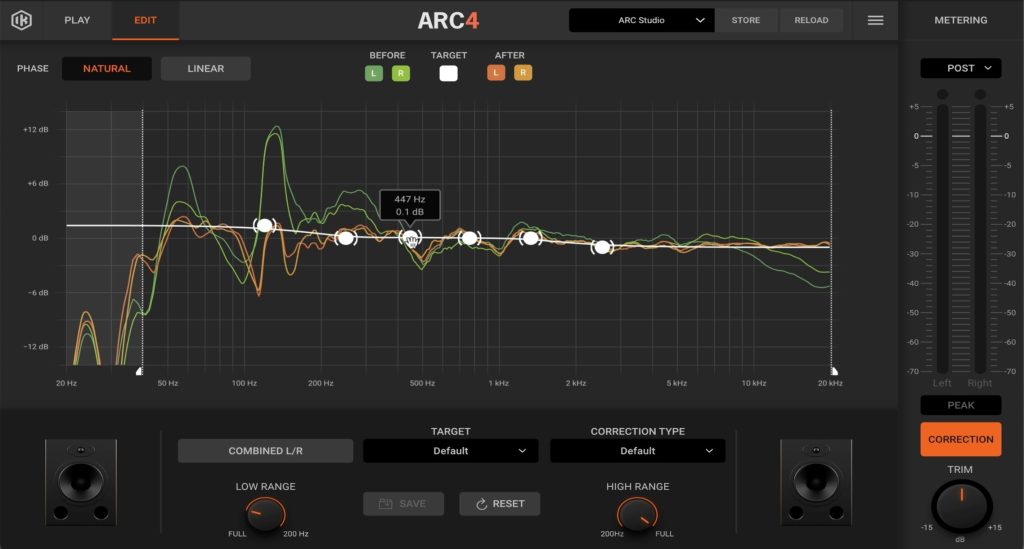
After measurement, the system creates correction tailored to the room's measured response, as shown here.
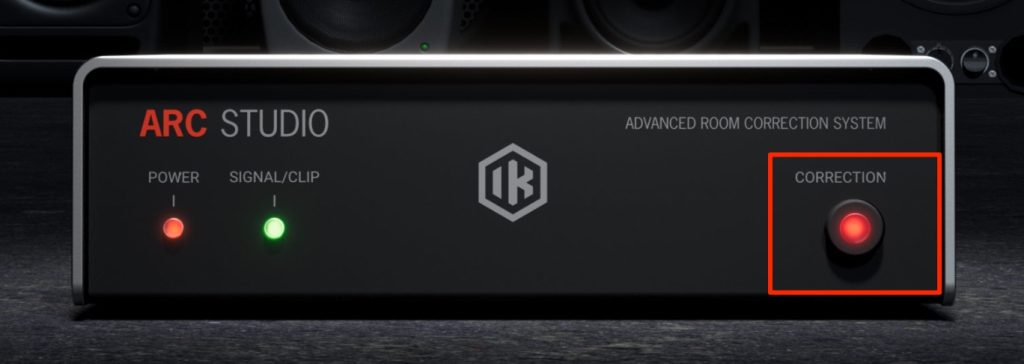
Having a hardware unit also makes it convenient to switch correction on and off.
We use that switch to compare the process of mixing the same song.
Mixing results with correction on and off
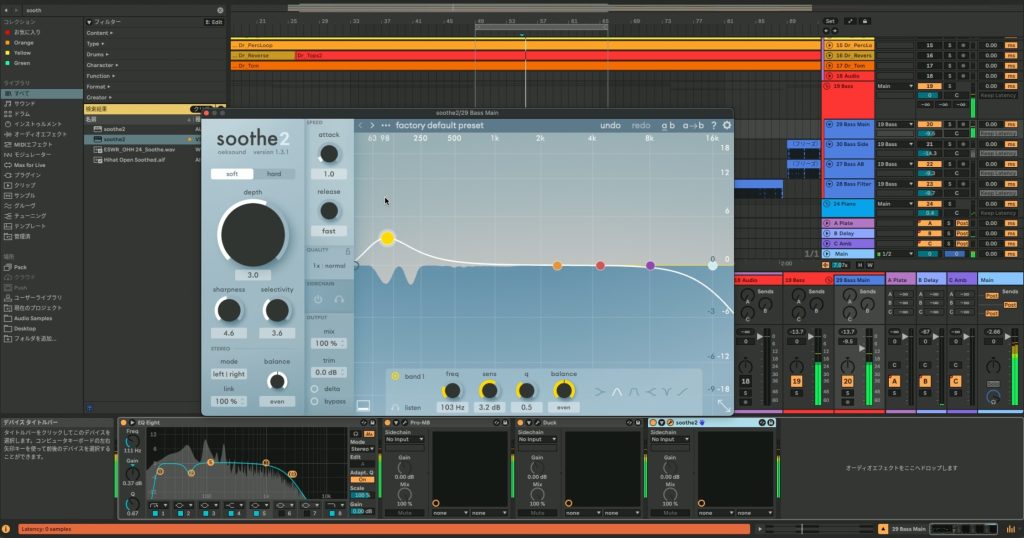
Let's compare the mixes made with and without correction.
The correction affects the speaker-monitoring path. It does not alter the audio files or the mix signal inside the DAW.
The idea is that improving what you hear while monitoring can help you make better mixing decisions. The differences in these examples come from the mixing decisions made in each monitoring condition.
What do you think?
In this test, we felt the mix made with correction had a better overall balance, with particularly pleasing bass.
The comparison suggested that changing the monitoring conditions could make a substantial difference to the finished mix.
Here are the main things we noticed during the comparison.
- Without correction, the room can exaggerate the low frequencies.
It is easy to mistake that exaggeration for a characteristic of the source itself, apply unnecessary bass reduction and end up with a thin-sounding mix.
With correction in our setup, the excess bass was reduced, making it easier to retain the source's low end without unnecessary processing. - Without correction, exaggerated bass can also obscure the perceived attack of the kick, encouraging you to emphasize its attack too much.
- We found it much easier to judge the sound with correction, which also helped us make decisions faster.
The test showed us how improving the monitoring environment can reveal problems that were previously difficult to identify, and how valuable that can be.
If you struggle to get a mix right or feel unsure about what you are hearing, this is a product worth trying in your own setup.
If you get the opportunity, give it a listen.
Thank you for reading to the end.
Frequently asked questions
Q1. How does ARC Studio correct the sound?
The supplied microphone measures the room at multiple positions. The system analyzes the measured response and creates correction filters for the speaker-monitoring signal, addressing frequency and phase behavior. It aims to improve monitoring accuracy; it does not change the audio files inside the DAW.
Q2. What problems did the reviewer encounter when mixing without correction?
Bass exaggeration in the room could be mistaken for excessive bass in the source. This could lead to unnecessary low-frequency cuts and a thin mix, or to overlooking the kick's attack and emphasizing it too much.
Q3. How can ARC Studio help the mixing process?
More accurate monitoring can make sound judgments clearer and help avoid unnecessary processing. In the reviewer's test, easier evaluation also helped shorten decision-making time and improve the mix balance.
NEW ARTICLES
Latest English Articles